Gemology Books Bibliography

Gemology Books Bibliography

Explore books on gems, gemology, jewelry and mineralogy in Four Treasures, the Lotus Gemology reference database. This bibliography brings together matching book records from the collection, with publication details, abstracts and cover images where available.

Gemology Book References

The list below matches books concerning gemology and related subjects in the database's searchable fields. Some works cover several branches of gems, jewelry or mineralogy.
3,181–3,200 of 3,451 matching references

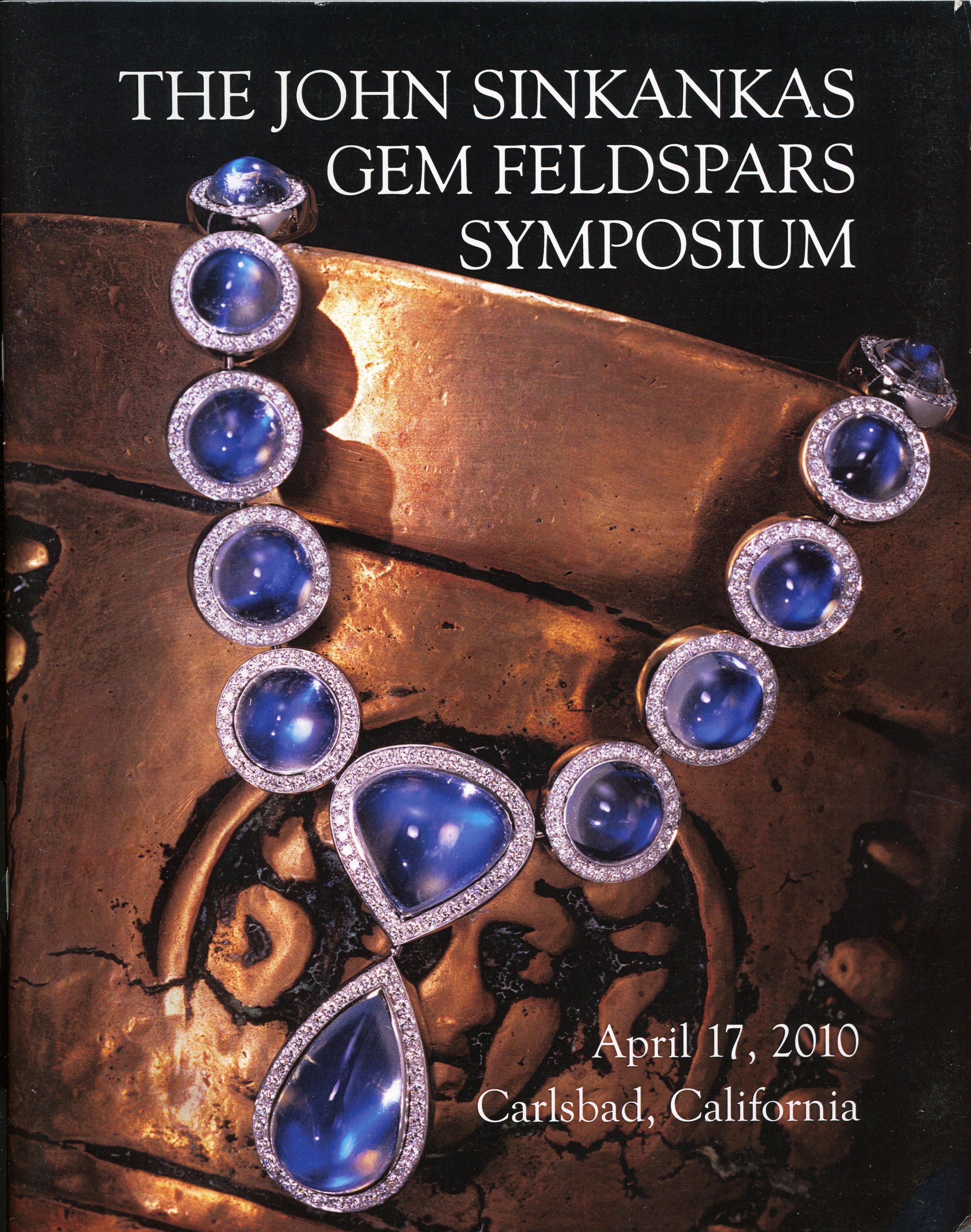
Eighth Annual John Sinkankas Symposium • Gem Feldspars
Conference Proceedings
Various Authors (2010) Eighth Annual John Sinkankas Symposium • Gem Feldspars. John Sinkankas Symposium, 17 April 2010, Carlsbad, CA: Merk’s Jade,
Record No. 4303  |  not seen
Named for one of the most distinguished and influential figures in gemology and mineralogy, The Sinkankas Symposium is an annual one-day event featuring presentations by noted specialists working in diverse gem-related disciplines or occupations. The theme of the Eighth Annual Sinkankas Symposium was Gem Feldspars. The Sinkankas Symposium has been described as the most important gemological conference in North America by respected authorities on gemstones. Organized by Roger Merk, the annual event is co-sponsored by the San Diego Mineral & Gem Society and GIA (Gemological Institute of America), which has provided the Sinkankas Symposium venue for the past eight years. Bill Larson has been a generous supporter and lively speaker at the event since its inception. The 2010 Sinkankas Symposium on Gem Feldspars was held on April 17, 2010, at the Gemological Institute of America (GIA), Carlsbad, California. Ten speakers presented eleven lectures to an audience of 150 attendees. Highlights from the program included recent gemological and analytical research on Chinese andesine presented by Shane McClure, Director of the West Coast Identification Services at GIA laboratory in Carlsbad, CA, and Dr. George Rossman, Professor of Mineralogy in the Division of Geology and Planetary Sciences at the California Institute of Technology, Pasadena, CA.

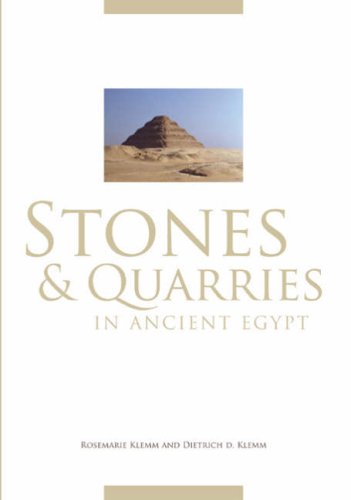
Stones & Quarries in Ancient Egypt

Book
Klemm, R. and Klemm, D. (2009) Stones & Quarries in Ancient Egypt. London, British Museum Press, 368 pp.
Record No. 26392  |  ISBN/ISSN: 9780710000000  |  Sinkankas/Born No.: NIS/NIB  |  not seen
An important study not only of the geological structure of Egypt and the mineral composition of its rocks, but also of ancient Egyptian stone quarries. Illustrated with almost 500 photographs and diagrams, microscopic sections and electronic scans, as well as colour photographs of all the types of stone discussed, the detailed descriptions of the quarries and numerous examples of quarrying and masonry techniques make this book an indispensable tool for the provenancing of museum exhibits. Originally published in German in 1993, this edition has been updated to take account of new research, and a new chapter on the building stones of the western oases has been added. Archaeologists, Egyptologists and travellers to Egypt will find a wealth of fascinating information on ancient quarry sites, working methods and transport in ancient Egypt, as well as an introduction to the geology of the Nile valley and the surrounding desert regions.

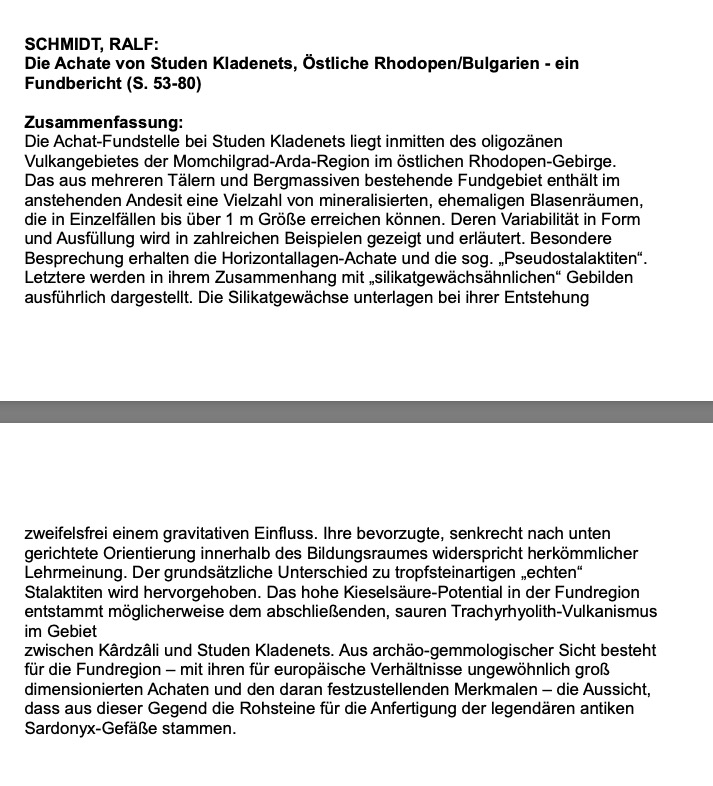
Die Achate von Studen Kladenets, Östliche Rhodopen/Bulgarien — ein Fundbericht

The agates of Studen Kladenets, Eastern Rhodopes/Bulgaria – a report on findings
Journal Article
Schmidt, R. (2009) Die Achate von Studen Kladenets, Östliche Rhodopen/Bulgarien — ein Fundbericht. [The agates of Studen Kladenets, Eastern Rhodopes/Bulgaria – a report on findings] Naturhistorisches Museum Schloß Bertholdsburg Schleusingen. Veröffentlichungen, Vol. 24, pp. 53–80.
Record No. 17253  |  Language: in German  |  not seen
The agate deposit at Studen Kladenets is located within the Oligocene volcanic region of the Momchilgrad-Arda area in the Eastern Rhodope Mountains. The site, made up of several valleys and mountain massifs, contains numerous mineralized former gas cavities within the andesite bedrock, some reaching sizes of over 1 meter. The variability in their form and infilling is illustrated and explained through numerous examples. Particular attention is given to horizontally layered agates and the so-called “pseudo-stalactites,” the latter being closely examined in connection with “plant-like silicate structures.” These formations undoubtedly developed under the influence of gravity, with their preferred downward orientation within the growth space contradicting traditional scientific views. The essential difference between these and true stalactite-like formations is emphasized. The high silica potential of the area may originate from the final phase of acidic trachy-rhyolite volcanism between Kârdzâli and Studen Kladenets. From an archaeo-gemmological perspective, the region—with its unusually large agates by European standards and their distinctive features—offers the possibility that raw materials for the legendary ancient sardonyx vessels may have come from this area.
New geological origin: Ruby from Mozambique
New geological origin: Ruby from Mozambique

Journal Article
Kawano, J., Kitawaki, H., Abduriyim, A. and Okano, M. (2009) New geological origin: Ruby from Mozambique. Gemmology, Vol. 40, No. 483, pp. 13–15.
Record No. 7739  |  Language: in Japanese with English translation  |  not seen
Rubies have recently been discovered in northern Mozambique, specifically in Niassa Province (M’sawize village, Lichinga district) and Cabo Delgado Province (Montepuez area). These rubies display internal features such as twin planes, fluid-film inclusions, negative crystals, and crystalline inclusions. Many of the crystalline inclusions are colorless to green amphibole (possibly pargasite), along with confirmed apatite and fine needles producing “silk.” Some fractures contain material resembling hematite. Infrared spectra of unheated Mozambique rubies show a broad absorption band at 3309 and 3081 cm⁻¹, which disappears after heating; weak bands at 2074 and 1980 cm⁻¹, likely from diaspore, may also be present. EDXRF analysis reveals Cr contents of 0.3–0.8 wt.% and Fe contents of 0.2–0.5 wt.%, higher than typical non-basalt-related rubies but lower than basaltic rubies. Most Mozambique rubies have been heat-treated, often leaving flux residues in fissures.

The structure and chemical composition of trapiche blue sapphire from southern Vietnam and Cambodia
Journal Article
Khotchanin, K., Thanasuthipitak, P. and Thanasuthipitak, T. (2009) The structure and chemical composition of trapiche blue sapphire from southern Vietnam and Cambodia. Journal of the Gemmological Association of Hong Kong, Vol. 30, pp. 25–35.
Record No. 5263  |  not seen
While trapiche emerald is well known, trapiche corundum (especially blue sapphire) is considerably rarer. The authors examined 33 blue sapphires from Vietnam and 27 from Cambodia. The majority showed trapiche structure, but non-trapiche specimens were included for comparison. The trapiche sapphires typically featured a brown core and brown to yellowish brown arms separating the sections of blue crystal; dotted and needle-like inclusions were also seen. Iron and titanium were both present in the samples, but the iron was concentrated in the trapiche core while the titanium was evenly distributed for the most part. The authors also compared the visual characteristics of trapiche rubies and sapphires, as well as trapiche vs. star phenomena. The trapiche structure could point to a multi-stage growth process that starts at the core, with the arms and blue crystal segments growing concurrently but at different rates.

Vorkommen von Achaten in rhyolitischen bis dacitischen Vulkaniten Deutschlands und deren historische Gewinnung sowie Nutzung — Teil I
Agate occurrences in Germany’s rhyolitic to dacitic volcanic rocks and their historical extraction and use — Part 1
Journal Article
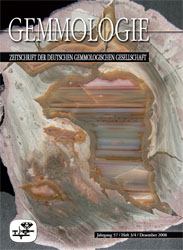
Holzhey, G. (2008) Vorkommen von Achaten in rhyolitischen bis dacitischen Vulkaniten Deutschlands und deren historische Gewinnung sowie Nutzung — Teil I. [Agate occurrences in Germany’s rhyolitic to dacitic volcanic rocks and their historical extraction and use — Part 1] Gemmologie - Zeitschrift der Deutschen Gemmologischen Gesellschaft, Vol. 57, No. 3/4, pp. 77–102.
Record No. 29960  |  Sinkankas/Born No.: NIS/NIB  |  Language: in German  |  not seen
The study discusses German agates hosted by rhyolitic to dacitic volcanic rocks and their historical exploitation. The published Journal of Gemmology abstract highlights early working of these materials at Freiburg in the fifteenth and sixteenth centuries, later use of Black Forest agates, and historical agate production in Thuringia and Saxony. This summary is based on that published abstract rather than inspection of the complete original article.

Dumbarton Oaks: The Collections

Edited Book
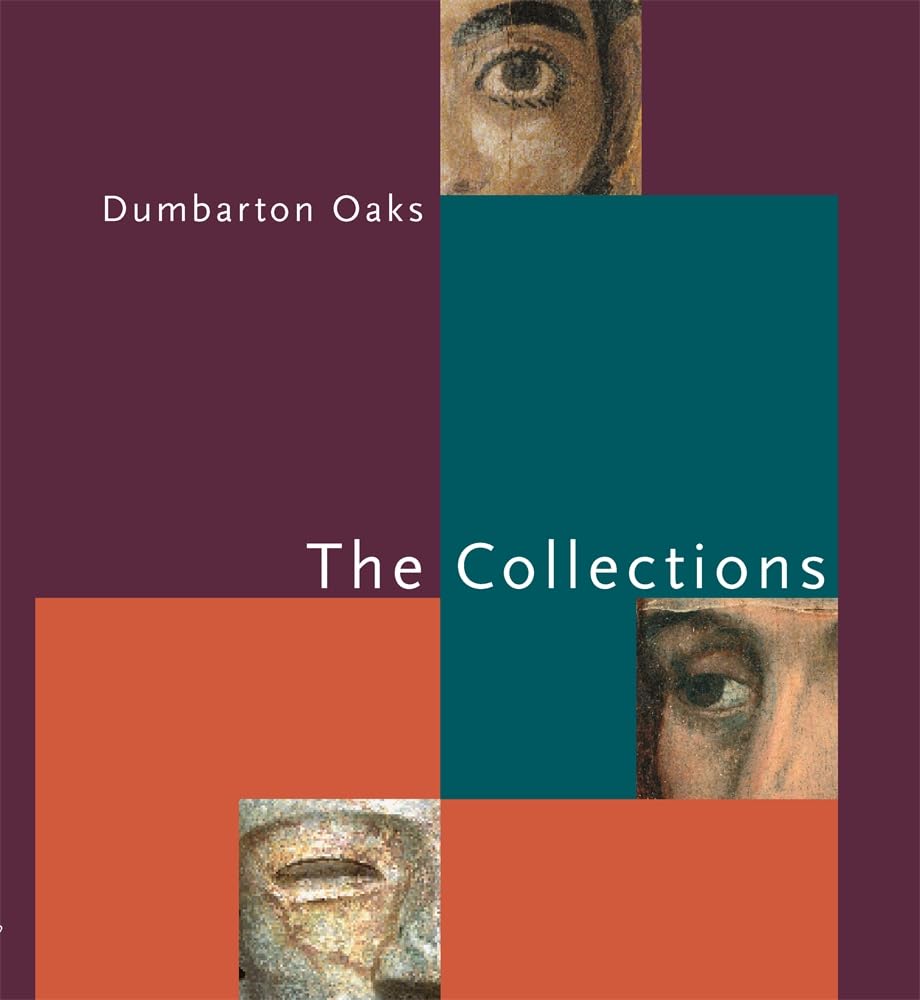
Bühl, G., editor (2008) Dumbarton Oaks: The Collections., Dumbarton Oaks Research Library and Collection, 384 pp..
Record No. 28571  |  ISBN/ISSN: 9780880000000  |  Sinkankas/Born No.: NIS/NIB  |  not seen
Dumbarton Oaks houses the extraordinary art collection begun by Mildred and Robert Woods Bliss. In this book the museum publishes the specialist collections in Byzantine and Pre-Columbian art, along with examples from the Blisses’ superb European collection, for the first time. When Robert Bliss recalled handling a jade Olmec figurine in 1913, he said, “That day, the collector’s microbe took root in―it must be confessed―very fertile soil.” The Blisses’ passion for art bore fruit in a remarkably diverse collection: Flemish tapestries, Renaissance furniture, and paintings by the likes of El Greco, Renoir, and Degas. The celebrated Byzantine collection includes floor mosaics from late antique Antioch, sumptuous jewelry, carved ivory reliefs, liturgical silver, and a comprehensive coin and seals collection. The Pre-Columbian collection showcases fine jade carvings, gold jewelry, monumental sculpture, ritual weaponry, colorful ceramics, and intricately woven textiles. The publication of this new guidebook coincides with the complete refurbishment of Dumbarton Oaks and the creative reinstallation of the galleries. The curators offer highlights of the collection, accompanied by a lucid and thought-provoking text. Dumbarton Oaks: The Collections is intended as a valuable resource and a pleasure to read for scholars and nonspecialists alike.

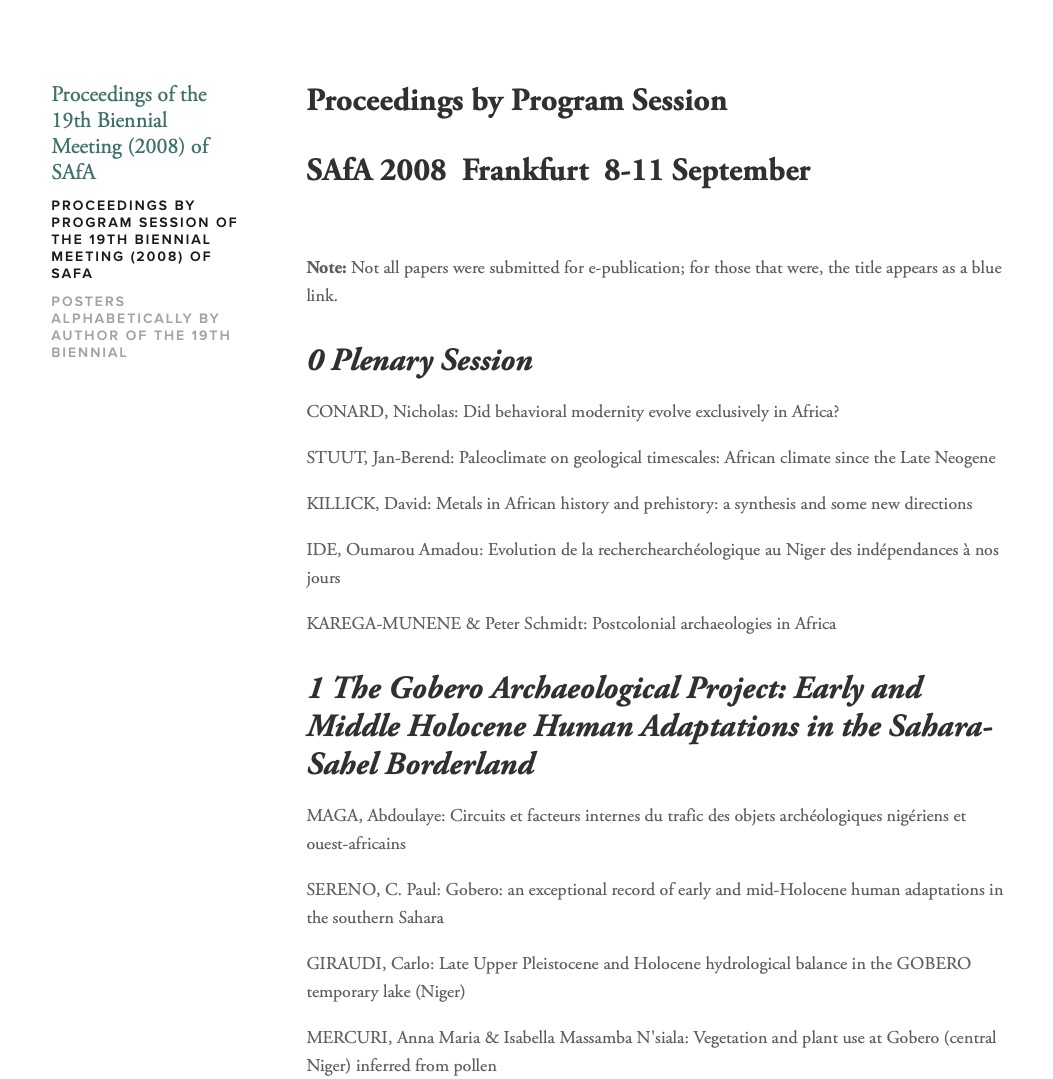
Holocene ornaments from Gobero

Conference Paper
Moots, H.M. and Sereno, P.C. (2008) Holocene ornaments from Gobero. Cultural Diversity of Africa's Past | Society of Africanist Archaeologists (SAfA), September 7–11, Goethe University, Frankfurt/Main
Record No. 27122  |  Sinkankas/Born No.: NIS/NIB  |  not seen
Excavation of 84 burials and surface artifact collection at Gobero (Niger) from paleodune and lakebed contexts yielded a diverse assemblage of ornaments made from ivory, eggshell, bone, and stone. These were categorized as either in situ grave goods or surface finds from deflation. Grave goods included a hippo ivory upper arm bracelet found on the left humerus of an 11-year-old girl from the mid-Holocene phase (4250 ± 40 BP), showing a tessellate enamel fracture pattern diagnostic of hippo tusk under UV light. Two necklaces, found with mature individuals, were composed of ostrich eggshell beads, larger green metamorphic rock beads, and—on a mature female dated to the later occupation phase (4860 ± 40 BP)—nine hippo ivory beads and a subrectangular ivory pendant incised with a ‘crow’s foot’ motif giving a serpentine lateral profile. Surface finds included amazonite and carnelian beads, partially drilled or unworked amazonite cores, a lobate amazonite pendant (44 mm long), a drilled Gazella dama phalanx, a pendant from an external hippo tusk section, and one from a curved cranial bone of a large Nile perch (Lates niloticus). The absence of ornaments in early Holocene burials suggests most surface finds likely date to the mid-Holocene occupation.

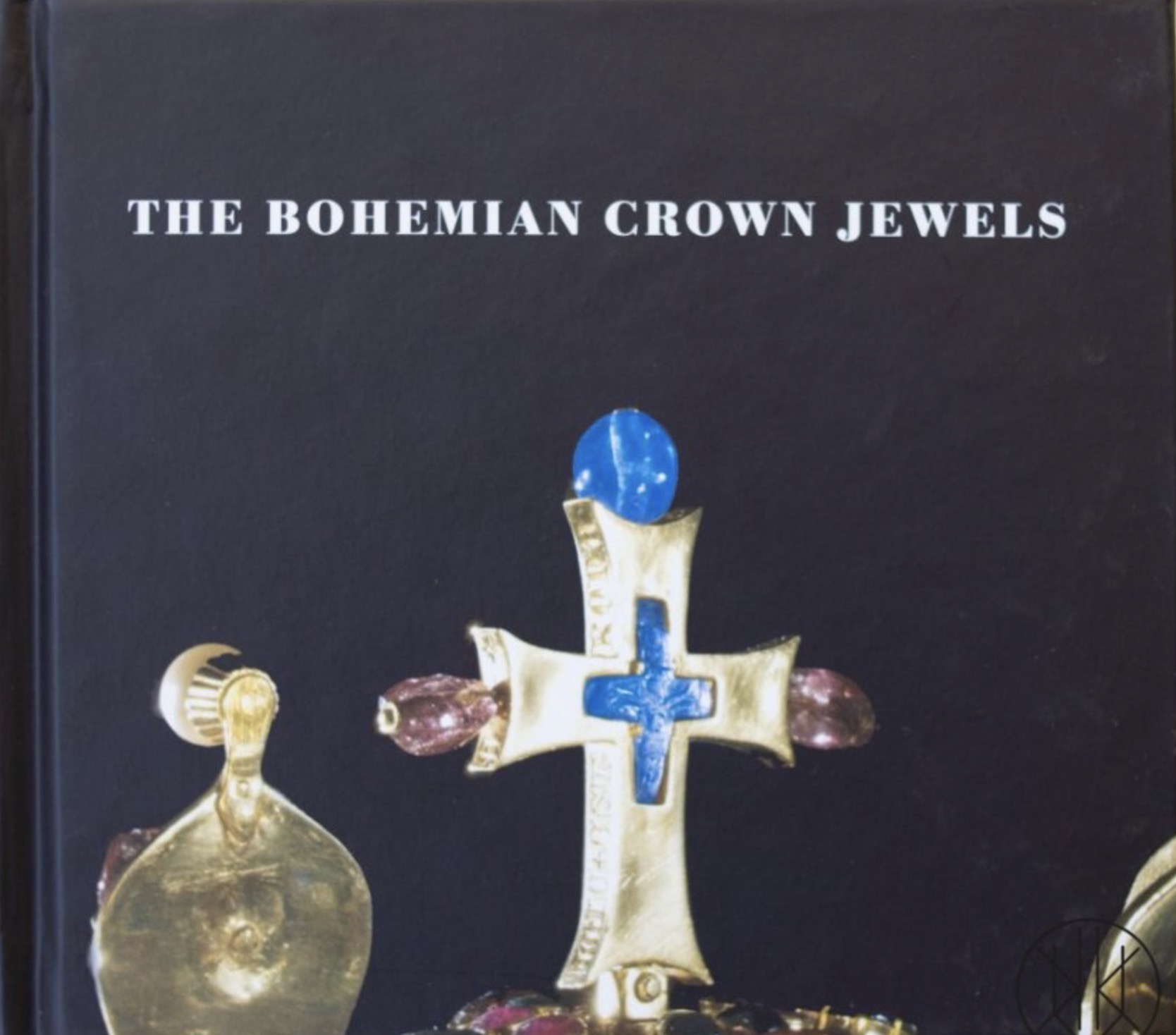
The Bohemian Crown Jewels

Book
Šumbera, A. (2008) The Bohemian Crown Jewels. Prague, self-published, 114 pp.
Record No. 4611  |  Sinkankas/Born No.: NIS/NIB  |  not seen
This pocket-sized work is a photo- graphic catalogue of the Crown Jewels of the Kingdom of Bohemia, which date from the reign of King Charles IV (1316–1378). The book is the product of gemological examinations conduct- ed in 1998 and 2003; a review of these examinations is also provided. Included is a CD-ROM with 600 additional photos.

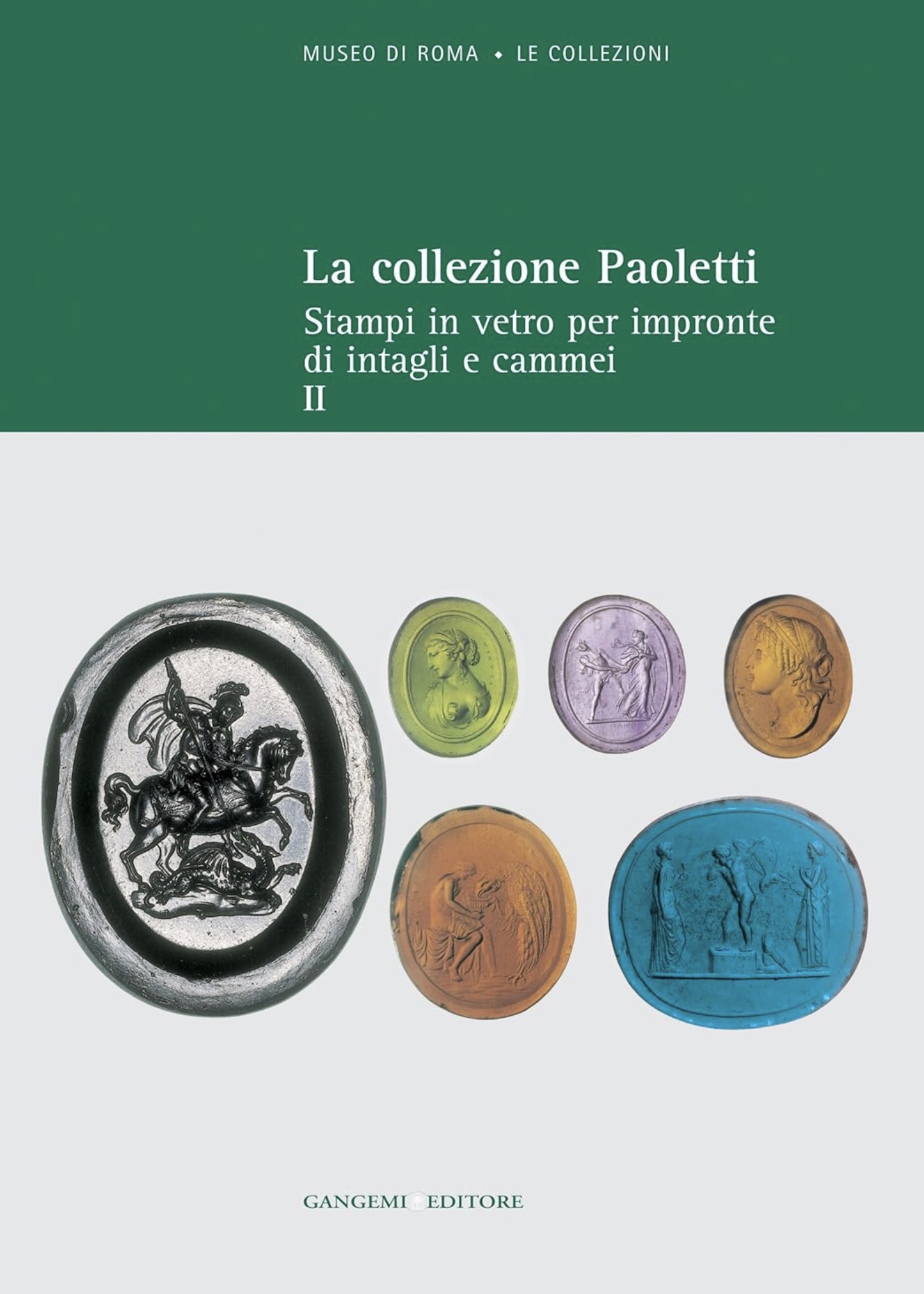
La Collezione Paoletti – Stampi in vetro per impronte di intagli e cammei

The Paoletti Collection – Glass Molds for Impressions of Intaglios and Cameos
Book
Pirzio Biroli Stefanelli, L. (2007, 2013) La Collezione Paoletti – Stampi in vetro per impronte di intagli e cammei. [The Paoletti Collection – Glass Molds for Impressions of Intaglios and Cameos] Rome, Gangemi Editore, 3 Vols. (2 published so far), 448, 512 pp.
Record No. 28837  |  ISBN/ISSN: 9788849211368, 9788849225563  |  Sinkankas/Born No.: NIS/NIB  |  Language: in Italian  |  not seen
“The so-called pastes manufactured only in Rome are imitations, or rather impressions, of ancient and modern cameos and intaglios in enamel. Besides these pastes, impressions are also made in sulfur and in scagliola. These cost very little and are extremely interesting, since through them one may acquire, at very little expense, a compendium of the art, history, and mythology of the Ancients. […] In this way there are collections whose purpose is to show the development of Art, beginning with the Egyptians and Etruscans, continuing through the Greeks and the Romans, from the birth of Art to its decline. Other collections are historical, containing the principal events of history; others contain only portraits arranged in series of the first Kings of Rome, the Emperors, famous Captains, Philosophers, and Poets.” Thus Giuseppe Brancadoro wrote in the “Notizie riguardanti le Accademie di scienze, ed arti esistenti in Roma coll’elenco dei Pittori, Scultori, Architetti etc. compilata ad uso degli Stranieri.” The first of three volumes, this catalog constitutes the complete publication of the collection of glass molds used during the first half of the nineteenth century by the workshop of Bartolomeo and Pietro Paoletti for the serial production of scagliola impressions of cameos and hardstone intaglios from every period. The catalog is supplemented by a reconstruction of the Paoletti workshop’s activity in Rome and by a historical-critical analysis of the collection.
Jade in Guaytan: Reconstructing the technological process of jadeite artifact production in the Middle Motagua Valley, Guatemala

Jade in Guaytan: Reconstructing the technological process of jadeite artifact production in the Middle Motagua Valley, Guatemala

Conference Paper
Rochette, E.T. (2007) Jade in Guaytan: Reconstructing the technological process of jadeite artifact production in the Middle Motagua Valley, Guatemala. 3rd Maya Lithics Conference, Popol Vuh Museum, Francisco Marroquín University, Guatemala City
Record No. 28634  |  Sinkankas/Born No.: NIS/NIB  |  not seen
Le coppe di ossidiana dalla Villa di San Marco a Stabia
Le coppe di ossidiana dalla Villa di San Marco a Stabia

The obsidian cups from the Villa of San Marco at Stabiae
Book Section
Vallifuoco, M. (2007) Le coppe di ossidiana dalla Villa di San Marco a Stabia. [The obsidian cups from the Villa of San Marco at Stabiae] In: La villa romana. Collana Archaeologia" 8", Naples: L'Orientale Editrice, pp. 257–296.
Record No. 27452  |  Sinkankas/Born No.: NIS/NIB  |  Language: in Italian  |  not seen

Archeo-mineralogy of Neolithic and Chalcolithic artefacts from Bulgaria and their significance for gemmology
Book
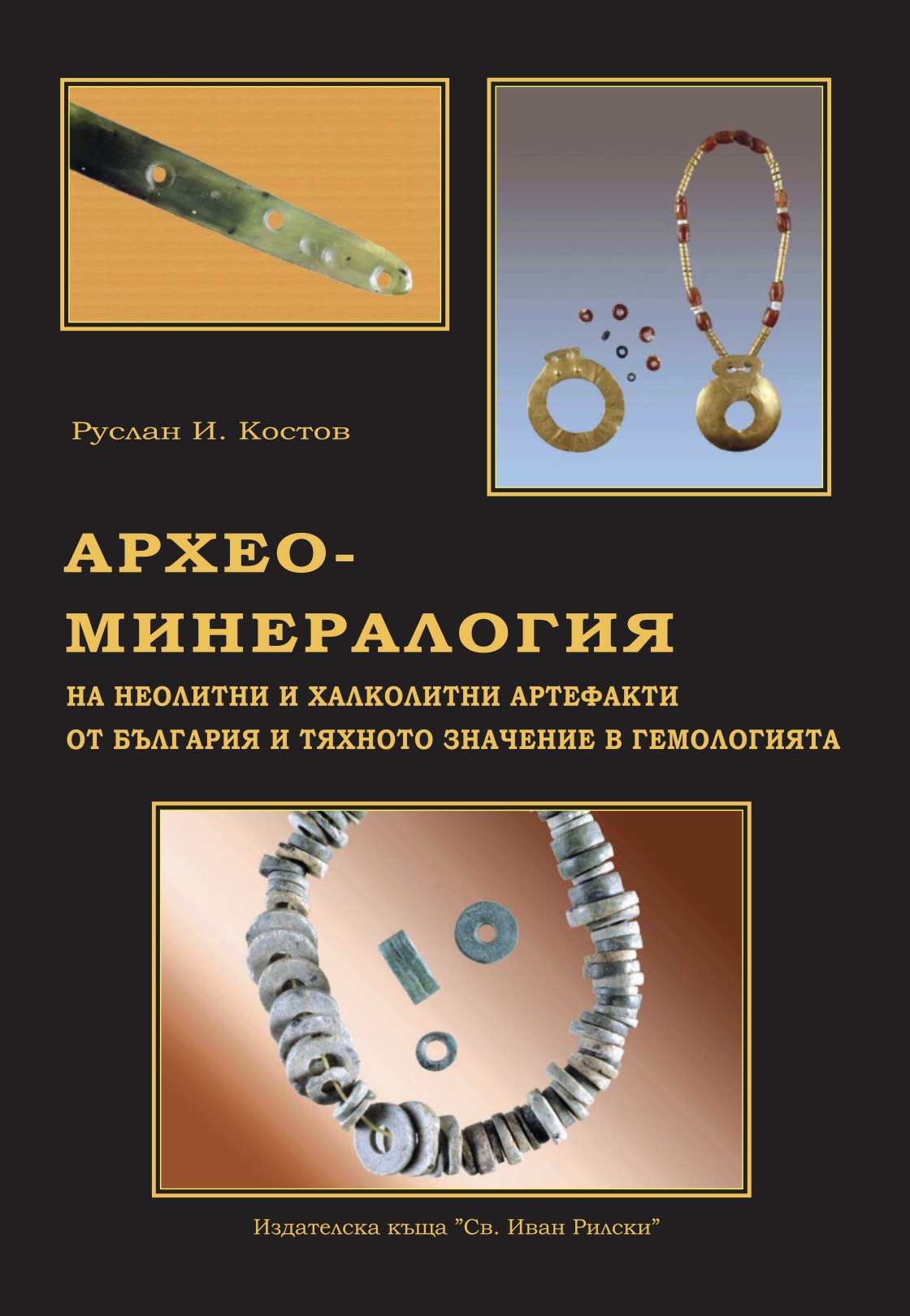
Kostov, R.I. (2007) Archeo-mineralogy of Neolithic and Chalcolithic artefacts from Bulgaria and their significance for gemmology. Sofia, St. Ivan Rilski, 126 pp.
Record No. 27112  |  ISBN/ISSN: 9789540000000  |  Sinkankas/Born No.: NIS/NIB  |  Language: in Bulgarian with English abstract  |  not seen

Jade and chocolate: Bundles of wealth in Classic Maya economics and religion

Book Section
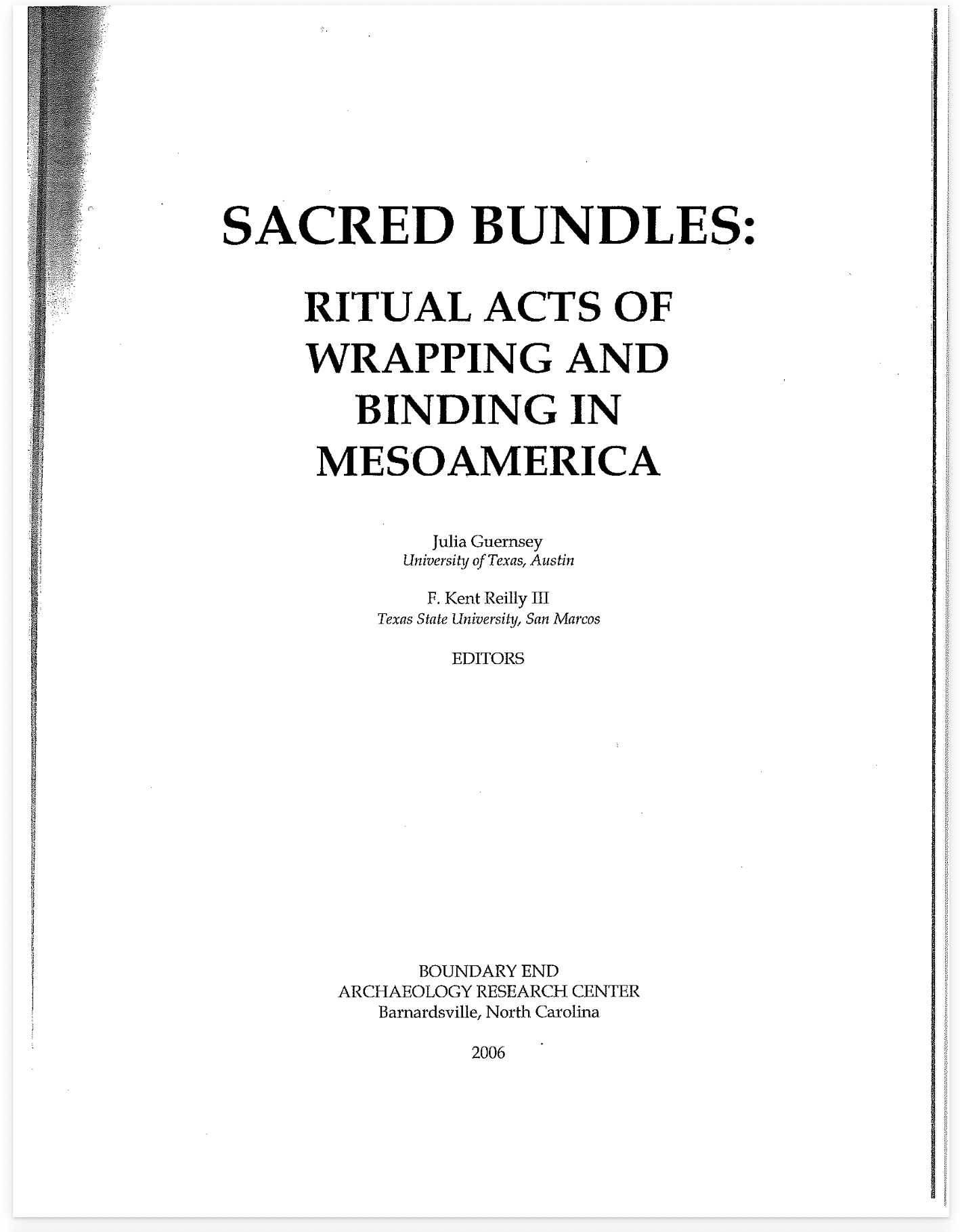
Stuart, D. (2006) Jade and chocolate: Bundles of wealth in Classic Maya economics and religion. In: Sacred Bundles: Ritual Acts of Wrapping and Binding in Mesoamerica, Barnardsville, NC: Boundary End Archaeology Research Center, pp. 127–144.
Record No. 28676  |  Sinkankas/Born No.: NIS/NIB  |  not seen
In his essay, David Stuart provides a carefully nuanced reading of the many bundles that appear in Classic Maya imagery. He contests their traditional grouping under the rubric “tribute bundles” and suggests instead that various categories of bundles can be identified, some of which provide important insights into the economic significance of this motif. In particular, he posits that the contents of one type of bundle—labeled ikatz (“cargo” or “burden”)—may have been carved jades, which served a powerful role in elite gift exchange and tribute in ancient Mesoamerica. In contrast, he identifies another type of bundle, labeled with the numerical classifier pik, which appears to have contained cacao beans, a commodity closely associated with elite gift-giving and payment. Weaving together a variety of images with epigraphic and archaeological evidence, Stuart reconstructs patterns of elite exchange that shed insight into the social, political, and economic role of these practices and that illuminate their mythological ramifications as well. In short, he posits that bundle-related text and imagery such as this provide insight into ancient Maya notions of wealth.
Proyecto de investigación sobre la producción de jade en el rio lato, San Agustin Acasaguastlan, El Progreso, Guatemala

Proyecto de investigación sobre la producción de jade en el rio lato, San Agustin Acasaguastlan, El Progreso, Guatemala

Research project on jade production in the Lato River, San Agustín Acasaguastlán, El Progreso, Guatemala
Report
Pellecer, M. and Rochette, E.T. (2006) Proyecto de investigación sobre la producción de jade en el rio lato, San Agustin Acasaguastlan, El Progreso, Guatemala. [Research project on jade production in the Lato River, San Agustín Acasaguastlán, El Progreso, Guatemala] Informe Final Presentado al Instituto de Antropología e Historia de Guatemala, USAC y Pennsylvania State University, Guatemala,
Record No. 28633  |  Sinkankas/Born No.: NIS/NIB  |  Language: in Spanish  |  not seen
Jade and Jade Production in Precolumbian Mesoamerica
Jade and Jade Production in Precolumbian Mesoamerica

Thesis
Clark, B.T. (2006) Jade and Jade Production in Precolumbian Mesoamerica. Pennsylvania State University
Record No. 28628  |  not seen

Olmec Art and Archaeology in Mesoamerica
Edited Book
Clark, J.E. and Pye, M.E., editor (2006) Olmec Art and Archaeology in Mesoamerica.. Washington, DC, National Gallery of Art, 344 pp..
Record No. 28346  |  ISBN/ISSN: 9780300000000  |  Sinkankas/Born No.: NIS/NIB  |  not seen
This handsome volume presents the creations of Mesoamerica’s most ancient societies in their archaeological contexts. The Olmec―best known for a unique style of monumental stone head and jade were-jaguar―were based along the Gulf of Mexico but have also been linked to other Mesoamerican civilizations such as the Maya and Aztec. This book discusses recent spectacular finds and provides a framework for understanding the history, art, and archaeology of the Olmec.

Systematic Gemology

系统宝石学
Book
Zhang, B. (2006) Systematic Gemology. [系统宝石学] Beijing, Geological Publishing House, 550 pp.
Record No. 28121  |  ISBN/ISSN: 9787120000000  |  Language: in Chinese  |  not seen
This is a comprehensive Chinese textbook covering the crystallography, optical, physical, and chemical properties of gemstones, their identification methods, and classification systems. It is widely used in gemological education and certification programs in China.

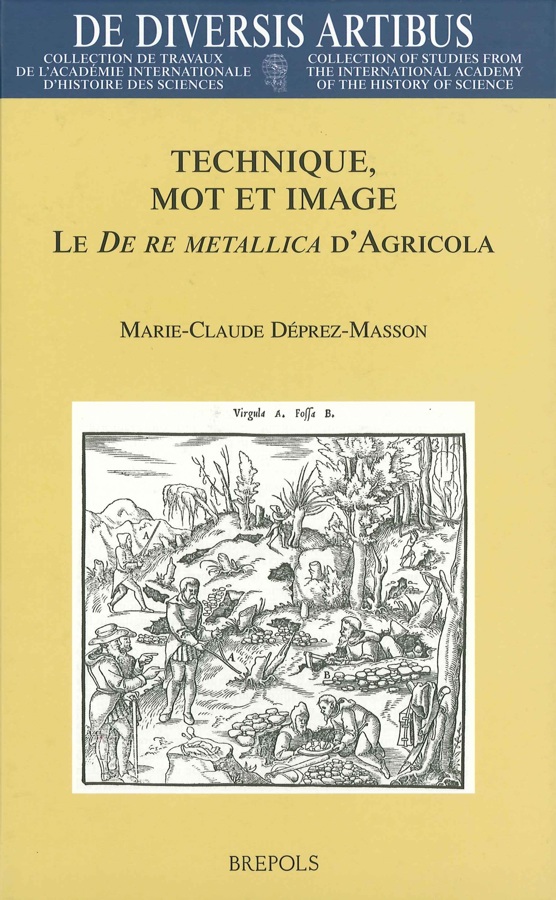
Technique, mot et image. Le De re metallica d’Agricola
Technique, Word, and Image: Agricola’s De Re Metallica
Book
Déprez-Masson, M.-C. (2006) Technique, mot et image. Le De re metallica d’Agricola. [Technique, Word, and Image: Agricola’s De Re Metallica] Turnhout, Brepols, 520 pp.
Record No. 27884  |  ISBN/ISSN: 9782500000000  |  Sinkankas/Born No.: NIS/NIB  |  Language: in French  |  not seen
To create a technical language—that was the challenge faced by Agricola, a Saxon physician and humanist of the Renaissance, when he set out to write the first comprehensive technical treatise on extractive metallurgy, an activity that at the time was the source of Saxony’s wealth. Indeed, one cannot write a technical text without using technical language. This study reveals the linguistic and iconographic methods developed by Agricola for his De re metallica, a work that was used by mining operators throughout Europe until the Industrial Revolution.

Gemologische Kurzinformationen: Regenbogen-Mondstein" aus Indien"

Gemological brief notes: “Rainbow moonstone” from India
Journal Article
Henn, U. (2006) Gemologische Kurzinformationen: Regenbogen-Mondstein" aus Indien". [Gemological brief notes: “Rainbow moonstone” from India] Gemmologie: Zeitschrift der Deutschen Gemmologischen Gesellschaft, Vol. 55, No. 3/4, pp. 133–135.
Record No. 27029  |  Sinkankas/Born No.: NIS/NIB  |  Language: in German  |  not seen

Building a Gemological Library

Gemological books range from general identification manuals and textbooks to specialized works on individual gems, mineralogy, jewelry, treatments, synthesis, history and gem-producing regions.

For a curated selection of particularly useful books, read The Gemologist's Core Library — Classic Books on Gemology, Jewelry and Mineralogy.

About Four Treasures

Four Treasures is Lotus Gemology's freely accessible gemological reference database. Use the full database to search by author, title or keyword and explore literature on gemology, mineralogy, jewelry and related fields. Where available, hyperlinks on titles may lead directly to the full publication.

Search the Complete Four Treasures Database