
Four Treasures Reference Database
Record No. 1026
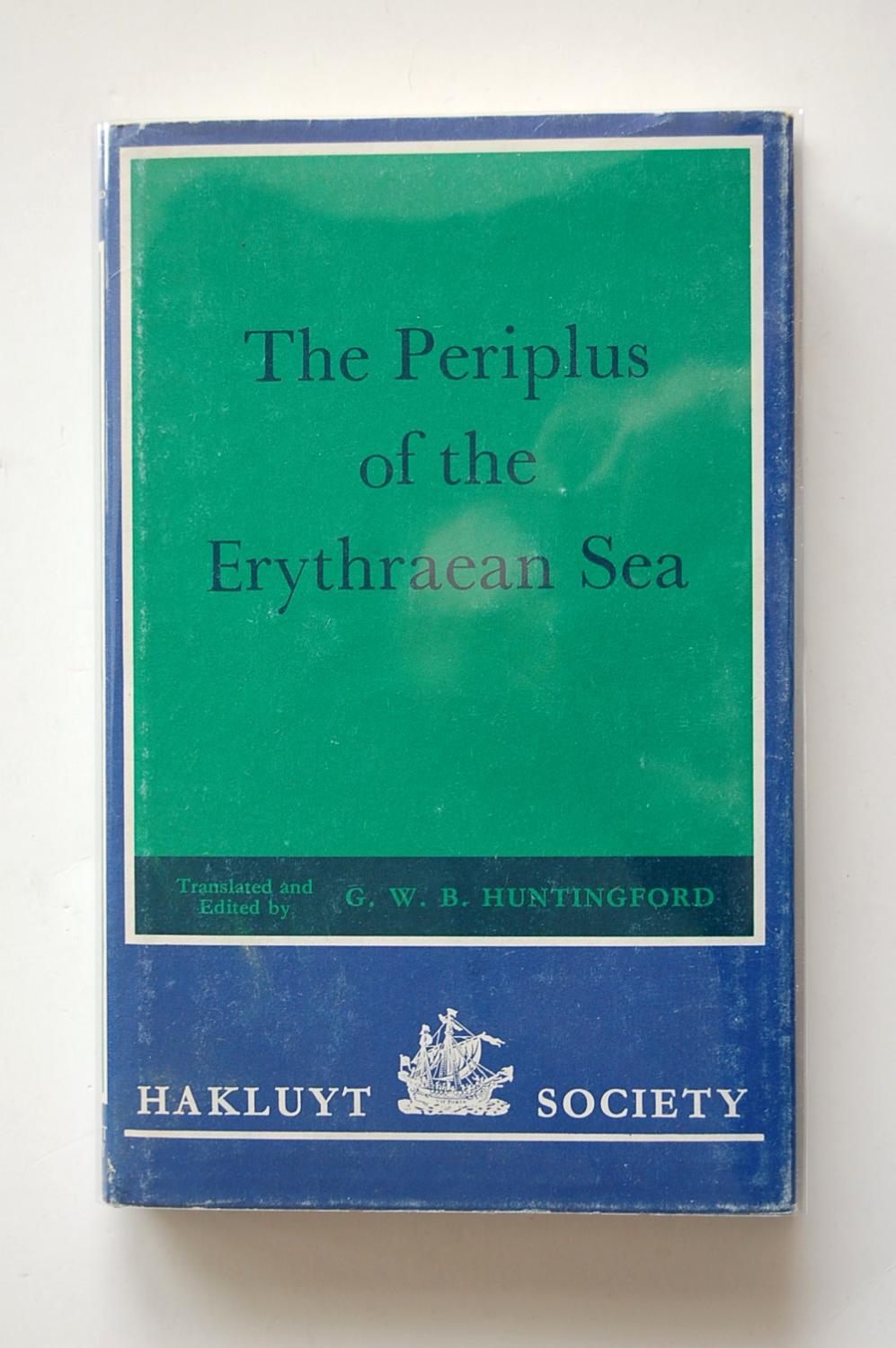
The Periplus of the Erythraean Sea
Book
Periplus Maris Erythraei and Huntingford, G.W.B. (1980) The Periplus of the Erythraean Sea. London, Hakluyt Society, 2nd Series, No. 151 , 225 pp., 9 plates/maps
Sinkankas/Born No.: NIS/NIB | RWHL
corundum, history.1, Sri Lanka.12, gems
A scholarly edition and English translation of the Periplus of the Erythraean Sea, an anonymous Greek merchant’s account of maritime trade in the Red Sea, western Indian Ocean, and Arabian Sea, generally dated to the middle of the first century AD. Edited, translated, and annotated by G.W.B. Huntingford, the volume provides an important primary source for reconstructing the commercial geography of the ancient world and the trading relationships linking Roman Egypt, eastern Africa, southern Arabia, the Persian Gulf, India, and regions farther east. The Periplus describes ports, coastal settlements, sailing routes, seasonal monsoon winds, political authorities, and the principal commodities imported and exported at individual trading centers. Particular attention is devoted to the African coast, including Adulis, the Somali ports, and Rhapta, as well as the Arabian ports of Muza and Cana and the Indian commercial centers of Barygaza (Bharuch), Muziris, and Nelcynda. Of special gemological interest are references to diamonds, sapphires, pearls, onyx, and other precious stones traded through Indian Ocean networks. The account identifies regions associated with the production or distribution of gemstones and describes their movement alongside ivory, tortoiseshell, frankincense, myrrh, spices, silk, cotton textiles, metals, and other valuable merchandise. Huntingford’s introduction and commentary examine the authorship and dating of the text, the identification of ancient geographical names, the interpretation of obscure commercial terminology, and the historical circumstances of Indo-Roman maritime commerce. The accompanying maps and plates assist in reconstructing the routes and locations described by the ancient author. Particularly significant is the evidence for direct maritime connections between Roman Egypt and India, facilitated by knowledge of the monsoon winds, which allowed merchants to cross the Arabian Sea without following the coastline. The work is an essential reference for the history of ancient navigation, economic geography, and the international gemstone trade, documenting the extensive commercial networks that connected the Mediterranean world with Africa and Asia nearly two thousand years ago.