
Four Treasures Reference Database
Record No. 17258
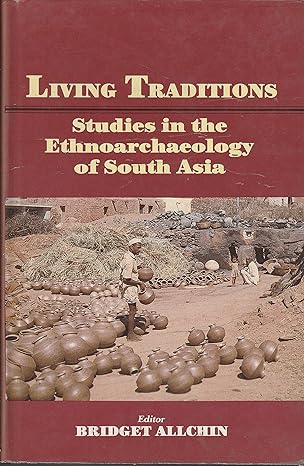
Carnelian bead production in Khambhat, India: An ethnoarchaeological study
Book Section
Kenoyer, J.M. (1994) Carnelian bead production in Khambhat, India: An ethnoarchaeological study. In: Living Traditions: Studies in the Ethnoarchaeology of South Asia, Oxford: Oxbow Books, pp. 281–306.
ISBN/ISSN: 8120409019 | RWHL
gems, beads, agate, carnelian, lapidary arts, cutting, India, Khambhat, Cambay, glyptic, Indian lapidary
This article presents an overview of the important technological and organization aspects of the carnelian bead industry that will be useful in developing interpretive models regarding the role of agate bead production in early urban societies. The production and trade of various types of agate or Carnelian beads has an important role in local and regional economics of the prehistoric and historic periods in South Asia. At present the city of Khambhat (Cambay) is one of the largest stone bead working centres of the world, and it has been an important centre for over 3000 years of documented history. With the aid of archaeological research, the stone bead industry in Pakistan and western India can be traced back even earlier to the cities and villages of the Harappan phase of the Indus tradition, dated to around 2500 BC.