
Four Treasures Reference Database
Record No. 26437
Precious gems and poetry in the Hellenistic royal courts
Book Section
Spier, J. (2019) Precious gems and poetry in the Hellenistic royal courts. In: Art of the Hellenistic Kingdoms | From Pergamon to Rome, New York: Metropolitan Museum of Art, pp. 31–37.
ISBN/ISSN: 9781590000000 | Sinkankas/Born No.: NIS/NIB | RWHL*
gems, ancient gemology, early gemology, ancient mineralogy, early trade, ancient lapidary, glyptic, Greek, Roman, cameos, intaglios
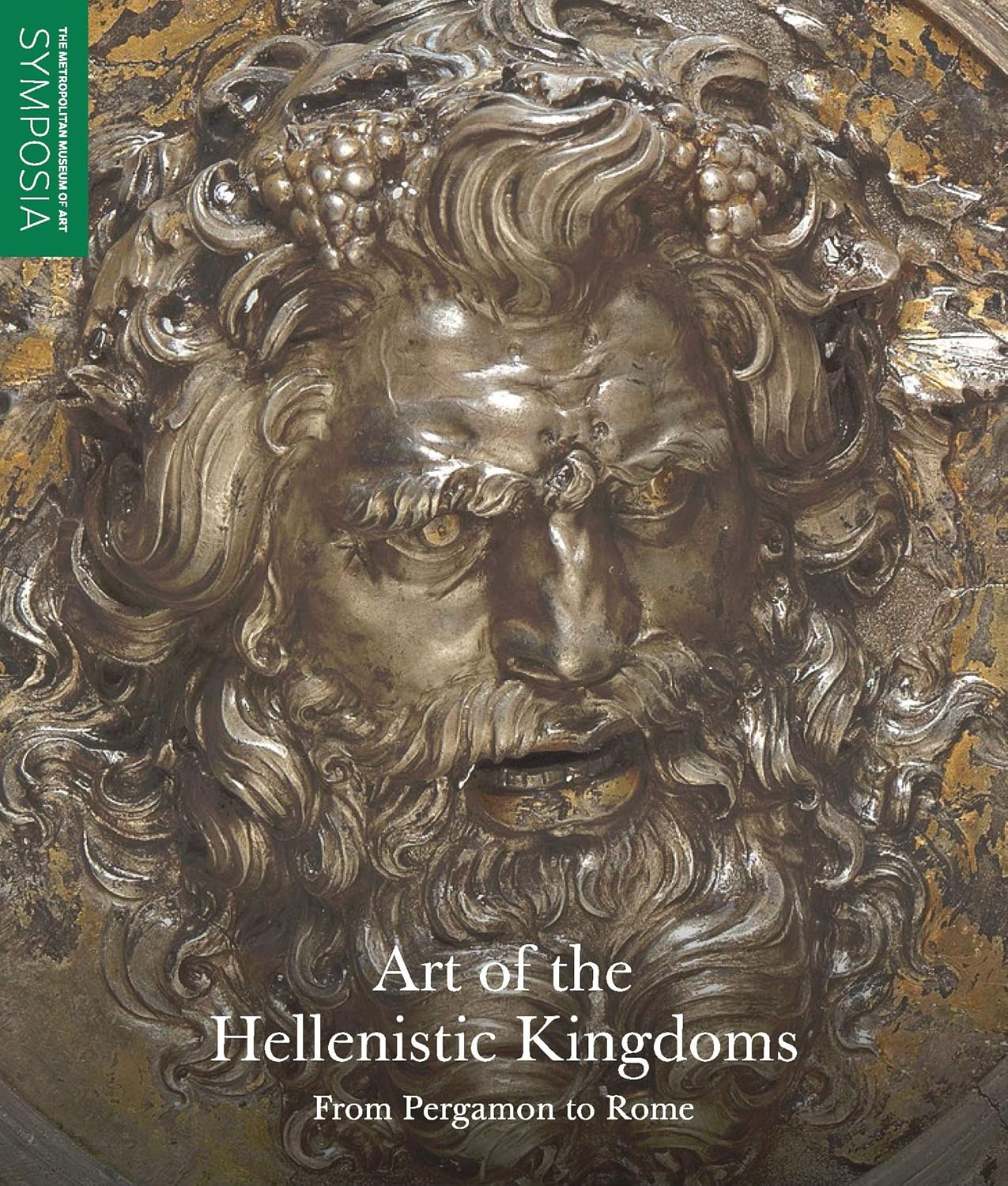
The rediscovery of over a hundred lost epigrams by Poseidippos of Pella (ca. 310–240 B.C.) in a papyrus recently acquired by the University of Milan has revealed remarkable evidence of the importance of precious gems in the court of the Ptolemies. The first twenty works, comprising the section known as the Lithika, or “poems about stones,” are concise and charming epigrams that are playful yet rich in imagery, drawing on both the natural world and the social life of Hellenistic Egypt. These descriptions of stones are not mere literary fabrications but reflect a genuine fascination within the Ptolemaic court for exotic and precious gems. This handsome newly designed addition to The Metropolitan Museum of Art’s symposia series furthers the study of one of the most influential but less known periods of Greek art and culture. It is based on papers given at a two-day scholarly symposium held in conjunction with the award-winning exhibition “Pergamon and the Hellenistic Kingdoms of the Ancient World,” on view at the Metropolitan in 2016. The twenty diverse essays exemplify the international scope of the Hellenistic arts, which cover the three centuries between the death of Alexander the Great in 323 B.C. and the suicide of Cleopatra in 30 B.C. Subjects range from twenty-first century approaches to museum displays of archaeological material to the circulation of artists and works of art throughout the Mediterranean and the influence of Hellenistic art and its legacy in the ancient Roman world. Among the topics discussed are aspects of royal self-presentation and important elements of iconography and style in coins, gems, mosaics, sculpture, vessels, and wall paintings, in mediums including bronze, faience, glass, marble, silver, and terracotta. Authored by a number of internationally renowned scholars, the essays in this volume highlight the holdings of the Metropolitan and markedly demonstrate the artistic innovations and technical mastery of Hellenistic artists, offering new insights into the vitality and complexity of Hellenistic art.