
Four Treasures Reference Database
Record No. 26926
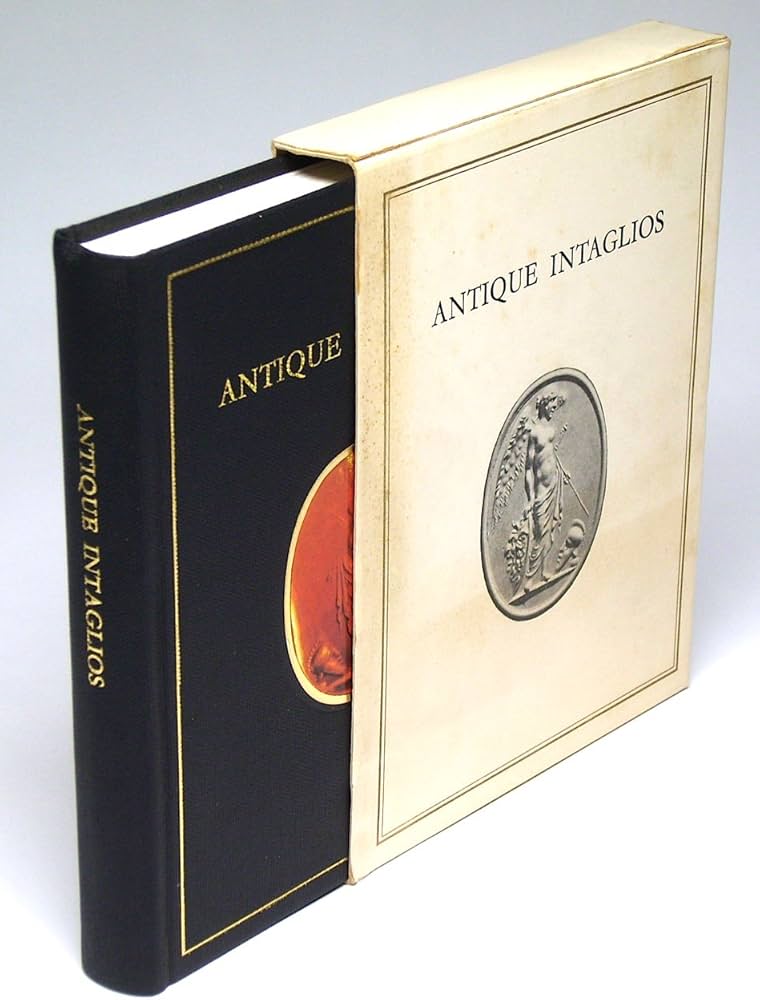
Antique Intaglios in the Hermitage Collection
Book
Neverov, O.Y. (1976) Antique Intaglios in the Hermitage Collection. Leningrad, Aurora Art Publishers, 112 pp.
ISBN/ISSN: 9780570000000 | Sinkankas/Born No.: 4739; NIB | Language: in English and Russian | not seen
gems, glyptic, engraved gems, agate, cameo, intaglio, Russia, St. Petersburg, collection, comparanda, catalogue
The book includes 112 pages of text describing the Hermitage's collection of intaglios, plus 145 plates, about half in full color. --The art of glyptics, or carving on coloured semiprecious stones, is probably one of the oldest known to man. Intaglios, gems with an incised design, were made as early as the fourth and third millennia B.C. in Mesopotamia and the Aegean Islands. They display a virtuosity of execution that suggests an old and stabie tradition rooted in the earliest centuries. Gems from Egypt, Sumer, Akkad, Babylon, and Assyria strike us with their superb carving. But the gems from ancient Greece and Rome are worthy of a special interest, for it was there that the language of glyptics, original and expressive, was born. In the miniature works of this art the carving, sometimes meticulous and graphically complete, sometimes sketchy, soft and shimmering, is enhanced by the beauty of pure mineral colours. Before the end of the fourth century B.C. the only kind of engraved gem known to the ancient world was the intaglio, used to make raised, mirror-image impressions in wax or soft clay. Only as late as the Hellenistic era did the masters of glyptics start carving relief cameos along with intaglio seals. And if we regard these splendid polychromatic cameos, with their vivid colouring and plastic grace, as a kind of painting in stone, then modest intaglios may be considered closer to graphics... [from the Introduction by O. Neverov]