
Four Treasures Reference Database
Record No. 27081
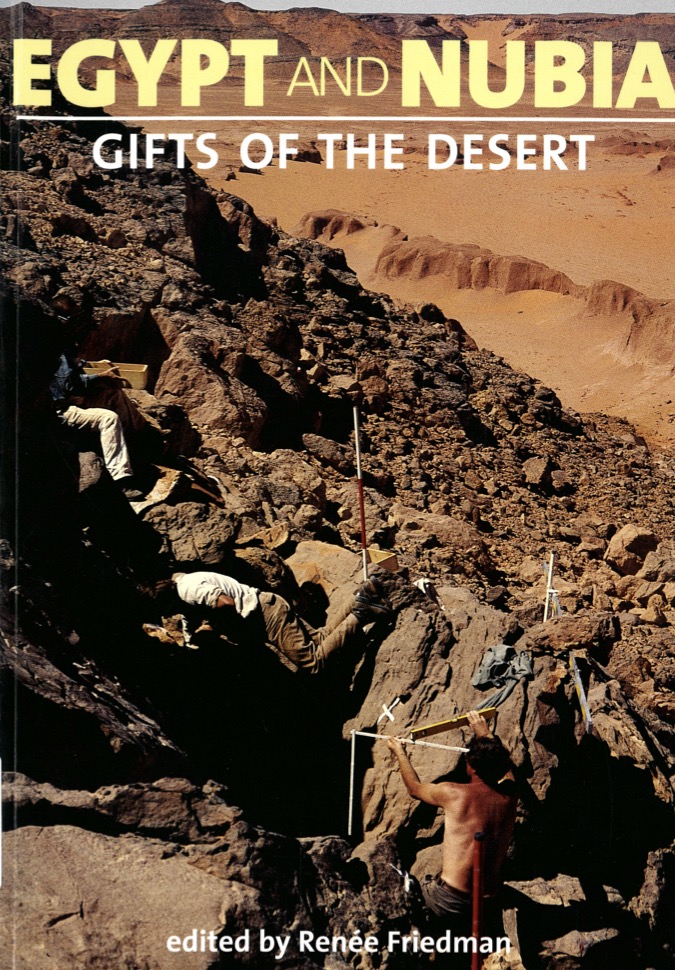
Life on the edge: Gemstones, politics and stress in the deserts of Egypt and Nubia
Book Section
Shaw, I. (2002) Life on the edge: Gemstones, politics and stress in the deserts of Egypt and Nubia. In: Egypt and Nubia: Gifts of the Desert, London: British Museum Press, pp. 244–251.
ISBN/ISSN: O714119547 | Sinkankas/Born No.: NIS/NIB | RWHL*
Close Abstract
Hide Keywords
Copy Reference
gems, Egypt, turquoise, lapis lazuli, carnelian, emerald, garnet, ancient gems
This paper examines several mining and quarrying sites in the Egyptian and Nubian deserts, focusing on the interplay between politics, economics, and gemstone extraction during the Middle Kingdom and the Roman/Byzantine periods. While it remains uncertain whether the Egyptian king—or later the Roman emperor acting as pharaoh—monopolized large-scale metal and gemstone mining, the logistical demands of such expeditions imply that such centralized control was likely, if only because few others possessed the capacity to undertake them. Mining and quarrying ventures, like military campaigns, appear to have served as tools to reinforce centralized authority: symbolically asserting royal control over remote territories and materially enabling the ruler to reward high officials with precious goods. Funerary inscriptions and tomb texts attest to the king’s role in providing elite individuals with exotic materials for tomb construction and adornment. The conventional view holds that mining flourished during stable and prosperous times and declined during instability. However, this paper argues that, precisely because mining expeditions symbolized political and economic strength, regimes under pressure may have paradoxically increased such activities in an effort to project and consolidate authority. This book originates in an international colloquium held in the British Museum in 1998. It comprises 18 papers, written by leading scholars, each of whom explores an aspect of the use and exploitation of the deserts lying to the east and west of the Nile Valley by the ancient Egyptians and their prehistoric ancestors. Exploding the myth that Egypt was simply the Gift of the Nile", it aims to create an understanding of how the Egyptians perceived and exploited their wider environment."