
Four Treasures Reference Database
Record No. 27243
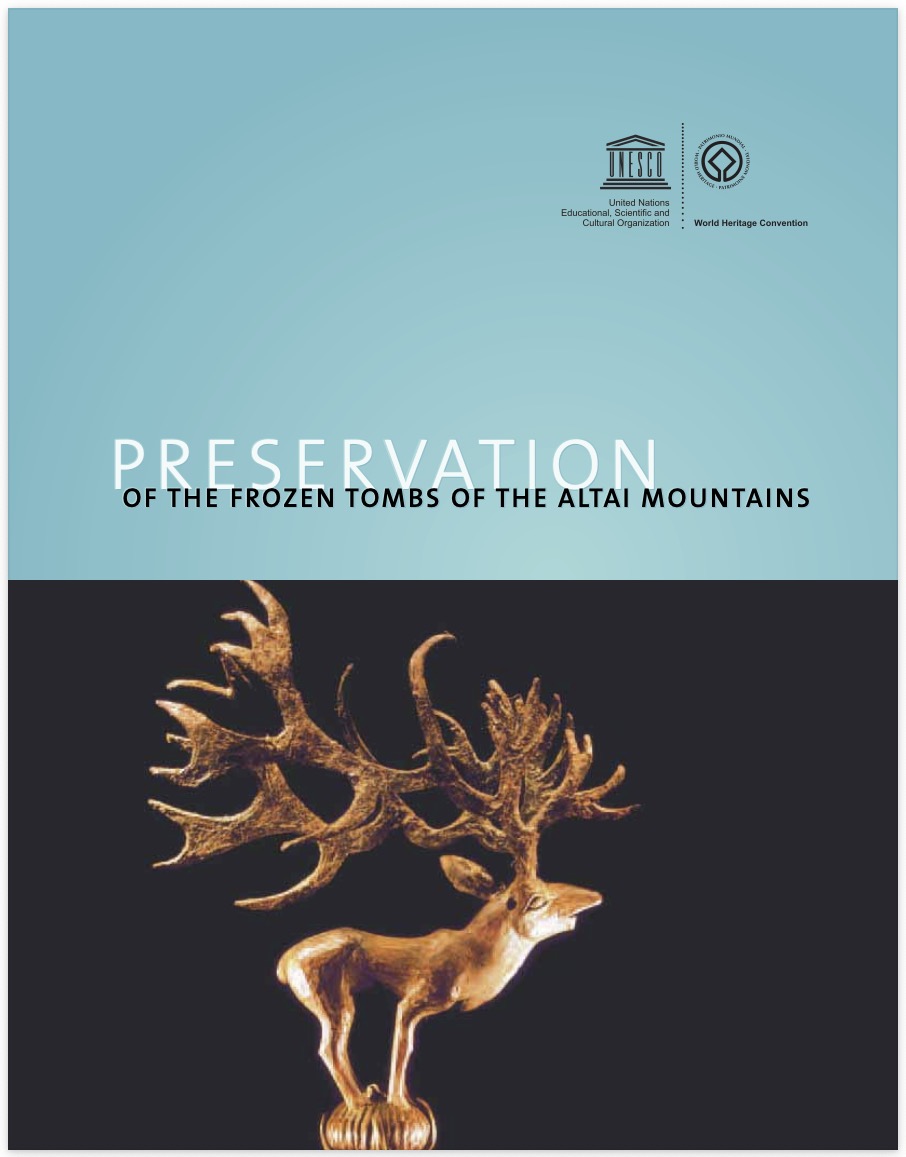
The Silk Roads and the Road of the Steppes: Eurasia and the Scythian world
Book Section
Cambon, P. (2008) The Silk Roads and the Road of the Steppes: Eurasia and the Scythian world. In: Preservation of the Frozen Tombs of the Altai Mountains (UNESCO World Heritage Convention), pp. 41–48.
Sinkankas/Born No.: NIS/NIB | RWHL*
gems, ancient history, Central Asia, Scythia, Korea, China, Baikal, Siberia, Russia, Mongolia, Pontic
Following the major foreign archaeological expeditions—Russian, British, German, French, and Japanese—conducted in Chinese Turkestan (modern Xinjiang) between 1900 and 1914 amid imperial rivalries, the concept of the Silk Roads emerged as a key axis of exchange linking the western world, including Indian, Iranian, Roman, and Mediterranean civilizations, with the Far East and Northeast Asia, for which China was seen as the gateway; this idea culminated in UNESCO’s Silk Roads programme of the 1990s and the “Sérinde” exhibition at Paris’s Grand Palais in 1995, highlighting the two principal routes circumventing the Taklamakan Desert and connecting Kashgar with Dunhuang—the older southern route via Khotan and the Himalayan foothills, and the younger northern route via Aksou, the Quca and Turfan oases—routes followed by caravans like those described by Ibn Battuta and by Chinese pilgrims in search of sacred texts, with the northern path playing a pivotal role in the dissemination of Buddhism and the development of a distinctive Buddhist art in the oases of Central Asia, shaped by translators and merchants from regions such as Central Asia, Swat, Afghanistan, and what Aurel Stein termed “Serindia,” and exerting lasting influence on Chinese artistic traditions.