
Four Treasures Reference Database
Record No. 27266
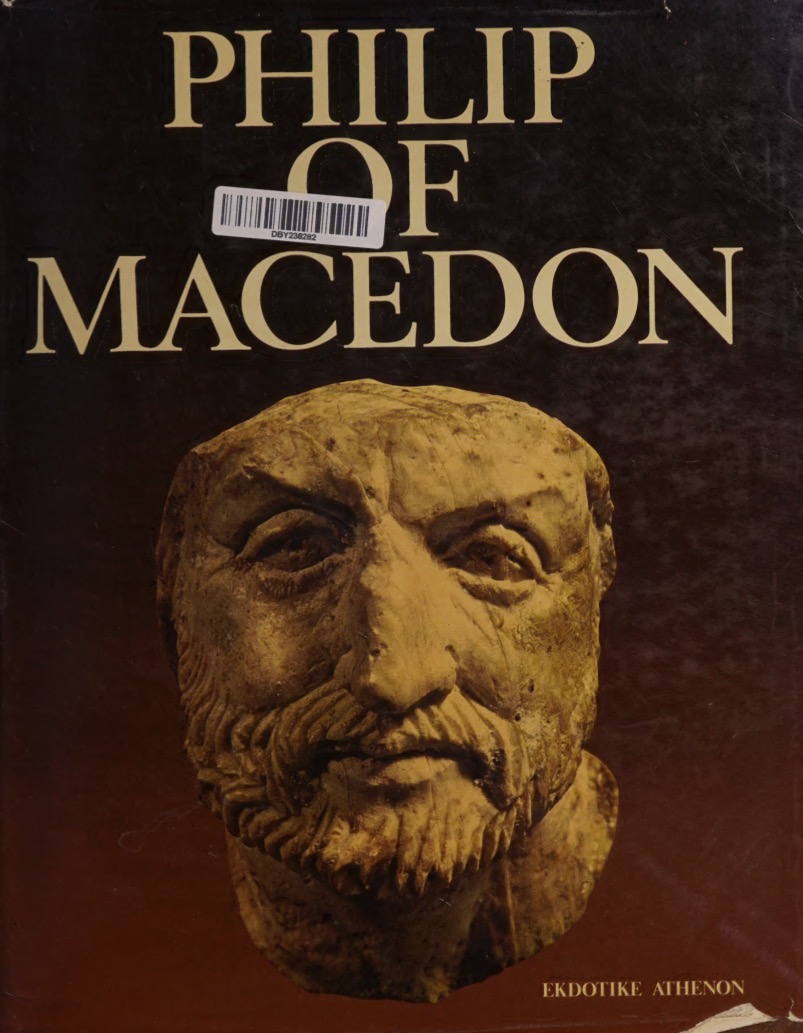
Macedonia under Philip
Book Section
Ellis, J.R. (1980) Macedonia under Philip. In: Philip of Macedon, Athens: Ekdotike Athenon, pp. 146–175.
Sinkankas/Born No.: NIS/NIB | NIS/NIB
gems, ancient history, Greece, Macedonia
By every criterion open to our assessment the Macedonians were Greek. But the increasing modern interest, as archaeological evidence adds definition and depth to the somewhat hazy picture preserved in the ancient literary sources, is especially directed at the ways in which they differed from their contemporaries. Owing to its relatively isolated position on the northern frontier of the Hellenic region and to the peculiar circumstances of its historical evolution this distinctive society retained some features that seem unusual, often anachronistic, in the fourth century context — although perhaps not so out-of-place in Homer’s heroic world. At the same time, in some respects, it could be thoroughly contemporary and thoroughly Greek. It is this lively and lusty blend both of the Balkan and the Aegean, and of the old and the new that gives the people of Macedonia their particular fascination and forms our central theme in this brief survey of their society in Philip’s reign. In modern Macedonia the political and social influences of past decades and centuries have left their traces in, among other things, some intermixture of Greek dialects and remnants of non-Greek languages. Just so in the fourth century the population movements of two centuries and more had bequeathed a legacy including a variety of language and dialect. However, although some of the earlier inhabitants, overrun during the expansion of the Macedonians out of the Pierian mountain areas of the south-west, must have spoken in Illyrian, Thracian and Paionian tongues, our evidence for the Makedones themselves — both those who had become the dominant political and cultural group on the central plain and to its east and those who had occupied the western mountains of Upper Macedonia — is that they spoke Greek.