
Four Treasures Reference Database
Record No. 27273
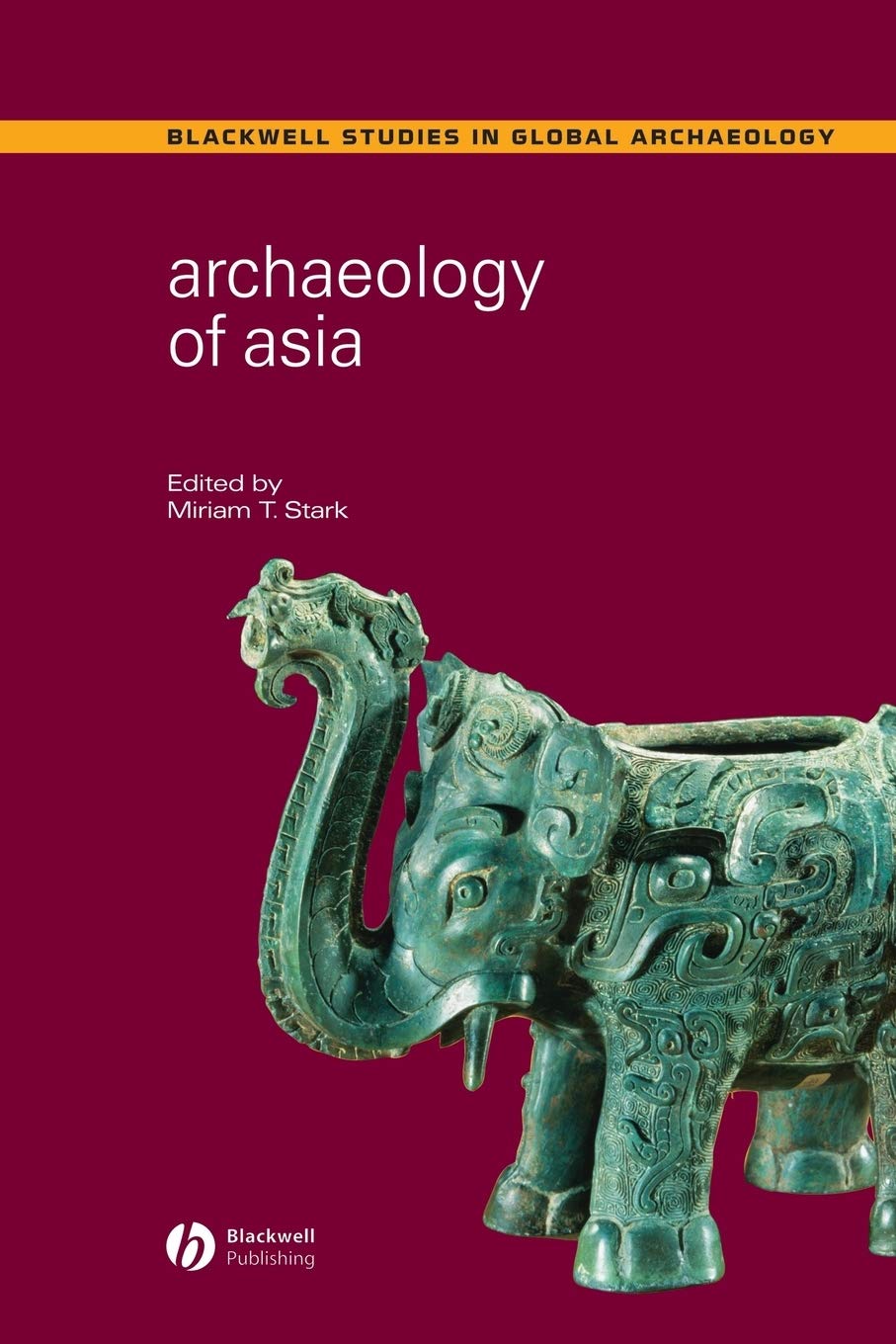
The Axial age in Asia: The archaeology of Buddhism 500 BC–AD 500
Book Section
Ray, H.P. (2006) The Axial age in Asia: The archaeology of Buddhism 500 BC–AD 500. In: Archaeology of Asia, Blackwell Studies in Global Archaeology, Oxford: Blackwell Publishing, pp. 303–323.
ISBN/ISSN: 9781410000000 | DOI: https://doi.org/10.1002/9780470774670.ch14 | Sinkankas/Born No.: NIS/NIB | RWHL
gems, archaeology, archaeogemology, Thailand, beads, carnelian, quartz, chalcedony
The middle of the first millennium B.C. saw several new developments in the religions of South Asia and is best known for the emergence of Buddhism and Jainism as well as for changes within the sacrificial and philosophical doctrines of the Vedas. The German philosopher Karl Jaspers (1883–1969) proposed the idea of the Axial Age as a theory to describe the coincident appearance of several major world religious and philosophical founders from 800 to 200 B.C. From the beginning of the sixth century B.C. to the end of the fourth century B.C., a drastic change is said to have occurred in religious traditions, which brought about several new religions including Hinduism, Buddhism, Confucianism, Taoism, and Zoroastrianism. These religions, though unique in their own way, are said to share general aspects of the Axial Age religious transformations, i.e. that having strong, positive ethics and morals was very important. More recently, scholars have critiqued Jaspers’ hypothesis of the Axial Age, which they suggest is no more than a convenient entry point for further observations and comparisons and should not be taken as a law of human history but as a helpful observation of the founding of ancient philosophy and religions (Eisenstadt 1986).