
Four Treasures Reference Database
Record No. 27346
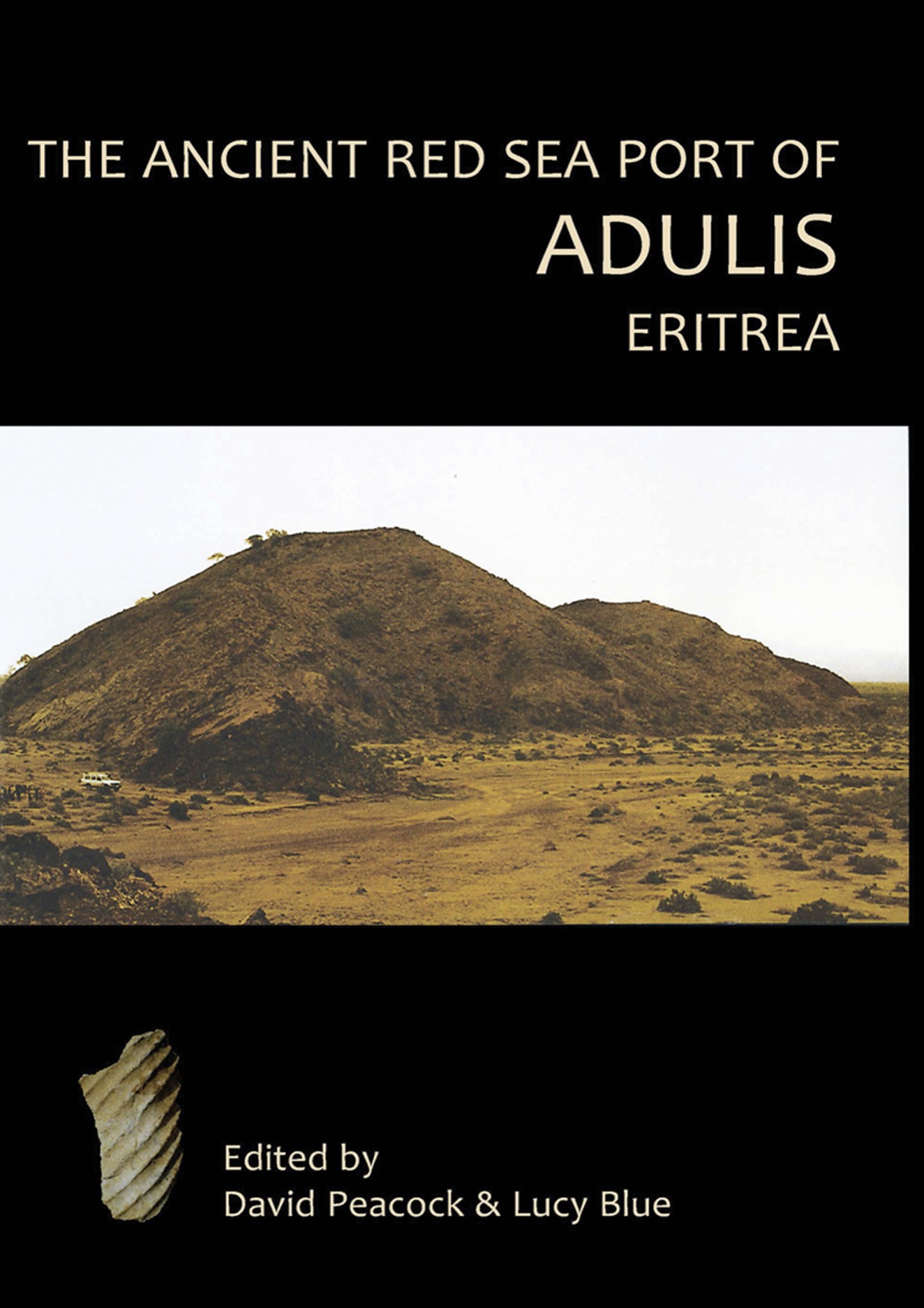
The Ancient Red Sea Port of Adulis. Eritrea Report of the Eritro-British Expedition, 2004–5
Edited Book
Peacock, D. and Blue, L., editor (2007) The Ancient Red Sea Port of Adulis. Eritrea Report of the Eritro-British Expedition, 2004–5.. Oxford, Oxbow Books, 160 pp..
ISBN/ISSN: 9781840000000 | Sinkankas/Born No.: NIS/NIB | RWHL
gems, archaeology, archaeogemology, Egypt, Eritrea, Ethiopia
In 2002 the editors, accompanied by Dr. David Williams, visited Eritrea for the first time, traveling the length of the country from Massawa to Assab to examine volcanic rocks that may have served as the source of basalt ballast found at Egyptian sites such as Quseir al-Qadim and Berenike (Peacock, Williams, and James 2007). During this journey, they first encountered the site of Adulis, long described in ancient texts as a port, yet curiously located 20 stades (3.3 km) from the sea. This prompted the observation that major coastal changes had occurred, and they surmised that understanding this transformation might illuminate the development and positioning of the ancient town. They met Yohannes Gebreyesus of the Northern Red Sea Regional Museum in Massawa, who supported a renewed study of Adulis. In 2003, encouraged by Dr. Ghebrebrhan Ogubazghi, then chairman of the University of Asmara’s Research Committee, they submitted a proposal, which was approved. Daniel Habtemichael of the University and Rezene Russom of the National Museum joined the project leadership. Fieldwork began in 2004, with backing from Dr. Zemenfes Tisghe and Dr. Yousief Libsekal, and continued productively into 2005, addressing key research questions. Plans for a 2006 season—including a more detailed study of the harbour on Dese and the installation of public information boards—were ultimately prevented by newly imposed restrictions that barred foreigners from working on antiquities and severely limited travel outside Asmara.