
Four Treasures Reference Database
Record No. 27579
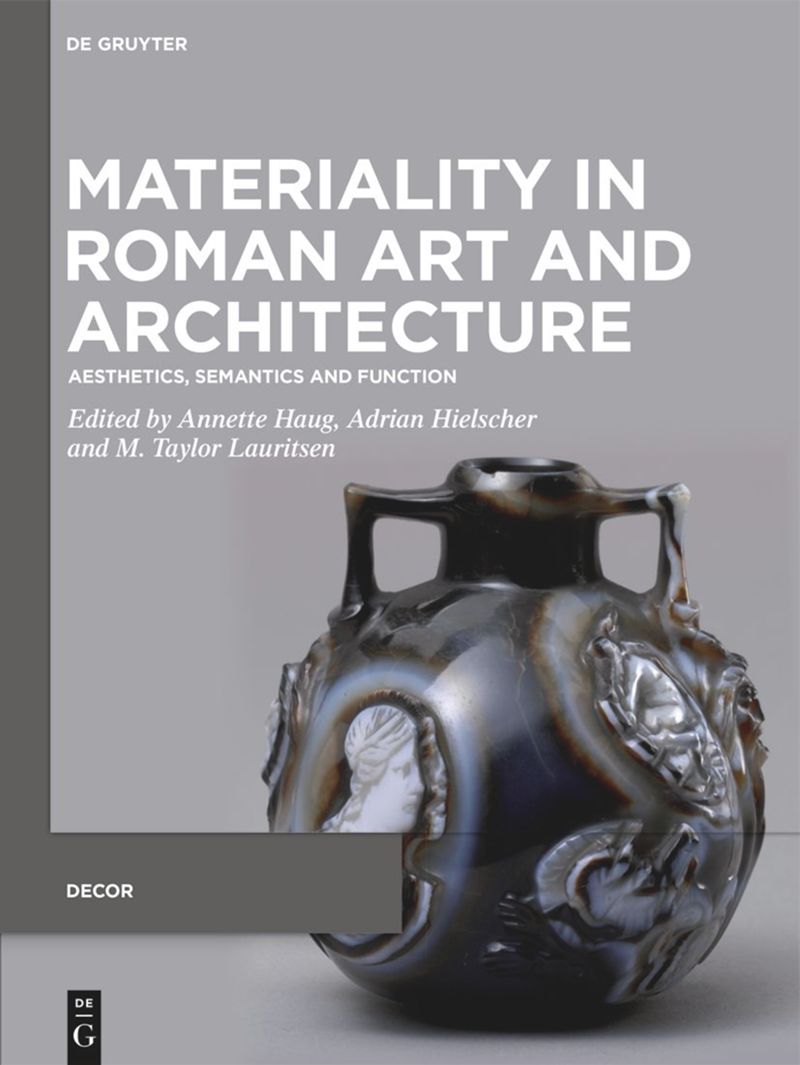
Non Arte, Sed Naturae? Remarks on Roman cameos and their visual effects
Book Section
Lang, J. (2022) Non Arte, Sed Naturae? Remarks on Roman cameos and their visual effects. In: Materiality in Roman Art and Architecture, Berlin: De Gruyter, pp. 3–24.
gems, archaeology, archaeogemology, anthropology
In the aesthetic evaluation of objects, a regular conflict (one that dates back to antiquity) has been constructed between material as the passive object of human craftsmanship and the primacy of the material itself. In this conflict, primacy must be held by either the craftsmanship or the material’s own qualities. Precious stones, however, represent a vivid example of the vagueness in this supposedly sharply defined opposition. Following the idea that is transmitted in the textual sources – namely, that both material and design have a share in the perception of jewels and contribute to their value – the following discussion will attempt to trace the optical effect of precious stones in the context of Roman society. The first step is to the relationship between materiality and optical appearance on a physical-phenomenological level (1), in the second step, the handling of the material will be focused upon (2). On the premise that natural materials do not have a solely ontological meaning (that is, a meaning limited to the statements they make), and that their perception does not always necessitate someone ‘understanding them as’ something, both of these perspectives will finally be brought together (3). In doing so, the relationship between natural-material disposition, artificial modification, perception and cultural significance will be taken into account.