
Four Treasures Reference Database
Record No. 27583
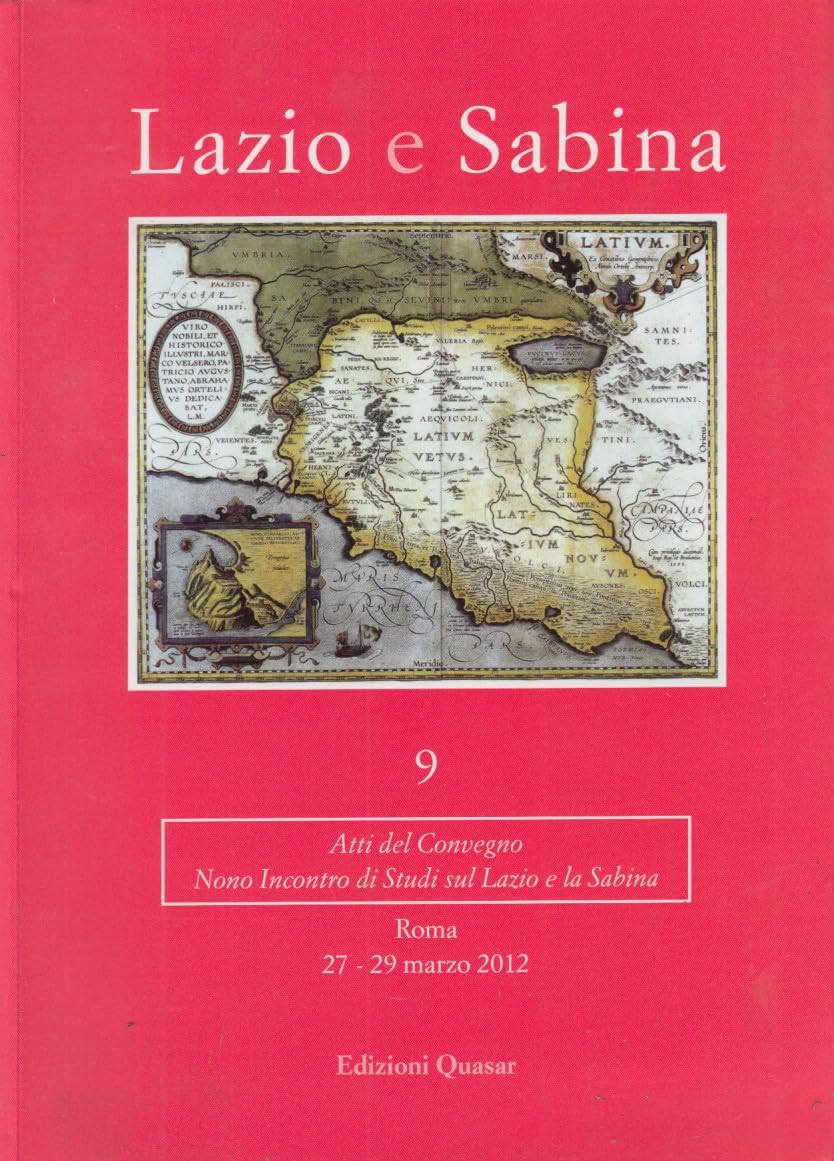
Latum pictae vestis considerat aurum. Sepolcri a Colonna (Roma)
Latum pictae vestis considerat aurum. Tombs from Colonna (Rome)
Book Section
Altamura, F., Angle, M., Cerino, P., De Angelis, A. and Tomei, N. (2014) Latum pictae vestis considerat aurum. Sepolcri a Colonna (Roma). [Latum pictae vestis considerat aurum. Tombs from Colonna (Rome)] In: Lazio e Sabina. Atti del Convegno | Roma, 27–29 marzo 2012, Rome: Edizioni Quasar, pp. 255–260.
ISBN/ISSN: 9788870000000 | Sinkankas/Born No.: NIS/NIB | Language: in Italian | RWHL
gems, archaeology, archaeogemology, Italy, glyptic, engraved gems, corundum
The city of Colonna, the subject of multiple excavation campaigns carried out as part of the preservation efforts of the Superintendence for Archaeological Heritage of Lazio during the construction of public services and private building projects, has yielded significant data over the past decade concerning the settlement and burial areas present on site. The presence of a monumental tomb surrounded by simpler burials is a common feature in various Roman-period contexts. Tombs, located along roadways, were often placed within open enclosures frequently arranged as gardens; in this case, it may be assumed that the masonry structures served a scenographic and monumental framing role for the main tomb, a façade perceptible only when passing along the paved road. The spatial distribution of the deceased would also suggest some form of selection based on age or familial ties. This type of funerary arrangement is typical of extra-urban settings and is associated with the owners and dependents of villae d’otium, rustic villas, or farms located near their estates; indeed, numerous villas are documented in the area. Alternatively, the monumental tomb might be attributed to a prominent figure from the nearby settlement of Ad Quintanas. In the area of Colonna, other examples of monumental funerary architecture are also known, revealing the high status of certain local families, with individuals in contact with the aristocracy of the Urbs and able to access luxury goods circulating in international trade networks. The grave goods accompanying the inhumed woman of tomb 11 (sarcophagus, gold garments, and jewelry) likely came from Eastern Mediterranean markets, while the silk and precious stones point to transcontinental contexts, confirming the prestige of the matron within both the local community and the Urbs. The necropolis appears to have developed during the height of the Imperial era. Based on the various elements collected, tomb 11 can likely be dated to around the mid-3rd century CE. A necklace with blue sapphires was found on the site.