
Four Treasures Reference Database
Record No. 27593
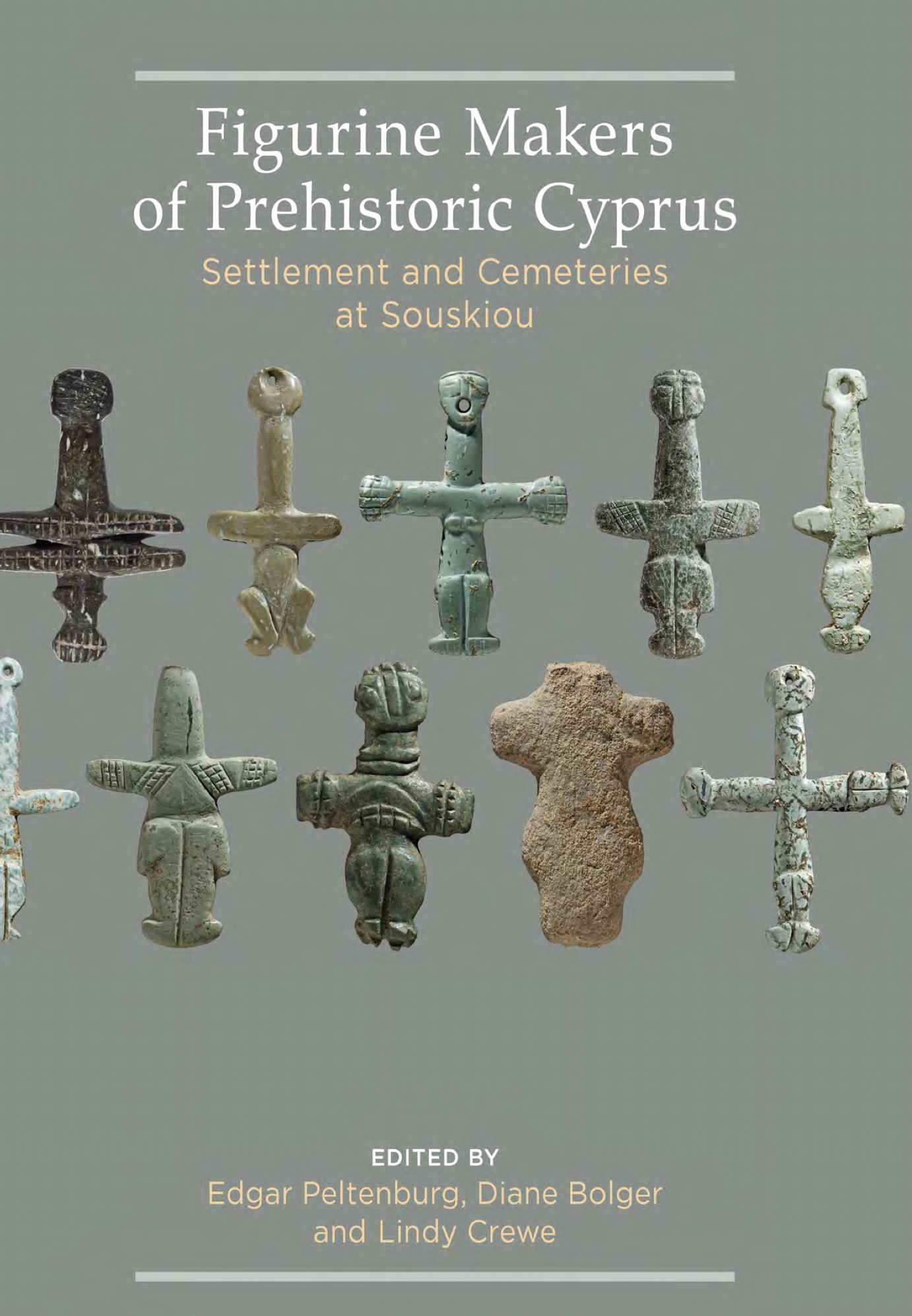
Picrolite: Procurement, manufacture and use
Book Section
Edgar, P. (2019) Picrolite: Procurement, manufacture and use. In: Figurine Makers of Prehistoric Cyprus: Settlement and Cemeteries at Souskiou, Oxford: Oxbow Books, pp. 233–248.
gems, pictrolite, chrysotile, lizardite, serpentine
Souskiou has yielded about 800 picrolites (a variety of serpentine) (c. 4 kg) from systematic excavations and survey, a far greater number than any other site on Cyprus (see Tables 13.1–2; for occurrences in Cyprus and its florescence in the MChal, see Peltenburg 1991, Swantek 2006; for selected sites, see: Guilaine 2003; Manning et al. 2010; Vigne et al. 2012; Dikaios 1953, 1961; VVP 7; Mantzourani 2003; LAP II.1A; Erimi; Bombardieri 2014). The striking prevalence of this valued material at Souskiou means that the site attained an exceptional status within the island, since even sites like Erimi, which are much closer to acknowledged sources, have far less picrolite. Given that this soft (Mohs hardness 3–4), colourful material does not occur in the immediate vicinity of the site, and that it was primarily used to fashion personal ornaments, it has the potential to furnish insights into such issues as procurement, exchange, co-operative behaviours, craft practices, specialisation, and social identity. But in order to address these issues, it is helpful to characterise the assemblage by discussing evidence for the nature of outputs and for manufacture. An initial attempt was made in Vathyrkakas, 98–99 (cf. also Vagnetti 1980), but with nearly six times the number of picrolites now at our disposal, from both settlement and burial contexts, it is possible to advance our understanding, particularly because the Souskiou settlement has yielded so much production material.