
Four Treasures Reference Database
Record No. 27677
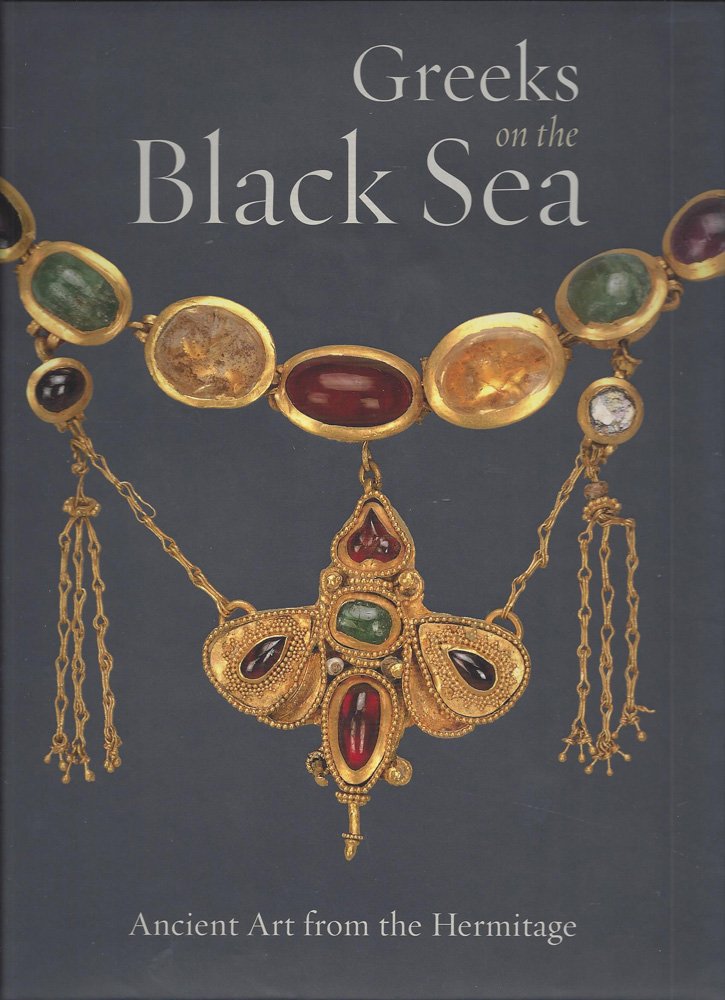
The history of the Northern Black Sea Region
Book Section
A.M., B. (2007) The history of the Northern Black Sea Region. In: Greeks on the Black Sea: Ancient Art from the Hermitage, Los Angeles: J. Paul Getty Museum, pp. 8–17.
ISBN/ISSN: 9780890000000 | Sinkankas/Born No.: NIS/NIB | RWHL
gems, glyptic, engraved gems, agate, cameo, intaglio, Black Sea, Hermitage
Colonization scattered Greek cities over a great expanse of the Black Sea and Mediterranean coasts. Whether on the hot coast of Africa, fertile Sicily, or the lands of the Gauls and Thracians, the Greeks founded many cities that survived for millennia. The settlers, who had to get used to a new climate and natural conditions and establish rapport with the local inhabitants, demonstrated extraordinary resilience. The northern Black Sea coast occupies a special place among the different regions of Greek colonization. The distinctiveness of this region was determined by the presence of nomadic tribes. This remote corner of the ancient oikoumene was the only area of Greek colonization in immediate proximity to the extensive steppes that extend nearly to the Pacific Ocean. For millennia, hordes of nomads descended on the borders of Eastern Europe from here. Along this “steppe corridor” came the Huns, Alans, and other nomads of the Great Migration period, with the Mongols appearing a thousand years later. The coastal Greek settlements were not so much a defense as an outpost, the first place to meet the blow of the unknown peoples of the steppe. Under these conditions the local inhabitants had to be especially resourceful not to arouse the antagonism of the newcomers while maintaining the inviolability of their freedom and culture. Over the course of many generations there was a considerable change in the makeup of the population of the Greek colonies. The culture came to comprise new barbarian as well as Greek elements, and it soon differed significantly from that of Greece. The first Greek colonists who set foot on the northern coast of the Black Sea in the seventh century B.C. were remarkably flexible, adapting their ways to establish mutually beneficial relations with the neighboring tribes as well as assimilating the most useful elements of those cultures.