
Four Treasures Reference Database
Record No. 27743
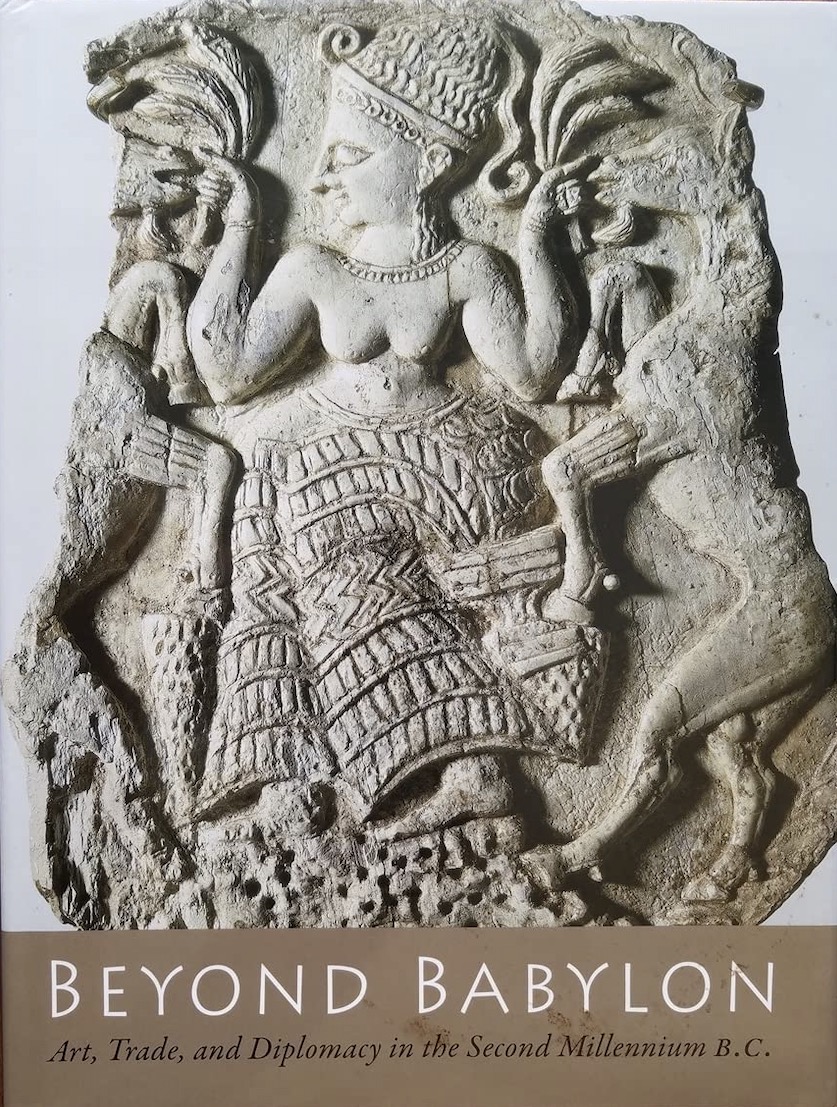
Cyprus: An International Nexus of Art and Trade
Book Section
Cluzan, S. (2008) Cyprus: An International Nexus of Art and Trade. In: Beyond Babylon: Art, Trade, and Diplomacy in the Second Millennium B.C., New York: Metropolitan Museum of Art, pp. 311–323.
ISBN/ISSN: 9780300000000 | Sinkankas/Born No.: NIS/NIB | RWHL
gems, glyptic, engraved gems, agate, cameo, intaglio, seals, cylinders, archaeology, archaeogemology, Egypt, Cyprus, Syria, Mesopotamia, Mediterranean, Levant, Bronze Age
During the Late Bronze Age, a period marked by increasing international contacts within the eastern Mediterranean world, the geographic position of Cyprus, together with its historical role as a crossroads of the Near Eastern, Egyptian, and Aegean worlds, stimulated artistic creations that benefited from many influences. Its natural wealth and resources, especially its many copper mines, encouraged the development of a thriving trade. Metalwork in particular prospered on the island. While the objects manufactured in its many workshops drew upon techniques known throughout the eastern Mediterranean, Cypriot craftsmen achieved an even greater mastery and became the foremost producers of cast-bronze objects. Enkomi, a prosperous center on Cyprus, seems to have held a leading position in this industry. Various metallurgic installations dating from different phases of the Bronze Age have been identified there as using copper extracted from the nearby ore deposits of Troulli, Mithiati, and Sha. Much of the copper produced was apparently intended for export and shaped into oxhide ingots (see cat. no. 185). Copper was also alloyed with tin to manufacture objects of bronze. Iron, too, was mined on Cyprus, its production mastered as early as the twelfth century B.C. It is unknown whether iron technology was developed locally or imported from Iran, the Caucasus, Anatolia, the Aegean—or even central Europe.