
Four Treasures Reference Database
Record No. 27774
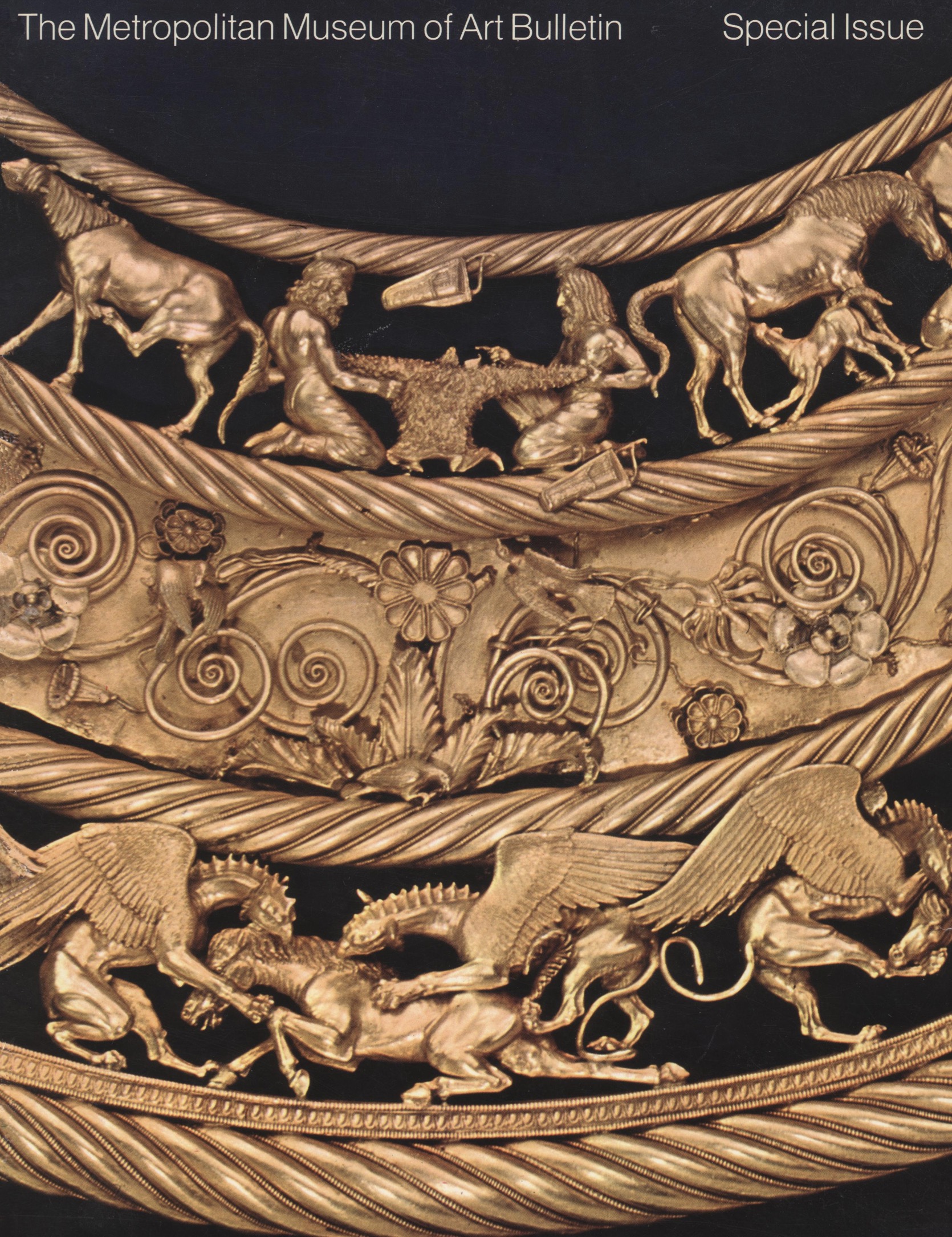
From the Lands of Scythians: Ancient Treasures from the Museums of the U.S.S.R., 3000 B.C.–100 B.C.
Book
Piotrovsky, B. (1974) From the Lands of Scythians: Ancient Treasures from the Museums of the U.S.S.R., 3000 B.C.–100 B.C. New York, Metropolitan Museum of Art, 160 pp.
ISBN/ISSN: — | Sinkankas/Born No.: NIS/NIB | RWHL
gems, ancient jewelry, ancient gold, Scythia
In 1968, following the urgings of Charles Wrightsman, a member of the Metropolitan Museum’s Board of Trustees, I first visited the famed Gold Room of the Hermitage. It was a dazzling experience. It was also the beginning of years of delicate, at times frustrating, but always rewarding negotiations with the Ministry of Culture of the Soviet Union to secure the best of the gold treasury for this exhibition. Those negotiations, which my Soviet colleagues looked upon with optimism and unremitting enthusiasm, were successful. This landmark exhibition, From the Lands of the Scythians, comprising 197 works of art from the ancient civilizations of the territories that now are part of the Soviet Union, is the first fruits of what promises to be an extraordinary series of cultural exchanges between the museums of the Soviet Union and the Metropolitan. Why did we choose for the first exhibition these stunning Scythian gold objects, the fabulous carvings and textiles from the frozen tombs of Siberia? The answer is simple. They are unique in the world not only in quality but in type. I have seen literally abundances of gold and silver and precious objects in museums around the globe, from ancient Egyptian through Greek and medieval to the fabled treasures of more modern kings and emperors. But none are like the contents of the Gold Rooms of the Hermitage or Kiev State Historical Museum. Nothing can quite match the beauty, craftsmanship, and power of these awesome objects assembled by the unknown kings, princes, and chieftains of the sixth, fifth, and fourth centuries B.C., whose territories were larger by far than all the lands of the then so-called civilized world. Looking at the abstract majesty of the great gold panther (color plate 5) and then at the sublime idealism of the human figures in the superb comb (color plates 12, 13) one feels as if one were seeing the archetypes of the two fundamental styles of art: one, the abstract, decorative art of hieratic symbolism that will wend its way through time, through Byzantine art, through the mystifyingly complex animal interlaces of the Book of Kells, and even to the abstract impulses of our day. The other reflects the serene, balanced human idealism of the ancient Greek experience.