
Four Treasures Reference Database
Record No. 28017
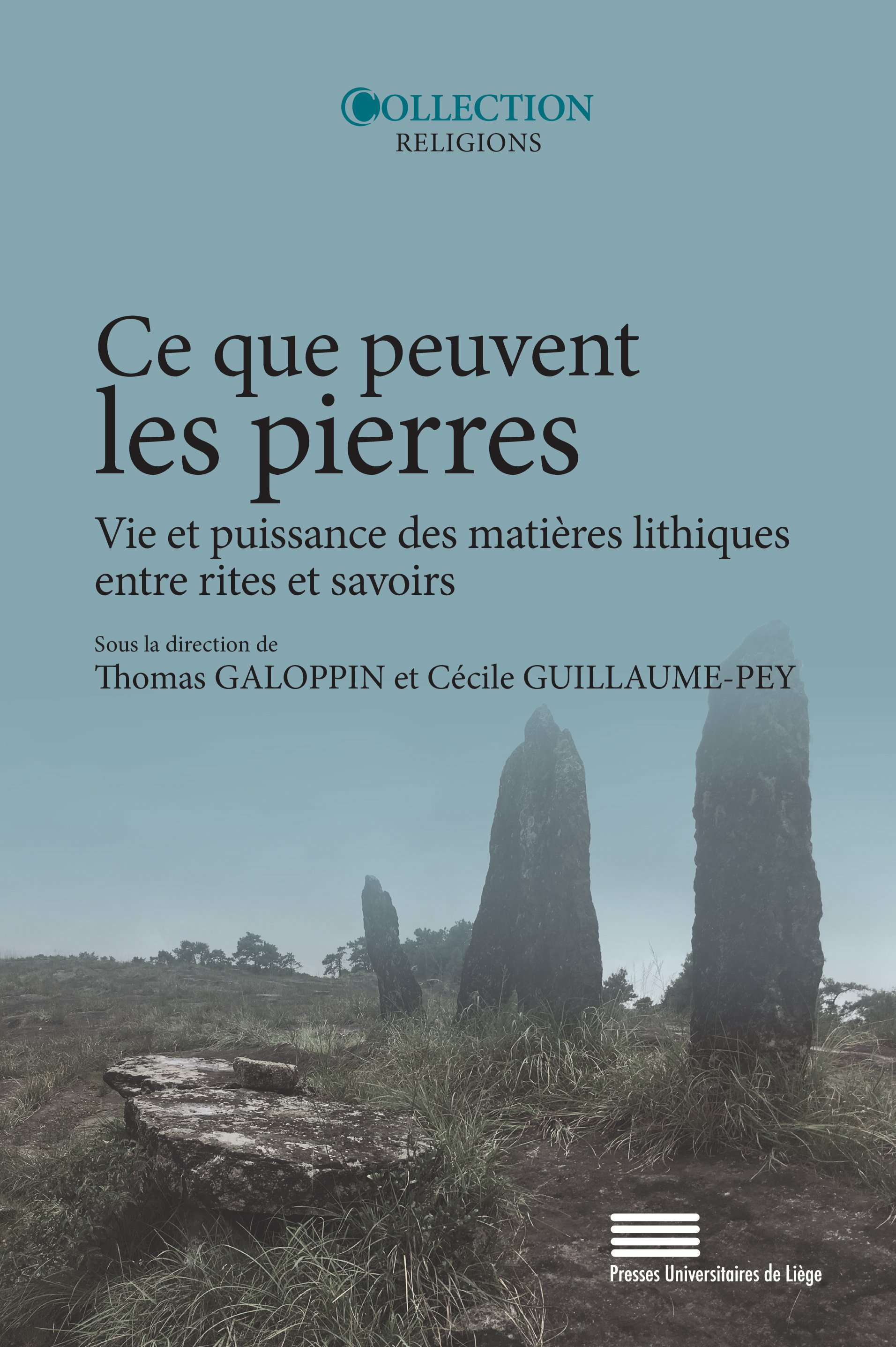
Le minéral et l’invisible: Usages des pierres dans la magie islamique médiévale
The mineral and the invisible: Uses of stones in medieval Islamic magic
Book Section
Coulon, J.-C. (2021) Le minéral et l’invisible: Usages des pierres dans la magie islamique médiévale. [The mineral and the invisible: Uses of stones in medieval Islamic magic] In: Ce que peuvent les pierres, Liège: Presses universitaires de Liège, pp. 163–191.
ISBN/ISSN: 9782880000000 | DOI: https://doi.org/10.4000/14ddg | Sinkankas/Born No.: NIS/NIB | Language: in French | RWHL*
gems, magical gems, history of gemology, ancient gems, gem lore, gems and healing, medicinal use, alchemy, early lapidaries, Arabic mineralogy
The story of Evax, king of the Arabs, to whom Emperor Nero is said to have commissioned a lapidary, appears in the introduction to several medieval Christian lapidaries, such as the first Romance translation of the Lapidary of the Angevin Marbod of Rennes (1035–1123), which can be dated to the 13th century, or The Christian Lapidary. As for the lapidary of John of Mandeville (d. 1372), it claims to be a “lapidary compiled from the verified knowledge and beliefs of the Indians concerning the virtues and properties of precious stones.” Indeed, medieval European literature on stones links mineralogy with the Orient, where the deposits of imported precious stones were located, as well as a mastery in the art of working minerals. This association already existed among Greek and Latin authors of antiquity, but the prolific production of Arabic books on stones (al-aḥjār) throughout the Middle Ages certainly reinforced this idea. Starting in the 2nd/8th century, the Abbasid Caliphate initiated an active policy of building libraries and translating ancient treatises from Greek, Indian, Pahlavi, Mesopotamian, and other languages. Continuing in the tradition of Greek lapidaries of antiquity, stones (al-aḥjār) thus became the subject of treatises on mineralogy and lapidaries that aimed not only to describe them and specify their places of origin, but also to detail their virtues and physical, medicinal, and occult properties. Some mineralogical treatises also identify the planets associated with each stone. This abundant literature had a major influence on the scholarly culture of the time. Occult science treatises were no exception and drew heavily from this medieval Arabic mineralogical literature. Moreover, amulets and talismans often rely on the use of specific stones and minerals, which contribute to the object’s power. Thus, after presenting the Arabic mineralogical treatises and their connections to magical texts, we will show how stones were used—first for their natural properties, sometimes in combination with their associated planets, and later, as a more distinctly Islamic form of magic developed, increasingly less for their own properties and more as supports for writing, with the powers of letters coming to surpass those of substances.