
Four Treasures Reference Database
Record No. 28047
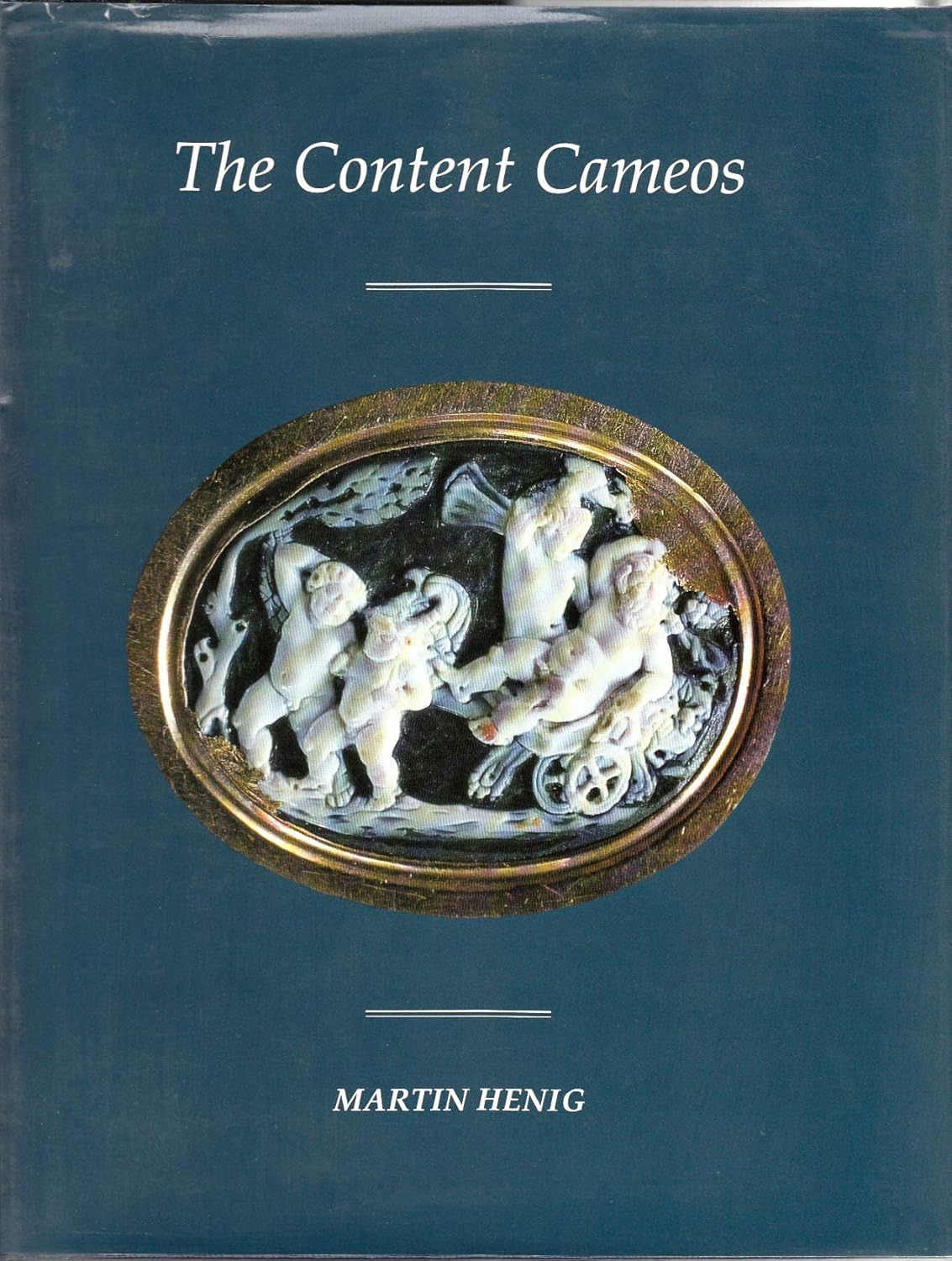
The Content Family Collection of Ancient Cameos
Book
Henig, M. (1990) The Content Family Collection of Ancient Cameos. Oxford / Houghton, ME, Derek J. Content / Ashmolean Museum, 135 pp.
Sinkankas/Born No.: NIS/NIB | RWHL*
gems, glyptic, engraved gems, agate, cameo, intaglio
The study of gems is a somewhat arcane specialization within art-history, and Roman cameos occupy a comparatively small area even in the field of glyptics, so a lavish catalogue of a private collection of Roman cameos may seem peripheral to the wider issues of ancient history and archaeology. But though the focus of this work may be narrow, its scholarship is so wide-ranging and meticulous that it provides a remarkable insight into the personal taste of individuals as expressed in their choice of jewellery. Derek Content’s informed judgement as a connoisseur and collector has led him to acquire good examples of all the principal motifs depicted on cameos. Clearly illustrated and authoritatively described and discussed by Martin Henig, the collection provides an excellent general summary of the subject. Nine sections (not numbered) deal with Precursors, Inscribed cameos, Portraits, Deities and heroes, Daily life, Medusa masks, Animals, Staatskameen and carvings in the round, and Medieval and later cameos. Each section has a valuable introductory essay on the type followed by the individual descriptions. The section on inscribed gems is by far the largest, incorporating 54 of the 201 catalogue entries. All but two of the inscriptions are in Greek, and most of them may be described as love-tokens or good-luck charms. The combination of visual image and words can be instructive: while the symbolism of the clasped hands remains obvious to us, we need the accompanying inscription to tell us that a hand pinching an earlobe signifies remembrance.