
Four Treasures Reference Database
Record No. 28432
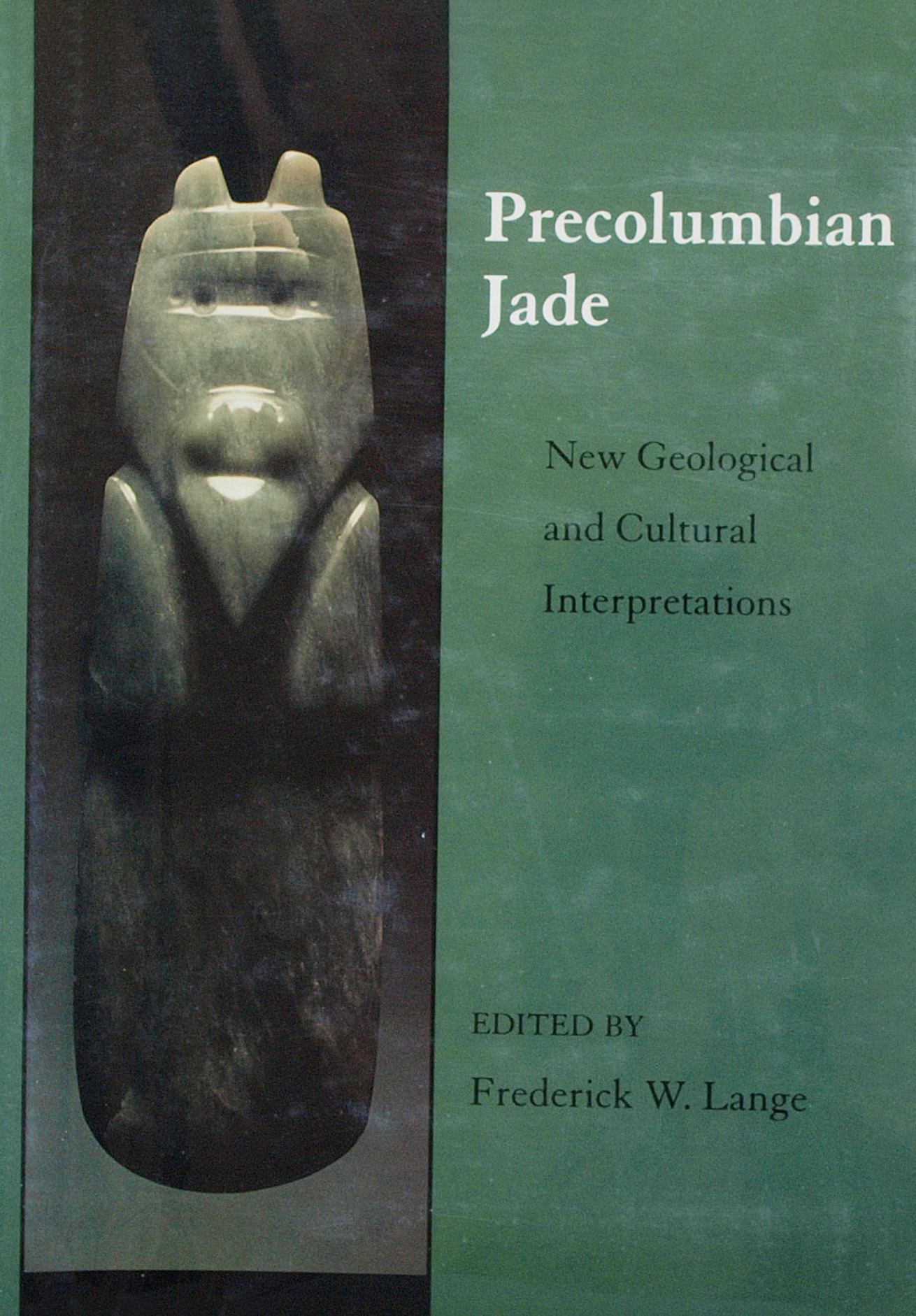
The cultural context of jade artifacts from the Maya site of Cerros, Belize
Book Section
Garber, J.F. (1993) The cultural context of jade artifacts from the Maya site of Cerros, Belize. In: Precolumbian Jade: New Geological and Cultural Interpretations, Salt Lake City: University of Utah Press, pp. 166–172.
Sinkankas/Born No.: NIS/NIB | RWHL*
gems, jade, jadeite, fei cui, Guatemala, Mesoamerica, Maya, Mayan jade, Mexico, history, Costa Rica, Honduras
From prehistoric times to the present, the visual and physical properties of jade have made it one of the world's most highly prized commodities. With only eight to ten widely scattered sources, jade artifacts are also ideal objects for scientific and archaeological investigation: artifacts can be traced to their origin, and prehistoric trade and social patterns can be reconstructed. Precolumbian Jade offers a broad compendium and synthesis of current jade research, both geological and cultural, in Mesoamerica and Central America. Beginning with the problems of sourcing and the examination of jade's geological properties, the volume moves through regional studies of jade use and major carving traditions (Maya, Olmec, and Costa Rican). It ends with several considerations of the role of individual jade objects in cultural context. A multinational group of contributors discuss evidence for points of origin, analytical techniques, manufacturing techniques, interregional stylistic influences, elite control of jade, ritual uses, and provenience of the famous Tibas jade. Since Precolumbian Jade deals with such varied aspects of jade study, it will be of interest to mineralogists, archaeoiogists, and art historians. It promises to be a major source for the study of Precolumbian cultures.