
Four Treasures Reference Database
Record No. 28666
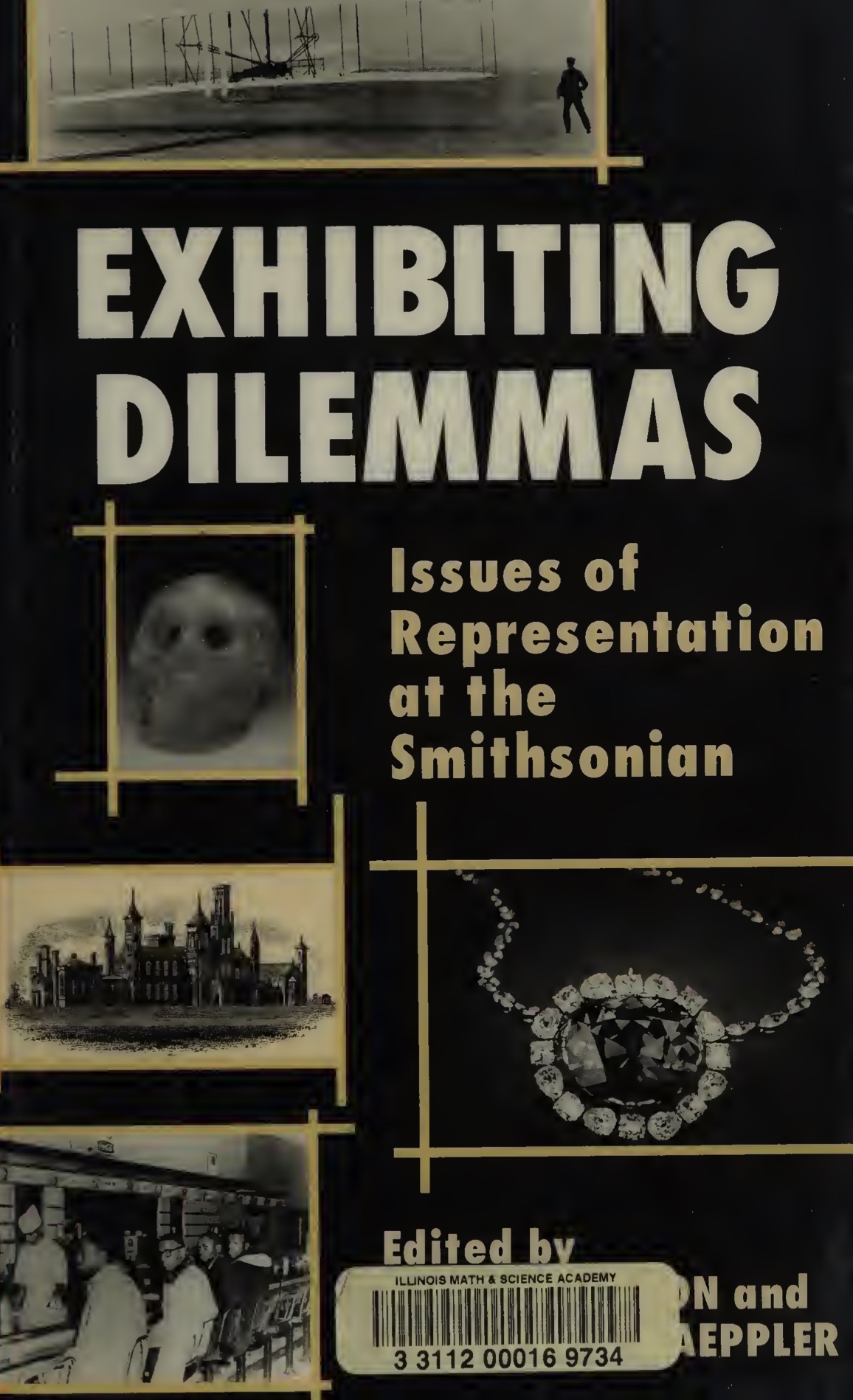
The Hope Diamond: Gem, jewel and icon
Book Section
Kurin, R. (1997) The Hope Diamond: Gem, jewel and icon. In: Exhibiting Dilemmas, Issues of Representation at the Smithsonian, Washington, DC: Smithsonian Institution Press, pp. 47–69.
ISBN/ISSN: 1560986905 | Sinkankas/Born No.: NIS/NIB | RWHL*
gems, jewelry, ancient jewelry, archaeology, archaeogemolgy, art, sculpture, fraud, fake, forgery, gemology, rock crystal, quartz, skulls
A larger-than-life, masterfully carved rock crystal skull arrived at the National Museum of American History in July 1992. It had been sent through the U.S. mail by an anonymous donor. The skull is quite large: its sitting height is 22.5 cm (about 9 in.), erect height 25.5 cm (10 in.), and maximal cranial breadth 22.8 cm (8.25 in.). It weighs 14 kilos, or nearly 31 pounds. A handwritten, unsigned note accompanying the object said, in part, “This Aztec crystal skull, purported to be part of the Porfirio Díaz collection, was purchased in Mexico City in 1960. … I am offering it to the Smithsonian without any consideration. Naturally, I wish to remain anonymous. I hope you enjoy it as much as I have.” Crystal skulls form a rare and controversial category of object. Traditionally they have been believed to be pre-Columbian Mexican in origin, possibly Aztec or Mixtec. Recently there has been speculation that they may be sixteenth-century European, perhaps examples of Spanish ecclesiastical art. Some people believe the skulls to be of more recent manufacture—that they are fraudulent creations intended to deceive. The controversial nature of the object presents a classic curatorial dilemma: Should we accession, catalogue, and exhibit an object of such admittedly problematic authenticity? Is it possible to determine whether or not it is genuine? How does one go about such a task? Supposing it is proven to be fraudulent, is there room in the national collections for a fake, even a spectacular fake?