
Four Treasures Reference Database
Record No. 28820
The Eurasian diamond trade in the eighteenth century: A balanced model of complementary markets
Book Section
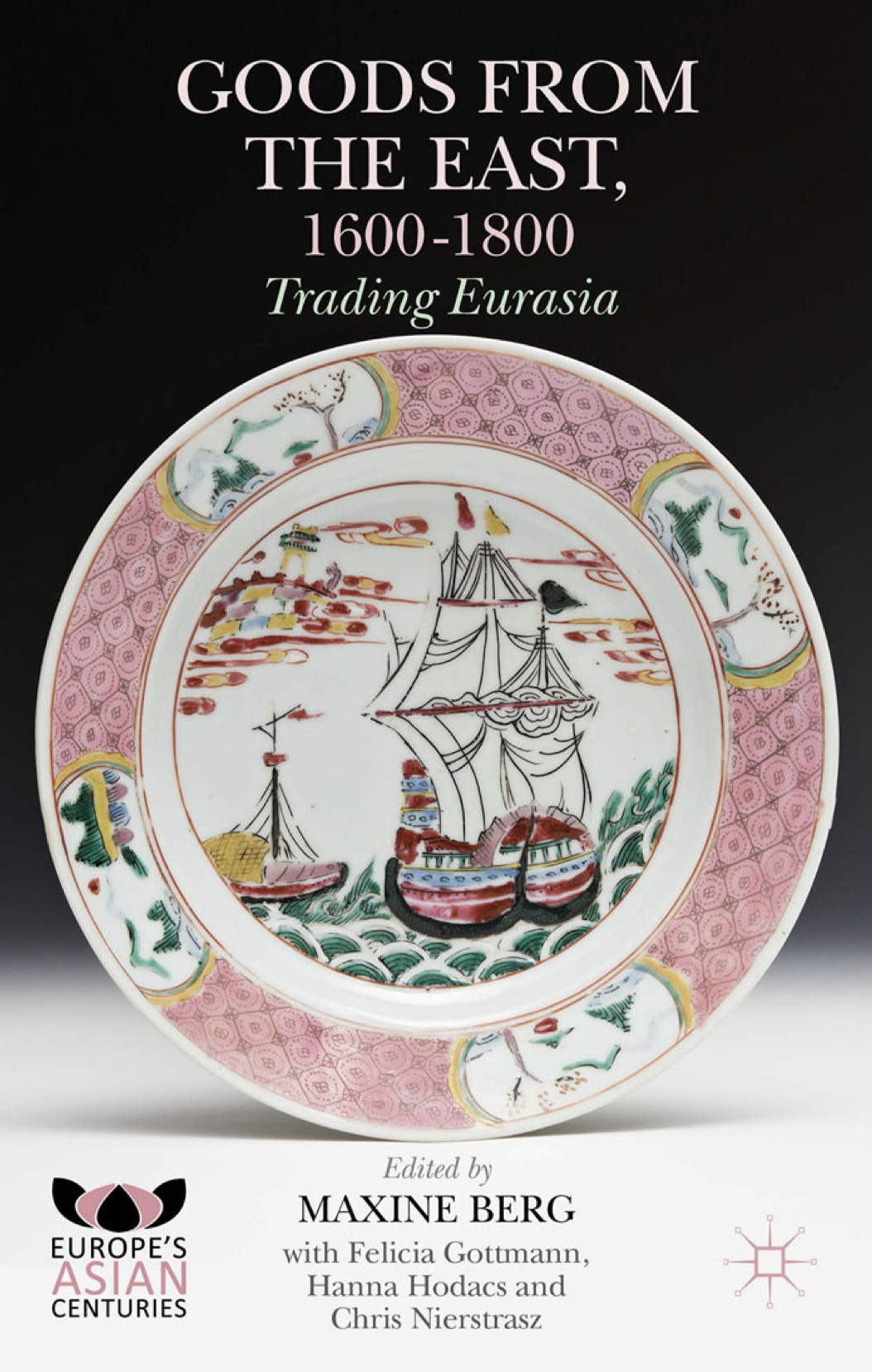
Vanneste, T. (2015) The Eurasian diamond trade in the eighteenth century: A balanced model of complementary markets. In: Goods from the East, 1600–1800, Europe's Asian Centuries, New York: Palgrave Macmillan, pp. 139–153.
ISBN/ISSN: 9781140000000 | Sinkankas/Born No.: NIS/NIB | RWHL
gems, gem trade in Asia, gem business, trade between Europe and Asia, diamond
Diamonds have been known since antiquity. Until the eighteenth century, these precious stones were found only in India and Borneo, from which trade routes extended to the Middle East, China, and Europe. Little is known about the Eurasian diamond trade before the early modern period, a situation partly explained by the irregular nature of the trade itself. Greater regularity emerged only in the seventeenth century, when regulations established by the English East India Company created a more structured and officially organized Eurasian diamond trade. Ironically, just as this trade was becoming stabilized, it encountered a major challenge when diamonds were discovered in the riverbeds of Brazil around 1724. Existing analyses of the global diamond trade, such as those by Gedalia Yogev, are often based on a hierarchical model, reflecting an emphasis on control over the official shipment of diamonds from Asia or Brazil into Europe. This has produced a vertical framework with a dominant center at the top, occupied at different periods by Venice, Bruges, Antwerp, Lisbon, London, and Amsterdam. In this model, competition among cities served as a catalyst for historical change. It is therefore a discontinuous interpretation, emphasizing a “rise and fall” narrative of urban diamond centers, in which the ascent of one city implies the decline of another. Nevertheless, significant gaps remain, especially in connecting the history of the early modern diamond trade with later and more modern developments.