
Four Treasures Reference Database
Record No. 28829
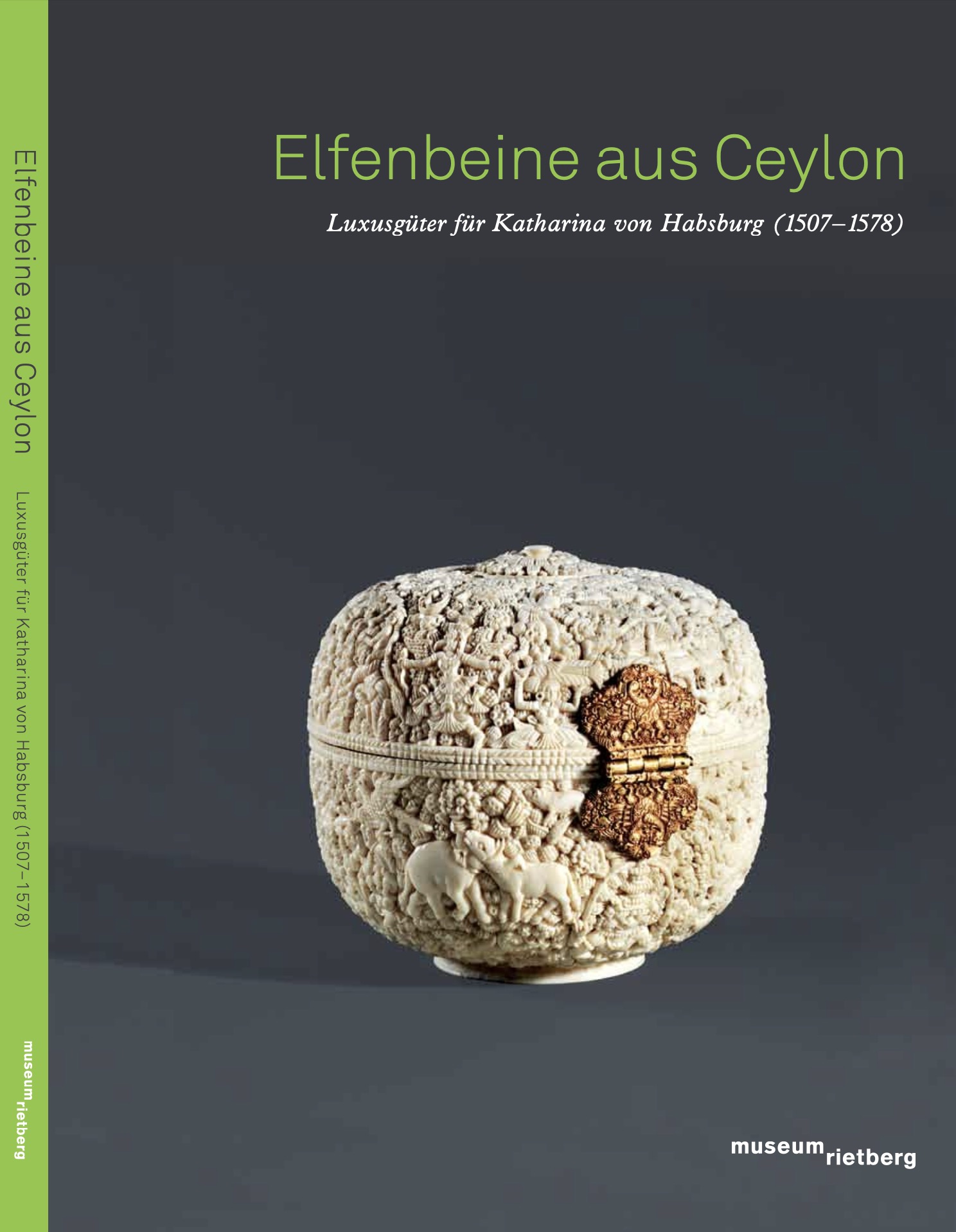
Elfenbeine aus Ceylon. Luxusgüter für Katharina von Habsburg (1507–1578)
Book
Gschwend, A.J. and Beltz, J. (2010) Elfenbeine aus Ceylon. Luxusgüter für Katharina von Habsburg (1507–1578). Zürich, Museum Rietberg, 164 pp.
ISBN/ISSN: 9783910000000 | Sinkankas/Born No.: NIS/NIB | not seen
gems, glyptic, antique gems, ivory, ivory carving, Ceylon, Sri Lanka, Portugal, Austria
Scholarly catalogue published in conjunction with the international exhibition held at the Museum Rietberg in Zurich in 2010. Edited by Annemarie Jordan Gschwend and Johannes Beltz Zurich: Verlag Museum Rietberg, 2010. 30cm., hardcover, 210pp., 110 color plates ISBN: 9783907077498 Synopsis In 1506, the Portuguese landed in Ceylon, what is today is the island of Sri Lanka. As a result, intense trade relations were established between the Portuguese crown and the Kingdom of Kotte in Southern Ceylon. Exclusive commodities such as elephants, spices like cinnamon, precious stones and scented woods reached Europe for an elite consumer market. This show focuses on the rare carved ivories which once belonged to the Queen of Portugal, Catherine of Austria (1507-1578), for whom these ivories were produced in the royal workshops of Kotte in the first half of the 16th century: small caskets adorned with gold inlaid with gems, exquisite combs and large fans with paper-thin blades. These prestige objects and unique luxury wares are enchanting because of their extreme beauty and mysterious carvings. They also link traditional icongraphy with motifs subsequently imported from Europe. Ceylonese ivories have never been the subject of a monograph. This catalogue showcases unique objects, some of which are published here for the first time, with historical, scholarly essays and entries, based upon the author’s years of archival research, and with the objective of reaching a larger audience. This catalogue sheds light upon a complex, global trade network which connected diplomats, merchants, traders, collectors and craftsmen. This monograph recounts a seldom told story of the political, economic and cultural exchange between Asia and Europe, globalization in the Renaissance.