
Four Treasures Reference Database
Record No. 28863
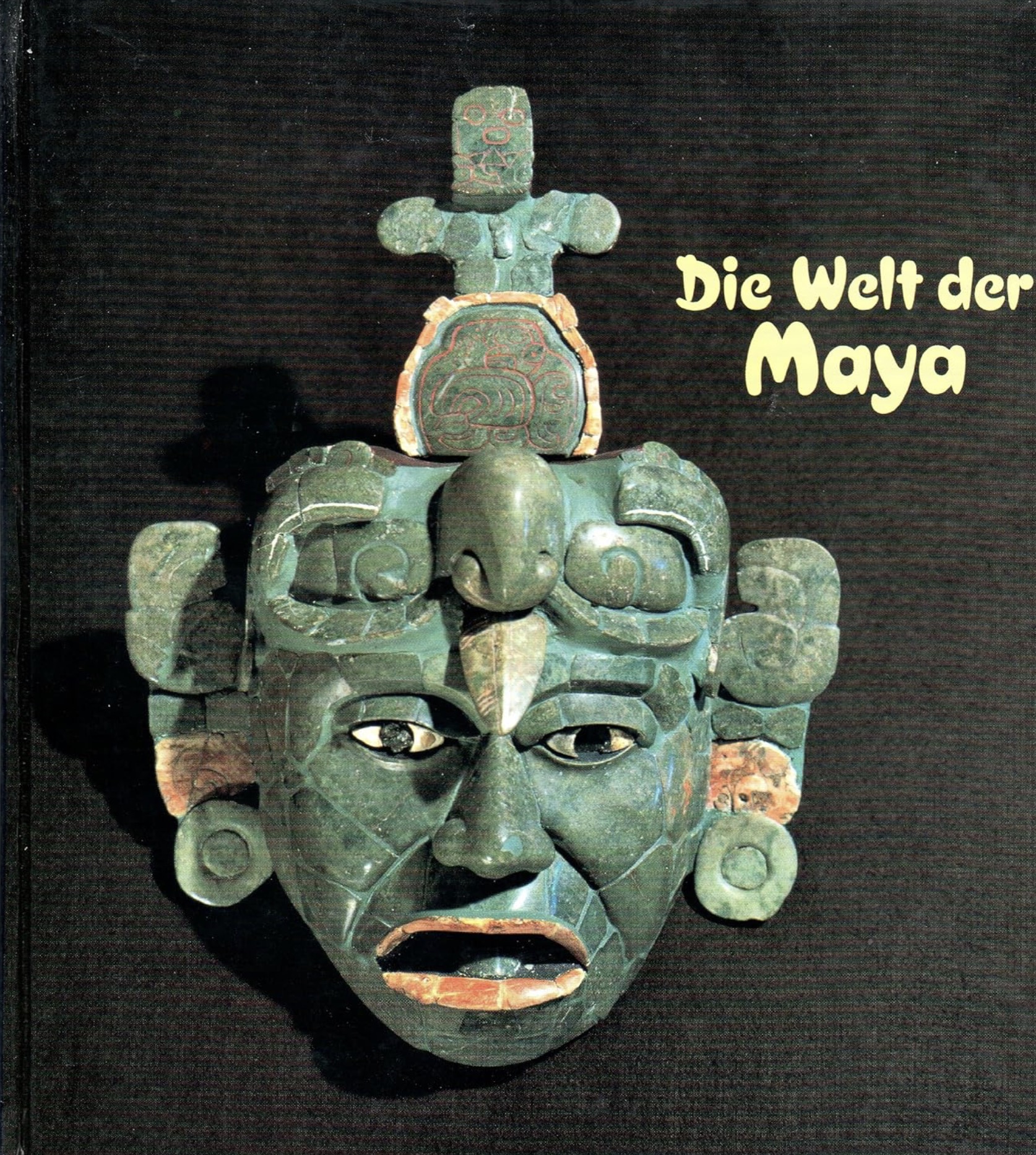
Die Welt der Maya
The World of the Maya
Edited Book
Eggebrecht, E., Eggebrecht, A. and Grube, N., editor (1992) Die Welt der Maya. [The World of the Maya]. Mainz am Rhein, Germany, Philipp von Zabern, pp. 530–551.
ISBN/ISSN: 9783810000000 | Sinkankas/Born No.: NIS/NIB | Language: in German | RWHL
gems, jade, jadeite, fei cui, Mesoamerica, Mexico, Guatemala, Costa Rica, Mayans, Olmecs, Aztecs, archaeology, history, archaeogemology, Pre-Columbian jade; Costa Rica; Maya; exchange; iconography, lapidary
“Like a mist in the night, the Maya appeared in this land more than three thousand years ago. They created a civilization that endured six times longer than the Roman Empire. They lived by a calendar equal to our own, developed the concept of zero in mathematics, predicted eclipses of the sun and moon, and traced the path of Venus with an error of only fourteen seconds per year” (W. E. Garrett, National Geographic Magazine). These are only a few facets of Maya genius, which also expressed itself in magnificent temple and pyramid architecture. Highly advanced agriculturalists, the Maya were also remarkable painters and sculptors — their bas-reliefs are especially well known — and demonstrated artistic abilities equal to those of the most accomplished civilizations elsewhere in the world. Today, more than one million Maya still speak their ancestral languages and preserve a rich heritage of cultural traditions, particularly in music, cosmology, mythology, and complex rituals rooted in the pre-Columbian past. Yet all of these treasures are now under threat, and greater awareness of their importance is urgently needed. The exhibition “Maya World” is therefore especially welcome, presenting a collection of objects of exceptional value. It arrives at an opportune moment, coinciding with the World Decade for Cultural Development proclaimed by the United Nations Educational, Scientific and Cultural Organization in 1988, as well as with the commemoration of the fifth centenary of the encounter between the Old World and the New. The exhibition also accompanies the launch of UNESCO’s “El Mundo Maya” project. Its message will help preserve the land of the Maya, so rich in history, living tradition, and natural beauty. Belize, El Salvador, Guatemala, Honduras, and Mexico — all part of the Maya world — have continually worked toward this goal and have participated generously in the exhibition. Their shared heritage underlies their appeal to the international community to safeguard this legacy for future generations, so that their destiny may remain inscribed both in the memory of the past and in the life of the present.