
Four Treasures Reference Database
Record No. 28949
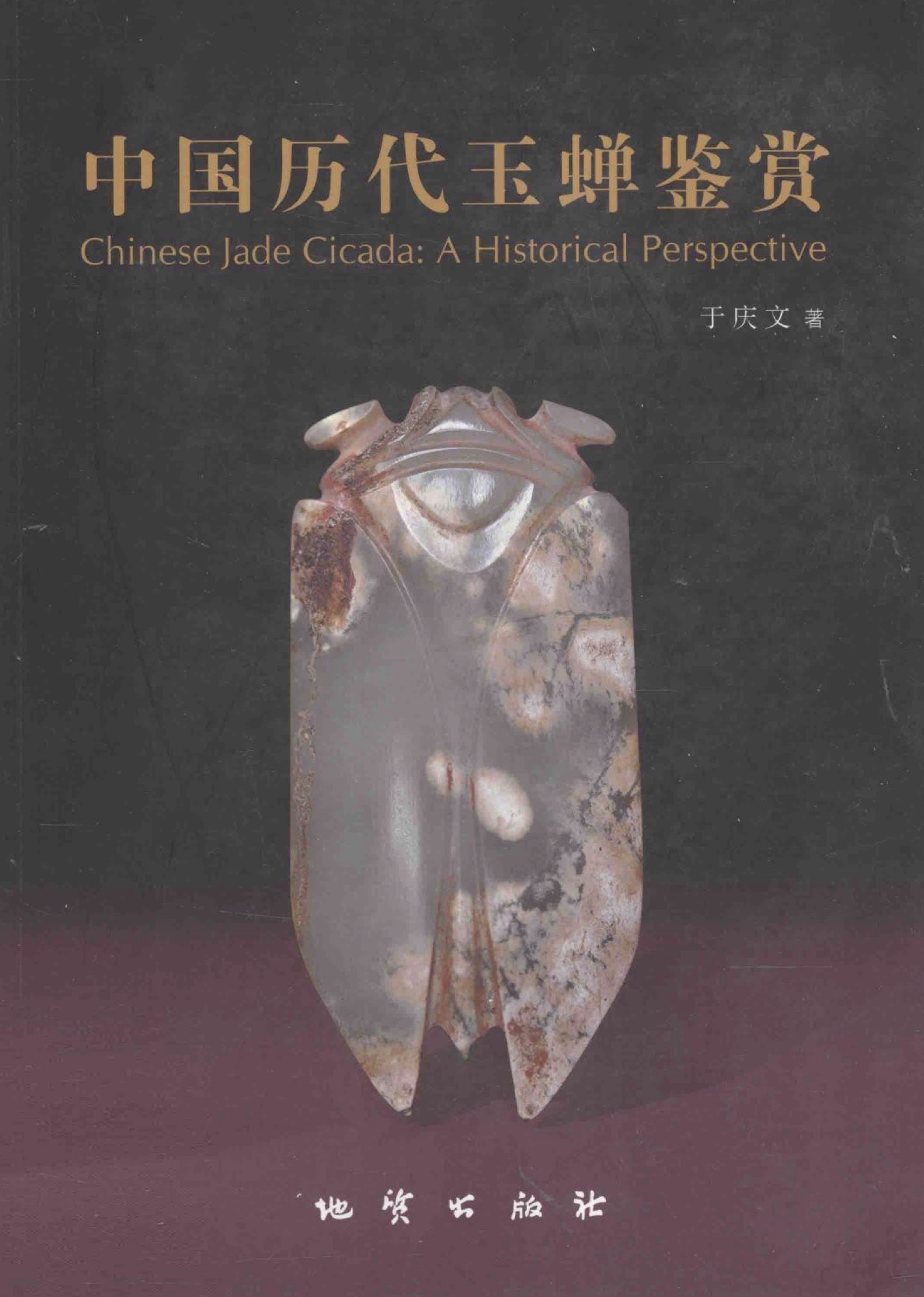
Chinese Jade Cicada: A Historical Perspective
中国历代玉蝉鉴赏 (Zhōngguó Lìdài Yùchán Jiànshǎng)
Book
Yu, Q. (2011) Chinese Jade Cicada: A Historical Perspective. [中国历代玉蝉鉴赏 (Zhōngguó Lìdài Yùchán Jiànshǎng)] Beijing, Geological Publishing House, 317 pp.
ISBN/ISSN: 9787120000000 | Sinkankas/Born No.: NIS/NIB | Language: in Chinese and English | RWHL*
gems, jade, China, Chinese jade, Chinese jade carving, nephrite, archaic jade
The image of cicada is one of the most popular motifs in jade carvings, which have been favored deeply for thousands of years. In the view of the ancient people, the long life cycle of the cicada’s growing underground, preserving energy and molting symbolized the rebirth and eternal life, which matched the desires of the people to immortality and rejuvenation. Meanwhile, the cicadas abandon old bodies (actually shells) and live on the dew only, so they were regarded as the embodiments of innocence, loftiness and being aloof to secular affairs. Moreover, the cicada is called as “Zhiliao (lit. Having known)” with connotation of being not greedy and having foresight. These characteristics were seen as models by the noble people, and the literati usually expressed their feelings by praising cicadas. Through the succeeding and evolving for the thousands of years since the prehistoric age, the jade cicadas have been attributed more and more social and humanistic viewpoints and changed into a special cultural symbol. The overview of the evolution of jade cicadas not only reflects the features of shaping, material selecting and carving, but also the influences of the artistic thoughts of all of the times, the primitive religions and Confucianism, Taoism and Buddhism, as well as folkloric cultures. All of these are significantly meaningful for us to understand the characteristics of the Jade Cicada Culture and its role in the history of ancient China.