
Four Treasures Reference Database
Record No. 29139
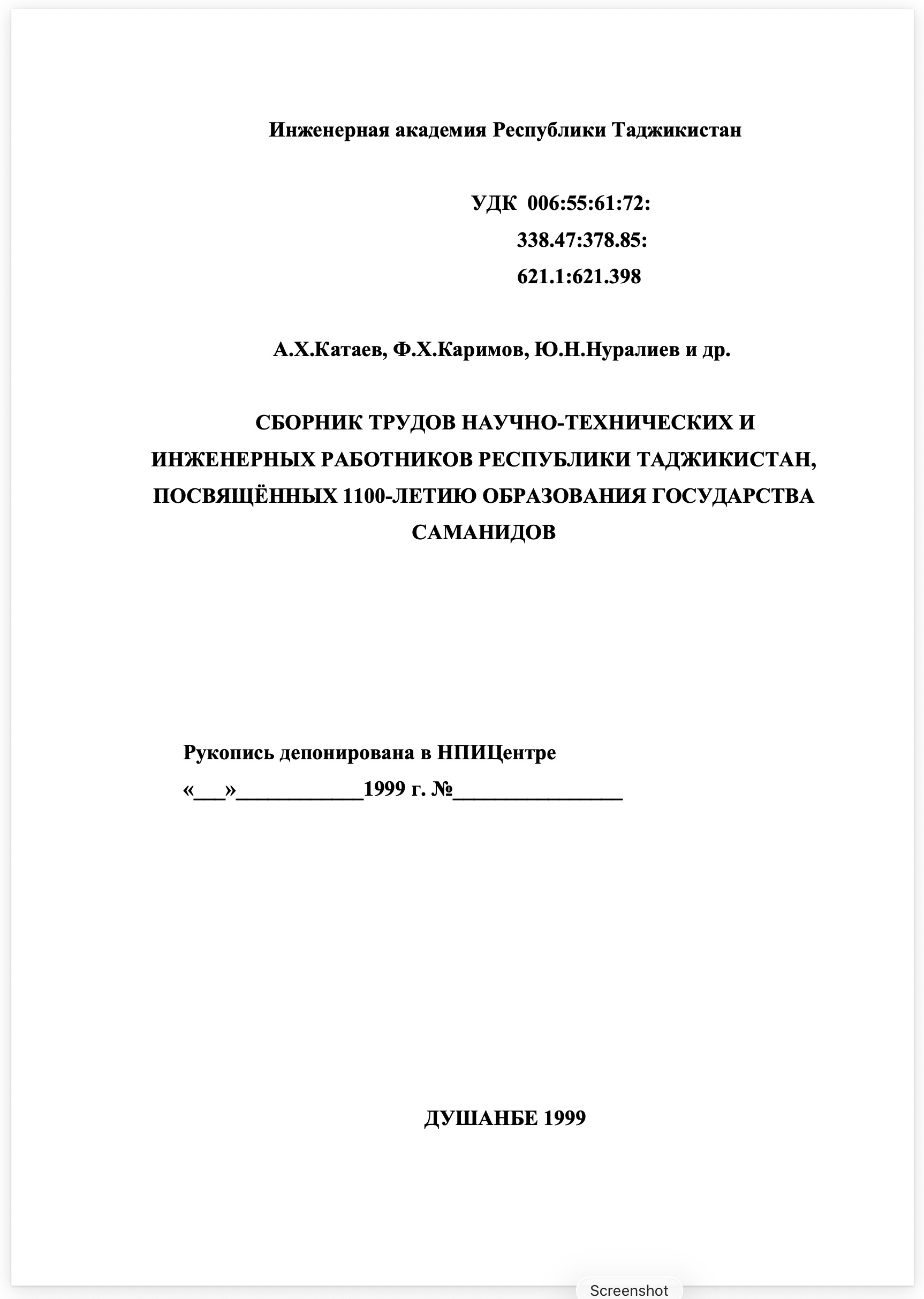
Mining and processing of mineral resources in the Samanid era
ДОБЫЧА И ПЕРЕРАБОТКА ПОЛЕЗНЫХ ИСКОПАЕМЫХ В ЭПОХУ САМАНИДОВ
Book Section
Bubnova, M.A. (1999) Mining and processing of mineral resources in the Samanid era. [ДОБЫЧА И ПЕРЕРАБОТКА ПОЛЕЗНЫХ ИСКОПАЕМЫХ В ЭПОХУ САМАНИДОВ] In: Collection of Papers by Scientific, Technical, and Engineering Workers of the Republic of Tajikistan, Dedicated to the 1100th Anniversary of the Establishment of the Samanid State, Dushanbe: Engineering Academy of the Republic of Tajikistan, No. 94–98.
Sinkankas/Born No.: NIS/NIB | Language: in Russian | RWHL
gems, corundum, Afghanistan.12, Tajikistan.12, spinel, lapis lazuli, ruby, sapphire, clinohumite
For millennia, people accumulated knowledge about mineral resources and learned how to extract and process them. It is therefore not surprising that certain historical periods bear names such as the Stone Age, when people made everything they needed from stone; the Copper Age, when pure copper was used and copper alloys were not yet known; and the Bronze Age, when, over the course of a couple of millennia, copper alloys were mastered, culminating towards the end of the period in the discovery of the best of them—tin bronzes. In ancient times, international trade routes were named according to the importance of the commodities carried along them; among these were the Great Lapis Lazuli Route, the Carnelian Route, the Amber Route, and others. The adoption of iron in Central Asia dates to the first millennium BC—the Early Iron Age—when iron objects came into widespread use. This period preceded the rule of the Samanids by only about 800 years. Thus, by the time of the Samanid dynasty, a great deal was already known and many skills had been mastered. In the Samanid state, however, this knowledge was concentrated and directed in a remarkably rational and skilful manner. Practically every form of production, from pottery-making to metallurgy, attained a very high level during this period.