
Four Treasures Reference Database
Record No. 29160
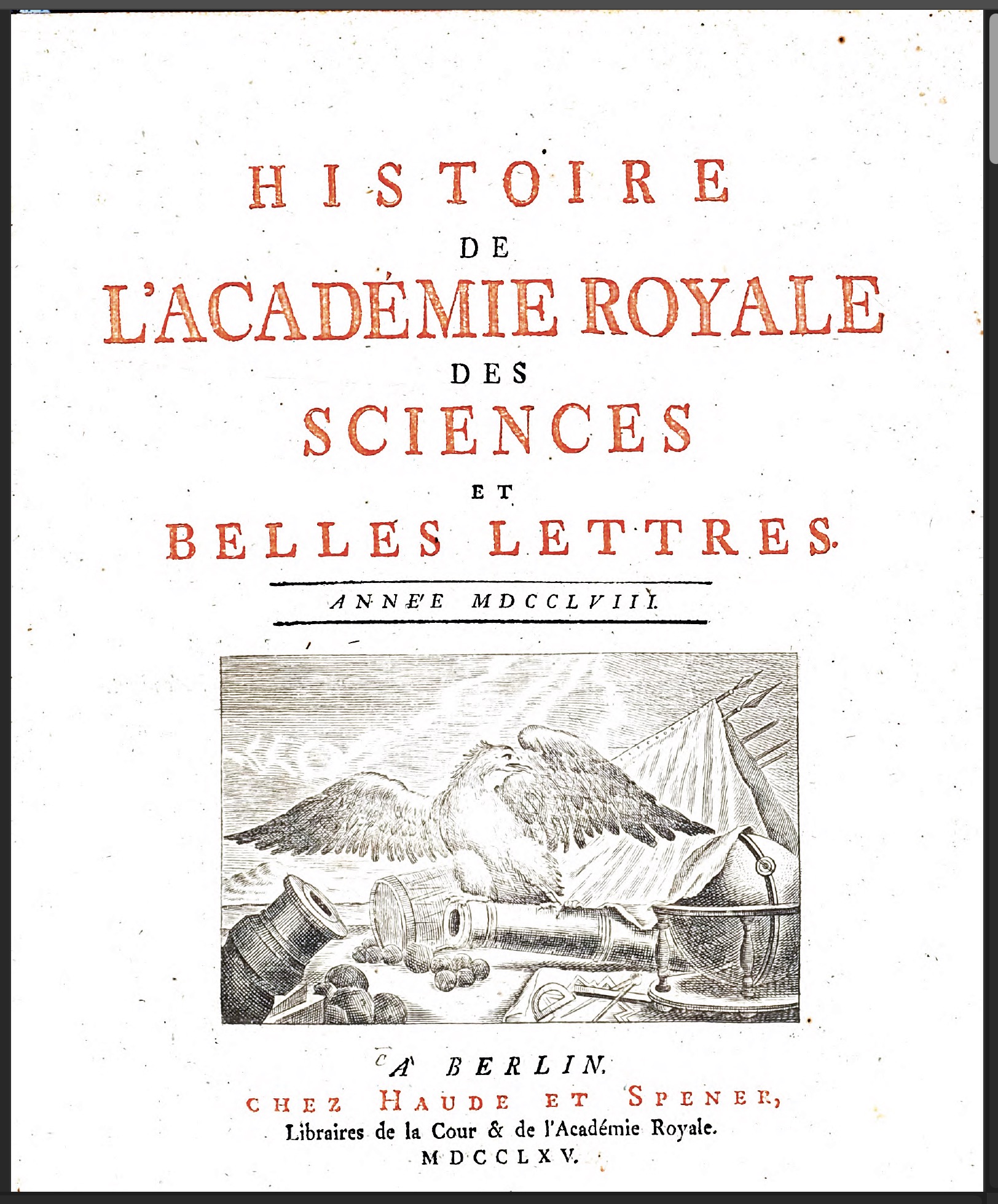
Rapport de Quelques Experiences faites sur la Pierre qu'on Nomme Lapis Lazuli
Report on some experiments conducted on the stone known as lapis lazuli
Journal Article
Margrraf, A.S. (1758) Rapport de Quelques Experiences faites sur la Pierre qu'on Nomme Lapis Lazuli. [Report on some experiments conducted on the stone known as lapis lazuli] Histoire de l'Académie Royale des Sciences et des Belles Lettres de Berlin, Vol. 21, pp. 10–19.
Sinkankas/Born No.: NIS/NIB | Language: in French | RWHL
gems, lapis lazuli, Afghanistan, history of gemology, gem trade, Central Asia, chemical analysis
Lapis lazuli is a blue stone, tending towards violet, of moderate hardness, marked with white veins and most often with mineral-metallic points which resemble gold, but which, when examined more closely, prove to be a sulphur marcasite in its cubic form. One also often finds bright white spots in it; but these likewise, when examined more attentively, are nothing other than a fine and shining talc. Some parts of this stone, when struck against steel, give off sparks, while the rest do not. It is otherwise neither too hard nor too soft; it can be moderately well polished; some parts of it effervesce with aqua fortis, while others do not. According to some authors, gold is found in it; something which I would not absolutely deny either: but I do not believe that it is always present, and in every species of this stone. When it is of a beautiful blue, it is regarded as something rare; it is used for various mechanical works, and is an ingredient in medicine entering into what is called Confection of Alkermes. Painters also praise it for the preparation of that beautiful ultramarine blue, which is the most durable of all.