
Four Treasures Reference Database
Record No. 30
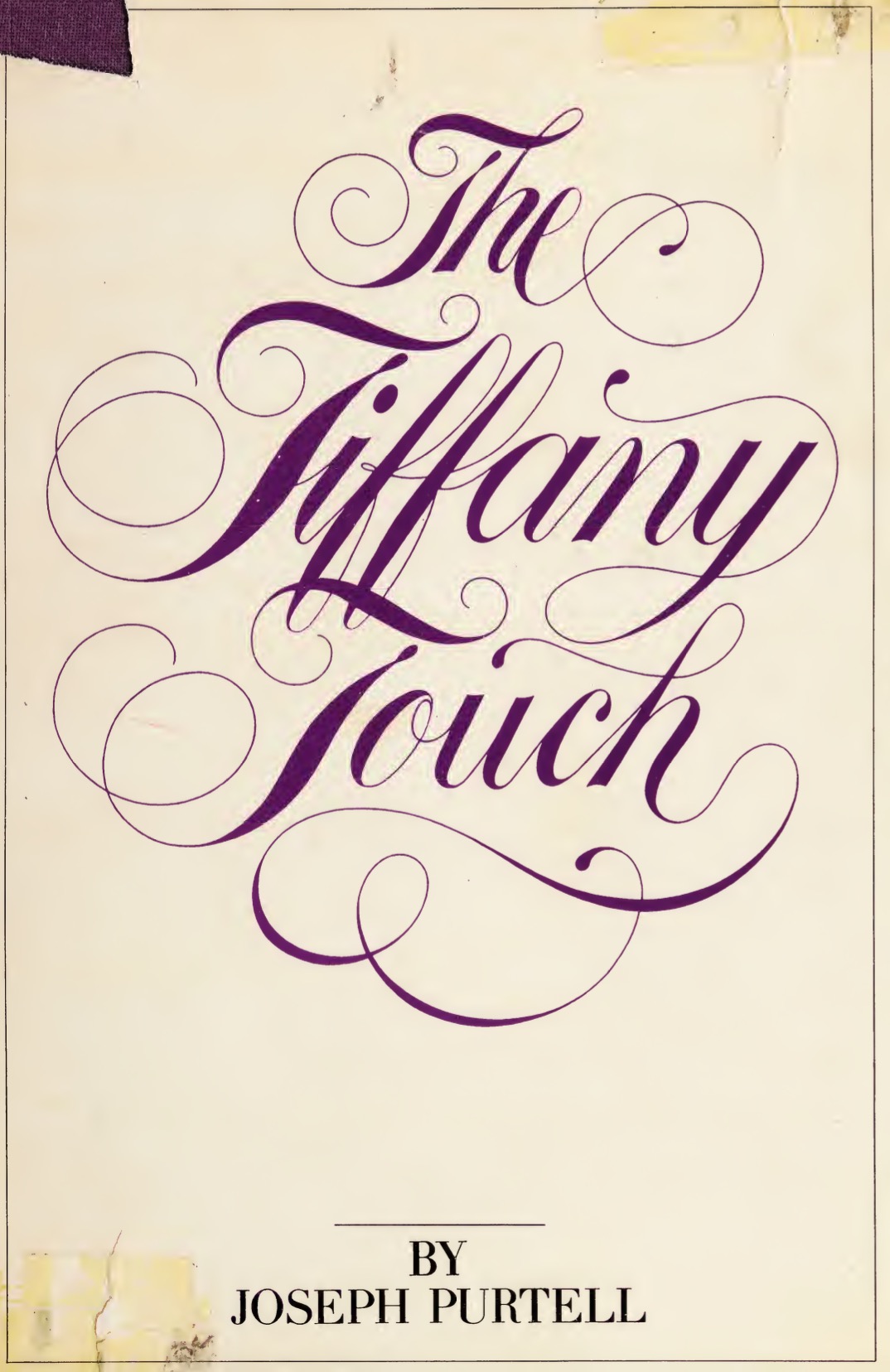
The Tiffany Touch
Book
Purtell, J. (1971) The Tiffany Touch. New York, Random House, 309 pp.
Sinkankas/Born No.: NIS/NIB | RWHL
Tiffany, GF Kunz, gems
Joseph Purtell traces the development of Tiffany & Co. from Charles Lewis Tiffany’s modest nineteenth-century New York business into a jewellery house associated with luxury, craftsmanship and authority in matters of taste. The narrative places the firm within the changing social and commercial life of the city, beginning amid the financial instability of 1837 and following its expansion through the Gilded Age and into the twentieth century. Business history is interwoven with portraits of founders, managers, designers, collectors and customers, using anecdotes to show how purchasing habits, conspicuous consumption and publicity contributed to the Tiffany reputation. Charles Tiffany emerges as a merchant combining aesthetic judgement with commercial opportunism, while acquisitions of important jewels, distinguished commissions and exhibitions reinforce the firm’s prestige. Particular attention is given to George Frederick Kunz, whose mineralogical expertise, collecting activities and enthusiasm for American gem materials connected the business with museums, wealthy patrons and the wider study of gemstones. A separate account of Louis Comfort Tiffany explores his artistic career, stained glass and decorative work while distinguishing his activities from control of the jewellery firm. Later chapters examine changes in ownership and management, including Walter Hoving’s emphasis on design and the renewal of the store’s identity. Van Day Truex, Jean Schlumberger and window designer Gene Moore illustrate different ways in which product design, imaginative presentation and carefully maintained standards shaped the customer’s experience. The range extends beyond jewellery to silver, tableware, trophies, ceremonial gifts and corporate commissions, showing how the firm’s influence entered both private households and public occasions. Discussion of diamonds introduces quality assessment, cutting, purchasing and the trade, while the account of tanzanite describes efforts to establish a market for a newly recognised gem. Photographs of people, objects, advertisements and documents supplement the text. Rather than presenting a technical gemmological survey, the book develops an anecdotal social and institutional history in which craftsmanship, personal relationships, commercial judgement and the cultivation of prestige jointly explain the enduring appeal of the Tiffany name.