Ruby & Sapphire Bibliography

Ruby & Sapphire Bibliography

Explore books, articles and historical sources on ruby, sapphire and corundum in Four Treasures, the Lotus Gemology reference database. This bibliography brings together matching records from the collection, with publication details, abstracts and cover images where available.

Ruby & Sapphire References

The list below matches the terms ruby, rubies, sapphire or corundum in the database's searchable fields. Some references discuss these gems as part of a broader subject. Linked titles take you to external links where you may find the full reference.
261–280 of 4,671 matching references

Ruby & Sapphire

Book
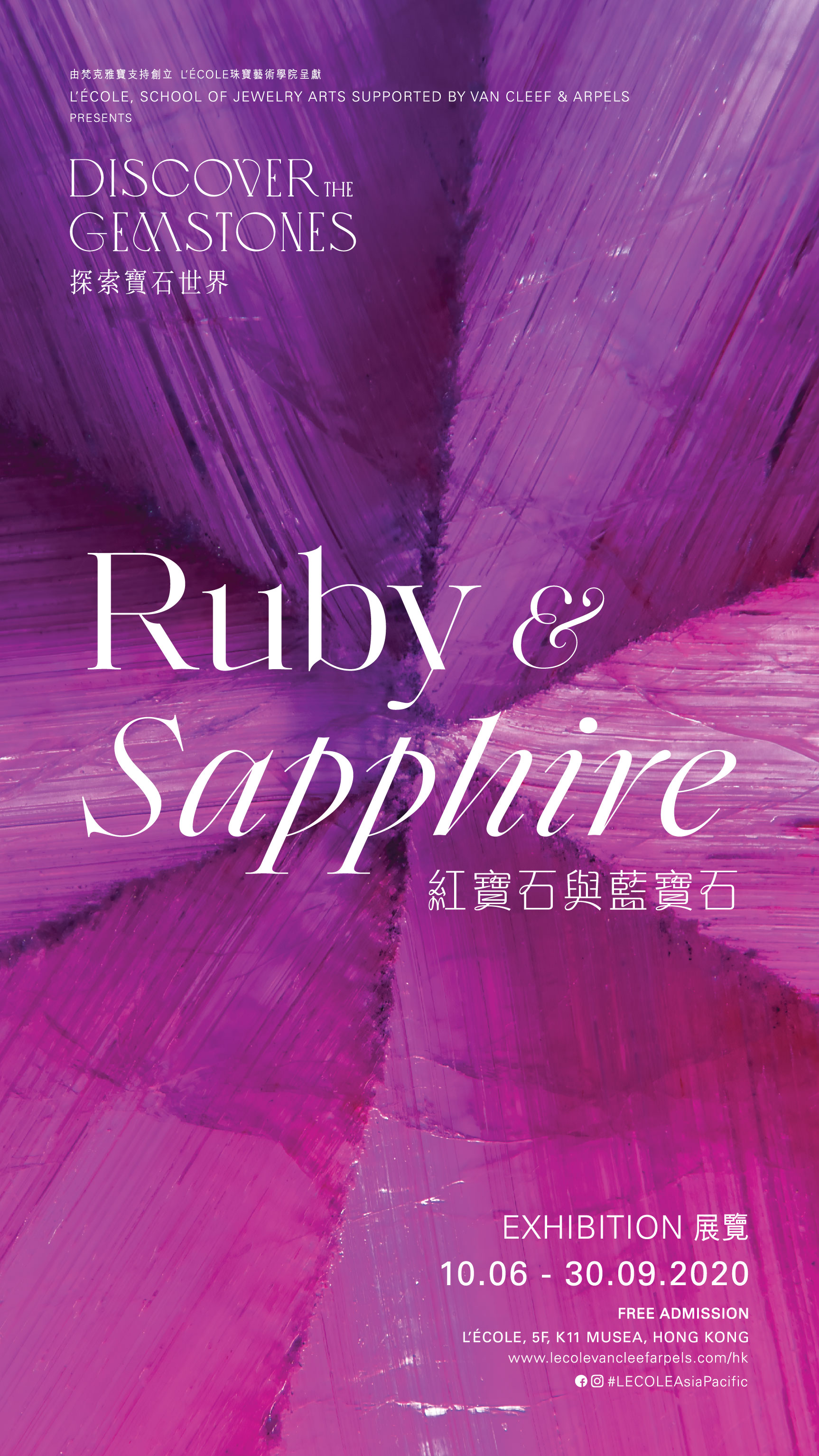
L’École Asia Pacific–School of Jewelry Arts (2020) Ruby & Sapphire. Hong Kong, L’École Asia Pacific–School of Jewelry Arts, 46 pp.
Record No. 4239  |  ISBN/ISSN: 9789890000000  |  Sinkankas/Born No.: NIS/NIB  |  Language: in English & traditional Chinese  |  RWHL*
Lovely catalog of an exhibition put on by L’École Asia Pacific–School of Jewelry Arts in Hong Kong. The exhibit ran from 10 June to 20 September 2020 and featured inclusion photos from Lotus Gemology’s E. Billie Hughes, Wimon Manorotkul and Richard Hughes, along with essays on various aspects of ruby and sapphire written by Olivier Segura, Capucine Juncker and Billie Hughes, Richard Hughes and Paolo Minieri. The exhibit also offered a collectable series of postcards of inclusion photos.

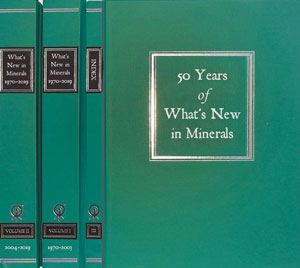
50 Years of What’s New in Minerals

Book
Mineralogical Record (2020) 50 Years of What’s New in Minerals. Tuscon, AZ, Mineralogical Record, 3 Vols., 940, 761, 184 pp.
Record No. 4212  |  Sinkankas/Born No.: NIS/NIB  |  RWHL*
What are the features that have made The Mineralogical Record so special over the last half-century? Certainly a major factor is the regular reporting on new mineral finds as they have reached the market. These reports form an unprecedented database for today’s collectors. Now, the Mineralogical Record has reprinted all of the “What’s New in Minerals” and related columns of the last 50 years in two massive hardcover volumes plus an Index volume, complete with the original illustrations. It can be thought of as a companion set to Tom Moore’s two-volume Compendium of Mineral Discoveries 1960-2015, published in 2017. Whereas the (unillustrated) Moore compendium summarized data from many different mineral journals and publications in that time period, this new reference work provides the full original text of The Mineralogical Record columns, including thousands of specimen photos, many in original full color (black & white for some of the earliest volumes). Reading through these columns and looking at the specimens again is like a half-century historical tour through the hobby of mineral collecting and a chronological review of the minerals that came out of the ground every year. It reminds us of the excitement that accompanied those discoveries, and provides a great educational background for young collectors and people who are relatively new to the hobby. The learning curve is steep for aspiring connoisseurs, and this compilation is an invaluable resource of critical knowledge. In serving the community of mineral collectors and mineralogists, The Mineralogical Record has reported regularly on new discoveries reaching the market ever since its first issue was published 50 years ago. Editor and Smithsonian curator John S. White wrote those first “What’s new in minerals?” reports, facilitated in part by his location in a museum where dealers routinely brought their best specimens seeking possible sales. He visited the Tucson Gem and Mineral Show as well, bringing back news of what was on offer there. Dealers and collectors sought him out to tell him of their discoveries, and he documented them for his readers, often with accompanying photos. In 1976 the responsibility for reporting mineral market news passed to Wendell Wilson, who also established market columns for other reporters such as Bob Sullivan (“Letter from Europe”), William Pinch (“Rare Minerals Report”), William Panczner (“Notes from Mexico”), and Thomas Moore (“Notes from Germany”), with occasional guest columnists (especially George Robinson) helping out along the way. Michael (“Mick”) Cooper took over Bob Sullivan’s “Letter from Europe” column in 1992. Tom Moore, returning in 1991 from a 14-year residency in Germany, began writing more American and European show reports, and was ultimately hired as a staff editor by The Mineralogical Record in 2001. Since that time he has been the principal author of market reports, with occasional help from Joseph Polityka, Wendell Wilson and others. Over the last half-century, 41 different authors have contributed to The Mineralogical Record’s unique body of reportage on the world mineral market—a record that now constitutes a highly important and useful historical repository of discoveries and provenance. Status as an “illustrated specimen” is always good to know for minerals a collector owns or is considering for purchase. However, after 50 years of publication, many illustrated specimens have lost their provenance. Now that distinction, at least regarding the many specimens that have been pictured in the “What’s New in Minerals” columns, can easily be determined and regained. THE INDEX: The challenge in utilizing such a massive compendium of columns and reports is: how do you find anything in over 2,000 pages? To answer that need, a 184-page index is included as a third volume, giving full access to all the published information. The Index provides access to every mention in this new compendium, by species and also by locality. When a specimen is found to have been illustrated, the owner may write to the Mineralogical Record and obtain an “Illustrated Specimen” label to go with it, indicating the volume, number and page of the illustration—a handsome addition to the specimen’s documentation.

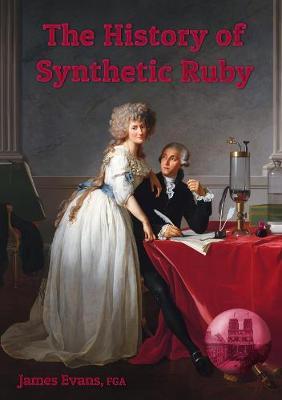
The History of Synthetic Ruby

Book
Evans, J. (2020) The History of Synthetic Ruby. no city, Lustre Gemmology, 48 + 12 pp.
Record No. 4173  |  ISBN/ISSN: 9781920000000  |  Sinkankas/Born No.: NIS/NIB  |  RWHL*
Nice booklet detailing the history of synthetic ruby. While there is some good stuff inside, the author inexplicably failed to do a full literature search, thus missing some important details, such as those relating to the Geneva ruby.

Gems and counterfeited gems in early modern Antwerp: From workshops to collections
Book Section
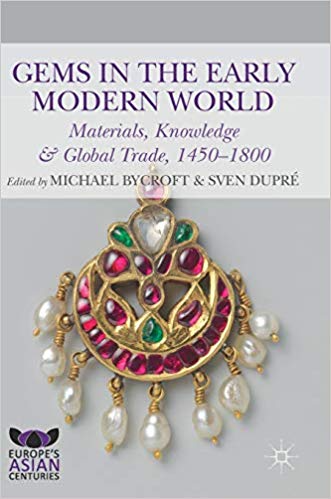
Rijks, M. (2019) Gems and counterfeited gems in early modern Antwerp: From workshops to collections. In: Gems in the Early Modern World: Materials, Knowledge and Global Trade, 1450–1800, Cham, Switzerland: Palgrave Macmillan, pp. 309–342.
Record No. 29124  |  ISBN/ISSN: 9783320000000  |  Sinkankas/Born No.: NIS/NIB  |  RWHL*
“And take a large clean mussel shell, heat it and put in wine vinegar, afterwards take the shell and make it into a powder and take crystal glass, also powdered”. These instructions on how “to counterfeit pearls” were noted down in a sixteenth-century manuscript now in Museum Plantin Moretus in Antwerp. The neat manuscript lists an array of recipes, including two that describe how to counterfeit pearls, along with a list of alchemical symbols, a drawing of an oven to bake painted glass, and instructions on how to make or improve upon pigments, discern fake from real stones, gild metal, and make ink, mirrors, enamel, and resins. Although the name “P. Koldenbergij” was written on the document at some point, it was previously unidentified. It has been claimed that it must have been in the possession of Pieter Van Coudenberghe (1517–1599), the Antwerp apothecary and botanist with an international reputation who corresponded with savants all over Europe. However, based upon a comparison with a handwritten letter by the apothecary, it can now be attributed to Van Coudenberghe himself.

Gems and the gem trade in India

Book Section
Ogden, J. (2019) Gems and the gem trade in India. In: Beyond Extravagance: A Royal Collection of Gems and Jewels, New York: Assouline, 2 Vols., Vol. 2 , pp. 542–593.
Record No. 29023  |  ISBN/ISSN: 9781610000000  |  Sinkankas/Born No.: NIS/NIB  |  RWHL*
Awakening a new understanding of the diverse tradition of Indian jewelry spanning four hundred years, the first edition of Beyond Extravagance in 2013 revealed for the first time the exceptional Al Thani Collection of the most important royal Indian jewels from the Mughal Empire to the British Raj to the twenty-first century. Exploring the centuries-long tradition of fine jewelry and art objects in India, to contemporary interpretations that continue to evolve today, this spectacular volume has been expanded and updated to highlight over 400 items in this magnificent collection. Key pieces include the carved jade wine cup of Emperor Jahangir, the Shah Jahan Dagger; inscribed imperial spinels belonging to emperors Akbar, Jahangir, and Shah Jahan; the Arcot II diamond and the Taj Mahal Emerald; and a ruby and pearl choker made by Cartier for the Maharaja of Patiala. Presenting a journey through the history of Indian jeweled objects, this splendid new edition features updated chapters by renowned jewelry experts including Vivienne Becker (The Impossible Collection of Jewelry); Katherine Prior (Maharajahs’ Jewels); Michael Spink, a specialist in Islamic and Indian art who lectures at the University of London; and Robert Skelton, one of the foremost authorities on Indian painting and fine objects. Edited by Amin Jaffer, senior curator of The Al Thani Collection, each section includes a detailed catalogue raisonné of featured pieces.

The impact of European trade with Southeast Asia on the mineralogical studies of Robert Boyle
Book Section
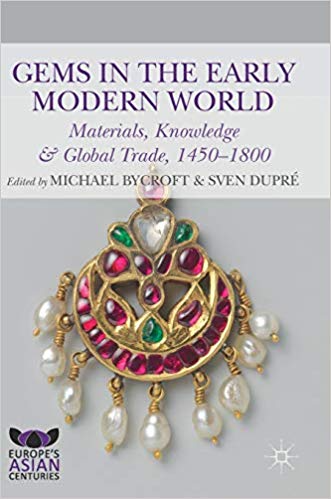
Sabel, C.C. (2019) The impact of European trade with Southeast Asia on the mineralogical studies of Robert Boyle. In: Gems in the Early Modern World: Materials, Knowledge and Global Trade, 1450–1800, Europe’s Asian Centuries, Cham, Switzerland: Palgrave Macmillan, pp. 87–116.
Record No. 29008  |  ISBN/ISSN: 9783320000000  |  Sinkankas/Born No.: NIS/NIB  |  RWHL*
In the preface to his 1672 book, An Essay About the Origine and Virtues of Gems, the English natural philosopher Robert Boyle (1627–1691) expressed dissatisfaction with existing lapidary literature, opining: … That the Scarcity, the Lustre and the Preciousness of Gems have made them in all ages to be reckon’d among the finest and choicest of Natures Productions, is generally granted. But whether the Books, that have been divulged of them, be answerable to the Nobleness of the Subject, seems not to me so unquestionable. To address this shortcoming, Boyle looked beyond the available scholarship on stones to a remarkable range of sources, newly available thanks to the dramatic increase in European trade with the gem-producing regions of South and Southeast Asia over the course of the seventeenth century. Boyle took the matter quite literally into his own hands, and sought out a wide variety of stones “[to see] how far I could make out those thoughts [about gems’ properties] by my own Arguments and Observations.”

Polito et Claro: The Art and knowledge of polishing, 1100–1500
Book Section
Bol, M. (2019) Polito et Claro: The Art and knowledge of polishing, 1100–1500. In: Gems in the Early Modern World: Materials, Knowledge and Global Trade, 1450–1800, Cham, Switzerland: Palgrave Macmillan, pp. 223–257.
Record No. 28996  |  ISBN/ISSN: 9783320000000  |  Sinkankas/Born No.: NIS/NIB  |  RWHL*
This edited collection is an interdisciplinary study of gems in the early modern world. It examines the relations between the art, science, and technology of gems, and it does so against the backdrop of an expanding global trade in gems. The eleven chapters are organised into three parts. The first part sets the scene by describing how gems moved around the early modern world, how they were set in motion, and how they were pulled together in the course of their travels. The second part is about value. It asks why people valued gems, how they determined the value of a given gem, and how the value of a gem was connected to its perceived place of origin. The third part deals with the skills involved in cutting, polishing, and mounting gems, and how these skills were transmitted and articulated by artisans. The common themes of all these chapters are materials, knowledge and global trade. The contributors to this volume focus on the material properties of gems such as their weight and hardness, on the knowledge involved in exchanging them and valuing them, and on the cultural consequences of the expanding trade in gems in Eurasia and the Americas.

Rubellite – Tourmaline Rouge

Edited Book
Simmons, W.B., Staebler, G.A., Bunk, D.W., Falster, A.U., Hanson, S.L. and Webber, K.W., editor (2019) Rubellite – Tourmaline Rouge., 140 pp..
Record No. 27117  |  ISBN/ISSN: 9780980000000  |  Sinkankas/Born No.: NIS/NIB  |  RWHL*
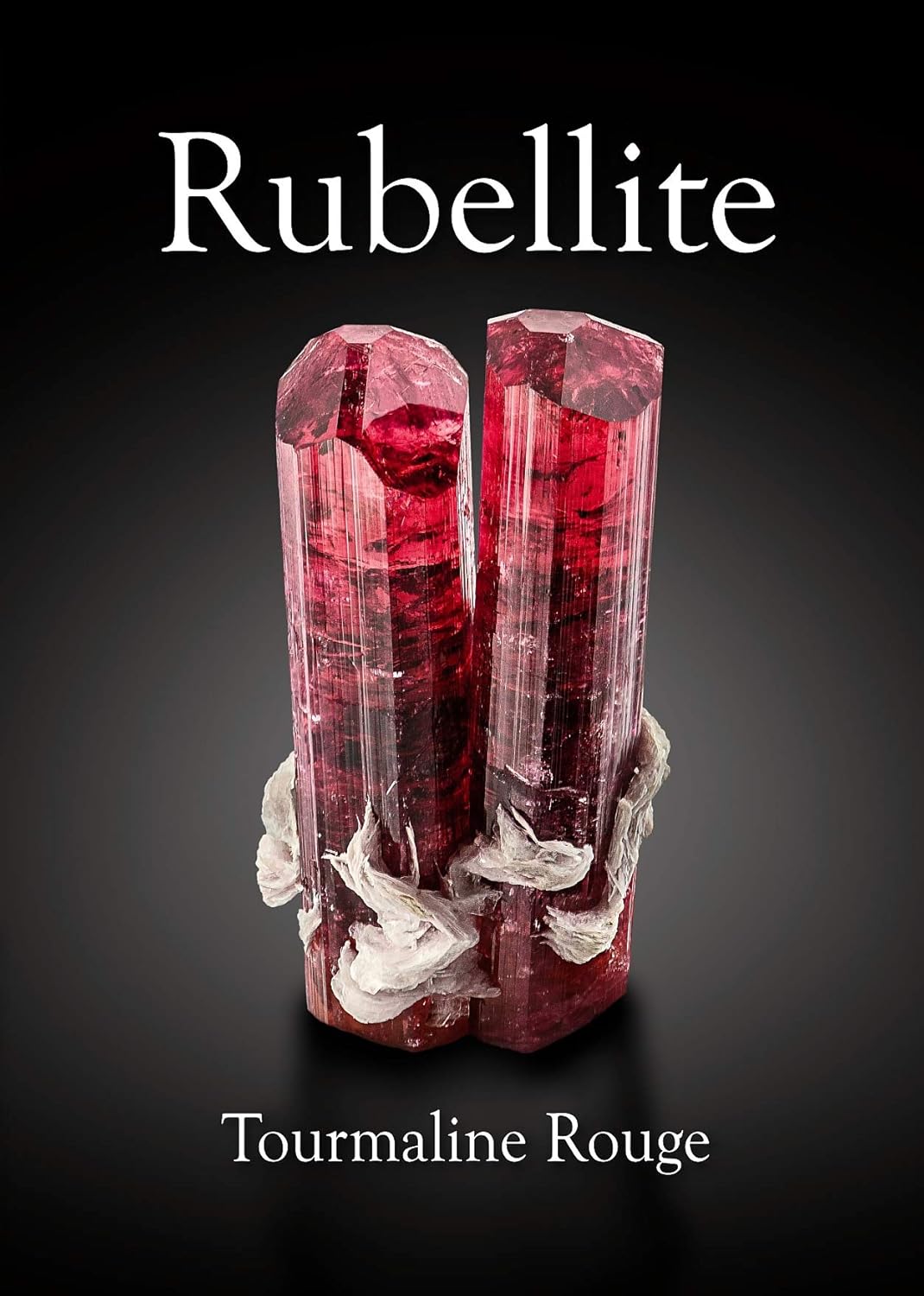
Taking its name from the Latin rubellus, meaning “reddish,” rubellite was rare in the ancient world. Its unique properties set it apart from other hard, red gemstones, generically known then as “ruby” or “carbuncle.” That distinction was lost during the Dark Ages but revived in the Enlightenment, as science undertook its quest to understand the nature of things. For two and a half centuries, rubellite has had a part of that great unraveling. Today “rubellite” refers to the pink to red variety of tourmaline, a large group of borosilicates. Coveted most for its endless combinations of vivid colors, just a handful of species —elbaite, liddicoatite, rossmanite —form rubellite, which is found as large, gemmy, euhedral crystals in pegmatites across the globe. With articles covering history, culture, science, and localities, our expert authors explore the fascinating world of rubellite and its complicated mineral family. Extraordinary imagery illuminates their stories, enticing readers into the paradox of rubellite and its tourmaline brethren.

Billmeyer and Saltzman's Principles of Color Technology
Book
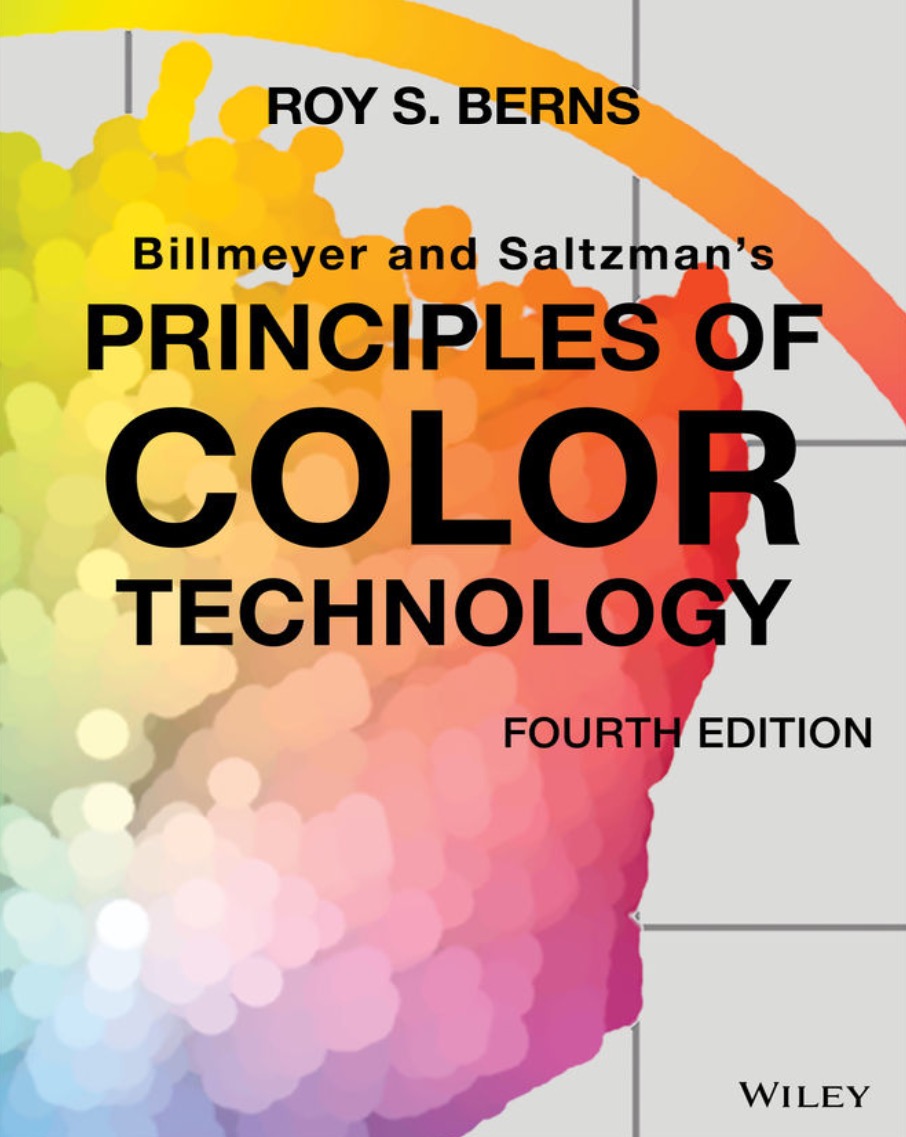
Berns, R.S. (2019) Billmeyer and Saltzman's Principles of Color Technology. New York, John Wiley & Sons, 253 pp.
Record No. 16364  |  Sinkankas/Born No.: NIS/NIB  |  RWHL*
Fully updated-the classic comprehensive introduction to color technology The Third Edition of Billmeyer and Saltzman's Principles of Color Technology combines the clarity and ease of use of earlier editions with two decades of advancement in the theory and technology of color. Defining color as a certain kind of light, its effect on the human eye, or (most important of all) the result of this effect in the mind of the viewer," the book offers detailed coverage of color, colorants, the coloring of materials, and reproducing the color of materials through imaging. While retaining important material on the color technology of paints, plastics, textiles, and other materials, the Third Edition features in-depth coverage of computer-generated color, digital image capture, desktop color printing, and color management-achieving color fidelity among scanners, digital cameras, and other color imaging devices. The new edition of Principles of Color Technology offers expanded coverage that includes: * Measuring color quality-a new chapter describes the principles and applications of setting instrumental color tolerances * Mathematics of color technology-a new appendix presents principles of color technology using mathematics * Color modeling-additional material covers CRT displays and color printing Supplemented with copious numerical examples, graphs, and illustrations that clarify and explain complex material, as well as side bars that present technical details in a well-organized, accessible manner, this excellent and exciting introduction for newcomers to the field is also a valuable reference for experienced color technologists, color specialists, chemical and industrial engineers, computer scientists, research scientists, and mathematicians interested in color."

A review of analytical methods used in geographic origin determination of gemstones
Journal Article
Groat, L.A., Giuliani, G., Stone-Sundberg, J., Sun, Z., Renfro, N. and Palke, A.C. (2019) A review of analytical methods used in geographic origin determination of gemstones. Gems & Gemology, Vol. 55, No. 4, pp. 512–535.
Record No. 6525  |  ISBN/ISSN: 0016626X  |  DOI: https://dx.doi.org/10.5741/GEMS.55.4.512  |  RWHL*
Origin determination is of increasing importance in the gem trade. It is possible because there is a close relationship between the geological environment of formation and the physical and chemical properties of gemstones, such as trace element and isotopic compositions, that can be measured in the laboratory using combinations of increasingly sophisticated instrumentation. Origin conclusions for ruby, sapphire, and emerald make up the bulk of demand for these services, with growing demand for alexandrite, tourmaline, and spinel. However, establishing origin with a high degree of confidence using the capabilities available today is met with varying degrees of success. Geographic origin can be determined with a high level of confidence for materials such as emerald, Paraíba-type tourmaline, alexandrite, and many rubies. For some materials, especially blue sapphire and some rubies, the situation is more difficult. The main problem is that if the geology of two deposits is similar, then the properties of the gemstones they produce will also be similar, to the point where concluding an origin becomes seemingly impossible in some cases. Origin determination currently relies on a combination of traditional gemological observations and advanced analytical instrumentation.

Geographic origin determination of blue sapphire
Journal Article
Palke, A.C., Saeseaw, S., Renfro, N., Sun, Z. and McClure, S.F. (2019) Geographic origin determination of blue sapphire. Gems & Gemology, Vol. 55, No. 4, pp. 536–579.
Record No. 6524  |  ISBN/ISSN: 0016626X  |  DOI: https://dx.doi.org/10.5741/GEMS.55.4.536  |  RWHL*
Geographic origin determination, one of the most pressing issues facing modern gemological laboratories, is especially challenging for blue sapphire. Reliable origin determination requires careful analysis of a stone’s inclusions and trace element chemistry as well as spectroscopic data. Some stones have characteristic inclusion scenes or trace element chemistry that make it easy to determine their origin, but in many cases there is significant overlap for blue sapphire from distinct geographic localities. The most commonly encountered inclusions are rutile silk and particle clouds. In some stones the silk or clouds may take on a distinct appearance and the origin may be accurately determined. But in many cases the evidence presented by inclusions within a stone is ambiguous. This contribution outlines the methods and criteria used at GIA for geographic origin determination of blue sapphire.

Geographic origin determination of ruby
Journal Article
Palke, A.C., Saeseaw, S., Renfro, N., Sun, Z. and McClure, S.F. (2019) Geographic origin determination of ruby. Gems & Gemology, Vol. 55, No. 4, pp. 580–612.
Record No. 6523  |  ISBN/ISSN: 0016626X  |  DOI: https://dx.doi.org/10.5741/GEMS.55.4.580  |  RWHL*
Over the last several decades, geographic origin determination for fine rubies has become increasingly important in the gem trade. In the gemological laboratory, rubies are generally broken down into two groups based on their trace element chemistry: marble-hosted (low-iron) rubies and high-iron rubies. High-iron rubies are usually a straightforward identification based on their inclusions and trace element profiles. Marble-hosted rubies can be more challenging, with some deposits showing overlap in some of their inclusion scenes. But many marblehosted rubies, especially Burmese stones from Mogok and Mong Hsu, can be accurately identified based on their internal features and trace element profiles. This contribution will outline the methods and criteria used at GIA for geographic origin determination for ruby.

Geographic origin determination of alexandrite
Journal Article
Sun, Z., Palke, A.C., Muyal, J., DeGhionno, D. and McClure, S.F. (2019) Geographic origin determination of alexandrite. Gems & Gemology, Vol. 55, No. 4, pp. 660–681.
Record No. 6520  |  ISBN/ISSN: 0016626X  |  DOI: https://dx.doi.org/10.5741/GEMS.55.4.660  |  RWHL*
The gem and jewelry trade has come to place increasing importance on the geographic origin of alexandrite, as it can have a significant impact on value. Alexandrites from Russia and Brazil are usually more highly valued than those from other countries. In 2016, GIA began researching geographic origin of alexandrite with the intent of offering origin determination as a laboratory service. Unfortunately, collecting reliable samples with known provenance can be very difficult. Alexandrite is often recovered as a byproduct of mining for other gemstones (e.g., emerald and corundum), so it can be difficult to secure reliable parcels of samples because production is typically erratic and unpredictable. The reference materials studied here were examined thoroughly for their trace element chemistry profiles, characteristic color-change ranges under daylight-equivalent and incandescent illumination, and inclusion scenes. The data obtained so far allow us to accurately determine geographic origin for alexandrites from Russia, Brazil, Sri Lanka, Tanzania, and India. Future work may help to differentiate alexandrites from other localities.

Field gemology: Building a research collection and understanding the development of gem deposits
Journal Article
Vertriest, W., Palke, A.C. and Renfro, N. (2019) Field gemology: Building a research collection and understanding the development of gem deposits. Gems & Gemology, Vol. 55, No. 4, pp. 490–511.
Record No. 6519  |  ISBN/ISSN: 0016626X  |  RWHL*
GIA’s field gemology program was established in late 2008 to support research on geographic origin determination of colored gemstones. By building and maintaining an extensive collection of gem materials with known origins, GIA’s research scientists have been able to study and analyze rubies, sapphires, emeralds, and other gemstones using the best available reference samples. This has led to improved origin determination services while supporting numerous research and education projects. To date the collection has accumulated during more than 95 field expeditions on six continents and currently includes more than 22,000 samples. GIA’s field gemology efforts require a thorough understanding of the gem trade, including the evolution of gemstone deposits and the development of treatments. It is important to recognize potential new deposits and gemstone enhancement procedures immediately because they can change rapidly and leave a lasting impact on the trade. Field expeditions also involve documenting the mines and local conditions. These factors provide context for the gemstones and are becoming increasingly important in the eyes of the public.

Beyond Extravagance: A Royal Collection of Gems and Jewels
Edited Book
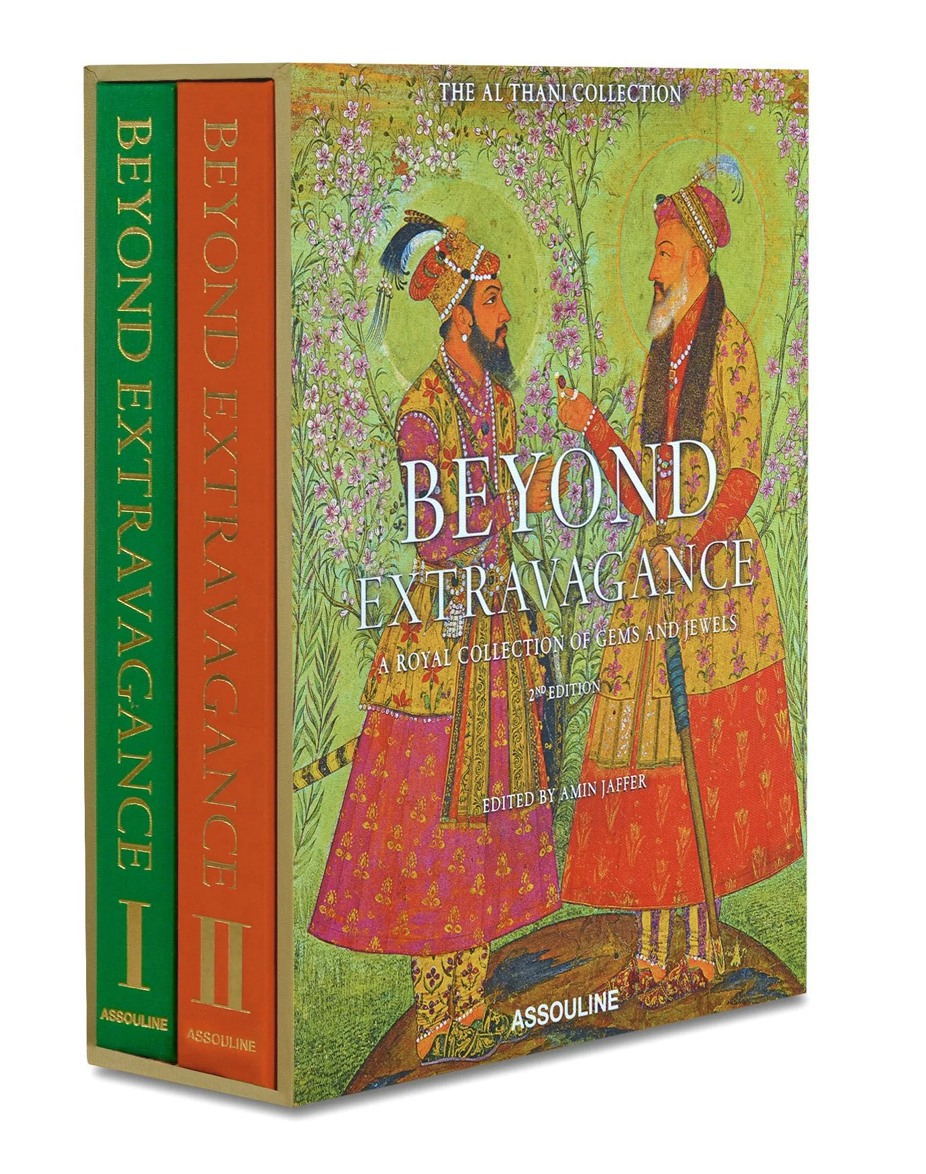
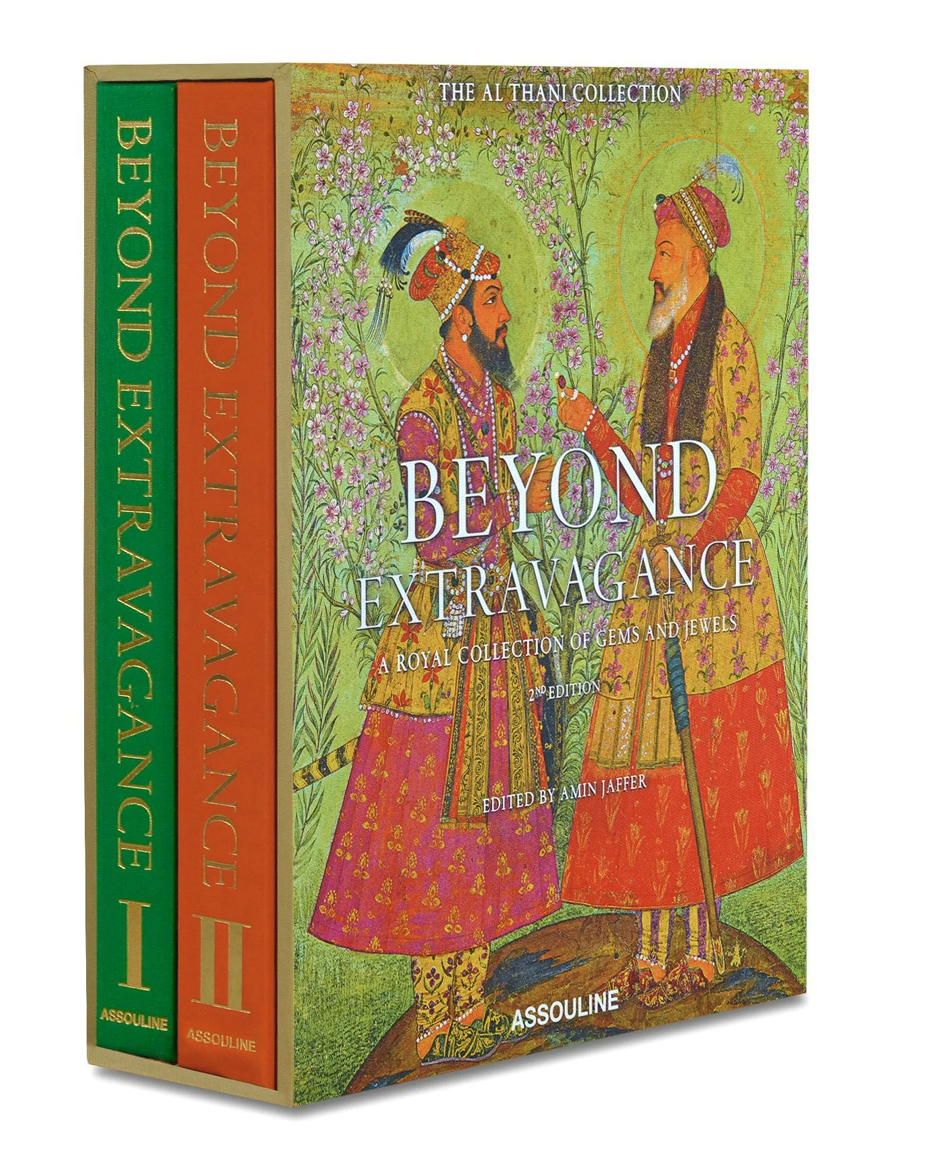
Jaffer, A., editor (2019) Beyond Extravagance: A Royal Collection of Gems and Jewels.. New York, Assouline, 2 Vols., 652 pp.. 2nd edition.
Record No. 6399  |  ISBN/ISSN: 9781610000000  |  Sinkankas/Born No.: NIS/NIB  |  RWHL*
Awakening a new understanding of the diverse tradition of Indian jewelry spanning four hundred years, the first edition of Beyond Extravagance in 2013 revealed for the first time the exceptional Al Thani Collection of the most important royal Indian jewels from the Mughal Empire to the British Raj to the twenty-first century. Exploring the centuries-long tradition of fine jewelry and art objects in India, to contemporary interpretations that continue to evolve today, this spectacular volume has been expanded and updated to highlight over 400 items in this magnificent collection. Key pieces include the carved jade wine cup of Emperor Jahangir, the Shah Jahan Dagger; inscribed imperial spinels belonging to emperors Akbar, Jahangir, and Shah Jahan; the Arcot II diamond and the Taj Mahal Emerald; and a ruby and pearl choker made by Cartier for the Maharaja of Patiala. Presenting a journey through the history of Indian jeweled objects, this splendid new edition features updated chapters by renowned jewelry experts including Vivienne Becker (The Impossible Collection of Jewelry); Katherine Prior (Maharajahs’ Jewels); Michael Spink, a specialist in Islamic and Indian art who lectures at the University of London; and Robert Skelton, one of the foremost authorities on Indian painting and fine objects. Edited by Amin Jaffer, senior curator of The Al Thani Collection, each section includes a detailed catalogue raisonné of featured pieces.

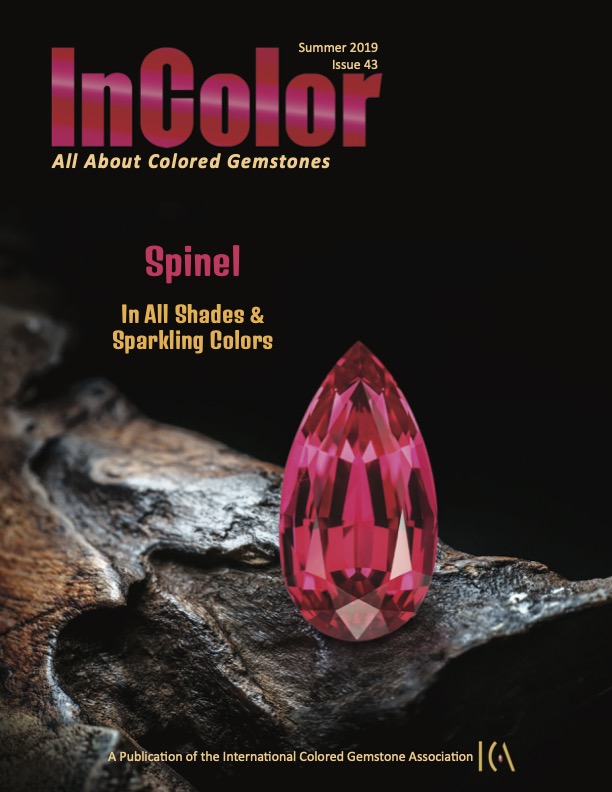
Spinel from Tajikistan: The gem that made famous the word “ruby”
Journal Article
Pardieu, V. and Farkhodova, T. (2019) Spinel from Tajikistan: The gem that made famous the word “ruby”. InColor, No. 43, Summer, pp. 30–33.
Record No. 6296  |  Sinkankas/Born No.: NIS/NIB  |  RWHL*
During the 8th century, after a powerful earthquake, it seems that people started to find pink to red stones within white rock on the side of a mountain in Badakhshan. Locally called Laal," the gems rapidly found their way to the nearby markets on the Silk Road. Over the next few centuries, they fascinated scholars, traders (such as Marco Polo, who wrote about the gems even though he had not visited the mines) and most of all, powerful rulers in the Middle East, Europe, India and China. The red gems thus become very popular with kings, sultans, shahs, maharajas and emperors."

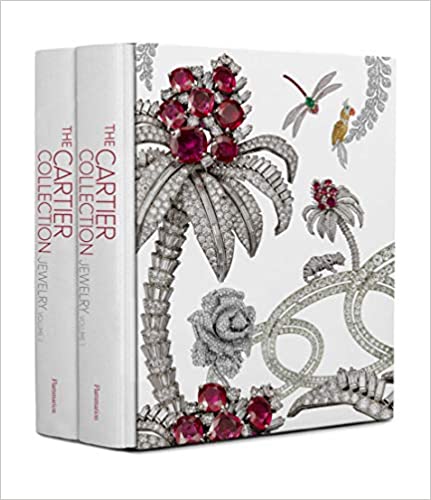
The Cartier Collection • Jewelry

Book
Chaille, F., Spink, M., Vachaudez, C., Coudert, T. and Petit, V. (2019) The Cartier Collection • Jewelry. Paris, Editions Flammarion, 720 pp.
Record No. 6283  |  ISBN/ISSN: 9782080000000  |  Sinkankas/Born No.: NIS/NIB  |  RWHL*
This lavish two-volume slipcased work is a publishing event for the quality of its design, full-size reproductions, extensive documentation, and illustrated chronology and index. With more than 3,000 pieces dating from the 1860s to the present, the Cartier Collection constitutes the world's largest collection of its kind. This luxury work traces the history of the collection's high jewelry holdings and attests to the originality and artistic genius that made Cartier a world-class jeweler. The two-volume set showcases the extraordinary pieces from collectors such as Queen Elizabeth, the Duchess of Windsor, Daisy Fellowes, Barbara Hutton, and Sir Bhupinder Singh, the Maharaja of Patiala, highlighting Cartier's mastery of the jeweler's art through highly original designs, unique colors, and legendary precious stones. More than 600 objects and drawings from Cartier's vast archives, some previously unseen, are reproduced at actual size and include Cartier's famous bestiary" of exotic animals as well as more recent rare brooches, necklaces, and bracelets from the 1960s and 1970s."

Blue diffusion-treated natural & synthetic sapphires recently available in the market
Journal Article
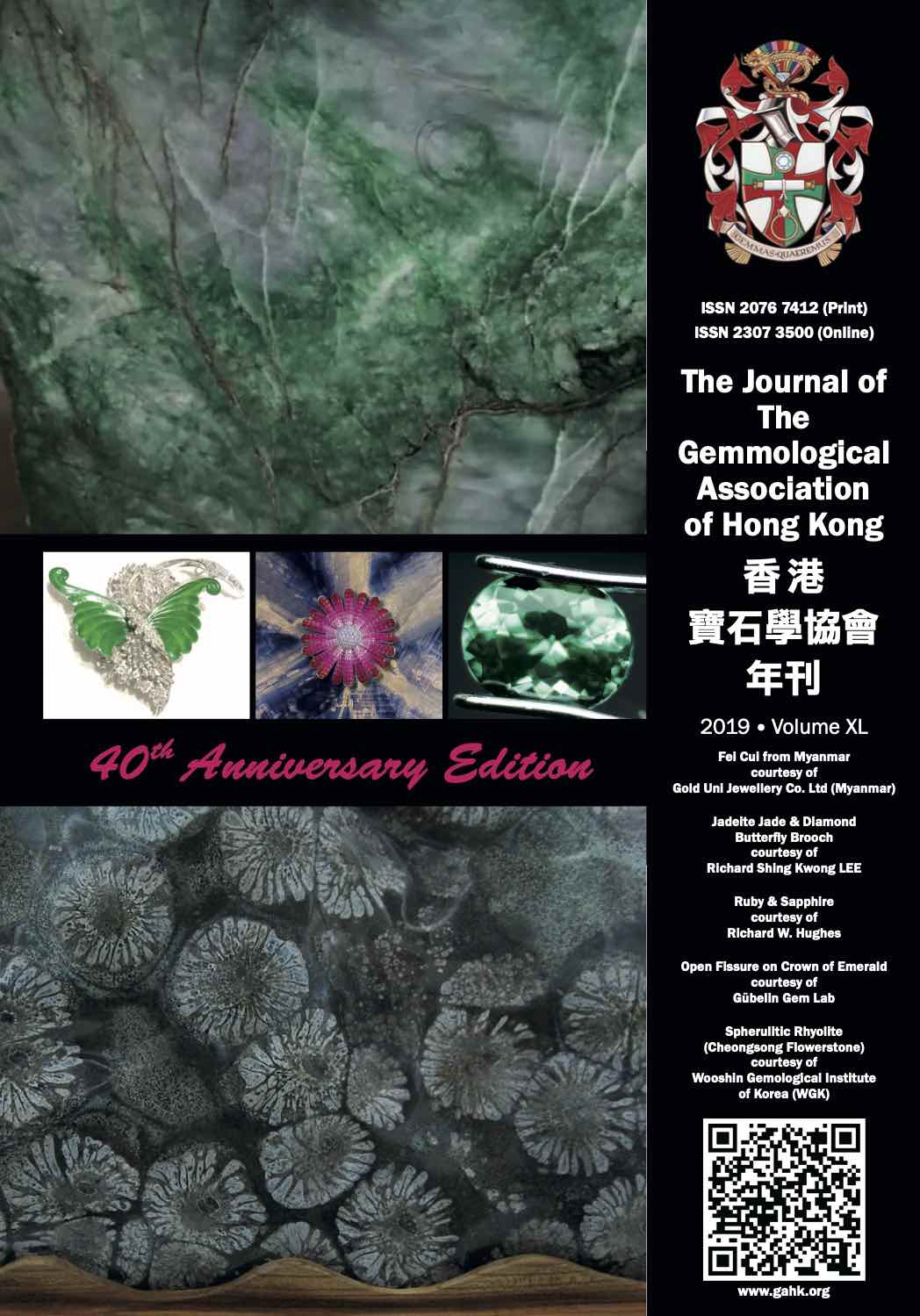
Pisutha-Arnond, V., Promwongnan, S., Narudeesombat, N., Ounorn, P., Leelawatanasuk, T., Sripoonjan, T., Nilhud, N. and Atichat, W. (2019) Blue diffusion-treated natural & synthetic sapphires recently available in the market. Journal of the Gemmological Association of Hong Kong, Vol. 40, pp. 87–95.
Record No. 6035  |  RWHL*
Since 2015, a large quantity of a new blue diffused synthetic sapphire has appeared in the Chanthaburi market. It is interesting to compare its gemmological properties with those of a blue diffused natural sapphire that came onto the market in 2012. In immersion, both types of blue diffused sapphires showed the “spiders’ web effect” — a cut-related colouration pattern — and rather high titanium content on the surface of the samples, both effects being diagnostic evidence of Ti-diffusion treatment. The synthetic test stone, however, also displayed strong chalky blue fluorescence to SWUV radiation (also in the DiamondView™), the presence of curved bands, minute particles or gas bubbles under a microscope, very low Ga contents, and no Fe³⁺-related absorption peaks on the UV–Vis spectra. In contrast, the natural one showed the occurrence of tension discs, altered solid inclusions and altered fingerprints, often with colour concentration along healed fractures, cavities seen under the microscope, significant Ga content, and some Fe³⁺-related absorption peaks on the UV–Vis spectra. The thickness of the blue colour rim of the diffused natural stone was apparently much thicker than that of the diffused synthetic one. The reason is that it is the penetration depth of titanium that controls the colour rim thickness of the natural stone, while it is the penetration depth of iron that controls that of the synthetic one. Because of the difference in colour rim thickness and the repolishing process, the “spiders’ web effect” in the natural stone is less pronounced, while that in the synthetic one is more obvious. The formation of the blue colour rim and multi-element diffusion found in both synthetic and natural sapphires are also discussed here.

Geology of corundum and emerald gem deposits: A review
Journal Article
Giuliani, G. and Groat, L.A. (2019) Geology of corundum and emerald gem deposits: A review. Gems & Gemology, Vol. 55, No. 4, Winter, pp. 464–489.
Record No. 6033  |  ISBN/ISSN: 0016626X  |  DOI: https://dx.doi.org/10.5741/GemS.55.4.464  |  RWHL*
The great challenge of geographic origin determination is to connect the properties and features of individual gems to the geology of their deposits. Similar geologic environments can produce gems with similar gemological properties, making it difficult to find unique identifiers. Over the last two decades, our knowledge of corundum and emerald deposit formation has improved significantly. The mineral deposits are classically separated into primary and secondary deposits. Primary corundum deposits are subdivided into two types based on their geological environment of formation: (1) magmatic and (2) metamorphic. Magmatic deposits include gem corundum in alkali basalts as in eastern Australia, and sapphire in lamprophyre and syenite as in Montana (United States) and Garba Tula (Kenya), respectively. Metamorphic deposits are divided into two subtypes (1) metamorphic deposits sensu stricto (in marble; mafic and ultramafic rocks, or M-UMR), and (2) metamorphicmetasomatic deposits characterized by high fluid-rock interaction and metasomatism (i.e., plumasite or desilicated pegmatites in M-UMR and marble, skarn deposits, and shear zone–related deposits in different substrata, mainly corundum-bearing Mg-Cr-biotite schist). Examples of the first subtype include the ruby deposits in marble from the Mogok Stone Tract or those in M-UMR from Montepuez (Mozambique) and Aappaluttoq (Greenland). The second subtype concerns the sapphire from Kashmir hosted by plumasites in M-UMR. Secondary corundum deposits (i.e., present-day placers) result from the erosion of primary corundum deposits. Here, corundum is found in the following types of deposits: eluvial (derived by in situ weathering or weathering plus gravitational movement), diluvial (scree or talus), colluvial (deposited at the base of slopes by rainwash, sheetwash, slow continuous downslope creep, or a combination of these processes), and alluvial (deposited by rivers). Today, most sapphires are produced from gem placers related to alkali basalts, as in eastern Australia or southern Vietnam, while placers in metamorphic environments, such as in Sri Lanka (Ratnapura, Elahera) and Madagascar (Ilakaka), produce the highest-quality sapphires. The colluvial Montepuez deposit in Mozambique provides a huge and stable supply of clean and very highquality rubies. Primary emerald deposits are subdivided into two types based on their geological environment of formation: (1) tectonic-magmatic-related (Type I) and (2) tectonic-metamorphic-related (Type II). Several subtypes are defined and especially Type IA, hosted in MUMR, which accounts for about 70% of worldwide production (Brazil, Zambia, Russia, and others). It is characterized by the intrusion of pegmatites or quartz veins in M-UMR accompanied by huge hydrothermal fluid circulation and metasomatism with the formation of emerald-bearing desilicated pegmatite (plumasite) and biotite schist. Type IB in sedimentary rocks (China, Canada, Norway, Kazakhstan, and Australia) and Type IC in granitic rocks (Nigeria) are of minor importance. The subtype Type IIA of metamorphic deposits is related to hydrothermal fluid circulation at high temperature, in thrust fault and/or shear zones within M-UMR of volcano-sedimentary series, such as at the Santa Terezinha de Goiás deposit in Brazil. The subtype Type IIB is showcased by the Colombian emerald deposits located in the Lower Cretaceous black shales of the Eastern Cordillera Basin. These are related to the circulation of hydrothermal basinal fluids in black shales, at 300–330°C, that dissolved evaporites in (1) thrust and tear faults for the deposits of the western emerald zone (Yacopi, Coscuez, Muzo, Peñas Blancas, Cunas, and La Pita mines) and (2) a regional evaporite level intercalated in the black shales or the deposits of the eastern emerald zone (Gachalá, Chivor, and Macanal mining districts). Secondary emerald deposits are unknown because emerald is too fragile to survive erosion and transport in rivers.

The geographic origin dilemma

Journal Article
McClure, S.F., Moses, T.M. and Shigley, J.E. (2019) The geographic origin dilemma. Gems & Gemology, Vol. 55, No. 4, pp. 457–462.
Record No. 6032  |  ISBN/ISSN: 0016626X  |  RWHL*
Geographic origin determination is one of the most pressing issues facing the industry—a subject with many facets and complexities that should be addressed if the discussion is to be thorough. As part of GIA’s consumer protection mission of ensuring the public trust in gems and jewelry, our purpose with this issue is to lay out what we know about determining geographic origin and how we arrive at those opinions. These articles will present every aspect of geographic origin as these authors understand it—including full transparency on the approaches and testing methods typically applied in GIA’s gemological laboratories. We intend for this issue to promote healthy and useful discussion and debate—fueled by our collective interest in bringing more understanding and consistency to the reporting of the geographic origin of colored stones.

Exploring the Literature of Corundum

Ruby and sapphire research spans mineralogy, gem deposits, identification, treatments, synthesis and the history of the gem trade. Older publications can also be useful for tracing terminology, early observations and accounts of mining localities. Publication dates and the original source should be considered when using historical descriptions.

For an introduction to collecting books on this subject, read Ruby & Sapphire Books: Collecting the Literature of Corundum.

About Four Treasures

Four Treasures is Lotus Gemology's freely accessible gemological reference database. Use the full database to search by author, title or keyword and explore literature on gemology, mineralogy, jewelry and related fields. Where available, hyperlinks on titles may lead directly to the full publication.

Search the Complete Four Treasures Database