Ruby & Sapphire Bibliography

Ruby & Sapphire Bibliography

Explore books, articles and historical sources on ruby, sapphire and corundum in Four Treasures, the Lotus Gemology reference database. This bibliography brings together matching records from the collection, with publication details, abstracts and cover images where available.

Ruby & Sapphire References

The list below matches the terms ruby, rubies, sapphire or corundum in the database's searchable fields. Some references discuss these gems as part of a broader subject. Linked titles take you to external links where you may find the full reference.
301–320 of 4,671 matching references

Sri Lankan sapphire enhanced by heat with pressure
Journal Article
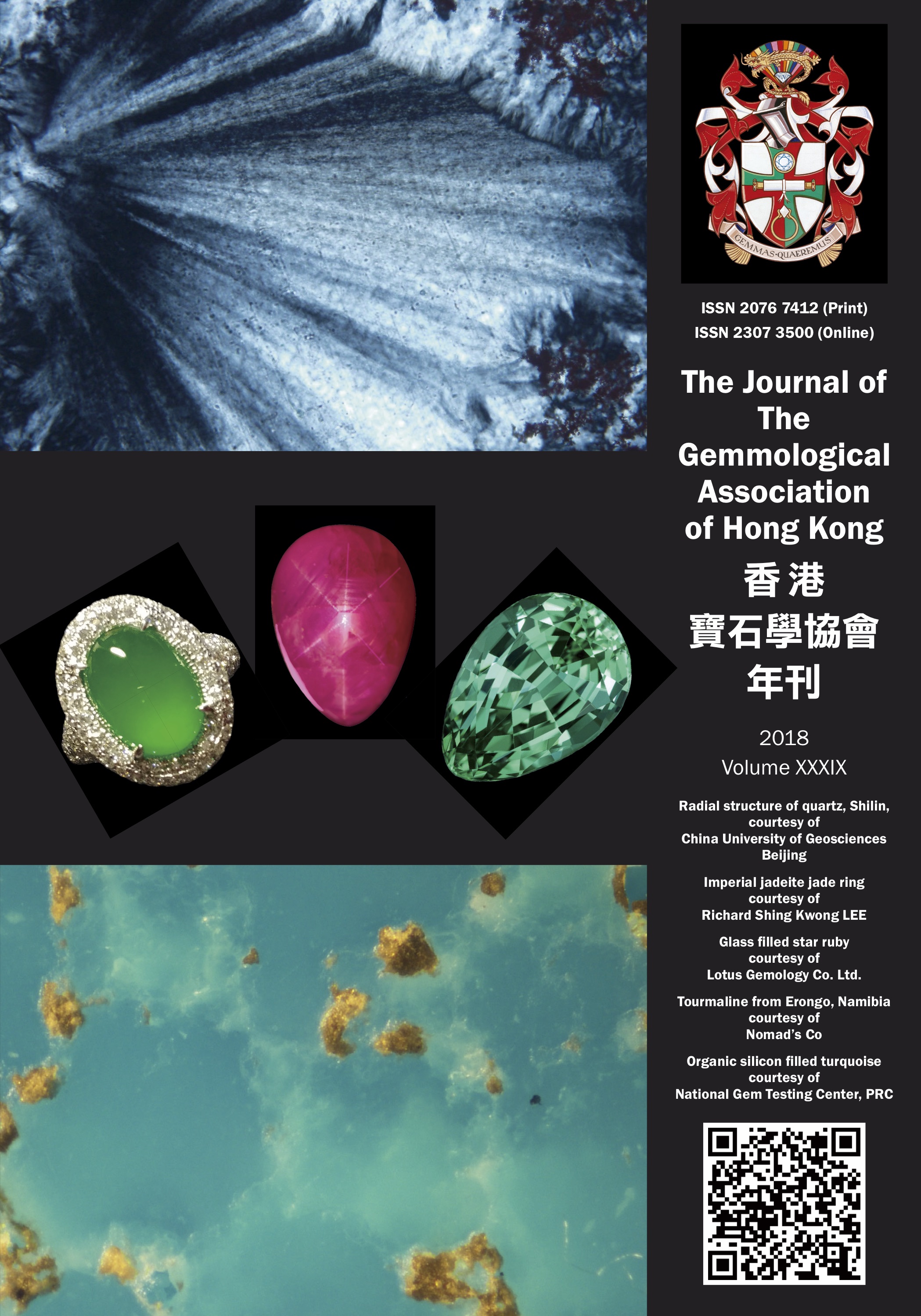
Choi, H., Kim, S., Kim, Y., Leelawatanasuk, T., Lhuaamporn, T., Atsawatanapirom, N. and Ounorn, P. (2018) Sri Lankan sapphire enhanced by heat with pressure. Journal of the Gemmological Association of Hong Kong, Vol. 39, pp. 16–25.
Record No. 5937  |  RWHL*
For decades now heat treatment has been used successfully as an enhancement process for sapphires, particularly blue sapphires, and is both accepted and widely practiced in the jewellery industry. Considered one of the classic coloured gemstones, fine quality blue sapphire is always in great demand. The techniques used for heat treatment are constantly being developed, not only in Thailand, and seem to involve increasingly sophisticated instruments. For instance, the famous Sri Lankan heat treatment technique known as the “Punsiri method” that has been seen to improve the colour of blue sapphire from various deposits successfully (G. DuToit et al., 2009). In 2013, a Korean company successfully developed a new technique for enhancing blue sapphire and began to trade their product in the gem market. This process involves the intentional application of pressure while heating the stone. This new technique significantly reduces the time needed to change the stone’s colour and/or clarity compared with the traditional heat treatment where stones are simply heated in a furnace. So far, Sri Lankan sapphire, (the so called Geuda sapphires) is the only commercial product that this company claims to be treating successfully. The blue sapphire resulting from this treatment commonly shows a typical strong OH-related absorption in the Mid-IR spectrum. This and some characteristic inclusion features are important keys for identification of sapphire that has undergone heat and pressure treatment. Further study is required to increase our understanding of the change mechanism and also the exact role of pressure in this process.

Characterization of blue sapphires from the Mogok Stone Tract, Mandalay region, Burma (Myanmar)
Report
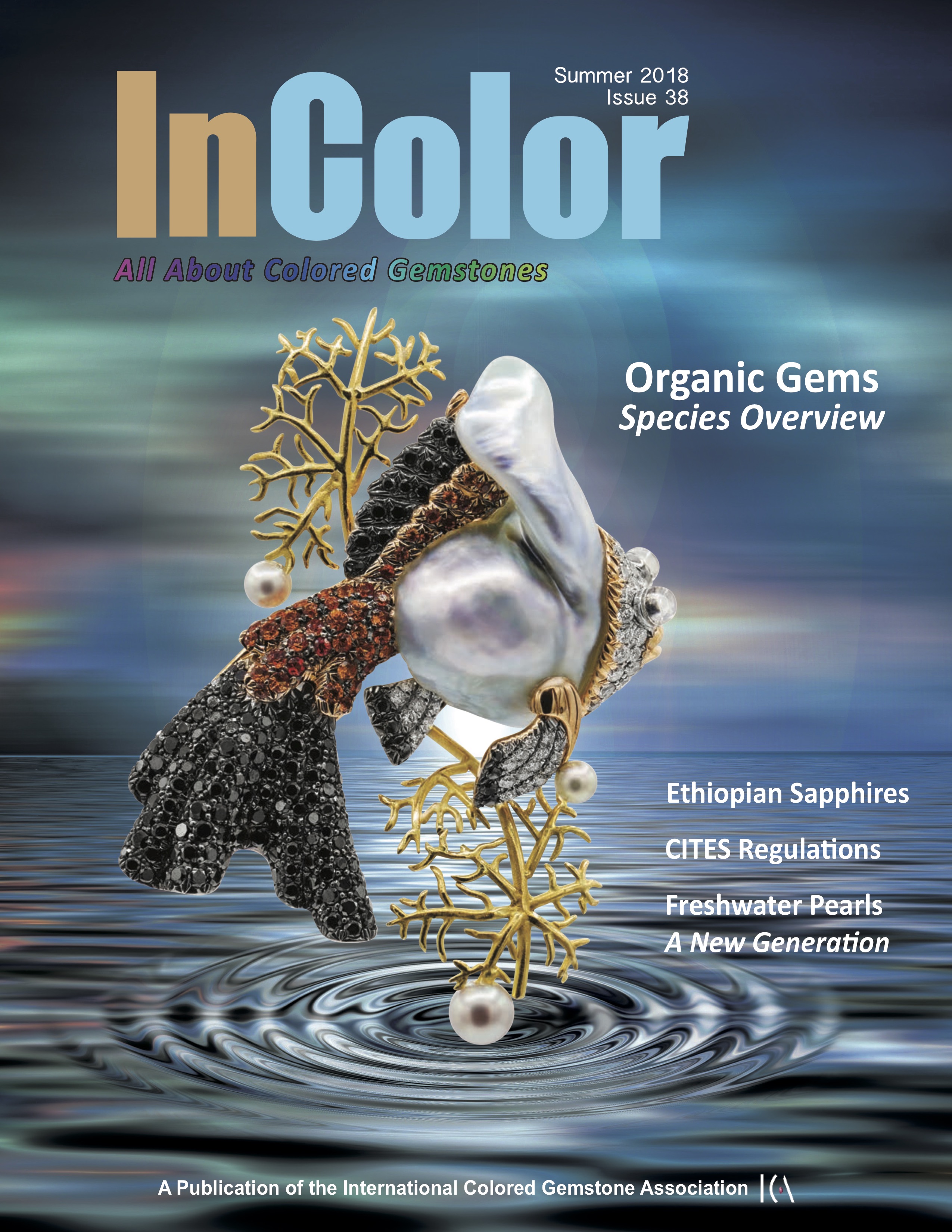
Atikarnsakul, U., Vertriest, W. and Soonthorntanikul, W. (2018) Characterization of blue sapphires from the Mogok Stone Tract, Mandalay region, Burma (Myanmar). GIA News from Research, Bangkok: Gemological Institute of America, June, 56 pp.
Record No. 5913  |  Sinkankas/Born No.: NIS/NIB  |  RWHL*
This study characterizes blue sapphires from Myanmar’s Mogok Stone Tract using standard gemological observations together with spectroscopic and chemical analyses. The authors document the appearance, internal features, trace-element chemistry, and spectral characteristics of Mogok sapphires, emphasizing features useful for geographic origin determination. The material commonly shows blue color related to iron and titanium, with variations in zoning and inclusion assemblages reflecting the complex geological environment of the deposit. Microscopic features, absorption spectra, and trace-element patterns are compared with those of sapphires from other major sources to identify characteristics that may assist in separating Mogok material from stones of similar appearance. The study provides a detailed reference dataset for laboratory identification and contributes to a better understanding of the gemological characteristics and origin determination of blue sapphires from this historically important Burmese deposit.

Expedition to Ethiopia’s sapphire fields
Journal Article
Lucas, A., Vertriest, W., Gima, D., Abay, T. and Bekele, B. (2018) Expedition to Ethiopia’s sapphire fields. InColor, No. 38, Summer, pp. 26–34.
Record No. 5908  |  RWHL*
At the 2017 Tucson Gem Show, author Andrew Lucas was approached by Ethiopian dealers a ending a seminar given by Shane McClure, Global Director, Colored Stone Svc. They proposed to Lucas and McClure to conduct research on Ethiopian gemstone deposits for GIA. This led to correspondence between Lucas and Teweldbrhan Abay, Director of the Mineral Marke ng and Value Chain Directorate over the next several months to coordinate a joint project between GIA and the Ethiopian Ministry of Mines Petroleum and Natural Gas (MOMPNG).

Masterpieces of the Imperial Secular Treasury Vienna
Edited Book
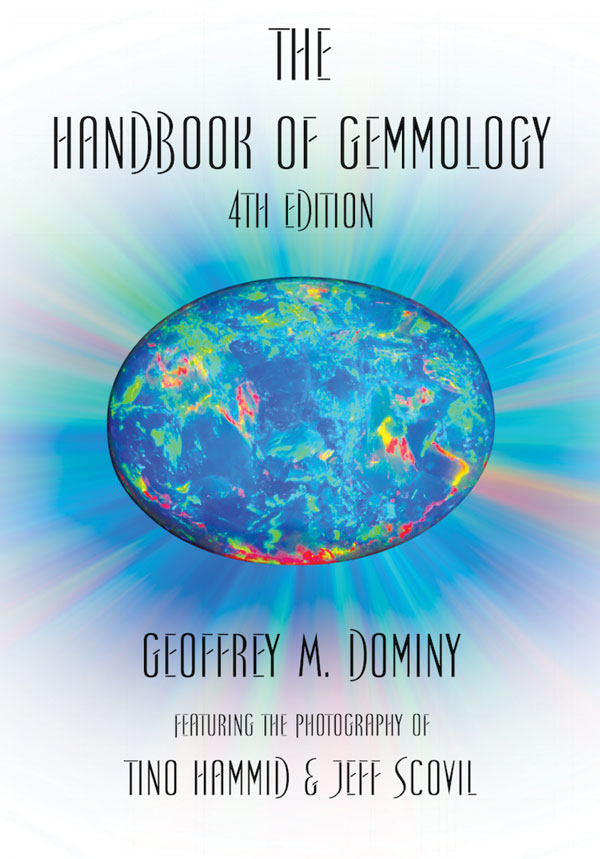
Haag, S., editor (2018) Masterpieces of the Imperial Secular Treasury Vienna.. Vienna, KHM-Museumsverband, 206 pp..
Record No. 4125  |  ISBN/ISSN: 97834000000000  |  Sinkankas/Born No.: NIS/NIB  |  RWHL*
This book details the Vienna Imperial Treasury, the only preserved collection of medieval crown jewels in the world. The crowns, gowns and jewelry on display cover the Middle Ages in Europe – roughly the years 500 to 1500 AD. Beautifully illustrated, but sadly only available in softcover.

Handbook of Gemmology

Book
Dominy, G. (2018) Handbook of Gemmology. Palma, Mallorca, Spain, handbookofgemmology.com, 2 Vols., 738, 618 pp.
Record No. 4106  |  Sinkankas/Born No.: NIS/NIB  |  RWHL*
Lovely book on gemology, illustrated largely by the stunning photographs of the late Tino Hammid, along with others from the renowned Jeff Scovil. Volume 1 covers the science of gemmology, including the chemical nature of gemstones, their physical and optical properties, basic crystallography, the absorption of light, the spectroscope, polarized light, the polariscope, pleochroism, the dichroscope, colour filters, specific gravity, luminescence, magnification, thermal conductivity, imitation, assembled and lab-created gemstones, gemstone treatments and enhancements, mining, diamond and coloured gemstone cutting and coloured gemstone and diamond grading. Volume 2 covers the identification of gemstones based on their colour and transparency, ‘Reflections’ consisting of 134 pages of photographs that capture the true beauty and incredible talent of award winning gem cutter John Dyer, and GEMFACTS that focuses on the seventeen most common gem species and varieties.

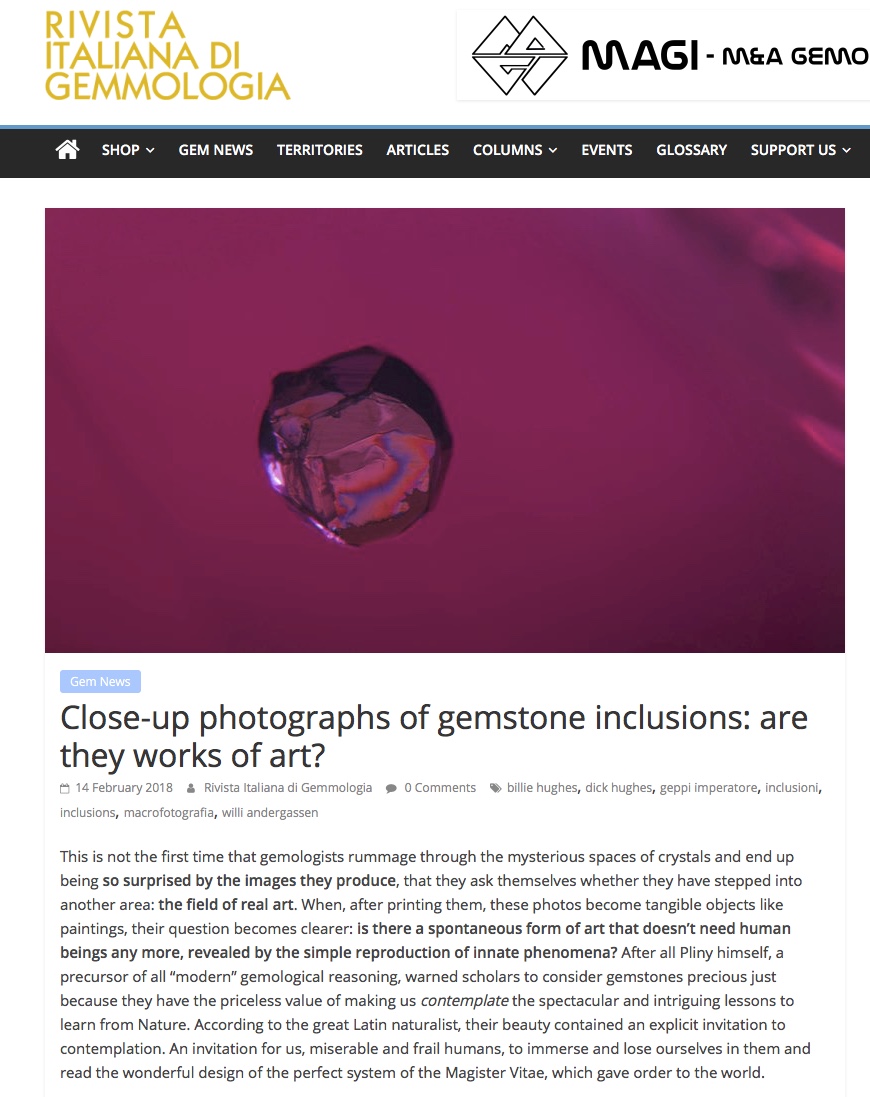
Close-up photographs of gemstone inclusions: Are they works of art?
Web Page
Minieri, P. (2018) Close-up photographs of gemstone inclusions: Are they works of art? <https://www.rivistaitalianadigemmologia.com/en_GB/2018/02/14/close-up-photographs-of-gemstone-inclusions-are-they-works-of-art/>
Record No. 4103  |  RWHL*
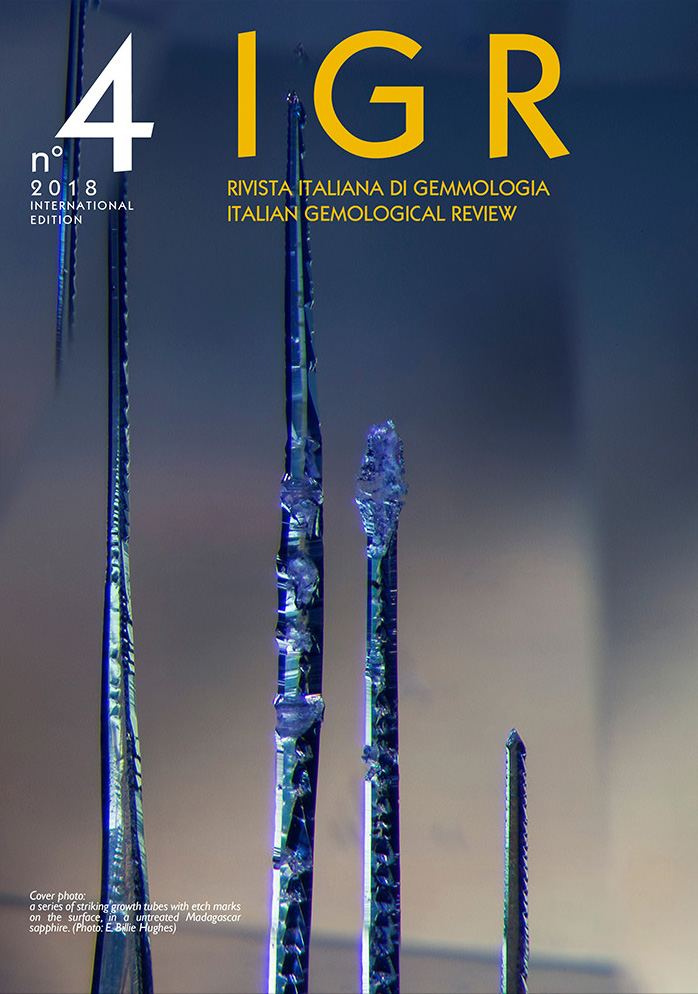
This is not the first time that gemologists rummage through the mysterious spaces of crystals and end up being so surprised by the images they produce that they ask themselves whether they have stepped into another area: the field of real art. When, after printing them, these photos become tangible objects like paintings, their question becomes clearer: is there a spontaneous form of art that doesn’t need human beings any more, revealed by the simple reproduction of innate phenomena? After all Pliny himself, a precursor of all “modern” gemological reasoning, warned scholars to consider gemstones precious just because they have the priceless value of making us contemplate the spectacular and intriguing lessons to learn from Nature. According to the great Latin naturalist, their beauty contained an explicit invitation to contemplation. An invitation for us, miserable and frail humans, to immerse and lose ourselves in them and read the wonderful design of the perfect system of the Magister Vitae, which gave order to the world.

The untold story of Douros rubies

Journal Article
Malossi, A. (2018) The untold story of Douros rubies. Rivista Italiana di Gemmologia – Italian Gemological Review, No. 4, pp. 57–68.
Record No. 4102  |  RWHL*
Extremely detailed discussion of the history and gemology of the Douros flux-grown synthetic ruby.

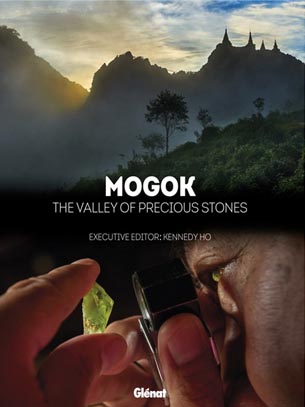
Mogok: The Valley of Precious Stones

Edited Book
Ho, K., editor (2018) Mogok: The Valley of Precious Stones.. Grenoble, France, Éditions Glénat, 192 pp..
Record No. 4077  |  ISBN/ISSN: 9782340000000  |  Sinkankas/Born No.: NIS/NIB  |  RWHL*

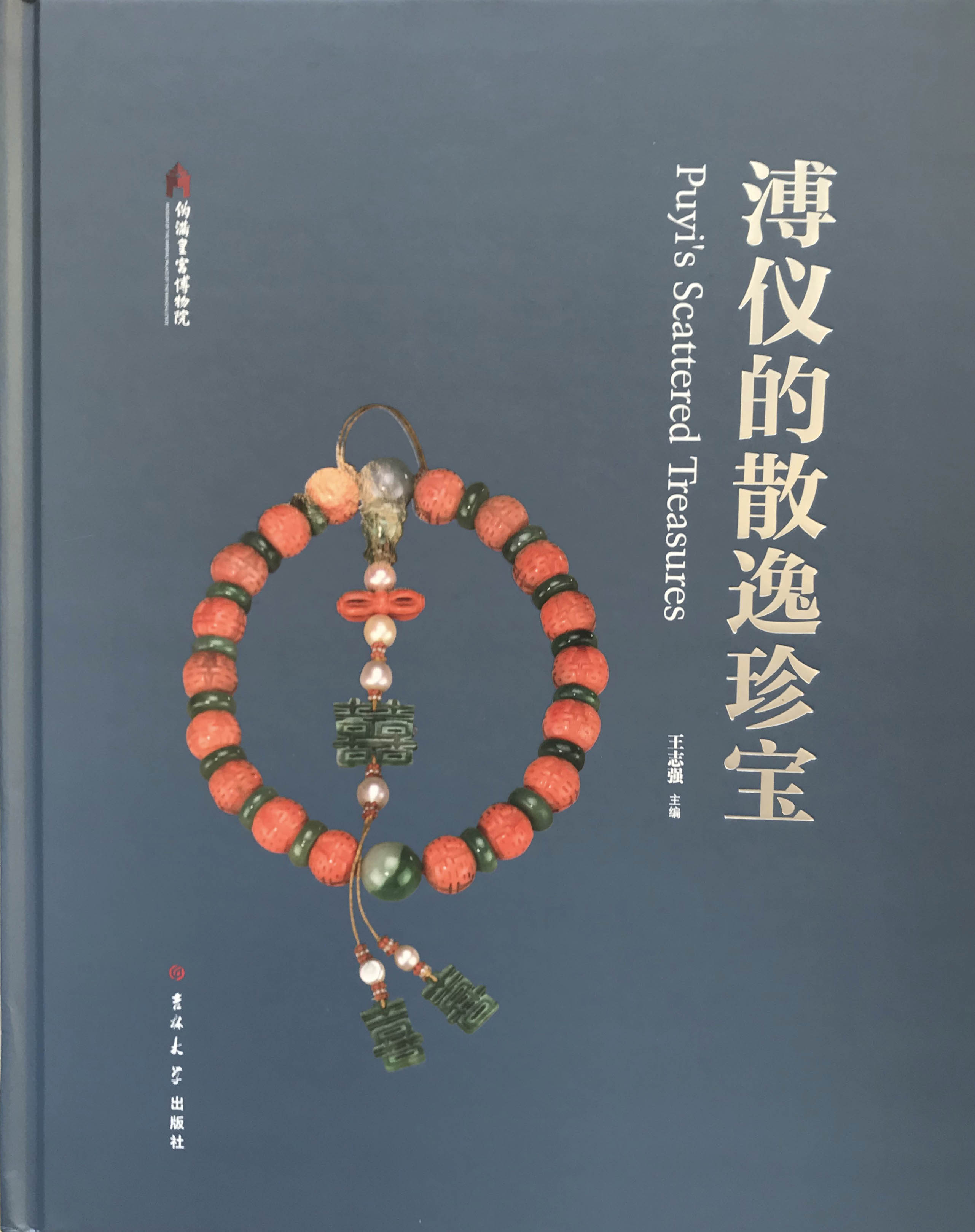
Puyi’s Scattered Treasures

溥仪的散逸珍宝
Edited Book
Wang, Z., editor (2018) Puyi’s Scattered Treasures. [溥仪的散逸珍宝]. Changchun, China, Jilin University Press, 170 pp..
Record No. 4040  |  ISBN/ISSN: 9787570000000  |  Sinkankas/Born No.: NIS/NIB  |  Language: in Chinese  |  RWHL*
This illustrated volume examines treasures formerly associated with Puyi (1906–1967), the last emperor of the Qing dynasty, that became dispersed following the collapse of the imperial household and the political upheavals of the twentieth century. Drawing on surviving objects and historical documentation, the catalogue traces the fate of items removed or separated from the former imperial collections and presents examples of jewelry, jade, precious objects, works of art, and other possessions connected with Puyi and the Qing court. The objects provide evidence of late imperial collecting, craftsmanship, court taste, and material culture while also illuminating the complicated dispersal of the imperial collections through removal, sale, loss, and changing ownership. Richly illustrated, the book serves both as a record of surviving scattered treasures and as a study of their relationship to Puyi and the final decades of China’s imperial tradition.

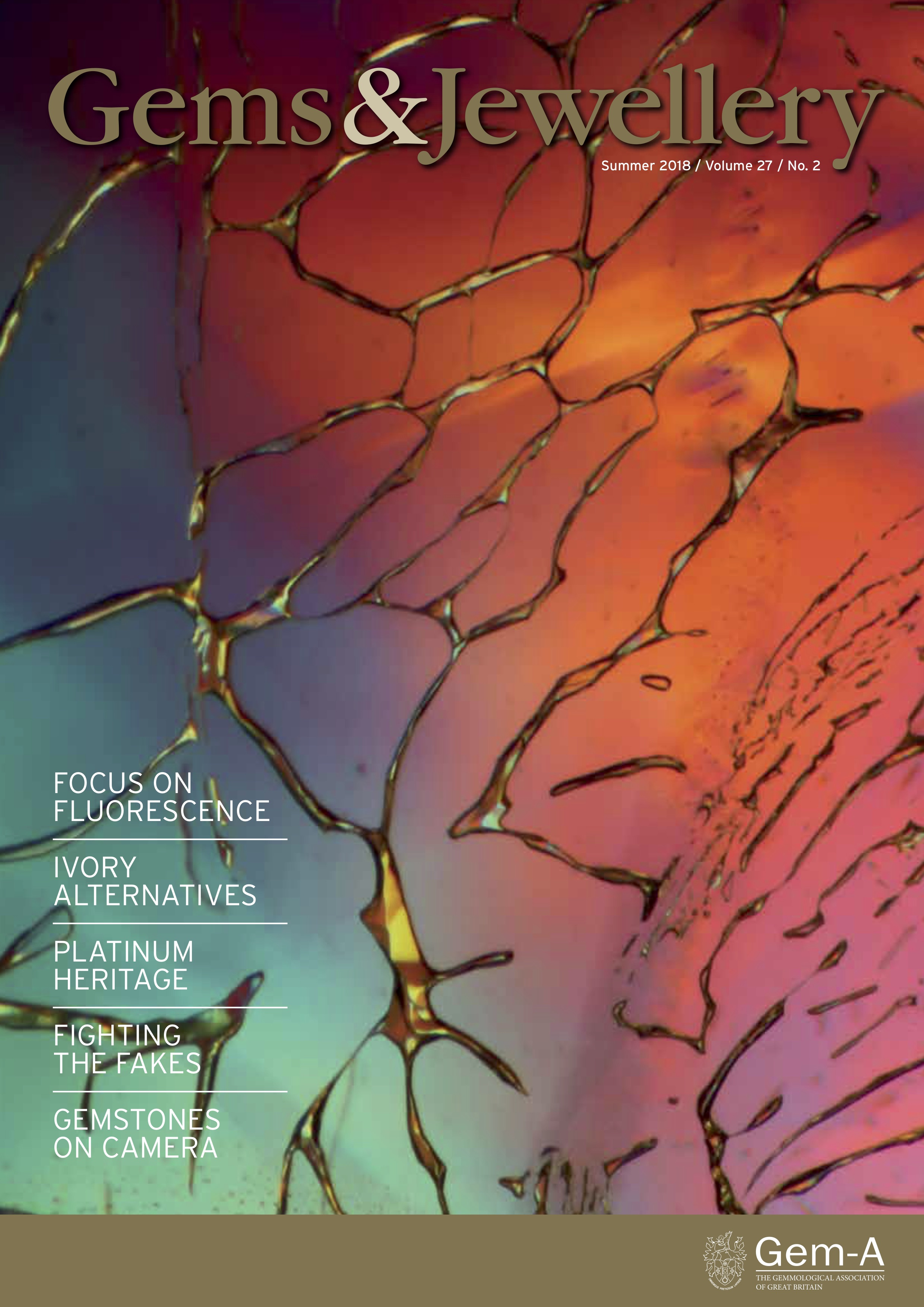
Investigating fake rough

Journal Article
Choudhary, G. (2018) Investigating fake rough. Gems & Jewellery, Vol. 27, No. 2, Summer, pp. 26–29.
Record No. 3997  |  Sinkankas/Born No.: NIS/NIB  |  RWHL*
Gagan Choudhary FGA, deputy director of Gem Testing Laboratory Jaipur, describes various types of fake gem rough that has passed his desk in recent months, including mica rock presented as emerald rough, cubic zirconia and topaz fashioned as diamond octahedrons, and synthetic quartz mimicking aquamarine.

Kashmir sapphire’s cut

Web Page
Piat (2018) Kashmir sapphire’s cut. Piat, <https://www.piat.com/en/kashmir-sapphires-cut/>
Record No. 3949  |  RWHL*
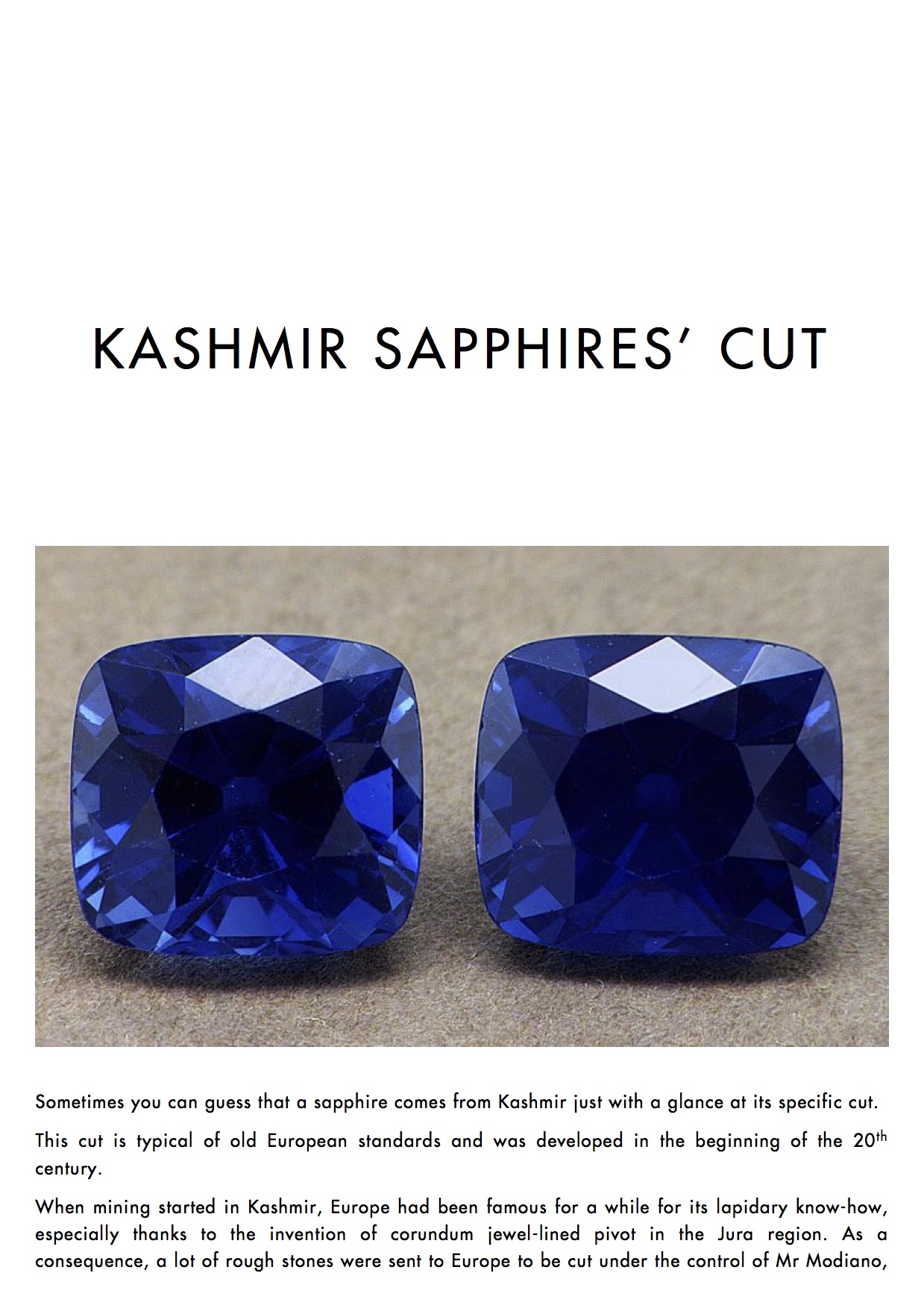
Sometimes you can guess that a sapphire comes from Kashmir just with a glance at its specific cut. This cut is typical of old European standards and was developed in the beginning of the 20th century. When mining started in Kashmir, Europe had been famous for a while for its lapidary know-how, especially thanks to the invention of corundum jewel-lined pivot in the Jura region. As a consequence, a lot of rough stones were sent to Europe to be cut under the control of Mr Modiano, a friend of the Maharaja of Kashmir.. A Kashmir sapphire generally gets cut in a cushion shape, with a brilliant cut on the crown and a step cut on the pavilion. The culet is faceted as well. What differentiates this sapphire from the others? Under a microscope, white zones will often be observed, and those are renowned for giving the crystal its famous silky aspect. Stone cutters specially chose to cut big and flat facets on the pavilion because of this cloudy appearance, so that more light gets into the crystal. The main objective of the crown’s brilliant cut is to emphasize the fire coming from the pavilion’s big facets. Some sapphires from other regions than Kashmir have the same kind of cloudy crystallization and can be cut in the same way, in order to be confused with the real Kashmir material. This cut is usually never used in big sapphires cutting centers, such as Sri Lanka, Myanmar and Madagascar.

Traditional Indian Jewellery

Book
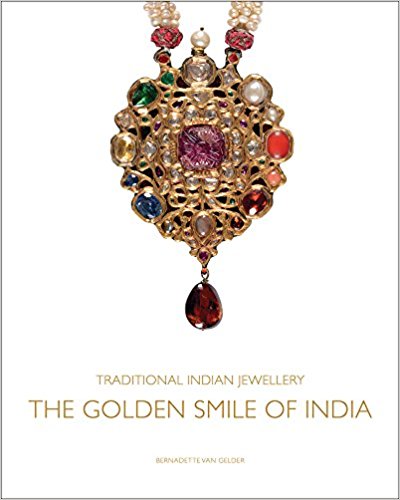
Van Gelder, B. (2018) Traditional Indian Jewellery. Suffolk, UK, AAC Art Books Ltd., 2 Vols.; The Golden Smile of India & Beautiful People, 296, 312 pp.
Record No. 3668  |  Sinkankas/Born No.: NIS/NIB  |  RWHL*

Melt inclusions in alluvial sapphires from Montana, USA: Formation of sapphires as a restitic component of lower crustal melting?
Journal Article
Palke, A.C., Renfro, N.D. and Berg, R.B. (2017) Melt inclusions in alluvial sapphires from Montana, USA: Formation of sapphires as a restitic component of lower crustal melting? Lithos, Vol. 278–281, pp. 43–53.
Record No. 28145  |  ISBN/ISSN: 0024-4937  |  DOI: https://doi.org/10.1016/j.lithos.2017.01.026  |  Sinkankas/Born No.: NIS/NIB  |  RWHL*
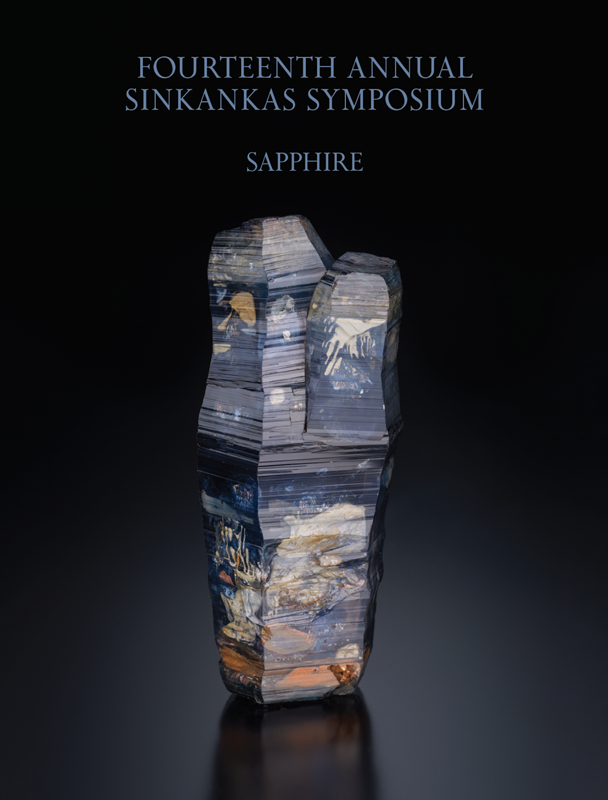
We report here compositions of glassy melt inclusions hosted in sapphires (gem quality corundum) from three alluvial deposits in Montana, USA including the Rock Creek, Dry Cottonwood Creek, and Missouri River deposits. While it is likely that sapphires in these deposits were transported to the surface by Eocene age volcanic events, their ultimate origin is still controversial with many models suggesting the sapphires are xenocrysts with a metamorphic or metasomatic genesis. Melt inclusions are trachytic, dacitic, and rhyolitic in composition. Microscopic observations allow separation between primary and secondary melt inclusions. The primary melt inclusions represent the silicate liquid that was present at the time of sapphire formation and are enriched in volatile components (8–14wt.%). Secondary melt inclusions analyzed here for Dry Cottonwood Creek and Rock Creek sapphires are relatively volatile depleted and represent the magma that carried the sapphires to the surface. We propose that alluvial Montana sapphires from these deposits formed through a peritectic melting reaction during partial melting of a hydrated plagioclase-rich protolith (e.g. an anorthosite). The heat needed to drive this reaction was likely derived from the intrusion of mantle-derived mafic magmas near the base of the continental lithosphere during rollback of the Farallon slab around 50Ma. These mafic magmas may have ended up as the ultimate carrier of the sapphires to the surface as evidenced by the French Bar trachybasalt near the Missouri River deposit. Alternatively, the trachytic, rhyolitic, and dacitic secondary melt inclusions at Rock Creek and Dry Cottonwood Creek suggests that the same magmas produced during the partial melting event that generated the sapphires may have also transported them to the surface. Determining the genesis of these deposits will further our understanding of sapphire deposits around the world and may help guide future sapphire prospecting techniques. This work is also important to help reveal the history of mantle-derived mafic magmas as they pass through the continental crust.

Gem Notes: Update on sapphires from Tigray, Northern Ethiopia
Journal Article
Bruce-Lockhart, S. (2017) Gem Notes: Update on sapphires from Tigray, Northern Ethiopia. Journal of Gemmology, Vol. 35, No. 7, pp. 580–582.
Record No. 26719  |  ISBN/ISSN: 221252  |  RWHL*
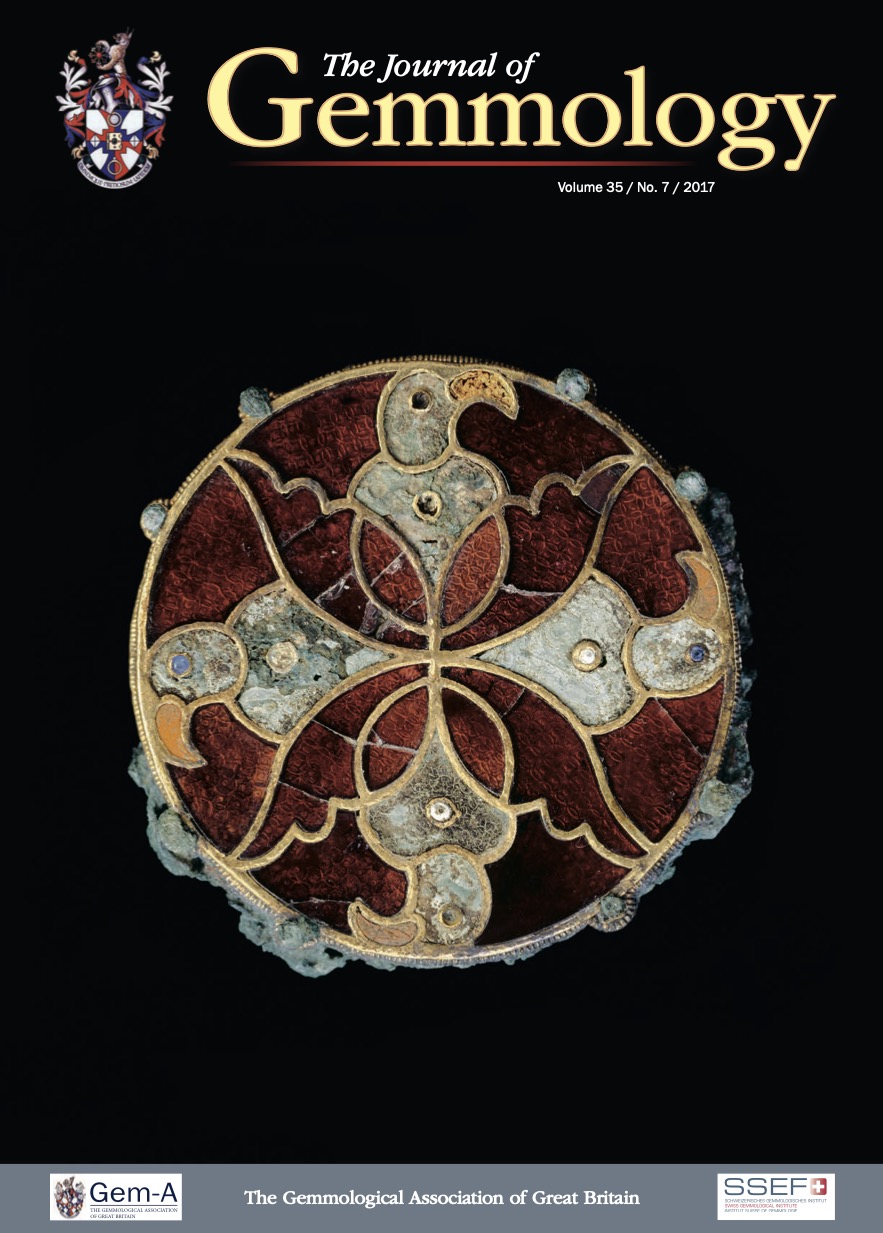
Following the discovery of sapphires in the Chila area of Tigray Province in late 2016, mining and trading activities in northern Ethiopia have become increasingly active. In collaboration with Ethiopia’s Ministry of Mines, the author visited sapphire mines and markets in the Tigray region for one week from late May to early June 2017. Sapphire mining was underway in the area surrounding Chila, which also serves as a trading hub. The deposits are all alluvial and extend northward from Aksum toward the Eritrean border. The initial discovery was near Chila (14°16’23.94”N, 38°38’4.26”E), with additional mining areas identified west-northwest of Chila (14°19’58.48”N, 38°36’4.86”E), east toward Rama, and west of Chila. In June 2017, higher-quality sapphires were found southeast of Chila near Aksum University. According to a 1999 geological map by the Geological Survey of Ethiopia, the sapphire-bearing region is predominantly underlain by Neoproterozoic basement rocks, with southern areas covered by Paleozoic to Mesozoic sediments and Tertiary volcanic rocks, especially around Aksum and locally near Chila. These Tertiary units include stratified basaltic rocks of the Koyetsa Volcanics, as well as the Adwa Trachyte and Phonolite, which now appear as isolated hills—remnants of broader eruptions later eroded. Given the magmatic characteristics of the sapphires, it is likely that the alluvial deposits resulted from the weathering of these Tertiary volcanic rocks. Geochemically, some of these volcanic units correlate with suites in central and southeastern Eritrea.

The S.J. Phillips Collection of Jewels of Portugal
Book
Scarisbrick, D. (2017) The S.J. Phillips Collection of Jewels of Portugal. London, Sotheby’s
Record No. 26513  |  Sinkankas/Born No.: NIS/NIB  |  RWHL*
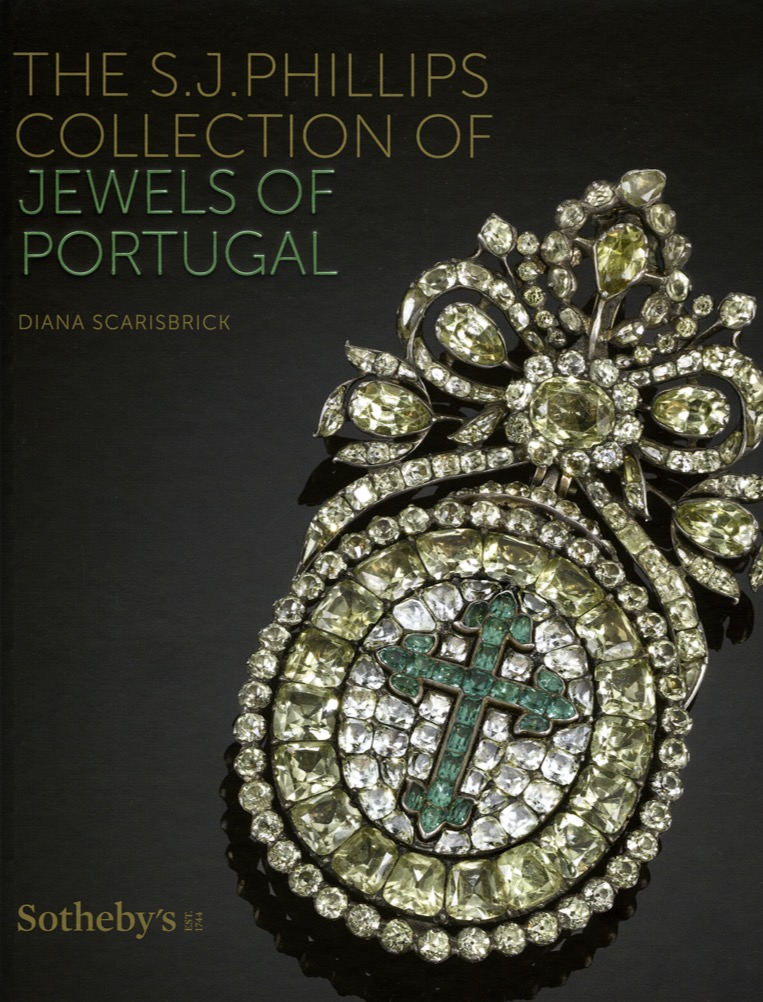
Joao Távora Magalhães, Sotheby’s: The story of this book—and of the exhibition that first accompanied it in Lisbon—began with a chance visit to S.J. Phillips on New Bond Street in October 2016. Drawn in by an intriguing Instagram post, I stepped into this legendary gallery hoping to see some fine jewels. What I found, quietly displayed in the back room, was a remarkable group of pieces whose color and energy were both astonishing and deeply familiar to my Portuguese eyes. In that moment, I knew this extraordinary collection had to be brought to Lisbon for public display. A quick conversation with Francis, Jonathan, and Nicolas Norton, the partners at S.J. Phillips, and a visit from our ever-supportive Chairman of Sotheby’s Asia, Patti Wong, set everything in motion. Portugal, in the context of European arts, has made an indelible mark by absorbing global influences from the many territories with which it has long been associated, creating a distinctively national style that found its finest expression in the Decorative Arts. The S.J. Phillips Collection of Portuguese jewels—centered on 18th-century masterpieces—perfectly embodies a moment of immense richness in Portuguese art, when Lisbon was receiving vast quantities of gold, diamonds, and minerals from Brazil. There, these treasures merged with the latest European artistic trends under the patronage of the great King Dom João V. Diana Scarisbrick, the foremost authority on historic jewelry, not only documents this pivotal period but also traces the development of this sophisticated art form in its entirety. Through her words and insights, we hope to bring greater international recognition to Portuguese jewels. Sotheby’s and S.J. Phillips have been neighbors on Bond Street—the heart of the art and antiques world—for a century, enjoying a warm, fruitful, and always mutually enriching relationship. It is a deep pleasure to mark this centennial friendship with this book. On a personal note, I offer my heartfelt thanks and admiration to Francis, Jonathan, and Nicolas Norton for assembling this exquisite collection and for allowing Sotheby’s and me to share in its story.

Archaeogemology of sapphire

Conference Paper
Thoresen, L. (2017) Archaeogemology of sapphire. Fourteenth Annual Sinkankas Symposium • Sapphire, 8-Apr, Carlsbad, CA: Pala International, pp. 74–91.
Record No. 17226  |  Sinkankas/Born No.: NIS/NIB  |  RWHL*
The ancient art of glyptic (gem carving) has a long history, but sapphire makes its debut at a relatively late date, during the ascent of the Roman Empire. Its appearance in the cultures around the Mediterranean coincides primarily with maritime trade that was only firmly established in the late ist century BC to early first century AD between Rome and India (Indike) /Sri Lanka (anc. Taprobane). Until the demise of the Roman Empire in the 6th century, sapphire was a rare gem available exclusively to royal patrons or the wealthy and privileged. Unengraved sapphires, primarily blue, were set in opulent gold jewelry, and examples survive in some of the most significant cameos and intaglios ever produced in classical antiquity. In South Asia, sapphires were also quite rare, but their transmission between the cultures of northeastern Afghanistan, Punjab (Pakistan, peninsular India, and Sri Lanka occurred as early as the gId century BC. Here, too, blue was the most common color, but examples of other colors, notably yellow, are also occasionally seen. In South Asia, sapphire cameos and intaglios were quite rare; they are seen mainly in the production of plain and inscribed beads. The barbarian invasions across the Western world in the first millennium AD disrupted the trading networks of the ancient world. The long tradition of gem carving waned, and interest in transparent colored gems, including sapphire, would not reawaken for centuries.

Vesuvianite in Burmese ruby

Journal Article
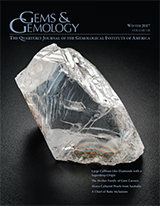
Renfro, N. and Koivula, J.I. (2017) Vesuvianite in Burmese ruby. Gems & Gemology, Vol. 53, No. 4, Winter, p. 469.
Record No. 7409  |  ISBN/ISSN: 0016626X  |  RWHL*

Tourmaline crystals on Burmese ruby

Journal Article
Vertriest, W. and Khowpong, C. (2017) Tourmaline crystals on Burmese ruby. Gems & Gemology, Vol. 53, No. 4, Winter, pp. 468–469.
Record No. 7396  |  ISBN/ISSN: 0016626X  |  RWHL*

Gem deposits of Myanmar

Book Section
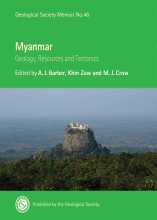
Kyaw Tu and Khin Zaw (2017) Gem deposits of Myanmar. In: Myanmar: Geology, Resources and Tectonics, Geological Society, London, Memoirs, London: Geological Society, Vol. 48 , pp. 497–529.
Record No. 6134  |  Sinkankas/Born No.: NIS/NIB  |  RWHL*
The aim of this chapter is to review the locations, mineralogy and briefly the origins of the major gem deposits in Myanmar. Myanmar is fortunate in containing world-class gem deposits, such as the finest pigeon's-blood-coloured ruby from the Mogok Stone Tract in Mandalay Division, the Mong Hsu ruby deposit in Shan State and imperial coloured jadeite jade from Kachin State (Fig. 23.1). For the purposes of description the gemstone deposits in Myanmar are classified into: (1) primary hard-rock deposits in which the gemstones are hosted in the rocks in which they were crystallized or in their weathered products; and (2) secondary deposits in which the gemstones have been weathered out of their original (primary) host rock, transported and deposited as placer deposits in alluvial sediments. Examples of the primary-type gems are ruby in marble (Mogok, Mong Hsu and Sagyin), sapphire in syenite pegmatite, syenite and nepheline syenite (Mogok) and jadeite in serpentinized peridotite (Tawmaw). Other precious gemstones from primary deposits include spinel in marble (Mogok), peridot in dunite/peridotite (Mogok), topaz, aquamarine, tourmaline, quartz, etc. in pegmatite (Mogok, Mong Hsu and Momeik) and kyanite in quartzite (Moehnyin). Rare gemstones are often found in primary gem deposits in the Mogok Stone Tract and include johachidolite and hackmanite from pegmatites, painite from leucogranite and skarn, pollucite, petalite, phenakite, pezzottaite, monazite, danburite, jeremejevite and hambergite from pegmatites in the Momeik area.

Characterization and provenance of ancient gemstones: Case study of a gold-and-sapphire jewel dating from the Roman imperial period and found in a tomb in Colonna, Italy

Conference Paper
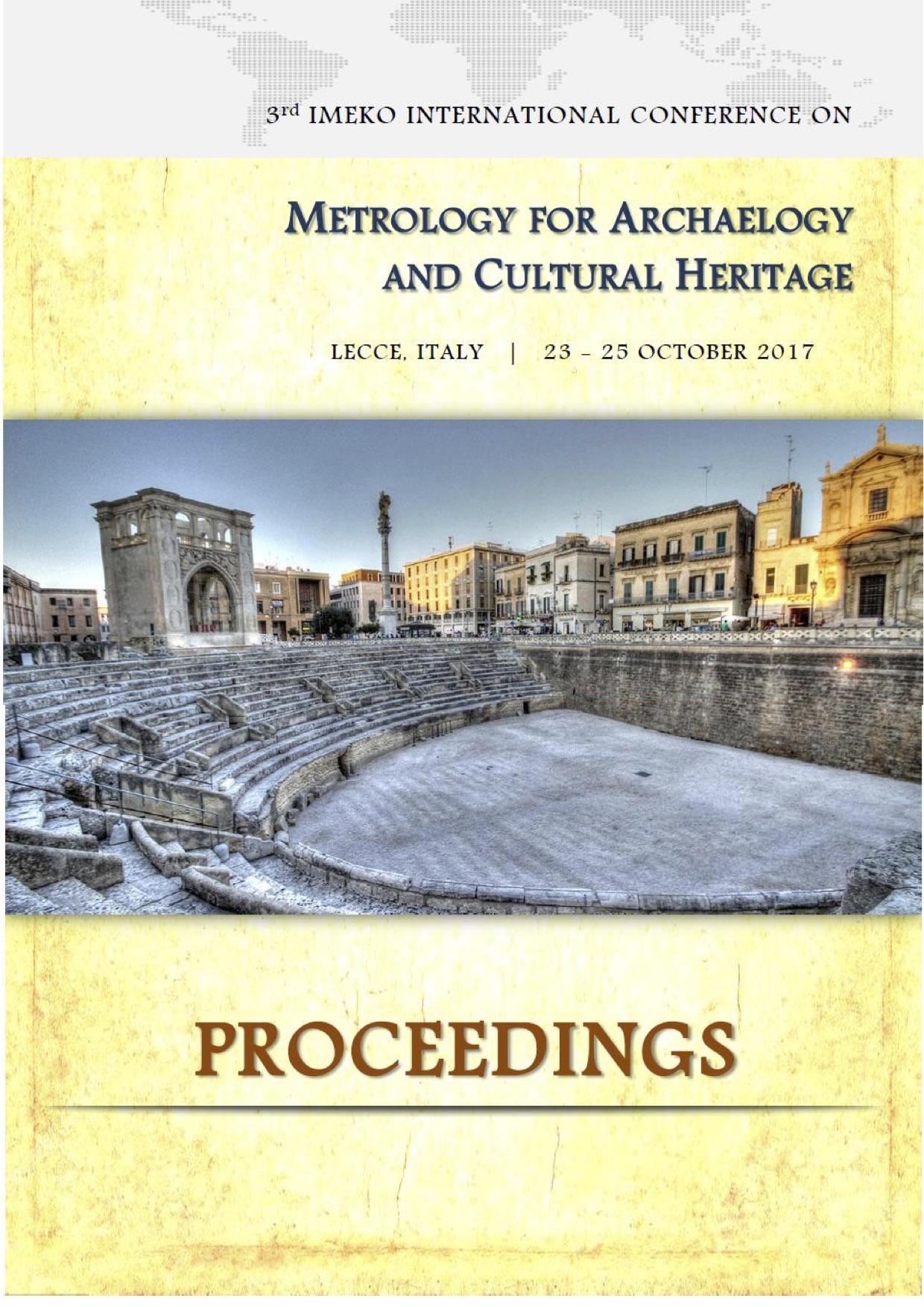
Butini, E., Butini, F., Angle, M., Cerino, P., Angelis, A., de, Tomei, N. and Altamura, F. (2017) Characterization and provenance of ancient gemstones: Case study of a gold-and-sapphire jewel dating from the Roman imperial period and found in a tomb in Colonna, Italy. 3rd IMEKO International Conference on Metrology for Archaelogy and Cultural Heritage, 23–25 October, Lecce, Italy pp. 312–317.
Record No. 6121  |  Sinkankas/Born No.: NIS/NIB  |  RWHL*
In 2011, an extraordinary piece of gold jewelry set with precious stones was found in a woman’s tomb discovered not far from Rome and dating from the third century AD. Our examination and archaeometric analyses enabled us to identify the technique used to make the jewel and to characterize the nature and provenance of the gemstones. The analyses showed that all the stones were natural sapphires. Their inclusions and gemmological features indicate that they came from southern and south- eastern Asia, thus gaining insights about trade routes and the luxury-goods market during the Roman imperial period.

Exploring the Literature of Corundum

Ruby and sapphire research spans mineralogy, gem deposits, identification, treatments, synthesis and the history of the gem trade. Older publications can also be useful for tracing terminology, early observations and accounts of mining localities. Publication dates and the original source should be considered when using historical descriptions.

For an introduction to collecting books on this subject, read Ruby & Sapphire Books: Collecting the Literature of Corundum.

About Four Treasures

Four Treasures is Lotus Gemology's freely accessible gemological reference database. Use the full database to search by author, title or keyword and explore literature on gemology, mineralogy, jewelry and related fields. Where available, hyperlinks on titles may lead directly to the full publication.

Search the Complete Four Treasures Database