Ruby & Sapphire Bibliography

Ruby & Sapphire Bibliography

Explore books, articles and historical sources on ruby, sapphire and corundum in Four Treasures, the Lotus Gemology reference database. This bibliography brings together matching records from the collection, with publication details, abstracts and cover images where available.

Ruby & Sapphire References

The list below matches the terms ruby, rubies, sapphire or corundum in the database's searchable fields. Some references discuss these gems as part of a broader subject. Linked titles take you to external links where you may find the full reference.
341–360 of 4,671 matching references

Deep “plugs” caught in continent-to-continent collisions, gemstones, deposits of metals, oil & gas
Conference Paper
Saul, J.M. (2016) Deep “plugs” caught in continent-to-continent collisions, gemstones, deposits of metals, oil & gas. 35th International Geologic Congress Conference, 27 August–4 September, Capetown
Record No. 27908  |  Sinkankas/Born No.: NIS/NIB  |  RWHL*
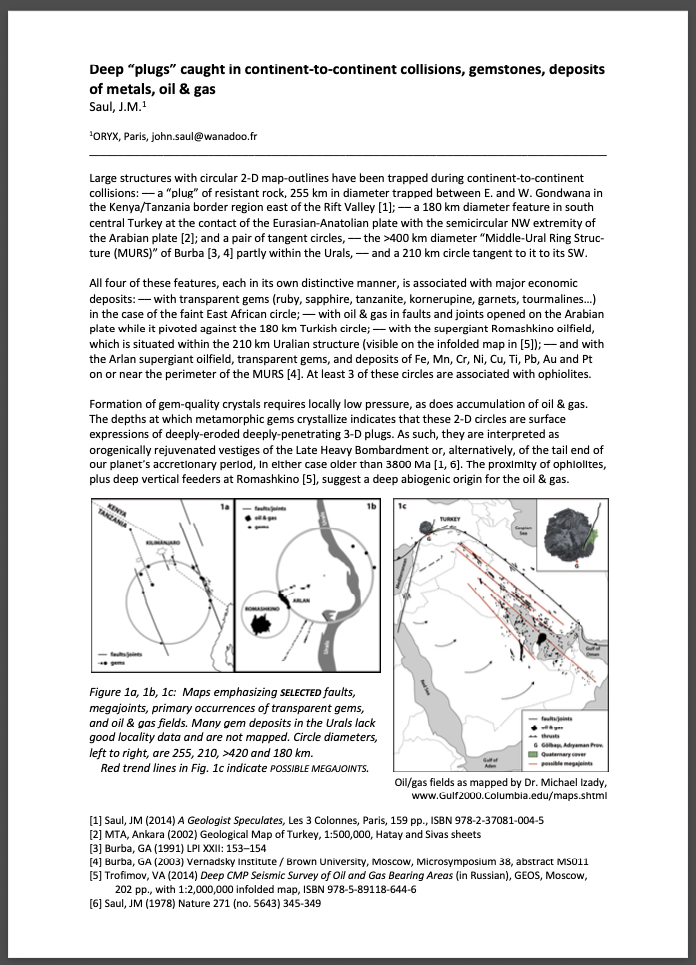
Large structures with circular 2-D map outlines have been trapped during continent-continent collisions: a 255 km wide “plug” of resistant rock at the Kenya–Tanzania border between East and West Gondwana; a 180 km diameter feature in south-central Turkey at the contact of the Eurasian–Anatolian and Arabian plates; and a pair of tangent circles in the Urals—one being the >400 km “Middle-Ural Ring Structure (MURS)” and the other a 210 km circle to its southwest. All four structures are linked with major economic deposits: transparent gems (ruby, sapphire, tanzanite, kornerupine, garnet, tourmaline) in East Africa; oil and gas along faults in the Arabian plate adjacent to the Turkish circle; the Romashkino supergiant oilfield inside the 210 km Uralian circle; and the Arlan oilfield, gems, and multiple metal deposits (Fe, Mn, Cr, Ni, Cu, Ti, Pb, Au, Pt) around the MURS. At least three of these circles are associated with ophiolites. Formation of gem-quality crystals and hydrocarbon accumulation both require low pressure, consistent with these circles representing surface traces of deep, eroded, 3-D plugs. They are interpreted as orogenically rejuvenated vestiges of the Late Heavy Bombardment or the end of Earth’s accretionary period, dating to before 3800 Ma. The presence of ophiolites and vertical feeders (e.g. at Romashkino) supports a deep abiogenic origin for the hydrocarbons.

Blue minerals: Exploring cause & effect
Journal Article
Skalwold, E.A. and Bassett, W.A. (2016) Blue minerals: Exploring cause & effect. Rocks & Minerals, Vol. 91, No. 1, pp. 61–77.
Record No. 5570  |  RWHL*
From its vast expanses of cerulean waters to its azure heavens above, our world is dominated by blue, so it is no wonder that the color blue is favored by many across cultures and throughout the ages. The allure of minerals owes much to the perception of color inherent to a particular species or variety. Arguably, whether a person is a seasoned collector or small child, color is what first attracts attention, and quite often its cause is the earliest question posed. Scientific investigations into its nature and articulation of its nuances of hue and quality are the subjects of volumes of literature in both the mineralogical and gemological sciences. Although the present overview narrowly focuses on a selection of blue minerals and aims to do so with some exploratory tools and twists, its concepts also provide insights into the cause of other colors seen elsewhere in the mineral kingdom, as well as in gemstones fashioned from denizens of that realm.

Expertise, artifacts, and time in the 1534 inventory of the St-Denis treasury
Journal Article
Inglis, E. (2016) Expertise, artifacts, and time in the 1534 inventory of the St-Denis treasury. The Art Bulletin, Vol. 98, No. 1, pp. 14–42.
Record No. 4613  |  ISBN/ISSN: 43079  |  RWHL*
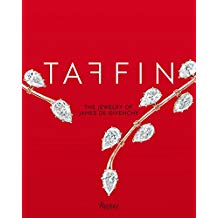
The inventory of the monastery of St-Denis's treasury evaluates more than three hundred objects, from classical cameos to sixteenth-century metalwork. The inventory was the product of collaboration between court secretaries, Parisian goldsmiths, and monastic administrators. Deploying their specialized expertise, the goldsmiths identified the materials and techniques used in the objects, while the monks presented their identity and history. Careful comparative scrutiny allowed the group to document losses, revealing the treasury's fragility, and to recognize the complex fabrication history of composite objects, like the martyrs' shrine. The same comparative scrutiny undergirded the provenances contemporaries invented for several works in the treasury.

Taffin: The Jewelry of James de Givenchy
Book
Lacava, S. (2016) Taffin: The Jewelry of James de Givenchy. New York, Rizzoli, 417 pp.
Record No. 4068  |  ISBN/ISSN: 9780850000000  |  Sinkankas/Born No.: NIS/NIB  |  RWHL*
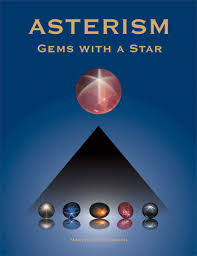
This luxurious volume showcases more than three hundred pieces designed by the imaginative French jeweler James Taffin de Givenchy, in his first book. Jewelry is an emotional object that projects who you are. It takes artistry, intellect, and logic to make it," said James Taffin de Givenchy. Since launching his own jewelry business in 1996, Taffin has garnered a glowing reputation as a connoisseur of exotic gems and a designer who fuses Old World European glamour with pared-down modernity. His incredible bijoux are at once eclectic and whimsical, and embrace a symphony of colors, gems, and shapes. This opulent volume grants access to Taffin’s world as the designer shares his inspirational references, intimate photographs of his studio, and hundreds of exquisite photographs of his lavish one-of-a-kind pieces that, like him, are, at once, sophisticated but lighthearted, extraordinary yet unpretentious. Taffin is recognized for both sculptural designs that augment the individuality of each gemstone and the unexpected and playful use of materials—from rubber to ceramic to the steel of recycled AK-47s. Capturing the designs of a passionate colorist, Taffin brings to life the inventive and bold combinations of diamonds, peridots, sapphires, mandarin garnets, and coral creations in a volume that is truly a feast for the eyes. Lavishly illustrated, this book gives fashion and design lovers a unique look at Taffin’s vivid and creative works."

Asterism: Gems with a Star

Book
Steinbach, M.P. (2016) Asterism: Gems with a Star. Idar-Oberstein, Germany, MPS Publishing & Media, 896 pp.
Record No. 3950  |  ISBN/ISSN: 9783000000000  |  Sinkankas/Born No.: NIS/NIB  |  RWHL*

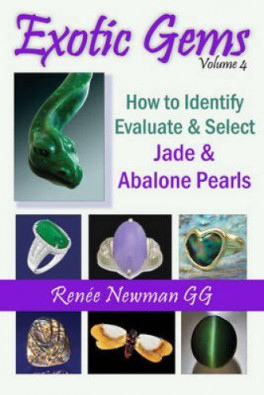
Exotic Gems, Volume 4: How to Identify, Evaluate & Select Jade & Abalone Pearls
Book
Newman, R. (2016) Exotic Gems, Volume 4: How to Identify, Evaluate & Select Jade & Abalone Pearls. Los Angeles, International Jewelry Publications, 136 pp.
Record No. 3479  |  Sinkankas/Born No.: NIS/NIB  |  RWHL*
The latest in Renée Newman’s series of fascinating books on unusual gemstones, this volume tackles the difficult subject of jade. You might not think of jade as “exotic” but it is in fact two different stones, found all over the world, in almost every color, and is very commonly imitated, treated, enhanced, and faked. This book will help you pick your way through the jade minefield. Newman begins with a look at why jade was so highly valued by diverse cultures around the world, of which the Chinese were preeminent. She carefully explains the two true jades (nephrite and jadeite) as well as their less common confusing cousins: omphacite, kosmochlor, and maw-sit-sit. The long list of jade imitators is well covered and illustrated. Relevant gemological instruments are introduced and discussed. The average reader will have easy access to the basic ones, but don’t expect your local jeweler or appraiser to own the more advanced--and therefore most useful--instruments. While nephrite is thoroughly discussed and illustrated, clearly the book’s emphasis is on Burmese jadeite, the jade most commonly encountered in high-end jewelry. The quality factors for jadeite are well explained and illustrated. A major issue with jadeite is how to tell natural (Type A) color from polymer injected and dyed (B and C) imitators. It makes a huge difference in price, as well as durability, so Newman treats the subject extensively. While basic instruments can offer some help, the most reliable diagnostics require expensive lab instruments operated by trained technicians, a service you would have to hire out. Price factors are touched on here and there, but as jade is almost always sold by the piece rather than by weight, few generalities can be made. Jade sources and cultures are next described, with individual chapters for China, Burma, Guatemala, Canada (today’s top source of nephrite), and the several USA jade sources, including the fine black nephrite once found in Wyoming. One last chapter covers secondary locales: Russia (famous for nephrite cats-eyes), New Zealand (Maori jade), Taiwan, and more, even a discussion of Turkish “purple jadeite” (a very impure stone). The USA ban on importing Burmese jade (and rubies, too) is briefly discussed. An extra treat is a chapter on abalone pearls, a subject rarely written about. Newman covers what they are, where they are found, and how they are cultivated, as well as price factors and how to care for them. New Zealand Paua pearls are covered as well. As in Newman’s previous gemstone books the coverage is thorough and the writing clear. An odd distraction is the defective kerning (letter spacing) on many pages. The numerous photographs are exceedingly helpful but in a book this size must necessarily be small and so can not have the resolution one would find in an “appreciation” type book. If you have any interest at all in jade as a gemstone Renée Newman’s latest book is a must-have.

Gemstone/Art: Renaissance to the Present Day
Edited Book
Lindemann, W., editor (2016) Gemstone/Art: Renaissance to the Present Day.. Stuttgart, Arnoldsche Art Publishers, 352 pp..
Record No. 3341  |  Sinkankas/Born No.: NIS/NIB  |  Language: In German and English  |  RWHL*
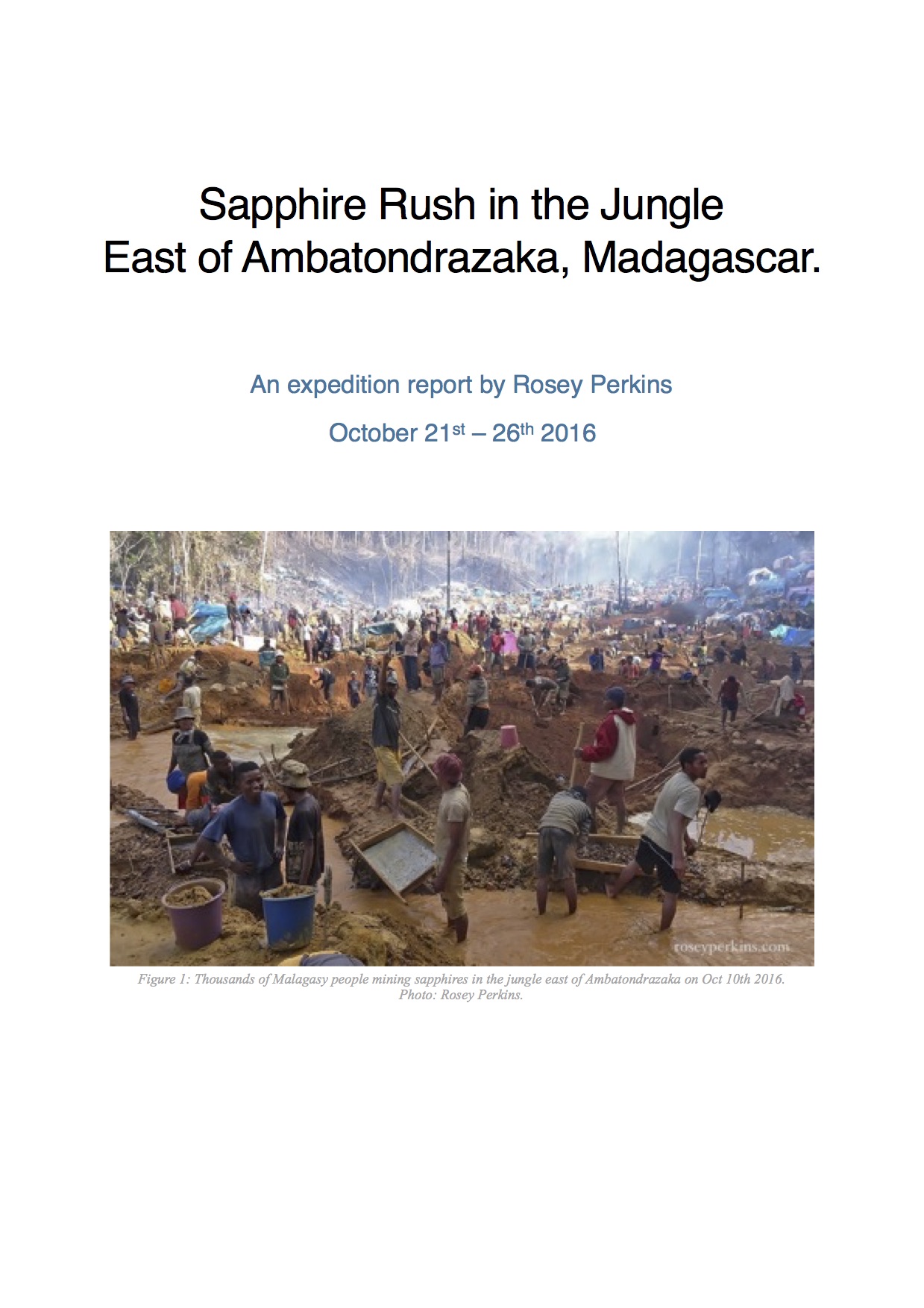
This bilingual catalogue explores the use of gemstones as an artistic medium in European and contemporary art from the Renaissance to the present. It examines objects in which the inherent color, transparency, texture, rarity, and natural form of gem materials are integral to artistic conception, encompassing carved hardstones, objets d’art, sculpture, and modern works. Historical examples demonstrate the virtuosity of gemstone carving and the importance of princely collections and Kunstkammer traditions, while later works illustrate changing approaches to precious and ornamental stones as independent artistic materials. Richly illustrated, the volume brings together works by artists and craftsmen across several centuries and emphasizes the interplay between natural mineral beauty, technical mastery, design, and artistic expression. Features artists such as Bernd Munsteiner, Ute Eitzenhofer and Bernhard Schobinger.

Sapphire rush in the jungle East of Ambatondrazaka, Madagascar
Report
Perkins, R. (2016) Sapphire rush in the jungle East of Ambatondrazaka, Madagascar. 21–26 October 2016, 17 pp.
Record No. 3336  |  RWHL*
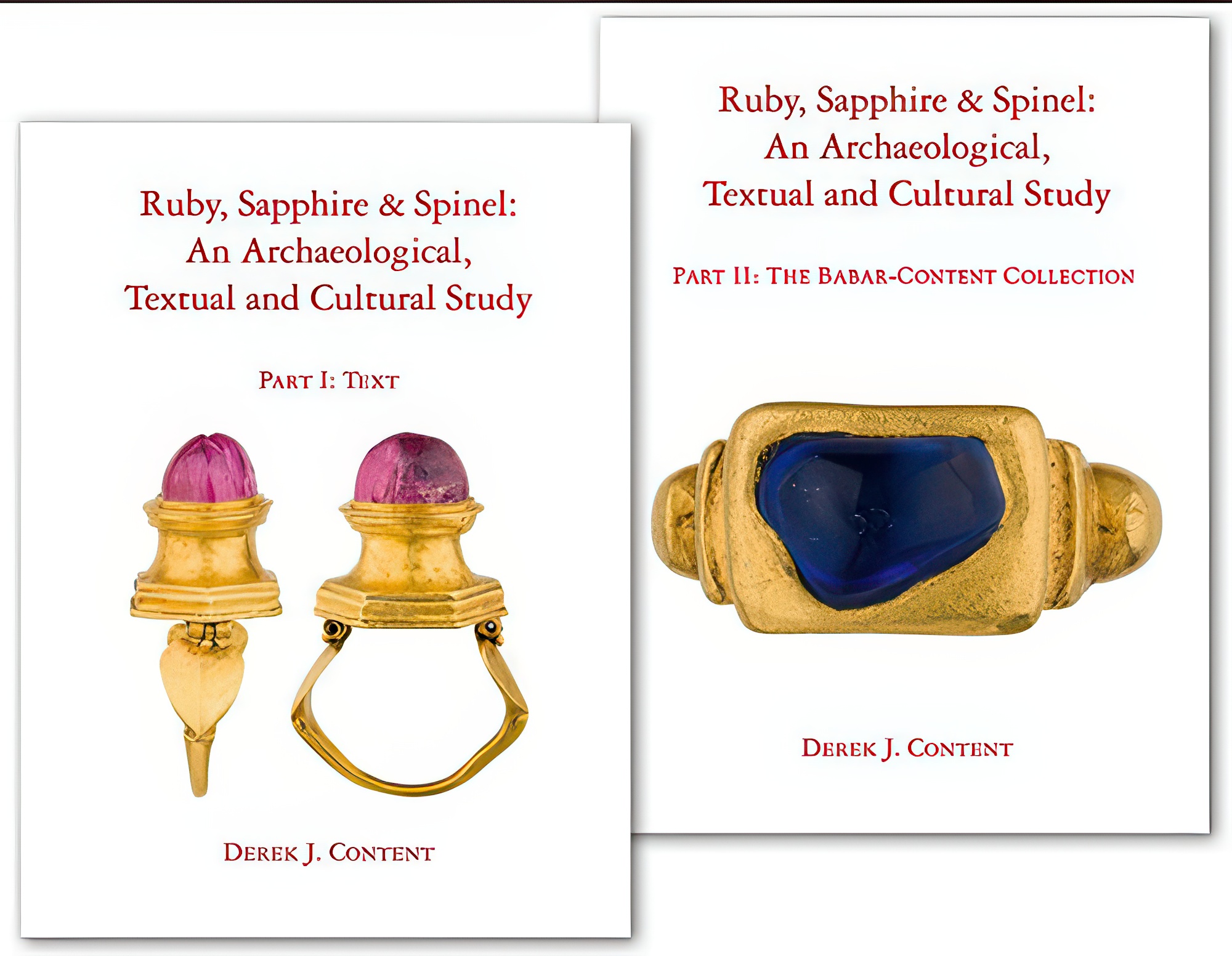
I heard about a sapphire rush taking place in the jungle near Abatondrazaka, Madagascar at the end of a 5 week long solo trip learning about its sapphires. I had had a great month visiting sapphire mining areas near Diego (North) and Ilakaka (south). At the end of my vis-it I was in Antananarivo (Tana), the capital, discussing my journey with Marc Noverraz, a Swiss Gem merchant based in Madagascar. He told me there was “a rush” and many people were travelling to Ambatondrazaka to find natural blue sapphires in large sizes from a new deposit. Like the Californian “gold rush” (1848) to which many miners and op-portunists travelled when they heard of the riches they could find, this “sapphire rush” was attracting the attention of people from all over Madagascar. Nearly a year after hearing Vincent Pardieu presenting “Rubies from Zahamena National Park” at the end of my gemological studies at GIA in Carlsbad, I was excited to be in Madagascar with the opportunity of visiting “a rush”. I wanted to find out more: to know the size, colour and quantity of stones found at “the rush site”. I called everyone I knew and gathered that there were around 5000 people working in an area accessible by a 12 hour walk from a village near Ambatondrazaka. I also heard that traders believe sapphires from this deposit have a similar chemical composition to Burmese. The idea of these Malagasy sapphires being mistaken for Burmese by labs issuing reports would surely be good news to traders who would expect it to elevate their value. I couldn’t obtain many more details or samples from the traders or gemologists I made contact with but they were all excited. I decided to go to Ambatondrazaka and answer my questions for myself.

Ruby, Sapphire & Spinel: An Archaeological, Textual and Cultural Study
Book
Content, D.J. (2016) Ruby, Sapphire & Spinel: An Archaeological, Textual and Cultural Study. Belgium, Brepols Publishers, 2 Vols., viii + 452 pp.
Record No. 3328  |  Sinkankas/Born No.: NIS/NIB  |  RWHL*
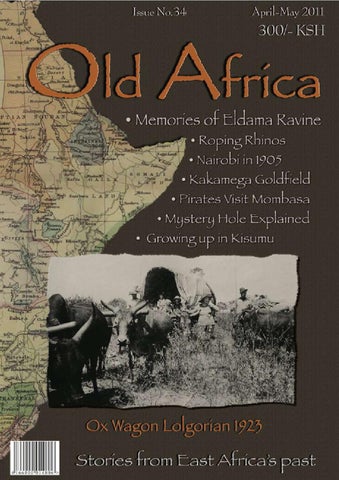
Until about two hundred years ago, no gemological distinction was made between ruby and spinel. Red spinel and red ruby are not infrequently found together and though gem cutters and engravers noticed and commented on the difference in hardness, the assumption was that spinel was simply an “unripe” version of ruby. Additionally, ruby and sapphire are both versions of the mineral corundum, distinguished only by color and minute traces of the metal oxides that caused these different colors. Sapphires may be pink, yellow, and green as well as blue, while rubies come in many shades of red which, inevitably causes confusion as one person’s pale red ruby is another’s pink sapphire – there are no absolutes. Consequently, the nomenclature is confused, both within early texts, and also in later translations of those texts. The ancient authors could only report on the basis of the information available to them at the time, while those writing the later translations were fine textual scholars or epigraphers, but not infrequently poor gemologists, not familiar with the mineralogical distinctions between the gems. It has often been difficult to get an overarching view of the many different factors that all played a part in the spread of precious gems and of the dissemination of knowledge about them. Given the paucity of available information concentrating exclusively on the use of ancient precious gemstones, the author combed the literature for relevant references. A surprising amount of descriptive and factual information was found, mostly scattered throughout early texts. The most interesting passages were selected and wherever possible the original authors’ words were quoted rather than paraphrased. The early translations in the languages used by 17th–19th century scholars are given, names of people, places or objects that otherwise might have remained obscure are explained. Gems travel. They follow wealth and because of their natural immutability, the only way they can be identified by culture is by the way man has affected their appearance, deliberately or accidentally. The dating of gems that are still in original period settings is easier because the dated typology of rings and jewelry settings generally, is more secure than the study of gem shapes, while the study and dating of specific faceting styles of unmounted stones is still in its infancy.

The ruby mine of Longido

Journal Article
Saul, J.M. (2016) The ruby mine of Longido. Old Africa, No. 64, April–May, pp. 18–19.
Record No. 3322  |  RWHL*

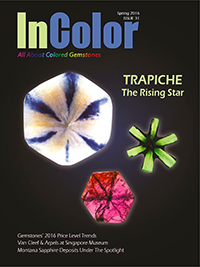
Trapiche: The rising star

Journal Article
Bergman, J. (2016) Trapiche: The rising star. InColor, Spring, No. 31, pp. 32–44.
Record No. 3310  |  RWHL*

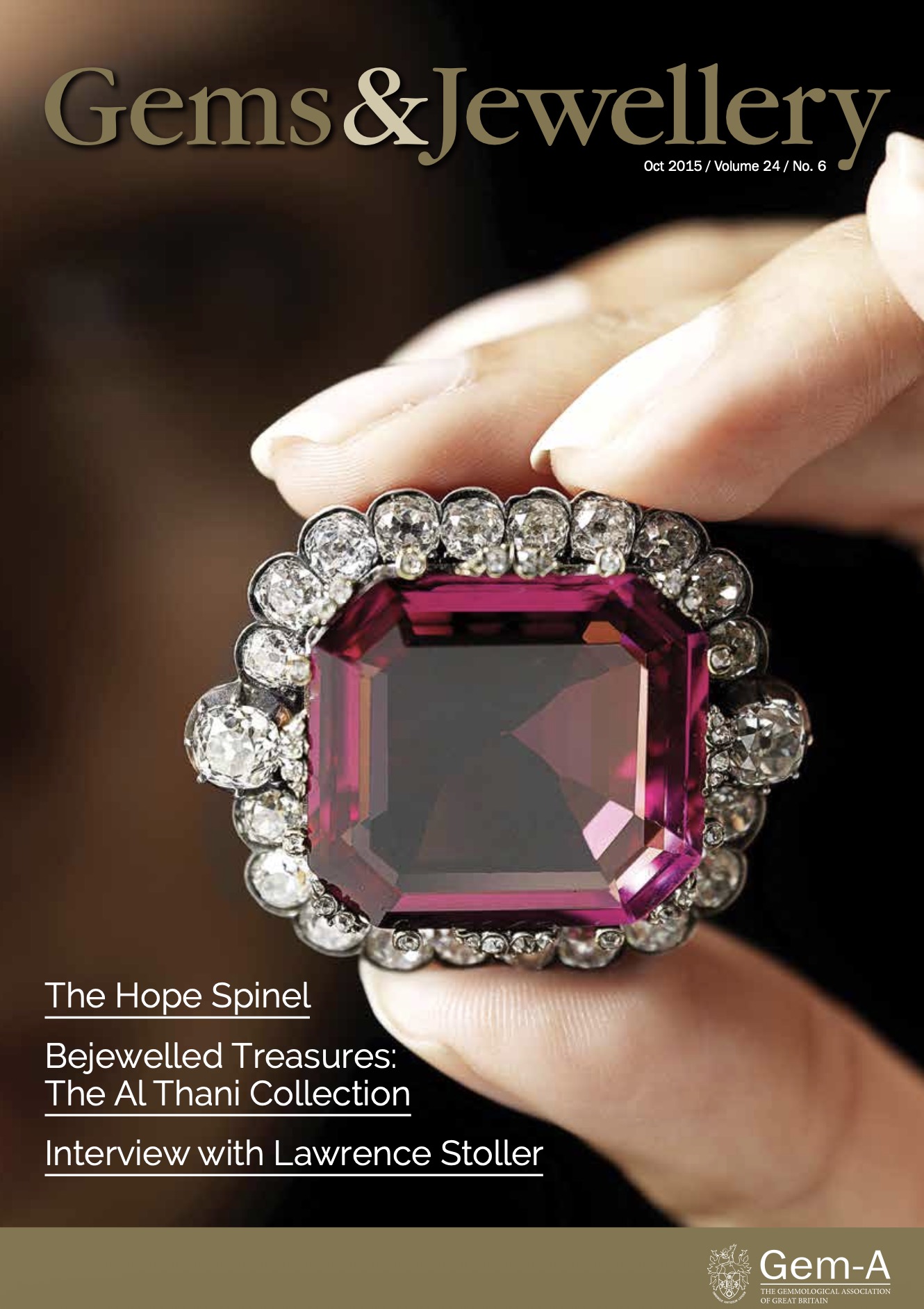
Hope, Hertz and a red spinel

Journal Article
Ogden, J.M. (2015) Hope, Hertz and a red spinel. Gems and Jewellery, Vol. 24, No. 6, pp. 20–21.
Record No. 29153  |  Sinkankas/Born No.: NIS/NIB  |  RWHL*
Henry Philip Hope’s collection of gems is best remembered for the superb blue diamond which bears his name, now in the Smithsonian Institution in Washington, D.C. This ‘matchless’ diamond was just one of over 750 gems and pearls in the Hope collection when its catalogue was published in 1839. These gems ranged from exceptional specimens to minor ones, even some uncut stones. After Hope’s death and an inevitable drawn-out legal squabble between heirs, eight of the finest gems in the collection came into the possession of Henry Thomas Hope, one of three nephews. One of these gems was the blue ‘Hope’ diamond; another was a large, octagonal red spinel weighing 50.13 ct (1, 2). After passing down through two further generations, the blue diamond was sold in 1901 to pay off gambling debts, whilst the remaining gems in this group were sold at auction in London by Christie’s in 1917. The spinel was bought by a dealer for £1,060, came into the possession of Lady Mount Stephen and then passed down to the latest owner, who recently sold it by auction at Bonhams, London, on 24 September, fetching an incredible £962,500. Prior to auction, the spinel was examined by the SSEF laboratory in Basel, which pronounced it to be from Tajikistan.

Precious stones from lost civilisations
Book Section
Graf, B. (2015) Precious stones from lost civilisations., Munich: Wachholtz Murmann, 216 pp..
Record No. 28196  |  ISBN/ISSN: 9783530000000  |  Sinkankas/Born No.: NIS/NIB  |  RWHL*
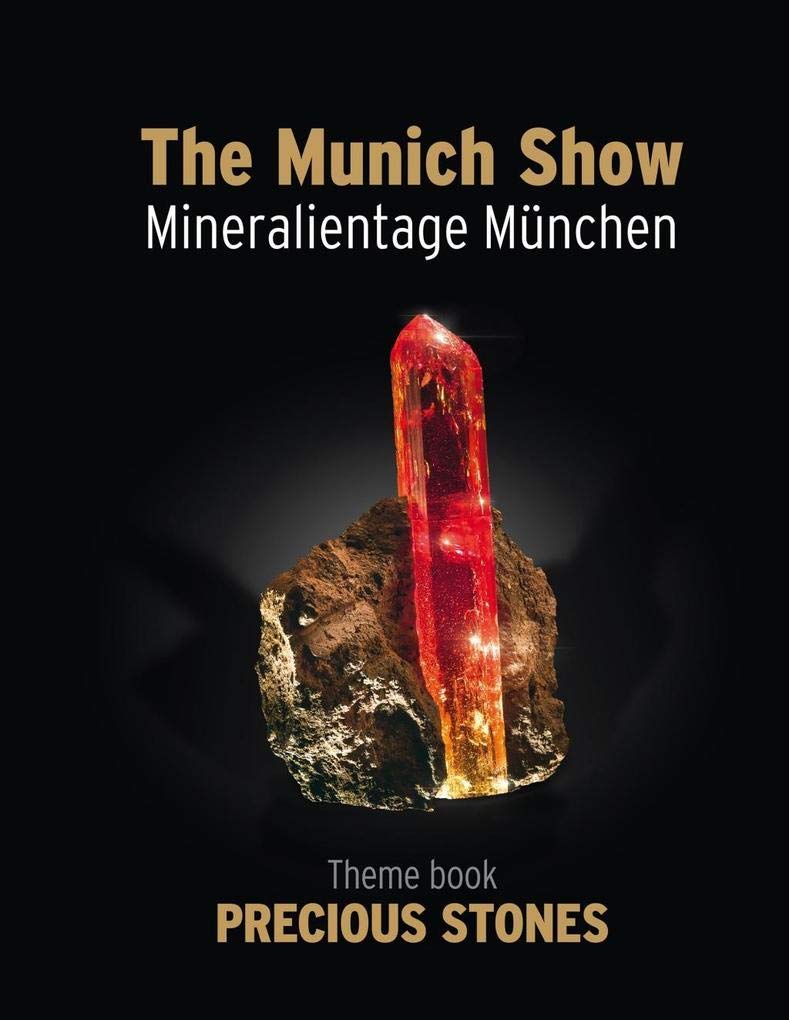
Rare and precious stones have always aroused the desire of man. They have been a source of fascination and their perceived value has fluctuated strongly over the millennia. Even today, religion and tradition still influence preferences as well as the changing taste and zeitgeist does. In this year’s ‘Precious Stones’ theme book, renowned scientists and authors provide hard facts and their opinion; giving an exciting insight into this fascinating substance, from detailed descriptions of major gem groups and legendary discoveries to their position in society and religion throughout different cultures. Another focus in this year’s show are the traces of mammoths and cave lions back to time of the planet’s last ice age. What did the landscape look like? What types of creatures inhabited the land? How did the ice change today’s landscape? The articles in the book have all the answers as well as an extended documentation on the discovery of ice age mammoths in the Siberian permafrost. This extensive and well researched article covers the history of the most important gems around the world.

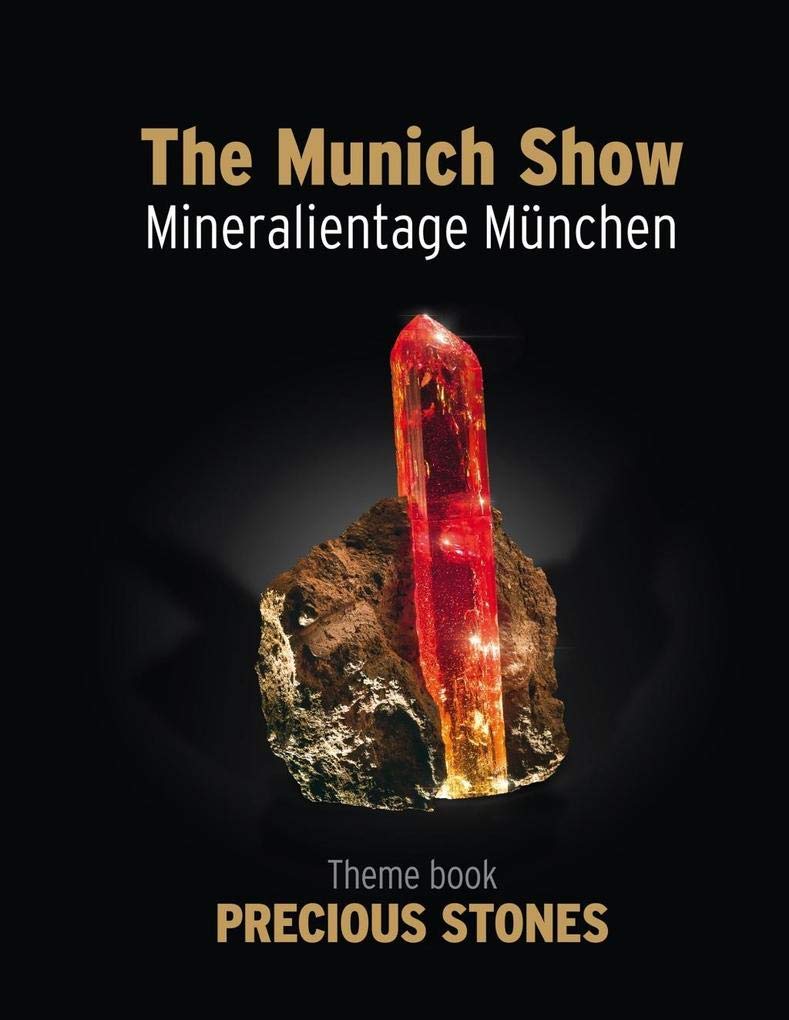
Theme Book: Precious Stones

Edited Book
Munich Show, editor (2015) Theme Book: Precious Stones.. Munich, Wachholtz Murmann, 216 pp..
Record No. 28191  |  ISBN/ISSN: 9783530000000  |  Sinkankas/Born No.: NIS/NIB  |  RWHL*
Rare and precious stones have always aroused the desire of man. They have been a source of fascination and their perceived value has fluctuated strongly over the millennia. Even today, religion and tradition still influence preferences as well as the changing taste and zeitgeist does. In this year’s ‘Precious Stones’ theme book, renowned scientists and authors provide hard facts and their opinion; giving an exciting insight into this fascinating substance, from detailed descriptions of major gem groups and legendary discoveries to their position in society and religion throughout different cultures. Another focus in this year’s show are the traces of mammoths and cave lions back to time of the planet’s last ice age. What did the landscape look like? What types of creatures inhabited the land? How did the ice change today’s landscape? The articles in the book have all the answers as well as an extended documentation on the discovery of ice age mammoths in the Siberian permafrost.

Crystal growth through the ages: A historical perspective
Book Section
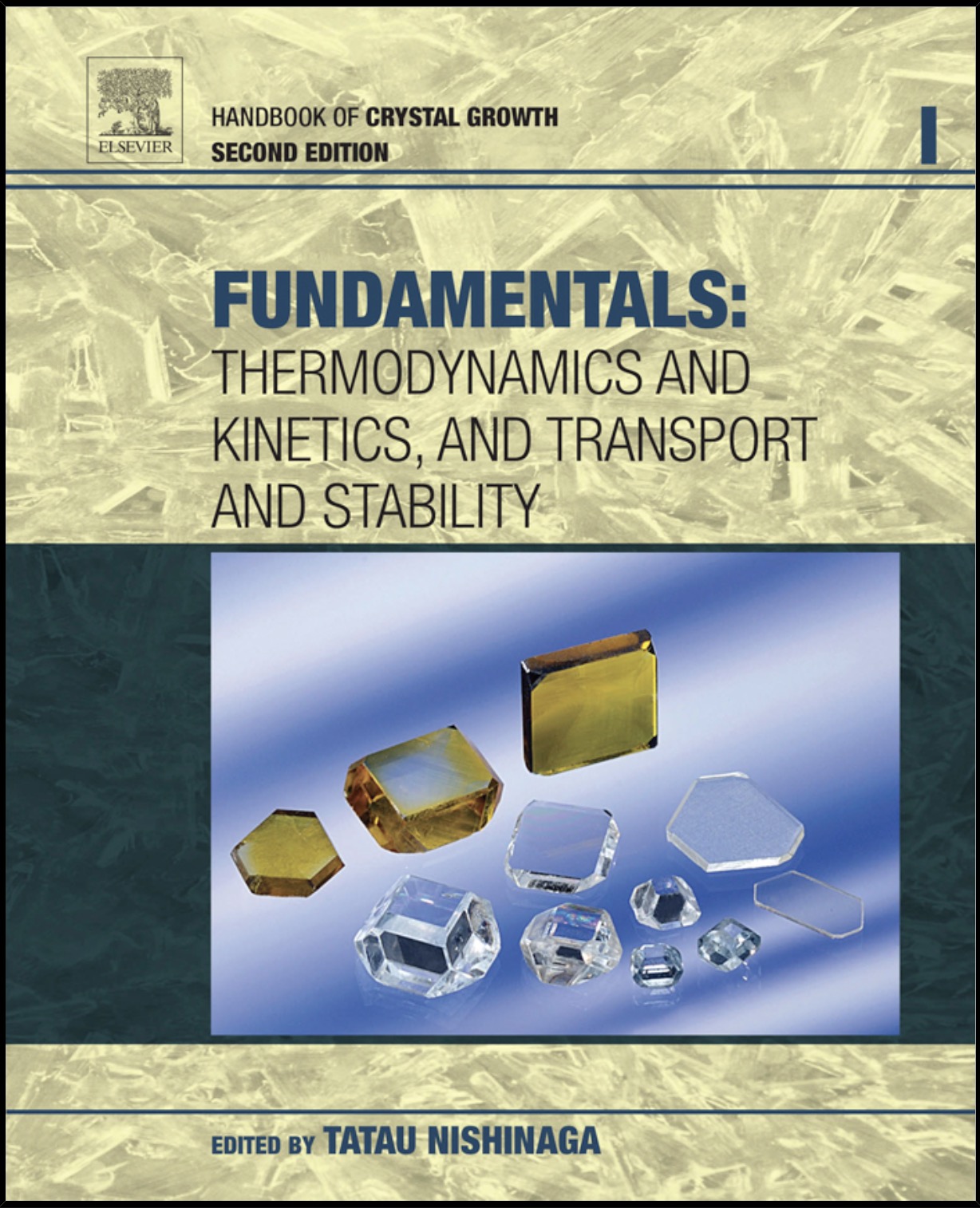
Feigelson, R.S. (2015) Crystal growth through the ages: A historical perspective. In: Handbook of Crystal Growth, Vol. 1 | Fundamentals: Thermodynamics and Kinetics, and Transport and Stability , pp. 1–83.
Record No. 16945  |  Sinkankas/Born No.: NIS/NIB  |  RWHL*
The field of crystal growth has a long and distinguished history. Much of today's advanced technologies and scientific knowledge is due to the availability of high-quality single crystals. These crystals (both in bulk and thin film form) can be made from a variety of different chemical compositions (elements to complex compounds) and are application driven. To produce a crystal for a particular application (composition, size, uniformity, etc.), the crystal grower relies on knowledge from various fields such as chemistry, physics, crystallography and mathematics. This historical introduction records the evolution of the field, both with respect to the basic knowledge that has been developed to elucidate the mechanisms involved in the crystallization process, as well as the development of a variety of novel techniques for the preparation of these crystals.

Jade

Book
Ward, F. and Ward, C. (2015) Jade. Malibu, CA, Gem Book Publishers, 64 pp.
Record No. 6368  |  ISBN/ISSN: 9781890000000  |  Sinkankas/Born No.: NIS/NIB  |  RWHL*
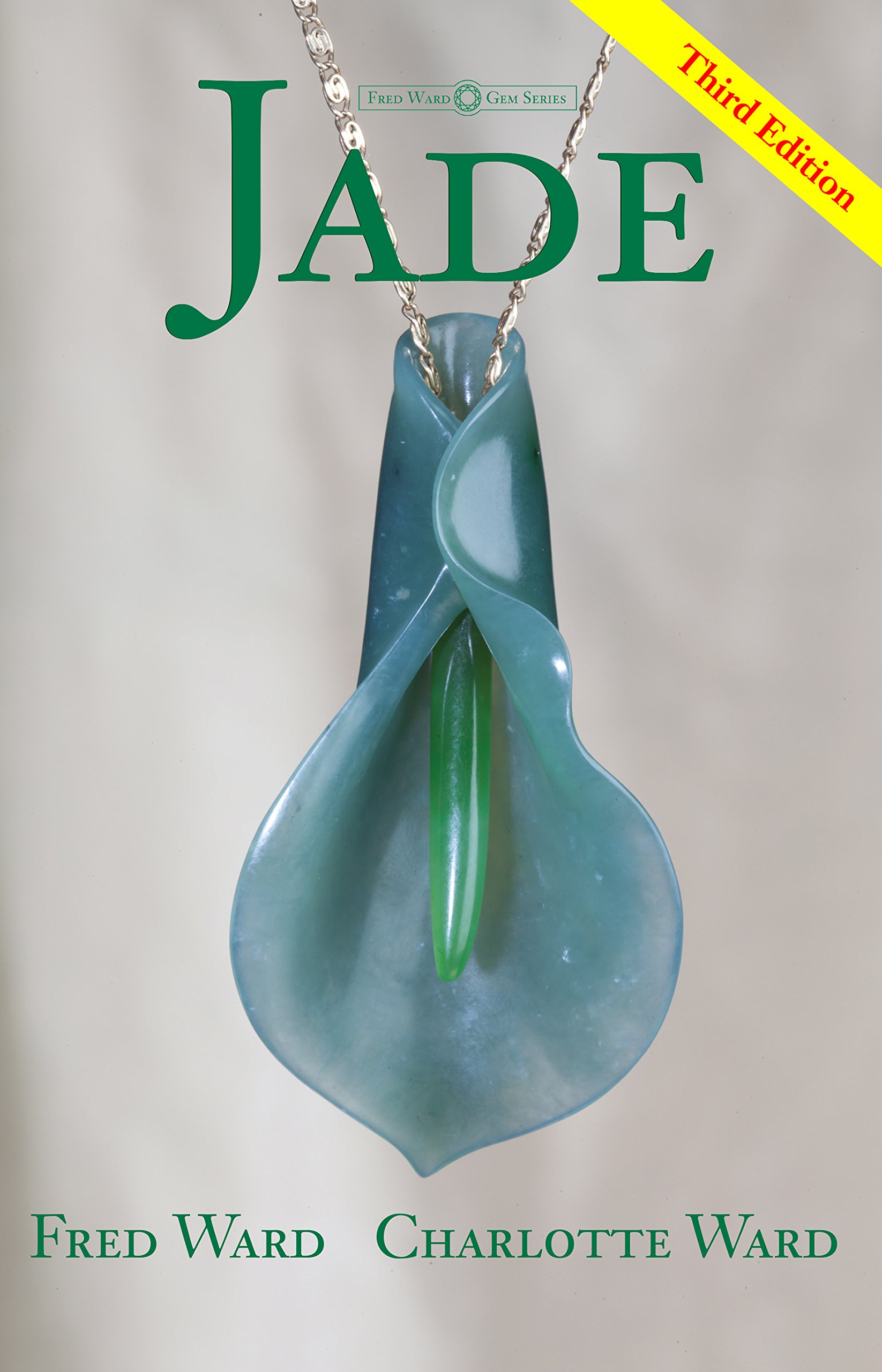
Jade is the eighth in a series of gem books written and photographed by Fred Ward and Charlotte Ward, who updated this edition. Each book Rubies and Sapphires, Emeralds, Diamonds, Opals, Pearls, Gem Care, and Phenomenal Gems is part of a continuing global search into the history, geology, lore, and sources of these priceless treasures. Mr. Ward personally visited the sites and artifacts displayed here to provide authentic and timely information. His original articles on all those topics, except opals and gem phenomena, first appeared in National Geographic Magazine. Glamour, intrigue, romance, the quest for treasure those are all vital aspects of humankind s eternal search and love for gemstones. As long as people have roamed the world, they have placed extraordinary value on our gifts from the land and sea. The Wards capture the gem world in captivating, expert detail with an emphasis on the international contemporary scene.

Internal Characteristics, Chemical Compounds and Spectroscopy of Sapphire as Single Crystals
Thesis
Diep, P.T.M. (2015) Internal Characteristics, Chemical Compounds and Spectroscopy of Sapphire as Single Crystals. Mainz University, 140 pp.
Record No. 6007  |  RWHL*
In this study more than 450 natural sapphire samples (most of basaltic type) collected from 19 different areas were examined. They are from Dak Nong, Dak Lak, Quy Chau, two unknown sources from the north (Vietnam); Bo Ploi, Khao Ploi Waen (Thailand); Ban Huay Sai (Laos); Australia; Shandong (China); Andapa, Antsirabe, Nosy Be (Madagascar); Ballapana (Sri Lanka); Brazil; Russia; Colombia; Tanzania and Malawi.

Compilation of Reported Sapphire Occurrences in Montana
Report
Berg, R.B. (2015) Compilation of Reported Sapphire Occurrences in Montana. Report of Investigation 23, no city: Montana Bureau of Mines and Geology, 78 pp. + map
Record No. 5876  |  RWHL*
Information on Montana sapphire localities was compiled from published descriptions, newspaper articles, individuals, and my own observations. Although I have done my best to verify the data, much of the information about sapphires in Montana is problematic and only provides clues to sapphire distribution. Extensive studies of two major Montana alluvial sapphire deposits (Rock Creek and the South Fork of Dry Cottonwood Creek) show that these sapphires were probably derived from source rocks at depth, and transported to the surface by Eocene volcanism (Berg, 2014, 2007). Subsequent ero-sion and transport concentrated them in modern alluvial deposits. Sapphires at the Yogo deposit are mined directly from an Eocene igneous dike, reinforcing this interpretation. In evaluating a reported deposit, potential relationship with igneous rocks is a primary criterion for considering its validity. The occurrences are grouped into categories (ranging from Known to Discredited) to help the reader decide which may be worth pursuit. Twenty-two of the 63 localities are classified as known. Four additional localities were not included at the request of the individuals involved.

Alluvial sapphires from Montana: Inclusions, geochemistry, and indications of a metamorphic origin
Journal Article
Zwaan, J.C., Buter, E., Mertz-Kraus, R. and Kane, R.E. (2015) Alluvial sapphires from Montana: Inclusions, geochemistry, and indications of a metamorphic origin. Gems & Gemology, Vol. 51, No. 4, Winter, pp. 370–391.
Record No. 5588  |  ISBN/ISSN: 0016626X  |  DOI: https://dx.doi.org/10.5741/GEMS.51.4.370  |  RWHL*
Although the source rocks of alluvial sapphires in Montana have never been discovered, inclusions and geochemistry of material from this location may give clues to their original source. Mineral inclusions in alluvial Montana sapphires, mainly from Rock Creek, were identified and compared with existing data. Topaz was a remarkable find in one of these samples; other newly identified mineral inclusions in Montana sapphire were allanite, anatase, chalcopyrite, and monazite. Together with the presence of calcium-rich plagioclase, alkali-feldspar, apatite, barite, phlogopite, a pyrochlore-group mineral previously called uranpyrochlore, and chromite/spinel, these inclusions may reflect a metasomatic origin for the sapphires. This is supported by their chemical composition, which largely coincides with sapphires of plumasitic/metasomatic origin. The secondary Montana sapphires analyzed in this study are characterized by mean values of Fe (4686 ppmw), Ti (58 ppmw), Ga (51 ppmw), Mg (35 ppmw), and Cr (21 ppmw). Fe-Mg-Ga ratios help to distinguish them from sapphires with overlapping properties, such as those from Umba, Tanzania, and Rio Mayo, Colombia.

The Grand Sapphire of Louis XIV and the Ruspoli" Sapphire: Historical and gemological discoveries"

Journal Article
Farges, F., Panczer, G., Benbalgagh, N. and Riondet, G. (2015) The Grand Sapphire of Louis XIV and the Ruspoli" Sapphire: Historical and gemological discoveries". Gems & Gemology, Vol. 51, No. 4, Winter, pp. 392–409.
Record No. 5587  |  ISBN/ISSN: 0016626X  |  RWHL*

Exploring the Literature of Corundum

Ruby and sapphire research spans mineralogy, gem deposits, identification, treatments, synthesis and the history of the gem trade. Older publications can also be useful for tracing terminology, early observations and accounts of mining localities. Publication dates and the original source should be considered when using historical descriptions.

For an introduction to collecting books on this subject, read Ruby & Sapphire Books: Collecting the Literature of Corundum.

About Four Treasures

Four Treasures is Lotus Gemology's freely accessible gemological reference database. Use the full database to search by author, title or keyword and explore literature on gemology, mineralogy, jewelry and related fields. Where available, hyperlinks on titles may lead directly to the full publication.

Search the Complete Four Treasures Database