Jade Bibliography

Jade Bibliography

Explore books, articles and historical sources on jade in Four Treasures, the Lotus Gemology reference database. This bibliography brings together matching records from the collection, with publication details, abstracts and cover images where available.

Jade References

The list below matches the terms jade, jadeite, nephrite or Fei Cui in the database's searchable fields. Some references discuss these materials as part of a broader subject.
1–20 of 3,746 matching references

Broken Bangle – The blunder-besmirched history of jade nomenclature
Broken Bangle – The blunder-besmirched history of jade nomenclature

Liu, S., Hughes, R.W., Zhou, Z. and Khourie, K. (2026)

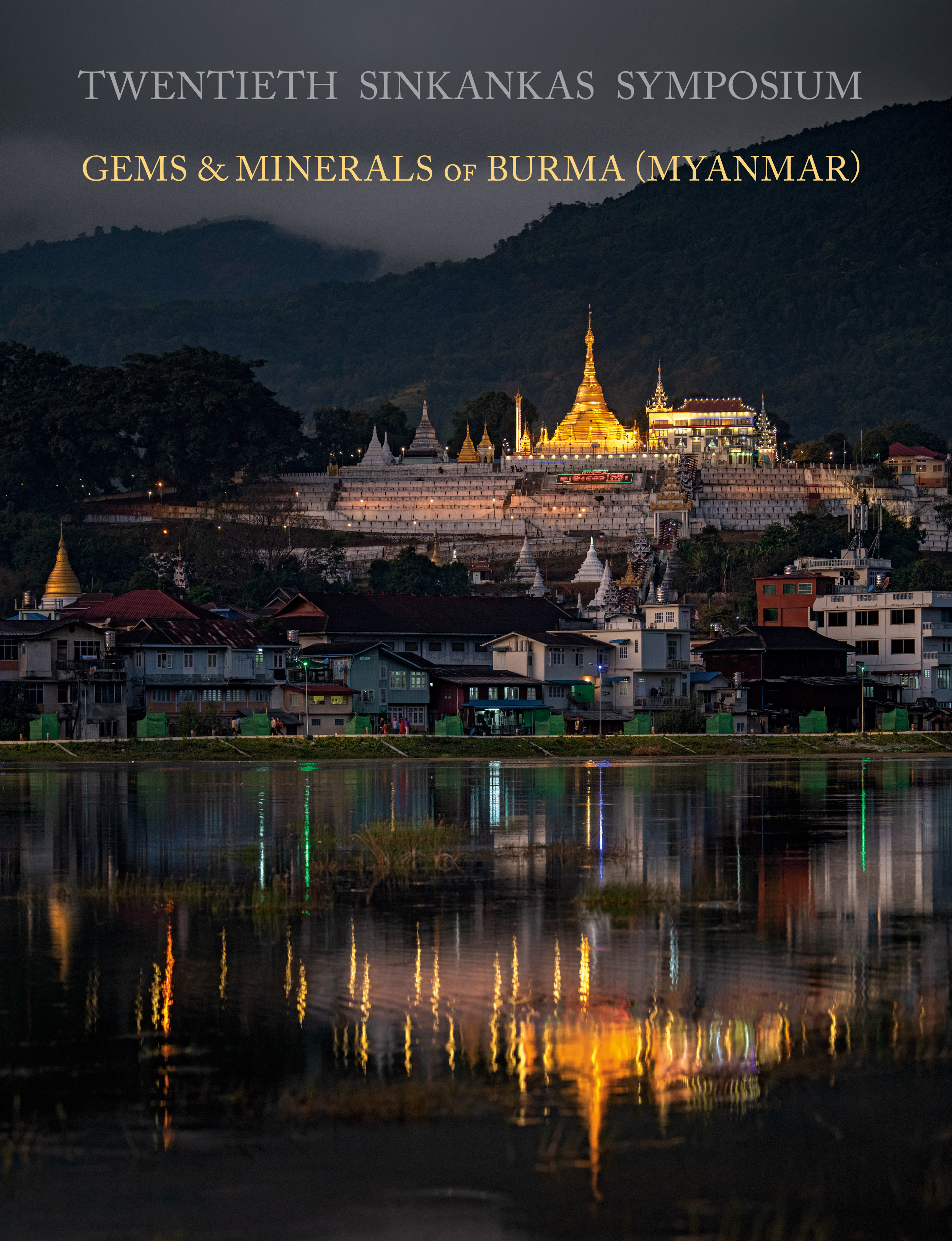
Conference Paper · Source: Twentieth Sinkankas Symposium • Gems & Minerals of Burma (Myanmar) · Publisher: Pala International · Pages: pp. 56–83

Abstract
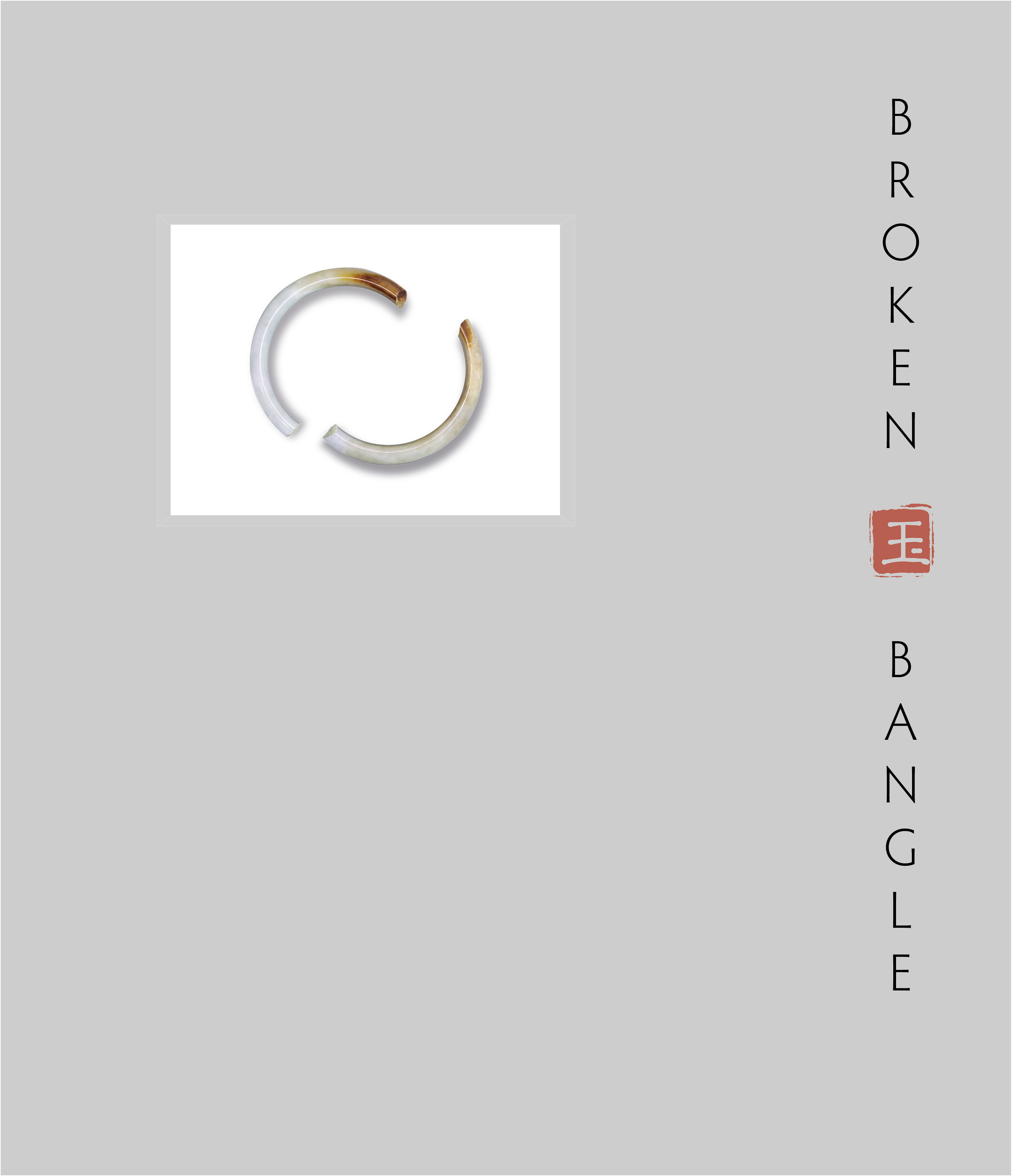
Broken Bangle | The Blunder-Besmirched History of Jade Nomenclature is an in-depth discussion of jade nomenclature and features works from the studios of some of China’s leading contemporary jade and stone carvers. The book takes readers through the entire tortuous history of jade nomenclature, detailing how the current monikers were based on misinformation and misunderstanding of the gems’ true natures. Thus, the Chinese gem yù (amphibole jade) was named “nephrite” by French mineralogist Alexis Damour in the mistaken belief it was the same as the Mesoamerican pyroxene jade that a 16th Century Spanish doctor himself misinterpreted as being used to treat kidney disease (‘nephritus’). Later, Damour created a mineral species he called “jadeite” for what was actually a gem rock already known in China as fei cui. But this gemological whodunit is much more than a dry recitation of jade nomenclature. It includes a detailed section on the occurrence and mineralogy of both yù (nephrite) and fei cui. Because jade is so intimately connected with Chinese culture, much of the Middle Kingdom’s fascinating history is also woven through its pages. Broken Bangle features dozens of color images of both historical documents and spectacular photos of contemporary jade and stone carving in China. For those whose mental picture of jade sculpture is a cliché Chinese goddess statue, prepare to have your minds blown.
Keywords
gems, jade, pyroxene jade, fei cui, Chinese history, 1766 BC-220 AD, Chinese history, 220-960, Featherwork, tian tsui, nephrite, mineralogy, history of mineralogy, jadeite, fei cui, omphacite, kosmochlor, Fischer-Other, Broken Bangle
Nephrite and Jadeite

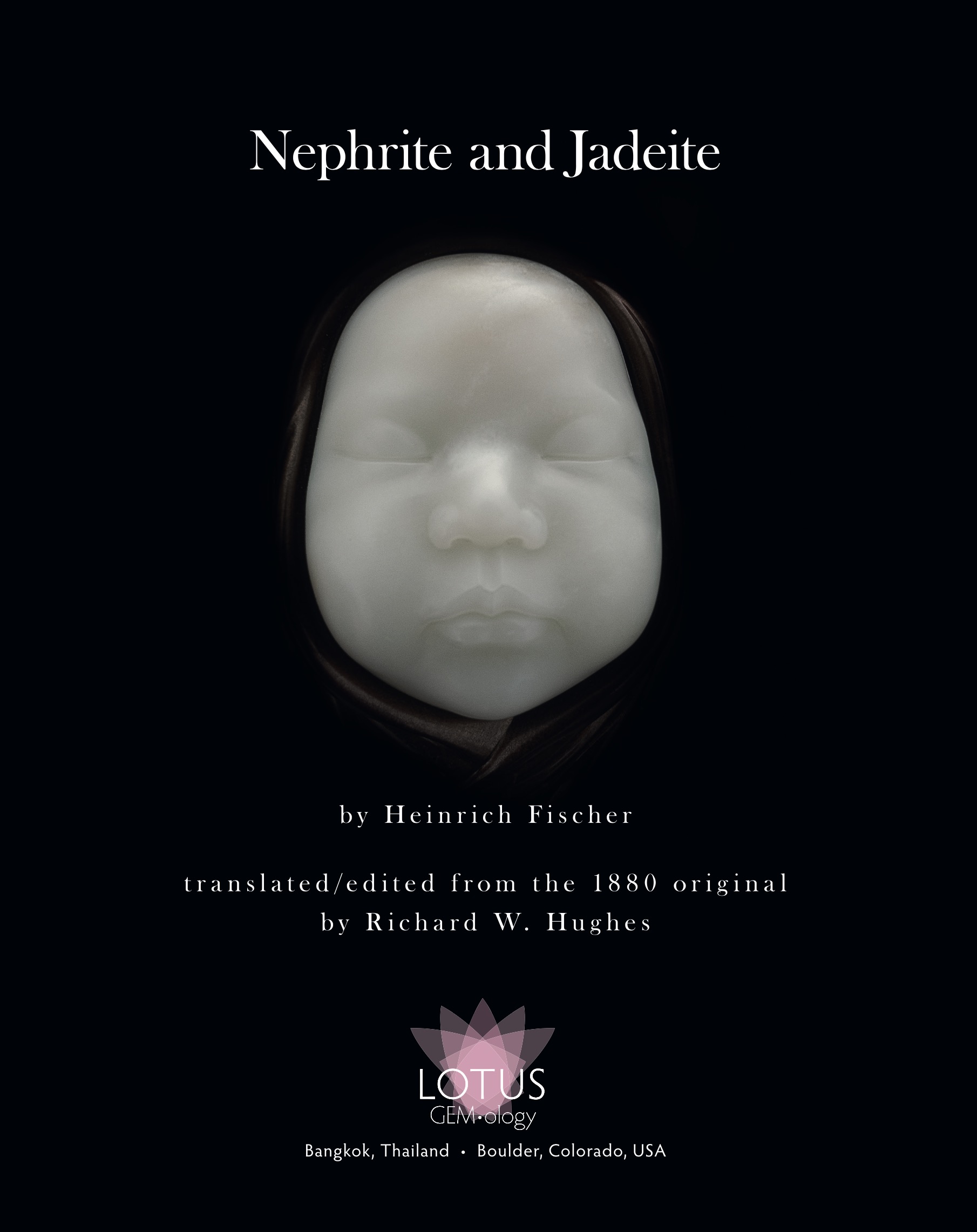
Nephrite and Jadeite

Fischer, H. and Hughes, R.W. (2025)

Book · Publisher: Lotus Publishing · Pages: 638 pp.

Abstract
In 1875, Leopold Heinrich Fischer (b. 1817; d. 1886) published an extraordinary work on jade, Nephrit und Jadeit, by far the most comprehensive ever to appear. Fischer examined jade not just from China, but from around the world. Fischer’s book was the first ever to appear in a Western language entirely devoted to jade as we know it today. As you thumb through the pages that follow, the depth of Fischer’s work will amaze. There is an astonishing amount of detail here. That this could be the product of a single author is simply beyond belief. Fischer goes on and on, as he tracks virtually every Western (and some Oriental) source. One senses an obsession, days in cold museums and libraries examining dusty texts, sleepless nights poring over a candle-lit desk scratching out sentences with a quill, condensing this enormous body of human history into a book of just a few hundred pages. It is truly astounding and a book that will delight those who open its pages.
Keywords
gems, jade, Fischer-Book, nephrite, jadeite, fei cui
Broken Bangle | The Blunder-Besmirched History of Jade Nomenclature

Broken Bangle | The Blunder-Besmirched History of Jade Nomenclature

Liu, S., Hughes, R.W., Zhou, Z. and Khourie, K. (2024)

Book · Publisher: Lotus Publishing | RWH Publishing · Pages: 120 pp.

Abstract
Broken Bangle | The Blunder-Besmirched History of Jade Nomenclature is an in-depth discussion of jade nomenclature and features works from the studios of some of China’s leading contemporary jade and stone carvers. The book takes readers through the entire tortuous history of jade nomenclature, detailing how the current monikers were based on misinformation and misunderstanding of the gems’ true natures. Thus, the Chinese gem yù (amphibole jade) was named “nephrite” by French mineralogist Alexis Damour in the mistaken belief it was the same as the Mesoamerican pyroxene jade that a 16th Century Spanish doctor himself misinterpreted as being used to treat kidney disease (‘nephritus’). Later, Damour created a mineral species he called “jadeite” for what was actually a gem rock already known in China as fei cui. But this gemological whodunit is much more than a dry recitation of jade nomenclature. It includes a detailed section on the occurrence and mineralogy of both yù (nephrite) and fei cui. Because jade is so intimately connected with Chinese culture, much of the Middle Kingdom’s fascinating history is also woven through its pages. Broken Bangle features dozens of color images of both historical documents and spectacular photos of contemporary jade and stone carving in China. For those whose mental picture of jade sculpture is a cliché Chinese goddess statue, prepare to have your minds blown.
Keywords
gems, jade, pyroxene jade, fei cui, Chinese history, 1766 BC-220 AD, Chinese history, 220-960, Featherwork, tian tsui, nephrite, mineralogy, history of mineralogy, jadeite, fei cui, omphacite, kosmochlor, Fischer-Other, Broken Bangle
Interview with Wu Desheng

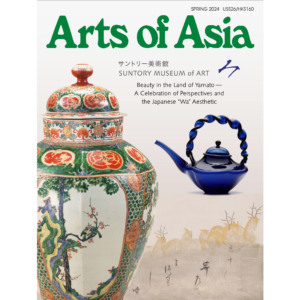
Interview with Wu Desheng

Hughes, E.B. (2024)

Journal Article · Source: Arts of Asia · Issue: Spring · Pages: pp. 144–147

Keywords
gems, jade, amphibole jade, nephrite, Khotan, Hetian, China, Xinjiang, Chinese jade carving, Chinese jade master carver, Wu Desheng
Jadeite jade & its identification
Jadeite jade & its identification

Mok, W.K. and Hughes, R.W. (2022)

Book Section · Source: Jade | A Gemologist’s Guide · Publisher: Lotus Publishing · Pages: pp. 296–323

Abstract
The essentials of identifying fei cui (pyroxene jade) and separating it from treated stones and simulants.
Keywords
gems, jade, pyroxene jade, fei cui, jadeite, dyed jade, treated jade, b-jade, jade identification
Jade • A Gemologist’s Guide

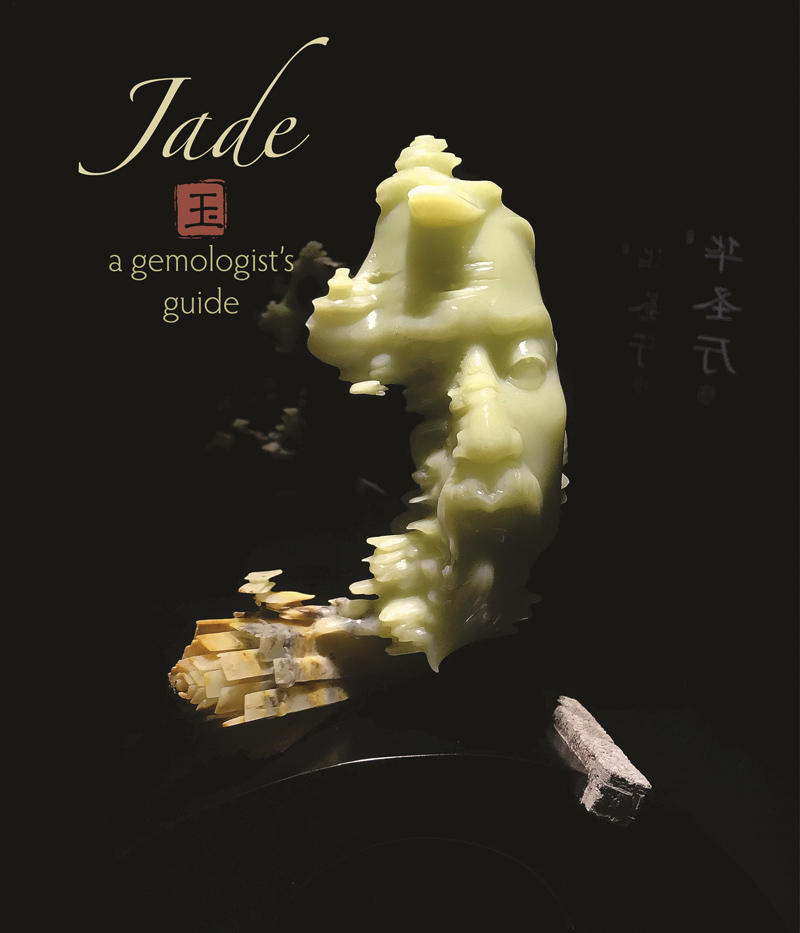
Jade • A Gemologist’s Guide

Hughes, R.W. (2022)

Edited Book · Publisher: Lotus Publishing · Pages: 534 pp.

Abstract
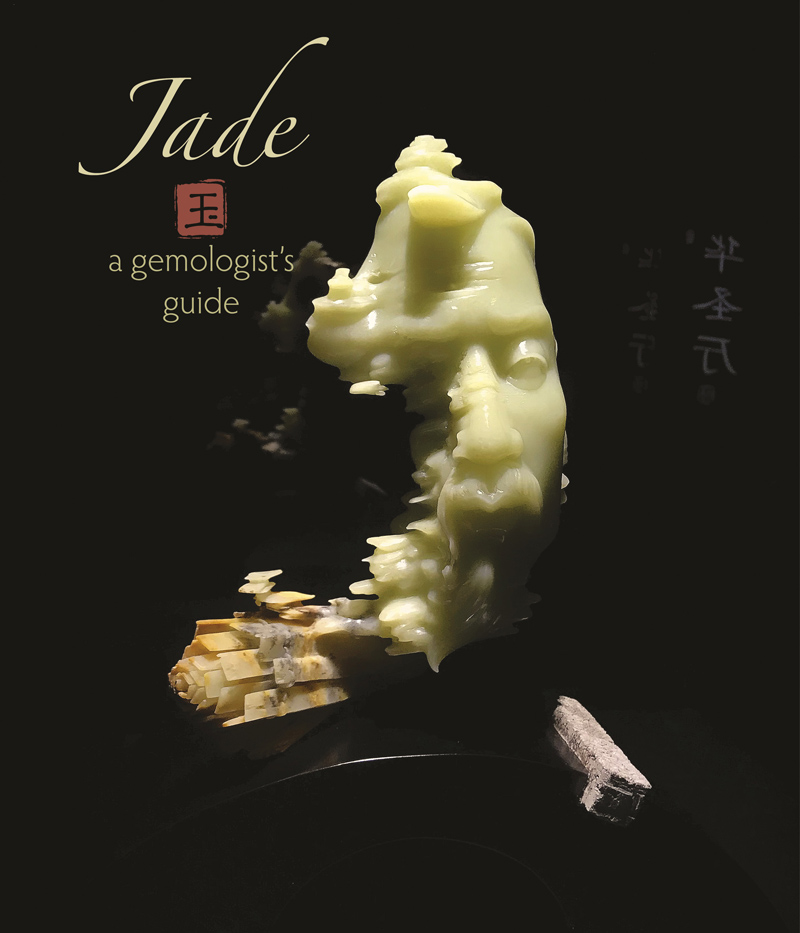
The study of jade is unlike that of any other gem, trespassing across conventional boundaries, particularly those of the gemological and mineralogical realm. Despite the march of mineralogical orthodoxy and conformity, the word “jade” is a fist in the air of protest, crying out not for further reduction and definition, but an expansion of the mineralogical canon to include the cultural aspects of human civilization and life. Because jade is so much more than a simple census of atoms, valence states, and places of residence. Jade is a lexicon liberator. While the literature on jade is vast, perhaps greater than any other gem, there is a distinct lack of a volume in English that treats jade as a gemological material. This book is designed to fill that gap, with extensive information on the history, sources, appraisal and identification of both treated and imitation jades. All of this is together in a single volume for the first time, making it a must-have for collectors, dealers, gemologists, appraisers, curators and anyone else with an interest in this fascinating gem. An understanding of jade is not limited to the technical or exacting; it also incorporates a feeling for the cultural, textural, and ephemeral qualities that make the study of this gem unlike any other. This volume will not just fill the “traditional gemological” gap, but will open readers’ eyes to a world beyond. Because jade is so much more…
Keywords
gems, jade, archaic jade, China, Chinese jade carving, nephrite, Xinjiang, Hetian, Khotan, Burma, Myanmar, Hpaken, Guatemala, USA, California, Alaska, Canada, BC, British Columbia, Mughal, India, New Zealand, Maori jade, Fischer-Other, Broken Bangle
Inside Out: GEM•ology Through Lotus-Colored Glasses
Inside Out: GEM•ology Through Lotus-Colored Glasses

Hughes, E.B., Hughes, R.W. and Manorotkul, W. (2020)

Book · Publisher: Lotus Publishing · Pages: 152 pp. · Language: In English and Simplified Chinese

Abstract
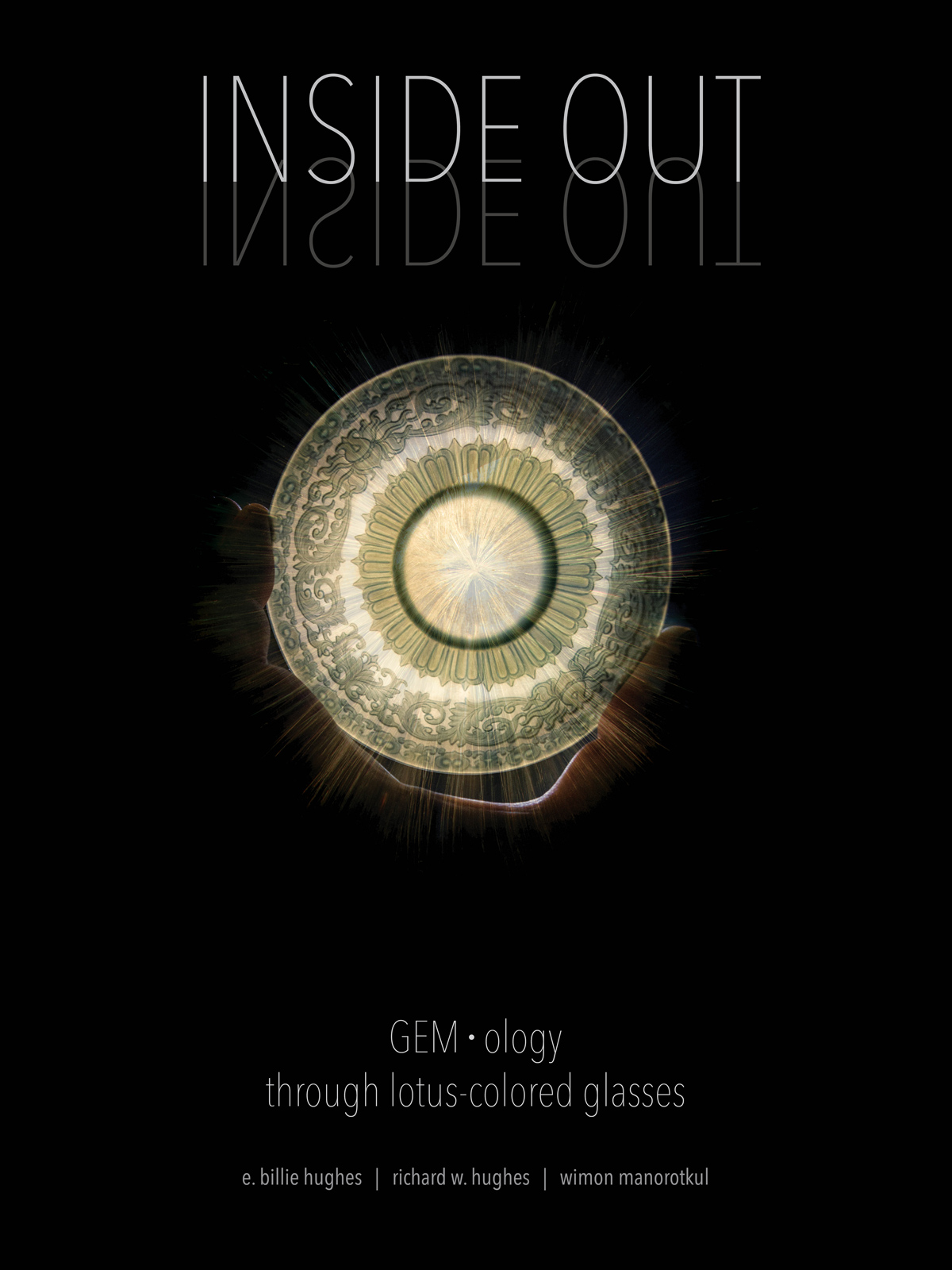
From the dawn of time, precious stones have both attracted and fascinated humans in ways that few other items could. For while objects of desire are found throughout the natural world, physical beauty is too often ephemeral. From the allure of a man, woman, flower or butterfly, through the fleeting moments of a sunset, there is little that lasts and practically nothing that can be passed down to our descendants. The exception is precious stones. Not only are they the most durable creations of Mother Nature, but their visual splendor is truly eternal. This book presents a completely fresh approach to the subject. Dubbing it humanistic gemology, the authors take readers around the world, showing the places they have explored in their search for gems, along with the people and cultures encountered along the way. Within this volume, remarkable photographs of the human world are interwoven with images of the microscopic realm of the gems themselves. In a lifetime beset by time control, where living is broken into ever smaller bits, as you browse through these pages suddenly you plunge into a domain of frozen time, one that affords vistas of millions or even billions of years. For jewels offer not just superficial beauty, but a window on the primordial forces that birthed both our planet and universe. Inside Out – Gemology Through Lotus-Colored Glasses represents a fascinating new direction for gemology, linking the external and internal worlds of precious stones for the first time.
Keywords
gems, gemology, ruby, sapphire, jade, inclusions.5, corundum, garnet, quartz, China, Tibet, Thailand, Burma, Myanmar, Sri Lanka, Inner Mongolia, India, Madagascar, Mozambique, Tanzania, Rwanda, East Africa, Greenland
Hidden Treasure • Collecting the Literature of Jade
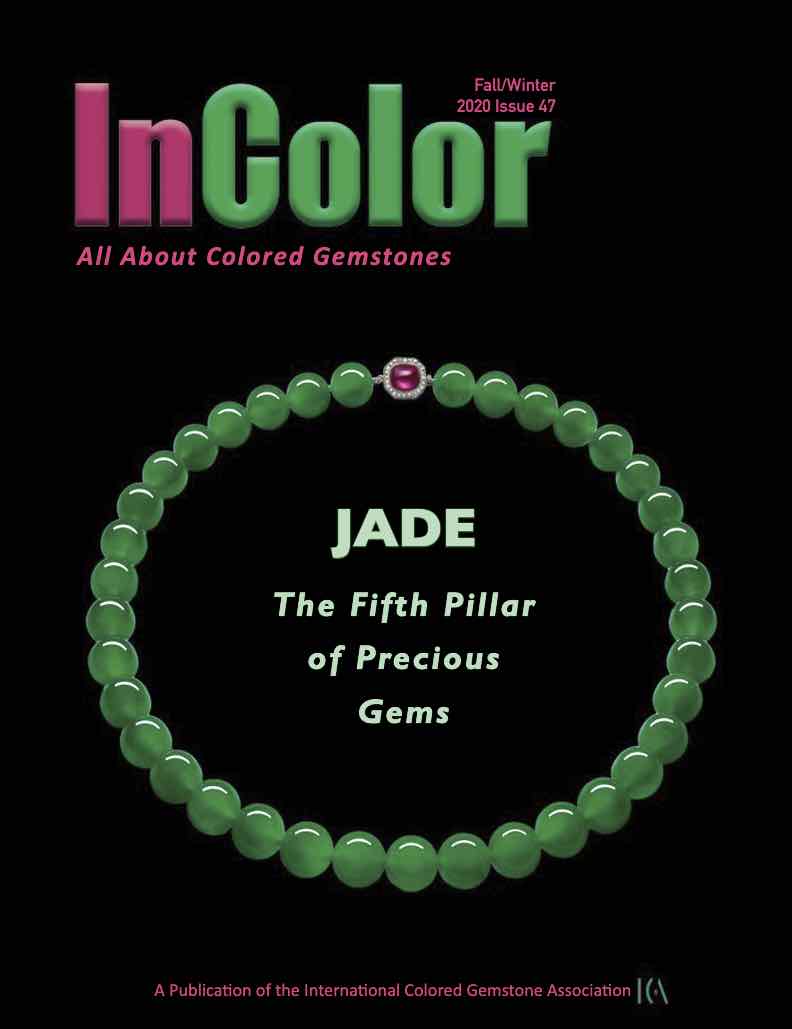
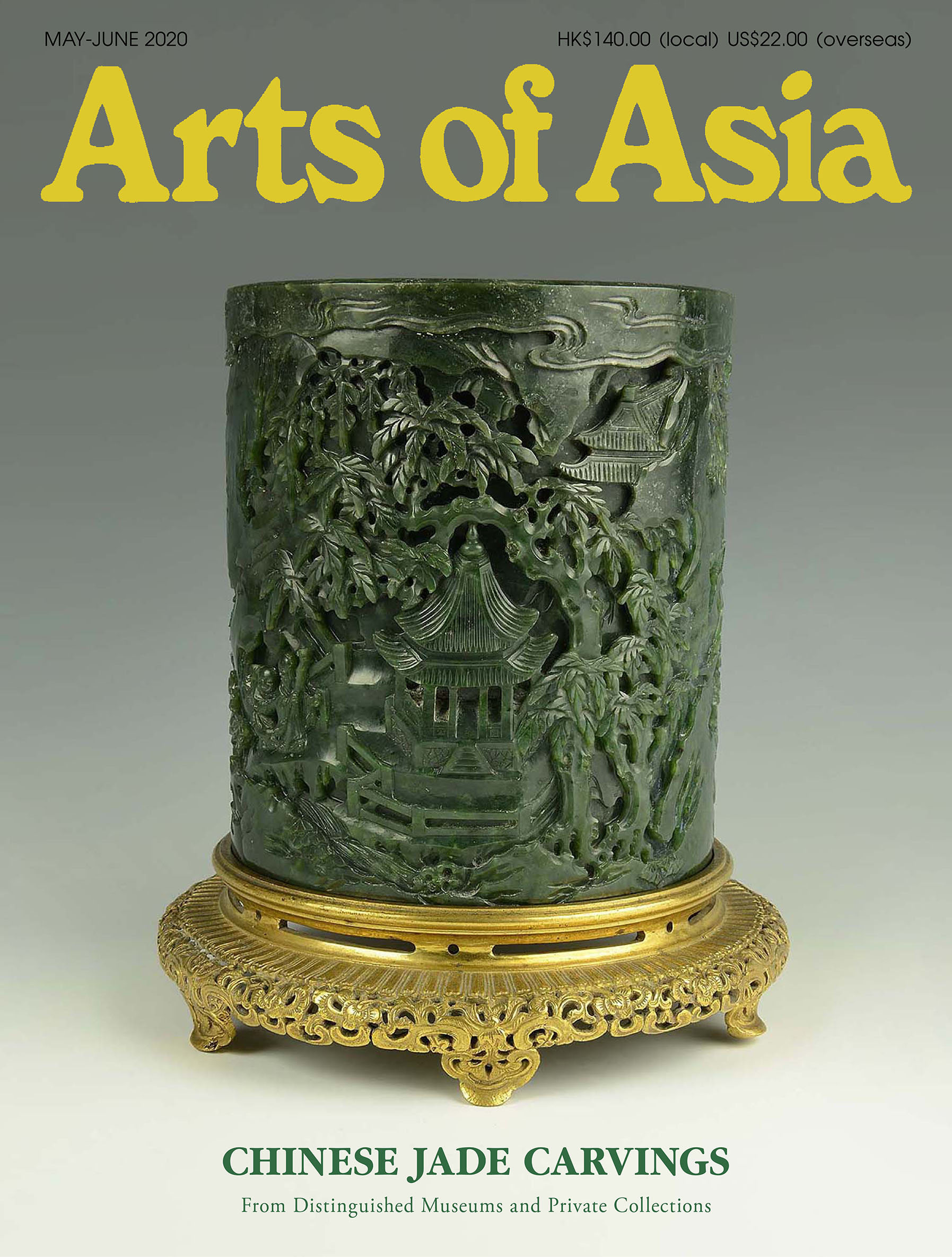
Hidden Treasure • Collecting the Literature of Jade

Hughes, R.W. and Hoffman, E.J. (2020)

Journal Article · Source: Arts of Asia · Volume: Vol. 50 · Issue: No. 3, May–June · Pages: pp. 76–87

Abstract
The word jade" often evokes the green jadeite used in jewellery. However, some of the most valuable jade in China is not this green jadeite, but in the creamy "mutton fat" carved nephrite from Hetian, Xinjiang province. In the past, many carvings touched upon familiar motifs like dragons or religious symbols, while in recent decades there has been a revolution of carving, with artists incorporating modern themes and styles into their work. Lin Tze-Chuan, an influential collector and patron of many jade carvers, is considered by many to be the father of Chinese contemporary jade carving. Here he discusses the changing world of jade carving and what he looks for when commissioning new work."
Keywords
gems, jade, nephrite, China, Chinese jade carving, Hetian jade, Broken Bangle
Jade • A lifetime in search of heaven
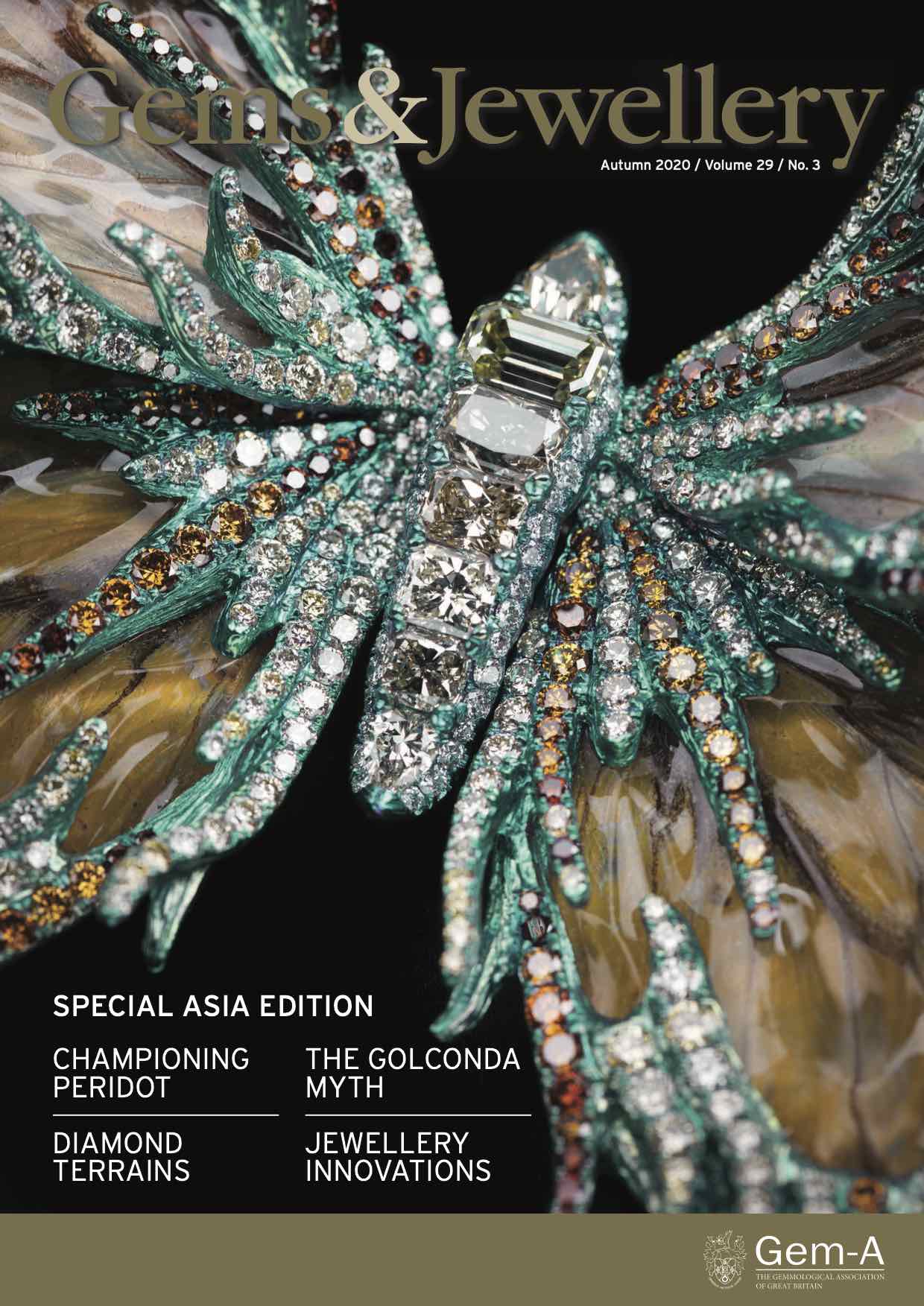
Jade • A lifetime in search of heaven

Hughes, R.W. (2020)

Journal Article · Source: InColor · Issue: No. 47, Fall/Winter · Pages: pp. 60–65

Abstract
The author reviews his 41-year love affair with jade.
Keywords
gems, jade, jadeite, fei cui, Burma, Myanmar, nephrite, China, Xinjiang, Hetian, Khotan, Hpakan, New Zealand, Guatemala, Russia
Jade – In search of heaven

Jade – In search of heaven
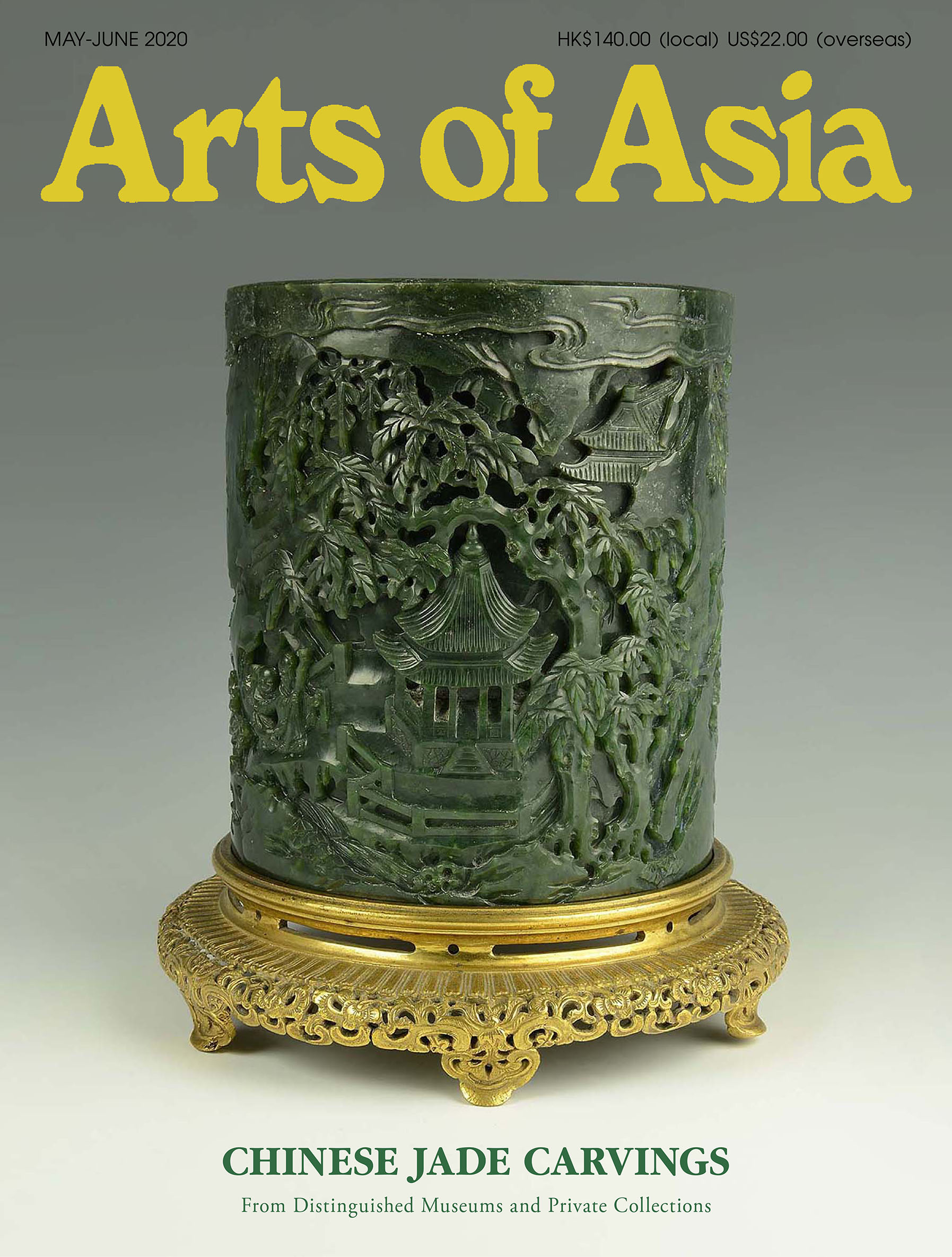
Hughes, R.W. (2020)

Journal Article · Source: Gems&Jewellery · Volume: Vol. 29 · Issue: No. 3, Autumn · Pages: pp. 22–24

Abstract
Corundum expert Richard W. Hughes takes us through his four-decade adventure with jade, from Burma’s jadeite mines to China’s classic mutton-fat nephrite mines at Hetian, Xinjiang Province.
Keywords
gems, jade, jadeite, fei cui, Burma, nephrite, China, Chinese jade carving
Interview with Lin Tze-Chuan • Contemporary Jade Carving in China
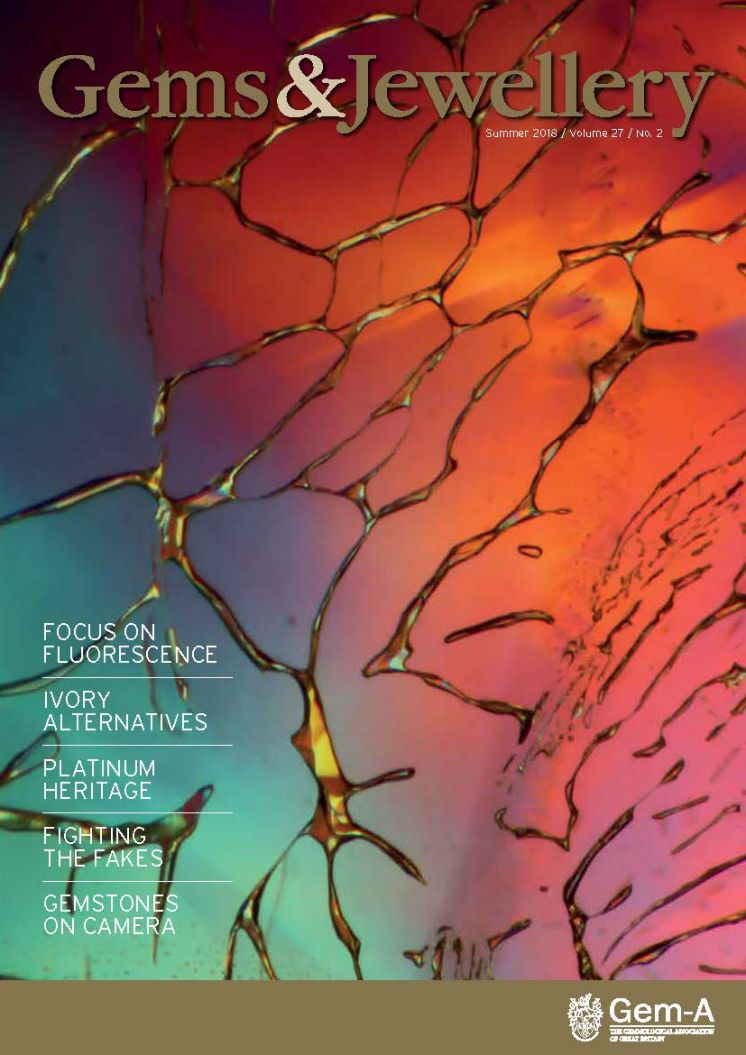
Interview with Lin Tze-Chuan • Contemporary Jade Carving in China

Hughes, E.B. (2020)

Journal Article · Source: Arts of Asia · Volume: Vol. 50 · Issue: No. 3, May–June · Pages: pp. 103–108

Abstract
The word jade" often evokes the green jadeite used in jewellery. However, some of the most valuable jade in China is not this green jadeite, but in the creamy "mutton fat" carved nephrite from Hetian, Xinjiang province. In the past, many carvings touched upon familiar motifs like dragons or religious symbols, while in recent decades there has been a revolution of carving, with artists incorporating modern themes and styles into their work. Lin Tze-Chuan, an influential collector and patron of many jade carvers, is considered by many to be the father of Chinese contemporary jade carving. Here he discusses the changing world of jade carving and what he looks for when commissioning new work."
Keywords
gems, jade, nephrite, China, Chinese jade carving, Hetian jade
The Big Picture: Mining for nephrite in Xinjiang Province, China
The Big Picture: Mining for nephrite in Xinjiang Province, China

Hughes, E.B. (2018)

Journal Article · Source: Gems&Jewellery · Volume: Vol. 27 · Issue: No. 2, Summer · Pages: pp. 8–9

Abstract
Talented photographer and gemmologist, Billie Hughes, takes us behind-the-scenes of this fascinating image and shares stories from her trip to Xinjiang in western China.
Keywords
gems, jade, nephrite, Xinjiang, Chinese jade, Khotan
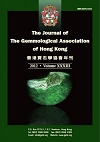
The Chinese box: A Guangzhou jade market puzzle
The Chinese box: A Guangzhou jade market puzzle

Hughes, R.W., Leelawatanasuk, T., Manorotkul, W., Kwok, B., Kiefert, L. and Marshall, A.C. (2012)

Journal Article · Source: Journal of the Gemmological Association of Hong Kong · Volume: Vol. 33 · Pages: pp. 50–53

Abstract
An investigation into nephrite and imitation nephrite pebbles purchased in Guangzhou, China's Hualin Street jade market.
Keywords
jade, nephrite, China, Xinjiang, Khotan, Hotan, gems
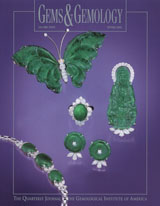
Burmese jade: The inscrutable gem

Burmese jade: The inscrutable gem

Hughes, R.W., Galibert, O., Bosshart, G., Ward, F., Thet Oo, Smith, M., Tay, T.S. and Harlow, G.E. (2000)

Journal Article · Source: Gems & Gemology · Volume: Vol. 36 · Issue: No. 1, Spring · Pages: pp. 2–26

Abstract
The jadeite mines of Upper Burma (now Myanmar) occupy a privileged place in the world of gems, as they are the principal source of top-grade material. This article, by the first foreign gemologists allowed into these important mines in over 30 years, discusses the history, location, and geology of the Myanmar jadeite deposits, and especially current mining activities in the Hpakan region. Also detailed are the cutting, grading, and trading of jadeite—in both Myanmar and China—as well as treatments. The intent is to remove some of the mystery surrounding the Orient’s most valued gem.
Keywords
jade, jadeite, fei cui, nephrite, Burma, gems, maw sit sit
From Russia with jade

From Russia with jade

Hughes, R.W. (2000)

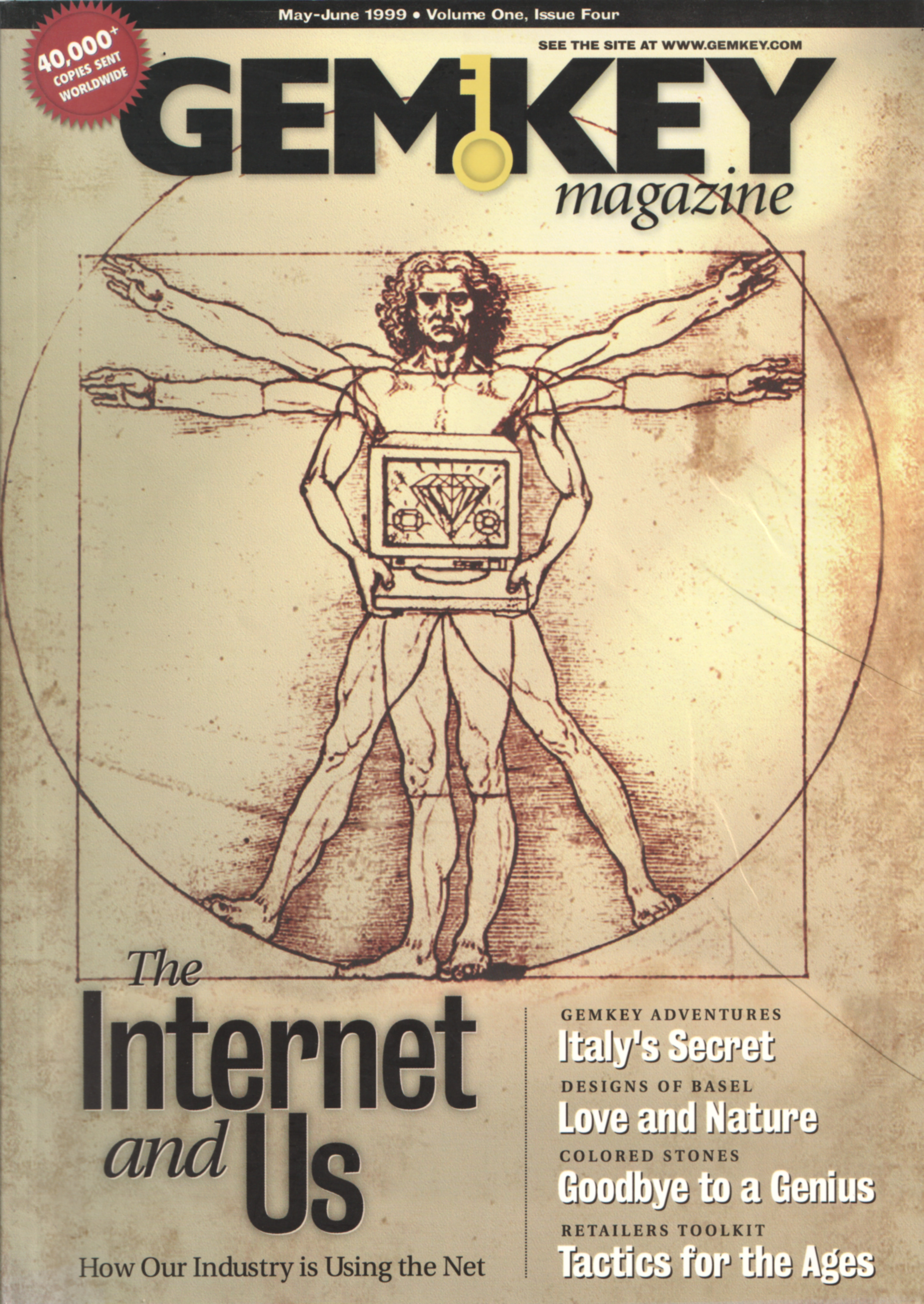
Journal Article · Source: Gemkey Magazine · Volume: Vol. 3 · Issue: No. 1, Nov.–Dec. · Pages: pp. 58–66

Abstract
Up until recently, gem-quality imperial jadeite was found only in Upper Burma. But starting in the early 1970's, jadeite was found at Itmurundy in Kazakhstan. A few years later, fine jadeite was found in the Polar Urals at Pusyerka, and in 1992, in Khakassia, about 100 km. outside of the capital of Abakan. This article is the first extensive description ever published in English on the Russian jadeite deposits and is based upon visits by Nickolai Kouznetsov to these deposits in the early 1990's and both authors' visit to the Polar Urals and Khakassia mines in August, 2000.
Keywords
jade, jadeite, fei cui, Russia, Polar Urals, Khakassia, gems
Sur la piste de la ligne verte

Sur la piste de la ligne verte

On the trail of the green line

Galibert, O. and Hughes, R.W. (1999)

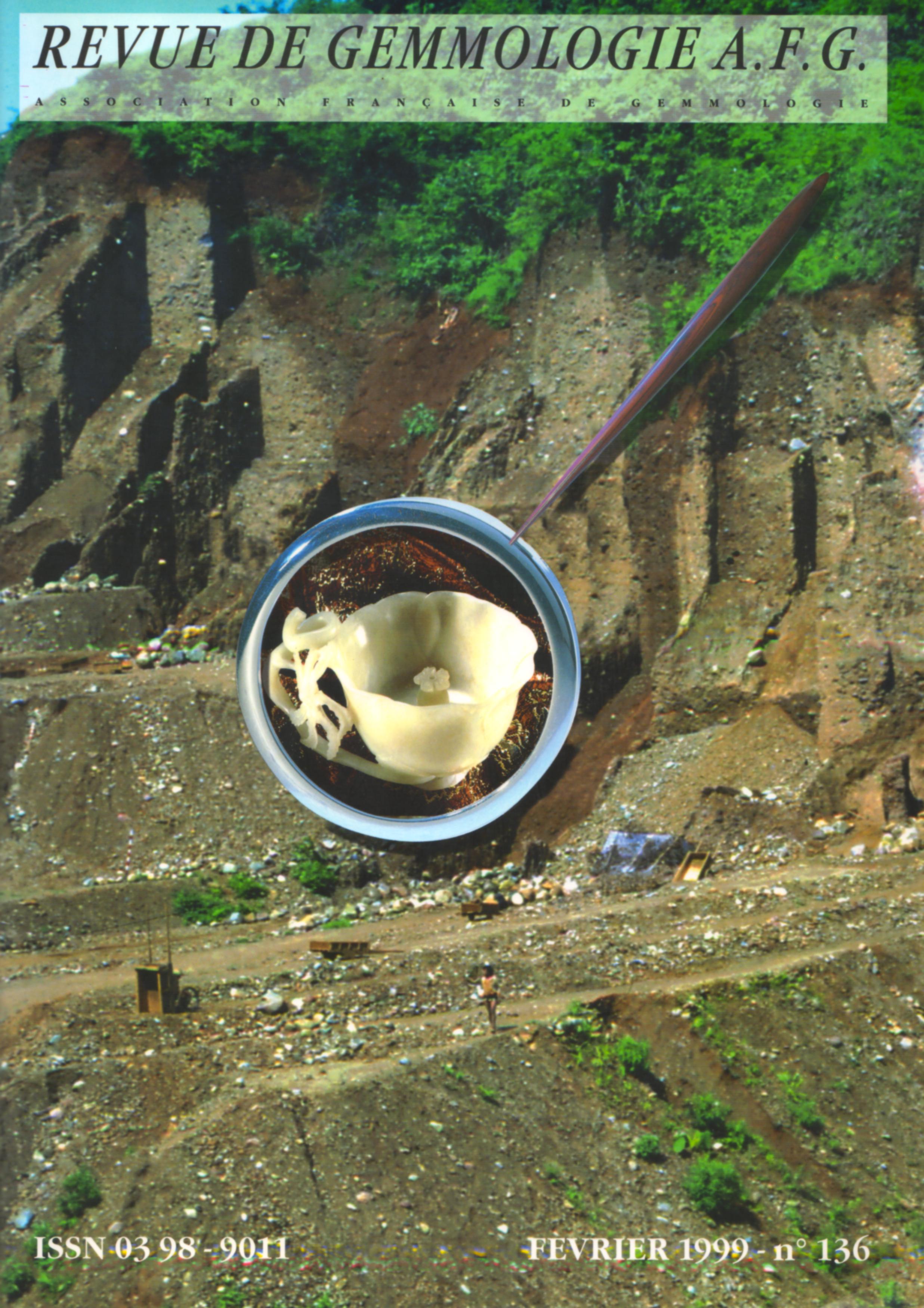
Journal Article · Source: Revue de Gemmologie A.F.G. · Issue: No. 136 · Pages: pp. 19–25 · Language: in French

Abstract
In 1996, several gemologists set off for Burma's remote jade mines, the first visit by foreigners since the early 1960's. This is the story of their epic journey.
Keywords
jade, jadeite, fei cui, Burma, gems
Burma’s jade mines: An annotated Occidental history
Burma’s jade mines: An annotated Occidental history

Hughes, R.W. (1999)

Journal Article · Source: Journal of the Geo-Literary Society · Volume: Vol. 14 · Issue: No. 1, January · Pages: pp. 15–35

Abstract
The history of Burma's jade mines, as seen through Western eyes, from the earliest accounts through World War II.
Keywords
Burma, jade, jadeite, fei cui, gems
Abenteuerliche Reise ins Reich der Jademinen

Abenteuerliche Reise ins Reich der Jademinen

Adventurous journey into the realm of jade mines.

Hughes, R.W., Galibert, O., Smith, M. and Thet Oo (1998)

Journal Article · Source: Uhren Jewelen Schmuck · Issue: Februar · Pages: pp. 84–94 · Language: in German

Abstract
In a remote corner of Upper Burma, thousands are busy, seeking, searching, clawing at a mountain, prying loose boulders from the compact brown soil. Jack hammers pound out a rat-a-tat beat, punctuated by the occasional cymbal crash of pick and shovel, while a choir of coolies stand behind with baskets to carry the debris out of this earthen tomb. As each boulder is turned over, it is quickly examined, then discarded, along with the mounds of dirt that surround it. So the process is repeated. Over and over, again and again, hour after hour, day after day. The operation is a study in patience. Patience, patience – those who hurry lose, they make mistakes, they miss the prize, they don't go to heaven. The construction of the Great Pyramids in Egypt was a study in patience; that in Upper Burma today is on no less a scale, but involves deconstruction, the dismantling of entire mountains, step by step, bit by bit, stone by stone, one pebble at a time. Like the builders of pyramids, all involved share a single-minded devotion to the task. Patience, patience – those who hurry lose, they miss something, they don't go to heaven. Those who hurry don't find jade.
Keywords
Burma, jade, jadeite, fei cui, Hpakan, gems

Exploring the Literature of Jade

Jade literature spans gemology, mineralogy, archaeology, art history, mining, carving and connoisseurship, and includes works on both jadeite and nephrite from around the world.

For an introduction to collecting books on this subject, read Hidden Treasure — Collecting the Literature of Jade.

About Four Treasures

Four Treasures is Lotus Gemology's freely accessible gemological reference database. Use the full database to search by author, title or keyword and explore literature on gemology, mineralogy, jewelry and related fields. Where available, hyperlinks on titles may lead directly to the full publication.

Search the Complete Four Treasures Database