Gemstone Inclusions Bibliography

Gemstone Inclusions Bibliography

Explore books, articles and historical sources on inclusions in gemstones in Four Treasures, the Lotus Gemology reference database. This bibliography brings together matching records from the collection, with publication details, abstracts and cover images where available.

Gemstone Inclusion References

The list below matches the terms inclusion or inclusions in the database's searchable fields. Some references discuss inclusions as part of a broader subject.
101–120 of 1,165 matching references

Raman spectroscopic investigation of zircon in gem-quality sapphire: Application in origin determination
Journal Article
Xu, W. and Krzemnicki, M.S. (2021) Raman spectroscopic investigation of zircon in gem-quality sapphire: Application in origin determination. Journal of Raman Spectroscopy, Vol. 52,
Record No. 6313  |  DOI: https://dx.doi.org/10.1002/jrs.6092  |  Sinkankas/Born No.: NIS/NIB  |  RWHL*
In this study, zircon inclusions in selected 115 unheated sapphires originating from metamorphic deposits were studied by confocal micro‐Raman spectroscopy. By comparing Raman features of zircon inclusions in gem‐quality sapphires from Myanmar, India (Kashmir), Sri Lanka, and Madagascar, it could be established that those of younger age (sapphires from Myanmar and India [Kashmir]) contain zircon inclusion which exhibit relatively low ʋ1 and ʋ3 band positions and also smaller FWHM (ʋ3) than those in the older sapphires from Sri Lanka and Madagascar. Binary plotting of ʋ1 versus ʋ3 frequencies (Figure 3) and ʋ3 wavenumber versus FWHM of the studied zircon inclusions provide a method to distinguish young sapphires formed during Alpine‐Himalayan orogeny (Kashmir, Myanmar) from those related to the Pan‐African orogeny (Sri Lanka, Madagascar). This study shows the potential of the non‐destructive method on zircon inclusions in sapphires to be used to distinguish their origin as a service to the commercial gem trade. Zircon inclusions in selected 115 unheated sapphires originating from metamorphic deposits—Myanmar, India (Kashmir), Sri Lanka, and Madagascar—were studied by confocal micro‐Raman spectroscopy. This study shows the potential of the non‐destructive method on zircon inclusions in sapphires to be used to distinguish their origin as a service to the commercial gem trade.

Sapphires from Anakie, Australia: A Closer Look at Blue, Yellow, Green and Bicolor Sapphires
Report
Saeseaw, S., Vertriest, W. and Palke, A. (2021) Sapphires from Anakie, Australia: A Closer Look at Blue, Yellow, Green and Bicolor Sapphires. GIA News from Research, no city: Gemological Institute of America, 18 pp.
Record No. 6270  |  Sinkankas/Born No.: NIS/NIB  |  RWHL*
Australia has a long and rich sapphire mining history, yet the blue gems from Down Under have rarely been fully appreciated. While they were most desired in the early 1900s, their position has faded to the background. That doesn’t mean that mining stopped; both large and small operations kept operating in the last decades. Recent efforts have cast a new light on the variety of sapphires in Australia, which includes classic blues and yellow, green, and bicolor stones. This suite of colors is also referred to as BGY sapphires, which are classically related to alkali-basalt eruptions. In this study, we take a deeper look at the colors of these sapphires and what caused them, as well as the inclusion scenes observed in these gems.

Cation disorder caused by olivine-ringwoodite phase transition mechanism, possible explanation for blue olivine inclusion in a diamond
Journal Article
Bassett, W.A. and Skalwold, E.A. (2021) Cation disorder caused by olivine-ringwoodite phase transition mechanism, possible explanation for blue olivine inclusion in a diamond. Minerals, Vol. 11, No. 22, 22 pp..
Record No. 6210  |  Sinkankas/Born No.: NIS/NIB  |  RWHL*
Synchrotron X-ray diffraction, as well as visual observations, in a diamond anvil cell (DAC) using soft metal gaskets or slightly reducing gas environment, have revealed that the olivine-ringwoodite transition in olivines of several compositions take place in two steps: step 1: displacive restacking of the oxygen layers, followed by step 2: diffusive reordering of the cations. The initiation of the phase transition was observed at temperatures as low as 200°C below the reported temperature for the phase transition under hydrostatic conditions. These observations, especially residual disordered cations, have important implications for deep-focus earthquakes, the ability of ringwoodite to host surprising amounts of water, and possibly the observation of a blue olivine inclusion in a natural diamond from Brazil and in a pallasitic meteorite from Russia.

Low-temperature heat treatment of pink sapphires from Ilakaka, Madagascar
Journal Article
Saeseaw, S., Khowpong, C. and Vertriest, W. (2020) Low-temperature heat treatment of pink sapphires from Ilakaka, Madagascar. Gems & Gemology, Vol. 56, No. 4, Winter, pp. 448–457.
Record No. 6256  |  ISBN/ISSN: 0016626X  |  DOI: https://dx.doi.org/10.5741/GEMS.56.4.448  |  Sinkankas/Born No.: NIS/NIB  |  RWHL*
Rutile, titanium dioxide (TiO₂), is a tetragonal mineral that generally occurs in corundum as silk (exsolution-formed needles), dust-like exsolution particles, or macroscopic crystal inclusions. Rutile crystals can have orange to deep red-brown coloration, and the crystal shapes can be rounded or euhedral. The author recently examined a 4.24 ct faceted transparent blue sapphire from Afghanistan. The stone contained dusty flake-like inclusions, naturally healed fractures, lathe-like inclusions, twinning, rounded colorless crystals identified as apatite (RRUFF R040098), and an unusual long prismatic orange crystal identified as rutile (RRUFF R040049). This rutile crystal shape (figure 12) is not typical for corundum, particularly in blue sapphire.

Inclusion and trace element characteristics of emeralds from Swat Valley, Pakistan
Journal Article
Guo, H., Yu, X., Zheng, Y., Sun, Z. and Ng, M.F.-Y. (2020) Inclusion and trace element characteristics of emeralds from Swat Valley, Pakistan. Gems & Gemology, Vol. 56, No. 3, Fall, pp. 336–355.
Record No. 6206  |  ISBN/ISSN: 0016626X  |  DOI: https://dx.doi.org/10.5741/GEMS.56.3.336  |  Sinkankas/Born No.: NIS/NIB  |  RWHL*
Swat Valley has become an important source of emeralds, including recently discovered trapiche-type crystals. In this study, emerald samples from Swat were examined by standard gemological testing, UV-Vis-NIR, FTIR, Raman analysis, EDXRF, and LA-ICP-MS. The study found three-phase hexagonal inclusions consisting of water, gaseous carbon dioxide and nitrogen, and a magnesite crystal. The gaseous mixture in two-phase inclusions is characteristic in both trapiche-type (CO₂ + N₂) and non-trapiche samples (CO₂ + N₂ + CH₄). Mineral inclusions of hematite, magnetite, rutile, graphite, and siderite are reported for the first time. Regular non-trapiche-type Swat emeralds contain high chromium (avg. 7471 ppmw), alkali metal (avg. 21,040 ppmw), magnesium (avg. 34,263 ppmw), and iron (avg. 9265 ppmw), as well as scandium (avg. 633 ppmw). Infrared spectra show that the absorption of type II H₂O is stronger than that of type I H₂O. Logarithm plots of trace elements appear to be diagnostic. Based on Raman spectroscopy, the trapiche-type emeralds’ colorless core, light green hexagonal growth zone area, and green rim are emerald, while the six black arms are a mixture of hematite and graphite.

Identification of opaque sulfide inclusions in rubies from Mogok, Myanmar and Montepuez, Mozambique
Book Section
Vertriest, W. and Palke, A. (2020) Identification of opaque sulfide inclusions in rubies from Mogok, Myanmar and Montepuez, Mozambique. In: Mineralogy and Geochemistry of Ruby, Basel: MDPI, pp. 205–221.
Record No. 6199  |  ISBN/ISSN: 9783040000000  |  Sinkankas/Born No.: NIS/NIB  |  RWHL*
The red variety of corundum owes its color and strong fluorescence to the presence of Cr, as well as traces of Fe. The latter can reduce the fluorescence and thus impact the appearance of the final gem. Gem quality rubies are rarely available for scientific study and even less common in their rough form. Opaque inclusions in rubies are often removed during faceting and remain unidentified. This study aims to identify opaque inclusions in rubies from the two most common origins seen in the high end market today: Mogok, Myanmar and Montepuez, Mozambique. Using electron probe microanalaysis (EPMA) the inclusions were identified as sphalerite and pyrrhotite in Mogok rubies. The paragenesis of Myanmar, marble-related rubies is fairly well understood and no Fe-rich minerals apart from sulfides have been identified. Opaque inclusions in Mozambican rubies are a complex mix of Fe-Cu-Ni sulfides with exsolution textures. These inclusions are interpreted to be small amounts of sulfide melt trapped during corundum formation. The different sulfide phases crystallized from this entrapped melt and some phases experienced later exsolution during cooling. The formation of amphibole-related, Mozambican rubies is not well understood, but it is obvious that very different processes are at work compared to the marble-related Myanmar ruby deposits.

Lab Notes: Bismuth glass-filled Burmese star ruby
Journal Article
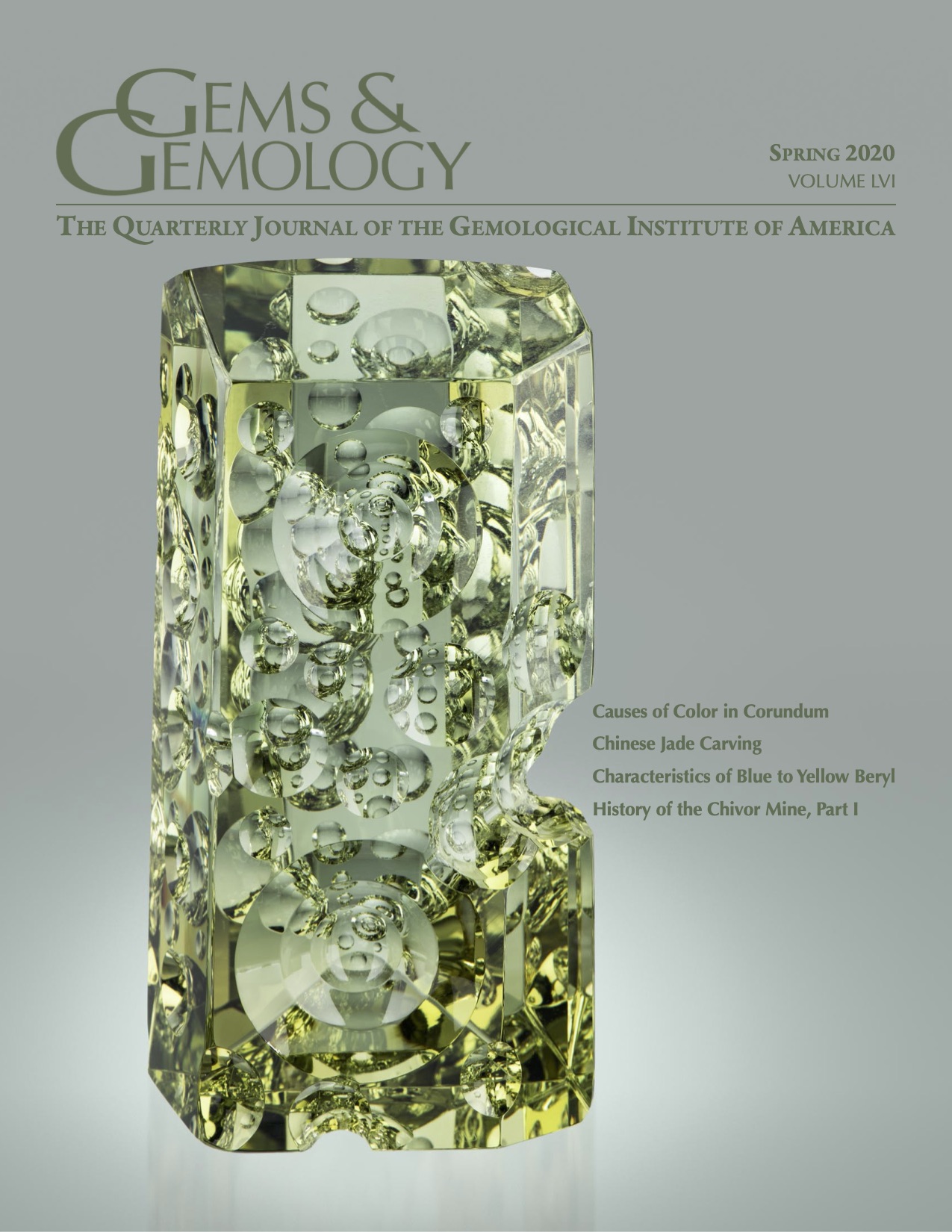
Jia, X. and Sit, M.M. (2020) Lab Notes: Bismuth glass-filled Burmese star ruby. Gems & Gemology, Vol. 56, No. 1, Spring, pp. 129–131.
Record No. 6111  |  ISBN/ISSN: 0016626X  |  Sinkankas/Born No.: NIS/NIB  |  RWHL*

Lab Notes: Corundum inclusions in gem diamonds
Journal Article
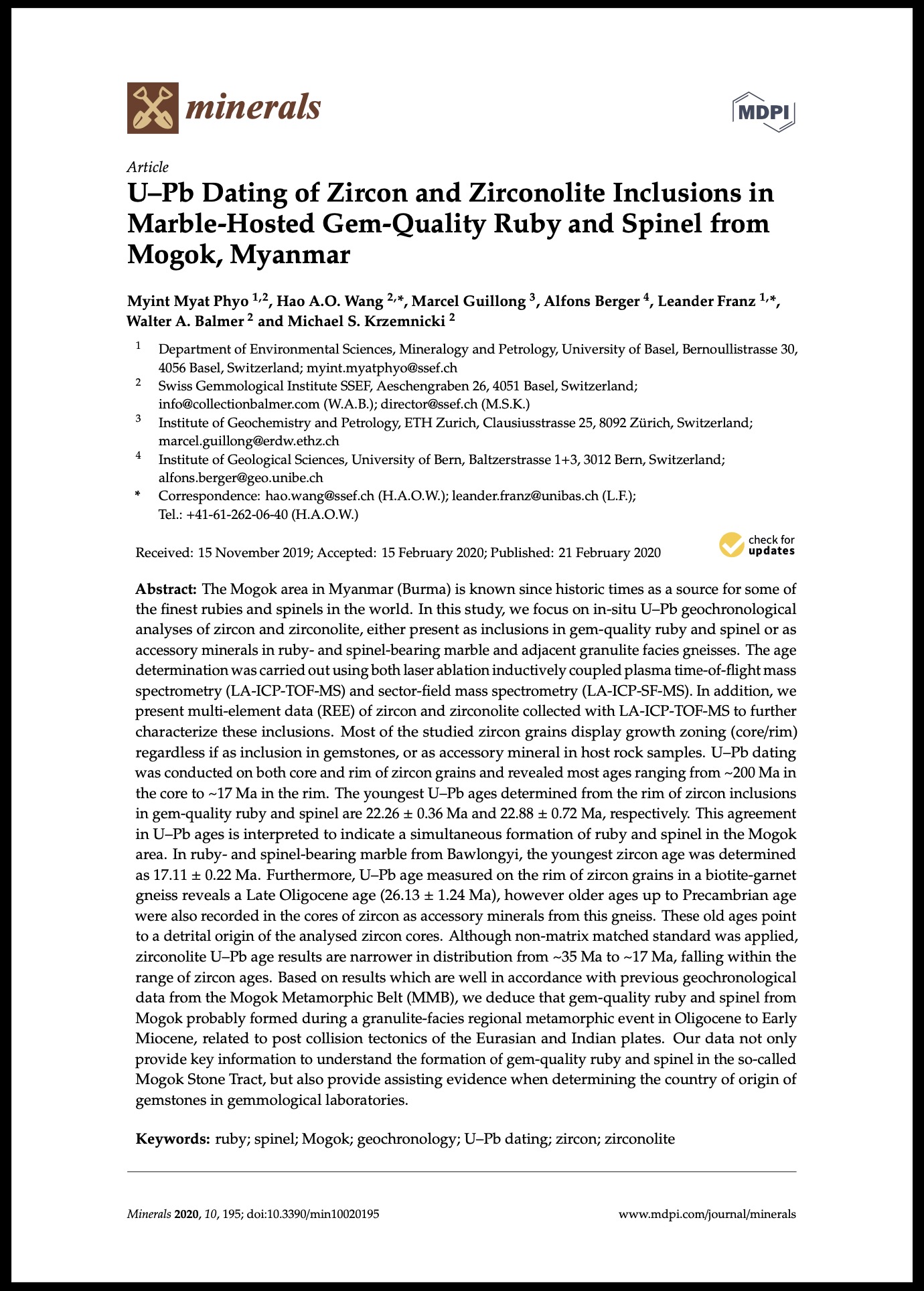
McElhenny, G., Turner, M. and Breeding, C.M. (2020) Lab Notes: Corundum inclusions in gem diamonds. Gems & Gemology, Vol. 56, No. 1, Spring, pp. 129–131.
Record No. 6110  |  ISBN/ISSN: 0016626X  |  Sinkankas/Born No.: NIS/NIB  |  RWHL*

U–Pb dating of zircon and zirconolite Inclusions in marble-hosted gem-quality ruby and spinel from Mogok, Myanmar
Journal Article
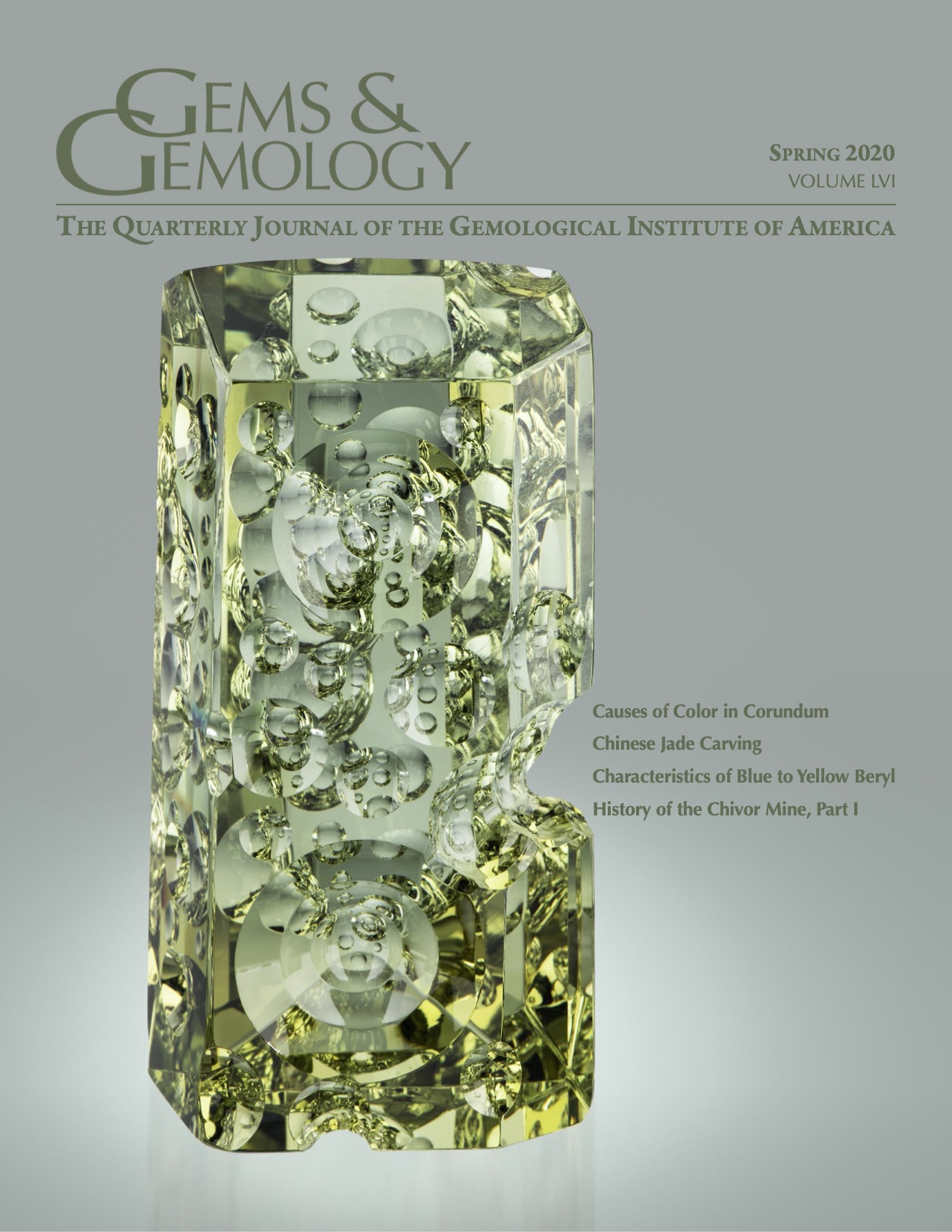
Phyo, M.M., Wang, H.A.O., Guillon, M., Berger, A., Franz, L., Balmer, W. and Krzemnicki, M.S. (2020) U–Pb dating of zircon and zirconolite Inclusions in marble-hosted gem-quality ruby and spinel from Mogok, Myanmar. Minerals, Vol. 10, No. 195, 18 pp..
Record No. 6038  |  Sinkankas/Born No.: NIS/NIB  |  RWHL*
The Mogok area in Myanmar (Burma) is known since historic times as a source for some of the finest rubies and spinels in the world. In this study, we focus on in-situ U–Pb geochronological analyses of zircon and zirconolite, either present as inclusions in gem-quality ruby and spinel or as accessory minerals in ruby- and spinel-bearing marble and adjacent granulite facies gneisses. The age determination was carried out using both laser ablation inductively coupled plasma time-of-flight mass spectrometry (LA-ICP-TOF-MS) and sector-field mass spectrometry (LA-ICP-SF-MS). In addition, we present multi-element data (REE) of zircon and zirconolite collected with LA-ICP-TOF-MS to further characterize these inclusions. Most of the studied zircon grains display growth zoning (core/rim) regardless if as inclusion in gemstones, or as accessory mineral in host rock samples. U–Pb dating was conducted on both core and rim of zircon grains and revealed most ages ranging from ~200 Ma in the core to ~17 Ma in the rim. The youngest U–Pb ages determined from the rim of zircon inclusions in gem-quality ruby and spinel are 22.26 ± 0.36 Ma and 22.88 ± 0.72 Ma, respectively. This agreement in U–Pb ages is interpreted to indicate a simultaneous formation of ruby and spinel in the Mogok area. In ruby- and spinel-bearing marble from Bawlongyi, the youngest zircon age was determined as 17.11 ± 0.22 Ma. Furthermore, U–Pb age measured on the rim of zircon grains in a biotite-garnet gneiss reveals a Late Oligocene age (26.13 ± 1.24 Ma), however older ages up to Precambrian age were also recorded in the cores of zircon as accessory minerals from this gneiss. These old ages point to a detrital origin of the analysed zircon cores. Although non-matrix matched standard was applied, zirconolite U–Pb age results are narrower in distribution from ~35 Ma to ~17 Ma, falling within the range of zircon ages. Based on results which are well in accordance with previous geochronological data from the Mogok Metamorphic Belt (MMB), we deduce that gem-quality ruby and spinel from Mogok probably formed during a granulite-facies regional metamorphic event in Oligocene to Early Miocene, related to post collision tectonics of the Eurasian and Indian plates. Our data not only provide key information to understand the formation of gem-quality ruby and spinel in the so-called Mogok Stone Tract, but also provide assisting evidence when determining the country of origin of gemstones in gemmological laboratories.

G&G Microworld: Phenomenon resembling play-of-color in sapphire
Journal Article
LeCroy, B. (2020) G&G Microworld: Phenomenon resembling play-of-color in sapphire. Gems & Gemology, Vol. 56, No. 1, Spring, pp. 143–144.
Record No. 4258  |  ISBN/ISSN: 0016626X  |  Sinkankas/Born No.: NIS/NIB  |  RWHL*
A phenomenon resembling play-of-color was seen in a 4.13 ct unheated sapphire recently examined by the author. When tilted in darkfield lighting (watch the video below), the sapphire displayed this noteworthy effect, which is most commonly seen in precious opal. It occurred within a small section of a single fine, milky cloud with an unusual shape (figure 1, left). The cloud also possessed extensive transparent graining confined within its borders, best seen in brightfield illumination (figure 1, right). Some regions of the cloud displayed an appearance of rainbow graining with spectral colors confined to the linear grain lines and looked one-dimensional. Other regions, however, expressed a soft billowy broad flash of altering colors with diffuse edges resembling play-of-color and did not follow linear grain lines (figure 2). Play-of-color in opal is defined as a display of spectral colors due to the diffraction of light as it passes through organized, submicroscopic spherical particles. It is possible that the combination of fine milky particles and abundant transparent graining within the cloud were able to diffract light in a way that resembles play-of-color.

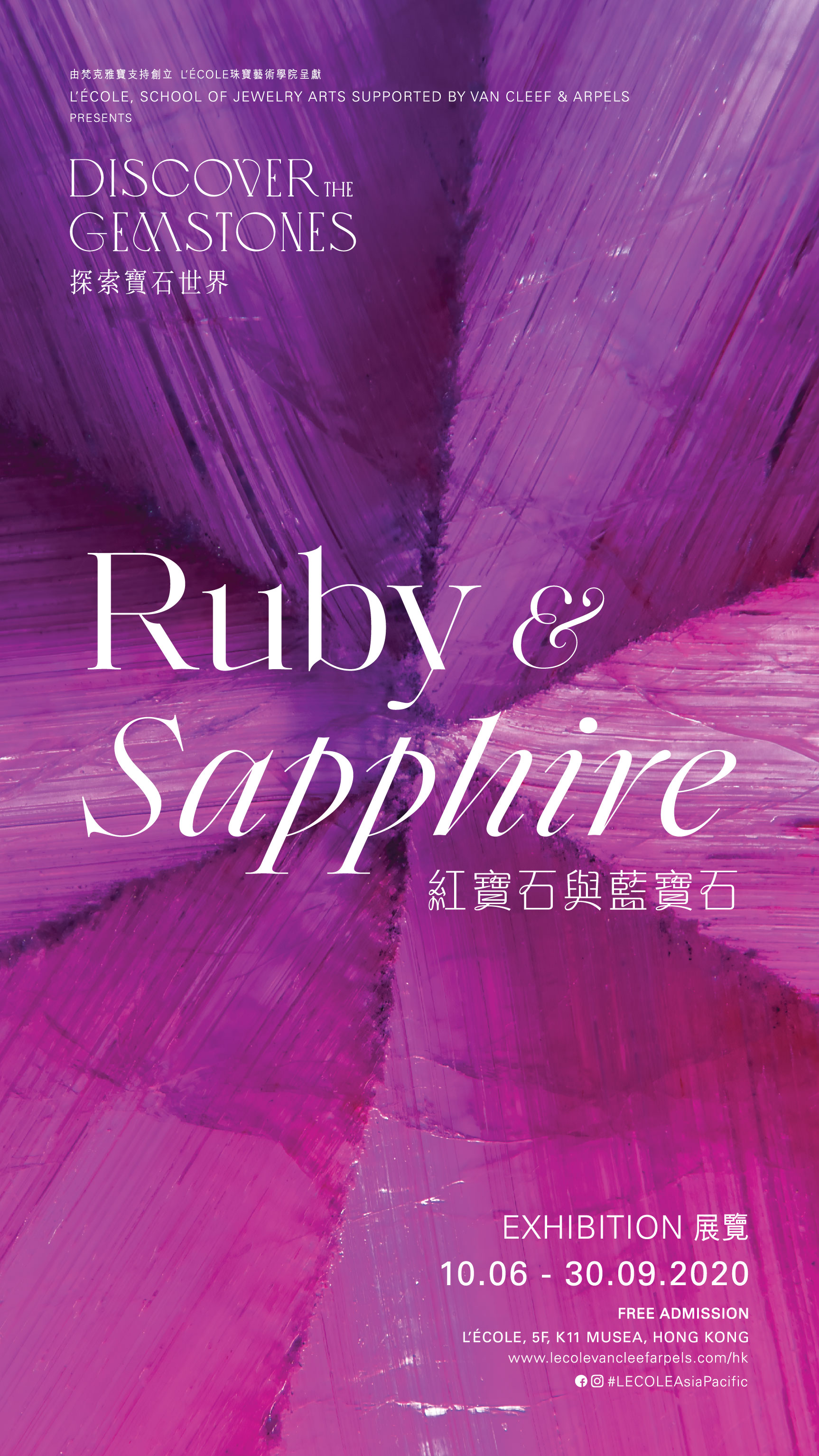
Ruby & Sapphire

Book
L’École Asia Pacific–School of Jewelry Arts (2020) Ruby & Sapphire. Hong Kong, L’École Asia Pacific–School of Jewelry Arts, 46 pp.
Record No. 4239  |  ISBN/ISSN: 9789890000000  |  Sinkankas/Born No.: NIS/NIB  |  Language: in English & traditional Chinese  |  RWHL*
Lovely catalog of an exhibition put on by L’École Asia Pacific–School of Jewelry Arts in Hong Kong. The exhibit ran from 10 June to 20 September 2020 and featured inclusion photos from Lotus Gemology’s E. Billie Hughes, Wimon Manorotkul and Richard Hughes, along with essays on various aspects of ruby and sapphire written by Olivier Segura, Capucine Juncker and Billie Hughes, Richard Hughes and Paolo Minieri. The exhibit also offered a collectable series of postcards of inclusion photos.

Emerald deposits: A review and enhanced classification
Journal Article
Giuliani, G., Groat, L., Marshall, D., Fallick, A.E. and Branquet, Y. (2019) Emerald deposits: A review and enhanced classification. Minerals, Vol. 9, No. 2: 105, February, 63 pp..
Record No. 16974  |  Sinkankas/Born No.: NIS/NIB  |  RWHL*
Although emerald deposits are relatively rare, they form in specific yet varied geological settings, and current classification models are often too restrictive, leading to confusion about the precise formation mechanisms of certain occurrences; emerald is essentially beryl containing sufficient concentrations of chromium and vanadium to produce its characteristic green hues, and its formation depends on conditions supplying both beryllium and chromium or vanadium—traditionally grouped into three types: desilicated pegmatite-related deposits formed by metasomatic fluid interaction with beryllium-rich pegmatites intruding Cr- or V-rich rocks; sedimentary deposits, responsible for much gem-quality emerald, formed by brine interaction with Cr/V-bearing sedimentary rocks along faults; and the rarer metamorphic-metasomatic deposits involving deep crustal fluids and metamorphosed shales, carbonates, and ultramafic rocks—with all three models requiring tectonic activity, which can transform one type into another through metamorphism and partial melting, thus blurring distinctions; to address the limitations, this paper proposes an enhanced classification system based on geological environment (magmatic or metamorphic), host-rock type, metamorphic grade, mineralization style, and fluid characteristics, accounting for multi-stage processes, beryllium remobilization, and using chemical, isotopic, and fluid inclusion studies to support genetic models, thereby categorizing emeralds into two main types: Type I (tectonic magmatic-related) with sub-types in (IA) mafic-ultramafic rocks (e.g. Brazil, Zambia, Russia), (IB) sedimentary rocks (e.g. China, Canada, Norway), and (IC) granitic rocks (e.g. Nigeria); and Type II (tectonic metamorphic-related) with sub-types in (IIA) mafic-ultramafic rocks (e.g. Brazil, Austria), (IIB) sedimentary rocks (e.g. Colombia, Canada, USA), (IIC) metamorphic rocks (e.g. China, Afghanistan, USA), and (IID) metamorphosed and remobilized or hidden intrusion-related deposits (e.g. Austria, Egypt, Australia, Pakistan), plus some unclassified occurrences.

Geographic origin determination of blue sapphire
Journal Article
Palke, A.C., Saeseaw, S., Renfro, N., Sun, Z. and McClure, S.F. (2019) Geographic origin determination of blue sapphire. Gems & Gemology, Vol. 55, No. 4, pp. 536–579.
Record No. 6524  |  ISBN/ISSN: 0016626X  |  DOI: https://dx.doi.org/10.5741/GEMS.55.4.536  |  Sinkankas/Born No.: NIS/NIB  |  RWHL*
Geographic origin determination, one of the most pressing issues facing modern gemological laboratories, is especially challenging for blue sapphire. Reliable origin determination requires careful analysis of a stone’s inclusions and trace element chemistry as well as spectroscopic data. Some stones have characteristic inclusion scenes or trace element chemistry that make it easy to determine their origin, but in many cases there is significant overlap for blue sapphire from distinct geographic localities. The most commonly encountered inclusions are rutile silk and particle clouds. In some stones the silk or clouds may take on a distinct appearance and the origin may be accurately determined. But in many cases the evidence presented by inclusions within a stone is ambiguous. This contribution outlines the methods and criteria used at GIA for geographic origin determination of blue sapphire.

Geographic origin determination of ruby
Journal Article
Palke, A.C., Saeseaw, S., Renfro, N., Sun, Z. and McClure, S.F. (2019) Geographic origin determination of ruby. Gems & Gemology, Vol. 55, No. 4, pp. 580–612.
Record No. 6523  |  ISBN/ISSN: 0016626X  |  DOI: https://dx.doi.org/10.5741/GEMS.55.4.580  |  Sinkankas/Born No.: NIS/NIB  |  RWHL*
Over the last several decades, geographic origin determination for fine rubies has become increasingly important in the gem trade. In the gemological laboratory, rubies are generally broken down into two groups based on their trace element chemistry: marble-hosted (low-iron) rubies and high-iron rubies. High-iron rubies are usually a straightforward identification based on their inclusions and trace element profiles. Marble-hosted rubies can be more challenging, with some deposits showing overlap in some of their inclusion scenes. But many marblehosted rubies, especially Burmese stones from Mogok and Mong Hsu, can be accurately identified based on their internal features and trace element profiles. This contribution will outline the methods and criteria used at GIA for geographic origin determination for ruby.

Geographic origin determination of emerald
Journal Article
Saeseaw, S., Renfro, N., Palke, A.C., Sun, Z. and McClure, S.F. (2019) Geographic origin determination of emerald. Gems & Gemology, Vol. 55, No. 4, pp. 614–646.
Record No. 6522  |  ISBN/ISSN: 0016626X  |  DOI: https://dx.doi.org/10.5741/GEMS.55.4.614  |  Sinkankas/Born No.: NIS/NIB  |  RWHL*
The gem trade has grown to rely on gemological laboratories to provide origin determination services for emeralds and other fine colored stones. In the laboratory, this is mostly accomplished by careful observations of inclusion characteristics, spectroscopic analysis, and trace element profile measurements by laser ablation–inductively coupled plasma–mass spectrometry (LA-ICP-MS). Inclusions and spectroscopy can often separate Colombian emeralds from other sources (although there is some overlap between Colombian, Afghan, and Chinese [Davdar] emeralds). For non-Colombian emeralds, trace element analysis by LA-ICP-MS is needed in addition to information from the stone’s inclusions. The relative chemical diversity of emeralds from worldwide deposits allows confidence in origin determination in most cases. This contribution outlines the methods and criteria used at GIA for geographic origin determination for emerald.

Geographic origin determination of alexandrite
Journal Article
Sun, Z., Palke, A.C., Muyal, J., DeGhionno, D. and McClure, S.F. (2019) Geographic origin determination of alexandrite. Gems & Gemology, Vol. 55, No. 4, pp. 660–681.
Record No. 6520  |  ISBN/ISSN: 0016626X  |  DOI: https://dx.doi.org/10.5741/GEMS.55.4.660  |  Sinkankas/Born No.: NIS/NIB  |  RWHL*
The gem and jewelry trade has come to place increasing importance on the geographic origin of alexandrite, as it can have a significant impact on value. Alexandrites from Russia and Brazil are usually more highly valued than those from other countries. In 2016, GIA began researching geographic origin of alexandrite with the intent of offering origin determination as a laboratory service. Unfortunately, collecting reliable samples with known provenance can be very difficult. Alexandrite is often recovered as a byproduct of mining for other gemstones (e.g., emerald and corundum), so it can be difficult to secure reliable parcels of samples because production is typically erratic and unpredictable. The reference materials studied here were examined thoroughly for their trace element chemistry profiles, characteristic color-change ranges under daylight-equivalent and incandescent illumination, and inclusion scenes. The data obtained so far allow us to accurately determine geographic origin for alexandrites from Russia, Brazil, Sri Lanka, Tanzania, and India. Future work may help to differentiate alexandrites from other localities.

Spinels from Sri Lanka

Journal Article
Lomthong, P., Schwarz, D., Zoysa, G., Yanyu, C. and Liu, Y. (2019) Spinels from Sri Lanka. InColor, No. 43, Summer, pp. 40–52.
Record No. 6295  |  Sinkankas/Born No.: NIS/NIB  |  RWHL*
Sri Lanka has been known for its exceptional spinels for centuries. Most of these beautiful gems are found in colors of red to purple, although some cobalt-bearing blue varieties have been discovered in a few locations. All spinel mining occurs in alluvial deposits in specific areas in the southwestern parts of the island.

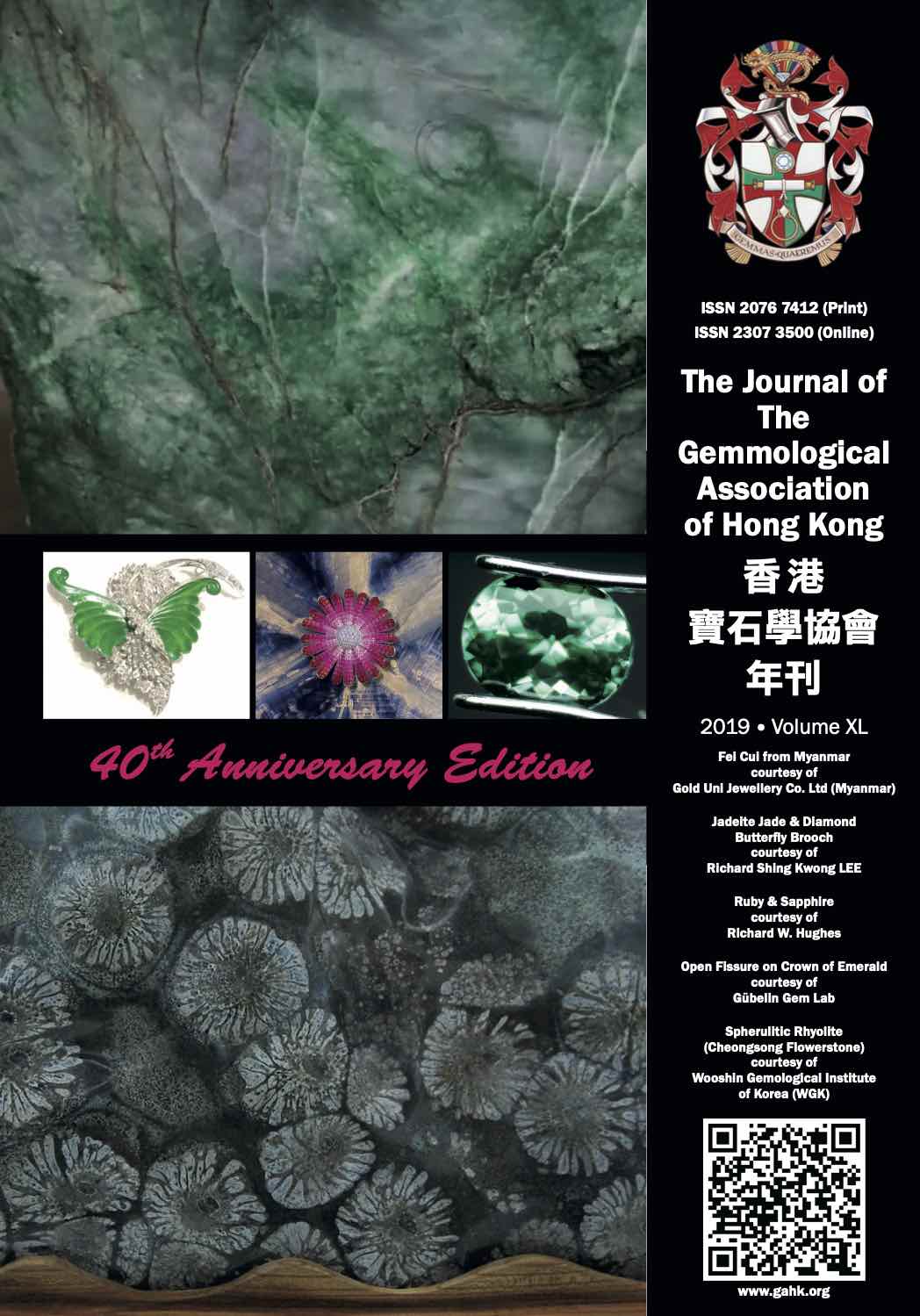
Blue diffusion-treated natural & synthetic sapphires recently available in the market
Journal Article
Pisutha-Arnond, V., Promwongnan, S., Narudeesombat, N., Ounorn, P., Leelawatanasuk, T., Sripoonjan, T., Nilhud, N. and Atichat, W. (2019) Blue diffusion-treated natural & synthetic sapphires recently available in the market. Journal of the Gemmological Association of Hong Kong, Vol. 40, pp. 87–95.
Record No. 6035  |  Sinkankas/Born No.: NIS/NIB  |  RWHL*
Since 2015, a large quantity of a new blue diffused synthetic sapphire has appeared in the Chanthaburi market. It is interesting to compare its gemmological properties with those of a blue diffused natural sapphire that came onto the market in 2012. In immersion, both types of blue diffused sapphires showed the “spiders’ web effect” — a cut-related colouration pattern — and rather high titanium content on the surface of the samples, both effects being diagnostic evidence of Ti-diffusion treatment. The synthetic test stone, however, also displayed strong chalky blue fluorescence to SWUV radiation (also in the DiamondView™), the presence of curved bands, minute particles or gas bubbles under a microscope, very low Ga contents, and no Fe³⁺-related absorption peaks on the UV–Vis spectra. In contrast, the natural one showed the occurrence of tension discs, altered solid inclusions and altered fingerprints, often with colour concentration along healed fractures, cavities seen under the microscope, significant Ga content, and some Fe³⁺-related absorption peaks on the UV–Vis spectra. The thickness of the blue colour rim of the diffused natural stone was apparently much thicker than that of the diffused synthetic one. The reason is that it is the penetration depth of titanium that controls the colour rim thickness of the natural stone, while it is the penetration depth of iron that controls that of the synthetic one. Because of the difference in colour rim thickness and the repolishing process, the “spiders’ web effect” in the natural stone is less pronounced, while that in the synthetic one is more obvious. The formation of the blue colour rim and multi-element diffusion found in both synthetic and natural sapphires are also discussed here.

Mineral inclusions in ruby and sapphire from the Bo Welu gem deposit in Chanthaburi, Thailand
Journal Article
Promwongnan, S. and Sutthirat, C. (2019) Mineral inclusions in ruby and sapphire from the Bo Welu gem deposit in Chanthaburi, Thailand. Gems & Gemology, Vol. 55, No. 3, Fall, pp. 354–369.
Record No. 6024  |  ISBN/ISSN: 0016626X  |  DOI: https://dx.doi.org/10.5741/GEMS.55.3.354  |  Sinkankas/Born No.: NIS/NIB  |  RWHL*
The mineral inclusions of alluvial ruby and sapphire from the Bo Welu gem deposit in Thailand’s Chanthaburi Province were collected and investigated. This deposit is directly related to a basaltic terrain. Raman spectroscopy and electron probe micro-analyzer (EPMA) measurements allow the identification of mineral inclusions of pyrope-rich garnet, sillimanite, high-Al diopside, sapphirine, nepheline, quartz, feldspar (mostly plagioclase), spinel, sulfide, anhydrite, and silicate melts in ruby and purple sapphire. Zircon, alkali feldspar (mostly with high Na content), monazite, columbite, and sulfide were identified in blue sapphire. This study represents the first report of several inclusions in ruby and sapphire from this gem deposit.The mineral inclusions of alluvial ruby and sapphire from the Bo Welu gem deposit in Thailand’s Chanthaburi Province were collected and investigated. This deposit is directly related to a basaltic terrain. Raman spectroscopy and electron probe micro-analyzer (EPMA) measurements allow the identification of mineral inclusions of pyrope-rich garnet, sillimanite, high-Al diopside, sapphirine, nepheline, quartz, feldspar (mostly plagioclase), spinel, sulfide, anhydrite, and silicate melts in ruby and purple sapphire. Zircon, alkali feldspar (mostly with high Na content), monazite, columbite, and sulfide were identified in blue sapphire. This study represents the first report of several inclusions in ruby and sapphire from this gem deposit.

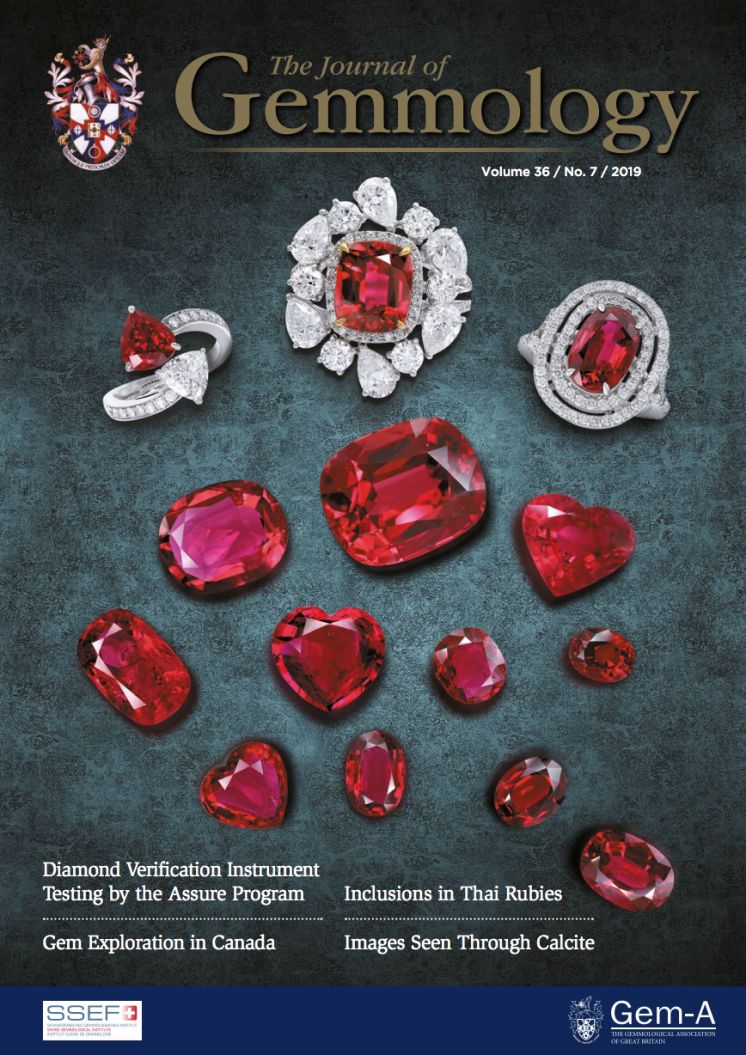
An update on mineral inclusions and their composition in ruby from the Bo Rai gem field in Trat Province, eastern Thailand

Journal Article
Promwongnan, S. and Sutthirat, C. (2019) An update on mineral inclusions and their composition in ruby from the Bo Rai gem field in Trat Province, eastern Thailand. Journal of Gemmology, Vol. 36, No. 7, pp. 634–645.
Record No. 6013  |  ISBN/ISSN: 221252  |  Sinkankas/Born No.: NIS/NIB  |  RWHL*
The Bo Rai alluvial gem field in Trat Province, eastern Thailand, was a major mining site for Thai ruby during the early 1980s, and this material continues to circulate in the gem market worldwide. For this study, approximately 1,000 Bo Rai ruby samples were examined and pre-screened for mineral inclusions. The rough stones usually formed platy, waterworn, tabular crystals with etched or resorbed surfaces. UV-Vis-NIR spectroscopy indicated a relatively high Fe content, which was confirmed by trace-element analysis. Solid inclusions typically consisted of Al-rich pyroxene, plagioclase and pyrope with subordinate sillimanite and spinel (both of which are reported here for the first time), as well as sulphides and silicate melt inclusions. The inclusion assemblage of pyroxene, plagioclase, pyrope and spinel closely resembles the mineralogy of mafic granulite xenoliths in alkali basalt associated with the Bo Rai gem field, which supports ruby formation in mafic granulite prior to being transported to the earth’s surface via basaltic eruptions.

Exploring the Literature of Gemstone Inclusions

The literature of gemstone inclusions covers identification, origin determination, treatments, synthesis, mineral inclusions, fluid inclusions and other internal features of natural and synthetic gems.

For a curated selection of important sources, read Inclusions in Gemstones — Hyperion Literature Sources.

About Four Treasures

Four Treasures is Lotus Gemology's freely accessible gemological reference database. Use the full database to search by author, title or keyword and explore literature on gemology, mineralogy, jewelry and related fields. Where available, hyperlinks on titles may lead directly to the full publication.

Search the Complete Four Treasures Database