Jade Bibliography

Jade Bibliography

Explore books, articles and historical sources on jade in Four Treasures, the Lotus Gemology reference database. This bibliography brings together matching records from the collection, with publication details, abstracts and cover images where available.

Jade References

The list below matches the terms jade, jadeite, nephrite or Fei Cui in the database's searchable fields. Some references discuss these materials as part of a broader subject.
221–240 of 3,779 matching references

Boom or bust in China’s jade trade with Myanmar?
Book Section
Møller, H.K. (2017) Boom or bust in China’s jade trade with Myanmar? In: Gilded Age: A Year of Chinese Labour, Civil Society, and Rights, Made in China Yearbook 2017, no city: Australian National University Press, pp. 182–185.
Record No. 4046  |  Sinkankas/Born No.: NIS/NIB  |  RWHL*

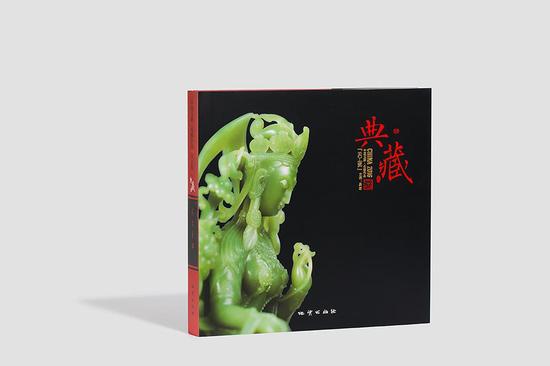
Classic Collections of 2016 China Jade Carving & Stone Carving Works Awarded with Tian Gong Prize

2016中国玉雕·石雕作品天工奖"典藏集"
Edited Book
Ao, Y., editor (2017) Classic Collections of 2016 China Jade Carving & Stone Carving Works Awarded with Tian Gong Prize. [2016中国玉雕·石雕作品天工奖"典藏集"]. Beijing, 中国地质大学出版社 [China University of Geosciences Press], 340 pp..
Record No. 3931  |  ISBN/ISSN: 9787120000000  |  Sinkankas/Born No.: NIS/NIB  |  Language: in Chinese  |  RWHL*
This catalogue documents the works selected for the 2016 China Jade Carving and Stone Carving “Tian Gong Award,” providing an extensive visual survey of contemporary Chinese jade and stone carving. Richly illustrated in color, it presents prize-winning and selected works fashioned from jade and a variety of other gem and ornamental materials, encompassing traditional figures, animals, landscapes, religious and mythological subjects, vessels, and more contemporary designs. The works demonstrate the importance placed on material quality, craftsmanship, composition, and the imaginative use of natural color, texture, skin, and irregularities in the rough. As an annual record of the Tian Gong competition, the volume documents notable artists and workshops and provides a useful overview of materials, techniques, tastes, and stylistic developments in Chinese jade and stone carving during 2016.

Boom or bust in China’s jade trade with Myanmar?
Journal Article
Møller, H.K. (2017) Boom or bust in China’s jade trade with Myanmar? Made in China: A Quarterly on Chinese Labour, Civil Society, and Rights, Vol. 2, No. 4, pp. 52–56.
Record No. 3722  |  Sinkankas/Born No.: NIS/NIB  |  RWHL*

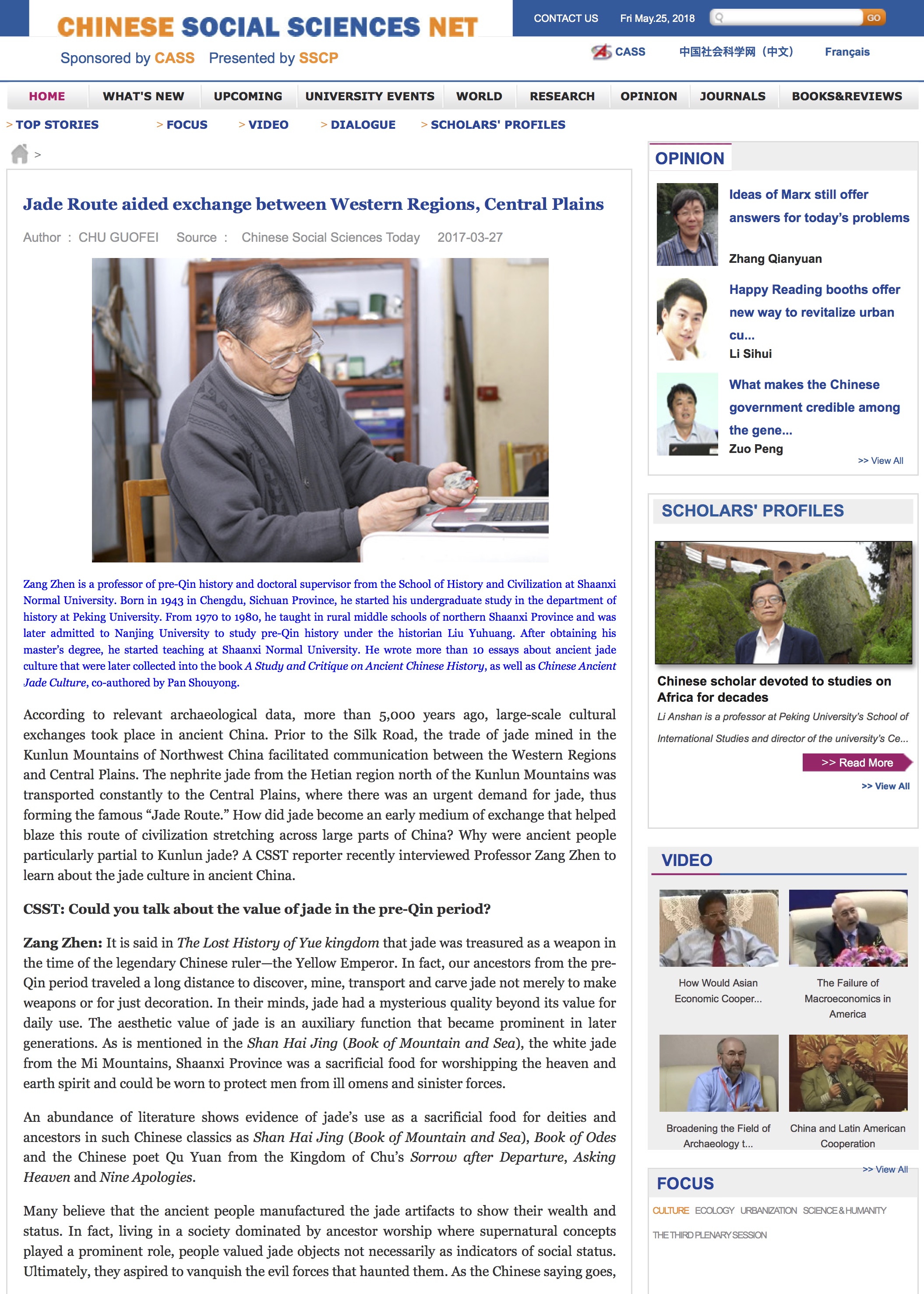
Jade route aided exchange between western regions, central plains
Web Page
Chu, G. (2017) Jade route aided exchange between western regions, central plains. China Social Sciences Today, <https://english.cssn.cn/dialogue/201703/t20170327_3467339.shtml>
Record No. 3646  |  Sinkankas/Born No.: NIS/NIB  |  RWHL*
Zang Zhen is a professor of pre-Qin history and doctoral supervisor from the School of History and Civilization at Shaanxi Normal University. Born in 1943 in Chengdu, Sichuan Province, he started his undergraduate study in the department of history at Peking University. From 1970 to 1980, he taught in rural middle schools of northern Shaanxi Province and was later admitted to Nanjing University to study pre-Qin history under the historian Liu Yuhuang. After obtaining his master’s degree, he started teaching at Shaanxi Normal University. He wrote more than 10 essays about ancient jade culture that were later collected into the book A Study and Critique on Ancient Chinese History, as well as Chinese Ancient Jade Culture, co-authored by Pan Shouyong.

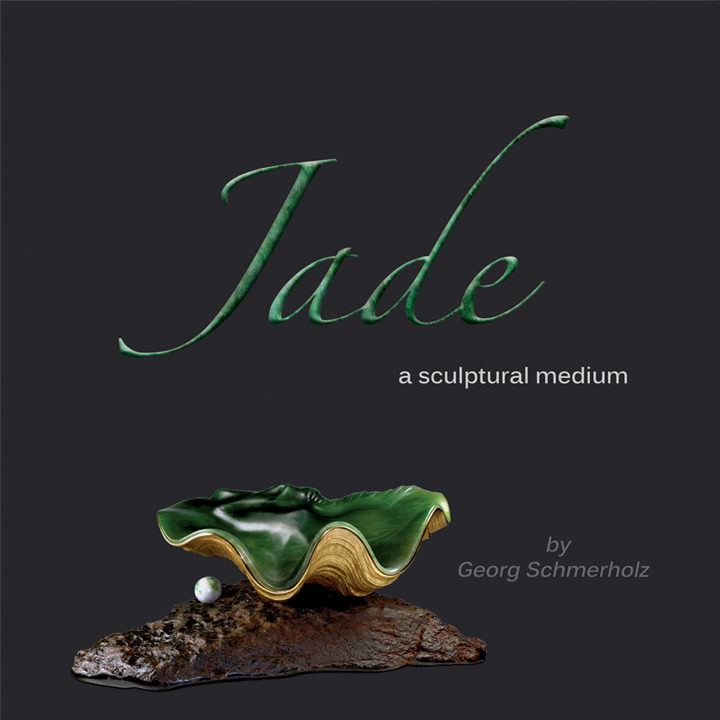
Jade: A Sculptural Medium

Book
Schmerholz, G. (2017) Jade: A Sculptural Medium. Somerset, CA, Georg Schmerholz, 80 pp.
Record No. 3603  |  ISBN/ISSN: 9780690000000  |  Sinkankas/Born No.: NIS/NIB  |  RWHL*

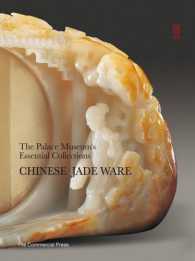
Chinese Jade Ware

Edited Book
Palace Museum, editor (2017) Chinese Jade Ware.. Hong Kong, The Commercial Press, 299 pp..
Record No. 3583  |  Sinkankas/Born No.: NIS/NIB  |  RWHL*
Selected 260 pieces of Chinese jade ware from different cultures, periods and dynasties. The Palace Museum, the Forbidden City, has a comprehensive collection of the world’s largest treasury of ancient Chinese art. The Museum is an abundant resource for anyone who is interested in Chinese painting, ceramic ware, jade ware, calligraphy, furniture, and other valuable treasures. This title offers descriptions, in chronological order, of a selected collection of 260 pieces of jade ware from different cultures, periods, and dynasties collected by the Palace Museum. The usage and history of jade objects are introduced in addition to a brief description of the design and motifs, hoping that it can help readers to have a basic understanding of the jade collection in the Palace Museum and the development of jade ware in China.

Mesoamerican Color Survey Digital Archive
Book Section
Jameson, K.A., Benjamin, N.A., Chang, S.M., Deshpande, P.S., Gago, S., Harris, I.G., Yang, J. and Tauber, S. (2016) Mesoamerican Color Survey Digital Archive. In: Encyclopedia of Color Science and Technology, New York: Springer, 2 Vols., pp. 909–921.
Record No. 28964  |  ISBN/ISSN: 9781440000000  |  Sinkankas/Born No.: NIS/NIB  |  RWHL*
Surveys of color preference were among the earliest psychological experiments. Researchers have suggested that factors such as age, gender, and geographic region all influence color preference. While many studies have examined differences associated with age and gender, relatively few have focused on geographic variation, particularly from a cross-cultural perspective. Early surveys revealed notable cultural differences, especially in Asia, where white was strongly preferred by Japanese, Koreans, Chinese, and Indonesians. More recent studies, however, have consistently found blue to be the preferred color in many countries over many years. This widespread preference has been termed the “Blue-Seven Phenomenon,” referring to Simon’s finding that participants tended to choose “blue” when asked to name a color and “seven” when asked to select a number between zero and nine. The phenomenon has since been investigated extensively across many cultures. In general, the associations underlying color preferences, and the reasons people give for liking or disliking particular colors, are closely linked to feelings of pleasantness and unpleasantness. Cognitive research suggests that the amygdala plays an important role in these emotional responses, indicating that such feelings are fundamental to color preference. Based on numerous surveys, researchers have proposed a three-layer model of color preference in which feelings of pleasantness and unpleasantness form the central core, individual factors comprise the second layer, and environmental influences make up the outermost layer.

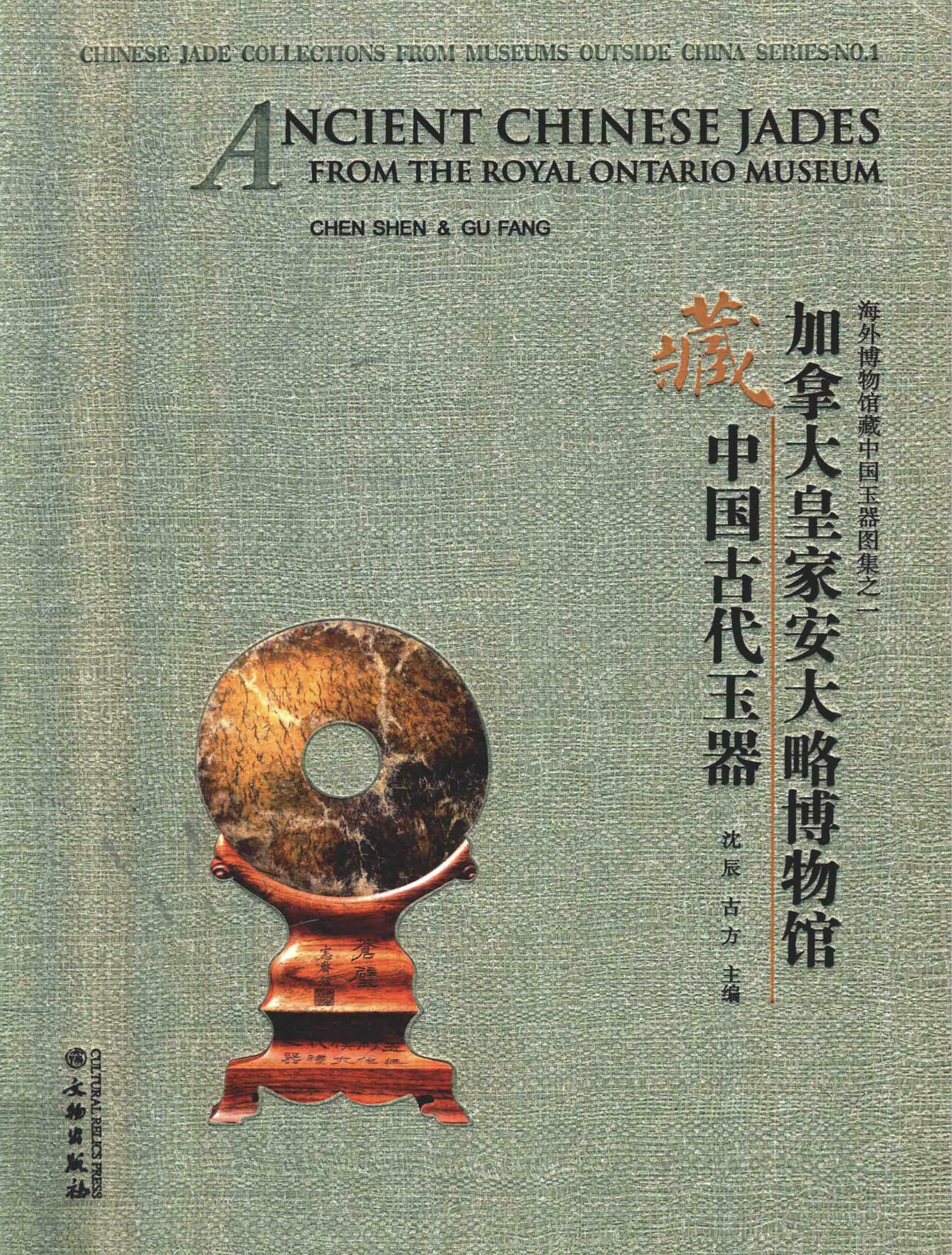
Comparative (cross-cultural) color preference and its structure
Book Section
Saito, M. (2016) Comparative (cross-cultural) color preference and its structure. In: Encyclopedia of Color Science and Technology, New York: Springer, 2 Vols., pp. 514–520.
Record No. 28963  |  ISBN/ISSN: 9781440000000  |  Sinkankas/Born No.: NIS/NIB  |  RWHL*
Surveys of color preference were among the earliest psychological experiments. Researchers have suggested that factors such as age, gender, and geographic region all influence color preference. While many studies have examined differences associated with age and gender, relatively few have focused on geographic variation, particularly from a cross-cultural perspective. Early surveys revealed notable cultural differences, especially in Asia, where white was strongly preferred by Japanese, Koreans, Chinese, and Indonesians. More recent studies, however, have consistently found blue to be the preferred color in many countries over many years. This widespread preference has been termed the “Blue-Seven Phenomenon,” referring to Simon’s finding that participants tended to choose “blue” when asked to name a color and “seven” when asked to select a number between zero and nine. The phenomenon has since been investigated extensively across many cultures. In general, the associations underlying color preferences, and the reasons people give for liking or disliking particular colors, are closely linked to feelings of pleasantness and unpleasantness. Cognitive research suggests that the amygdala plays an important role in these emotional responses, indicating that such feelings are fundamental to color preference. Based on numerous surveys, researchers have proposed a three-layer model of color preference in which feelings of pleasantness and unpleasantness form the central core, individual factors comprise the second layer, and environmental influences make up the outermost layer.

Ancient Chinese Jades from the Royal Ontario Museum
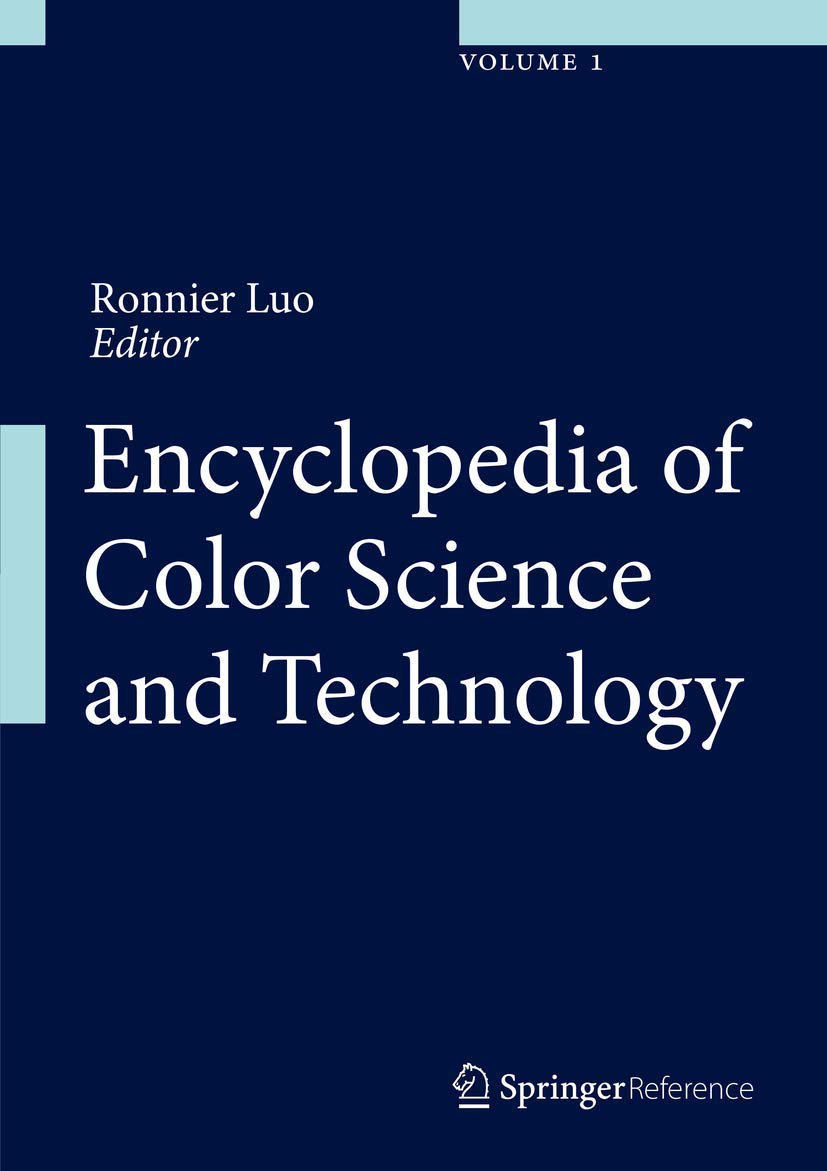
加拿大皇家安大略博物馆藏中国古代玉器(海外博物馆藏中国玉器图集
Book
Chen, S. and Gu, F. (2016) Ancient Chinese Jades from the Royal Ontario Museum. [加拿大皇家安大略博物馆藏中国古代玉器(海外博物馆藏中国玉器图集] Beijing, Cultural Relics Press [文物出版社], 391 pp.
Record No. 28783  |  ISBN/ISSN: 9787500000000  |  Sinkankas/Born No.: NIS/NIB  |  Language: in Chinese and English  |  RWHL*
When the Royal Ontario Museum opened to the public in March 1914, its new and shiny glass, on cherry-wood display cases of Chinese artworks already contained a few dozen Chinese jades. The ROM has been collecting jades in Canada for more than 100 years. In 1908, the ROM received its first jade artifact: a brush-pen washer in the form of a lotus leaf (Figure 1). In 2012 the ROM received its most recent acquisition of jade, a bi originally in Wu Dacheng’s collection (see below), which came into the ROM’s collection as a gift from Mr. Bernard Rasch. Today the ROM houses more than 1400 objects of jade. Although the museum’s database shows 1458 records of jade objects, the precise number is not possible to calculate for the following reasons: (1) a number of records refer to pieces that should belong to a single object as components (i.e. lids, panel attachments, hat pendants); (2) there are fragments in records which may belong to existing objects; (3) there are a few dozen jades that are associated with costumes in the Textiles and Fashions collection that are not part of our jade collection records. Nevertheless, the approximately 1400 jade objects represent one of the largest jade collections in a museum outside of China. All of these, except a few duplicate fragments as well as costume adornments and screen panel attachments, are published here in this volume; 361 pieces are described in detail with 291 full images, while 991 pieces in the remaining list at the back of the book have thumbnail images for complete reference.

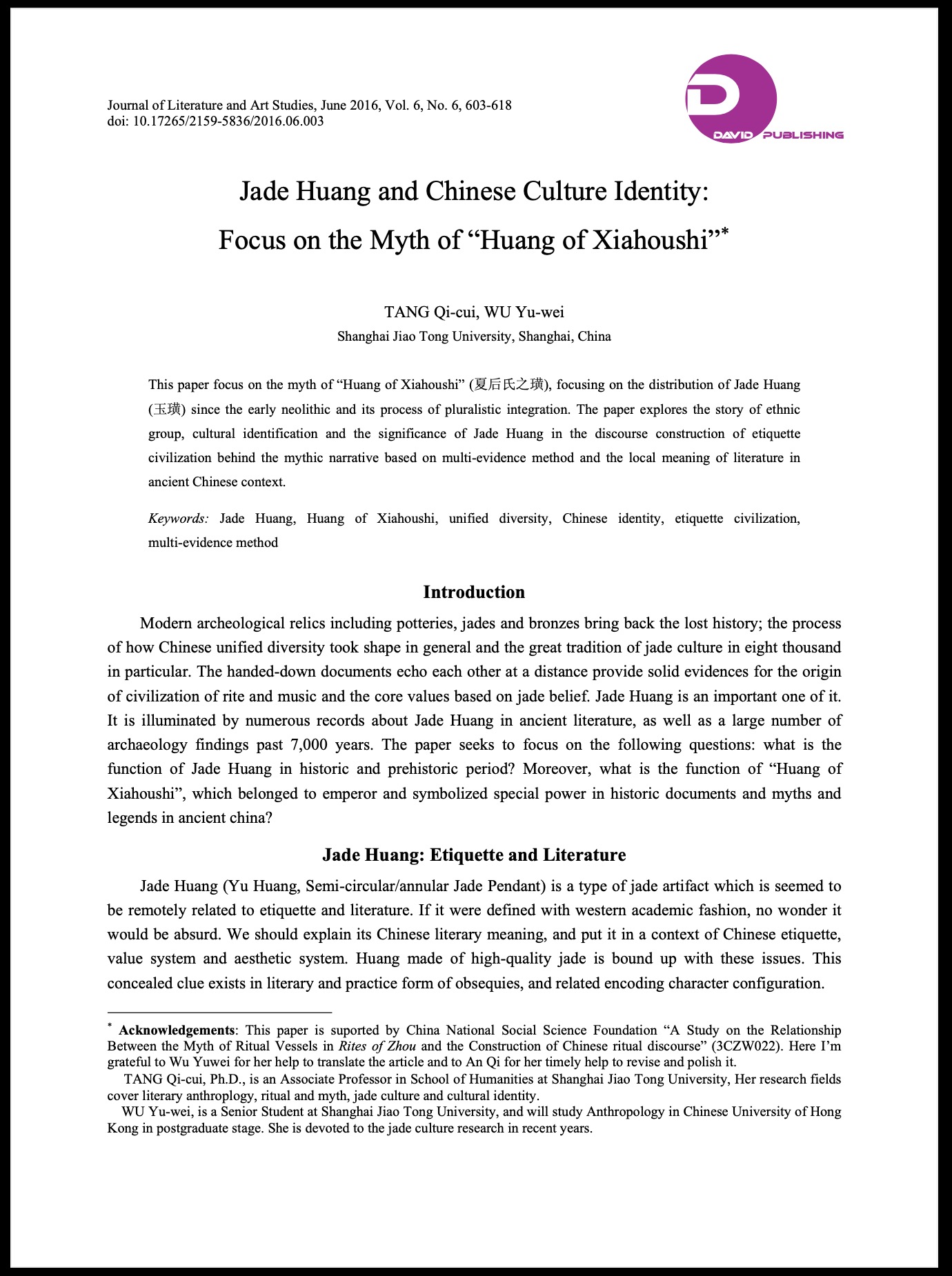
Encyclopedia of Color Science and Technology
Edited Book
Luo, M.R., editor (2016) Encyclopedia of Color Science and Technology.. New York, Springer, 2 Vols., 1284 pp..
Record No. 16387  |  ISBN/ISSN: 9781440000000  |  Sinkankas/Born No.: NIS/NIB  |  RWHL*
Collates work from such fields as optics, imaging, color chemistry, industrial color, coating technologies, and color physics. Serves as an interdisciplinary reference, linking fundamental concepts of color science to applications of color. Discusses recent technological advances of color science and technology and speculates on the future of color. Assembles for the first time in one centralized work the broad interdisciplinary field of color science and technology

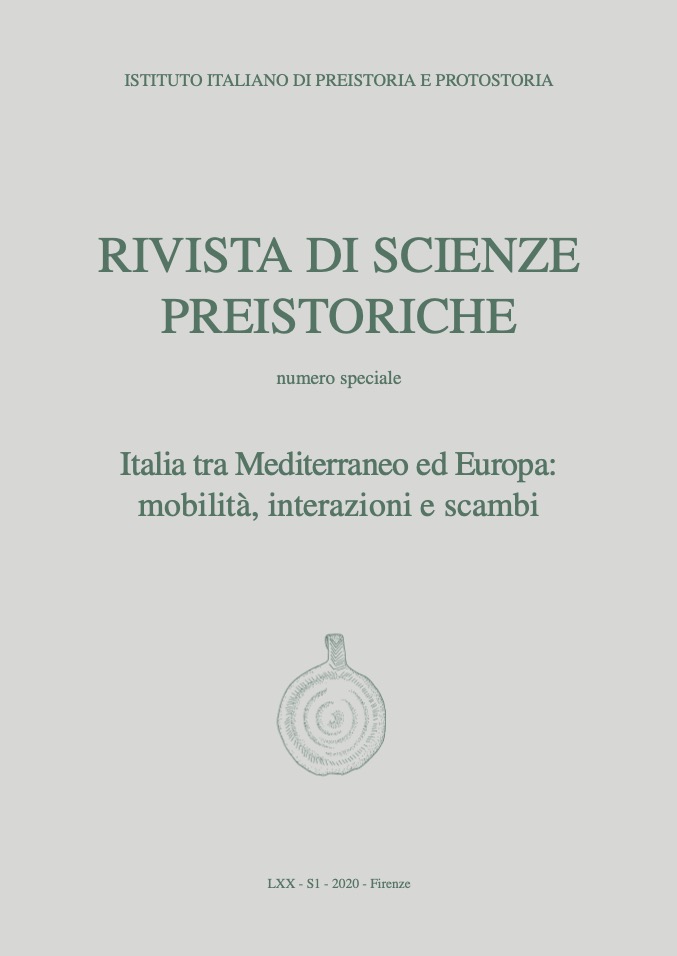
Jade huang and Chinese cultural identity: Focus on the myth of “Huang of Xiahoushi”
Journal Article
Tang, Q.-c. and Wu, Y.-w. (2016) Jade huang and Chinese cultural identity: Focus on the myth of “Huang of Xiahoushi”. Journal of Literature and Art Studies, Vol. 6, No. 6, pp. 603–618.
Record No. 7919  |  Sinkankas/Born No.: NIS/NIB  |  RWHL*
This paper focus on the myth of “Huang of Xiahoushi” (夏后氏之璜), focusing on the distribution of Jade Huang (玉璜) since the early neolithic and its process of pluralistic integration. The paper explores the story of ethnic group, cultural identification and the significance of Jade Huang in the discourse construction of etiquette civilization behind the mythic narrative based on multi-evidence method and the local meaning of literature in ancient Chinese context.

Alpine jades in the European neolithic
Journal Article
Pétrequin, P., Pétrequin, A.-M., Sheridan, A., Cassen, S., Gauthier, E. and Errera, M. (2016) Alpine jades in the European neolithic. Rivista di Scienze Prehistoriche, Vol. 70, No. S1, pp. 99–107.
Record No. 7905  |  Sinkankas/Born No.: NIS/NIB  |  RWHL*
Alpine jades in the European Neolithic – The ANR-funded programmes JADE 1 (2007-2011) and JADE 2 (2013-2017) investigated the production and the extraordinary diffusion of axeheads (large and small) made of Alpine jades on a Europe-wide scale. The phenomenon began during the middle of the sixth millennium BC and ended over the course of the third millennium BC. The precious jades (jadeitite, omphacitite and fine-grained eclogite) were exploited at high altitude as well as among the torrent cones of the two Italian Alpine massifs, Mont Viso and Mont Beigua. Two technical traditions of shaping roughouts—one involving percussion, the other sawing—supplied networks of contacts that were orientated in different directions. The products travelled over much of Europe, with a few reaching central Europe and the Balkans as far as the Black Sea, moving along routes and at distances up to 1800 km as the crow flies. The authors set out here to explore the complexity of the networks over which the axeheads travelled and to attempt to account for the causes of this spatially extensive phenomenon that endured for nearly three millennia. The importance of elites’ social imagination is the best way to understand the religious systems that were in play: these systems determined that only powerful individuals were allowed to handle large Alpine axeheads, depositing them in hoards consecrated to the gods. This explanation accounts for the major phase of Alpine axehead movement that began around 4700 BC with the flow of axeheads towards Brittany and which ended around 3800–3600 BC with the arrival of axeheads in Germany, Britain and Ireland. Our hypothesis thus stands in stark contrast with the commonly-held (and unsubstantiated) view of some geologists that Alpine axeheads were made from flat cobbles taken from torrent beds and that they moved, as ordinary prestige goods, in a ‘down-the-line’ fashion. Our hypothesis offers a new perspective on Neolithic societies in western Europe, seeing them as inegalitarian in nature, with epicentres in Brittany and the Paris Basin. These two regions had a mythology that featured jade axeheads as being male symbols.

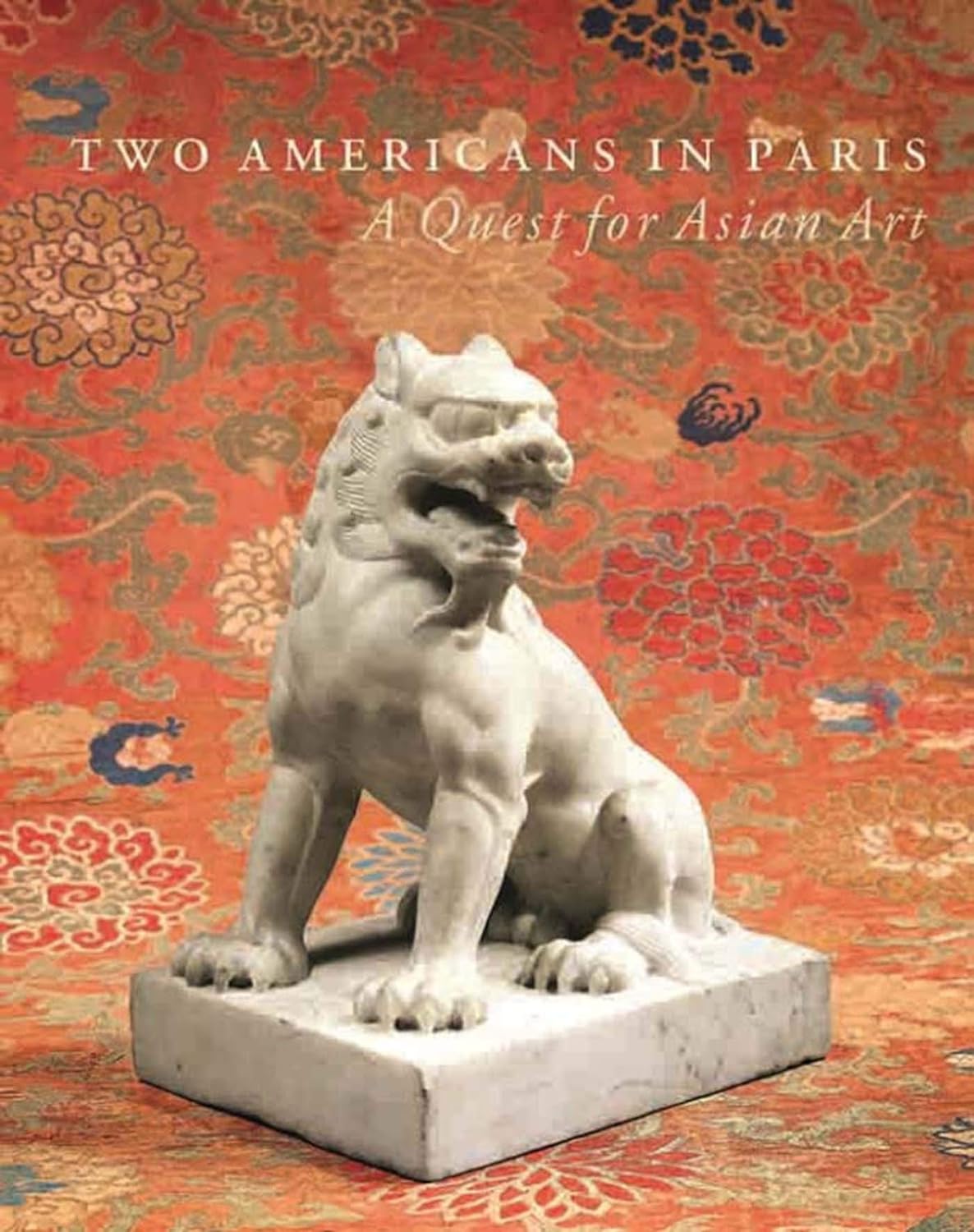
Two Americans in Paris: A Quest for Asian Art
Edited Book
Desroches, J.-P., editor (2016) Two Americans in Paris: A Quest for Asian Art.. Paris, Lienart, 280 pp..
Record No. 6945  |  ISBN/ISSN: 9782360000000  |  Sinkankas/Born No.: NIS/NIB  |  RWHL*
Sam and Myrna Myers are two Americans who fell in love with Paris in the mid-60s and decided to move there. Over five decades they amassed more than 5000 works of art, offering a very personal vision of the world of Asian art, coherent and well documented. Four principal areas are revealed. The first is an impressive series of archaic jades, followed by significant Buddhist works from Asia, then a remarkable collection of blue and white porcelain, and finally an ensemble of costumes from Central Asia to Japan. These four groups constitute the natural breakdown of this Radiant Stones - Icons and Textiles - An Ocean of Porcelain - Costumes and Customs. This collection brings together beautiful objects made of seductive and noble jade, silk and porcelain, the essential materials of Asian art.

My Own Private Circus: Jade Carvings from the Collection of Kevin Ching
Book
Ching, K. (2016) My Own Private Circus: Jade Carvings from the Collection of Kevin Ching. Hong Kong, Colham Printing (unpaginated).
Record No. 6661  |  ISBN/ISSN: 9789890000000  |  Sinkankas/Born No.: NIS/NIB  |  Language: in Chinese and English  |  RWHL*
Ching presents the personal collection Hong Kong collector Kevin Ching, of Chinese jade carvings assembled around the playful theme of a “private circus.” The bilingual catalogue emphasizes works depicting animals, performers, amusing figures, and other lively or whimsical subjects, reflecting the collector’s individual taste rather than attempting a comprehensive historical survey of jade. The carvings demonstrate the imagination of Chinese lapidaries in exploiting the natural shape, color, texture, and markings of the stone to create expressive miniature sculptures. Through carefully selected objects and illustrations, the collection highlights humor, movement, personality, and visual invention in jade carving, while offering an unusually personal approach to collecting and appreciating Chinese jade. Comes in a slipcase textured to resemble the surface of rough jade. Extremely rare.

Standard Methods for Testing Fei Cui for Hong Kong
Edited Book
Gemmological Association of Hong Kong, editor (2016) Standard Methods for Testing Fei Cui for Hong Kong.. Hong Kong, Gemmological Association of Hong Kong, unpaginated (~46 pp.).
Record No. 6508  |  Sinkankas/Born No.: NIS/NIB  |  RWHL*
Manual describing how fei cui should be tested in Hong Kong.

Gottfried Lindauer’s New Zealand • The Maori Portraits
Edited Book
Mason, N. and Stanhope, Z., editor (2016) Gottfried Lindauer’s New Zealand • The Maori Portraits.. Auckland, Auckland University Press, 284 pp.. reprinted 2017.
Record No. 6265  |  ISBN/ISSN: 9781870000000  |  Sinkankas/Born No.: NIS/NIB  |  RWHL*
From the 1870s to the early twentieth century, the Bohemian immigrant artist Gottfried Lindauer travelled to marae and rural towns around New Zealand and – commissioned by Maori and Pakeha – captured in paint the images of key Maori figures. For Maori then and now, the faces of tupuna are full of mana and life. Now this definitive book on Lindauer’s portraits of the ancestors collects that work for New Zealanders. The book presents 67 major portraits and 8 genre paintings alongside detailed accounts of the subject and work, followed by essays by leading scholars that take us inside Lindauer and his world: from his artistic training in Bohemia to his travels around New Zealand as Maori and Pakeha commissioned him to paint portraits; his artistic techniques and deep relationship with photography; Henry Partridge’s gallery of Lindauer works on Queen Street in Auckland where Maori visited to see their ancestors; and the afterlife of the paintings in marae and memory. Published in association with Auckland Art Gallery Toi o Tamaki. For collectors, this book was printed with four different dust jackets.

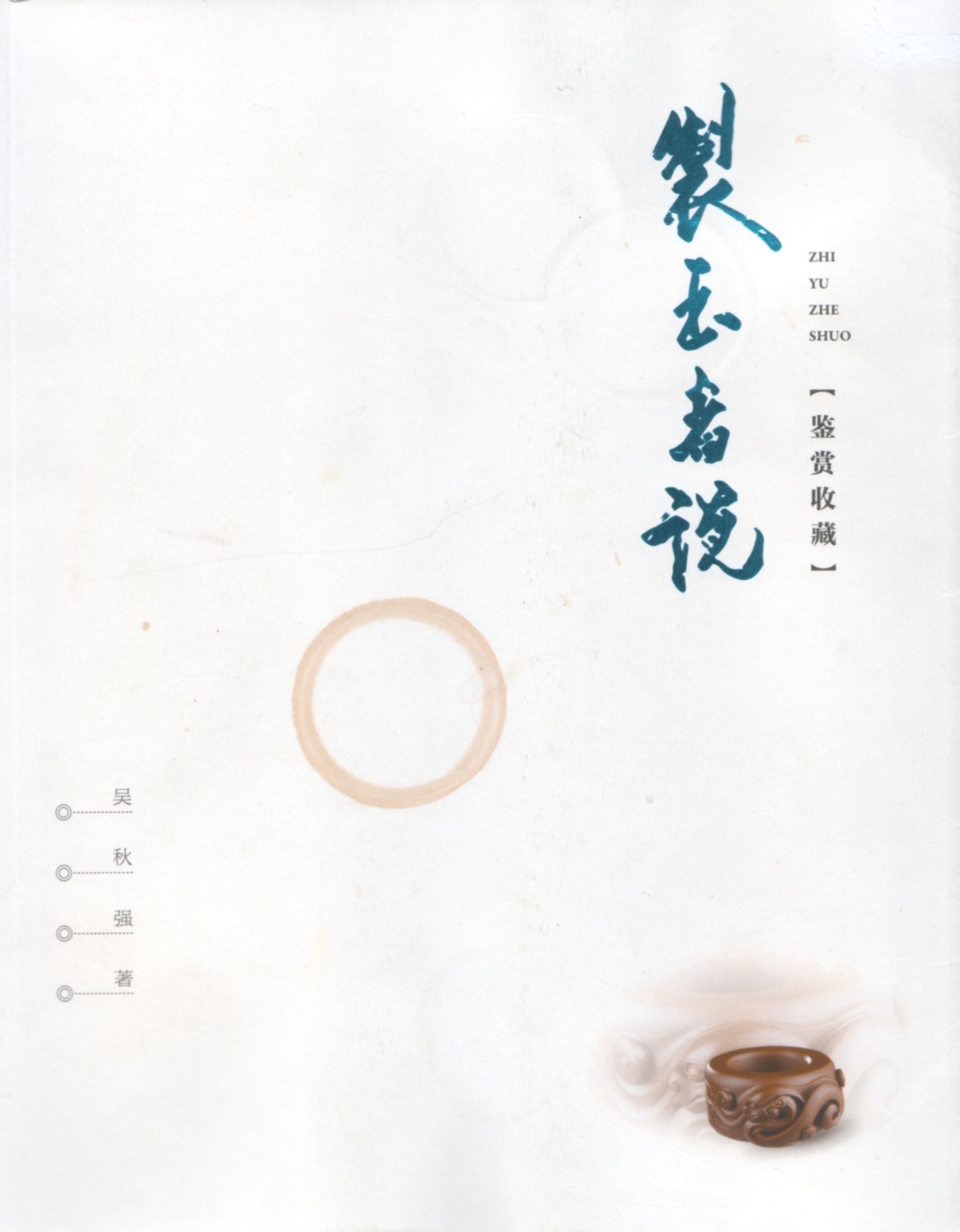
Zhi Yu Zhe Shuo

Book
author unknown (2016) Zhi Yu Zhe Shuo., 213 pp.
Record No. 5862  |  Sinkankas/Born No.: NIS/NIB  |  RWHL*

Aroche (Huelva, Andalucía): A new Neolithic axehead of Alpine jade in the southwest of the Iberian Peninsula
Journal Article
Dominguez-Bella, S., Cassen, S., Pétroquin, P., Přichystal, A.n., Martínez, J., Ramos, J. and Medina, N. (2016) Aroche (Huelva, Andalucía): A new Neolithic axehead of Alpine jade in the southwest of the Iberian Peninsula. Archaeological and Anthropological Sciences, Vol. 8, No. 1, March, pp. 205–222.
Record No. 5827  |  Sinkankas/Born No.: NIS/NIB  |  RWHL*
The discovery of a Neolithic Alpine jade axehead in Aroche, in the southwest of Spain, revives the question of long-distance exchange between the Iberian Peninsula and the rest of Europe. This polished blade belongs to a typological model quite characteristic of Alpine production during the second half of the 5th millennium B.C. Different mineralogical approaches (macroscopic features examination, specific gravity, direct XRD, non-destructive μXRF spectroscopy, optical stereomicroscopy, magnetic susceptibility determination and microprobe analysis) have identified the rock as an omphacitic jadeitite (mixed jade) with some tiny garnets and a weak retromorphosis. This analysis and the comparison of the rock structure with the referential JADE of Alpine natural jade samples, as well as the extraction modalities and shaping of the axe, provide strong arguments to assign the Aroche axe to a production of Mont Viso: the origin of thousands of axes that circulated in Europe between Ireland and Sicily. The Aroche axe, discovered not far from the variscite mines of Encinasola, could be considered as part of a possible exchange system between the Iberian Peninsula and the Gulf of Morbihan, in Brittany.

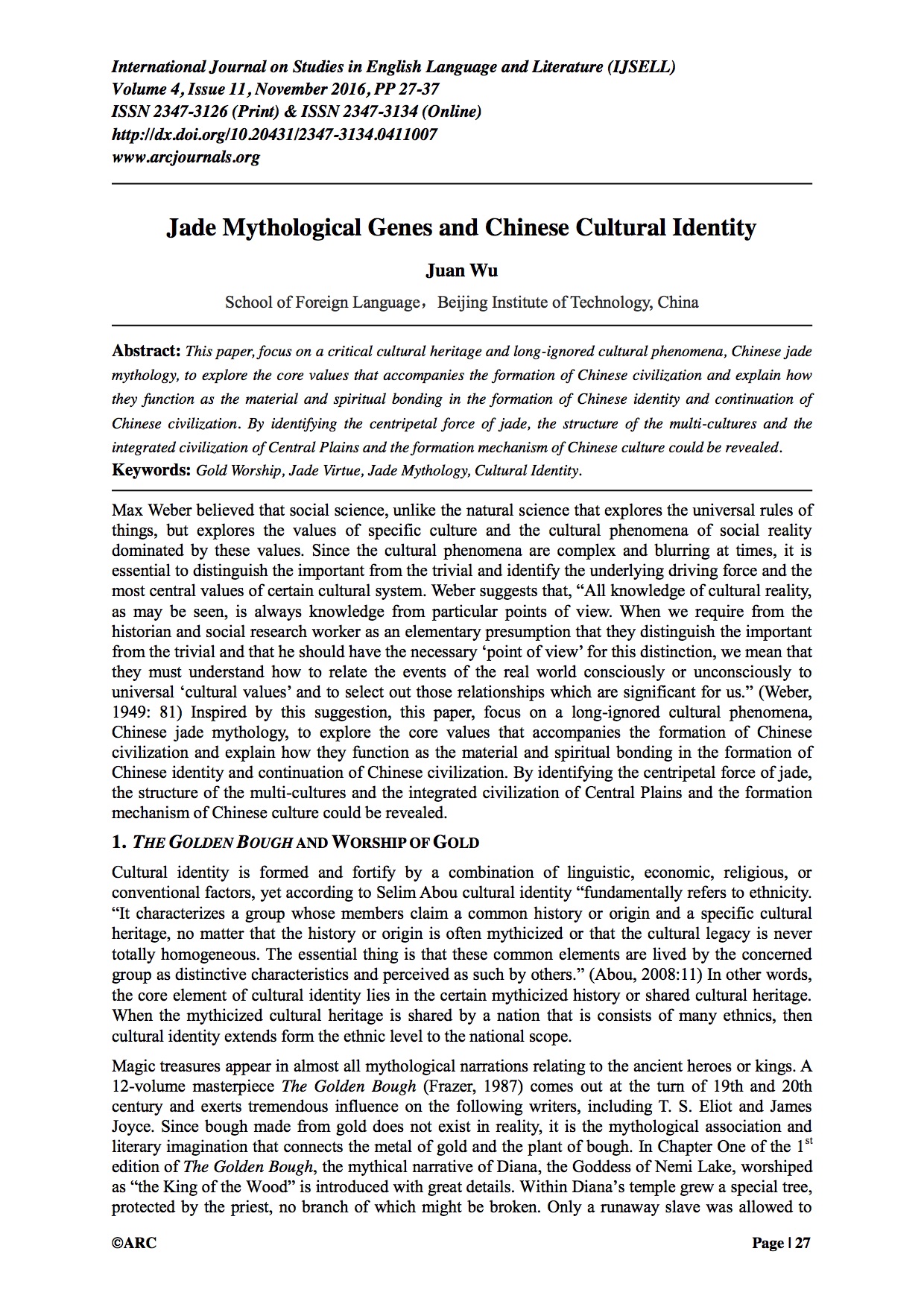
Jade mythological genes and Chinese cultural identity
Journal Article
Wu, J. (2016) Jade mythological genes and Chinese cultural identity. International Journal on Studies in English Language and Literature, Vol. 4, No. 11, November, pp. 27–37.
Record No. 5808  |  Sinkankas/Born No.: NIS/NIB  |  RWHL*
This paper, focus on a critical cultural heritage and long-ignored cultural phenomena, Chinese jade mythology, to explore the core values that accompanies the formation of Chinese civilization and explain how they function as the material and spiritual bonding in the formation of Chinese identity and continuation of Chinese civilization. By identifying the centripetal force of jade, the structure of the multi-cultures and the integrated civilization of Central Plains and the formation mechanism of Chinese culture could be revealed.

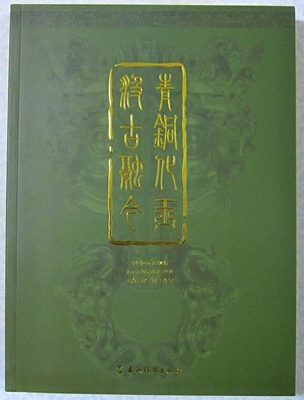
Bronzification of Jade: Drawing from the Past, Blending with the Present

青铜化玉汲古融今
Edited Book
Huang, Y., Qin, L., Chinese Garden Museum and Jade Rhyme Spring and Autumn Jade Carving Studio, editor (2016) Bronzification of Jade: Drawing from the Past, Blending with the Present. [青铜化玉汲古融今], 五洲传播出版社 [Wuzhou Communication Press], 163 pp..
Record No. 5714  |  ISBN/ISSN: 9787510000000  |  Sinkankas/Born No.: NIS/NIB  |  RWHL*

Exploring the Literature of Jade

Jade literature spans gemology, mineralogy, archaeology, art history, mining, carving and connoisseurship, and includes works on both jadeite and nephrite from around the world.

For an introduction to collecting books on this subject, read Hidden Treasure — Collecting the Literature of Jade.

About Four Treasures

Four Treasures is Lotus Gemology's freely accessible gemological reference database. Use the full database to search by author, title or keyword and explore literature on gemology, mineralogy, jewelry and related fields. Where available, hyperlinks on titles may lead directly to the full publication.

Search the Complete Four Treasures Database