Jade Bibliography

Jade Bibliography

Explore books, articles and historical sources on jade in Four Treasures, the Lotus Gemology reference database. This bibliography brings together matching records from the collection, with publication details, abstracts and cover images where available.

Jade References

The list below matches the terms jade, jadeite, nephrite or Fei Cui in the database's searchable fields. Some references discuss these materials as part of a broader subject.
201–220 of 3,779 matching references

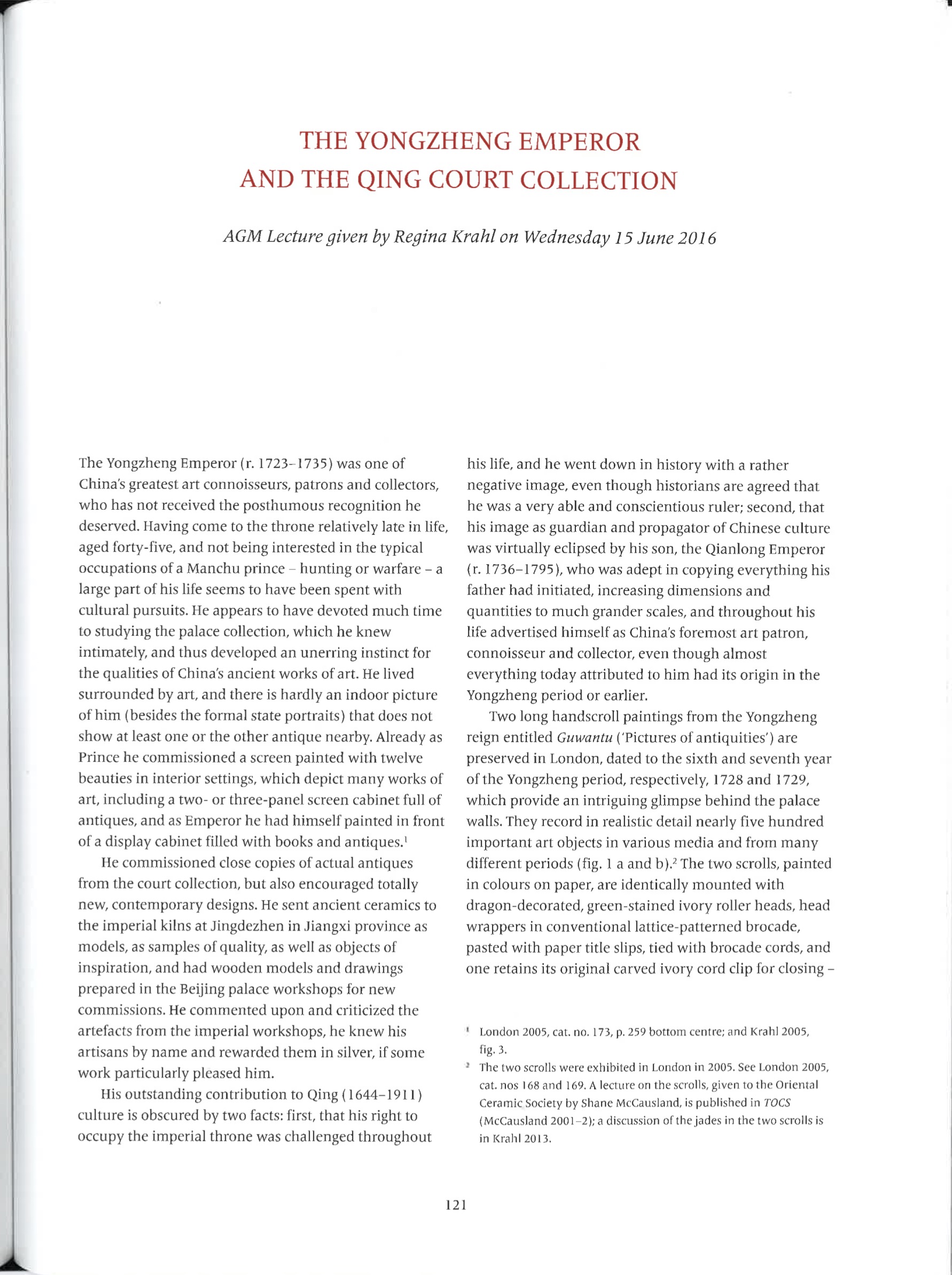
The Yongzheng emperor and the Qing court collection
Journal Article
Krahl, R. (2017) The Yongzheng emperor and the Qing court collection. Transactions of the Oriental Ceramic Society, Vol. 80 • 2015–16, pp. 121–137.
Record No. 6614  |  Sinkankas/Born No.: NIS/NIB  |  RWHL*

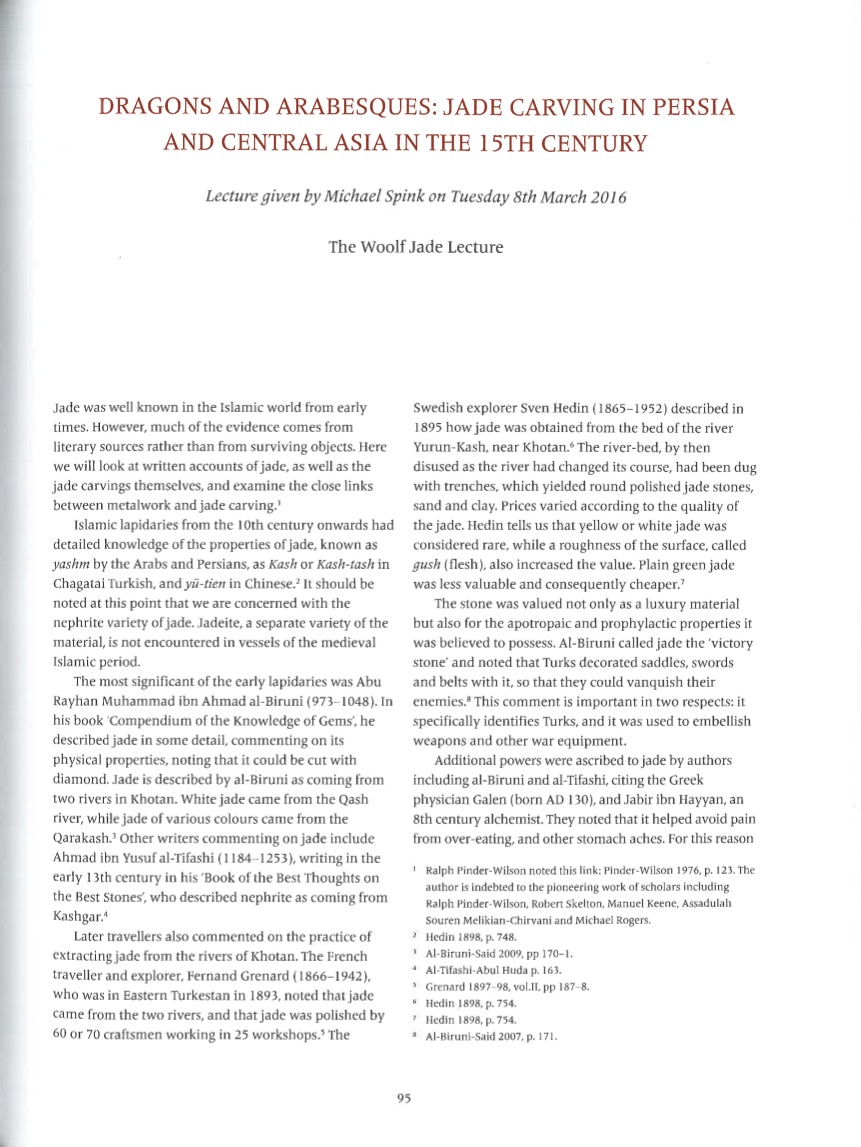
Dragons and Arabesques: Jade carving in Persia and Central Asia in the 15th century
Journal Article
Spink, M. (2017) Dragons and Arabesques: Jade carving in Persia and Central Asia in the 15th century. Transactions of the Oriental Ceramic Society, Vol. 80 • 2015–16, pp. 95–110.
Record No. 6613  |  Sinkankas/Born No.: NIS/NIB  |  RWHL*
Examines jade carving in fifteenth-century Persia and Central Asia, emphasizing its princely ownership and the protective and medicinal powers attributed to the stone. Contemporary records illuminate jade’s circulation through trade, diplomatic gifts and tribute to China. Timurid vessels, including tankards with dragon-headed handles, and jade sword fittings illustrate its use as a prestigious material within Islamic court culture.

Gem deposits of Myanmar

Book Section
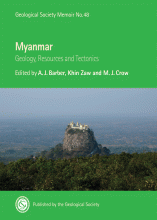
Kyaw Tu and Khin Zaw (2017) Gem deposits of Myanmar. In: Myanmar: Geology, Resources and Tectonics, Geological Society, London, Memoirs, London: Geological Society, Vol. 48 , pp. 497–529.
Record No. 6134  |  Sinkankas/Born No.: NIS/NIB  |  RWHL*
The aim of this chapter is to review the locations, mineralogy and briefly the origins of the major gem deposits in Myanmar. Myanmar is fortunate in containing world-class gem deposits, such as the finest pigeon's-blood-coloured ruby from the Mogok Stone Tract in Mandalay Division, the Mong Hsu ruby deposit in Shan State and imperial coloured jadeite jade from Kachin State (Fig. 23.1). For the purposes of description the gemstone deposits in Myanmar are classified into: (1) primary hard-rock deposits in which the gemstones are hosted in the rocks in which they were crystallized or in their weathered products; and (2) secondary deposits in which the gemstones have been weathered out of their original (primary) host rock, transported and deposited as placer deposits in alluvial sediments. Examples of the primary-type gems are ruby in marble (Mogok, Mong Hsu and Sagyin), sapphire in syenite pegmatite, syenite and nepheline syenite (Mogok) and jadeite in serpentinized peridotite (Tawmaw). Other precious gemstones from primary deposits include spinel in marble (Mogok), peridot in dunite/peridotite (Mogok), topaz, aquamarine, tourmaline, quartz, etc. in pegmatite (Mogok, Mong Hsu and Momeik) and kyanite in quartzite (Moehnyin). Rare gemstones are often found in primary gem deposits in the Mogok Stone Tract and include johachidolite and hackmanite from pegmatites, painite from leucogranite and skarn, pollucite, petalite, phenakite, pezzottaite, monazite, danburite, jeremejevite and hambergite from pegmatites in the Momeik area.

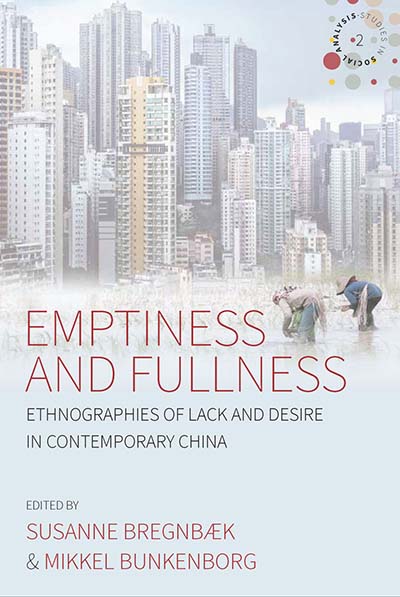
The potentials of feicui: Indeterminacy and determination in human-jade interactions in south-west China
Book Section
Møller, H.K. (2017) The potentials of feicui: Indeterminacy and determination in human-jade interactions in south-west China. In: Emptiness and Fullness: Ethnographies of Lack and Desire in Contemporary China: Berghan, pp. 104–117.
Record No. 5945  |  ISBN/ISSN: 978179000000  |  Sinkankas/Born No.: NIS/NIB  |  RWHL*
Based on fieldwork among jade traders and carvers in Ruili, this chapter discusses the realization of economic and spiritual potentials of a type of jade called feicui 翡翠 as determination of a partially indeterminate material. Some traders posit feicui as an empty container for economic value, while the material constitutes spiritual fullness especially for carvers. An opaque layer of surface skin constitutes feicui as partially indeterminate by hiding its content. This invites investments of labor, meaning, and value that necessitate intimate human interactions with feicui in determining and realizing its economic and spiritual potentials. Exploring how its material properties configure the determination of feicui, the chapter adds a post-anthropocentric perspective to a structuralist analysis of human-jade interactions as mutually constitutive of both entities.

Identification of Nephrite

和田玉辨假
Book
Feng, X. and Shen, M. (2017) Identification of Nephrite. [和田玉辨假], Cultural Development Press, 192 pp.
Record No. 5860  |  ISBN/ISSN: 9787510000000  |  Sinkankas/Born No.: NIS/NIB  |  Language: in Chinese  |  RWHL*
This book is mainly from the perspective of discriminating from the perspective of a simple explanation of Hetian jade and Hetian jade similar jade, imitation of the identification characteristics of Hetian jade optimization and Hetian jade true and false identification. The overall structure of this book is: The first chapter briefly introduces the definition and color classification of Hetian jade; the second chapter focuses on the visual identification of Hetian jade and similar products and the detection of conventional instruments; the third chapter mainly introduces Hetian jade and imitation products. Differences; the fourth chapter mainly describes the role of large-scale instruments in the identification of Hetian jade and similar products and imitation products; Chapter 5 mainly introduces Hetian jade's identification characteristics and the differences between the authentic and fake materials; The optimization and processing of Hetian jade and the identification characteristics of Hetian jade are described. The seventh chapter briefly summarizes the main quality evaluation elements of Hetian jade in the market. Finally, he introduces the main instruments and equipment needed for Hetian jade to identify the false process. The main content of this book is the work experience and research results accumulated by the author for years in the detection and research work of jewellery jade jewelry. At the same time, it also refers to relevant literature materials, and it has its own in terms of professionalism, knowledge, and readability. The characteristics and advantages are that collectors can learn from Hetian jade, and they really have no choice but to recognize fake knowledge.

Japanese jadeite: History, characteristics, and comparison with other sources
Journal Article
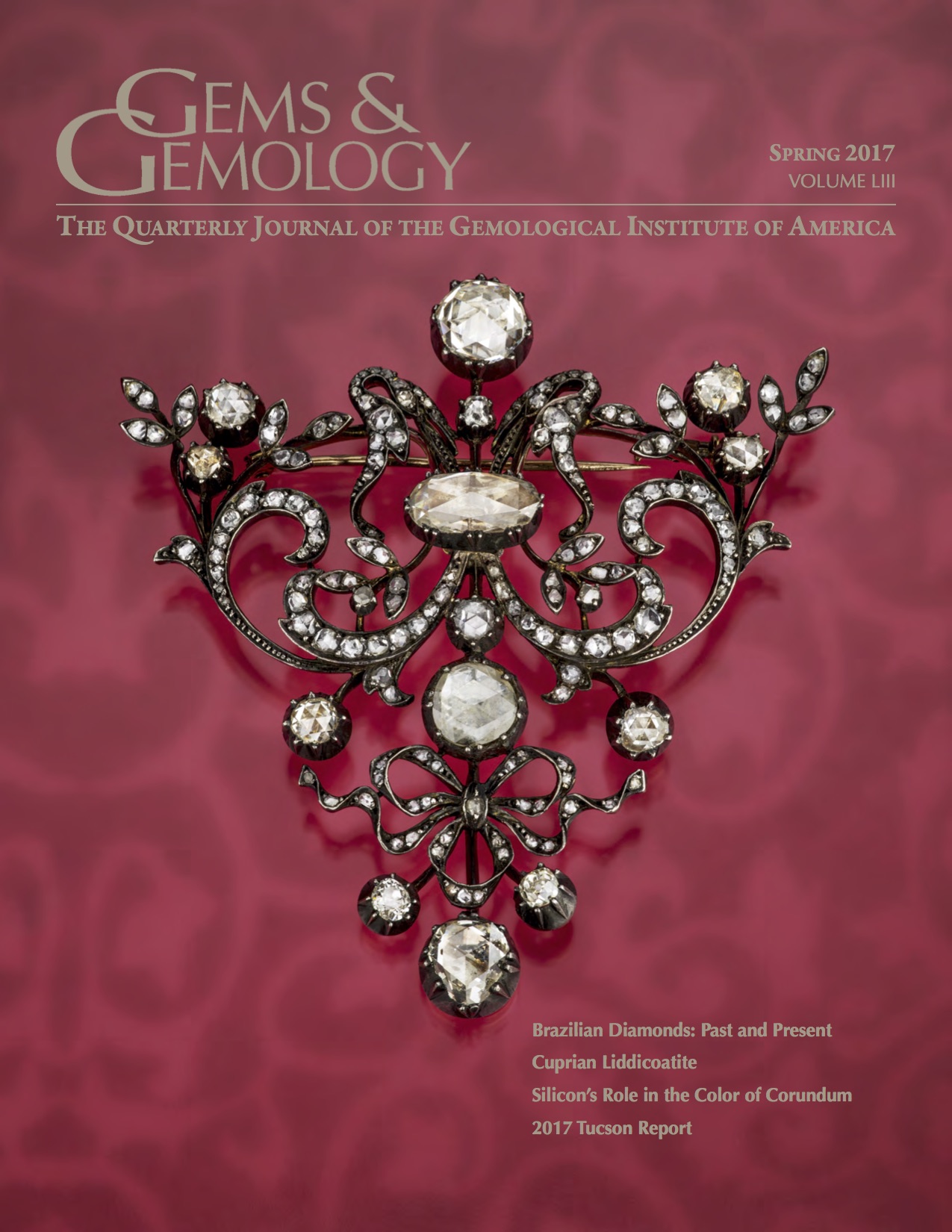
Abduriyim, A., Saruwatari, K. and Katsurada, Y. (2017) Japanese jadeite: History, characteristics, and comparison with other sources. Gems & Gemology, Vol. 53, No. 1, Spring, pp. 48–67.
Record No. 5749  |  ISBN/ISSN: 0016626X  |  Sinkankas/Born No.: NIS/NIB  |  RWHL*
Even though Japanese jadeite lacks the transparency of the highest-quality Burmese imperial jadeite, its rarity and natural features make it a highly valued gemstone. In this study, jadeite from the Itoigawa and Ōmi regions in Niigata Prefecture and the Wakasa region in Tottori Prefecture, both on Japan’s western coast, were divided into several color varieties corresponding to chromophores and mineral phases: white (nearly pure jadeite), green (Fe-rich, Cr-bearing), lavender (Ti-bearing), blue (Ti- and Fe-bearing), and black (graphite-bearing). White jadeite from Itoigawa–Ōmi was close to pure jadeite (Xⱼd = 98, or 98% jadeite composition). Green jadeite from the same location had an Xⱼd range from 98 to 82. The maximum CaO content in green jadeite was 5 wt.%, and its chromophores were Fe and Cr. Whereas lavender samples had a jadeite composition of Xⱼd = 98 to 93 and tended to be high in TiO₂ and FeOₜₒₜ and low in MnO content, blue jadeite showed the highest TiO₂ concentration at 0.65 wt.% and had an Xⱼd range of 97 to 93. A blue jadeite from Wakasa had a range of 97 to 91 and a similarly high TiO₂ concentration. In trace-element analysis, chondrite-normalized and primitive mantle–normalized patterns in lavender, violetish blue, and blue jadeite from Japan showed higher large-ion lithophile element contents (Sr, Ba) and higher field strength element contents (Zr, Nb) than those in green jadeite, while white and black jadeite had relatively low REE contents. The Japanese jadeites were compared to samples from Myanmar, Guatemala, and Russia.

Provenance classification of nephrite jades using multivariate LIBS: A comparative study
Journal Article
Yu, J., Hou, Z., Sheta, S., Dong, J., Han, W., Lu, T. and Wang, Z. (2017) Provenance classification of nephrite jades using multivariate LIBS: A comparative study. Analytical Methods, Vol. 10, No. 3, pp. 281–289.
Record No. 5746  |  Sinkankas/Born No.: NIS/NIB  |  RWHL*
Provenance classification of nephrite jades is important since the unit price of jade changes drastically with its geological origin. In the present work, a detailed comparison between commonly applied multivariate methods is conducted to classify the nephrite samples from five different locations via their laser-induced breakdown spectroscopy (LIBS) spectra. Five multivariate methods including principal component analysis (PCA), one-step and pairwise partial least squares discriminant analysis (PLS-DA), linear discriminant analysis (LDA), and support vector machine (SVM) were applied to provide the classification information of the samples. PCA was used for rough classification while the classification performance of other four methods was discussed in detail. The results show a training accuracy of 89.0%, 99.2%, 99.8% and 100%, and a testing accuracy of 76.8%, 97.8%, 92.8% and 99.3% for the PLS-DA (one-step), PLS-DA (pairwise), LDA and SVM algorithms respectively. The superior model nature and the selection of proper characteristic lines for weight differences lead to the high performance of SVM, and gave an excellent applicability for the provenance classification of nephrite jade using LIBS spectra.

The Sa Huynh Culture in ancient regional trade networks: A comparative study of ornaments
Book Section
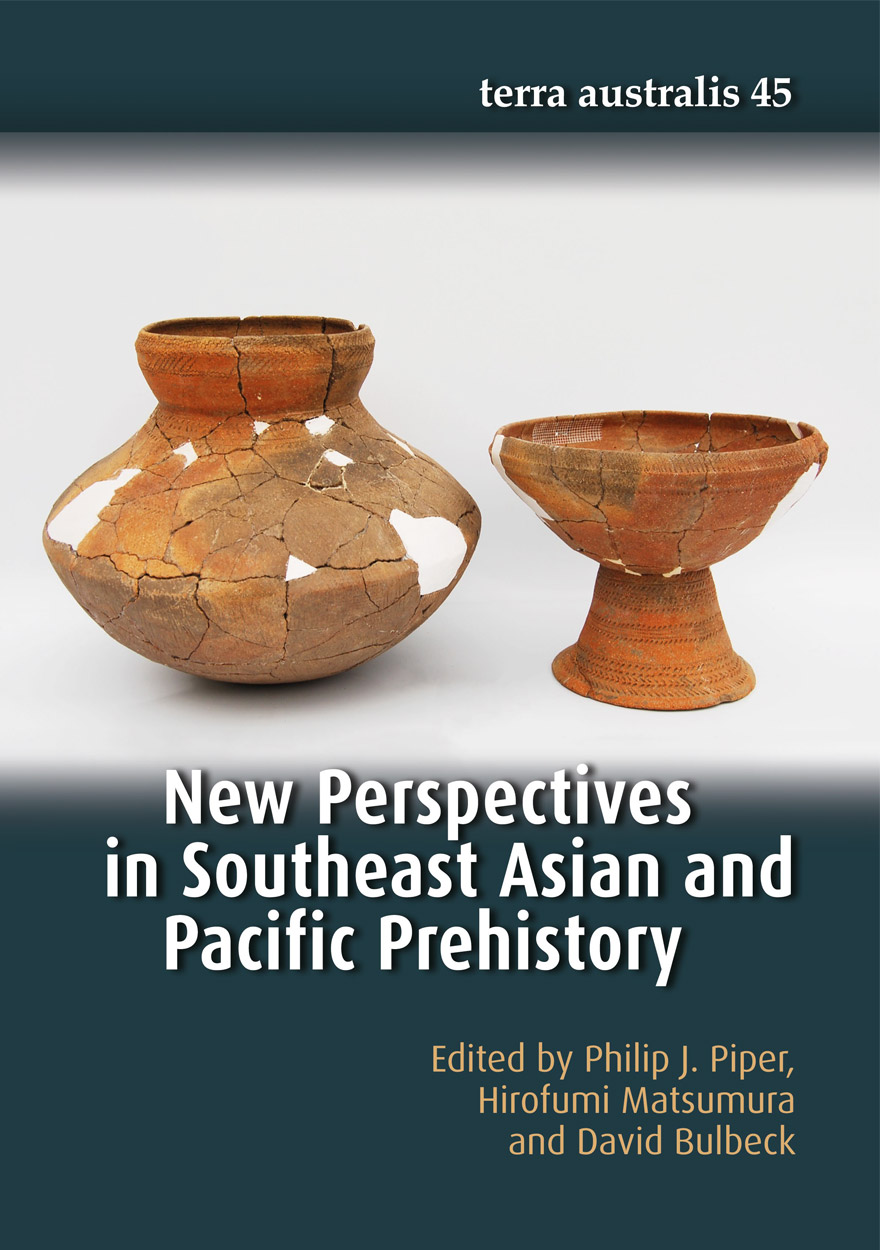
Dung, N.K. (2017) The Sa Huynh Culture in ancient regional trade networks: A comparative study of ornaments. In: New Perspectives in Southeast Asian and Pacific Prehistory: ANU Press, Vol. 45 , pp. 311–332.
Record No. 5745  |  ISBN/ISSN: 9781760000000  |  Sinkankas/Born No.: NIS/NIB  |  RWHL*
Research on the Sa Huynh culture (ca 2500–1980/1800 BP) has been ongoing for more than a century, since the Sa Huynh site was discovered and excavated by French archaeologists in 1909. Hundreds of Sa Huynh jar-burial sites have been discovered from the coastal plains to the inland highlands and o shore islands in Central and Southern Vietnam. Numerous signi cant ritual objects and ornaments have been recovered in association with the jar burials and provide evidence for the wide geographic distribution of trading contacts across Southeast Asia during the Sa Huynh Period. is paper focuses on a comparative study of ornaments manufactured from semi-precious stone, metals and glass recovered from Sa Huynh jar-burial sites with those from contemporary sites across Southeast Asia and demonstrates how Sa Huynh society played a signi cant role in regional trade networks during the Iron Age.

Tectonic and metamorphic evolution of the Mogok Metamorphic and Jade Mines belts and ophiolitic terranes of Burma (Myanmar)
Book Section
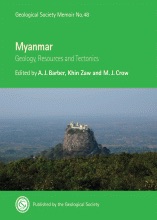
Searle, M.P., Morley, C.K., Waters, D.J., Gardiner, N.J., U Kyi Htun, Than Than Nu and Robb, L.J. (2017) Tectonic and metamorphic evolution of the Mogok Metamorphic and Jade Mines belts and ophiolitic terranes of Burma (Myanmar). In: Myanmar: Geology, Resources and Tectonics, Geological Society, London, Memoirs, London: Geological Society, Vol. 48 , pp. 261–293.
Record No. 5741  |  Sinkankas/Born No.: NIS/NIB  |  RWHL*
The Mogok Metamorphic Belt is a north–south-aligned belt of mainly high-grade metamorphic rocks and granites that extends the length of Burma (Myanmar) along the western margin of the Sibumasu block from the Andaman Sea to the East Himalayan (Namche Barwa) Syntaxis (Figs 12.1 & 12.2). The Mogok metamorphic rocks host some of the world's finest rubies and sapphires, the former mainly from high-grade phlogopite + corundum marbles and the latter from a heterogeneous suite of syenite and charnockites that intrude the metamorphic rocks (Chhibber 1934a, b; Iyer 1953; Searle & Haq 1964; Bender 1983; Mitchell et al. 2007; Searle et al. 2007; Themelis 2008). Gem spinels are also found in forsterite-bearing marbles. Gemstones have been mined in the Mogok region since at least the mid-1800s (O'Connor 1888; Gübelin 1965a, b; Keller 1982, 1983; Kane & Kammerling 1992). Together with the adjacent Mergui Slate Belt these rocks lie to the west of the Shan Scarp and the Paung Laung-Mawchi Zone, interpreted by Mitchell et al. (2012) as a possible suture zone. We refer to this entire zone of metamorphic rocks, plus the Slate Belt and pre-collisional granites east of the Sagaing Fault and west of the Paung Laung-Mawchi Zone, as the Mogok–Mandalay–Mergui (MMM) Belt; the metamorphic rocks are referred to solely as the Mogok Metamorphic Belt (MMB).

Jadeitite and other high-pressure metamorphic rocks from the Jade Mines Belt, Tawmaw area, Kachin State, northern Myanmar
Book Section
Thet Tin Nyunt, Hans-Joachim, M. and Tay, T.S. (2017) Jadeitite and other high-pressure metamorphic rocks from the Jade Mines Belt, Tawmaw area, Kachin State, northern Myanmar. In: Myanmar: Geology, Resources and Tectonics, Geological Society, London, Memoirs, London: Geological Society, Vol. 48 , pp. 295–315.
Record No. 5740  |  Sinkankas/Born No.: NIS/NIB  |  RWHL*
The world’s largest jade deposit, containing the highest-quality jade, is exposed in the Pharkant-Tawmaw (also spelled Hparkant or Hpakan and Tawhmaw) Jade Mines Belt, northern Myanmar. This belt is located between latitudes 25° and 26° N and longitudes 96° 12′ and 96° 25′ E in the Myitkyina district (Fig. 13.1). The belt extends in a north–south direction, covering an area of c. 1200 km2 (Chhibber 1934b). Major jade production sites are located in the Pharkant, Lonkin, Tawmaw, Haungpa and Hwekha areas. In these areas the rock type jadeitite, containing more than 90 vol% of the mineral jadeite, is associated with serpentinites, albitites, low-to medium-grade metamorphic rocks, chlorite schists, garnet–mica schists, graphite schists, glaucophane schists and amphibolites.Fig. 13.1. Geological map of the Jade Mines Belt (JMB) showing the localities mentioned in the text and the location of the samples described. Compiled by Thet Tin Nyunt, modified from Chhibber (1934a), Bender (1983), Than Tun (1997) and Thet Tin Nyunt (2009).The Jade Mines area of northern Myanmar is a highly dissected upland, higher in the north than in the south, with ranges of hills forming the Chindwin–Irrawaddy watershed. The main jade area around Tawmaw is situated on a plateau 840 m above sea level. Mountain ranges in the western part of the area rise to 600 m and are covered by dense vegetation. The eastern margin is bounded by the Uru River. The Tawmaw area is characterized by very high rainfall and, due to the tropical climate, the rocks are highly weathered and covered by a reddish-brown soil of thickness a few metres to tens of metres. Fresh samples of jadeite can be collected only from mine sites or from stream courses. In the Tawmaw area jadeitite is quarried from both primary deposits and as …

A History of Xinjiang Hetian Yu Mining
新疆和田玉开采史
Book
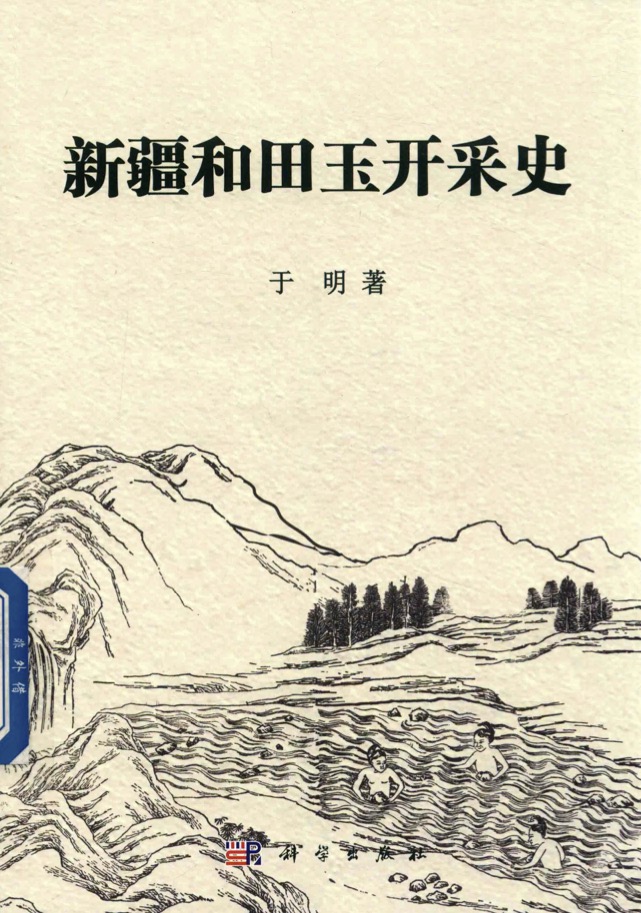
Yu, M. (2017) A History of Xinjiang Hetian Yu Mining. [新疆和田玉开采史] Beijing, Science Press, 240 pp.
Record No. 4459  |  ISBN/ISSN: 9787030000000  |  Sinkankas/Born No.: NIS/NIB  |  Language: in Chinese  |  RWHL*
This book is about the research of Xinjiang Hetian jade mining history. The author analyzed the mining situation of Xinjiang Hetian jade in different historical stages through on-site inspections of the jade source, consulted a large number of documents and textual research related to the unearthed jade, and many conclusions broke through the original understanding and were recognized by the industry. Has high academic value and academic significance. Yu Ming, Chairman of the Hotan Jade Industry Association of Xinjiang Uygur Autonomous Region, a postgraduate tutor of Beijing City University, and editor-in-chief of the Chinese Jade Yearbook". He has planned and edited many large-scale jade works such as "Complete Collection of Chinese Unearthed Jade Articles" and "Complete Collection of Chinese Jade Articles". He is the author of the book "Chinese Jade", which has been translated into English, French, Arabic, Latin and other languages. The English version of "CHINESE JADE" was published in English by the author at the invitation of Cambridge University Press. This book is the first systematic introduction to Chinese jade articles published by a foreign publisher. In addition, the author has written more than ten monographs and dozens of academic articles on jade research; he has researched both ancient jade and contemporary jade, especially in the research of jade materials, jade art and jade market."

Jadeitite from Itoigawa, Niigata Prefecture, central Japan
Journal Article
Miyajima, H. (2017) Jadeitite from Itoigawa, Niigata Prefecture, central Japan. Journal of Mineralogical and Petrological Sciences, Vol. 112, No. 5, pp. 227–236.
Record No. 4375  |  Sinkankas/Born No.: NIS/NIB  |  RWHL*
This paper presents a review of Itoigawa’s jadeitite in history, culture, process of rediscovery, and geological characteristics. The people of the Jomon age used jadeitite as tools as far as 7000 years ago, making it one of the oldest jadeitite cultures in the world. The jadeitites from Itoigawa were the source of ornaments such as pendants or comma–shaped beads that can be dated to the Jomon age through to the Nara period. These ornaments are widely found in Japanese Islands from Hokkaido to Okinawa Prefecture, and also in the southern part of the Korean Peninsula. The jadeitite, however, was not used after the Nara period. The disappearance of jadeitite culture is not well understood, but it may have been caused by the introduction of Buddhism into Japan. Therefore, the existence of jadeitite in Japan was forgotten for a period of 1200 years after the Nara period. Mr. Eizo Ito rediscovered jadeitite from Itoigawa when he identified the durable green rock in the Kotakigawa River in 1938. His success was inspired by the idea of Mr. Gyofu Soma. The rediscovered jadeitite was studied by Dr. Yoshinori Kawano of the Tohoku Imperial University in 1939. There are large jadeitite boulders weighing more than 100 tons found in several areas of the Kotakigawa and Ohmigawa Rivers. These areas are designated national natural monuments. The jadeitite from Itoigawa can be found in various colors such as white, gray, black, lavender, and blue. These color variations are caused by the presence of trace elements such as iron and titanium in jadeite and omphacite, and tiny graphite inclusions in jadeitite. The absence of quartz and euhederal jadeite crystals with natrolite and veinlets of jadeitite indicates that the Itoigawa jadeitite does not form through decomposition of albite, but by hydrothermal activity. Some strontium dominant minerals such as itoigawaite were first found in jadeitite from Itoigawa. These strontium dominant minerals form in the calcium depleted hydrothermal solution in the late stages of jadeitite formation. The Jomon is the oldest jadeitite culture worldwide, and the first documented use of precious stones in the history of mankind. In addition, the jadeitite found in Itoigawa is the oldest known unit of its kind.

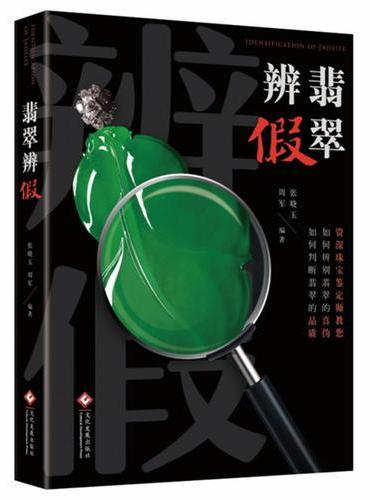
Identification of Fei Cui

翡翠辨假
Book
Zhang, X. (2017) Identification of Fei Cui. [翡翠辨假], 文化发展出版社 [Cultural Development Press], 212 pp.
Record No. 4335  |  ISBN/ISSN: 9787510000000  |  Sinkankas/Born No.: NIS/NIB  |  Language: in simplified Chinese  |  RWHL*
This book mainly analyzes the identification characteristics of jade and imitation products that are similar to jadeite and jadeite, the optimization processing method of jadeite and the identification of authenticity and falsehood of jadeite from the perspective of identifying fakes. The overall structure of the book is: * Chapter briefly introduces the basic nature and characteristics of jade; Chapter 2 focuses on the formation and origin of jade; Chapter 3 mainly introduces the classification of jade; Chapter 4 mainly describes the carving crafts and themes of jade ; The fifth chapter mainly introduces the optimized processing method and identification of jade; the sixth chapter describes the identification of jade and similar products; the seventh chapter introduces the grading of jade; *The second is jade appreciation. The main content of this book is the work experience and research results accumulated by the author during years of jewellery and jade jewelry testing and research work. At the same time, it also refers to related literature and materials. It has its own professionalism, knowledge and readability. The characteristics and advantages of the collection are the best choice for collectors to learn about jade and identify the real.

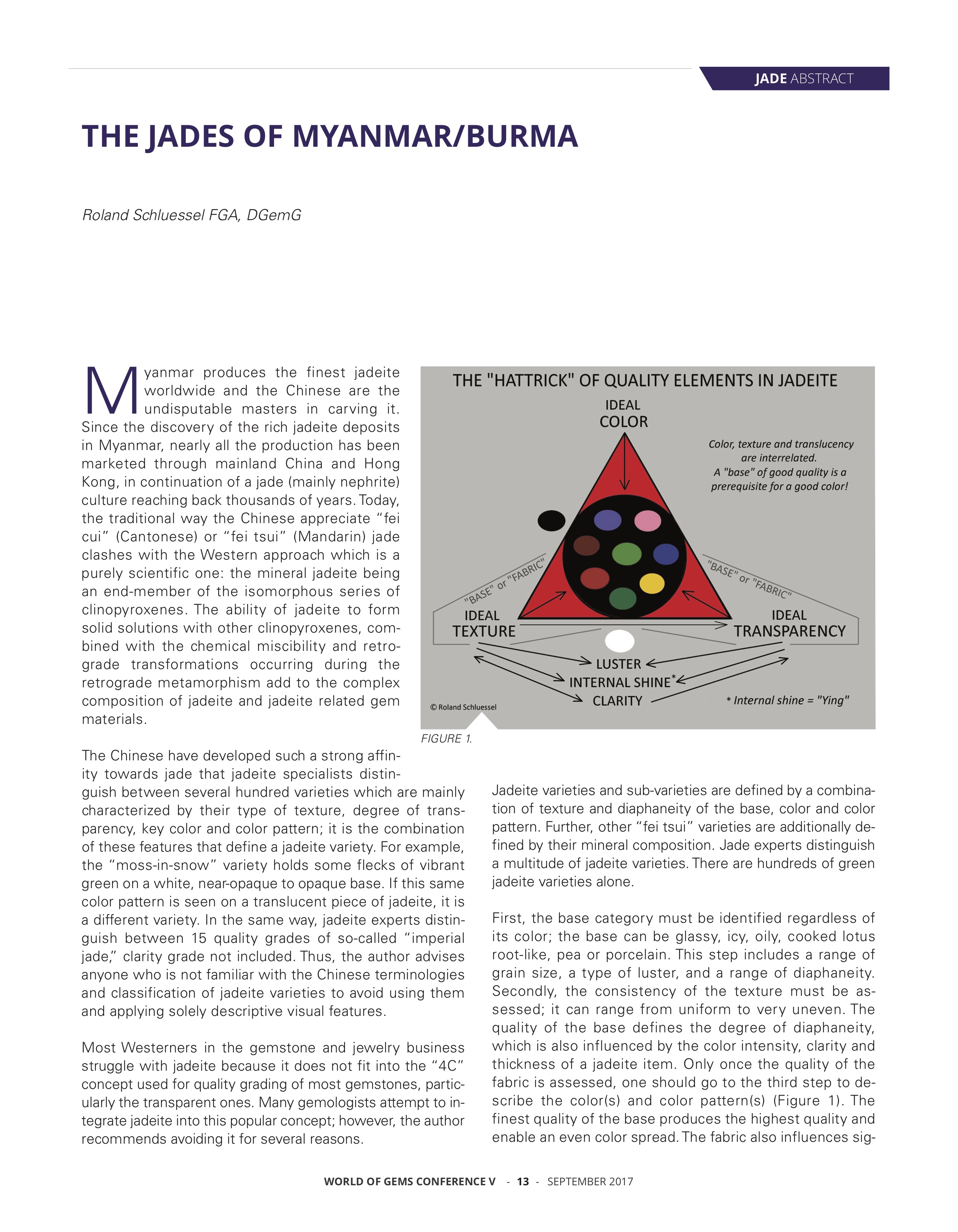
The jades of Myanmar/Burma

Conference Paper
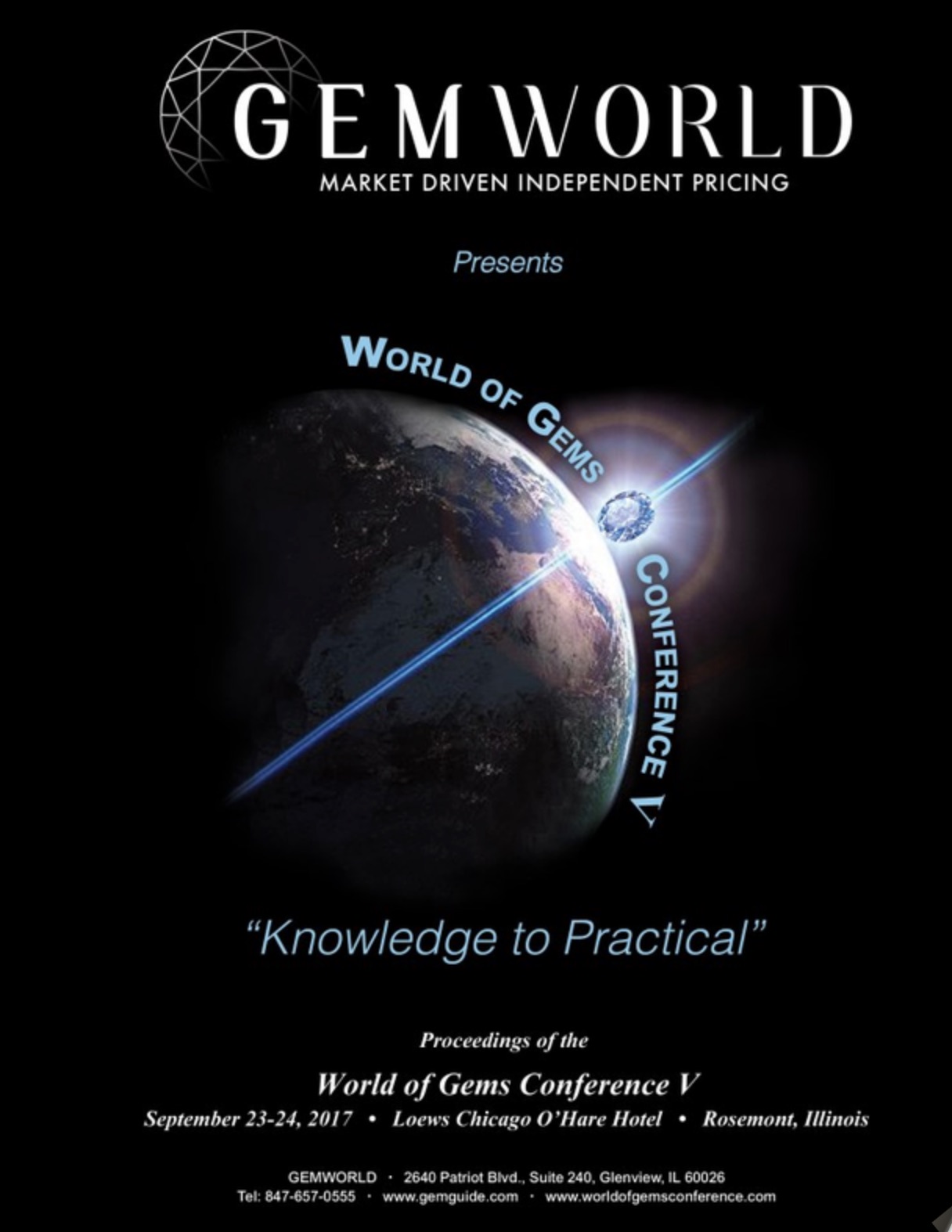
Schlüssel, R. (2017) The jades of Myanmar/Burma. World of Gems Conference V, 23–24 September, Rosemont, Illinois: Gemworld International, pp. 13–15.
Record No. 4274  |  Sinkankas/Born No.: NIS/NIB  |  RWHL*
Nice article on the finer points of judging the quality of gem quality Burmese jadeite.

Jade Culture, Part 4: The guardians of jade
Web Page
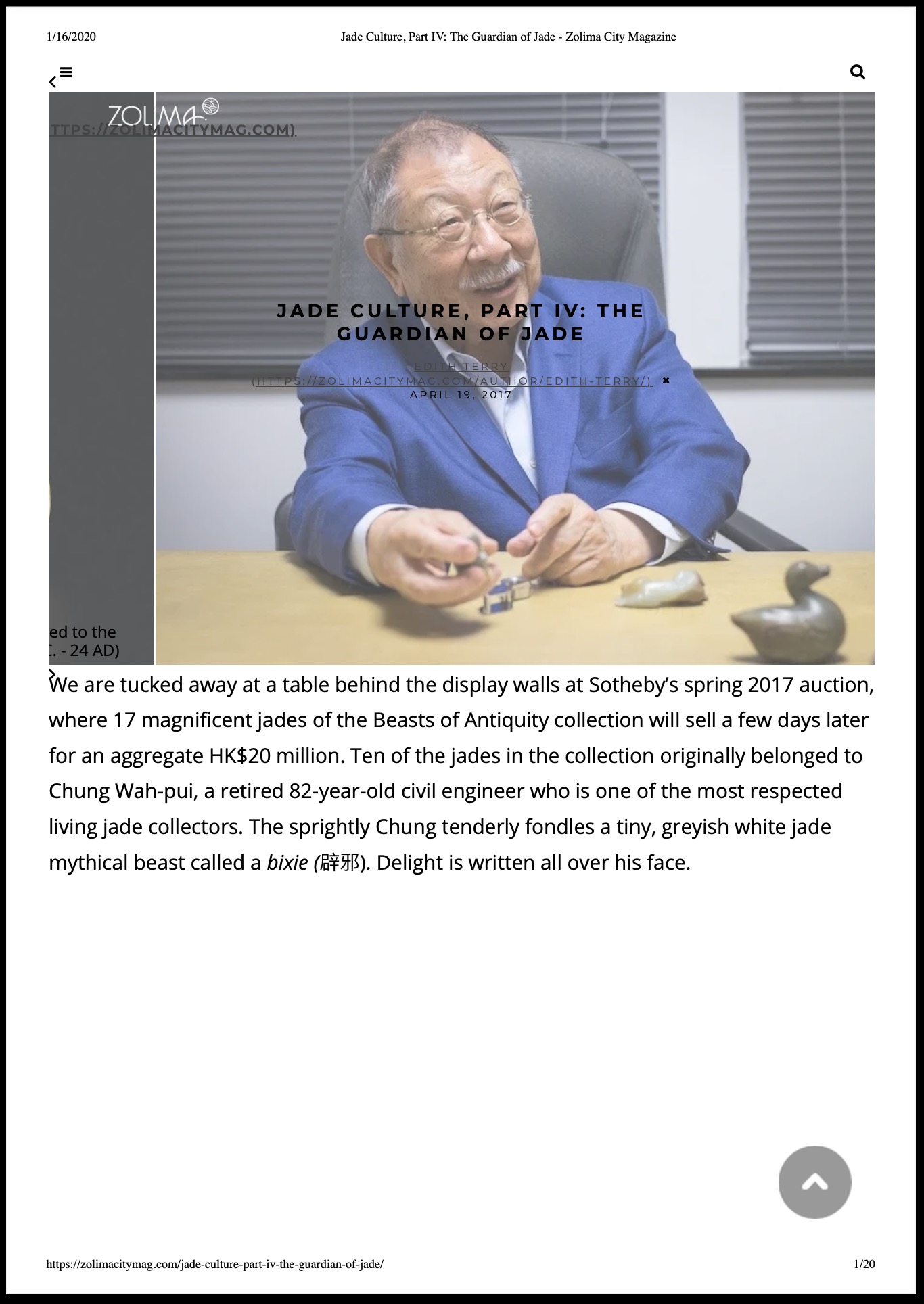
Terry, E. (2017) Jade Culture, Part 4: The guardians of jade. Zolima CityMag,
Record No. 4180  |  Sinkankas/Born No.: NIS/NIB  |  RWHL*
Why one of the world’s most respected jade collectors sold off nearly every piece of jade he owned.

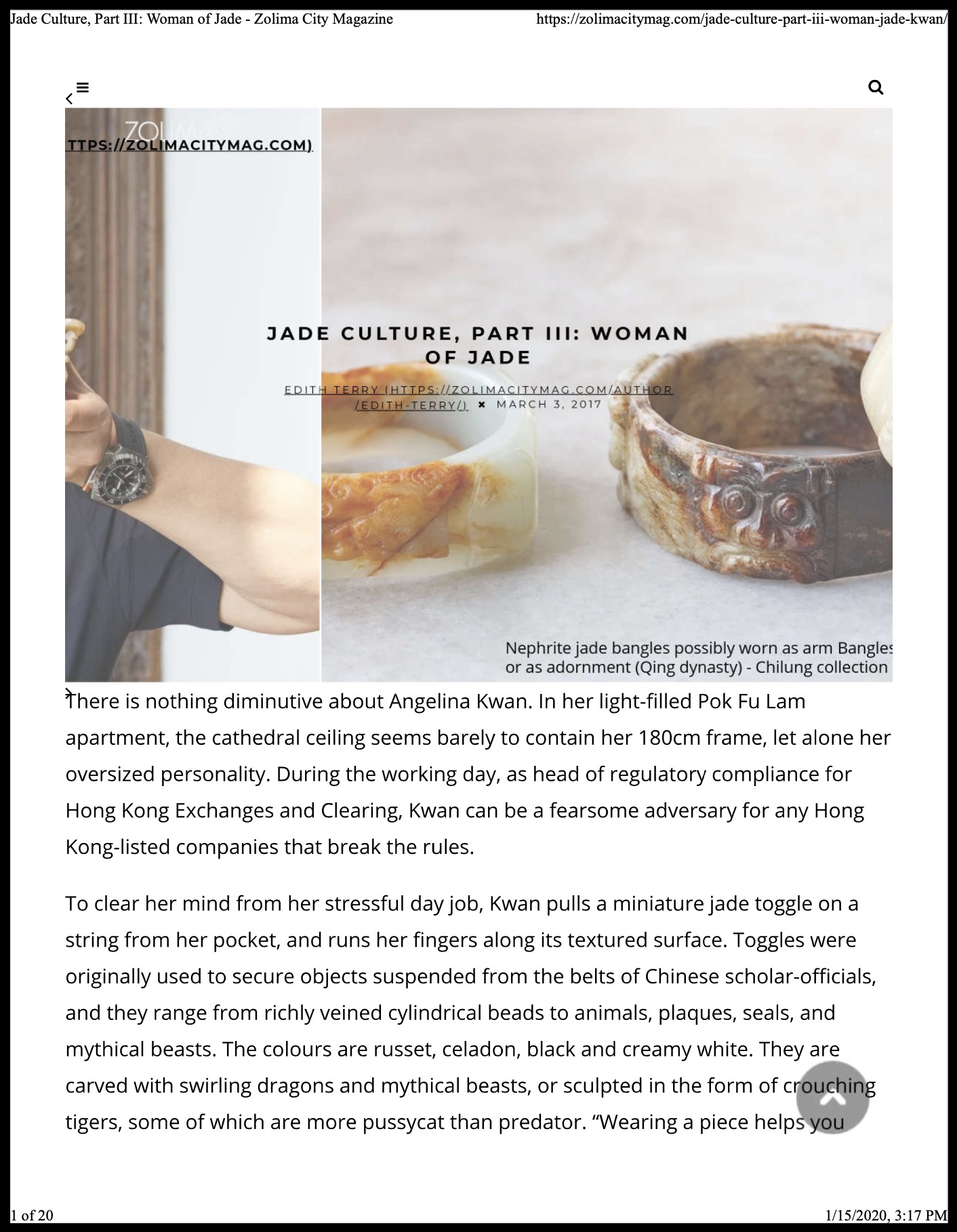
Jade Culture, Part 3: Women of jade

Web Page
Terry, E. (2017) Jade Culture, Part 3: Women of jade. Zolima CityMag,
Record No. 4179  |  Sinkankas/Born No.: NIS/NIB  |  RWHL*
How Angelina Kwan, a tough Chinese-American businesswoman, discovered her soft side through jade.

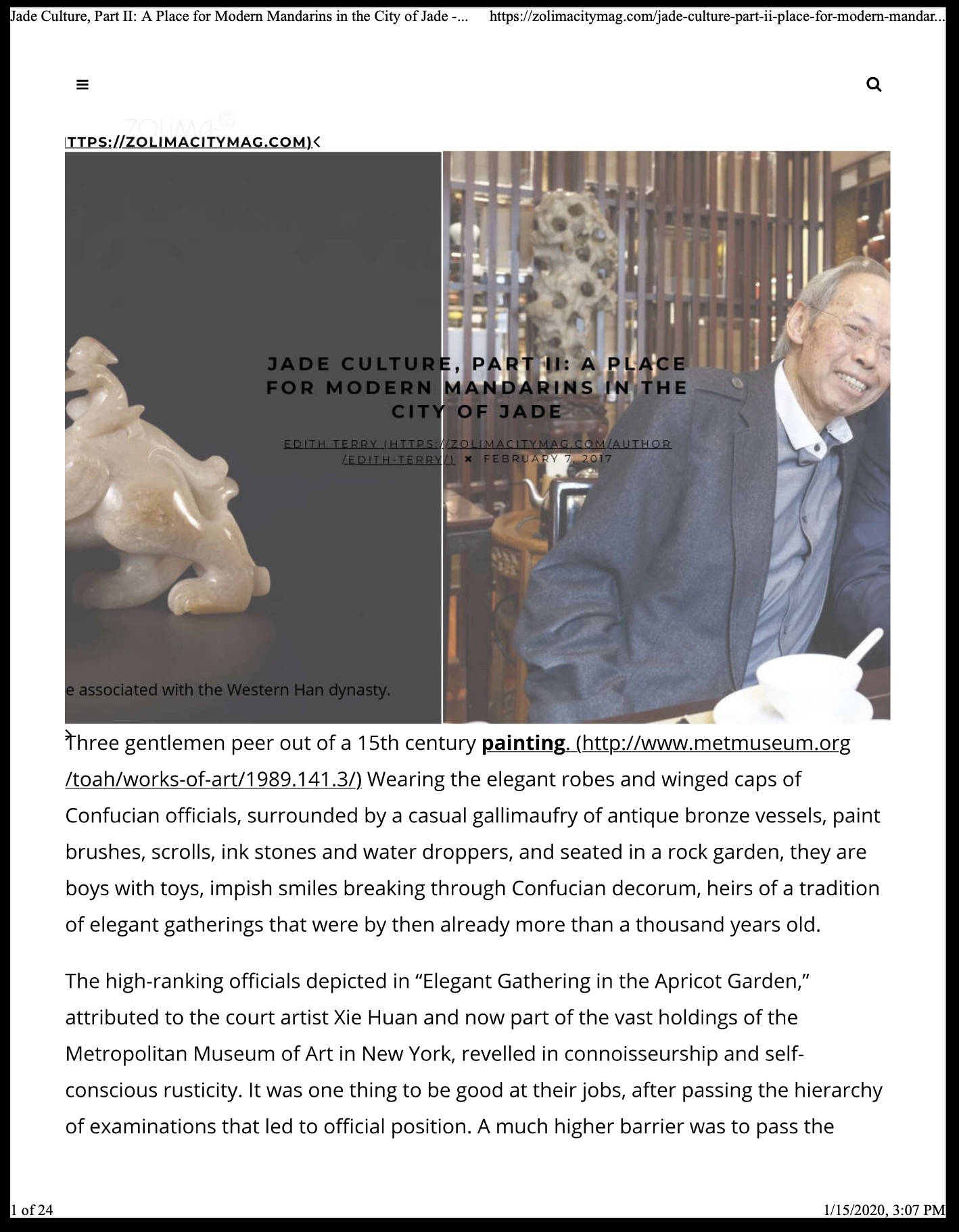
Jade Culture, Part 2: A place for modern mandarins in the city of jade

Web Page
Terry, E. (2017) Jade Culture, Part 2: A place for modern mandarins in the city of jade. Zolima CityMag,
Record No. 4178  |  Sinkankas/Born No.: NIS/NIB  |  RWHL*
They told me I was crazy to be interested in jade": How three friends forged an unexpected friendship through ancient Chinese stones."

The Emperor and the Motorcycle Mechanic: Memoir of an Art Dealer
Book
Bernstein, S. (2017) The Emperor and the Motorcycle Mechanic: Memoir of an Art Dealer. San Francisco, S. Bernstein & Co., 230 pp.
Record No. 4115  |  Sinkankas/Born No.: NIS/NIB  |  RWHL*
This book is available only as an ebook. From the author: “Art collecting is a passionate activity that brings out the best and worst in human nature. The Emperor & the Motorcycle Mechanic is a collection of anecdotes derived from Sam Bernstein’s 35 year career as a leading international Asian art dealer. The completed manuscript consists of 50,000 words over 85 chapters with 67 illustrations. The volume provides an insider’s view of the art world, including stories about rare Asian artifacts, million dollar forgeries and some of the eccentric characters that inhabit an otherwise opaque and mysterious world. These vignettes include strippers, conmen, rabbis and royals, rock n’ roll stars, and a naked man with a parrot.” “In my experience there are undiscovered treasures hidden all over the world, under beds, and in attics, in missing bank lockboxes and forgotten warehouses. And yet for every priceless artifact there are hundreds of fakes and forgeries waiting to fool an unsuspecting collector. In my book I tell the story of how a dusty lump of jade purchased for $30 in a Parisian antiques shop actually belonged to an emperor and went on to sell for a million dollars at auction.” –Sam Bernstein

The jades of Myanmar/Burma

Conference Paper
Schluessel, R. (2017) The jades of Myanmar/Burma. World of Gems Conference 5, Chicago, IL: World of Gems, pp. 13–15.
Record No. 4114  |  Sinkankas/Born No.: NIS/NIB  |  RWHL*
Myanmar produces the finest jadeite worldwide and the Chinese are the undisputable masters in carving it. Since the discovery of the rich jadeite deposits in Myanmar, nearly all the production has been marketed through mainland China and Hong Kong, in continuation of a jade (mainly nephrite) culture reaching back thousands of years. Today, the traditional way the Chinese appreciate “fei cui” (Cantonese) or “fei tsui” (Mandarin) jade clashes with the Western approach which is a purely scientific one: the mineral jadeite being an end-member of the isomorphous series of clinopyroxenes. The ability of jadeite to form solid solutions with other clinopyroxenes, combined with the chemical miscibility and retrograde transformations occurring during the retrograde metamorphism add to the complex composition of jadeite and jadeite related gem materials.

Pounamu: Treasure of New Zealand

Journal Article
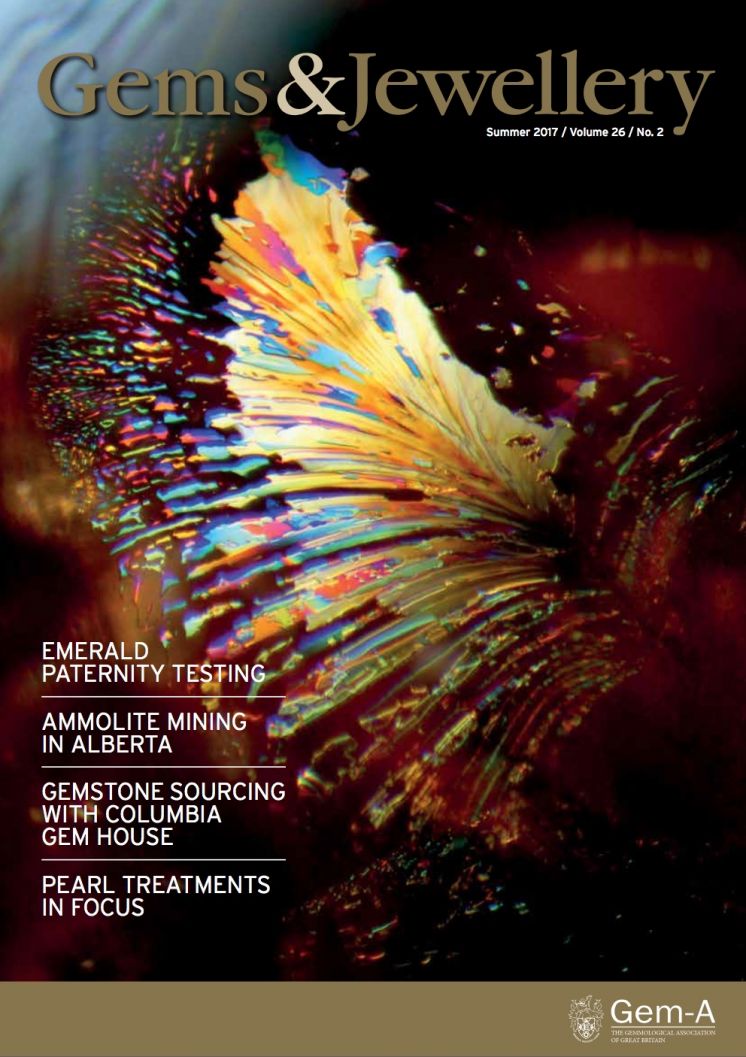
Francey, D. (2017) Pounamu: Treasure of New Zealand. Gems&Jewellery, Vol. 26, No. 4, Winter,
Record No. 4096  |  Sinkankas/Born No.: NIS/NIB  |  RWHL*
What makes New Zealand jade such a unique and desirable stone and what historical relevance does it have today? Those are the questions being asked by Gem-A student Daniel Francey FGA in his Gemmology Diploma project, exploring the properties as well as the traditional and modern uses of New Zealand jade...

Exploring the Literature of Jade

Jade literature spans gemology, mineralogy, archaeology, art history, mining, carving and connoisseurship, and includes works on both jadeite and nephrite from around the world.

For an introduction to collecting books on this subject, read Hidden Treasure — Collecting the Literature of Jade.

About Four Treasures

Four Treasures is Lotus Gemology's freely accessible gemological reference database. Use the full database to search by author, title or keyword and explore literature on gemology, mineralogy, jewelry and related fields. Where available, hyperlinks on titles may lead directly to the full publication.

Search the Complete Four Treasures Database