Jade Bibliography

Jade Bibliography

Explore books, articles and historical sources on jade in Four Treasures, the Lotus Gemology reference database. This bibliography brings together matching records from the collection, with publication details, abstracts and cover images where available.

Jade References

The list below matches the terms jade, jadeite, nephrite or Fei Cui in the database's searchable fields. Some references discuss these materials as part of a broader subject.
261–280 of 3,779 matching references

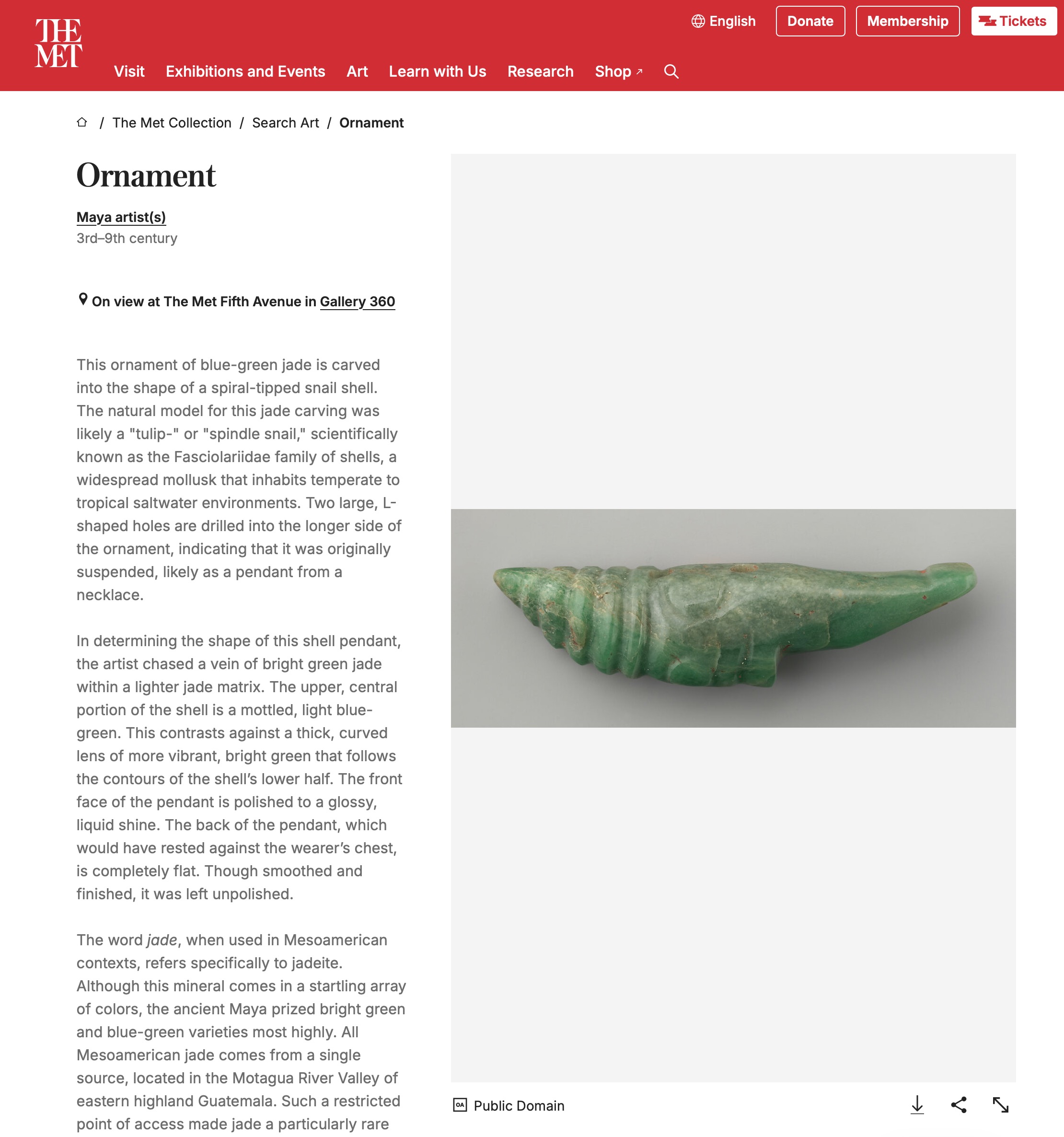
Ornament, Maya artist(s), 3rd–9th century
Web Page
Henderson, L.R. and Coleman, S.C. (2015) Ornament, Maya artist(s), 3rd–9th century. Metropolitan Museum of New York,, accessed: 30 May 2026.
Record No. 28681  |  Sinkankas/Born No.: NIS/NIB  |  RWHL*
This ornament of blue-green jade is carved into the shape of a spiral-tipped snail shell. The natural model for this jade carving was likely a tulip or spindle snail, scientifically belonging to the Fasciolariidae family of shells, a widespread mollusc that inhabits temperate to tropical saltwater environments. Two large, L-shaped holes are drilled into the longer side of the ornament, indicating that it was originally suspended, likely as a pendant from a necklace. In determining the shape of this shell pendant, the artist followed a vein of bright green jade within a lighter jade matrix. The upper central portion of the shell is a mottled, light blue-green. This contrasts with a thick, curved lens of more vibrant bright green that follows the contours of the shell’s lower half. The front face of the pendant is polished to a glossy, liquid shine. The back of the pendant, which would have rested against the wearer’s chest, is completely flat. Though smoothed and finished, it was left unpolished. The word jade, when used in Mesoamerican contexts, refers specifically to jadeite. Although this mineral occurs in a startling array of colours, the ancient Maya prized bright green and blue-green varieties most highly. All Mesoamerican jade comes from a single source, located in the Motagua River Valley of eastern highland Guatemala. Such a restricted point of access made jade a particularly rare and valuable material, an important element in elite trade networks and economic exchange systems in the ancient Maya world.

The “Charlie Chaplin” silhouette figural theme: A Pan-Middle American ritual performer theme
Journal Article
Mora-Marin, D. (2015) The “Charlie Chaplin” silhouette figural theme: A Pan-Middle American ritual performer theme. Cuadernos de Antropología, Vol. 26, No. 1, pp. 9–45.
Record No. 28579  |  Sinkankas/Born No.: NIS/NIB  |  Language: in Spanish with English translation  |  RWHL*
The paper presents evidence for the definition and origin of a figural jade theme that is common in Costa Rica. It consists of a standing figure in a ritual pose, and it is argued that it originated in the context of the jade exchange network linking the ancient jade artisans of Pre-Columbian Costa Rica to their counterparts in the Maya region of Mesoamerica. In the Maya region, archaeologists have referred to this theme as “Charlie Chaplin” figurines because of the characteristic pose with knees bent and feet pointing to the sides. It is proposed that this theme was pan-Mesoamerican, that it may very well have originated in the Middle Preclassic Olmec tradition, and that it appears to be the template for the so-called Ruler-as-World Axis theme defined for the Olmec and Maya traditions by various scholars. The paper suggests that this theme was adopted by the jade artisans from Pre-Columbian Costa Rica, who then adapted to the local artistic canons through the addition of stylistic traits typical of their tradition, and who may have used it to derive a new theme, made up of a blend of the older avian celtiform (avian axe-god) pendant theme and the diffused “Charlie Chaplin” theme, resulting in the anthropomorphic celtiform (anthropomorphic axe-god) pendant theme. The exchange network that led to the spread of this theme strongly points to the need for a more inclusive framework, a Middle American framework (distinct from Central America and Mesoamerica), to the study of ancient Pre-Columbian societies of Mexico and Central America, and possibly beyond, given the possible presence of this theme in Colombia.

La Joyería en el México antiguo: Catálogo visual
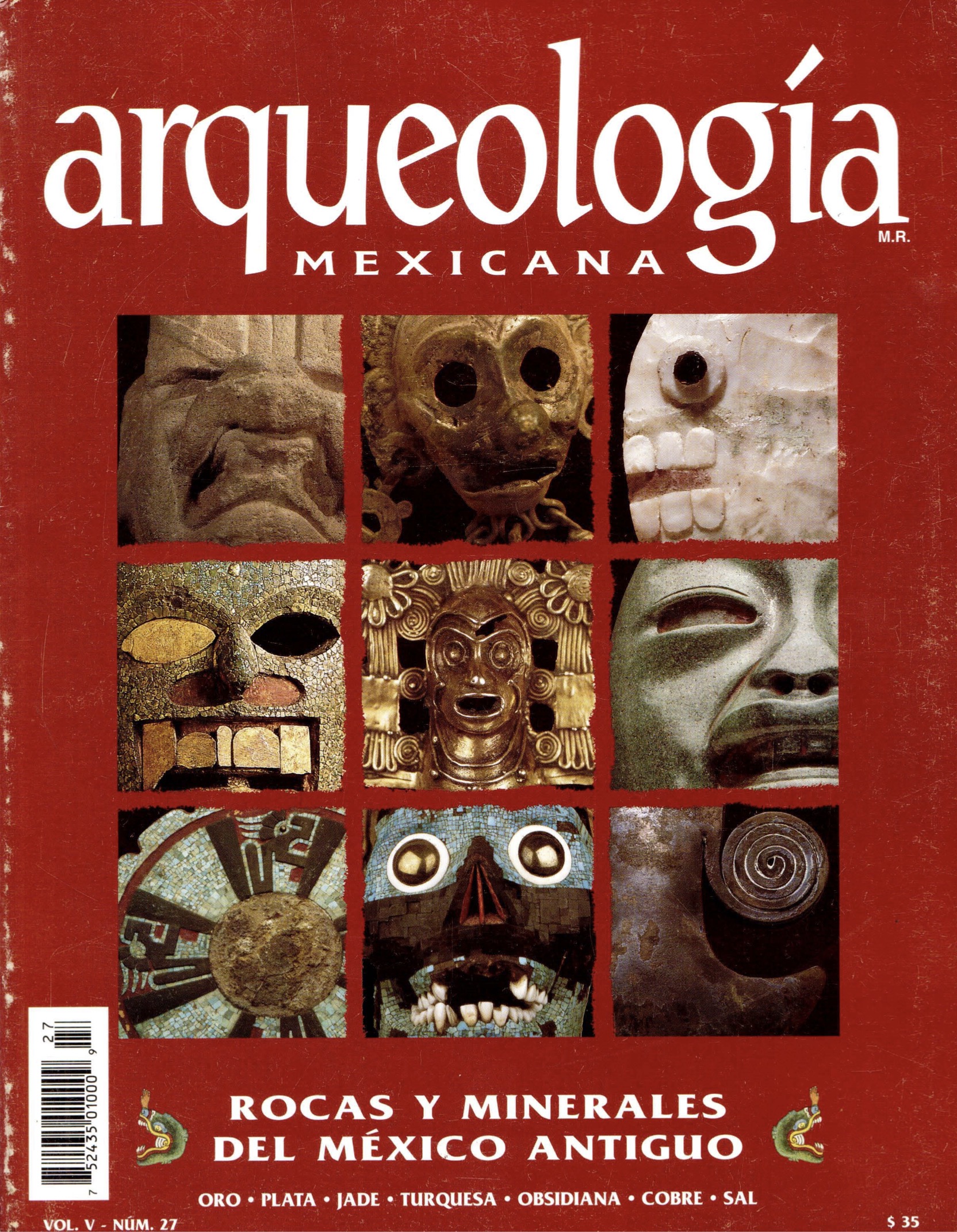
Jewellery in ancient Mexico: a visual catalogue
Journal Article
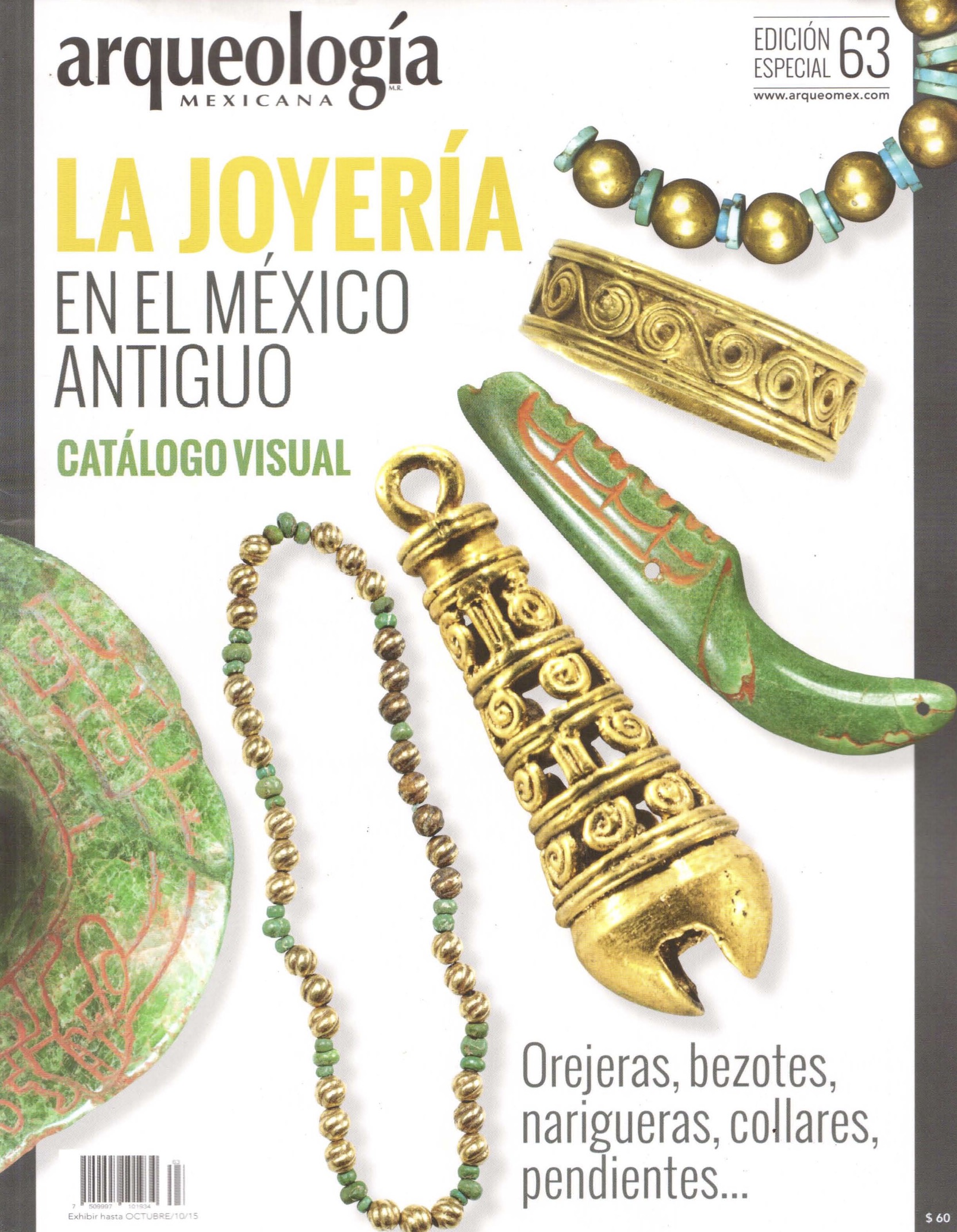
Vela, E. (2015) La Joyería en el México antiguo: Catálogo visual. [Jewellery in ancient Mexico: a visual catalogue] Arqueología Mexicana, No. 63, September–October, 88 pp..
Record No. 28277  |  Sinkankas/Born No.: NIS/NIB  |  Language: in Spanish  |  RWHL*
A visual survey of jewellery in pre-Hispanic Mexico, combining an introductory discussion of body adornment with a catalogue organised by ornament type, including ear ornaments, lip plugs, nose ornaments, rings, bracelets, diadems, bells, necklaces, pendants and pectorals. It considers jewellery as an expression of identity, social rank and symbolic meaning, and discusses the selection and working of valued materials, particularly jade, turquoise and other green stones. Illustrations and a glossary provide a reference for recognising the forms and cultural significance of ancient Mexican jewellery.

El jade

The jade.
Journal Article
Ridinger, M.L. (2015) El jade. [The jade.] Arqueología Mexicana, Vol. 5, No. 27, September-October, pp. 52–59.
Record No. 28276  |  Sinkankas/Born No.: NIS/NIB  |  Language: in Spanish  |  RWHL*
Between 1974 and 1975, following the location of jade deposits in Antigua Guatemala, the jade industry experienced a rebirth. Today the Maya would be surprised by the continued vitality of this stone, which has formed part of the Mesoamerican tradition and has been venerated by many ancient cultures.

El renacimiento de la industria del jade en Angigua Guatemala
The rebirth of the jade industry in Antigua Guatemala
Journal Article
Ridinger, M.L. (2015) El renacimiento de la industria del jade en Angigua Guatemala. [The rebirth of the jade industry in Antigua Guatemala] Arqueología Mexicana, Vol. 23, No. 133, May–June, pp. 79–81.
Record No. 28274  |  Sinkankas/Born No.: NIS/NIB  |  Language: in Spanish  |  RWHL*
Between 1974 and 1975, following the location of jade deposits in Antigua Guatemala, the jade industry experienced a rebirth. Today the Maya would be surprised by the continued vitality of this stone, which has formed part of the Mesoamerican tradition and has been venerated by many ancient cultures.

El chalchíhuitl en la literatura náhuatl
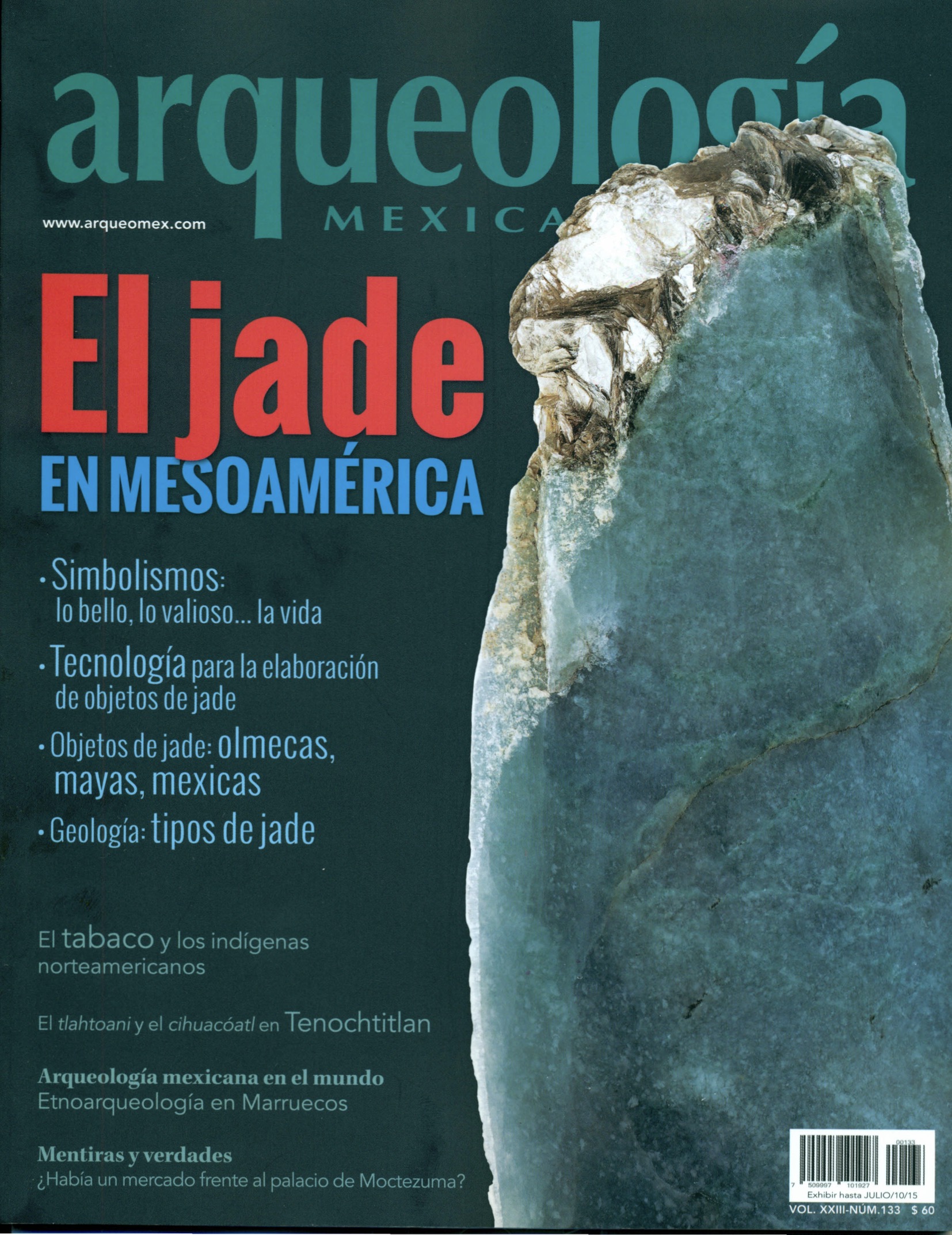
Chalchíhuitl in Nahuatl literature
Journal Article
León-Portilla, M. (2015) El chalchíhuitl en la literatura náhuatl. [Chalchíhuitl in Nahuatl literature] Arqueología Mexicana, Vol. 23, No. 133, May–June, pp. 74–78.
Record No. 28273  |  Sinkankas/Born No.: NIS/NIB  |  Language: in Spanish  |  RWHL*
Stones or gems considered highly valuable, chalchihuitl and xihuitl (jades and emeralds), appear many times in the codices as metaphors for that which is beautiful and precious. In Nahua songs and poems, the chalchihuitl, a precious reality, is identified with the heart and even with the human person. Reference to the transience and passing of rulers and of all that exists is reiterated again and again through the metaphor of jade.

El diminuto Quetzalcóatl de jadeitita del Templo Mayor
The tiny jadeitite Quetzalcóatl from the Templo Mayor
Journal Article
López Luján, L., Sánchez Hernández, R. and González López, Á. (2015) El diminuto Quetzalcóatl de jadeitita del Templo Mayor. [The tiny jadeitite Quetzalcóatl from the Templo Mayor] Arqueología Mexicana, Vol. 23, No. 133, May–June, pp. 68–73.
Record No. 28272  |  Sinkankas/Born No.: NIS/NIB  |  Language: in Spanish  |  RWHL*
Around the year 1502 CE, the Mexica buried a sumptuous offering at the foot of the principal pyramid of Tenochtitlan in order to consecrate the place that would be occupied by the new monolith of the goddess Tlaltecuhtli. Among the thousands of gifts deposited beneath the floor of the plaza was a beautiful pendant carved from the so-called “imperial jade.”

Cabezas ceremoniales de mosaicos de jadeíta de Tak'alikAb'aj, Guatemala
Ceremonial heads of jadeite mosaics from Tak’alik Ab’aj, Guatemala
Journal Article
Schieber de Lavarreda, C.I.G. (2015) Cabezas ceremoniales de mosaicos de jadeíta de Tak'alikAb'aj, Guatemala. [Ceremonial heads of jadeite mosaics from Tak’alik Ab’aj, Guatemala] Arqueología Mexicana, Vol. 23, No. 133, May–June, pp. 62–67.
Record No. 28271  |  Sinkankas/Born No.: NIS/NIB  |  Language: in Spanish  |  RWHL*
The extraordinary collection of lapidary art from the ancient and long-lived city of Tak’alik Ab’aj, located on the south-western bocacosta of Guatemala, masterfully reflects the great achievements attained by one of the most important centres of commercial and cultural exchange of the Preclassic period south of the Maya area.

El hacha Humboldt: Un objeto ritual olmeca tallado en jadeitita
The Humboldt axe: An Olmec ritual object carved from jadeitite
Journal Article
López Luján, L. and Gaida, M. (2015) El hacha Humboldt: Un objeto ritual olmeca tallado en jadeitita. [The Humboldt axe: An Olmec ritual object carved from jadeitite] Arqueología Mexicana, Vol. 23, No. 133, May–June, pp. 56–61.
Record No. 28270  |  Sinkankas/Born No.: NIS/NIB  |  Language: in Spanish  |  RWHL*
Collected by the Prussian scholar Alexander von Humboldt at the beginning of the nineteenth century, this stone axe was the first artefact of the Olmec culture to be made known in a scientific publication. Its importance in the history of archaeology is enormous due to the enigmatic inscription engraved on one of its faces. Unfortunately, the whereabouts of this piece have been unknown since the Second World War.

Los significados del jade

The meanings of jade
Journal Article
Taube, K.A. (2015) Los significados del jade. [The meanings of jade] Arqueología Mexicana, Vol. 23, No. 133, May–June, pp. 48–55.
Record No. 28269  |  Sinkankas/Born No.: NIS/NIB  |  Language: in Spanish  |  RWHL*
Jade was not only highly valued for its rarity and beauty in ancient Mesoamerica, it was also something sacred, imbued with concepts of abundance and life that included water, maize and even the soul. In offering deposits, jade also held a cosmic significance directly related to the centre and the world. Although much of this symbolism may correspond to the Olmec Preclassic, it can also be perceived among the Maya and other cultures of the Classic and Postclassic periods of ancient Mesoamerica.

La tecnología del jade: Explotación, técnicas de manufactura, talleres especializados
Jade technology: Exploitation, manufacturing techniques, specialised workshops
Journal Article
Kovacevich, B. (2015) La tecnología del jade: Explotación, técnicas de manufactura, talleres especializados. [Jade technology: Exploitation, manufacturing techniques, specialised workshops] Arqueología Mexicana, Vol. 23, No. 133, May–June, pp. 42–47.
Record No. 28268  |  Sinkankas/Born No.: NIS/NIB  |  Language: in Spanish  |  RWHL*
The production of jade artefacts was a long and laborious process consisting of several technological stages and involving various tools. Unfortunately, in many cases the archaeological record is, in short, too limited to permit the identification of those technologies and tools. Nevertheless, the ethnohistorical, archaeological and experimental data, taken together, can be used to identify, describe and interpret the material and social processes related to jade production in ancient Mesoamerica.

La geología del jade mesoamericano

The geology of Mesoamerican jade
Journal Article
Sánchez Hernández, R. (2015) La geología del jade mesoamericano. [The geology of Mesoamerican jade] Arqueología Mexicana, Vol. 23, No. 133, May–June, pp. 37–41.
Record No. 28267  |  Sinkankas/Born No.: NIS/NIB  |  Language: in Spanish  |  RWHL*
Jade deposits are scarce in the world, and in Mesoamerica the necessary geological conditions for their formation existed. These deposits constituted the source of the material used for lapidary works for nearly 3,000 years, from the Preclassic period until the Spanish conquest.

Tlahtoani y cihuacóatl: Una dualiddad teocrática en México-Tenochtitlan
Tlahtoani and cihuacóatl: A theocratic duality in Mexico-Tenochtitlan
Journal Article
Johansson, P. (2015) Tlahtoani y cihuacóatl: Una dualiddad teocrática en México-Tenochtitlan. [Tlahtoani and cihuacóatl: A theocratic duality in Mexico-Tenochtitlan] Arqueología Mexicana, Vol. 23, No. 133, May–June, pp. 22–29.
Record No. 28266  |  Sinkankas/Born No.: NIS/NIB  |  Language: in Spanish  |  RWHL*
The relationship between the tlahtoani and the cihuacóatl in the highest ranks of Mexica authority may transcend the political-administrative levels of the indigenous social structure, reflecting on earth the religious duality that prevails in the cosmological realm and, ultimately, reproducing the foundational model of Mexico-Tenochtitlan.

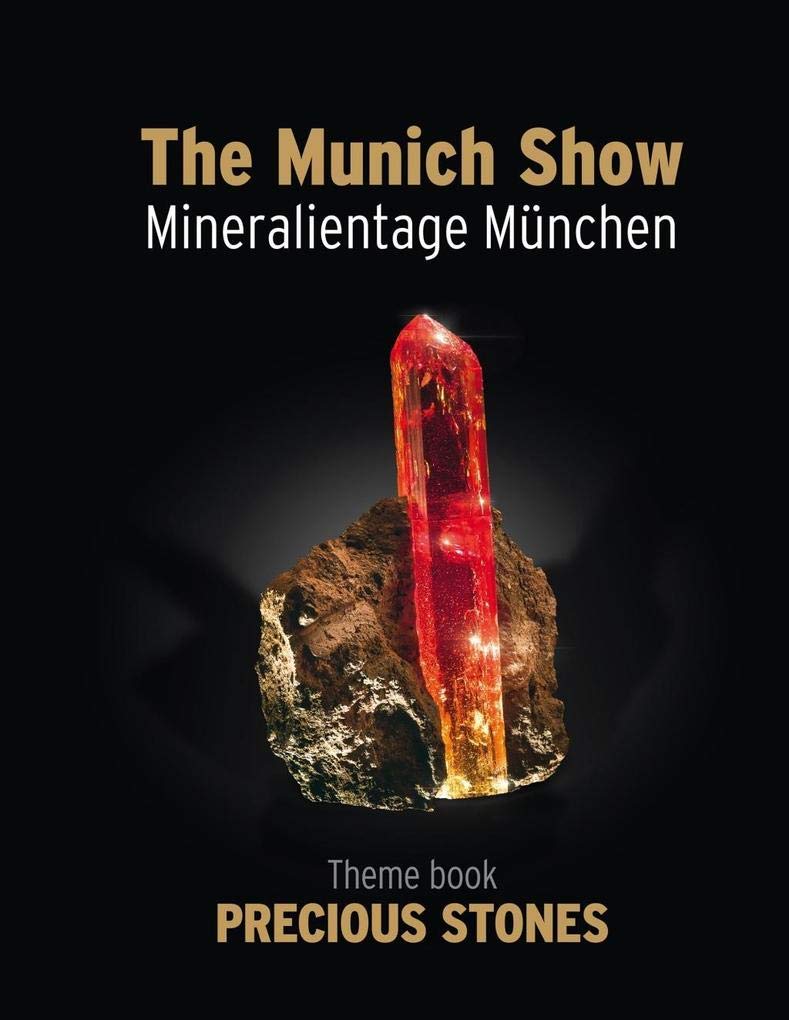
Precious stones from lost civilisations
Book Section
Graf, B. (2015) Precious stones from lost civilisations., Munich: Wachholtz Murmann, 216 pp..
Record No. 28196  |  ISBN/ISSN: 9783530000000  |  Sinkankas/Born No.: NIS/NIB  |  RWHL*
Rare and precious stones have always aroused the desire of man. They have been a source of fascination and their perceived value has fluctuated strongly over the millennia. Even today, religion and tradition still influence preferences as well as the changing taste and zeitgeist does. In this year’s ‘Precious Stones’ theme book, renowned scientists and authors provide hard facts and their opinion; giving an exciting insight into this fascinating substance, from detailed descriptions of major gem groups and legendary discoveries to their position in society and religion throughout different cultures. Another focus in this year’s show are the traces of mammoths and cave lions back to time of the planet’s last ice age. What did the landscape look like? What types of creatures inhabited the land? How did the ice change today’s landscape? The articles in the book have all the answers as well as an extended documentation on the discovery of ice age mammoths in the Siberian permafrost. This extensive and well researched article covers the history of the most important gems around the world.

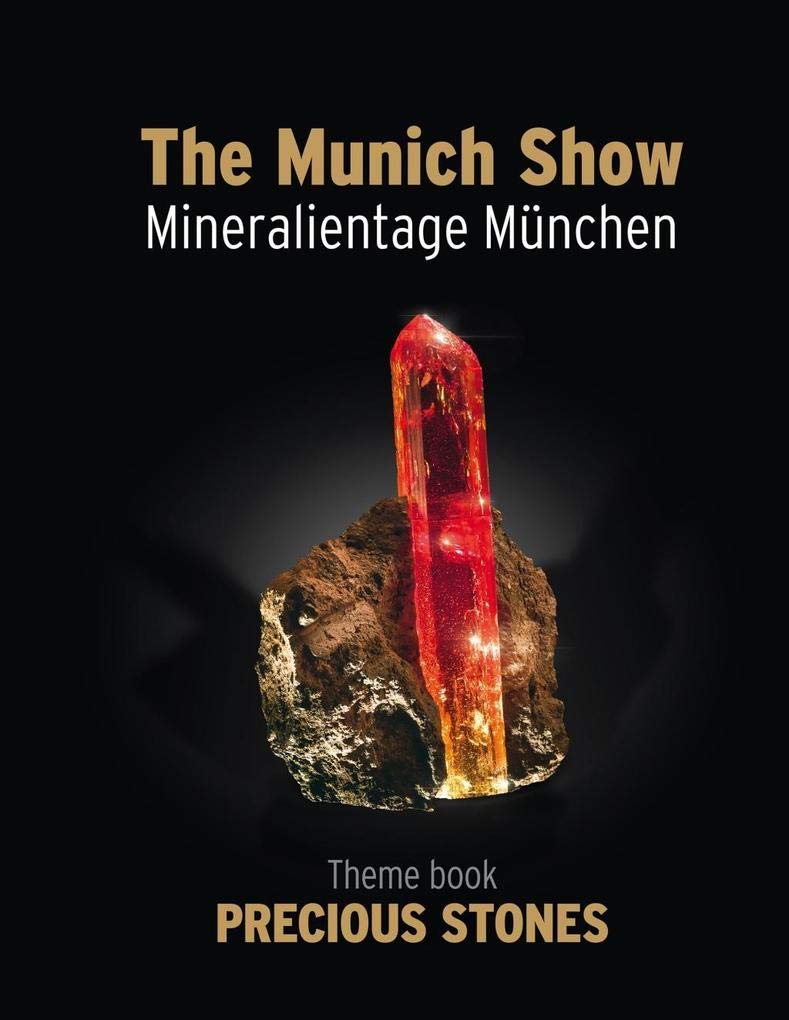
Theme Book: Precious Stones

Edited Book
Munich Show, editor (2015) Theme Book: Precious Stones.. Munich, Wachholtz Murmann, 216 pp..
Record No. 28191  |  ISBN/ISSN: 9783530000000  |  Sinkankas/Born No.: NIS/NIB  |  RWHL*
Rare and precious stones have always aroused the desire of man. They have been a source of fascination and their perceived value has fluctuated strongly over the millennia. Even today, religion and tradition still influence preferences as well as the changing taste and zeitgeist does. In this year’s ‘Precious Stones’ theme book, renowned scientists and authors provide hard facts and their opinion; giving an exciting insight into this fascinating substance, from detailed descriptions of major gem groups and legendary discoveries to their position in society and religion throughout different cultures. Another focus in this year’s show are the traces of mammoths and cave lions back to time of the planet’s last ice age. What did the landscape look like? What types of creatures inhabited the land? How did the ice change today’s landscape? The articles in the book have all the answers as well as an extended documentation on the discovery of ice age mammoths in the Siberian permafrost.

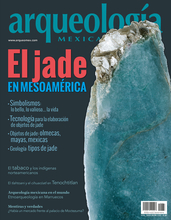
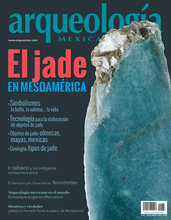
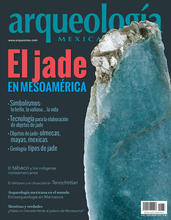
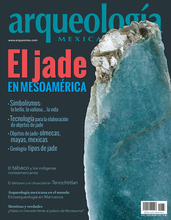
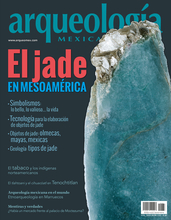
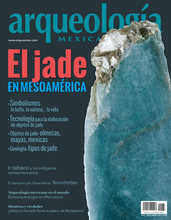
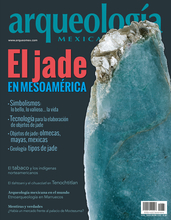
El jade en Mesoamérica

Jade in Mesoamerica
Journal Article
Filloy Nadal, L. (2015) El jade en Mesoamérica. [Jade in Mesoamerica] Arqueología Mexicana, Vol. 23, No. 133, May–June, pp. 30–36 [entire issue features articles on jade].
Record No. 8092  |  Sinkankas/Born No.: NIS/NIB  |  Language: in Spanish  |  RWHL*
Jade held ritual, political and economic importance for all the civilizations of Mesoamerica: from the Preclassic to the Postclassic periods, green jade pieces were carved with great mastery. Thanks to its great resistance to weathering, archaeological objects carved from this stone preserve their visual qualities, their lustre and their colour, even after remaining buried for centuries.

Attempting discussion of mythological concepts’ determinism
Journal Article
Ye, S. (2015) Attempting discussion of mythological concepts’ determinism. Journal of Literature and Art Studies, Vol. 5, No. 12, December, pp. 1158–1167.
Record No. 8053  |  Sinkankas/Born No.: NIS/NIB  |  RWHL*
Current sciences fail in understanding the future trends of human beings’ behaviors and cultures. From the hunting tribes to the agricultural society, the civilized country, and then to the industrial society, none of these developments is the results of human beings’ reasonable proposal. The human beings are “developed”, i.e. pushed forward by certain invisible forces. As being cultural, they are dominated by their cultural concepts. To explore the source of every civilization’s concepts, the formation history of its mythological concepts during the pre-historic period or at the beginning of its civilization shall be studied first. By interpreting the first literature works at the beginning of western civilization, the temporary mythologists reveal the rule that mythological concepts dominate the ritual behaviors and narrative expressions. This paper interprets the historical narratives in Records of the Grand Historian: Annals of the First Emperor of Qin, to reproduce the concepts that dominate China’s national rulers, present the theory of Mythological Concepts’ Determinism, and correspond to the counter-force of ideology put forward by Friedrich Engels in his later years and the religious concepts’ determinism by Max Weber, so as to illustrate the mythological concepts’ function as the prototype code of ideology, and refer to a common and effective directory approach of social science studies.

Lab Notes: Dyed and natural green jadeite
Journal Article
Hand, D. (2015) Lab Notes: Dyed and natural green jadeite. Gems & Gemology, Vol. 51, No. 3, pp. 316–317.
Record No. 6955  |  ISBN/ISSN: 0016626X  |  Sinkankas/Born No.: NIS/NIB  |  RWHL*
Brief lab note about dyed jadeite jade, including the fluorescence of the dye.

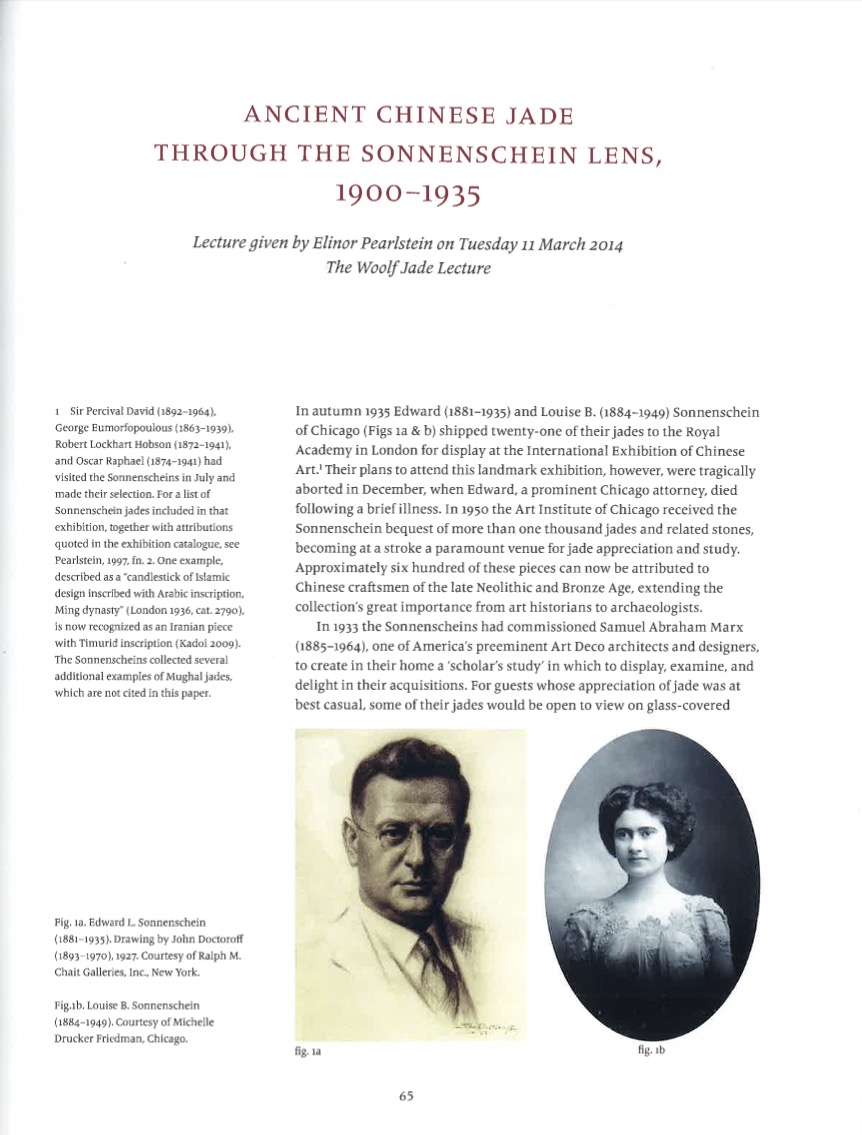
Ancient Chinese jade through the Sonnenschein lens, 1900–1935
Journal Article
Pearlstein, E. (2015) Ancient Chinese jade through the Sonnenschein lens, 1900–1935. Transactions of the Oriental Ceramic Society, Vol. 78 • 2013–14, pp. 65–85.
Record No. 6612  |  Sinkankas/Born No.: NIS/NIB  |  RWHL*

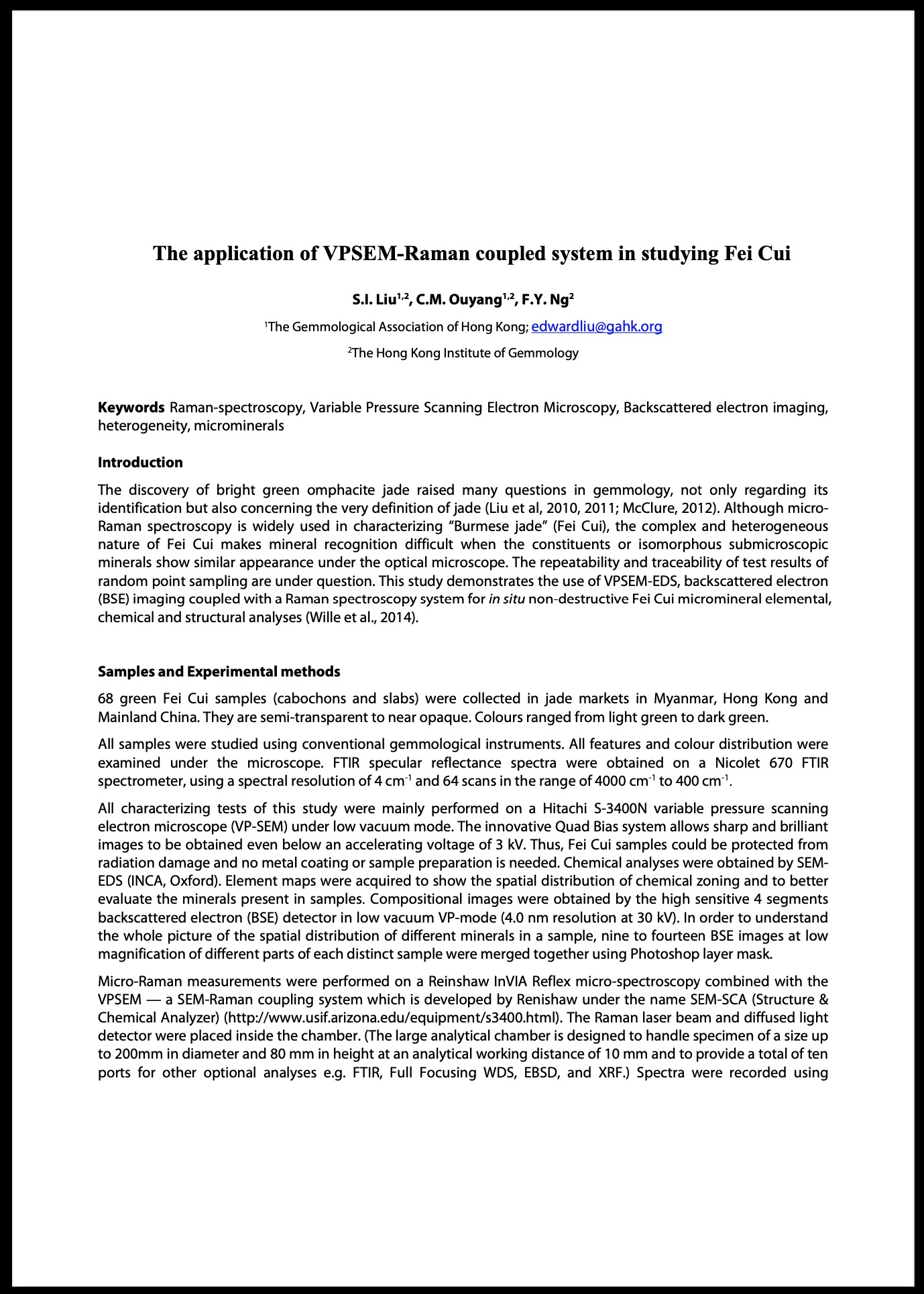
The application of VPSEM-Raman coupled system in studying fei cui

Conference Paper
Liu, S., Ouyang, C.M. and Ng, F.Y. (2015) The application of VPSEM-Raman coupled system in studying fei cui. 34th International Gemmological Conference IGC, August, Vilnus, Lithuania: International Gemmological Conference, pp. 76–79.
Record No. 6499  |  Sinkankas/Born No.: NIS/NIB  |  RWHL*
The discovery of bright green omphacite jade raised many questions in gemmology, not only regarding its identification but also concerning the very definition of jade (Liu et al, 2010, 2011; McClure, 2012). Although micro- Raman spectroscopy is widely used in characterizing “Burmese jade” (Fei Cui), the complex and heterogeneous nature of Fei Cui makes mineral recognition difficult when the constituents or isomorphous submicroscopic minerals show similar appearance under the optical microscope. The repeatability and traceability of test results of random point sampling are under question. This study demonstrates the use of VPSEM-EDS Variable Pressure Scanning Electron Microscopy- Energy Dispersive Spectroscopy, backscattered electron (BSE) imaging coupled with a Raman spectroscopy system for in situ non-destructive Fei Cui micromineral elemental, chemical and structural analyses (Wille et al., 2014).

Exploring the Literature of Jade

Jade literature spans gemology, mineralogy, archaeology, art history, mining, carving and connoisseurship, and includes works on both jadeite and nephrite from around the world.

For an introduction to collecting books on this subject, read Hidden Treasure — Collecting the Literature of Jade.

About Four Treasures

Four Treasures is Lotus Gemology's freely accessible gemological reference database. Use the full database to search by author, title or keyword and explore literature on gemology, mineralogy, jewelry and related fields. Where available, hyperlinks on titles may lead directly to the full publication.

Search the Complete Four Treasures Database