Explore books, articles and historical sources on jade in Four Treasures, the Lotus Gemology reference database. This bibliography brings together matching records from the collection, with publication details, abstracts and cover images where available.
Jade References
The list below matches the terms jade, jadeite, nephrite or Fei Cui in the database's searchable fields. Some references discuss these materials as part of a broader subject.
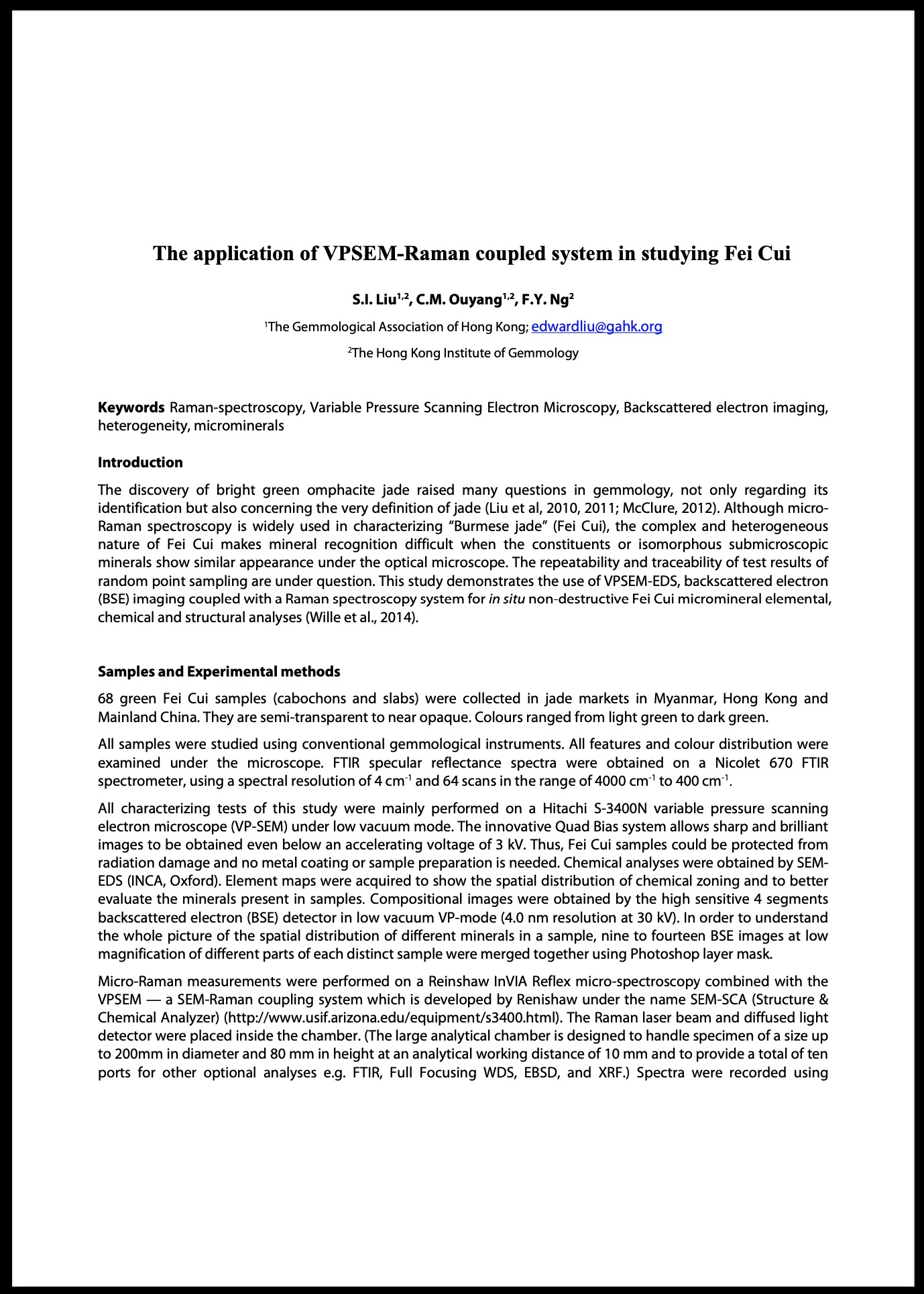
Liu, S., Ouyang, C.M. and Ng, F.Y. (2015)The application of VPSEM-Raman coupled system in studying fei cui. 34th International Gemmological Conference IGC, August, Vilnus, Lithuania: International Gemmological Conference, pp. 76–79.
Record No. 6499 | Sinkankas/Born No.: NIS/NIB | RWHL*
The discovery of bright green omphacite jade raised many questions in gemmology, not only regarding its identification but also concerning the very definition of jade (Liu et al, 2010, 2011; McClure, 2012). Although micro- Raman spectroscopy is widely used in characterizing “Burmese jade” (Fei Cui), the complex and heterogeneous nature of Fei Cui makes mineral recognition difficult when the constituents or isomorphous submicroscopic minerals show similar appearance under the optical microscope. The repeatability and traceability of test results of random point sampling are under question. This study demonstrates the use of VPSEM-EDS Variable Pressure Scanning Electron Microscopy- Energy Dispersive Spectroscopy, backscattered electron (BSE) imaging coupled with a Raman spectroscopy system for in situ non-destructive Fei Cui micromineral elemental, chemical and structural analyses (Wille et al., 2014).
Jade
Book
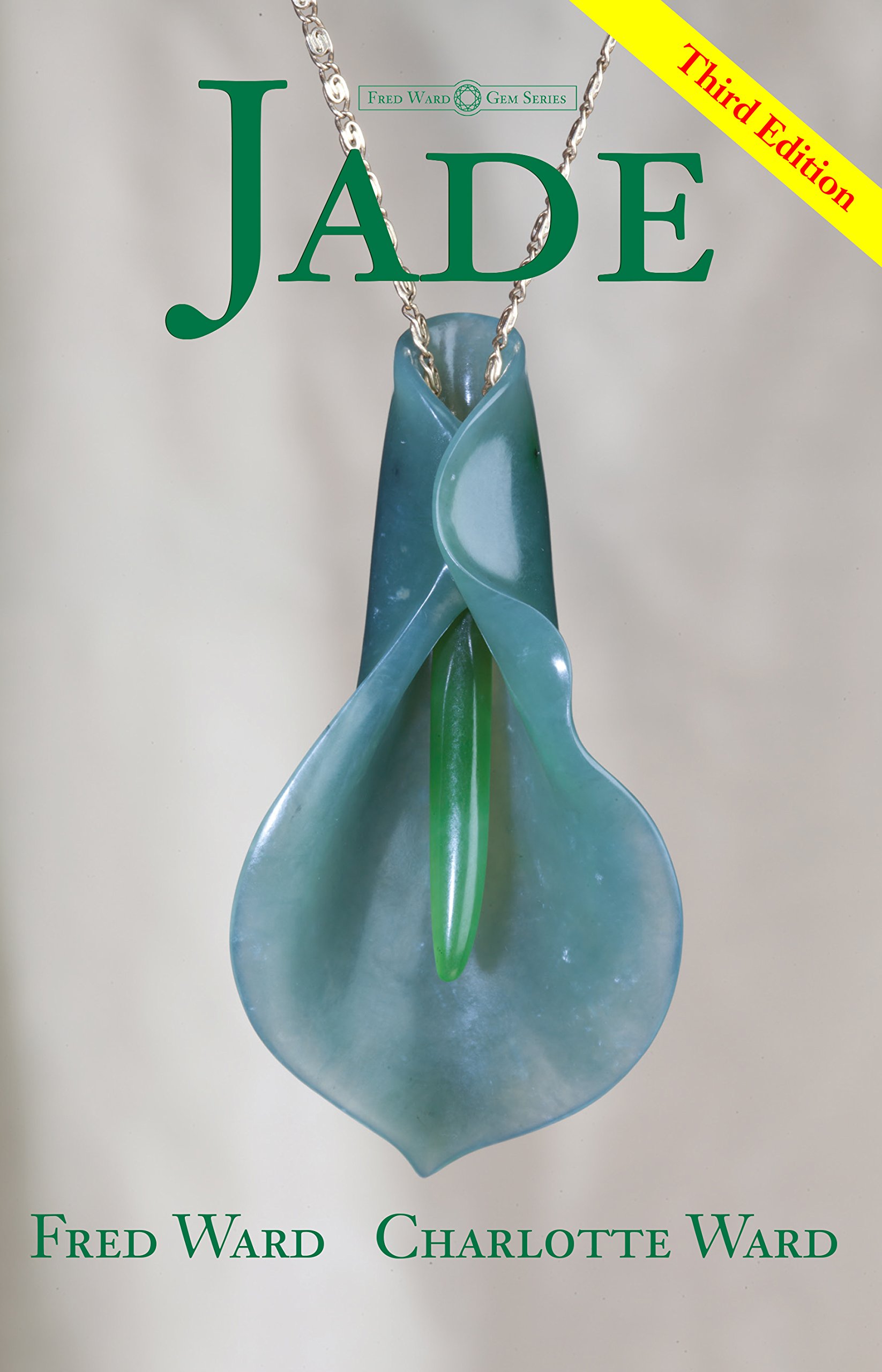
Ward, F. and Ward, C. (2015)Jade. Malibu, CA, Gem Book Publishers, 64 pp.
Jade is the eighth in a series of gem books written and photographed by Fred Ward and Charlotte Ward, who updated this edition. Each book Rubies and Sapphires, Emeralds, Diamonds, Opals, Pearls, Gem Care, and Phenomenal Gems is part of a continuing global search into the history, geology, lore, and sources of these priceless treasures. Mr. Ward personally visited the sites and artifacts displayed here to provide authentic and timely information. His original articles on all those topics, except opals and gem phenomena, first appeared in National Geographic Magazine. Glamour, intrigue, romance, the quest for treasure those are all vital aspects of humankind s eternal search and love for gemstones. As long as people have roamed the world, they have placed extraordinary value on our gifts from the land and sea. The Wards capture the gem world in captivating, expert detail with an emphasis on the international contemporary scene.
Nephrite/jade: The preeminent celt stone of the Pacific Northwest
Book Section
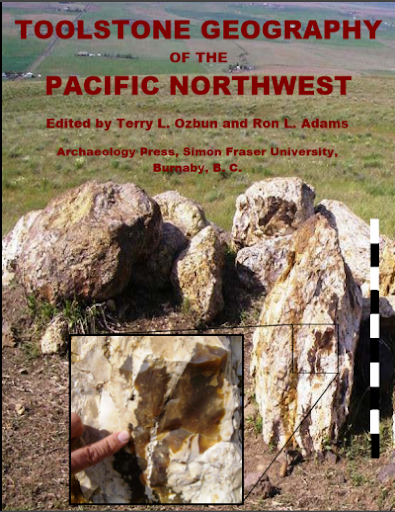
Morin, J. (2015) Nephrite/jade: The preeminent celt stone of the Pacific Northwest. In: Toolstone Geography of the Pacific Northwest, Burnaby, BC, Canada: Archaeology Press, Simon Fraser University, pp. 12–28.
Record No. 6225 | Sinkankas/Born No.: NIS/NIB | RWHL*
Reference copied to clipboard!
gems, jade, nephrite, Canada, British Columbia, USA, Washington
Nephrite/jade is rather different from all the other toolstones discussed in this volume, as it was exclusively used for making ground, rather than flaked stone artifacts in the Pacific Northwest. While most toolstone was selected for its property of being able to fracture it in a controlled manner, nephrite was selected for the exact opposite reason – namely it is exceedingly difficult to fracture at all. Because of its extreme toughness, nephrite was a very desirable material for the production of stone celts (adzes, chisels, and axes). Nephrite from the Pacific Northwest is dominated by shades of green, but can occur in a myriad of colors. Being a semi- precious gemstone, polished nephrite also has remarkable aesthetic qualities – namely translucency and luster. The combination of incredible toughness, durability and unique aesthetic properties make nephrite a remarkably singular toolstone. Besides celts, there are very few other artifact types aside from production debris (e.g., knives, pendants, scrapers, points) made of nephrite in the Pacific Northwest. Despite its general rarity in the environment, nephrite was the most commonly used toolstone, or more specifically ‘celt stone’, for the production of stone celts in the Pacific Northwest. This paper first briefly describes the cultural context of indigenous nephrite use, second describes the petrology and petrogenesis of nephrite, and third reviews the distribution and occurrence of in situ and secondary nephrite deposits.
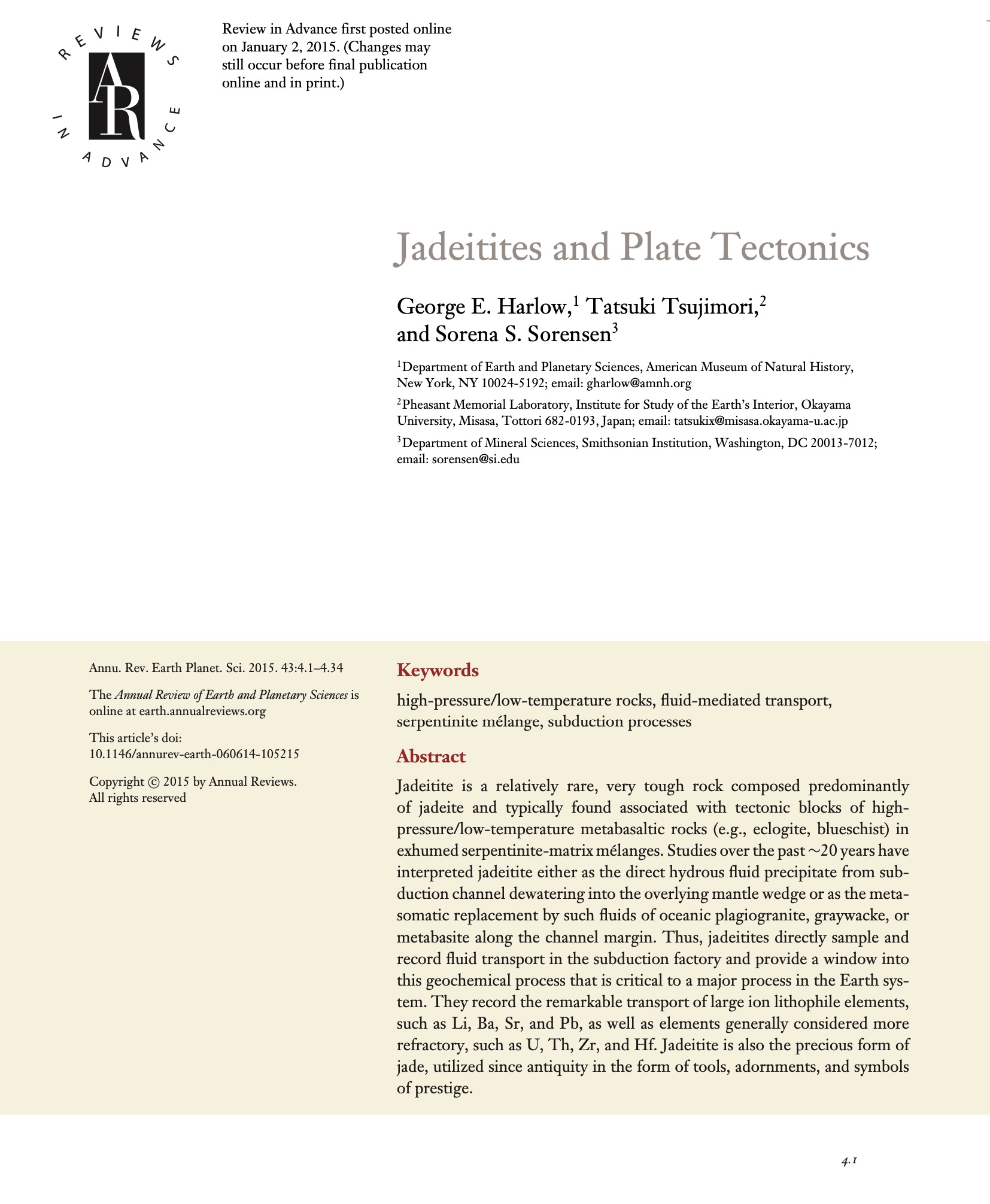
Harlow, G.E., Tsujimori, T. and Sorensen, S.S. (2015) Jadeitites and plate tectonics.Annual Review of Earth and Planetary Sciences, Vol. 43, No. 1,, 5/30/15 pp. 105–138.
Jadeitite is a relatively rare, very tough rock composed predominantly of jadeite and typically found associated with tectonic blocks of high-pressure/low-temperature metabasaltic rocks (e.g., eclogite, blueschist) in exhumed serpentinite-matrix mélanges. Studies over the past ?20 years have interpreted jadeitite either as the direct hydrous fluid precipitate from subduction channel dewatering into the overlying mantle wedge or as the metasomatic replacement by such fluids of oceanic plagiogranite, graywacke, or metabasite along the channel margin. Thus, jadeitites directly sample and record fluid transport in the subduction factory and provide a window into this geochemical process that is critical to a major process in the Earth system. They record the remarkable transport of large ion lithophile elements, such as Li, Ba, Sr, and Pb, as well as elements generally considered more refractory, such as U, Th, Zr, and Hf. Jadeitite is also the precious form of jade, utilized since antiquity in the form of tools, adornments, and symbols of prestige.
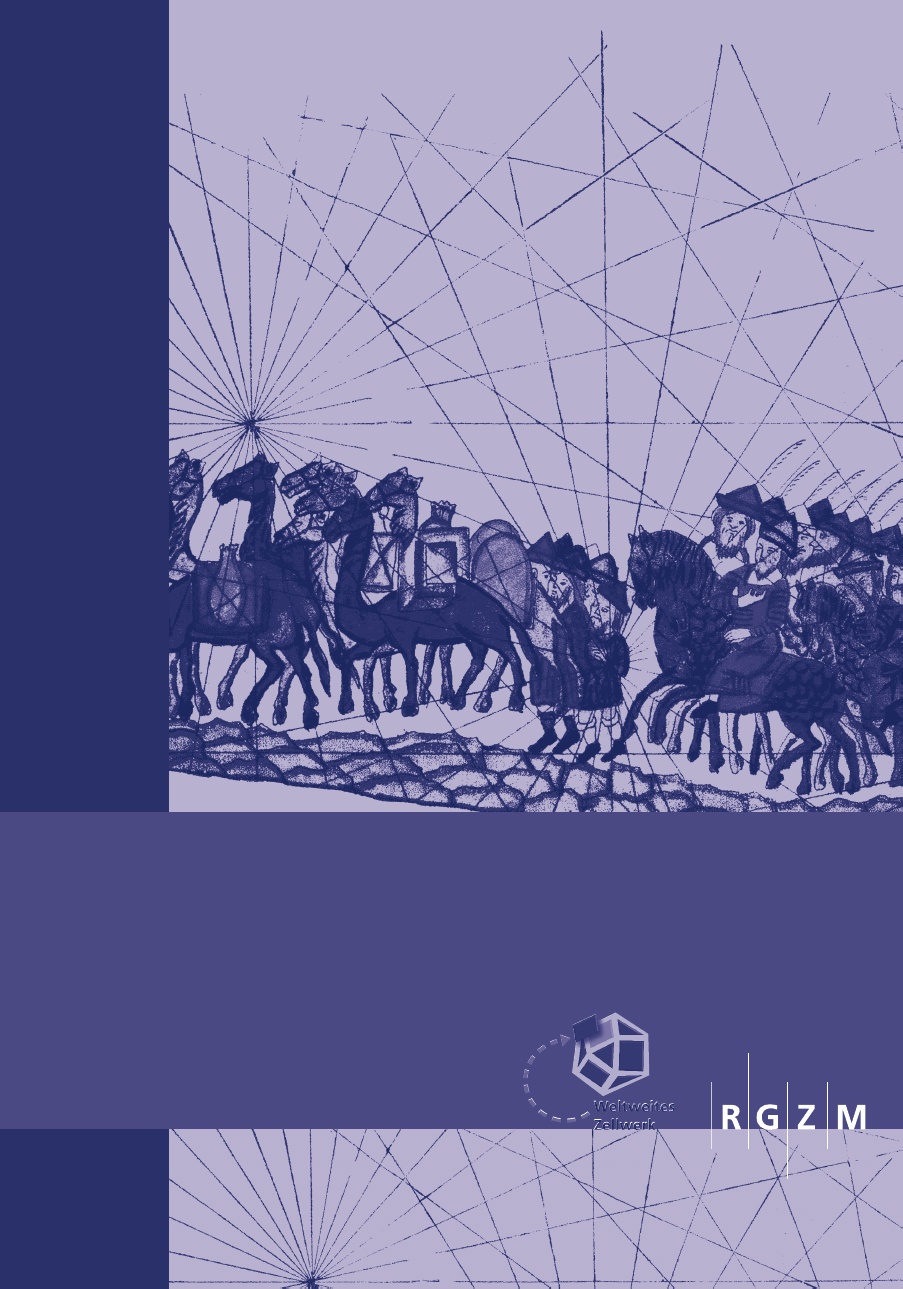
Borell, B. (2015)Gemstones in Southeast Asia and Beyond: Trade Along the Maritime Networks. Gemstones in the First Millennium AD: Mines, Trade, Workshops and Symbolism, Mainz: Verlag des Römisch-Germanischen Zentralmuseums, pp. 21–44.
This paper focuses on the period from about 500 BC to AD 500, thus in part predating the time frame of the conference »Gemstones in the First Millennium AD«. In Southeast Asian archaeology this period corresponds to the Iron Age and to the Early Historic phase of state development. From about 500 to 400 BC onwards, contacts and trade in the trans-Eurasian exchange increased tremendously, not only along overland routes but also along sea routes. This increase in contacts resulted in an interconnectedness of the ancient world to an extent not experienced before1. Southeast Asia played a major role, particularly with regard to the networks of contact and exchange along maritime routes. The paper offers an overview of use and trade of valuable and precious stones, emphasising certain aspects. This would not have been possible without the research and numerous detail studies accomplished by others. In particular, archaeometric investigations made important contributions during the last decades. Of course, the synopsis offered here will be presented from my own perspective. In addition, in a few cases, it will be expanded by my own research results.
The nephrite jade road: Evolution of the green nephrite market
Web Page
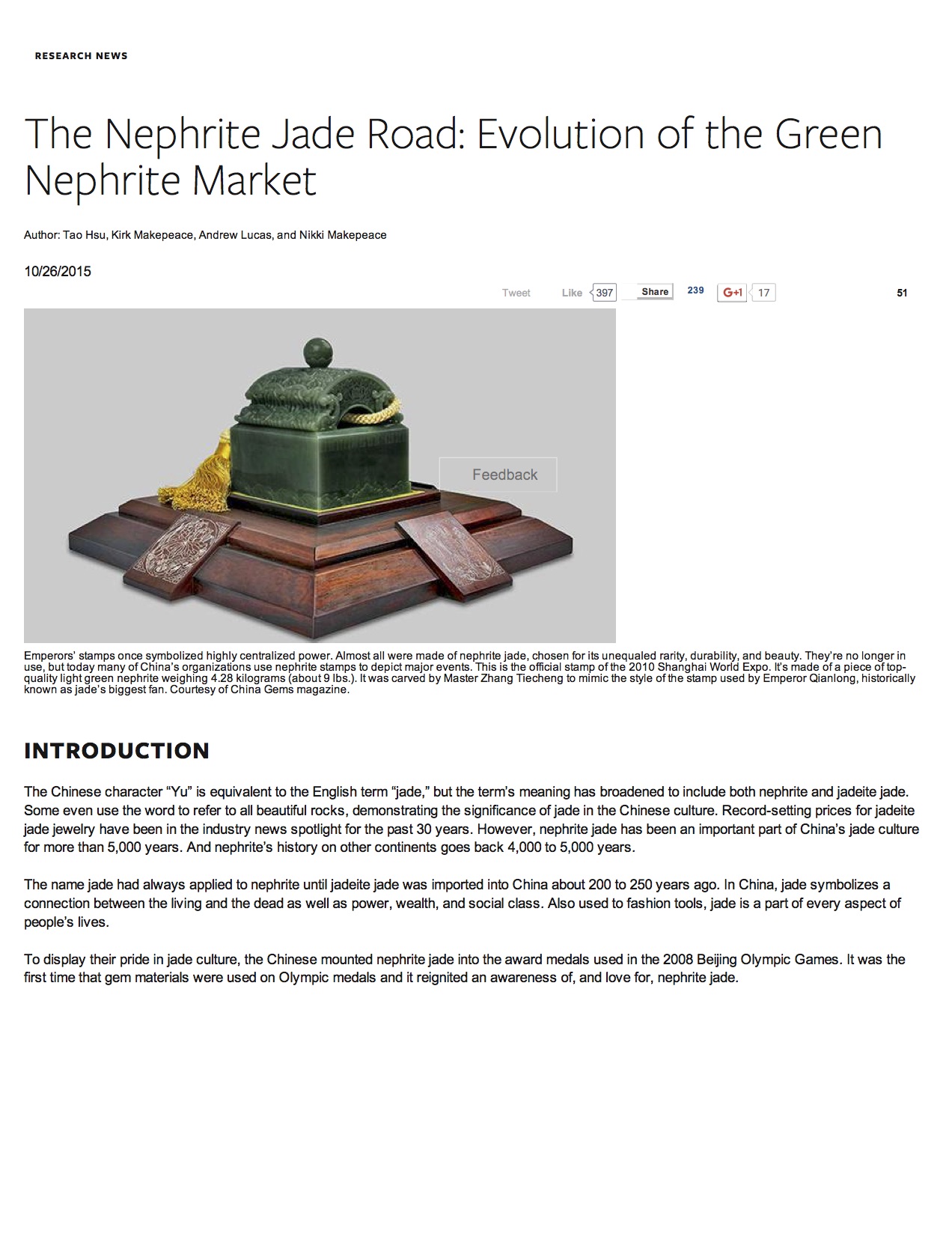
Hsu, T., Makepeace, K., Lucas, A. and Makepeace, N. (2015)The nephrite jade road: Evolution of the green nephrite market. Gemological Institute of America,
Record No. 5793 | Sinkankas/Born No.: NIS/NIB | RWHL*
The Chinese character “Yu” is equivalent to the English term “jade,” but the term’s meaning has broadened to include both nephrite and jadeite jade. Some even use the word to refer to all beautiful rocks, demonstrating the significance of jade in the Chinese culture. Record-setting prices for jadeite jade jewelry have been in the industry news spotlight for the past 30 years. However, nephrite jade has been an important part of China’s jade culture for more than 5,000 years. And nephrite’s history on other continents goes back 4,000 to 5,000 years.The name jade had always applied to nephrite until jadeite jade was imported into China about 200 to 250 years ago. In China, jade symbolizes a connection between the living and the dead as well as power, wealth, and social class. Also used to fashion tools, jade is a part of every aspect of people’s lives.To display their pride in jade culture, the Chinese mounted nephrite jade into the award medals used in the 2008 Beijing Olympic Games. It was the first time that gem materials were used on Olympic medals and it reignited an awareness of, and love for, nephrite jade.
Luo, Z., Yang, M. and Shen, A.H. (2015) Origin determination of dolomite-related white nephrite through iterative-binary linear discriminant analysis.Gems & Gemology, Vol. 51, No. 3, Fall, pp. 300–311.
Provenance studies on nephrite jade are of gemological as well as archeological importance. Origin determination is difficult to achieve relying solely on typical gemological properties and observations. In this study, the authors present a new statistical analysis method, based on linear discriminant analysis (LDA) and trace-element data from laser ablation–inductively coupled plasma–mass spectrometry (LA-ICP-MS), to achieve significantly improved origin determination (an average of 94.4% accuracy) for eight major dolomite-related nephrite deposits in eastern Asia. As the principle is to compare one location to the rest in one round and continue such binary comparison until all possible localities are tested, the method is referred to as iterative-binary LDA (IB-LDA). Combined with trace-element composition data from LA-ICP-MS, it could prove to be a useful technique for the geographic origin determination of other gemstones.
Fei Cui: A Stone & A Culture
Book
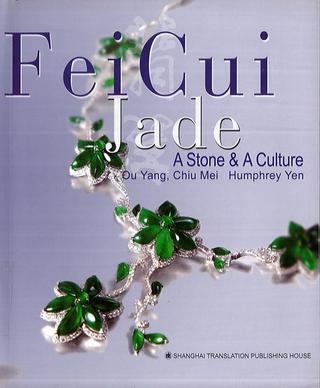
Ouyang, C.M. and Yen, H. (2015)Fei Cui: A Stone & A Culture. Shanghai, Shanghai Translation Publishing House, 248 pp.
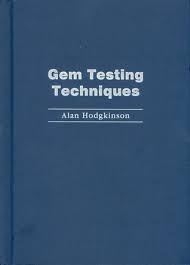
From Nathan Renfro (GIA): Although several books on gem testing have been previously published, this particularly comprehensive volume by renowned gemmologist Alan Hodgkinson will certainly be a welcome addition to members of the field. This book is geared towards a general audience from beginners to career gemmologists. It is saturated with information, yet isn’t so technical to be impractical. The numerous chapters are organised in broad categories relating to particular physical properties. From acid testing of gem materials to the correct application of ultraviolet light, there is little that Hodgkinson does not cover. This book is well written with great detail. In its 552 pages, the reader will be pleased to find numerous images and diagrams that, while not generally glamorous, are very adequate for aiding the reader in understanding the concepts discussed. Scattered throughout the volume are a number of tips and tricks that the practicing gemmologist may find useful as a way to gain information while testing an unknown gem, such as using top lighting to observe pleochroism with a refractometer. Many of the methods require readily available and inexpensive materials, which many gemmologists will appreciate; the use of “visual optics” to measure refractive indices with an elongate paper as an indexed scale is one example. The book is clad in a plain blue hard cover, with silver lettering on the front cover and spine. A ribbon is included for marking one’s place as the reader navigates the pages. The overall quality of the paper, printing and binding appear to be very good. Overall, this book serves as a great reference for gemmologists. The decades of experience by the author are apparent when reading through this book. Surely this will be a highly sought-after publication from which hobbyists and professional gemmologists alike can benefit.
Maya jade: The revival of a gem revered by royalty
Journal Article
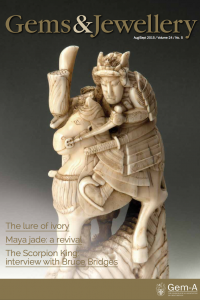
Serras-Herman, H. (2015) Maya jade: The revival of a gem revered by royalty.Gems&Jewellery, Vol. 24, No. 5, Aug/Sept, pp. 20–23.
Record No. 4097 | Sinkankas/Born No.: NIS/NIB | RWHL*
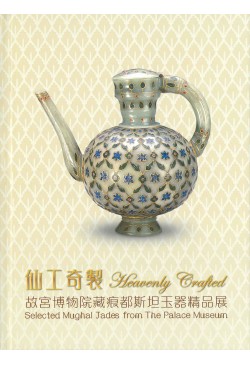
Xu, X., editor (2015)Heavenly Crafted: Selected Mughal Jades from the Palace Museum. [仙工奇製: 故宮博物院藏痕都斯坦玉器精品展]. Hong Kong, Art Museum, Chinese University of Hong Kong, 219 pp..
Record No. 3943 | ISBN/ISSN: 9789880000000 | Sinkankas/Born No.: NIS/NIB | Language: in English and Chinese | RWHL*
This bilingual catalogue is published in conjunction with the exhibition Heavenly Crafted: Selected Mughal Jades from the Palace Museum" jointly organized by the Art Museum, The Chinese University of Hong Kong and the Palace Museum, Beijing. The catalogue features forty extraordinary pieces of Mughal jades from the Palace Museum collection in full colour images. It also includes essays written by Dr. Xu Xiaodong, Associate Director of the Art Museum, Mr. Zhang Linjie and Ms. Huang Ying from the Palace Museum and Ms. Hu Tingting, Ph.D Candidate of Department of Fine Arts, CUHK respectively. It will provide an excellent opportunity for readers to learn more about the Mughal jades."
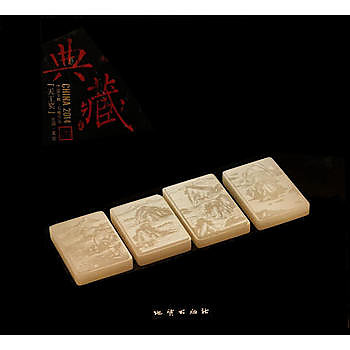
Ao, Y., editor (2015)Classic Collections of 2014 China Jade Carving & Stone Carving Works Awarded with Tian Gong Prize. [2014中国玉雕·石雕作品天工奖"典藏集"]. Beijing, 中国地质大学出版社 [China University of Geosciences Press], 402 pp..
Record No. 3927 | ISBN/ISSN: 9787120000000 | Sinkankas/Born No.: NIS/NIB | Language: in Chinese | RWHL*
Reference copied to clipboard!
gems, jade, nephrite, jadeite, fei cui, China, Burma, Chinese jade carving, coral, agate, quartz, rock crystal, chalcedony, onyx, amethyst, turquoise
This catalogue brings together Chinese jade- and stone-carving works awarded the Tian Gong Prize in 2014. It forms part of an annual series documenting contemporary carving through prize-winning works, providing a record of artistic achievement and a reference for collectors and practitioners. The series presents works under award categories recognising overall excellence, craftsmanship and creative design. As a record of a single year’s awards, the volume offers material for studying contemporary Chinese carving and the standards of artistic recognition within the industry.
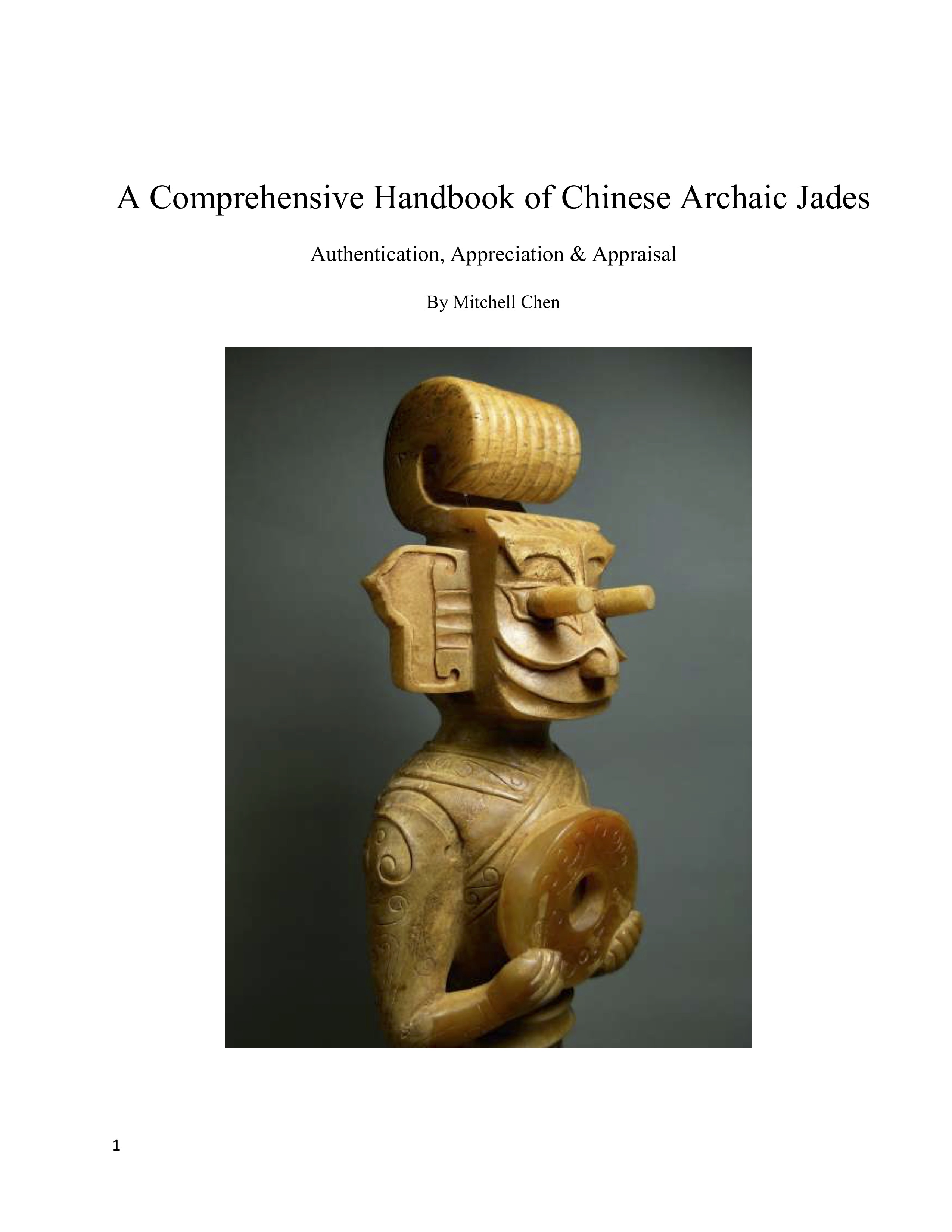
A Comprehensive Handbook of Chinese Archaic Jades: Authentication, Appreciation & Appraisal
Book
Chen, M. (2015)A Comprehensive Handbook of Chinese Archaic Jades: Authentication, Appreciation & Appraisal. Taipei, self-published, 135 pp.
Record No. 3880 | Sinkankas/Born No.: NIS/NIB | RWHL*
Reference copied to clipboard!
gems, jade, nephrite, archaic jade, Chinese jade, Chinese jade carving
Chinese archaic jades are not only artworks but also the physical evidences of the records of Chinese history. The content of the Chinese Archaic Jades study covers the areas of jade authentication, jade appreciation & jade appraisal. The jade’s authentication method consists of three aspects: 1. Jade antiquity authentication, 2. Material composition authentication and 3. Jade periods verification. The jade’s authentication method described in this handbook is the scientific method which has been recognized in recent years by industry, government and academia in Taiwan. This handbook attempts to provide a comprehensive guide to the fundamentals of the Chinese archaic jade’s authentication, appreciation & appraisal methodologies. In order to describe these fundamentals in more detail, I have use my own collection of Chinese archaic jades of various periods from Hongshan Cultures (3500 B.C.–2200 B.C.) to the Ming & Qing Dynasties((1368 A.D.–1911 A.D.) as examples. With the aim to facilitate the readers to examine the details of antiquity evidences of these items in mind, detailed microscopic images with full explanations are provided. The knowledge and information provided in this handbook are the result of the author‘s years experiencs of Chinese archaic jade collection process, including five year’s teaching Chinese archaic jades authenication and appraisal courses at univerisities and many years practicing autentication services to many antiquity jades dealers and private collectors in Taiwan. I hope the readers of this handbook will be enjoyed reading the material provided here, and most importantly, will discover useful knowledge on the authentication, appreciation & appraisal methodologies of the Chinese archaic jades.
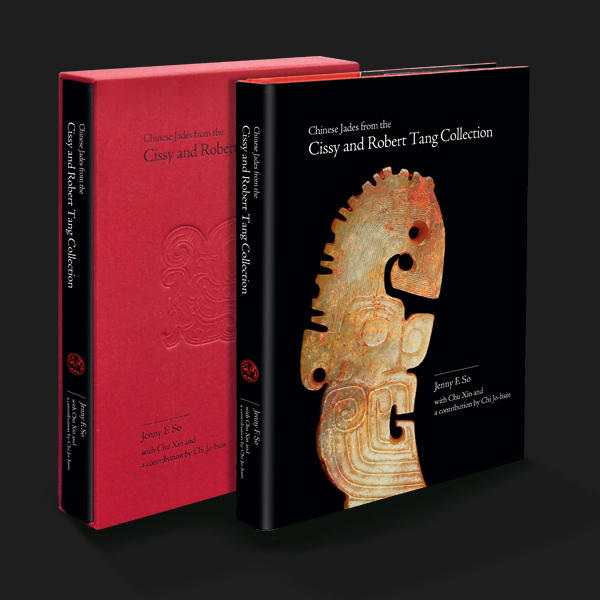
Chinese Jades from the Cissy and Robert Tang Collection
Book
So, J.F. (2015)Chinese Jades from the Cissy and Robert Tang Collection. Hong Kong, Art Museum, The Chinese University of Hong Kong, 259 pp.
Record No. 3581 | Sinkankas/Born No.: NIS/NIB | RWHL*
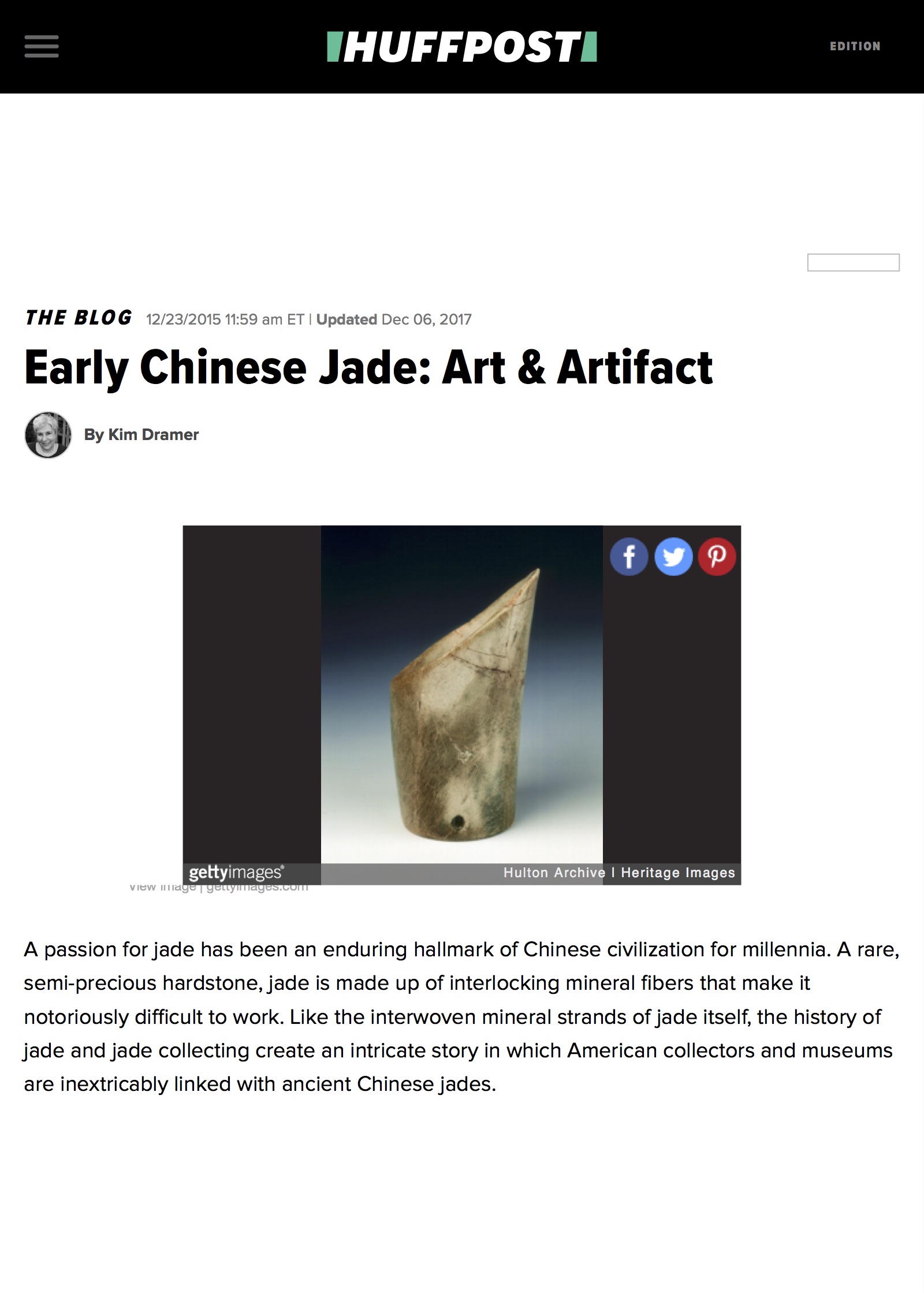
Dramer, K. (2015)Early Chinese jade: Art & artifact. Huffpost, <https://www.huffingtonpost.com/kim-dramer-/chinas-early-jade-age_b_8544564.html>
Record No. 3536 | Sinkankas/Born No.: NIS/NIB | RWHL*
Reference copied to clipboard!
jade, nephrite, archaic jade, Chinese jade, Hotien, gems
A passion for jade has been an enduring hallmark of Chinese civilization for millennia. A rare, semi-precious hardstone, jade is made up of interlocking mineral fibers that make it notoriously difficult to work. Like the interwoven mineral strands of jade itself, the history of jade and jade collecting create an intricate story in which American collectors and museums are inextricably linked with ancient Chinese jades.
A Personal Selection of Fine Jade Carvings from the Yushantang Collection of Nick Troubetzkoy
Book
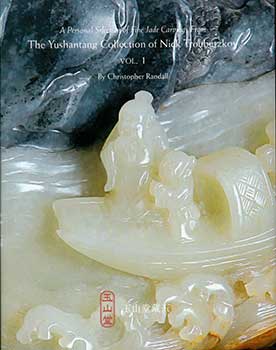
Randall, C. (2015)A Personal Selection of Fine Jade Carvings from the Yushantang Collection of Nick Troubetzkoy. St. Lucia, Nick Troubetzkoy's Jade Mountain, Vol. 1, 129 pp.
Record No. 3534 | Sinkankas/Born No.: NIS/NIB | RWHL*
jade, nephrite, Xinjiang, Khotan, Hotan, China, Chinese jade, poetry, Japanese poetry, gems
Two poems dv the venerable Shingon priest and oilgrim Kukai figure prominently in Bupposo" ([Bird of] the Three Treasures), whicn is the fifth tale in Ueda Akinari's (1734—1809) collection Ugetsu monogatari (Tales of Moonlight and Rain, 1776). One of them, a seven-character Chinese quatrain about the bupposo, an exquisite songbird known in English as the dollarbird {eurystomus orientalis), gives the tale its title.2 Its protagonist recites this along with several other poems on the same topic during a visit to the Okunoin, Kukai's tomb at the temple complex located on Mt. Koya. Toward the end of the tale, the characters turn to a second poem by Kukai, the above-cited tanka about the Tamagawa (translated as the Jeweled Stream) that transects the area. In a brief exchange, they puzzle over the poem's accompanying gloss (kotobagaki), which explains that Kukai intended it as a warning to visitors of poisonous insects (dokumushi). One of the tale's characters (the ghost of the renga poet Satomura Joha, 1525-1602) disputes this interpretation, insisting that an auspicious name like Tamagawa would never have been attached to the river had its waters been contaminated. Ergo, he concludes, the preface and perhaps even the poem itself were forged by unnamed devotees intent on "honoring the Buddha" at the expense of etymological common sen"
Jade literature spans gemology, mineralogy, archaeology, art history, mining, carving and connoisseurship, and includes works on both jadeite and nephrite from around the world.
Four Treasures is Lotus Gemology's freely accessible gemological reference database. Use the full database to search by author, title or keyword and explore literature on gemology, mineralogy, jewelry and related fields. Where available, hyperlinks on titles may lead directly to the full publication.