Jade Bibliography

Jade Bibliography

Explore books, articles and historical sources on jade in Four Treasures, the Lotus Gemology reference database. This bibliography brings together matching records from the collection, with publication details, abstracts and cover images where available.

Jade References

The list below matches the terms jade, jadeite, nephrite or Fei Cui in the database's searchable fields. Some references discuss these materials as part of a broader subject.
101–120 of 3,768 matching references

True jades, false friends

Book Section
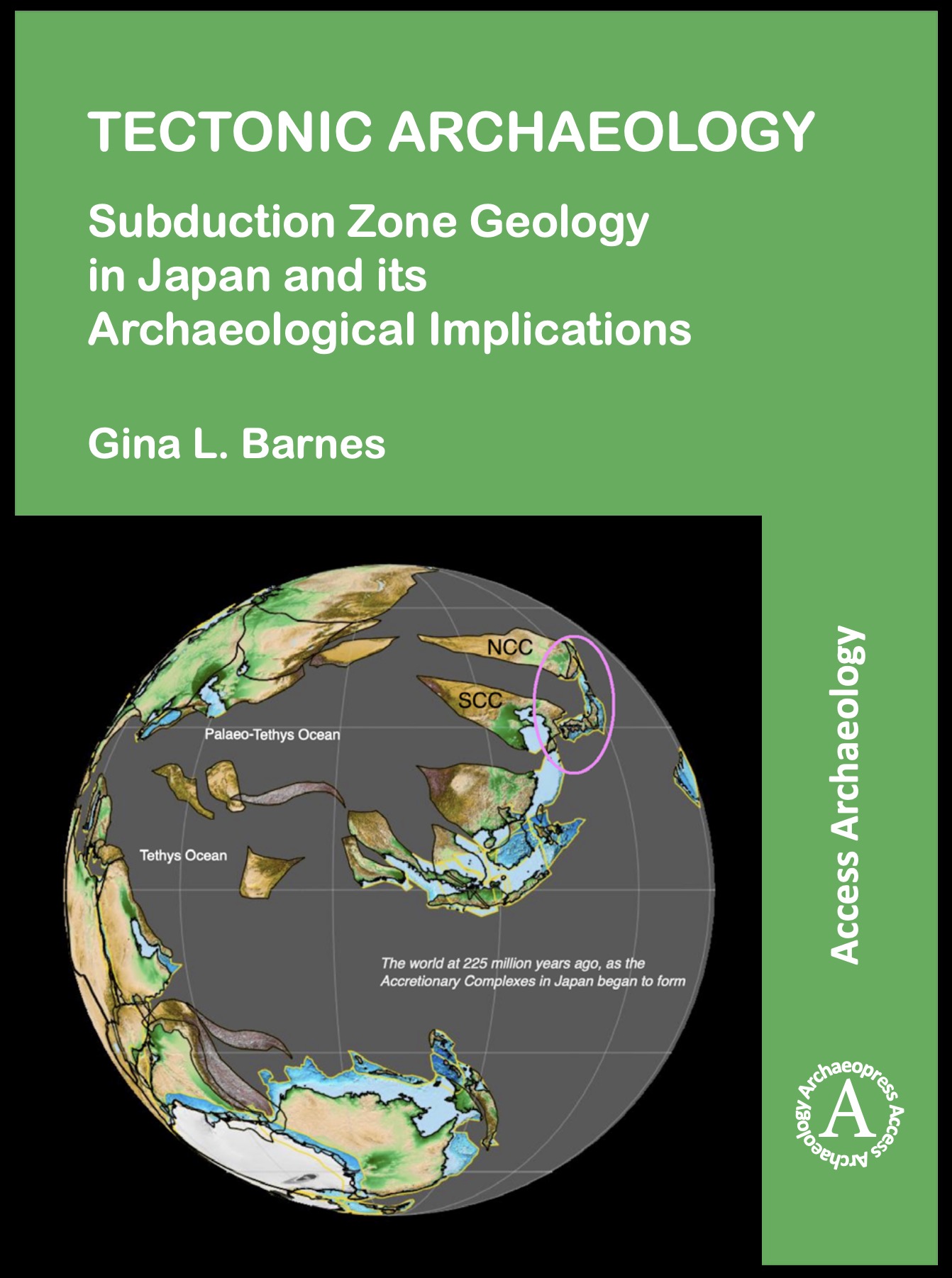
Barnes, G.L. (2022) True jades, false friends. In: Tectonic Archaeology: Subduction Zone Geology in Japan and its Archaeological Implications, Subduction Zone Geology in Japan and its Archaeological Implications, Oxford: Archaeopress, pp. 338–372.
Record No. 6652  |  ISBN/ISSN: 9781800000000  |  DOI: https://dx.doi.org/10.2307/j.ctv35n89zf.20  |  Sinkankas/Born No.: NIS/NIB  |  RWHL*
This chapter represents a foray into a very different aspect of Tectonic Archaeology. Previous descriptions dealt with sanukite and obsidian sources produced during volcanic eruptions in the Japanese Islands (BOX 4 and Chapter 6). These stones were mainly used by prehistoric peoples for utilitarian objects. Here, we will look at the more ornamental stones that are referred to under the catch-all term ‘jade’. For millennia, jades have been valued in many cultures in both China and Japan. The favoured types and sources of jades have changed over time, as has our knowledge of the stones themselves. One of the greatest problems in dealing with archaeological jades is the correct identification of the stones in order to trace their source and thereby understand the social relations underlying their patterns of procurement, production, and consumption. In the last 15 years, the field has been upset by increasingly detailed chemical analyses of so-called jadeites. This impacts the gemological world more than geological, but what ramifications does it hold for archaeology? Plate Tectonics is crucial for understanding the formation and distribution of the true jades: nephrite and jadeitite. Their tectonic contexts determine the minerals available for their composition. True jade mineralogy will be detailed below in relation to their host rocks, dolomitic limestone (dolostone) and serpentenite. Metamorphic processes (Chapter 2.5) are integral to the formation of both host rocks and jade products, while the processes of exhumation and obduction (Chapter 2.5.3, 2.7) determine where the true jades are found in the world today.

The Magnificent Kunlun Jade • The Songzhutang Collection of Ming and Qing Jade
Book
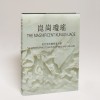
Fok, T. (2022) The Magnificent Kunlun Jade • The Songzhutang Collection of Ming and Qing Jade. Hong Kong, CA Book Publishing, 190 pp.
Record No. 6439  |  Sinkankas/Born No.: NIS/NIB  |  RWHL*
This book was first published in 2011 covering my collection of Chinese jades ranging from archaic to Ming and Qing periods. In 2022, I republish a new edition by adding my new acquisitions assembled in the last decade and at the same time advancing my interest past archaic jades. It is my wish that this new publication will draw valuable comments from my fellow friends of mutual interests as well as other Chinese jade enthusiasts.

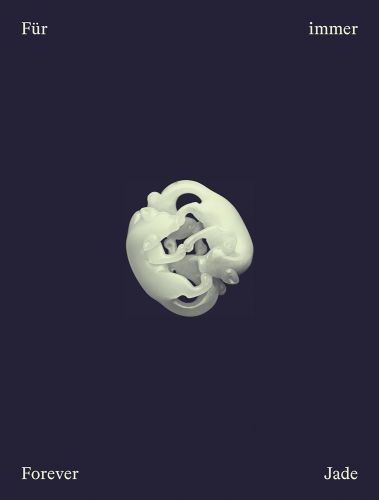
Forever Jade • Chinese Jade Miniatures from Four Millennia
Edited Book
Przychowski, A., von, editor (2022) Forever Jade • Chinese Jade Miniatures from Four Millennia.. Zürich, Scheidegger & Spiess, 132 pp..
Record No. 6424  |  ISBN/ISSN: 9783040000000  |  Sinkankas/Born No.: NIS/NIB  |  Language: in English and German  |  RWHL*
Luminous, with a silken glow and soft to the touch, yet harder than steel, created by nature and shaped by human hand: no other material has been more highly valued in China for millennia than jade. Since humanity’s earliest days, magical properties have been attributed to the mineral. As a burial gift it confers immortality and is said to improve health when given as medicine, as a talisman it bestows good fortune and protection. It is hardly surprising that jade objects became sought-after collectables as early as the 10th century. Zurich’s Museum Rietberg is home to an exquisite collection of Chinese jade objects spanning four millennia. In his striking images, Zurich-based photographer Felix Streuli brings them to life and makes them glow. The images reveal the most intricate details and make these works of art almost tangible to the viewer. This book features around 60 of Streuli’s outstanding photographs, supplemented with concise texts on the objects they show and an introduction to the history of Chinese jade art. Interspersed short stories and poems revolving around the mythical gemstone and a reflection on the photographer’s gaze round out this carefully designed picture book.

Pre-Columbian Art from Central America and Colombia at Dumbarton Oaks
Book
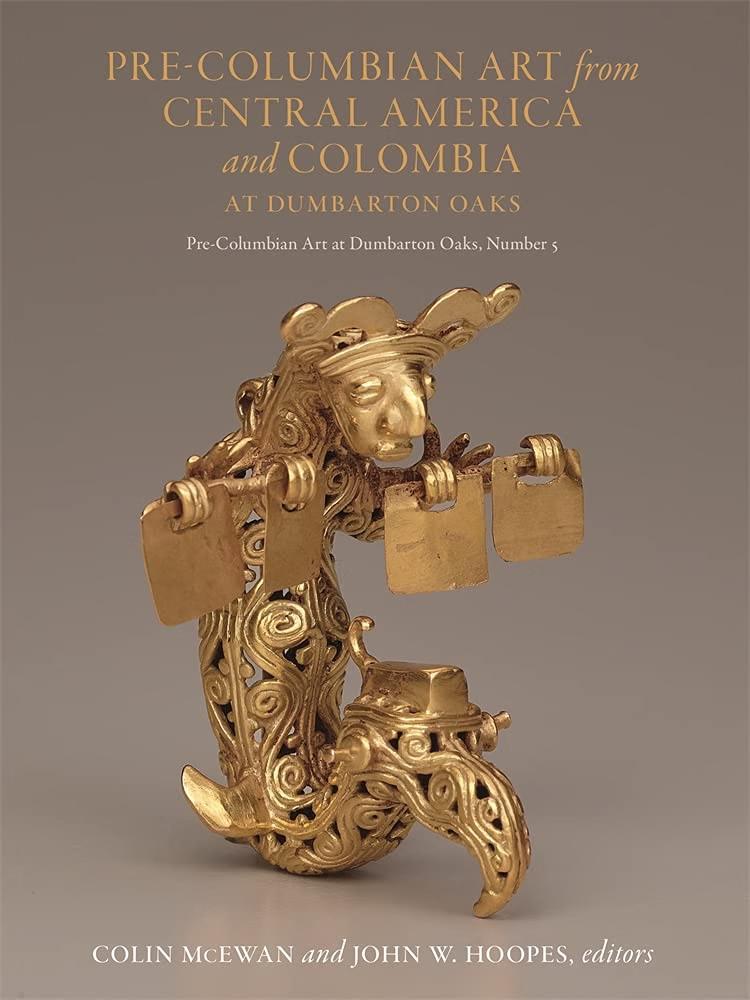
McEwan, C. and Hoopes, J.W. (2021) Pre-Columbian Art from Central America and Colombia at Dumbarton Oaks. Washington, DC, Dumbarton Oaks, 806 pp.
Record No. 29505  |  ISBN/ISSN: 9780880000000  |  Sinkankas/Born No.: NIS/NIB  |  RWHL*
The final installment in the definitive series of catalogues of the Robert Woods Bliss Collection, Pre-Columbian Art from Central America and Colombia at Dumbarton Oaks examines a comprehensive and expertly curated collection of jade and gold objects from Costa Rica, Panama, and Colombia. This lavish catalogue provides over two hundred detailed and illustrated descriptions of objects that span approximately two millennia. Illustrated in detail with hundreds of high-quality photographs in full color and with stunning clarity, these breathtaking works of art reveal the ingenuity, skill, and vision of Indigenous artists and artisans. With a dozen accompanying chapters by thirty contributors from the United States, Europe, and Latin America, this landmark publication describes the objects in the context of a history of the collection, production techniques, technical analyses, iconographic interpretations, and evaluations of material from specific archaeological sites. Pre-Columbian Art from Central America and Colombia at Dumbarton Oaks is a major watershed in the archaeology of the Isthmo-Colombian Area, representing an essential contribution to scholarship on fascinating cultures from an area located between Mesoamerica and the Andes, with ties to the Antilles and Amazonia, in the center of the Americas.

Ben Cao Gang Mu, Volume II: Waters, Fires, Soils, Metals, Jades, Stones, Minerals, Salts
Edited Book
Li, S., editor (2021) Ben Cao Gang Mu, Volume II: Waters, Fires, Soils, Metals, Jades, Stones, Minerals, Salts.. Oakland, California, University of California Press, 9 Vols., Vol. 2 , 905 pp..
Record No. 28974  |  ISBN/ISSN: ISBN 978-0-520-37989-3  |  Sinkankas/Born No.: NIS/NIB  |  RWHL*
Volume II in the Ben cao gang mu series offers a complete translation of chapters 5 through 11, devoted to waters, fires, soils, metals, jades, stones, minerals, and salts. The Ben cao gang mu is a sixteenth-century Chinese encyclopedia of medical matter and natural history by Li Shizhen (1518–1593). The culmination of a sixteen-hundred-year history of Chinese medical and pharmaceutical literature, it is considered the most important and comprehensive book ever written in the history of Chinese medicine and remains an invaluable resource for researchers and practitioners. This nine-volume series reveals an almost two-millennia-long panorama of wide-ranging observations and sophisticated interpretations, ingenious manipulations, and practical applications of natural substances for the benefit of human health. Paul Unschuld's annotated translation of the Ben cao gang mu, presented here with the original Chinese text, opens a rare window into viewing the people and culture of China's past.

Classic Collections of 2020 China Jade Carving & Stone Carving Works Awarded with Tian Gong Prize
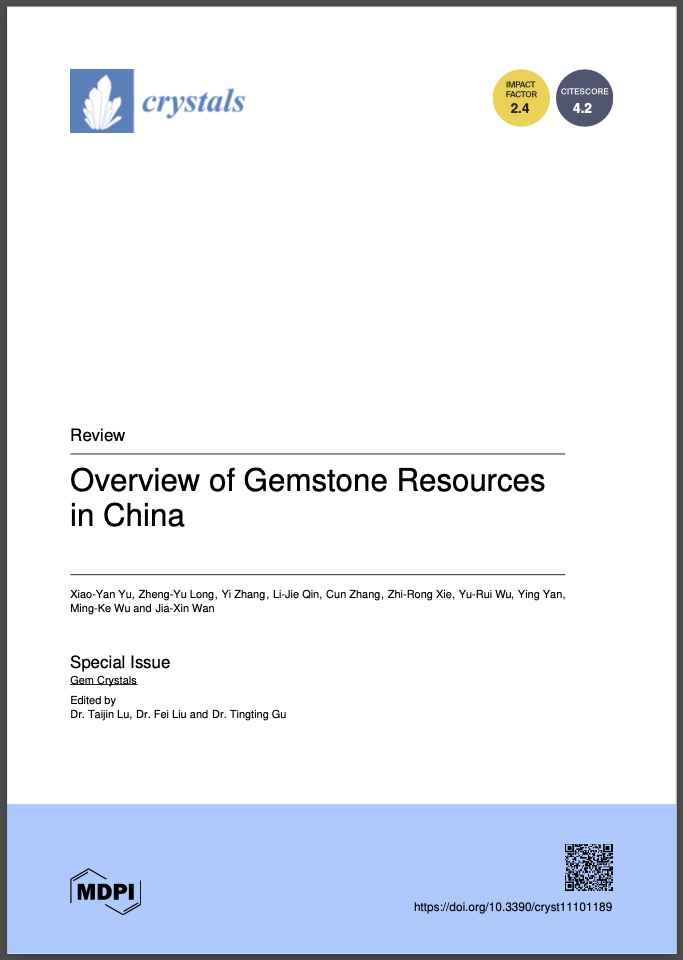
2020中国玉雕·石雕作品天工奖"典藏集"
Edited Book
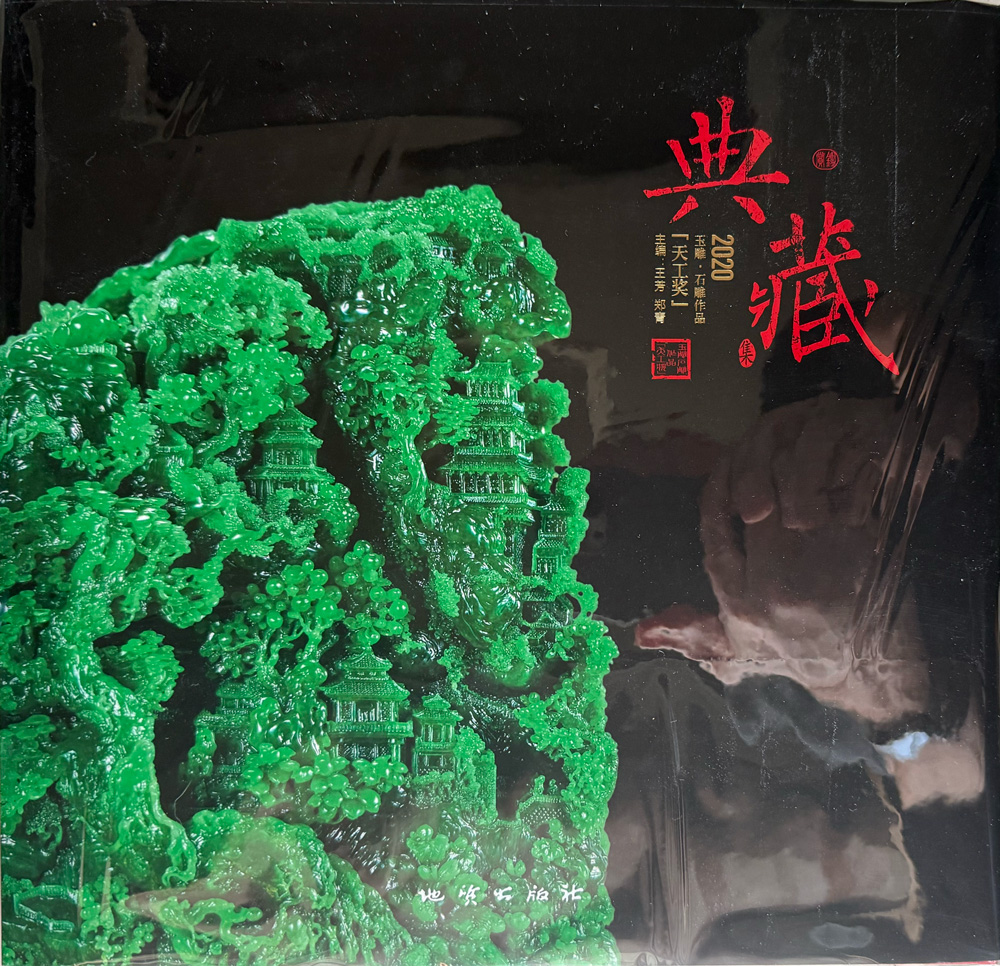
Ao, Y., editor (2021) Classic Collections of 2020 China Jade Carving & Stone Carving Works Awarded with Tian Gong Prize. [2020中国玉雕·石雕作品天工奖"典藏集"]. Beijing, 中国地质大学出版社 [China University of Geosciences Press], 296 pp..
Record No. 28136  |  ISBN/ISSN: 9787120000000  |  Sinkankas/Born No.: NIS/NIB  |  Language: in Chinese  |  RWHL*
This extensively illustrated catalogue presents the award-winning works from the 2020 Tiangong Prize, one of China’s major national competitions for contemporary jade and stone carving. The collection documents the extraordinary range of materials, techniques, and artistic approaches employed by modern Chinese carvers, encompassing jade and other ornamental stones fashioned as figures, animals, landscapes, vessels, scholar’s objects, and sculptural compositions. Works combine traditional Chinese subjects and symbolism with increasingly individual and contemporary approaches to design, while exploiting the natural color, texture, translucency, inclusions, and form of the rough material as integral elements of the finished carving. The volume provides a valuable visual record of contemporary Chinese lapidary craftsmanship and changing aesthetic preferences, demonstrating the continuing importance of jade carving as both a traditional craft and a modern sculptural art. As a dated record of prize-winning works, it is particularly useful for documenting materials, carving styles, subject matter, and technical standards current in the Chinese jade and ornamental-stone industry in 2020.

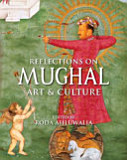
Overview of gemstone resources in China
Journal Article
Yu, X., Long, Z., Zhang, Y., Qin, L., Zhang, C., Xie, Z., Wu, Y., Yan, Y., Wu, M. and Wan, J. (2021) Overview of gemstone resources in China. Crystals, Vol. 11, No. 10, 22 pp..
Record No. 17175  |  ISBN/ISSN: 20734352  |  Sinkankas/Born No.: NIS/NIB  |  RWHL*
Gemstones are minerals of gem qualities used for adornment and decoration with the attributes of beauty, durability and rarity. Traditionally, although China has been regarded as the most important source for nephrite, over the past decades, a large variety of gemstone resources have been newly discovered in China owing to continuous exploration works. The vast land with various geological and geochemical backgrounds is rich in gemstone resources with potential for new deposits discoveries. In pegmatites, gemstones are related to granitic magma events and mainly occur in pegmatitic cavities, such as tourmaline, aquamarine, spodumene, spessartine, moonstone, quartz, apatite, and topaz. The eruption of Tertiary basaltic magma provides gem-quality sapphire, spinel, olivine, garnet, and zircon. The supergene oxidation zones of some copper and iron deposits in Hubei and Anhui province host gem-quality turquoise and malachite. Moreover, the formation of the nephrite deposit in China is mostly related to the carbonatite and serpentinite rocks involved in the metamorphic-metasomatic processes. This paper comprehensively introduces the distribution of gemstones deposits, as well as the gemological and mineralogical characteristics of gemstones in China. Our present investigation provides insights into the gemstone potential of China for further exploitation.

Splendid decorative art objects of Mughal India
Book Section
Pathak, A. (2021) Splendid decorative art objects of Mughal India. In: Reflections on Mughal Art and Culture, New Delhi: Niyogi Books, pp. 206–229.
Record No. 17110  |  ISBN/ISSN: 13: 9789389136784  |  Sinkankas/Born No.: NIS/NIB  |  RWHL*
Enter the splendid world of Mughal India and explore its rich aesthetic and cultural legacy through fresh insights offered by 13 eminent scholars. Recent scholarship in this field has offered deeper analysis into established norms, explored pan-Indian connections and drawn comparisons with contemporaneous regions of the early modern world. The articles in this book explore varied subjects under the Mughal umbrella, challenge long-held ideas and draw comparisons between the artistic expressions and material culture of the powerful Islamicate triumvirate of the early modern period—the Safavids in Iran, the European-based Ottomans and the Mughals in the Indian subcontinent. Themes as diverse as portraits of royal women, sub-imperial patronage of temples, word-image relationship, the lapidary arts and the Imperial Library of the Mughals, a reconsideration of Mughal garden typologies, murals painted on architectural surfaces, the textile culture of the city of Burhanpur, changes in visual language and content of painting, and Imperial object d’art have been discussed, challenged and analyzed. The final three articles are groundbreaking comparisons across Ottoman, Safavid and Mughal spheres. This beautifully illustrated book is sure to appeal to connoisseurs, collectors and scholars alike.

Reflections on Mughal Art and Culture
Book
Ahluwalia, R. (2021) Reflections on Mughal Art and Culture. New Delhi, Niyogi Books, 352 pp.
Record No. 17109  |  ISBN/ISSN: 13: 9789389136784  |  Sinkankas/Born No.: NIS/NIB  |  RWHL*
Enter the splendid world of Mughal India and explore its rich aesthetic and cultural legacy through fresh insights offered by 13 eminent scholars. Recent scholarship in this field has offered deeper analysis into established norms, explored pan-Indian connections and drawn comparisons with contemporaneous regions of the early modern world. The articles in this book explore varied subjects under the Mughal umbrella, challenge long-held ideas and draw comparisons between the artistic expressions and material culture of the powerful Islamicate triumvirate of the early modern period—the Safavids in Iran, the European-based Ottomans and the Mughals in the Indian subcontinent. Themes as diverse as portraits of royal women, sub-imperial patronage of temples, word-image relationship, the lapidary arts and the Imperial Library of the Mughals, a reconsideration of Mughal garden typologies, murals painted on architectural surfaces, the textile culture of the city of Burhanpur, changes in visual language and content of painting, and Imperial object d’art have been discussed, challenged and analyzed. The final three articles are groundbreaking comparisons across Ottoman, Safavid and Mughal spheres. This beautifully illustrated book is sure to appeal to connoisseurs, collectors and scholars alike.

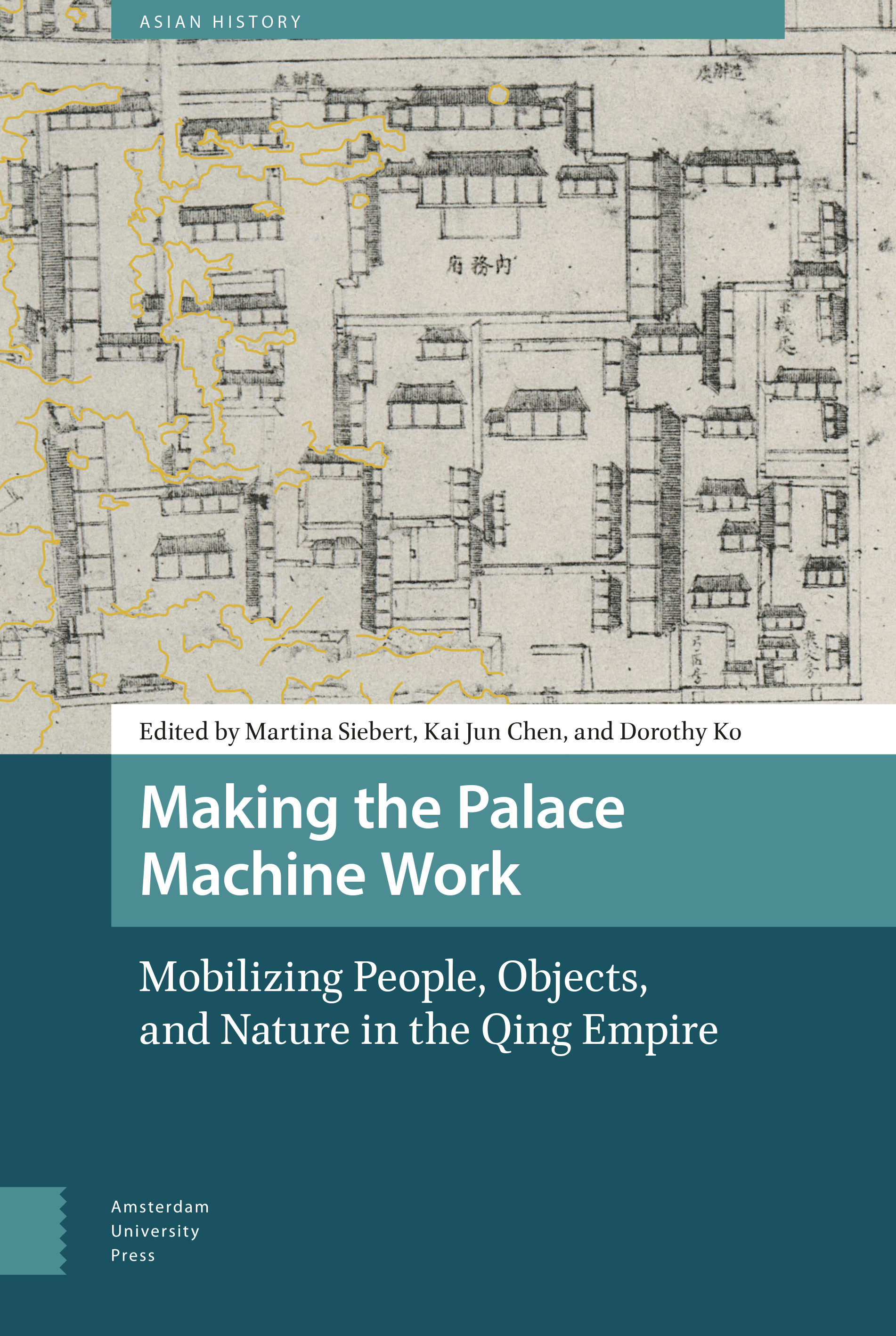
Making the Palace Machine Work | Mobilizing People, Objects, and Nature in the Qing Empire
Edited Book
Siebert, M., Chen, K.J. and Ko, D., editor (2021) Making the Palace Machine Work | Mobilizing People, Objects, and Nature in the Qing Empire.. Amsterdam, Amsterdam University Press, 333 pp..
Record No. 16806  |  ISBN/ISSN: 9789460000000  |  DOI: https://dx.doi.org/10.2307/j.ctv1tfw0z6.17  |  Sinkankas/Born No.: NIS/NIB  |  RWHL*
Making the Palace Machine Work: Mobilizing People, Objects, and Nature in the Qing Empire brings the studies of institutions, labour, and material cultures to bear on the history of science and technology by tracing the workings of the Imperial Household Department (Neiwufu) in the Qing court and empire. An enormous apparatus that employed 22,000 men and women at its heyday, the Department operated a machine" with myriad moving parts. The first part of the book portrays the people who kept it running, from technical experts to menial servants, and scrutinises the paper trails they left behind. Part II uncovers the working principles of the machine by following the production chains of some of its most splendid products: gilded statues, jade, porcelain, and textiles. Part III examines the complex task of managing living organisms and natural environments, including lotus plants grown in imperial ponds in Beijing, fresh medicines sourced from disparate regions, and tribute elephants from Southeast Asia."

Transporting jade • Objects, ecology, and local bureaucracy in Qing Xinjiang
Book Section
Wu, Y. (2021) Transporting jade • Objects, ecology, and local bureaucracy in Qing Xinjiang. In: Making the Palace Machine Work: Mobilizing People, Objects, and Nature in the Qing Empire, Amsterdam: Amsterdam University Press, pp. 187–212.
Record No. 8106  |  ISBN/ISSN: 9789460000000  |  DOI: https://dx.doi.org/10.2307/j.ctv1tfw0z6.17  |  Sinkankas/Born No.: NIS/NIB  |  RWHL*
This chapter examines jade shipments relating to the Gao-pu case to reconstruct the complex process of transporting from Xinjiang to Beijing in the late eighteenth century. The relay stations in Xinjiang and post stations in northern China served the palace as crucial links to this new territory. Focusing on the route within Xinjiang, this chapter argues that Xinjiang officials’ management of jade delivery was developed closely around local ecology: they worked with animal and human resources of the local communities which were familiar with the landscape and knowledgeable about various ecological and environmental elements. Constructing transport infrastructure, therefore, provided a mechanism through which court officials localized and inculcated Qing ruling power into the material and natural world of Xinjiang.

Fantastic Creatures of the Mountains and Seas
Book
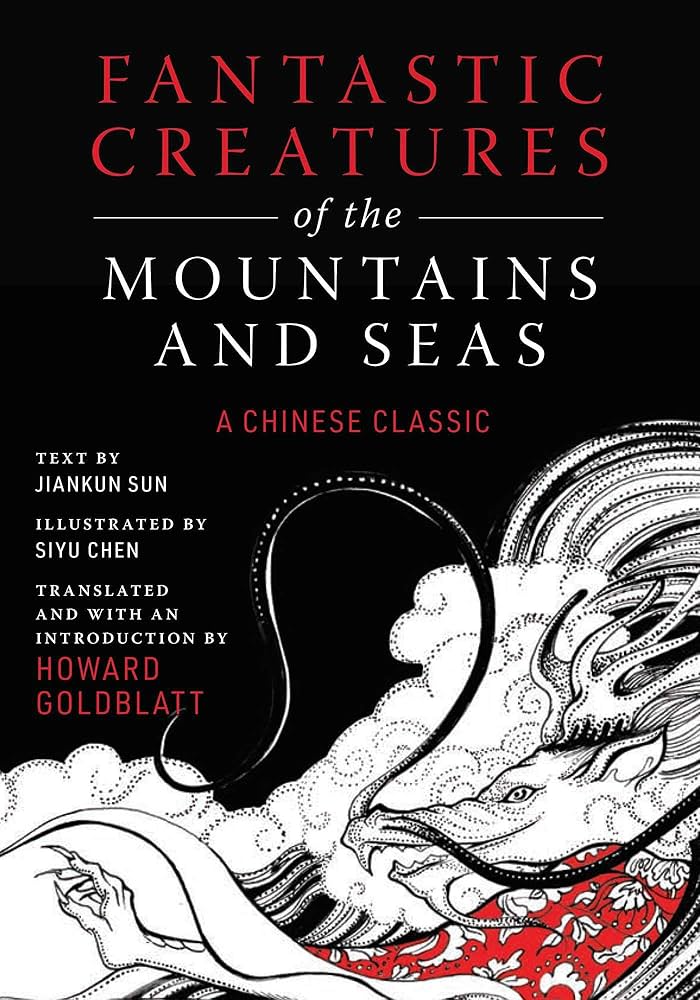
Sun, J., Chen, S. and Goldblatt, H. (2021) Fantastic Creatures of the Mountains and Seas. New York, Arcade Publishing, 356 pp.
Record No. 8086  |  ISBN/ISSN: 9781950000000  |  Sinkankas/Born No.: NIS/NIB  |  RWHL*
Fantastic Creatures of the Mountains and Seas is a new translation for contemporary readers of a classic Chinese text that is at once the geography of an ancient world, a bestiary of mythical creatures, and a book of cultural and medicinal lore. Illustrated throughout with more than 180 two-color drawings that are so sinuous they move on the page, it is a work for lovers of fantasy and mythology, ancient knowledge, fabulous beasts, and inspired art. The beings catalogued within these pages come from the regions of the known world, from the mountains and seas, the Great Wastelands, and the Lands Within the Seas that became China. They include spirits and deities and all sorts of strange creatures—dragons and phoenixes, hybrid beasts, some with human features, some hideous or with a call like wood splitting, or that portend drought or flood or bounty; others whose flesh cures disease or fends off nightmares, or whose pelt guarantees many progeny. Drawn from The Classic of Mountains and Seas, Fantastic Creatures is the work of two members of China's millennial generation, a young scholar and writer once known as the youngest Genius of Chinese Cultural Studies" and an inspired illustrator trained in China and the United States, who together managed to communicate with the soul of a 4,000-year-old beast and have brought forth its strange beauty. Their work has been rendered into English by the foremost translator of modern Chinese literature in the West. While this book contains many myths, it also contains accurate information on early jade localities in China."

Jade, or, porcelaine... | Objets précieux dans le monde chinois d’hier et d’aujourd’hui
Jade, gold, porcelain... | Precious objects in the Chinese world of yesterday and today
Book
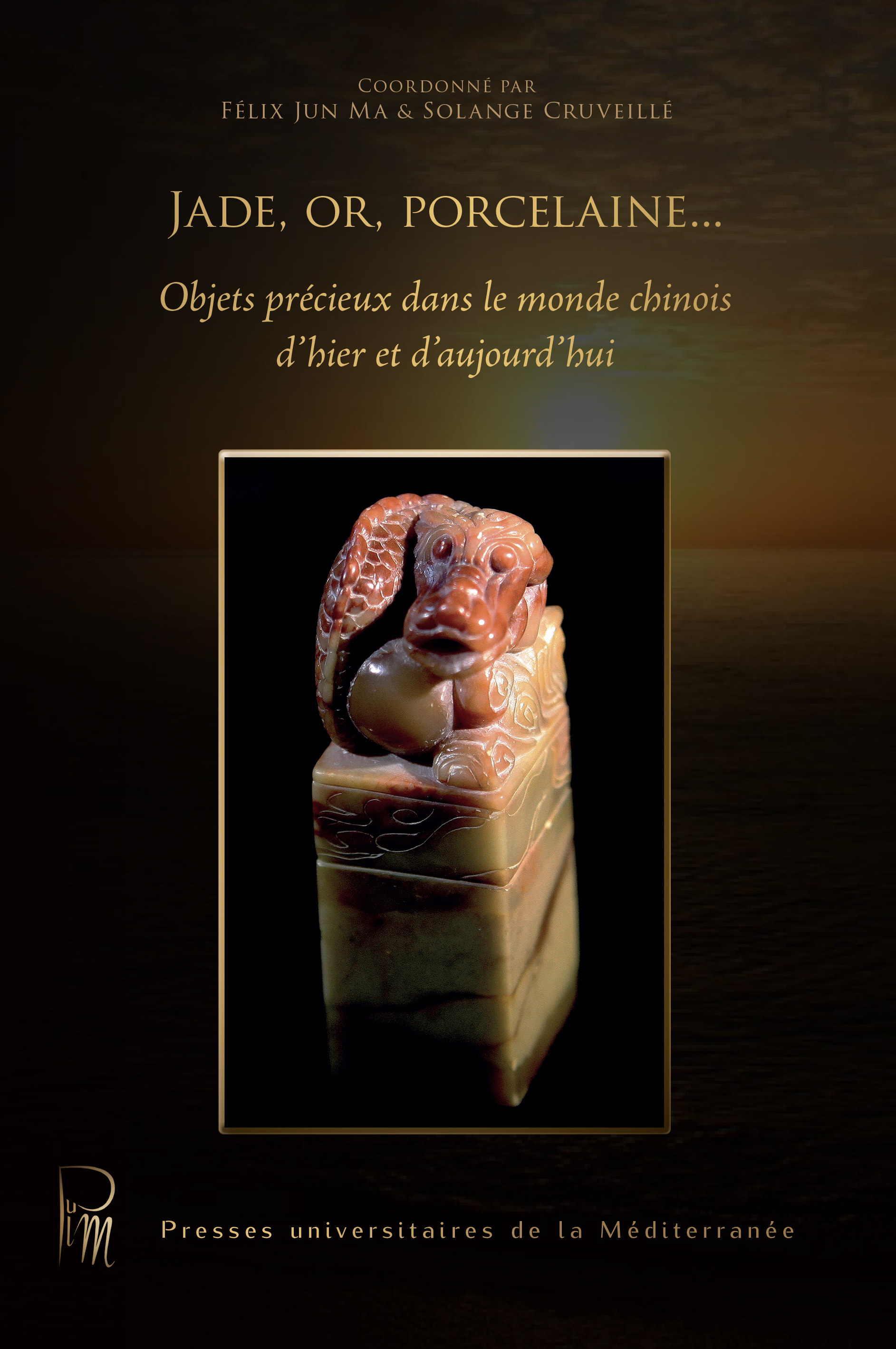
Cruveillé, S. and Ma, F.J. (2021) Jade, or, porcelaine... | Objets précieux dans le monde chinois d’hier et d’aujourd’hui. [Jade, gold, porcelain... | Precious objects in the Chinese world of yesterday and today] Montpellier, Presses universitaires de la Méditerranée (272 pp.).
Record No. 8047  |  ISBN/ISSN: 9782370000000  |  DOI: https://doi.org/10.4000/books.pulm.7465  |  Sinkankas/Born No.: NIS/NIB  |  Language: in French  |  RWHL*
This collective work is interested in the perception and representations of precious objects in the Chinese world of yesterday and today, and more particularly in the role played by these objects at the cultural and historical level. Different areas are addressed: literature, history, anthropology, sociology, art history... Coming from different countries of the world, the authors propose different angles of attack and different points of view to better understand the way of thinking of the Chinese and Chinese culture in general. Many illustrations make it possible to concretely visualize the objects concerned and at the same time to obtain additional information on specific elements of the text. Finally, a complementary file on gold and jadeite in Mesoamerica sheds new light on the place of objects in a culture, their symbolic functions and the notion of preciosity.

Suzhou Carved Jade

苏州玉雕
Book
Ma, J. (2021) Suzhou Carved Jade. [苏州玉雕] Beijing, Cultural Relics Publishing House, 396 pp.
Record No. 8046  |  ISBN/ISSN: 9787500000000  |  Sinkankas/Born No.: NIS/NIB  |  Language: in Chinese  |  RWHL*
This book comprehensively describes the origin, development background, grandness and characteristics of Suzhou jade carving, as well as the status and role in the history of jade culture. It is quoted and described, changing the sporadic records and research on Suzhou jade carving in the Past, and reproduces the historical appearance of Suzhou jade carving in a panoramic way.

The Jade Age revisited, ca. 3500–2000 BCE
Book Section
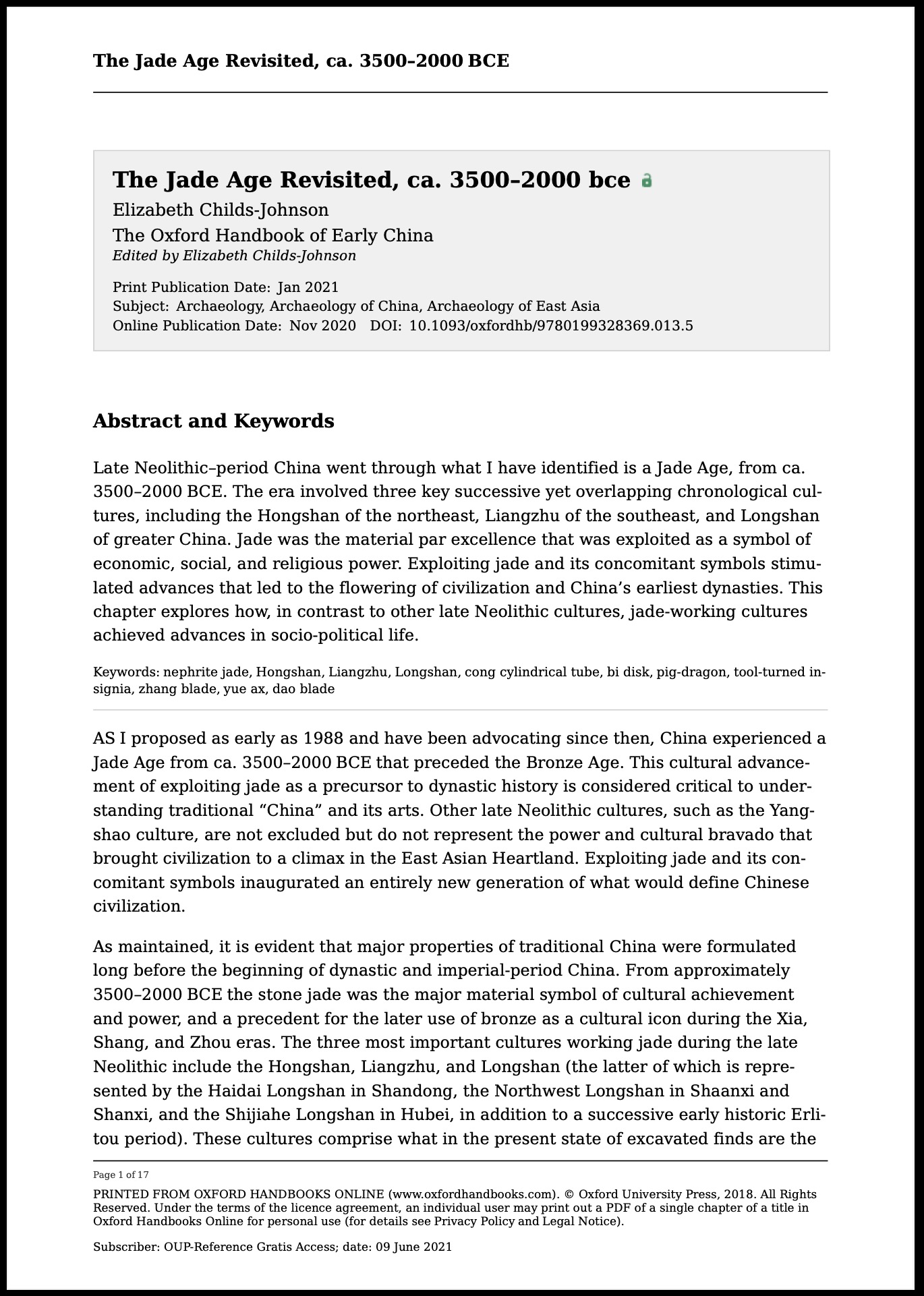
Childs-Johnson, E. (2021) The Jade Age revisited, ca. 3500–2000 BCE. In: The Oxford Handbook of Early China, Oxford: Oxford Handbooks Online, 17 pp..
Record No. 8039  |  Sinkankas/Born No.: NIS/NIB  |  RWHL*
Late Neolithic-period China underwent what I have identified as a Jade Age, spanning from around 3500–2000 BCE. This era saw the rise of three key, successive yet overlapping chronological cultures: the Hongshan in the northeast, the Liangzhu in the southeast, and the Longshan in greater China. Jade was the material par excellence, used as a symbol of economic, social, and religious power. The exploitation of jade and its associated symbols spurred significant advances, contributing to the flourishing of civilization and laying the foundation for China’s earliest dynasties. This chapter examines how, in contrast to other late Neolithic cultures, jade-working cultures made strides in socio-political life.

The Kirknorton Collection

Catalog
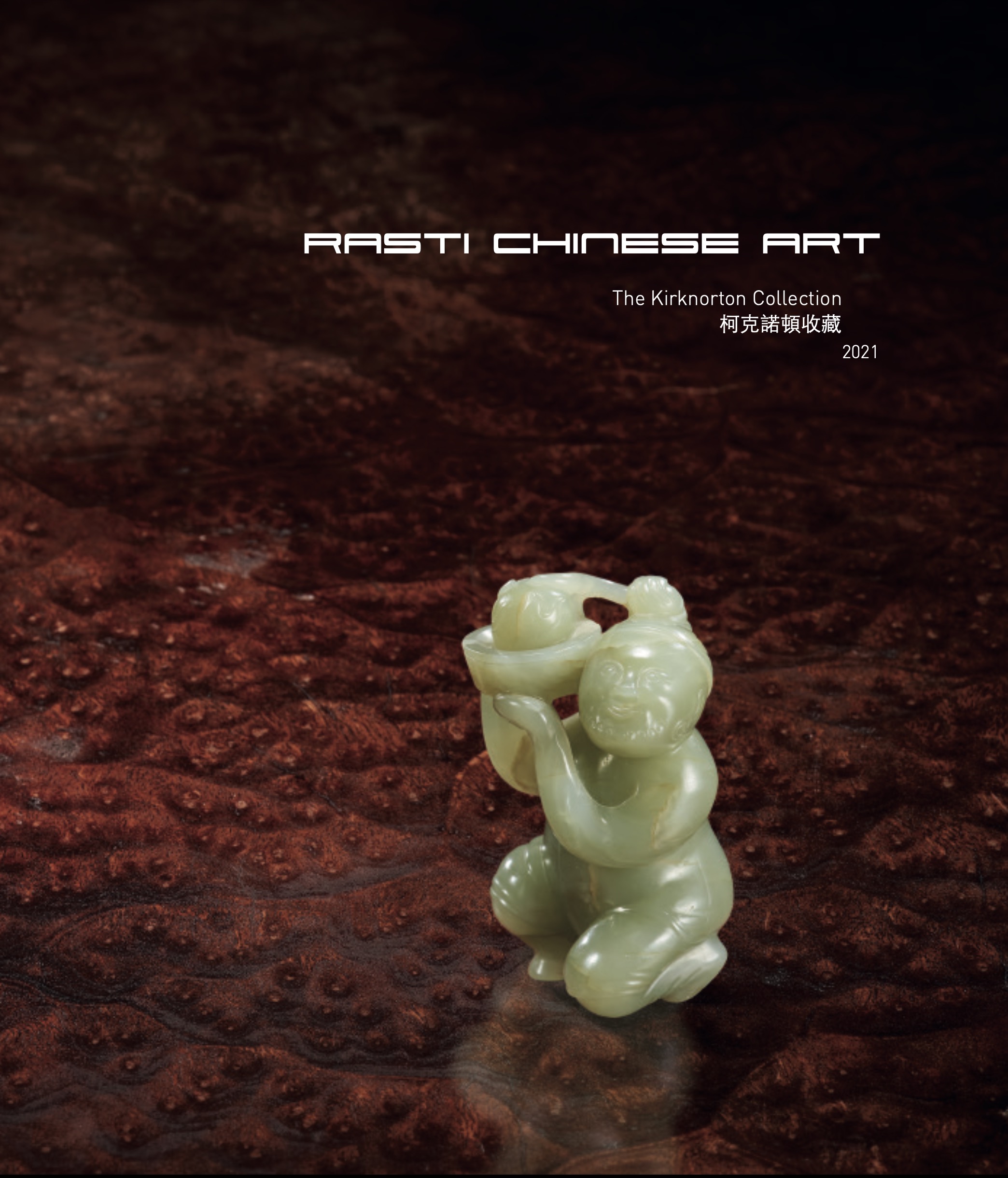
Rasti, N. and Rasti, P. (2021) The Kirknorton Collection. Hong Kong: Rasti Chinese Art Ltd., 125 pp..
Record No. 7478  |  ISBN/ISSN: 9789890000000  |  Sinkankas/Born No.: NIS/NIB  |  RWHL*
Lovely catalog with exquisite carvings in both nephrite and fei cui.

An investigation of grinding hardness of some ornamental stones
Journal Article
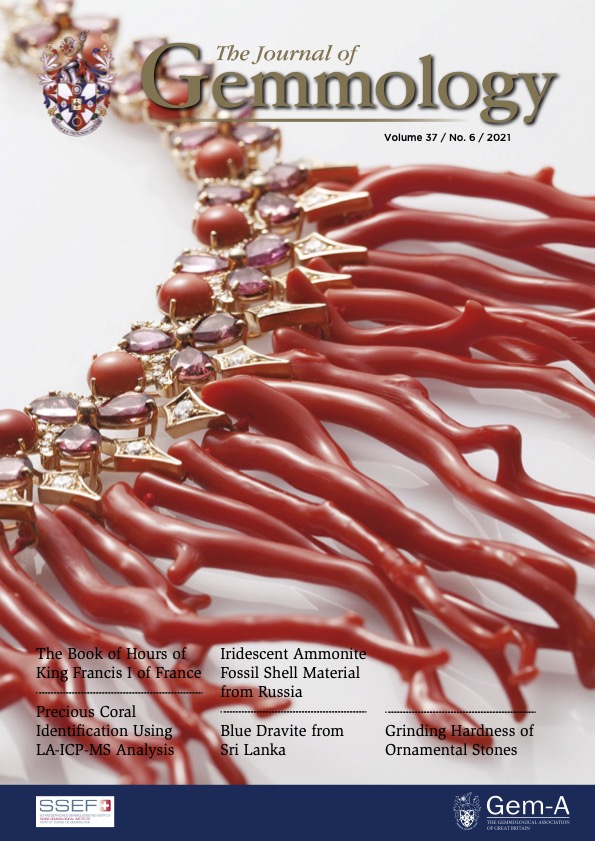
Hänni, H., Brunk, R. and Franz, L. (2021) An investigation of grinding hardness of some ornamental stones. Journal of Gemmology, Vol. 37, No. 6, pp. 632–643.
Record No. 7146  |  ISBN/ISSN: 221252  |  DOI: https://doi.org/10.15506/JoG.2021.37.6.632  |  Sinkankas/Born No.: NIS/NIB  |  RWHL*
As an extension to the typical ‘scratch hardness’ (e.g. Mohs scale) of minerals, at the end of the 19th century Austrian mineralogist August Rosiwal postulated a ‘grinding hardness’ scale. He published values expressing different amounts of resistance to abrasion of ornamental and building stones in comparison to quartz. For the present paper, 25 different ornamental stone materials were ground under normalised conditions to measure their grinding hardness (GH) relative to single-crystal quartz (GH 100). Not surprisingly, the values varied greatly, from GH 174 for fibrous chalcedony to GH 11 for rhodochrosite. A remarkable result was the GH 103 value obtained for nephrite, which consists of monomineralic aggregates of clinoamphibole with a distinctly lower Mohs hardness than quartz. These investigations show that a fibrous, intensely interlocked texture provides increased resistance against grinding, which is consistent with previous investigations.

Descriptions and analyses of New Zealand nephrite and tangiwaite jade (pounamu) by Ferdinand von Hochstetter (1864) and Friedrich Berwerth (1880): A scholarly annotated English translation
Journal Article
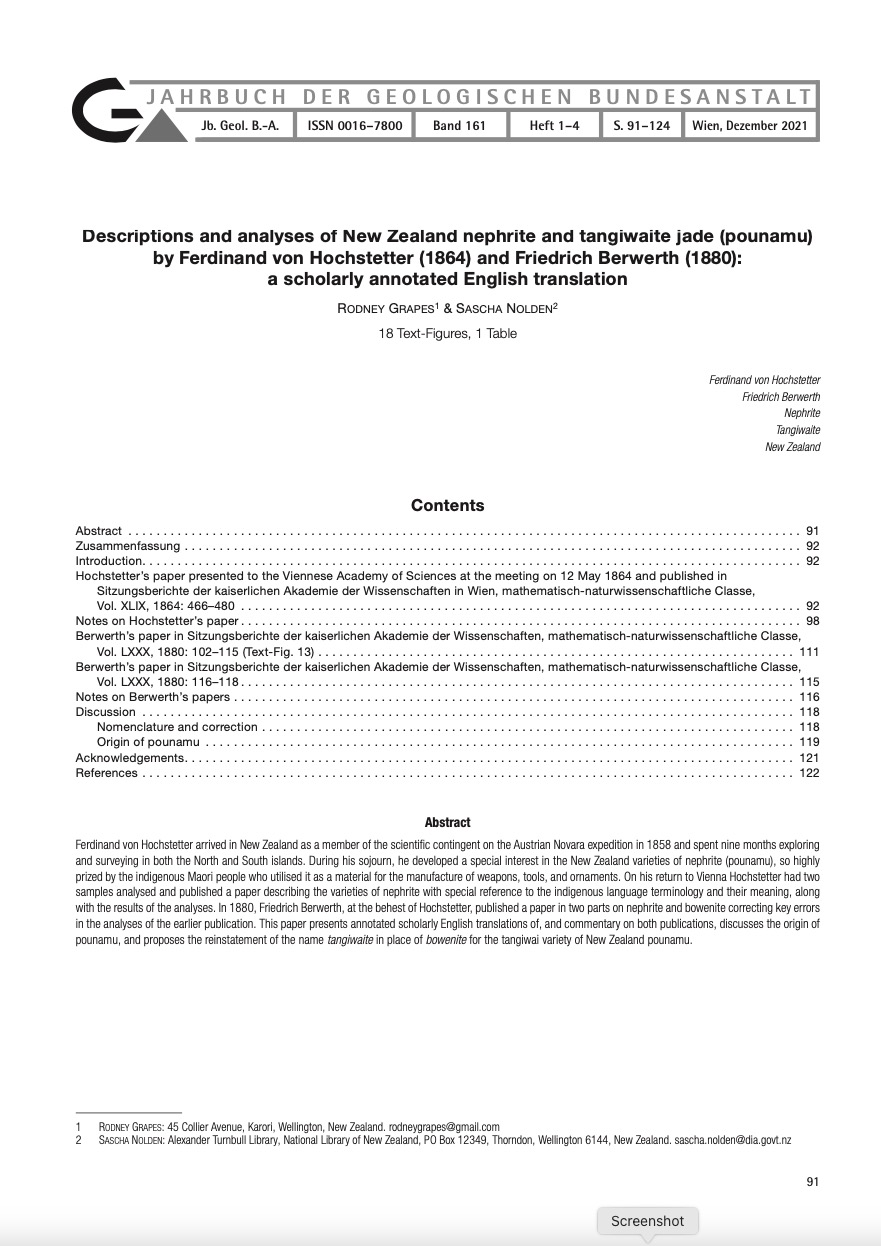
Grapes, R. and Nolden, S. (2021) Descriptions and analyses of New Zealand nephrite and tangiwaite jade (pounamu) by Ferdinand von Hochstetter (1864) and Friedrich Berwerth (1880): A scholarly annotated English translation. Jahrbuch der Geologischen Bundesanstalt, Vol. 161, No. 1–4, December, pp. 91–124.
Record No. 6824  |  Sinkankas/Born No.: NIS/NIB  |  RWHL*
Ferdinand von Hochstetter arrived in New Zealand as a member of the scientific contingent on the Austrian Novara expedition in 1858 and spent nine months exploring and surveying in both the North and South islands. During his sojourn, he developed a special interest in the New Zealand varieties of nephrite (pounamu), so highly prized by the indigenous Maori people who utilised it as a material for the manufacture of weapons, tools, and ornaments. On his return to Vienna Hochstetter had two samples analysed and published a paper describing the varieties of nephrite with special reference to the indigenous language terminology and their meaning, along with the results of the analyses. In 1880, Friedrich Berwerth, at the behest of Hochstetter, published a paper in two parts on nephrite and bowenite correcting key errors in the analyses of the earlier publication. This paper presents annotated scholarly English translations of, and commentary on both publications, discusses the origin of pounamu, and proposes the reinstatement of the name tangiwaite in place of bowenite for the tangiwai variety of New Zealand pounamu.

In pursuit of the picturesque: Jades from the Qianlong Era in the Minneapolis Institute of Art (3 parts)
Journal Article
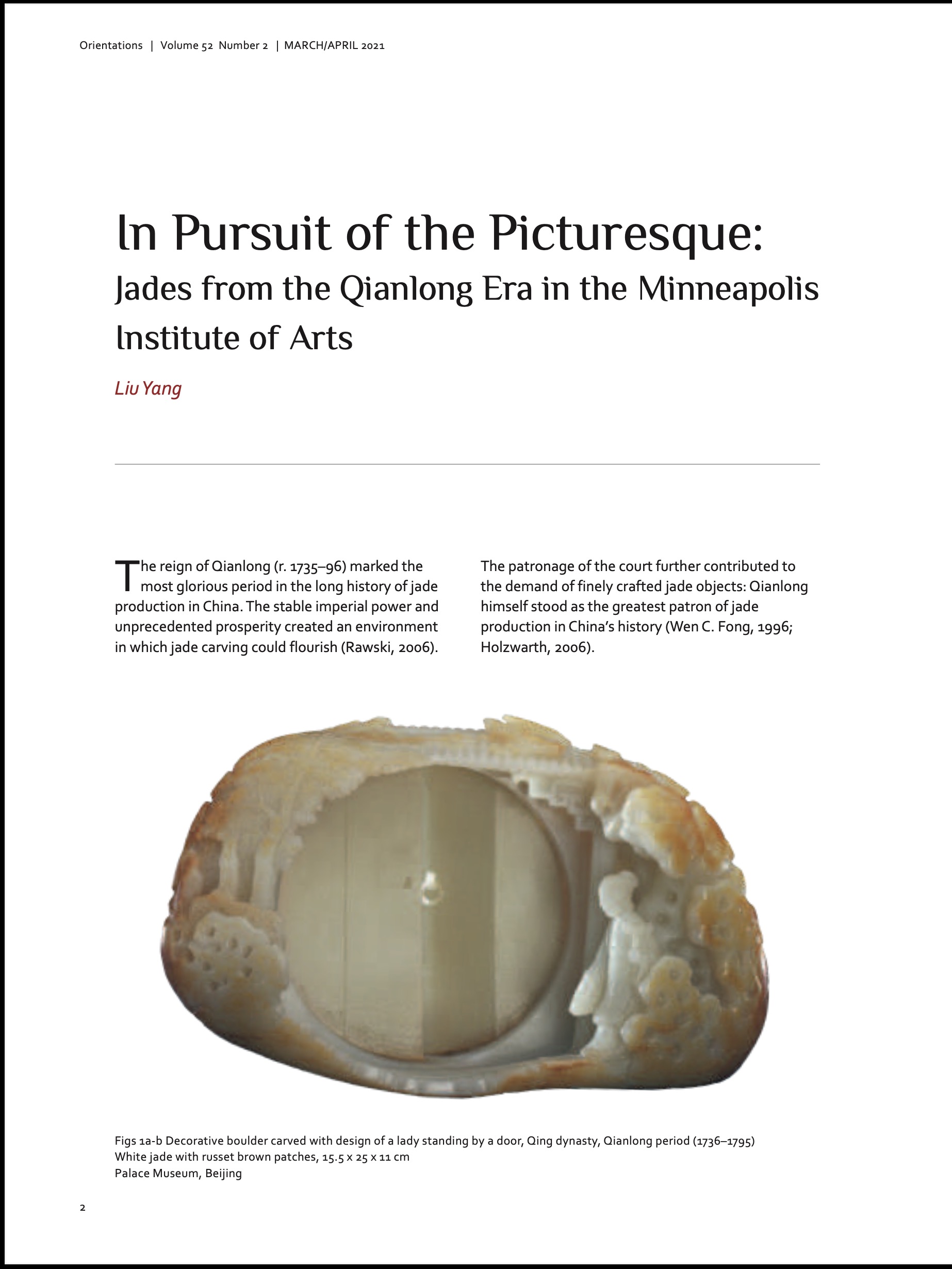
Yang, L. (2021) In pursuit of the picturesque: Jades from the Qianlong Era in the Minneapolis Institute of Art (3 parts). Orientations, Vol. 52, No. 2, March/April (pp. 2–12); No. 3, May/June (pp. 2–10); No. 5, Sept./Oct. (pp. 70–84),
Record No. 6677  |  Sinkankas/Born No.: NIS/NIB  |  RWHL*

Admiring Chinese jade: A personal journey

Journal Article
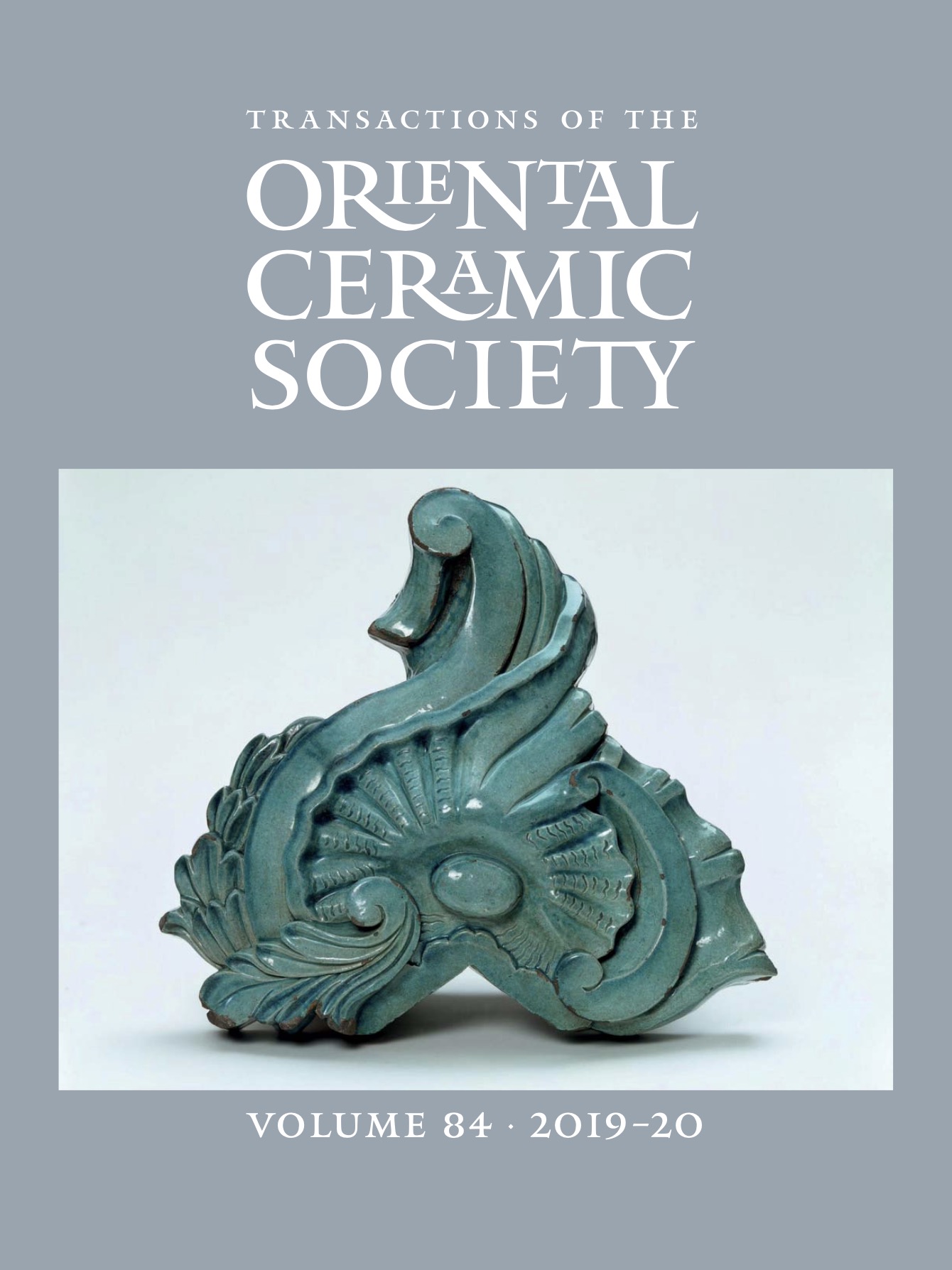
Tang, R. (2021) Admiring Chinese jade: A personal journey. Transactions of the Oriental Ceramic Society, Vol. 84 • 2019–20, pp. 111–122.
Record No. 6590  |  Sinkankas/Born No.: NIS/NIB  |  RWHL*
Since its inauguration in 2007, many distinguished experts and scholars have given the Woolf Jade Lecture. I am no expert or scholar, but I share with Sir John Woolf a great love for Chinese jade. I am grateful for the opportunity to talk about my experience as a collector and lover of Chinese jade.

Exploring the Literature of Jade

Jade literature spans gemology, mineralogy, archaeology, art history, mining, carving and connoisseurship, and includes works on both jadeite and nephrite from around the world.

For an introduction to collecting books on this subject, read Hidden Treasure — Collecting the Literature of Jade.

About Four Treasures

Four Treasures is Lotus Gemology's freely accessible gemological reference database. Use the full database to search by author, title or keyword and explore literature on gemology, mineralogy, jewelry and related fields. Where available, hyperlinks on titles may lead directly to the full publication.

Search the Complete Four Treasures Database