Jade Bibliography

Jade Bibliography

Explore books, articles and historical sources on jade in Four Treasures, the Lotus Gemology reference database. This bibliography brings together matching records from the collection, with publication details, abstracts and cover images where available.

Jade References

The list below matches the terms jade, jadeite, nephrite or Fei Cui in the database's searchable fields. Some references discuss these materials as part of a broader subject.
121–140 of 3,775 matching references

Admiring Chinese jade: A personal journey
Journal Article
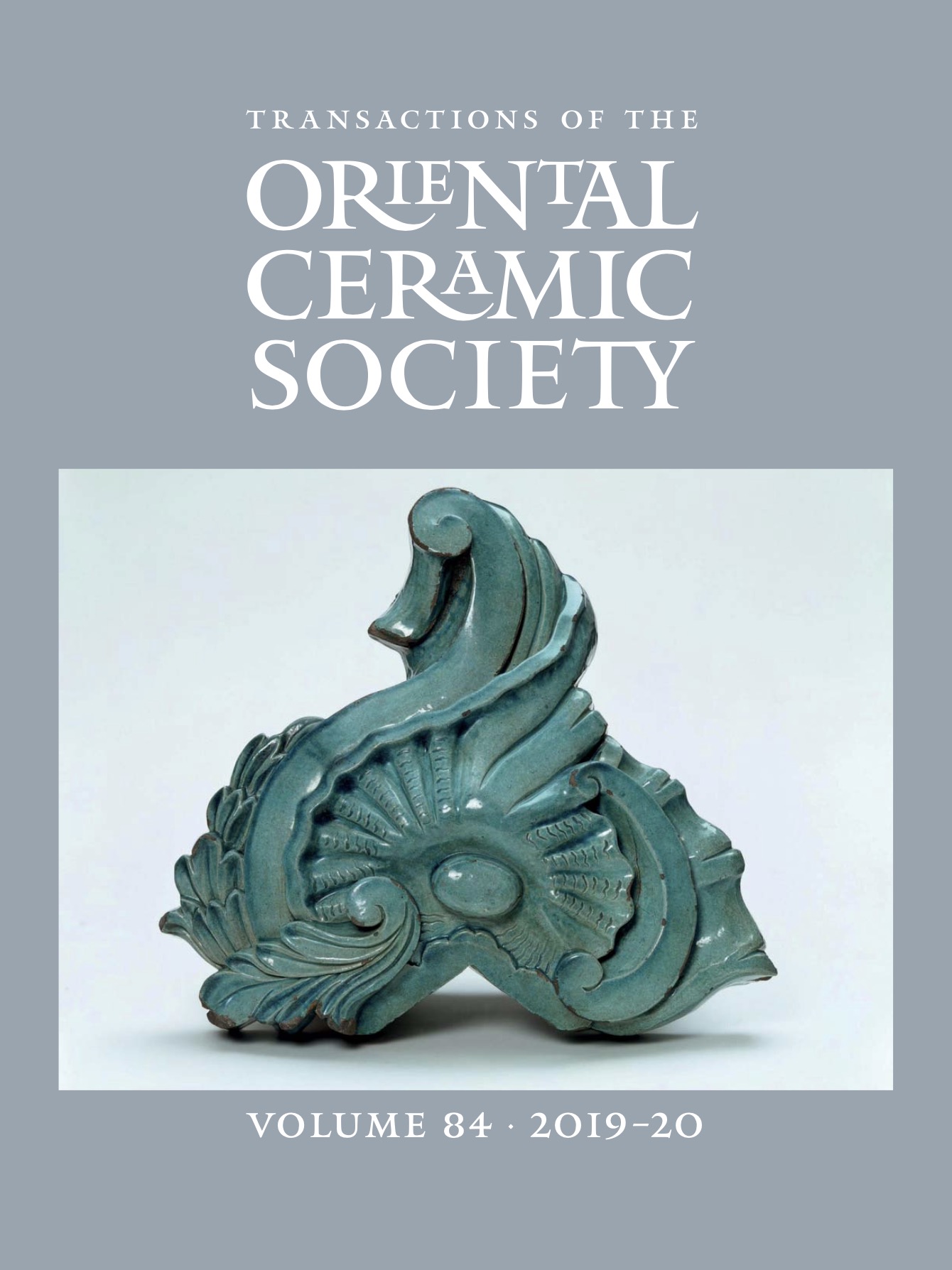
Tang, R. (2021) Admiring Chinese jade: A personal journey. Transactions of the Oriental Ceramic Society, Vol. 84 • 2019–20, pp. 111–122.
Record No. 6590  |  Sinkankas/Born No.: NIS/NIB  |  RWHL*
Since its inauguration in 2007, many distinguished experts and scholars have given the Woolf Jade Lecture. I am no expert or scholar, but I share with Sir John Woolf a great love for Chinese jade. I am grateful for the opportunity to talk about my experience as a collector and lover of Chinese jade.

Identification characteristic of purple jadeite treated with bleaching, filling and dyeing
Journal Article
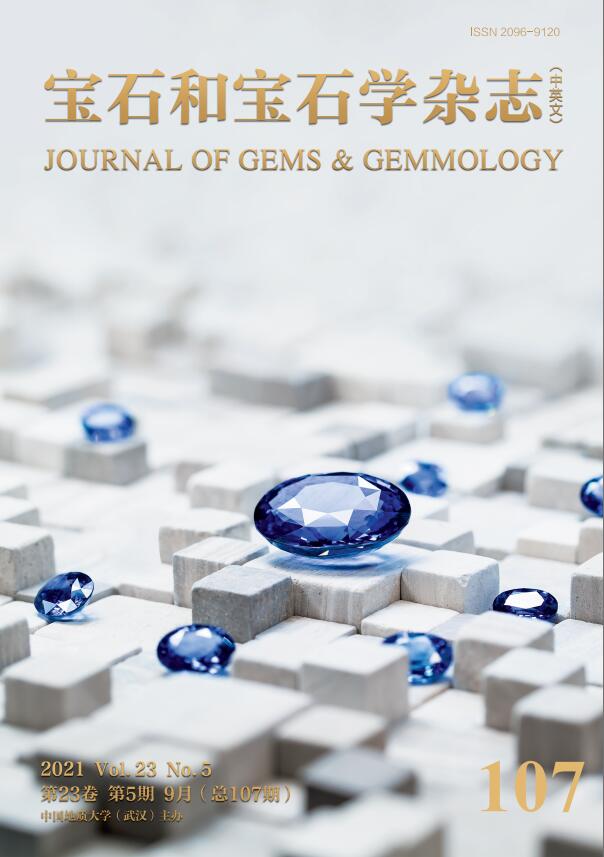
Yu, L., Dai, H., Li, L., Cao, S., Wang, F., Guo, L. and Yu, Z. (2021) Identification characteristic of purple jadeite treated with bleaching, filling and dyeing. Journal of Gems & Gemmology, Vol. 23, No. 5,, 2021–05–27 pp. 65–74.
Record No. 6326  |  DOI: https://dx.doi.org/10.15964/j.cnki.027jgg.2021.05.008  |  Sinkankas/Born No.: NIS/NIB  |  Language: in Chinese with English abstract  |  RWHL*
To explore the identification characteristics of purple jadeite treated with bleaching, filling, and dyeing, gem microscope, refractometer, UV-Vis-NIR spectrophotometer, XRF spectrometer, DiamondView, FTIR, and Raman spectrometer were used. The results showed that the internal structure of the purple jadeite samples treated with bleaching, filling, and dyeing was destroyed, and epoxy resin was detected by infrared spectrometer and Raman spectrometer. A strong Raman peak at 1596 cm⁻¹ could be the characteristic peak of dyes. Luminescent images showed the characteristic blue-violet fluorescence of the polymers formed by epoxy resin and organic dyes. The UV-Vis spectra of the treated purple jadeite samples showed an absorption band of 200–350 nm, an absorption peak at 409 nm, and an absorption band near 569 nm. In contrast, the internal structure of jadeite stained by purple polishing powder was not damaged, and the purple color appeared only on the surface since the powder particles remained superficially. The luminescent images showed pinkish-purple fluorescence, caused by the purple polishing powder. The UV-Vis spectra showed a strong central absorption band at 558 nm and a weak central absorption band at 611 nm, which differ from those of natural purple jadeite.

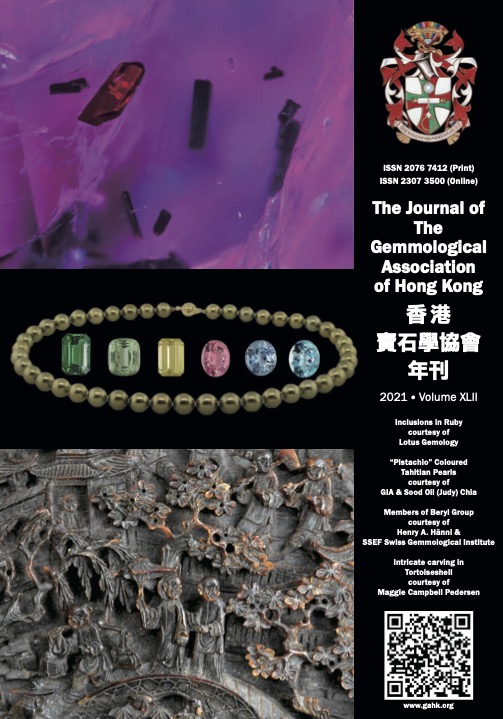
Gemmological characteristics of a “new style” bleached, filled and dyed fei cui that differs from traditional simulants
Journal Article
Long, T., He, L., Chen, N., Liao, B., Wang, D., Li, L., Deng, L., Liu, J. and Sun, M. (2021) Gemmological characteristics of a “new style” bleached, filled and dyed fei cui that differs from traditional simulants. Journal of the Gemmological Association of Hong Kong, Vol. 42, pp. 62–68.
Record No. 6277  |  Sinkankas/Born No.: NIS/NIB  |  Language: in Chinese with English abstract  |  RWHL*
In recent years, a new type of treated fei cui that is bleached, filled and dyed has entered the gem market, with most showing vivid colours and high transparency. Ultra-high-resolution microscopy, polarised light microscopy, DiamondView and FTIR are used to compare traditional treated B+C jadeite jade with this new type of treated B+C jadeite jade, with analysis under Raman and UV-Vis. The results show that, due to severe bleaching, more resin in the filling and a different variety of resin, this new B+C jadeite jade has greater transparency than the traditional B+C type. The new B+C type is dyed with an organic agent. The resulting dyed jadeite jade has the same colour but a different tone, and might show a different UV-Vis spectrum. Most samples of this new B+C type do not show a 437 nm absorption line. FTIR spectra of the resin filling (with curing agent) in the new B+C type show a broad absorption peak centred at 1594 cm⁻¹ and an absorption peak around 4052 cm⁻¹. Raman spectra show peaks at 1595 cm⁻¹ and 1142 cm⁻¹.

Namak Mandi: A pioneering gemstone market in Pakistan
Journal Article
Rehman, H.U., Bilal, Owais, S., Rahman, O.U. and Shen, A.H. (2021) Namak Mandi: A pioneering gemstone market in Pakistan. Gems & Gemology, Vol. 57, No. 2, Summer, pp. 138–149.
Record No. 6272  |  ISBN/ISSN: 0016626X  |  Sinkankas/Born No.: NIS/NIB  |  RWHL*

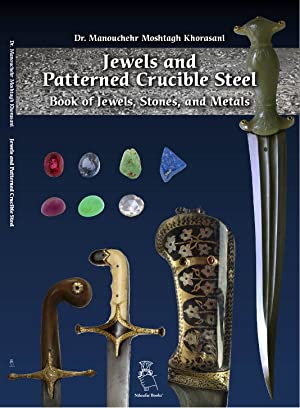
Jewels and Patterned Crucible Steel: Books of Jewels, Stones, and Metals
Book
Khorasani, M.M. (2021) Jewels and Patterned Crucible Steel: Books of Jewels, Stones, and Metals. Frankfurt, Niloufar Books, 178 pp.
Record No. 4583  |  ISBN/ISSN: 9783000000000  |  Sinkankas/Born No.: NIS/NIB  |  RWHL*
The present book is a translation and annotation of a copy of the Persian book Goharnāmeh [Book of Jewels] written by Mohammad ben Mansur. The manuscript has 110 sheets and each page consists of 19 lines. The manuscript is written in Persian in naste’aliq script. Mohammad ben Mansur wrote the manuscript Goharnāmeh for the ruler Uzun Hasan Āq Qoyonlu in the 9th-century hijra (15th century CE), mentioning the name of the son of Sultan Ozun Hasan Āq Qoyonlu, namely Sultan Xalil as well. In the first section of his book, Ben Mansur talks about different types of stones. This part consists of twenty-one parts. In the second section of his book, Ben Mansur explains different types of metals. The present book clearly shows that patterned crucible steel was considered a gohar (jewel) in Persian. The book consists of the following parts; 1. Introduction: This part provides the historical background of the manuscript, its author, and the topics of the manuscript. 2. Goharnāmeh [Book of Jewels] by Mohammad ben Mansur: This part provides a detailed analysis and comparison of similar books of jewels and gems in Persian and places it in its historical context. 3. Mines and farms/fisheries: This part talks about the geographical locations of mines and pearl fisheries as described in the Goharnāmeh, and interestingly, it measures all these locations from the Persian Gulf, Sri Lanka, Egypt, and other locations in comparison to the geographical location of Canary Islands. 4. Classification of stones and animal products: This section describes all precious stones, semi-precious stones, and other stones, animal products, and metals as described in the book Goharnāmeh, and compares its descriptions to the modern geological and scientific descriptions of these items. The precious, semi-precious stones, and other stones include: yāqut (ruby, oriental topaz, white sapphire, pleonaste, oriental emerald, sapphire); emerald; peridot; diamond; chrysoberyl cat’s eye; spinel (shades of red, garnet red, yellow, blue, green, brown, orange and black); turquoise (green and blue); chalcedony (agate and carnelian, blue chalcedony and other colors); precious stones resembling yāqut (zircon, garnet, and bādehenj); onyx; magnet; corundite (emery); malachite; lapis lazuli; jade; rock crystal; amethyst; jetstone; rain stone; jaundice stone; limestone; olive stone; eaglestone; blood stone; milk stone; mouse stone; moonstone; color stone; sleep stone; miskal stone; marcasite;

The art of the auction: Interview with Christie’s executive François Curiel
Journal Article
Rapaport, M. (2021) The art of the auction: Interview with Christie’s executive François Curiel. Rapaport Magazone, December,
Record No. 4570  |  Sinkankas/Born No.: NIS/NIB  |  RWHL*
From Elizabeth Taylor to the diamonds that sell for millions, François Curiel shares his wide-ranging expertise as Christie’s chairman for Europe and international director of its luxury division.

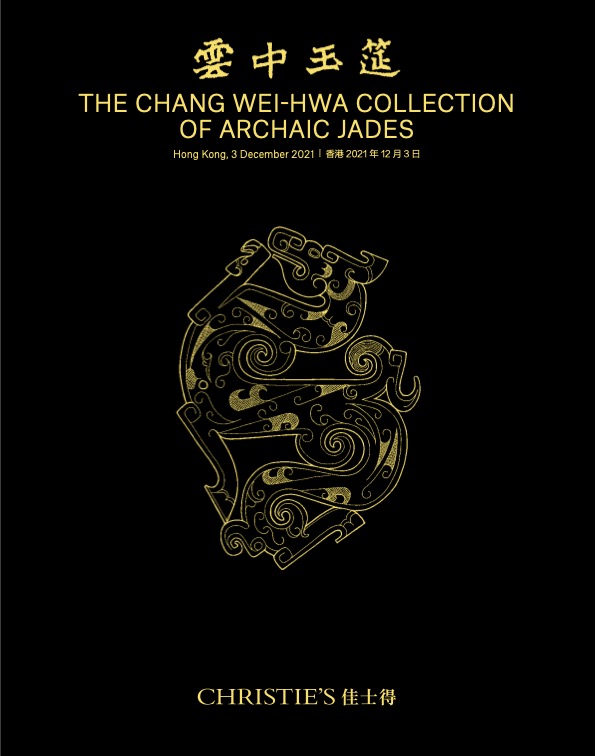
The Chang Wei-hwa Collection of Archaic Jades
Catalog
Christie’s (2021) The Chang Wei-hwa Collection of Archaic Jades. Hong Kong: Christie’s, 3 December, 143 pp..
Record No. 4564  |  Sinkankas/Born No.: NIS/NIB  |  RWHL*
Lovely catalog of a collection of archaic Chinese jades, with several nice essays.

The lapidary arts in the Mughal Empire

Book Section
Stronge, S. (2021) The lapidary arts in the Mughal Empire. In: Reflections on Mughal Art and Culture, New Delhi: Niyogi Books, pp. 182–205.
Record No. 4520  |  ISBN/ISSN: 13: 9789389136784  |  Sinkankas/Born No.: NIS/NIB  |  RWHL*
Enter the splendid world of Mughal India and explore its rich aesthetic and cultural legacy through fresh insights offered by 13 eminent scholars. Recent scholarship in this field has offered deeper analysis into established norms, explored pan-Indian connections and drawn comparisons with contemporaneous regions of the early modern world. The articles in this book explore varied subjects under the Mughal umbrella, challenge long-held ideas and draw comparisons between the artistic expressions and material culture of the powerful Islamicate triumvirate of the early modern period—the Safavids in Iran, the European-based Ottomans and the Mughals in the Indian subcontinent. Themes as diverse as portraits of royal women, sub-imperial patronage of temples, word-image relationship, the lapidary arts and the Imperial Library of the Mughals, a reconsideration of Mughal garden typologies, murals painted on architectural surfaces, the textile culture of the city of Burhanpur, changes in visual language and content of painting, and Imperial object d’art have been discussed, challenged and analyzed. The final three articles are groundbreaking comparisons across Ottoman, Safavid and Mughal spheres. This beautifully illustrated book is sure to appeal to connoisseurs, collectors and scholars alike.

Until the World Shatters • Truth, Lies, and the Looting of Myanmar
Book
Combs, D. (2021) Until the World Shatters • Truth, Lies, and the Looting of Myanmar. Brooklyn, Melville House, 400 pp.
Record No. 4418  |  ISBN/ISSN: 9781610000000  |  Sinkankas/Born No.: NIS/NIB  |  RWHL*
In Myanmar, where civil war, repressive government, and the $40 billion a year jade industry have shaped life for decades, everyone is fighting for their own version of the truth. Until the World Shatters, takes us deep into a world in which journalists seek to overcome censorship and intimidation, ethnic minorities wage guerilla war against a government they claim refuses to grant basic human rights; devout Buddhists launch violent anti-Muslim campaigns; and artists try to build their own havens of free expression. In the bustling city of Yangon we meet Phoe Wa, a young photojournalist pursuing his dream at a time when the government is jailing reporters and nationalist voices are on the rise. In Myanmar's far north, we meet Bum Tsit who is caught between the insurgent army his family supports and the business and military leaders his career depends on. His attempt to get rich quickly leads him to Myanmar's biggest, worst kept secret: the connection between the jade industry and the longest running war in the world. Until the World Shatters weaves Phoe Wa and Bum Tsit's stories to reveal a larger portrait of Myanmar's history, politics, and people in a time and place where public trust has disappeared.

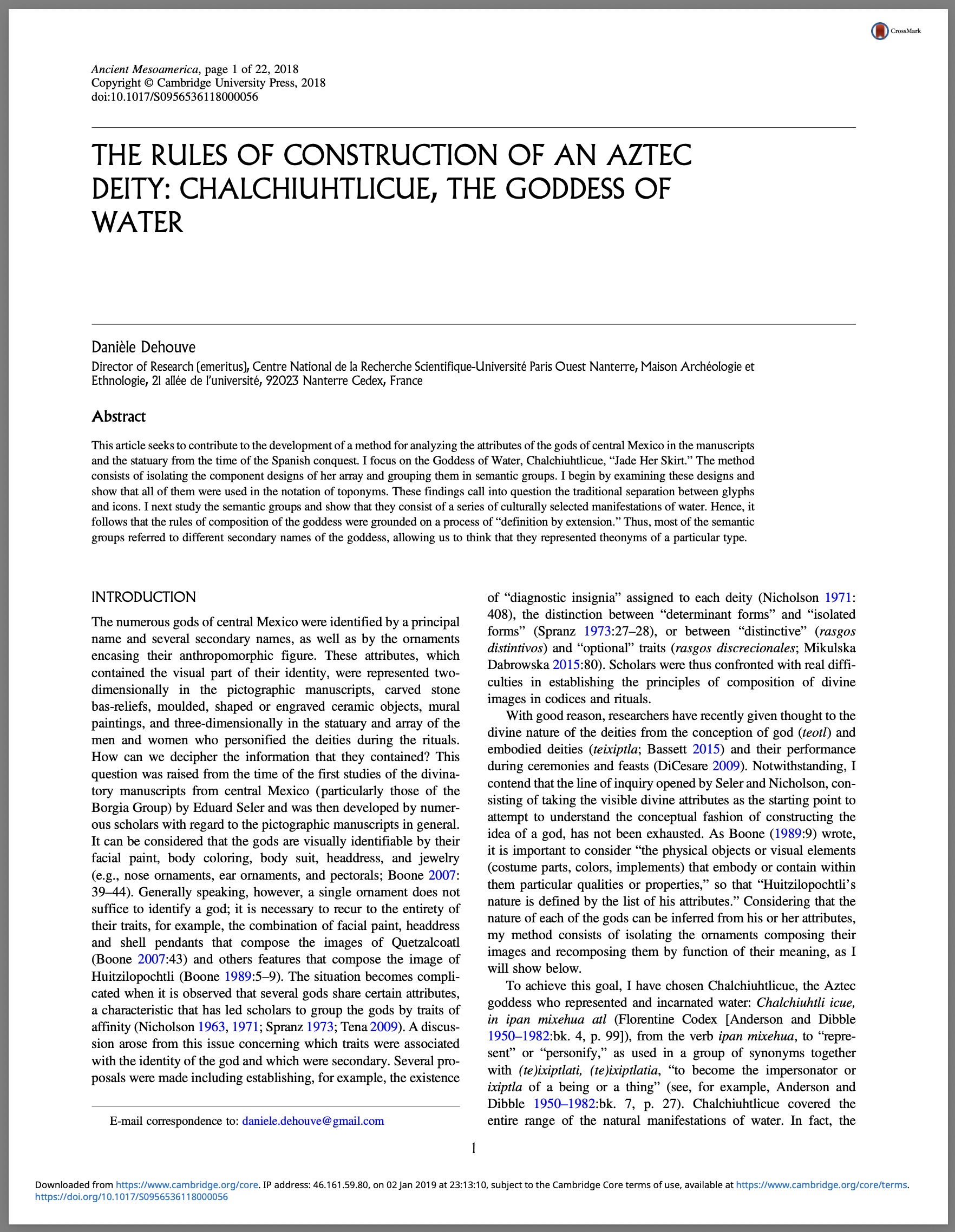
The rules of construction of an Aztec deity: Chalchiuhtlicue, the goddess of water
Journal Article
Dehouve, D. (2020) The rules of construction of an Aztec deity: Chalchiuhtlicue, the goddess of water. Ancient Mesoamerica, Vol. 31, No. 1, pp. 7–28.
Record No. 28644  |  ISBN/ISSN: 0956-5361  |  DOI: https://doi.org/10.1017/S0956536118000056  |  Sinkankas/Born No.: NIS/NIB  |  RWHL*
This article seeks to contribute to the development of a method for analyzing the attributes of the gods of central Mexico in the manuscripts and the statuary from the time of the Spanish conquest. I focus on the Goddess of Water, Chalchiuhtlicue, “Jade Her Skirt.” The method consists of isolating the component designs of her array and grouping them in semantic groups. I begin by examining these designs and show that all of them were used in the notation of toponyms. These findings call into question the traditional separation between glyphs and icons. I next study the semantic groups and show that they consist of a series of culturally selected manifestations of water. Hence, it follows that the rules of composition of the goddess were grounded on a process of “definition by extension.” Thus, most of the semantic groups referred to different secondary names of the goddess, allowing us to think that they represented theonyms of a particular type.

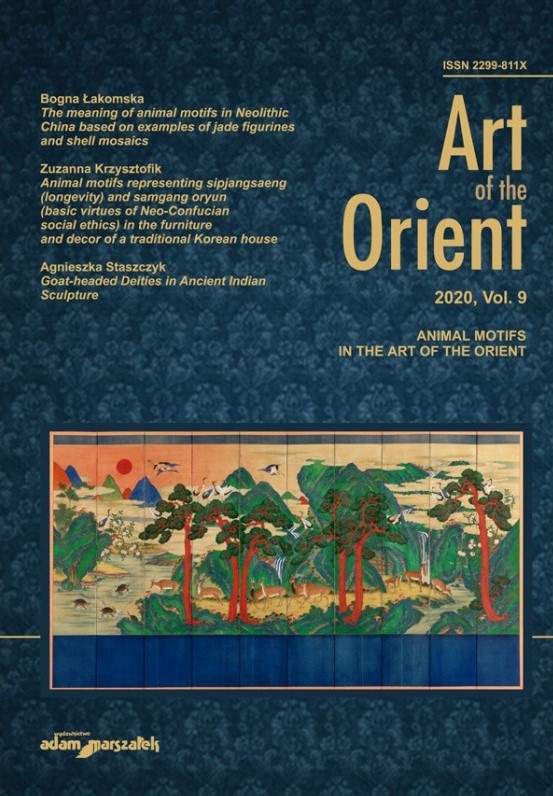
The meaning of animal motifs in Neolithic China based on examples of jade figurines and shell mosaics
Journal Article
Lakomska, B. (2020) The meaning of animal motifs in Neolithic China based on examples of jade figurines and shell mosaics. Art of the Orient, Vol. 9, pp. 7–26.
Record No. 16827  |  DOI: https://doi.org/10.11588/ao.2020.1.16113  |  Sinkankas/Born No.: NIS/NIB  |  RWHL*
This paper explores the significance of animal motifs in Neolithic China through the analysis of jade figurines and shell mosaics. It argues that these motifs served not only aesthetic purposes but also had spiritual and protective functions in the lives of the elite and the deceased. The paper highlights the connection between humans, animals, and cosmological beliefs, suggesting that these early artworks reflect a complex understanding of interspecies relations and their implications for contemporary life.

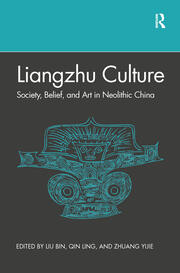
Liangzhu Culture | Society, Belief, and Art in Neolithic China
Edited Book
Liu, B., Qin, L. and Zhuang, Y., editor (2020) Liangzhu Culture | Society, Belief, and Art in Neolithic China.. London, Routledge, 239 pp..
Record No. 16629  |  ISBN/ISSN: 9781140000000  |  Sinkankas/Born No.: NIS/NIB  |  RWHL*
The Liangzhu Culture (3,300-2,300 BC) represented the peak of prehistoric cultural and social development in the Yangtze Delta. With a wide sphere of influence centred near present-day Hangzhou City, Liangzhu City is considered one of the earliest urban centres in prehistoric China. Although it remains a mystery for many in the West, Liangzhu is well known in China for its fine jade-crafting industry; its enormous, well-structured earthen palatial compound and recently discovered hydraulic system; and its far-flung impact on contemporary and succeeding cultures. The archaeological ruins of Liangzhu City were added to the UNESCO World Cultural Heritage List in July 2019. Liangzhu Culture contextualises Liangzhu in broad socio-economic and cultural backgrounds and provides new, first-hand data to help explain the development and structure of this early urban centre. Among its many insights, the volume reveals how elites used jade as a means of acquiring social power, and how Liangzhu and its centre stand in comparison to other prehistoric urban centres in the world. This book, the first of its kind published in the English language, will be a useful guide to students at all levels interested in the material culture and social structures of prehistoric China and beyond.

Jadeite jade or 翡翠 fei cui?

Podcast
Liu, S. (2020) Jadeite jade or 翡翠 fei cui? 15th Home Gemmology Webinar. 17 August, YouTube.com: 01:25:34.
Record No. 16331  |  Sinkankas/Born No.: NIS/NIB  |  RWHL*
In the 15th Home Gemmology webinar, with the support of CIBJO - The World Jewellery Confederation, the discussion is made around the nomenclature debate that is happening at the time of broadcast (May 2020) around the so-called jadeite jade that is known in China as 翡翠 fei cui . To address the scientific angle of this matter, I've invited Dr Edward Liu FGA, Vice-Chairman of the Gemmological Association of Hong Kong, following the discussion presented at the last CIBJO Congress. At the time of the recording, a CIBJO working group is currently discussing this nomenclature with a resolution supposed be presented in the near future, having in mind that the mission statement of CIBJO is much about promoting consumer confidence. Edward Johnson, co-editor of the Home Gemmology webinar series, also shares his personal experience as a westerner that loved in Hong Kong in the late 1990 and dealt directly with jade.

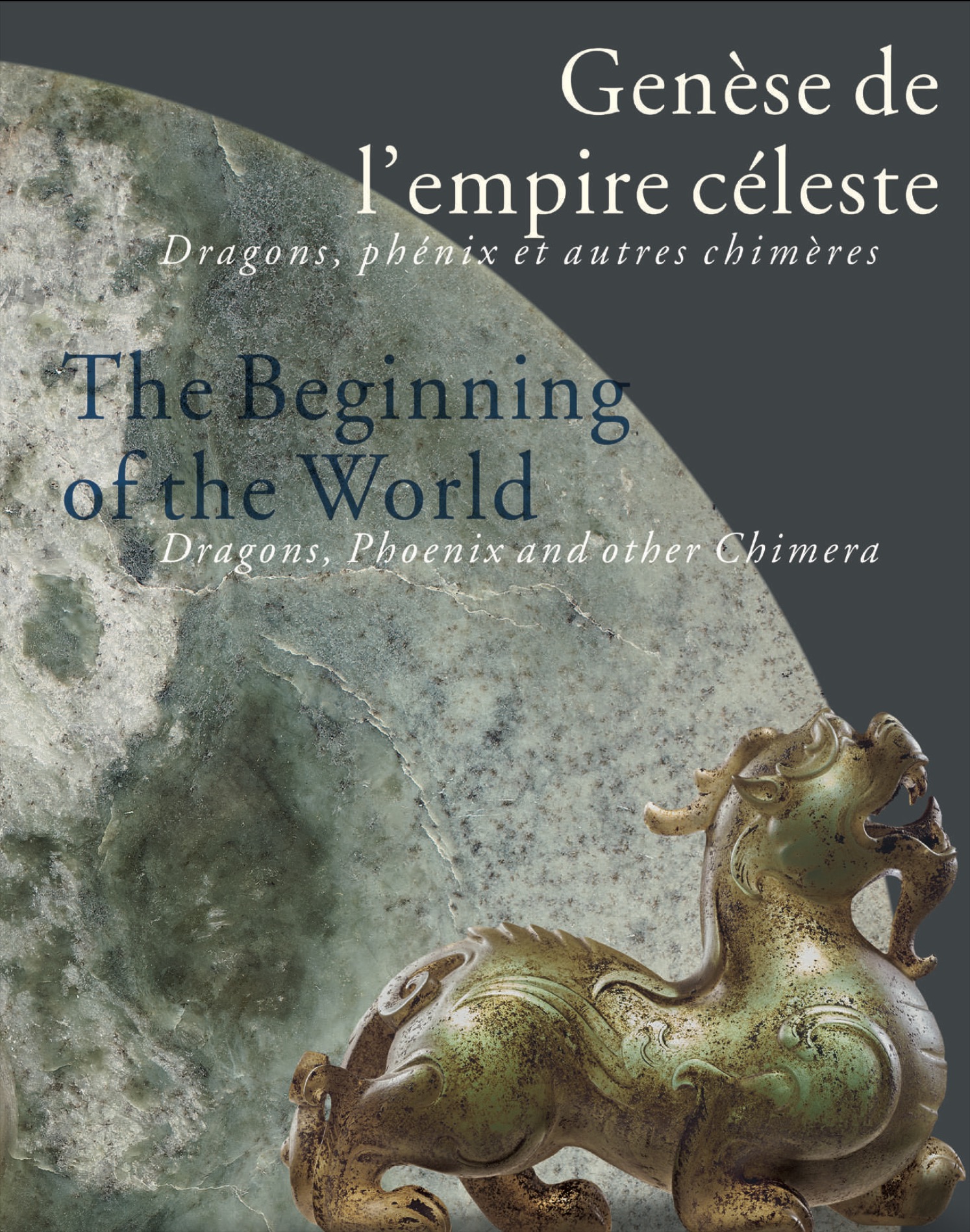
The Beginning of the World — According to the Chinese | Dragons, Phoenix and other Chimera
Book
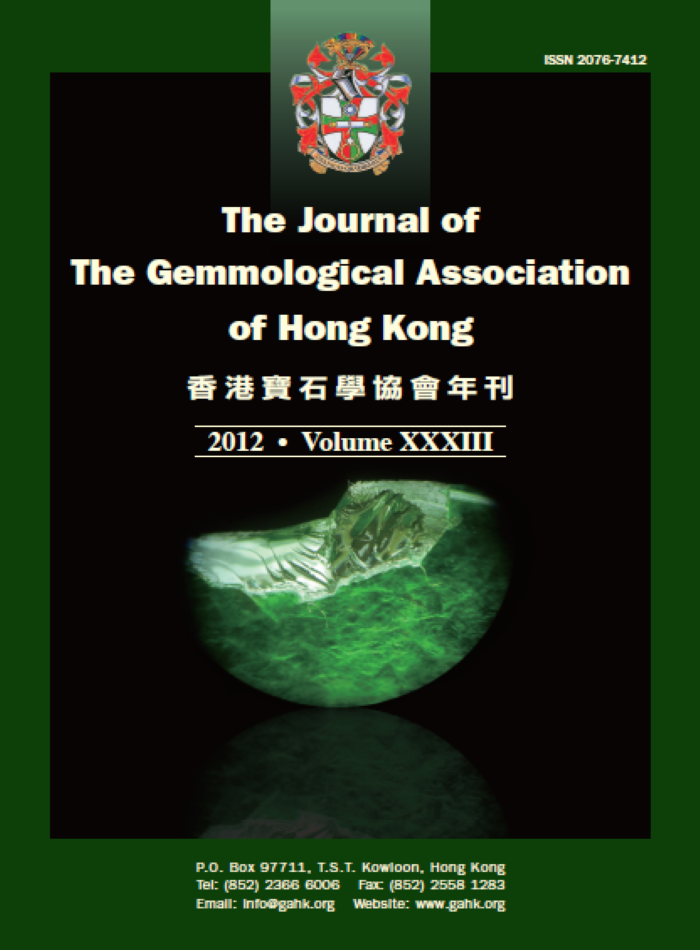
Bonnet-Bidaud, J.-M., Bossard, A., Desroches, J.P., Little, S., Salviati, F. and Schwartz-Arenales, L. (2020) The Beginning of the World — According to the Chinese | Dragons, Phoenix and other Chimera. Paris, Fondation Baur | Musée des Arts, 296 pp.
Record No. 7922  |  ISBN/ISSN: 9782360000000  |  Sinkankas/Born No.: NIS/NIB  |  RWHL*
The ancient Chinese worked with a variety of soft and hard stones throughout the Neolithic period. However, it was only from the mid to late 4th millennium BCE that the exploitation of nephrite jade reached an unprecedented level across several Neolithic cultures in northeast China and the lower Yangzi River valley. This intensification of jade use coincided with the emergence of complex societies, ruled by small elites who served as intermediaries between the human world and the invisible forces that governed it. Jade was exclusively used to fashion symbols of earthly prestige and authority, such as personal ornaments, blades, and ritual artifacts associated with religious practices. The graves of high-ranking individuals furnished with jade items were typically found near ritual structures and altars, where ceremonies, offerings, and likely sky observations took place regularly over extended periods. Thus, from the very beginning of Chinese civilization, and for about fifteen hundred years, jade was revered as a sacred material. Even members of the elite were likely involved in the creation of these items, which represented their authority and connected them to intangible elements like divinities, spirits, or the forces of nature. The jade-using cultures of this period displayed a higher level of social and ideological complexity than other contemporary cultures, foreshadowing the first state-level societies of the Bronze Age (c. 2000 BCE). The jades they produced were rediscovered, treasured, studied, and collected in the following millennia, and even today, ancient jades continue to inspire contemporary artists.

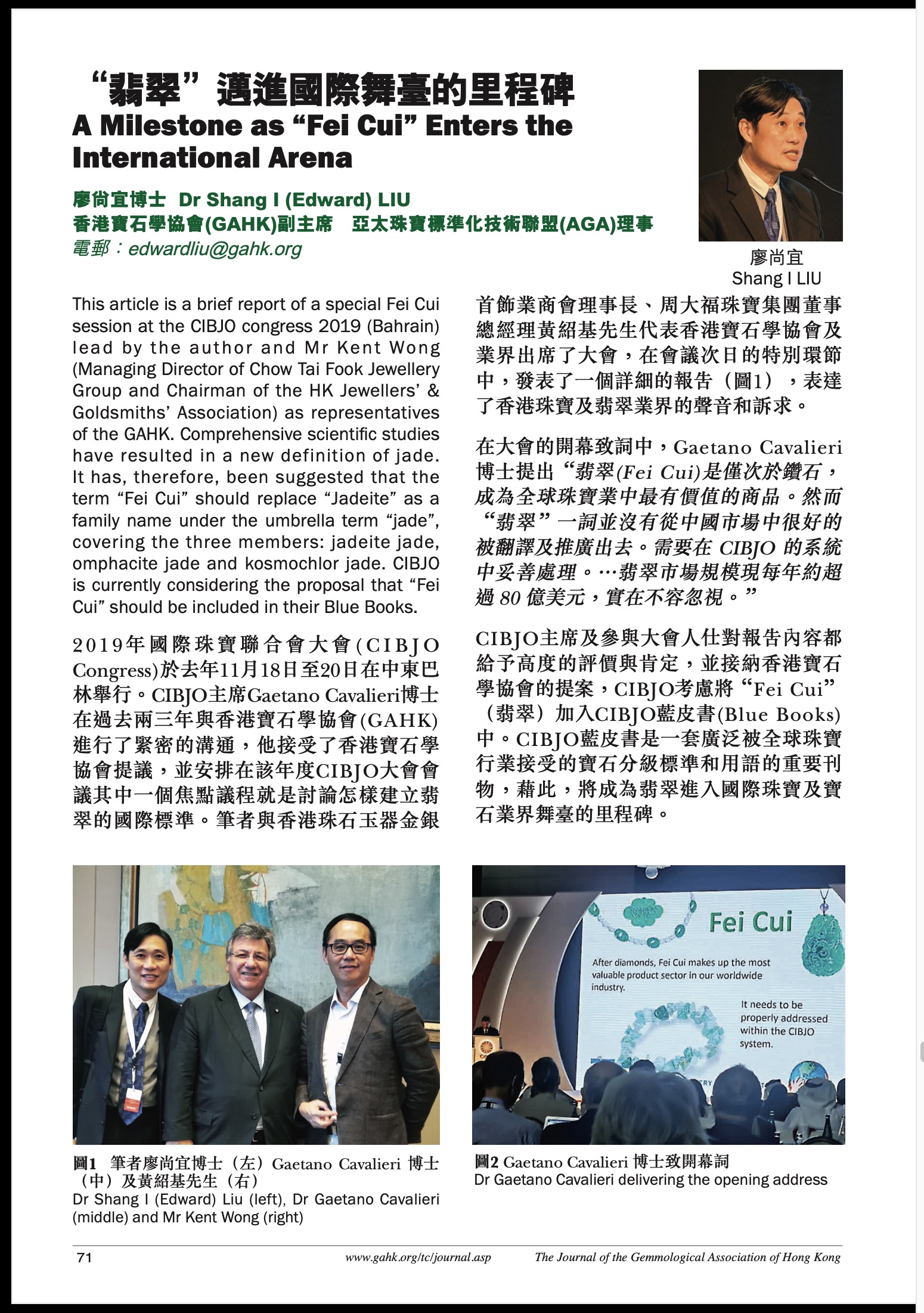
A milestone as “fei cui” enters the international arena
“翡翠”邁進國際舞臺的里程碑
Journal Article
Liu, S. (2020) A milestone as “fei cui” enters the international arena. [“翡翠”邁進國際舞臺的里程碑] Journal of the Gemmological Association of Hong Kong, Vol. 41, pp. 71–75.
Record No. 7338  |  Sinkankas/Born No.: NIS/NIB  |  Language: in Chinese with English abstract  |  RWHL*
This article is a brief report of a special Fei Cui session at the CIBJO congress 2019 (Bahrain) lead by the author and Mr Kent Wong (Managing Director of Chow Tai Fook Jewellery Group and Chairman of the HK Jewellers’ & Goldsmiths’ Association) as representatives of the GAHK. Comprehensive scientific studies have resulted in a new definition of jade. It has, therefore, been suggested that the term “Fei Cui” should replace “Jadeite” as a family name under the umbrella term “jade”, covering the three members: jadeite jade, omphacite jade and kosmochlor jade. CIBJO is currently considering the proposal that “Fei Cui” should be included in their Blue Books.

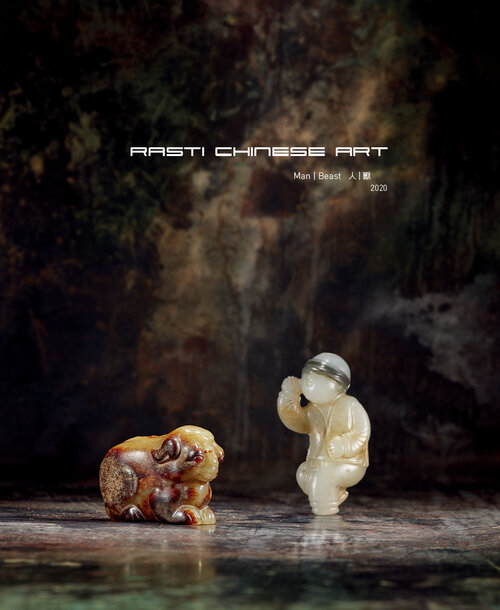
Man | Beast

Catalog
Rasti, N. and Rasti, P. (2020) Man | Beast. Hong Kong: Rasti Chinese Art, 76 pp..
Record No. 6665  |  Sinkankas/Born No.: NIS/NIB  |  RWHL*
Lovely catalog of small figures mostly carved in nephrite.

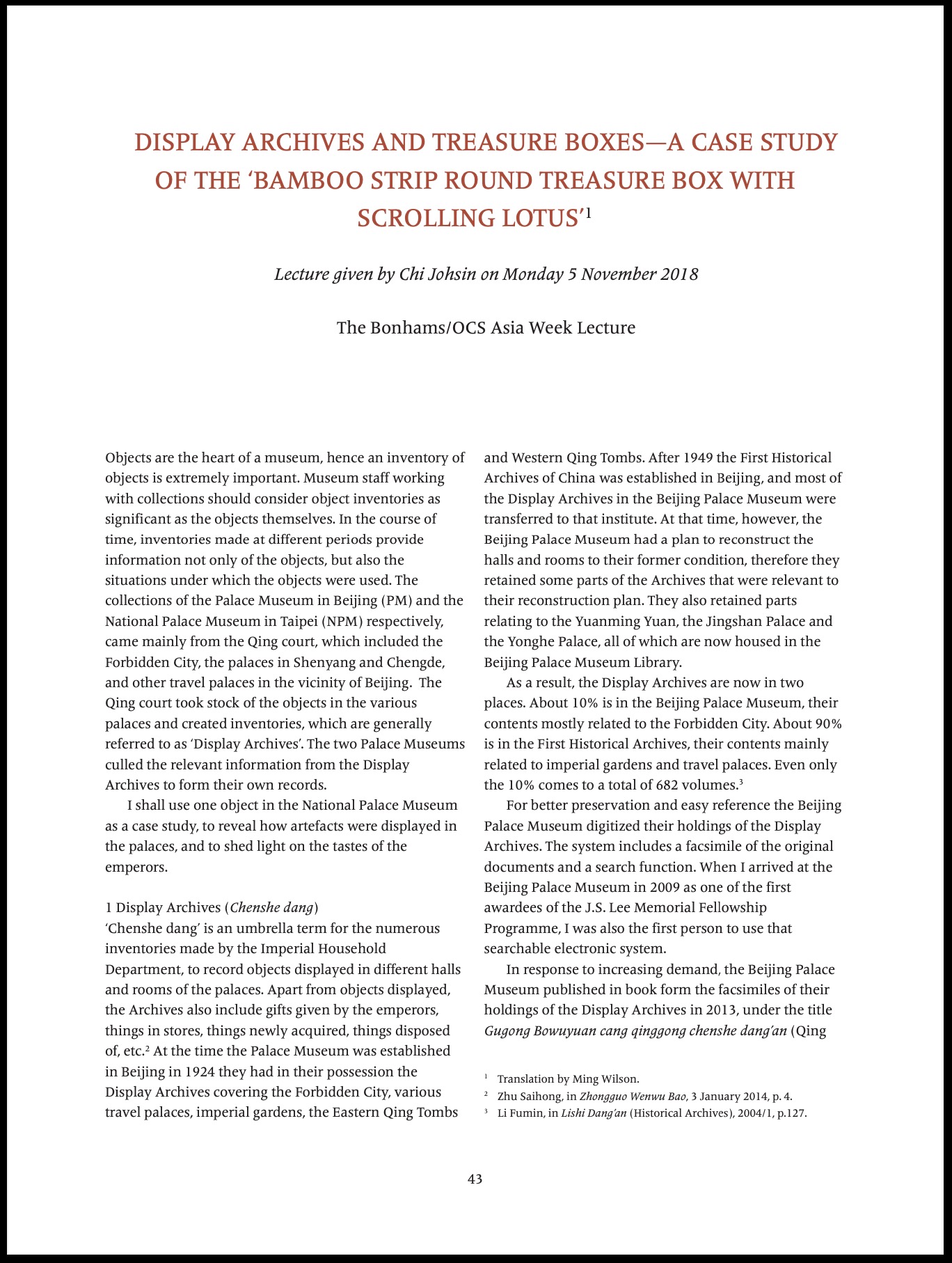
Display archives and treasure boxes—A case study of the ‘bamboo strip round treasure box with scrolling lotus
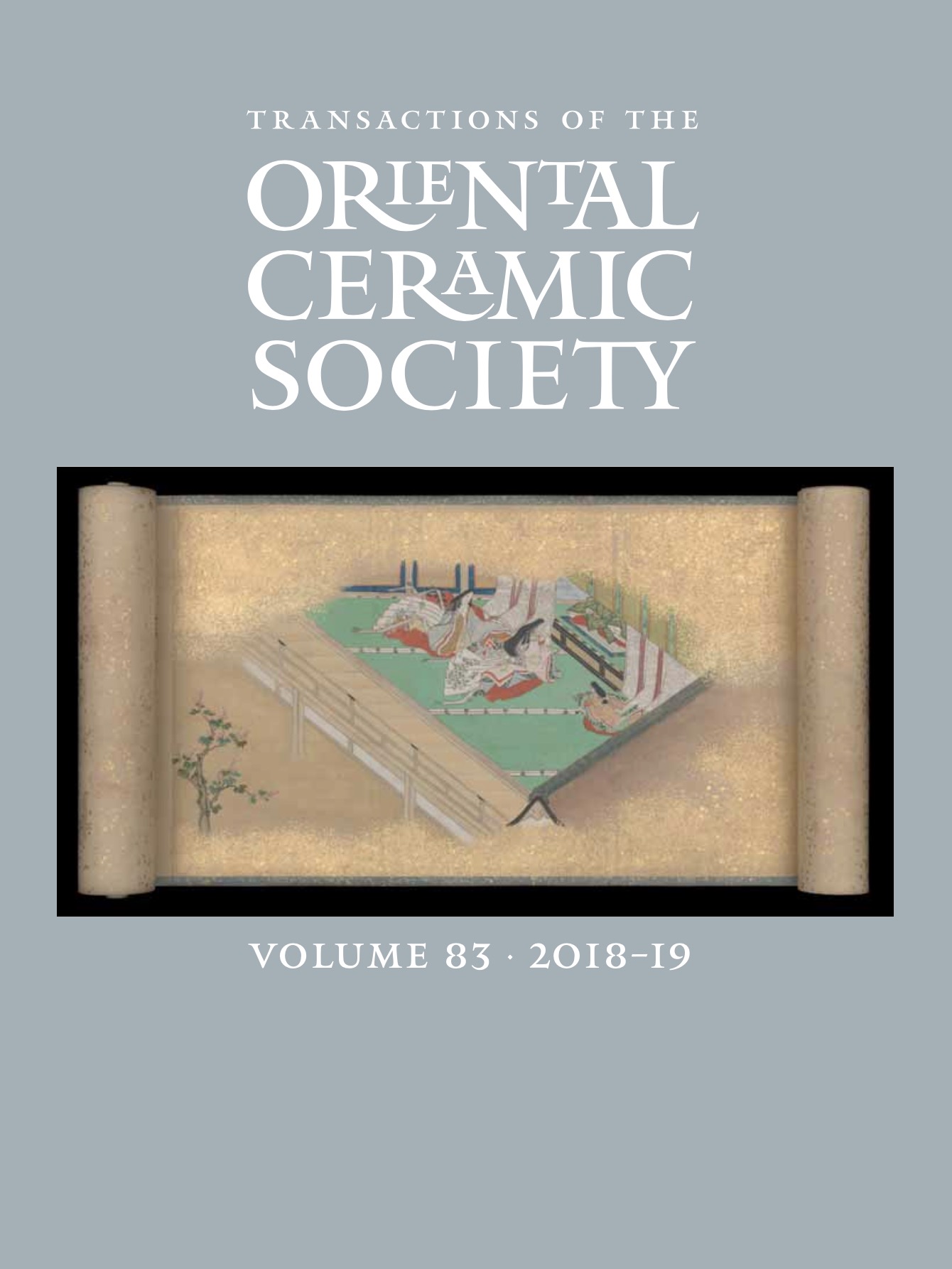
Journal Article
Chi, J. (2020) Display archives and treasure boxes—A case study of the ‘bamboo strip round treasure box with scrolling lotus. Transactions of the Oriental Ceramic Society, Vol. 83 • 2018–19, pp. 43–57.
Record No. 6615  |  Sinkankas/Born No.: NIS/NIB  |  RWHL*
Objects are the heart of a museum, hence an inventory of objects is extremely important. Museum staff working with collections should consider object inventories as significant as the objects themselves. In the course of time, inventories made at different periods provide information not only of the objects, but also the situations under which the objects were used. The collections of the Palace Museum in Beijing (PM) and the National Palace Museum in Taipei (NPM) respectively, came mainly from the Qing court, which included the Forbidden City, the palaces in Shenyang and Chengde, and other travel palaces in the vicinity of Beijing. The Qing court took stock of the objects in the various palaces and created inventories, which are generally referred to as ‘Display Archives’. The two Palace Museums culled the relevant information from the Display Archives to form their own records. I shall use one object in the National Palace Museum as a case study, to reveal how artefacts were displayed in the palaces, and to shed light on the tastes of the emperors.

Costume jades in the early Ming Dynasty (1368–1450): With examples from archaeological finds and the Palace Museum Collection
Journal Article
Lin, X. (2020) Costume jades in the early Ming Dynasty (1368–1450): With examples from archaeological finds and the Palace Museum Collection. Transactions of the Oriental Ceramic Society, Vol. 83 • 2018–19, pp. 97–112.
Record No. 6589  |  Sinkankas/Born No.: NIS/NIB  |  RWHL*
Jades of the early Ming dynasty from traditional collections and archaeological finds have both suggested continuation of the Yuan dynasty tradition as well as departures from it in the use of costume jades, at the time when a comprehensive and standard ritual costume system was established. During the early Ming dynasty, a large amount of jade was used in the making of belts, pendant sets, gui 圭 tablets, crowns, garment hooks and shijian 事件 pseudo gadgets, all parts of or related to the early Ming ritual costumes. Such uses of jade were developed as part of the imperial ritual system, unlike the fashion of using jade for furnishings, handicraft playthings, adornments and antiques, which was driven by literati interest and economic development in the mid-late Ming. The systematised use of jade on ritual costumes as developed by the early Ming court was regarded as standard protocol and continued throughout the Ming dynasty.

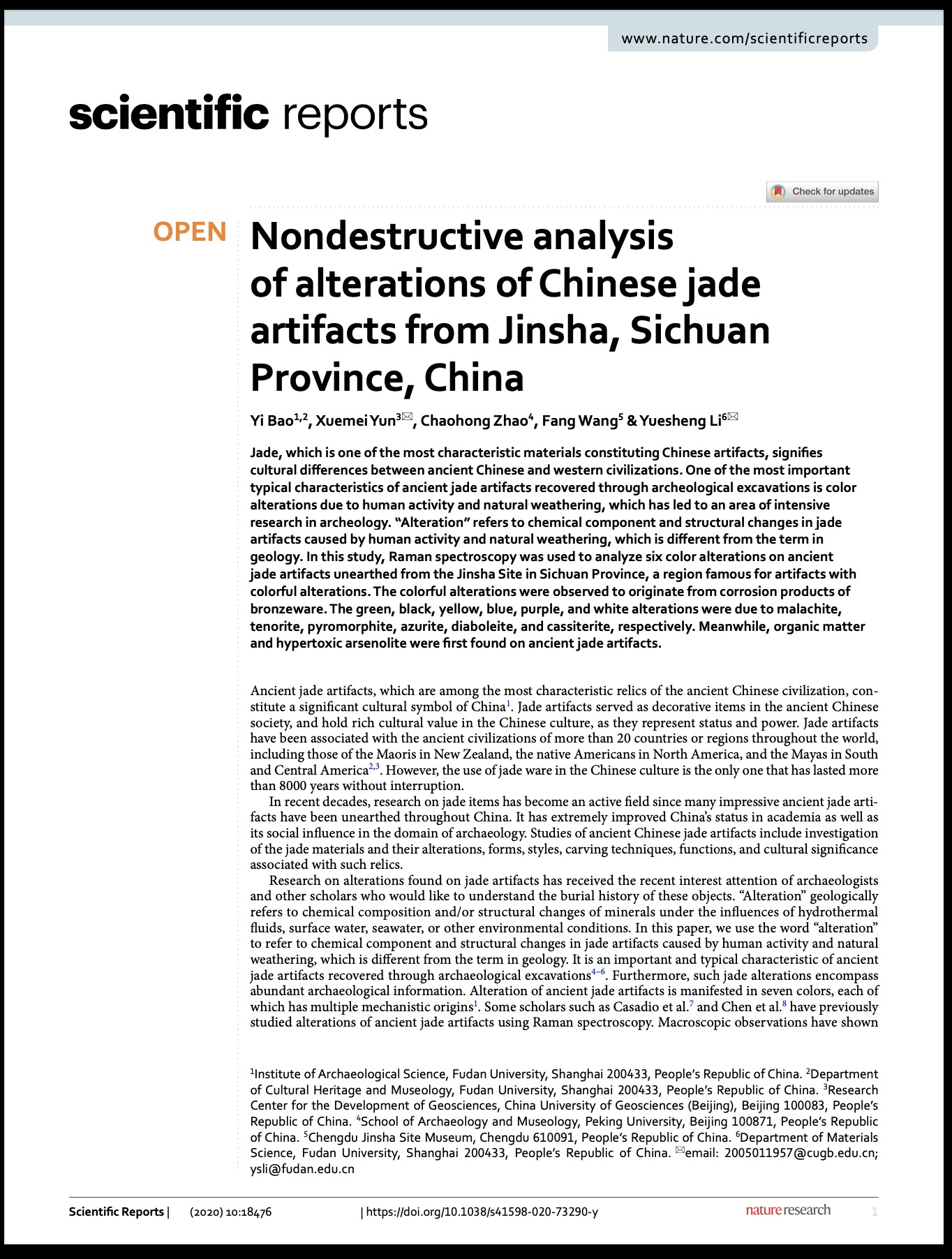
Nondestructive analysis of alterations of Chinese jade artifacts from Jinsha, Sichuan Province, China
Journal Article
Bao, Y., Yun, X., Zhao, C., Wang, F. and Li, Y. (2020) Nondestructive analysis of alterations of Chinese jade artifacts from Jinsha, Sichuan Province, China. Scientific Reports, Vol. 10, No. 1,, 10/28/20 p. 18476.
Record No. 6433  |  ISBN/ISSN: 20452322  |  DOI: https://dx.doi.org/10.1038/s41598-020-73290-y  |  Sinkankas/Born No.: NIS/NIB  |  RWHL*
Jade, which is one of the most characteristic materials constituting Chinese artifacts, signifies cultural differences between ancient Chinese and western civilizations. One of the most important typical characteristics of ancient jade artifacts recovered through archeological excavations is color alterations due to human activity and natural weathering, which has led to an area of intensive research in archeology. “Alteration” refers to chemical component and structural changes in jade artifacts caused by human activity and natural weathering, which is different from the term in geology. In this study, Raman spectroscopy was used to analyze six color alterations on ancient jade artifacts unearthed from the Jinsha Site in Sichuan Province, a region famous for artifacts with colorful alterations. The colorful alterations were observed to originate from corrosion products of bronzeware. The green, black, yellow, blue, purple, and white alterations were due to malachite, tenorite, pyromorphite, azurite, diaboleite, and cassiterite, respectively. Meanwhile, organic matter and hypertoxic arsenolite were first found on ancient jade artifacts.

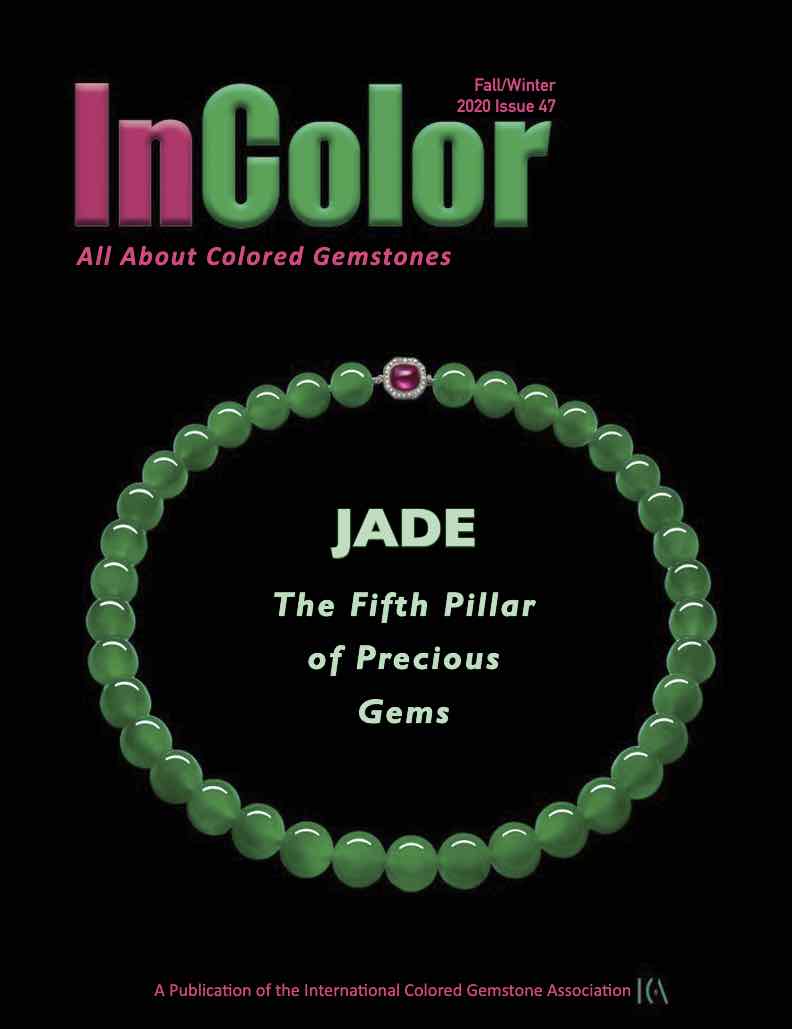
Judging the quality of Burmese jadeite jade

Journal Article
Schluessel, R. and Mason, J. (2020) Judging the quality of Burmese jadeite jade. InColor, No. 47, Fall/Winter, pp. 68–75.
Record No. 6185  |  Sinkankas/Born No.: NIS/NIB  |  RWHL*
Detailed discussion of the quality factors that are involved in analyzing jadeite jade.

Exploring the Literature of Jade

Jade literature spans gemology, mineralogy, archaeology, art history, mining, carving and connoisseurship, and includes works on both jadeite and nephrite from around the world.

For an introduction to collecting books on this subject, read Hidden Treasure — Collecting the Literature of Jade.

About Four Treasures

Four Treasures is Lotus Gemology's freely accessible gemological reference database. Use the full database to search by author, title or keyword and explore literature on gemology, mineralogy, jewelry and related fields. Where available, hyperlinks on titles may lead directly to the full publication.

Search the Complete Four Treasures Database