Ruby & Sapphire Bibliography

Ruby & Sapphire Bibliography

Explore books, articles and historical sources on ruby, sapphire and corundum in Four Treasures, the Lotus Gemology reference database. This bibliography brings together matching records from the collection, with publication details, abstracts and cover images where available.

Ruby & Sapphire References

The list below matches the terms ruby, rubies, sapphire or corundum in the database's searchable fields. Some references discuss these gems as part of a broader subject. Linked titles take you to external links where you may find the full reference.

21–40 of 4,667 matching references
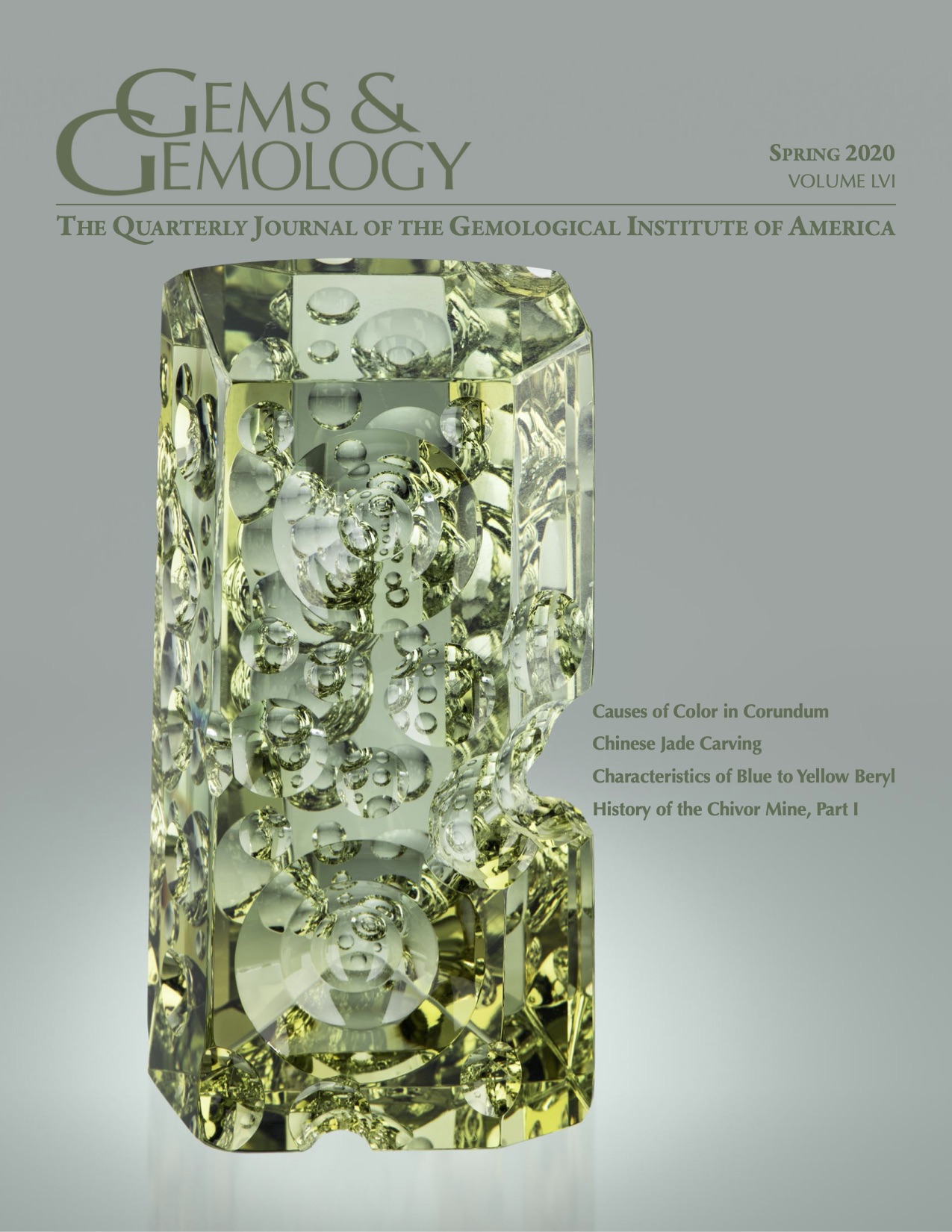
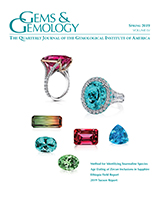
G&G Micro-World: Böhmite in corundum

G&G Micro-World: Böhmite in corundum

Hughes, R.W. (2020)

Journal Article · Source: Gems & Gemology · Volume: Vol. 56 · Issue: No. 2, Summer · Pages: pp. 292–293

Abstract
Gemologists at Bangkok’s Lotus Gemology laboratory recently examined a large lot of rubies believed to originate from the Montepuez area of Mozambique. Microscopic examination confirmed that assessment. Many of these stones displayed features in their infrared spectra that are typical for böhmite, with a characteristic “twin peak” spectrum at ~3309 and 3089 cm⁻¹. One of the stones showed a large area cut through on a pavilion facet that appeared to be a foreign substance. A similar substance was seen in many of the fissures in the stone. Judicious use of the hot point under the microscope produced no reaction. We then moved to analyze the substance via micro-Raman. The result was böhmite, which neatly confirmed the results from the infrared spectrum. Böhmite, AlO(OH), is a polymorph of diaspore. In corundum it is generally a secondary mineral, infilling surface-reaching openings after the host corundum has grown.
Keywords
gems, corundum, inclusions.5, Mozambique.12, ruby, böhmite
Jade – In search of heaven

Jade – In search of heaven

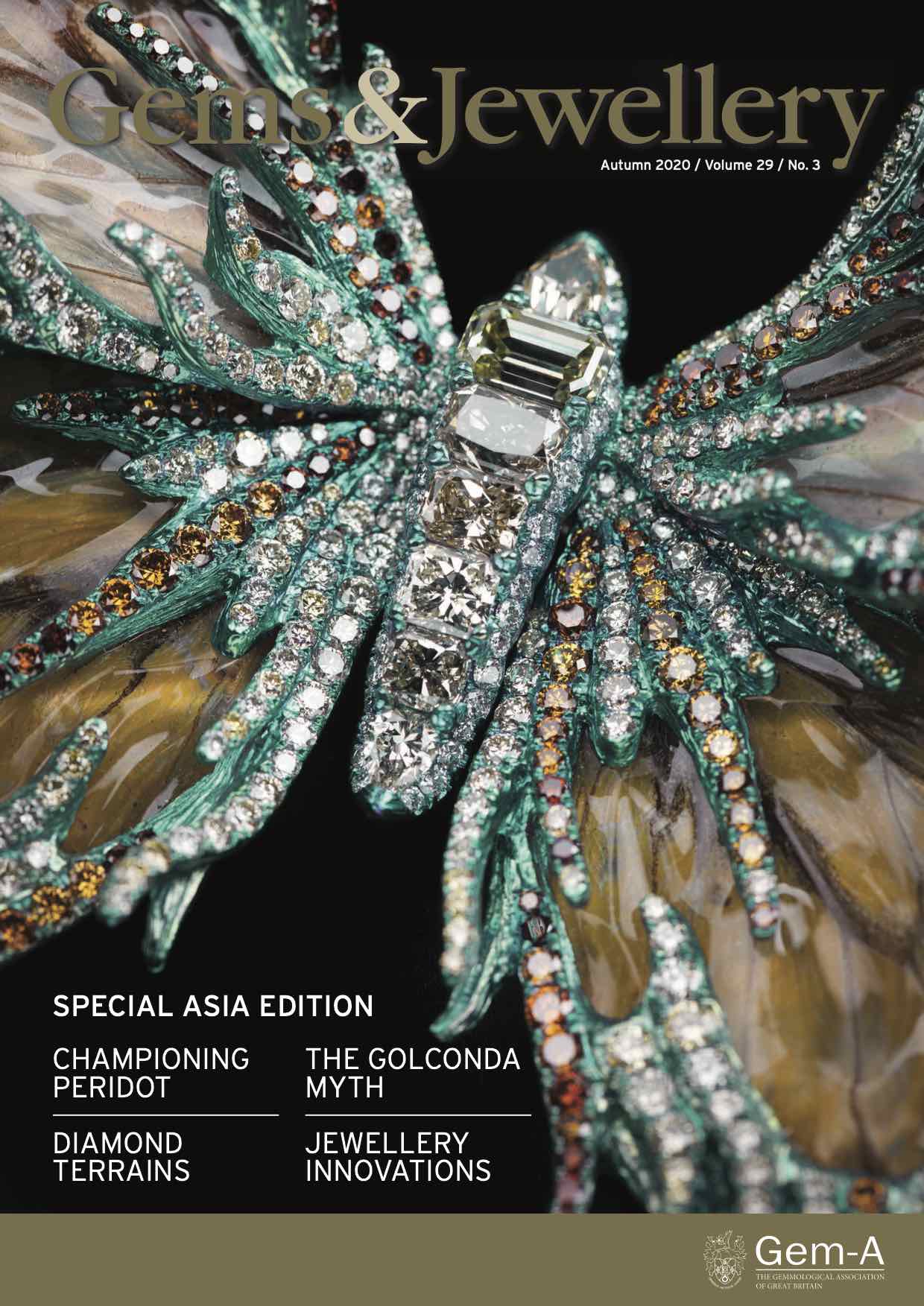
Hughes, R.W. (2020)

Journal Article · Source: Gems&Jewellery · Volume: Vol. 29 · Issue: No. 3, Autumn · Pages: pp. 22–24

Abstract
Corundum expert Richard W. Hughes takes us through his four-decade adventure with jade, from Burma’s jadeite mines to China’s classic mutton-fat nephrite mines at Hetian, Xinjiang Province.
Keywords
gems, jade, jadeite, fei cui, Burma, nephrite, China, Chinese jade carving
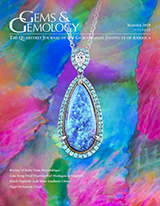
G&G Microworld: Staurolite in ruby

G&G Microworld: Staurolite in ruby

Hughes, E.B. (2020)

Journal Article · Source: Gems & Gemology · Volume: Vol. 56 · Issue: No. 1, Spring · Pages: pp. 144–145

Abstract
We have examined thousands of rubies in Lotus Gemology’s laboratory, yet the hours spent peering into the microscope are never mundane because each stone captures its own piece of history through its inclusions. Recently a client submitted one such gem for testing, a 3.04 ct specimen measuring 11.98 × 7.13 × 4.21 mm that was identified as an untreated ruby from Madagascar based on inclusions. In the microscope, a few bright brownish red crystal inclusions immediately stood out. They were transparent, with a saturated red hue that, in darkfield illumination, was conspicuous even against their ruby-red background. Some were also cut through on the surface, allowing us to view them with reflected light. Observation of the surface showed that the crystals had a luster just slightly lower than that of the surrounding corundum, suggesting a slightly lower RI. To get a better idea of the crystals’ identity, we examined them using micro-Raman spectroscopy with a WITec Alpha 300R Raman imaging system with a 532 nm laser, which identified them as staurolite. Staurolite, Fe₂Al₉Si₄O₂₂(OH)₂, is a red to brown mineral known to occur in Madagascar. Its RI values are nα = 1.736–1.747, nβ = 1.740–1.754, and nγ = 1.745–1.762. Corundum has a slightly higher RI range, with nₒ = 1.767–1.722 and nₑ = 1.759–1.763. The combination of microscopic observation and Raman spectroscopy gave us confidence that these were indeed staurolite crystals. It is no wonder these crystals initially stood out. To the best of our knowledge, this is the first recorded observation of staurolite as an inclusion in corundum. This Madagascar ruby has encapsulated a fascinating kernel of history within its depths.
Keywords
gems, corundum, ruby, Madagascar.12, inclusions.5
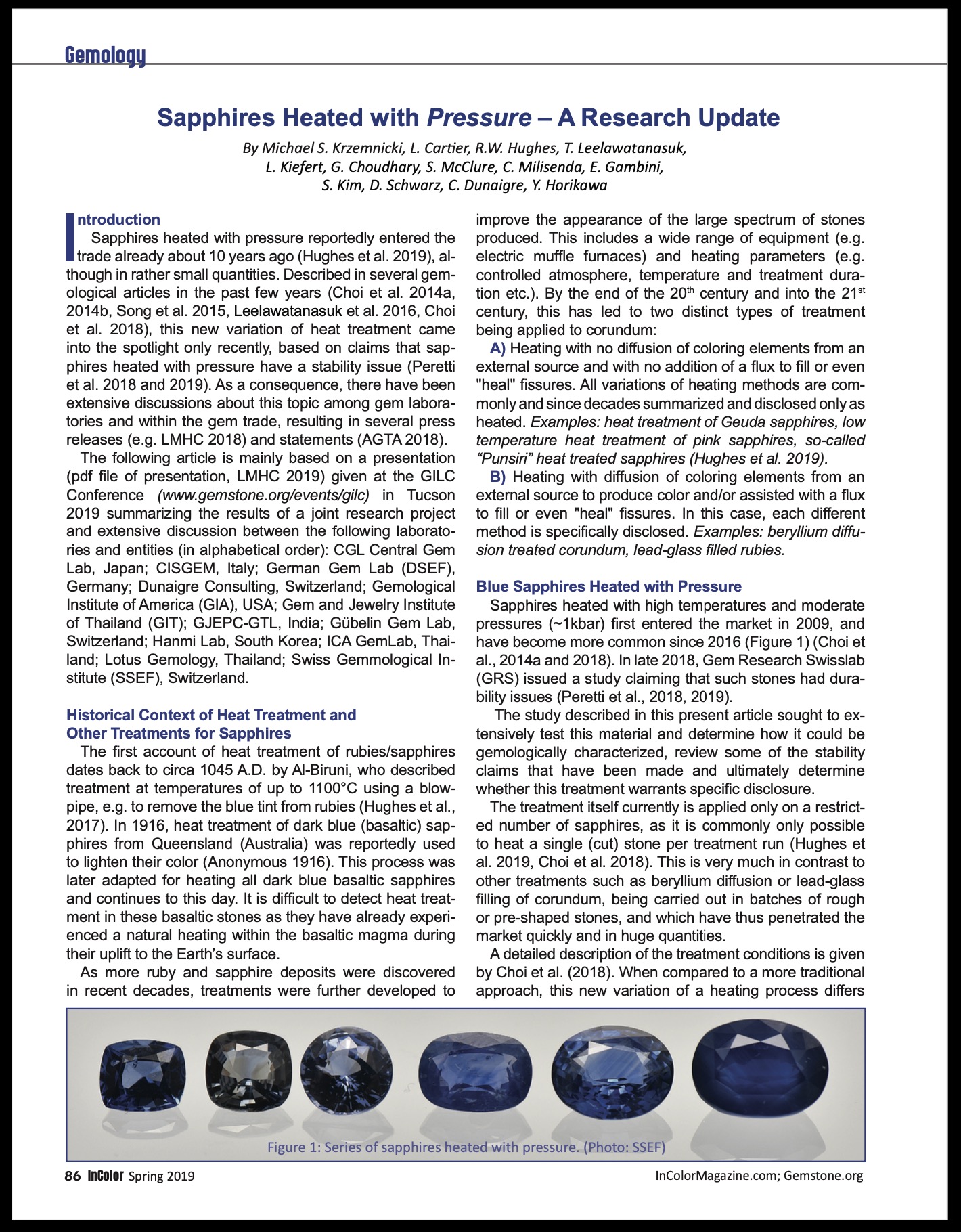
Sapphires heated with pressure – A research update

Sapphires heated with pressure – A research update

Krzemnicki, M.S., Cartier, L., Hughes, R.W., Leelawatanasuk, T., Kiefert, L., Choudhary, G., McClure, S., Milisenda, C., Gambini, E., Kim, S., Schwarz, D. and Horikawa, Y. (2019)

Journal Article · Source: InColor · Issue: Spring · Pages: pp. 86–90

Abstract
Sapphires heated with pressure reportedly entered the trade already about 10 years ago (Hughes et al., 2019), although in rather small quantities. Described by several gemological articles in the past few years (Choi et al. 2014a, 2014b, Song et al. 2015, Leelawatanasuk et al. 2016, Choi et al. 2018), this new variation of heat treatment came into the spotlight only recently, based on claims that sapphires heated with pressure have a stability issue (Peretti et al. 2018 and 2019). As a consequence, there have been extensive discussions about this topic among gem laboratories and within the gem trade, resulting in several press releases (e.g. LMHC 2018) and statements (AGTA 2018). The following article is mainly based on a presentation (pdf file of presentation, LMHC 2019) given at the GILC Conference (www.gemstone.org/events/gilc) in Tucson 2019 summarizing the results of a joint research project and extensive discussion between the following laboratories and entities (in alphabetical order): CGL Central Gem Lab, Japan; CISGEM, Italy; German Gem Lab (DSEF), Germany; Dunaigre Consulting, Switzerland; Gemological Institute of America (GIA), USA; Gem and Jewelry Institute of Thailand (GIT); GJEPC-GTL, India; Gübelin Gem Lab, Switzerland; Hanmi Lab, South Korea; ICA GemLab, Thailand; Lotus Gemology, Thailand; Swiss Gemmological Institute (SSEF), Switzerland.
Keywords
gems, corundum, treatments.6, sapphire, pressure treatment, heat treatment
Madagascar sapphire: Low-temperature heat treatment experiments

Madagascar sapphire: Low-temperature heat treatment experiments

Hughes, E.B. and Perkins, R. (2019)

Journal Article · Source: Gems & Gemology · Volume: Vol. 55 · Issue: No. 2, Summer · Pages: pp. 184–197

Abstract
Madagascar has become one of the world’s top sources of fine blue sapphire in recent times. In addition to beautiful untreated material, increasing numbers of treated stones have appeared in the market. Some have been heated to relatively low temperatures, below 1350°C, to lighten their color. To help separate unheated and heated Madagascar sapphire, the authors performed experiments to document the changes they undergo with low-temperature heat treatment in air, which is an oxidizing atmosphere.
Keywords
gems, corundum, Madagascar.12, treatments.6
G&G Micro-World: Curved banding in flame-fusion synthetic sapphires

G&G Micro-World: Curved banding in flame-fusion synthetic sapphires

Hughes, E.B. (2019)

Journal Article · Source: Gems & Gemology · Volume: Vol. 55 · Issue: No. 2, Summer · Pages: pp. 264–265

Abstract
Most synthetic ruby and sapphire on the market is grown by Verneuil flame fusion. It can usually be separated from natural corundum by its distinctive curved banding, in contrast to the angular zoning seen in natural stones. Gemologists may see these features in the microscope when using darkfield or brightfield illumination. This zoning can also be seen with use of a short-wave fluorescent light, as noted in Ruby & Sapphire: A Gemologist’s Guide (R.W. Hughes et al., Lotus Publishing, Bangkok, 2017). Recently the author noticed two excellent examples. When viewed with the Magilabs deep-UV fluorescence system (a proprietary short-wave UV source), the curved banding in the synthetics was clear (figures 10 and 11), allowing them to be easily separated from natural corundum. Gemologists using a DiamondView may see the same reaction.
Keywords
gems, corundum, synthetic corundum.7, Verneuil synthetic sapphire
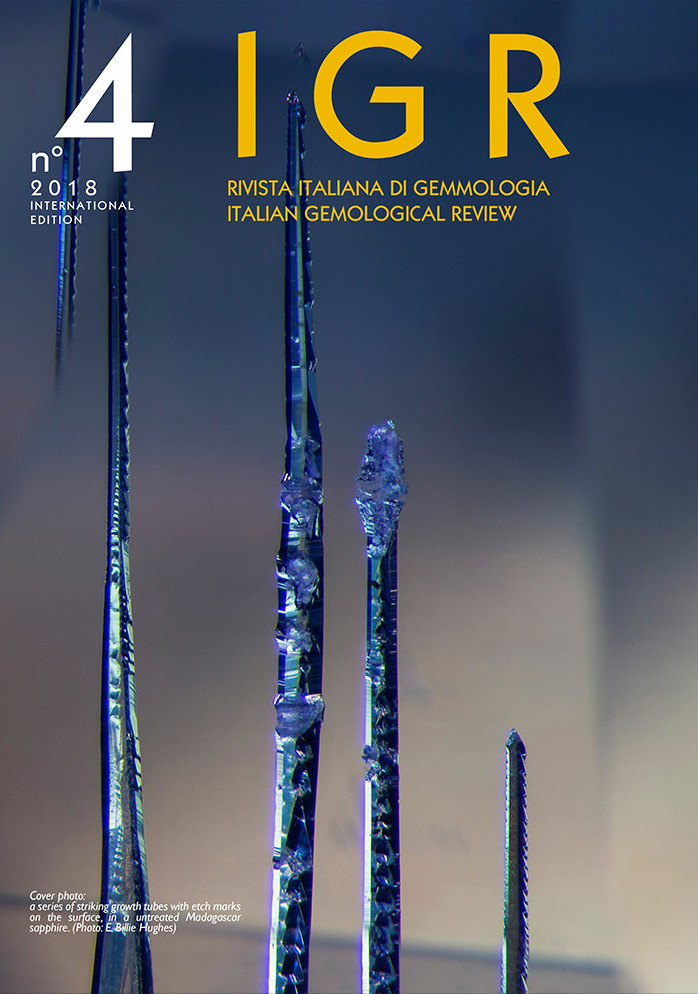
Madagascar sapphire: Crystal blue persuasion

Madagascar sapphire: Crystal blue persuasion

Hughes, E.B. and Hughes, R.W. (2018)

Journal Article · Source: Rivista Italiana di Gemmologia – Italian Gemological Review · Issue: No. 4 · Pages: pp. 44–54

Abstract
A look at sapphire in southern Madagascar, including a description of its inclusions.
Keywords
gems, corundum, Madagascar.12, inclusions
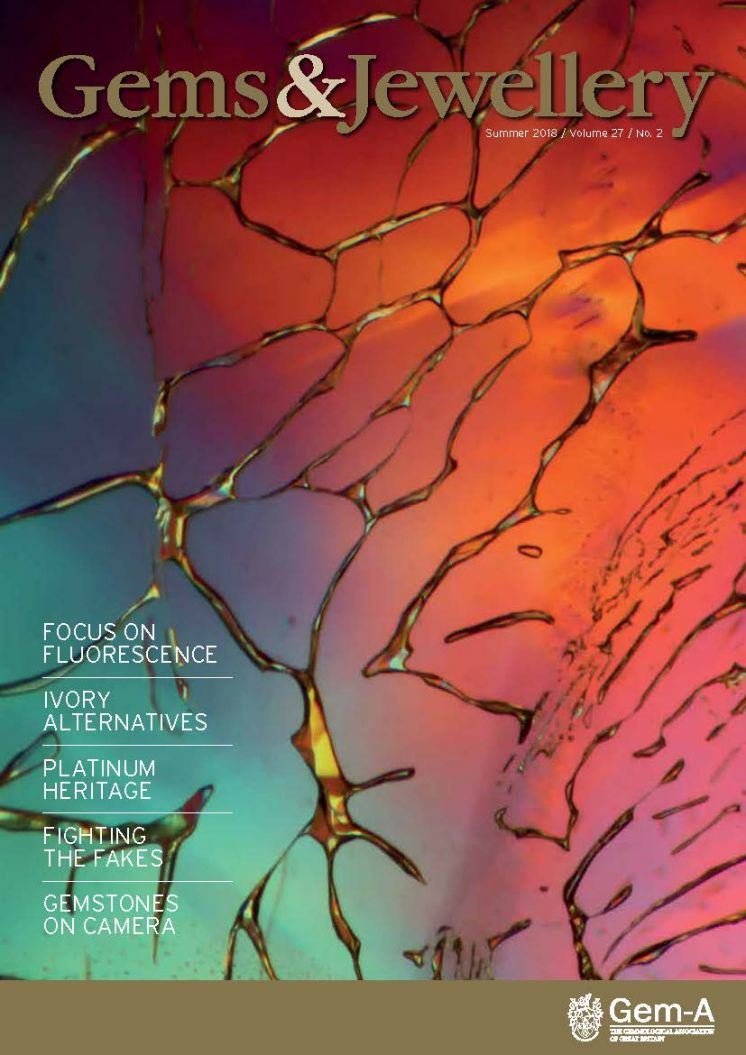
Understanding inclusions: Superficial sapphires

Understanding inclusions: Superficial sapphires

Hughes, E.B. (2018)

Journal Article · Source: Gems&Jewellery · Volume: Vol. 27 · Issue: No. 2, Summer · Pages: p. 31

Abstract
In the second of a four-part series for Gems&Jewellery, Bangkok-based gem testing lab, Lotus Gemology, shares insightful pairs of photographs that, when placed side-by-side, reveal the full story of an inclusion or treatment. In this issue, we explore heat-treated sapphires...
Keywords
gems, corundum, inclusions.5, color.4
Understanding inclusions: Discovering crystal types

Understanding inclusions: Discovering crystal types

Hughes, E.B. (2018)

Journal Article · Source: Gems&Jewellery · Volume: Vol. 27 · Issue: No. 1, Spring · Pages: p. 40.

Abstract
In a new series for Gems&Jewellery magazine, Bangkok-based gem testing lab Lotus Gemology delves into its photomicrograph archive, Hyperion, to help gemmologists tackle tricky inclusions. In this inaugural column, we discover the difference between crystal types in ruby and sapphire.
Keywords
gems, corundum, inclusions.5
Understanding inclusions: Regarding rutile

Understanding inclusions: Regarding rutile

Hughes, E.B. (2018)

Journal Article · Source: Gems&Jewellery · Volume: Vol. 27 · Issue: No. 4, Winter · Pages: p. 40

Abstract
In the final part of a year-long series for Gems&Jewellery, Billie Hughes of Bangkok-based gem testing lab, Lotus Gemology, shares pairs of photographs that, when placed side-by-side, reveal the full story of an inclusion or treatment. In this issue, we delve deeper into rutile inclusions in ruby and sapphire...
Keywords
gems, corundum, inclusions.5, rutile silk, primary rutile
Understanding inclusions: Unmistakable mines

Understanding inclusions: Unmistakable mines

Hughes, E.B. (2018)

Journal Article · Source: Gems&Jewellery · Volume: Vol. 27 · Issue: No. 3, Autumn · Pages: p. 40

Abstract
In the third of a four part series for Gems&Jewellery, Bangkok-based gem testing lab, Lotus Gemology, shares pairs of photographs that, when placed side-by-side, reveal the full story of an inclusion or treatment. In this issue, we explore how inclusions can help to reveal the origin of rubies...
Keywords
gems, corundum, inclusions.5, Burma.12
G&G Micro-World: Star spinel with four and six rays

G&G Micro-World: Star spinel with four and six rays

Hughes, E.B. (2018)

Journal Article · Source: Gems & Gemology · Volume: Vol. 54 · Issue: No. 2, Summer · Pages: p. 230

Abstract
Lotus Gemology receives submissions of star stones on a regular basis, so when we first saw the specimen shown here, it appeared to be one among many of our usual stones to test. Upon closer examination, however, we realized it was not a star sapphire, but something much more rarely seen: star spinel. At first glance, the the cabochon’s dome displays one six-rayed star (figure 16), similar to what we see in star corundum. But if we follow each ray to the sides of the stone, we can also see a four-rayed star (figure 17). These stars are created from numerous dense, short needle-like particles. Once we examined a small polished area on the cabochon’s base, we found that there are actually two distinct types of exsolution products in the stone. On the right side of figure 18, we can see the tiny, dense needles and particles that form both types of stars. In the center of the image we can see much larger, less densely dispersed platelets that resemble confetti.
Keywords
gems, corundum, inclusions.5, Mozambique.12
G&G Micro-World: Growth tube cluster in sapphire

G&G Micro-World: Growth tube cluster in sapphire

Hughes, E.B. (2018)

Journal Article · Source: Gems & Gemology · Volume: Vol. 53 · Issue: No. 3, Fall · Pages: pp. 371–372

Abstract
Growth tubes are a typical inclusion in corundum and often seen during examination in the laboratory. While commonplace, a stunning cluster such as the one seen above calls out to the photomicrographer. At the surface these tubes are cut through and some black debris has become lodged inside the ends, while deeper within the stone they still display a fiery glow, reminiscent of rockets launching into the sky. Not only do these tubes spark the imagination, but they can actually tell us a lot about the identity of their sapphire host. The limonitic staining found deeper in the tubes is a yellowish orange, suggesting that they have not been altered by heat treatment. These stains often turn a darker reddish or brownish color in heat-treated stones (J.I. Koivula, “Useful visual clue indicating corundum heat treatment,” Fall 2013 G&G, pp. 160–161). Furthermore, we have observed in the past several months that these prominent growth tubes are a common feature in Madagascar sapphire. While the tubes can be found in corundum from other origins, they seem particularly common in the Madagascar material that has been entering the Bangkok market in greater numbers recently. When taken into account along with other features, they provide a clue to the origin of these sapphires. Thus, what initially appeared to be a mundane inclusion is both visually impressive and gemologically significant, as it provides hints to the origins and treatments of corundum.
Keywords
gems, corundum, sapphire, inclusions.5, Madagascar.12
G&G Micro-World: Drill hole in heated pink sapphire

G&G Micro-World: Drill hole in heated pink sapphire

Hughes, E.B. (2018)

Journal Article · Source: Gems & Gemology · Volume: Vol. 54 · Issue: No. 4, Winter · Pages: p. 448

Abstract
While testing a faceted pink sapphire in our laboratory, we looked at its internal features and determined that it was a heat-treated stone from Myanmar. As we examined the surface of the 14.75 × 13.02 × 8.82 mm sapphire, we noticed an unusual feature: a large round drill hole extending from the surface into a crystal or negative crystal within the stone (figure 4). Note that this drill hole did not extend through the sapphire, as one might see in a bead. This stone was faceted, so it is unlikely that the person who drilled into the stone intended to create a bead. What seems more likely, given the placement of the drill hole, is that it was drilled to minimize the appearance of the crystal that it reached. We suspect that the crystal was originally more opaque and of darker color or filled with a dark substance. It is possible that the drill hole was created so that the crystal could be cleaned out with acid, minimizing its appearance. We can only guess at the intentions of the treater, who might have gotten the idea from the laser drilling of diamonds. Although the exact process may remain a mystery, this inclusion indicates an unusual treatment in ruby and sapphire.
Keywords
gems, corundum, inclusions.5, Burma.12
G&G Micro-World: Six-rayed star in sapphire from Myanmar

G&G Micro-World: Six-rayed star in sapphire from Myanmar

Hughes, E.B. (2018)

Journal Article · Source: Gems & Gemology · Volume: Vol. 54 · Issue: No. 1, Spring · Pages: p. 71

Abstract
Gems are renowned for their outward beauty, but their in-ternal world can be just as striking. Lotus Gemology re-cently came across a Burmese sapphire, cut as a cabochon and measuring 8.92 × 7.10 × 4.75 mm, that displayed a six-rayed star. Once we examined it under the microscope, we were surprised to find that this celestial theme carried through to the inclusion scene inside (figure 13).
Keywords
gems, corundum, sapphire, Burma.12
G&G Micro-World: Remarkable twinned calcite inclusion in Mogok ruby

G&G Micro-World: Remarkable twinned calcite inclusion in Mogok ruby

Hughes, E.B. (2017)

Journal Article · Source: Gems & Gemology · Volume: Vol. 53 · Issue: No. 4, Winter · Pages: p. 467

Abstract
The Mogok Stone Tract in Myanmar (formerly Burma) is one of the world’s most famous sources of ruby, which often forms there in a calcite-marble host. Calcite may occur as an inclusion inside the ruby, as in the example in figure 3. In this stone, the calcite is easy to spot between crossed polarizers, which reveal polysynthetic twinning planes that “crisscross” the crystal. While calcite is a common inclusion in ruby, this is the clearest example of calcite twinning this author has seen. Surrounding the calcite crystal is a dense, angular nest of exsolved rutile silk as short needles, a typical scene in rubies from this locality.
Keywords
corundum, inclusions.5, Burma.12, gems
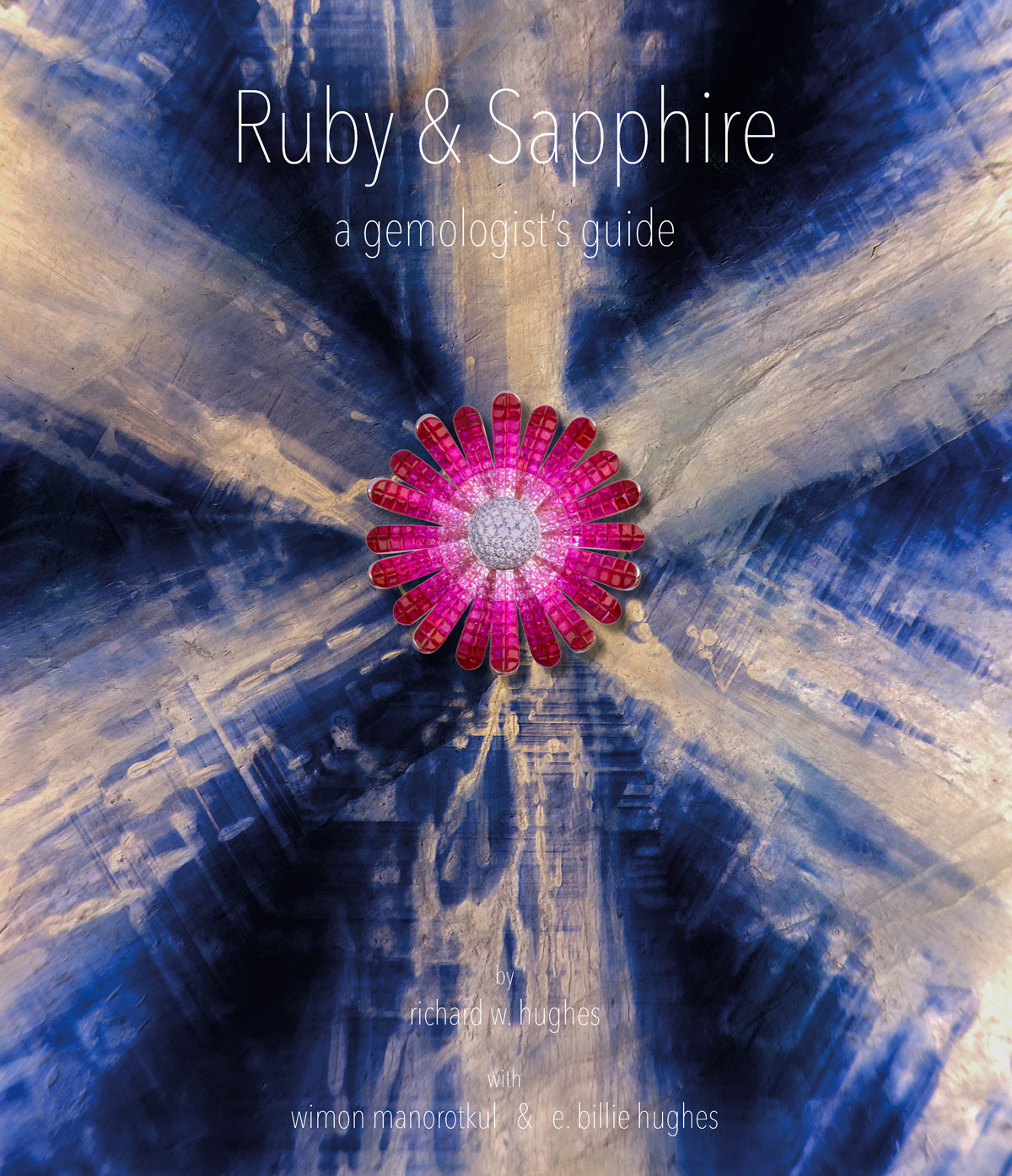
Ruby & Sapphire • A Gemologist's Guide

Ruby & Sapphire • A Gemologist's Guide

Hughes, R.W., Manorotkul, W. and Hughes, E.B. (2017)

Book · Publisher: Lotus Publishing · Pages: 816 pp.

Abstract
From the dawn of time, ruby and sapphire have both attracted and fascinated humans in ways that few other items could. While objects of desire are found throughout the natural world, physical beauty is too often ephemeral. From the allure of a man, woman, flower or butterfly, through the fleeting moments of a sunset, there is little that lasts and practically nothing that can be passed down to our descendants. The exception is precious stones. Not only are they the most durable creations of mother nature, but their visual splendor is truly eternal. In this companion to his 2013 book, Ruby & Sapphire—A Collector’s Guide, Richard Hughes examines these gems from the gemological standpoint, delving into them not just from the aesthetic, but also from the scientific point of view. The product of nearly 40 years of firsthand experience, this book covers the subject from A–Z. History, sources, prices, quality analysis, causes of color, geology, synthetics and treatments—everything is here. Ruby & Sapphire—A Gemologist’s Guide arguably represents the most comprehensive volume ever written on a single precious stone. With over 1000 photos, maps and illustrations and 3500 references, it is nothing less than a tour de force of gemological scholarship.
Keywords
corundum, History.1, Chemistry.2, properties.3, color.4, inclusions.5, treatments.6, synthetic corundum.7, assembled stones.8, fashioning.9, quality.10, geology.11, sources.12, Australia.12, Afghanistan.12, China.12, India.12, France.12, Laos.12, Madagascar.12, Mozambique.12, Malawi.12, Myanmar.12, Pakistan.12, Sri Lanka.12, Tanzania.12, Tajikistan.12, Thailand.12, Vietnam.12, USA.12, Montana.12, gems, irradiation paper on ruby, Indian lapidary, color science, Kashmir, Mogok
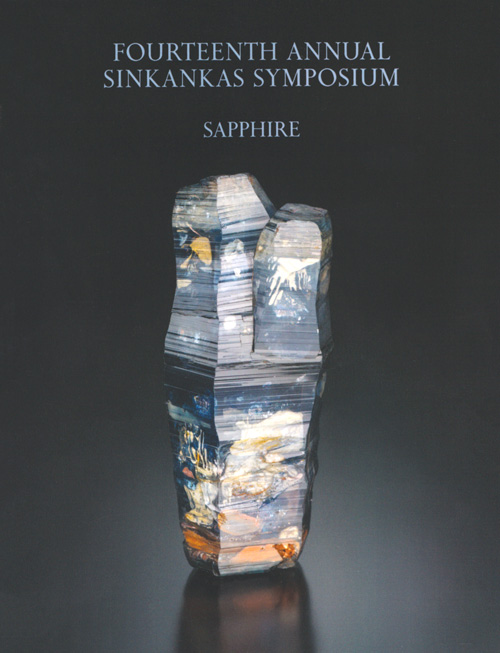
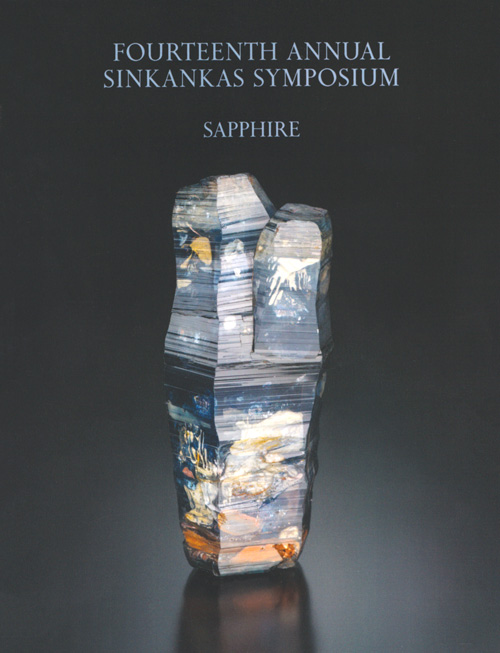
Sapphire around the world

Sapphire around the world

Hughes, R.W. (2017)

Conference Paper · Source: Fourteenth Annual Sinkankas Symposium • Sapphire · Publisher: Pala International · Pages: pp. 10–17

Abstract
A survey of the most important sapphire deposits around the world.
Keywords
gems, sapphire, corundum, Burma.12

Exploring the Literature of Corundum

Ruby and sapphire research spans mineralogy, gem deposits, identification, treatments, synthesis and the history of the gem trade. Older publications can also be useful for tracing terminology, early observations and accounts of mining localities. Publication dates and the original source should be considered when using historical descriptions.

For an introduction to collecting books on this subject, read Ruby & Sapphire Books: Collecting the Literature of Corundum.

About Four Treasures

Four Treasures is Lotus Gemology's freely accessible gemological reference database. Use the full database to search by author, title or keyword and explore literature on gemology, mineralogy, jewelry and related fields. Where available, hyperlinks on titles may lead directly to the full publication.

Search the Complete Four Treasures Database