Ruby & Sapphire Bibliography

Ruby & Sapphire Bibliography

Explore books, articles and historical sources on ruby, sapphire and corundum in Four Treasures, the Lotus Gemology reference database. This bibliography brings together matching records from the collection, with publication details, abstracts and cover images where available.

Ruby & Sapphire References

The list below matches the terms ruby, rubies, sapphire or corundum in the database's searchable fields. Some references discuss these gems as part of a broader subject. Linked titles take you to external links where you may find the full reference.

41–60 of 4,667 matching references
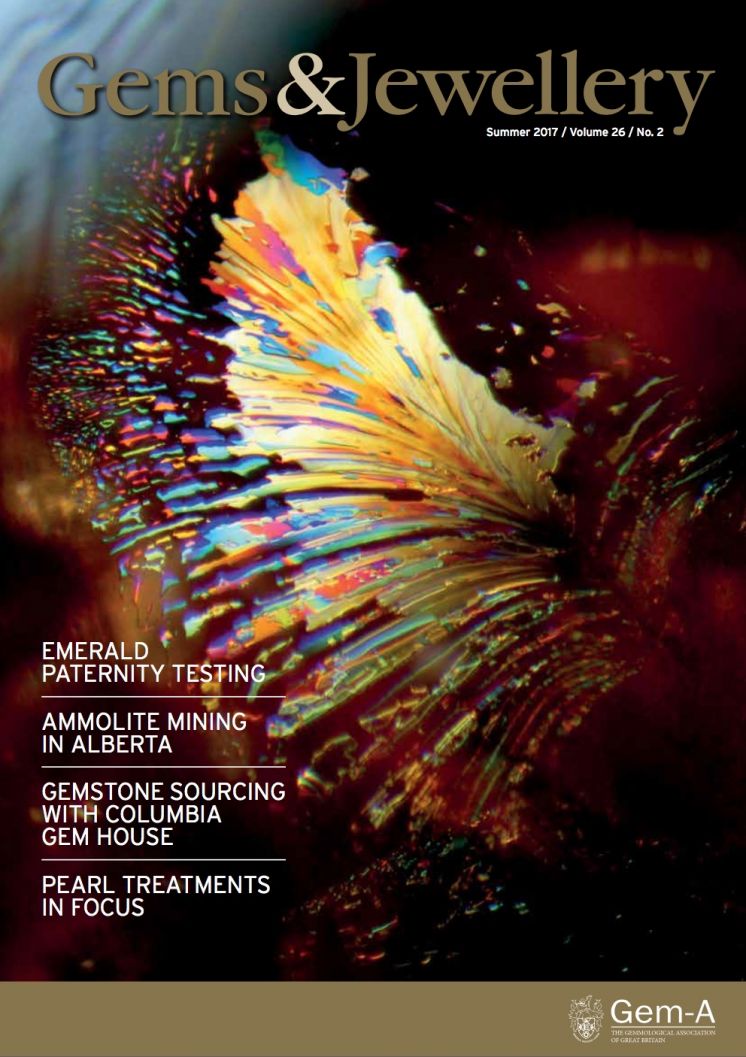
The Big Picture: Sapphire miners at Ilakaka, Madagascar

The Big Picture: Sapphire miners at Ilakaka, Madagascar

Hughes, R.W. (2017)

Journal Article · Source: Gems&Jewellery · Volume: Vol. 26 · Issue: No. 2, Summer · Pages: pp. 8–9

Abstract
We drove south from Ilakaka for about an hour on the tarmac road that led to a major mining village next to a river. Crossing the river, we again continued on a dirt track that led through the spectacular scenery that makes up southern Madagascar, with wide vistas punctuated by mesas and buttes against blue skies that seem to be unique to this land. Occasionally we would see people walking with bundles on their heads, supplies and mining implements, but just where they were going we had no clue. Finally, after some two hours of travel, we saw a series of pickup trucks parked on the horizon. As we approached, we heard the distant sounds of Malagasy music. Arriving at the line of trucks, we looked down and found thousands of people in a river washing for sapphire, while large speakers set up on trucks next to the river provided a surreal soundtrack to a scene that was one of the most incredible I’ve ever witnessed. Magic, pure magic. Madagascar is uncanny in the way she offers up these moments.
Keywords
gems, corundum, Madagascar.12, photography
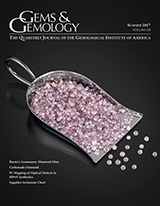
G&G Micro-World: Oiled ruby: A remarkable visual

G&G Micro-World: Oiled ruby: A remarkable visual

Hughes, E.B. (2017)

Journal Article · Source: Gems & Gemology · Volume: Vol. 53 · Issue: No. 2, Summer · Pages: p. 244

Abstract
As laboratory gemologists working in Bangkok, we often encounter gems that have been treated with oil to minimize the appearance of fissures. Most of these stones come from Myanmar, where many vendors consider oiling an accepted standard procedure to enhance their goods, particularly ruby and spinel (http://www.lotusgemology.com/index.php/library/articles/315-lotus-gemology-lab-alertfor-oiled-gems). Furthermore, red oil is commonly used not only to improve clarity, but also to enhance the color of the stone (in Chanthaburi, Thailand, it is sold under the brand name “King Ruby Red Oil”). Often this treatment can be identified by flattened gas bubbles in the fissures or by droplets of oil seeping out of the fissures on the surface when the stone is gently warmed by microscope light or hot point. The image above shows a small surface-reaching cavity filled with oil in an unheated 1.75 ct ruby from Myanmar. Unlike other examples we have seen, this remarkable gem contained enough of the filler to easily photograph the striking red color of the oil itself within the cavity. With oblique fiber-optic lighting, a stunning image of this enhancement in situ was made possible, turning even an otherwise commonplace forensic determination into an aesthetic exploration of the micro-world.
Keywords
gems, corundum, ruby, Burma.12, treatments.6, red oil
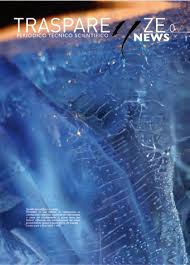
Alla scoperta della temperatura perduta, la fluorescenza UV, uno strumento gemmologico

Alla scoperta della temperatura perduta, la fluorescenza UV, uno strumento gemmologico

Discovering the lost temperature, UV fluorescence, a gemmological tool.

Hughes, R.W. and Emmett, J.L. (2016)

Journal Article · Source: Traspare: Periodico Tecnico Scientifico · Issue: No. 0 · Pages: pp. 28–33 · Language: in Italian

Abstract
Italian translation of the article “Heat Seeker: UV fluorescence as a gemological tool”
Keywords
gems, corundum, color.4, treatments.6, UV fluorescence
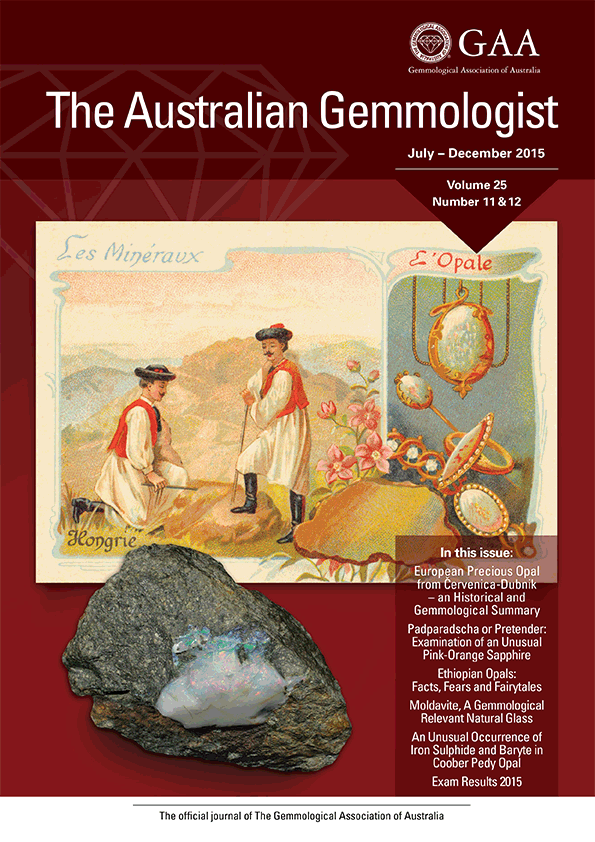
Padparadscha or pretender: Examination of an unusual pink-orange sapphire

Padparadscha or pretender: Examination of an unusual pink-orange sapphire

Hughes, E.B., Chankhanatha, C., Burkhardt, A., Manorotkul, W. and Hughes, R.W. (2016)

Journal Article · Source: Australian Gemmologist · Volume: Vol. 25 · Issue: No. 11–12, July–December · Pages: pp. 389–392

Abstract
Abstract: An orangish pink “padparadscha” sapphire was submitted for testing at Lotus Gemology’s Bangkok laboratory. Testing showed a number of con icting features that suggested the gem was a cleverly treated synthetic pink sapphire designed to imitate natural padparadscha.
Keywords
corundum, synthetic corundum.7, gems
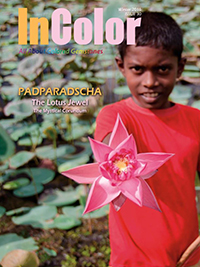
Pretty padparadscha

Pretty padparadscha

Hughes, R.W. (2016)

Journal Article · Source: InColor · Issue: Winter, No. 30 · Pages: pp. 30–40

Abstract
Padparadscha sapphire is a special variety of gem corundum, featuring an often delicate color that is a mixture of red and yellow – a marriage between ruby and yellow sapphire. The question of just what qualifies for the princely kiss of “padparadscha” is a matter of hot debate, even among experts.
Keywords
corundum, color.4, quality.10, padparadscha, gems
Let it bleed: New rubies from Madagascar

Let it bleed: New rubies from Madagascar

Hughes, R.W., Manorotkul, W. and Hughes, E.B. (2015)

Web Page · Publisher: Lotus Gemology Co. Ltd. · Volume: 2015 · Issue: 2 September

Abstract
2 Sept. 2015 (updated 28 Sept. 2015) – Recently, a close friend of ours gave us a heads-up about a new ruby mine in Madagascar, sending a photo that showed several pieces of gemmy blood-red ruby rough sitting atop a small scale. Word had it that the Madagascar bush had yielded up yet another piece of crystallized treasure, this twist on terra firma in the form of blood-red ruby. Today rumor became reality. A client walked in with a few dozen faceted rubies. As always, we asked for the source. Mozambique" was the reply. Ho hum. Until I scoped the first piece.Have you ever met someone briefly, and then, after a long period, you glance at a face and think to yourself: "Something's familiar. I think I know you from somewhere." Gazing into the microscope brought back vivid memories of an epic 2005 visit to Moramanga, aka "Sierra Leone," a mine deep in the Madagascar bush. Yes, we had met before."
Keywords
corundum, geology.11, Madagascar.12, gems
Red Rain: Mozambique ruby pours into the market

Red Rain: Mozambique ruby pours into the market

Hughes, R.W. (2015)

Journal Article · Source: Journal of the Gemmological Association of Hong Kong · Volume: Vol. 36 · Pages: pp. 39–43

Abstract
23 March 2015—In the autumn of 2007, I spent a month in East Africa, visiting gem dealers and mines in Kenya and Tanzania. The principle aim was to explore the sapphire mines of southern Tanzania at Songea and Tunduru and the spinel mines of Mahenge (described in Downtown) for an updated edition of my book, Ruby & Sapphire, but my team also visited the tanzanite mines at Merelani (detailed in Working the Blueseam). While in southern Tanzania's Tunduru district, we witnessed a number of miners crossing the Muhuwesi river that separates Tanzania from Mozambique. Just a few short months later, it became clear why. Ruby had been discovered in Mozambique. Flash forward to 2009. My close friend, Vincent Pardieu, who I had asked to join me on the 2007 journey, was now working as the GIA's first field gemologist. His job? Hunt down ruby and sapphire, wherever it might be found.
Keywords
corundum, Mozambique.12, gems
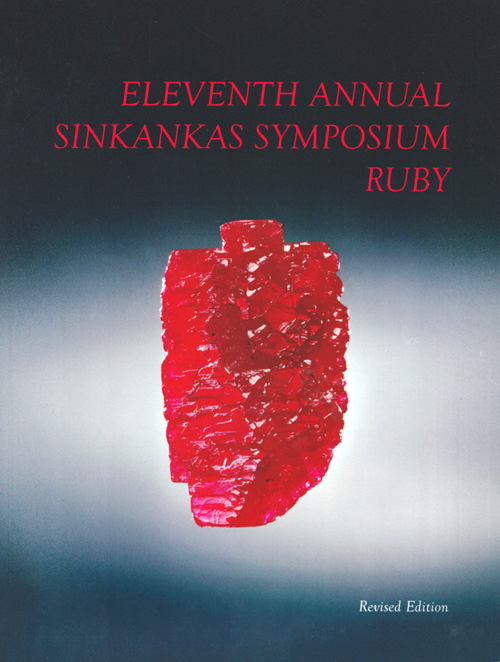
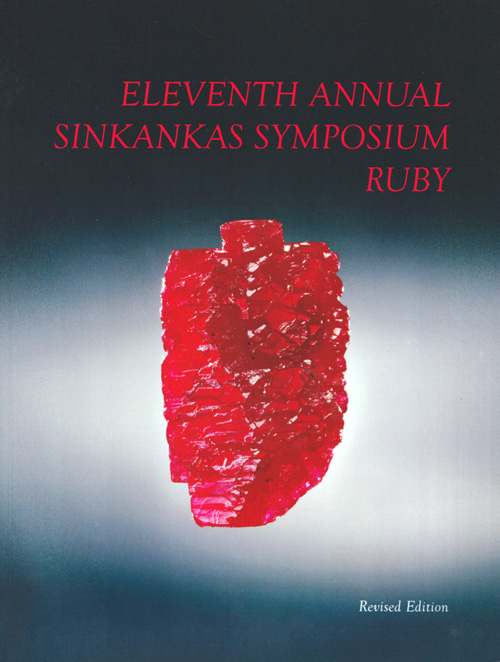
Ruby & Sapphire: A Collector's Guide

Ruby & Sapphire: A Collector's Guide

Hughes, R.W., Manorotkul, W. and Hughes, E.B. (2014)

Book · Publisher: Gem and Jewelry Institute of Thailand · Pages: 384 pp.

Abstract
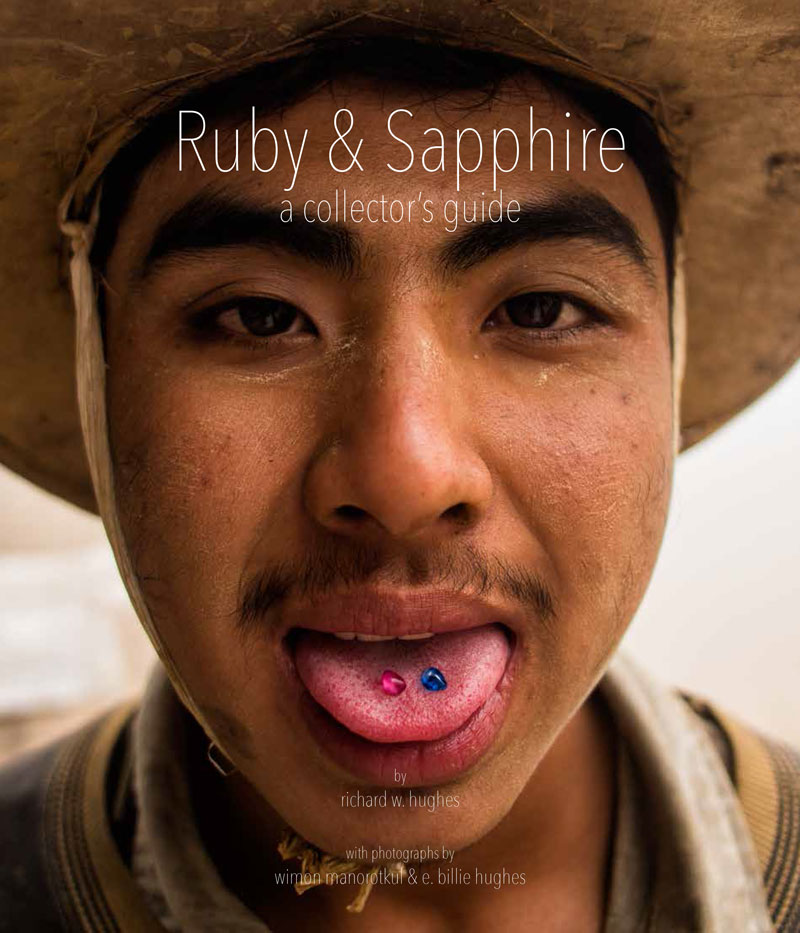
This impressive coffee-table style volume takes readers into the secret world of ruby and sapphire, through the pen and lens of international expert, Richard Hughes. The author guides readers with the steady eye of a connoisseur, explaining what collectors should look for in ruby and sapphire. Many pictured pieces feature actual auction prices, aiding collectors in their buying decisions. Illustrated with more than 400 magnificent color photographs, for anyone with an interest in precious stones, this is a visual and intellectual feast of the most delicious order.
Keywords
corundum, ruby, geology.11, Afghanistan.12, Australia.12, India.12, Kenya.12, Laos.12, Cambodia.12, Madagascar.12, Malawi.12, Mozambique.12, Burma.12, Nepal.12, Pakistan.12, Rwanda.12, Sri Lanka.12, Tanzania.12, Tajikistan.12, USA.12, Montana.12, Vietnam.12, gems, color science
Pleochroism in faceted gems: An introduction

Pleochroism in faceted gems: An introduction

Hughes, R.W. (2014)

Journal Article · Source: Gems & Gemology · Volume: Vol. 50 · Issue: No. 3, Fall · Pages: pp. 216–226

Abstract
While virtually all gemological texts cover pleochroism, it is almost always related to viewing with a dichroscope; exactly how pleochroism manifests itself in faceted gems is largely ignored. This article discusses this phenomenon in doubly refractive gemstones, specifically as it relates to overall color appearance in faceted gems. Contrary to popular belief, pleochroism can be visible in faceted gems even when they are cut with an optic axis parallel to the direction of view.
Keywords
corundum, color.4, gems, color science
Presidium synthetic ruby identifier

Presidium synthetic ruby identifier

Hughes, E.B. (2014)

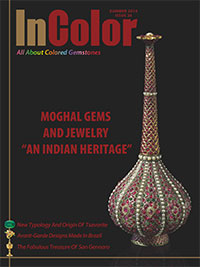
Journal Article · Source: InColor · Issue: No. 26, Summer · Pages: pp. 18–23

Abstract
In the lab and marketplace alike, gemologists and gem traders seek to separate natural ruby from synthetic with training and gemological equipment. But what if there was an easier, faster method? Presidium, in collaboration with the Gem and Jewelry Institute of Thailand (GIT), recently released a Synthetic Ruby Identifier (SRI) designed to separate natural ruby from synthetic flame fusion ruby. Bangkok’s Lotus Gemology laboratory was given the opportunity to try out this new instrument to evaluate its utility and accuracy.
Keywords
corundum, color.4, synthetic corundum.7, gems
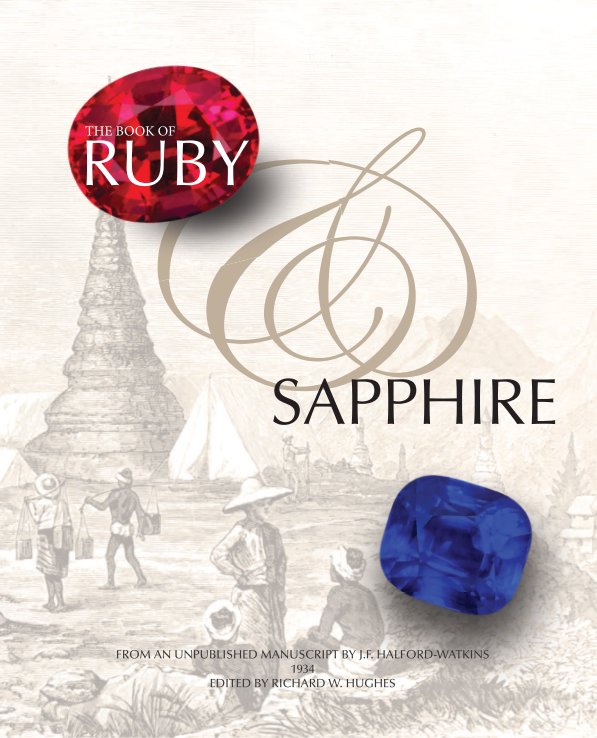
The Book of Ruby and Sapphire

The Book of Ruby and Sapphire

Halford-Watkins, J.F. and Hughes, R.W. (2014)

Book · Publisher: RWH Publishing · Pages: 434 pp.

Abstract
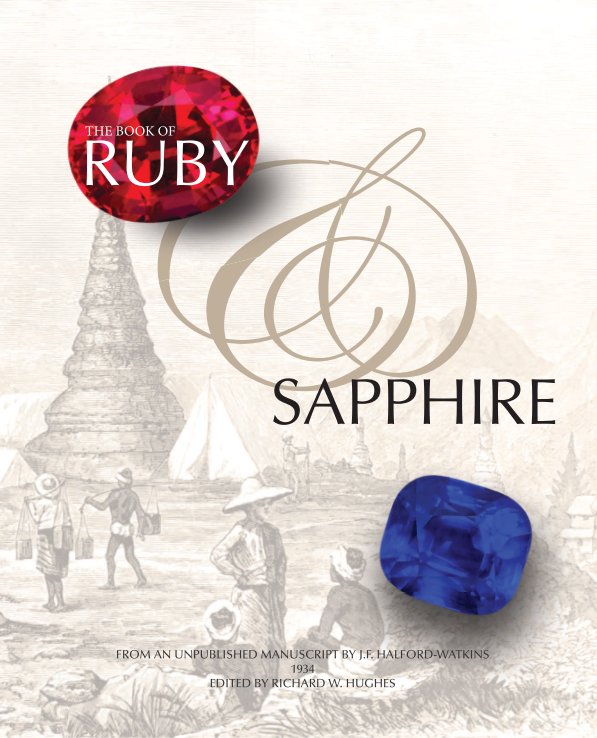
Prior to the 1930s, ruby and sapphire were mysteries, arcane gems oft-confused with spinel and other look-alikes. Enter Col. J.F. Halford-Watkins. Living in Mogok for more than two decades, he penned several articles and an entire monograph on the subject of these rare gems. Sadly he passed away before it could be published. In 1994, Richard Hughes came across a reference to the manuscript. Patrick Streeter, grandson of G. Skelton Streeter, and great grandson of the famed London jeweler, Edwin Streeter, had mentioned the Halford-Watkins manuscript while writing his book, Streeter of Bond Street. Following up on that obscure reference Richard Hughes stumbled upon something truly fantastic, an undiscovered treasure of the gemological literature. Over ten years in the making, The Book of Ruby and Sapphire is the realization of Halford-Watkins’ vision. Professionally edited and illustrated, it represents a gemological tour de force.
Keywords
corundum, inclusions.5, quality.10, Burma.12, Kashmir.12, India.12, gems
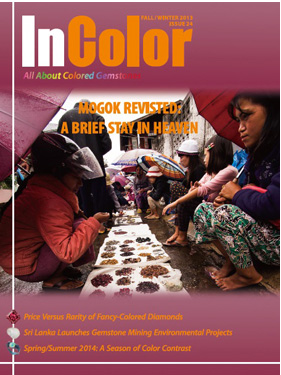
Rock talk – A Mogok geology primer

Rock talk – A Mogok geology primer

Atichat, W. and Hughes, R.W. (2013)

Journal Article · Source: InColor · Issue: Fall/Winter, Issue 24 · Pages: pp. 46–50

Abstract
The Mogok Stone Tract is situated in Myanmar’s Mandalay province, some 200 km northeast of Mandalay. Home to the world’s premier ruby mines, it is also one of the richest mineral concentrations on Earth. Aside from ruby, Mogok produces a potpourri of gems, including sapphire, spinel, peridot, topaz and moonstone, to name but a few. One of Mogok’s gems, painite, is found nowhere else on the planet. With over fifty different gem species mined at Mogok, in terms of gemological diversity, perhaps only Sri Lanka can compare.
Keywords
corundum, Burma.12, Geology.11, Mogok, ruby, sapphire, gems
Cobalt-doped glass-filled sapphires: An update

Cobalt-doped glass-filled sapphires: An update

Leelawatanasuk, T., Atichat, W., Pisutha-Arnond, V., Wattanakul, P., Ounorn, P., Manorotkul, W. and Hughes, R.W. (2013)

Journal Article · Source: Australian Gemmologist · Volume: Vol. 25 · Issue: No. 1, Jan.–Mar. · Pages: pp. 14–20

Abstract
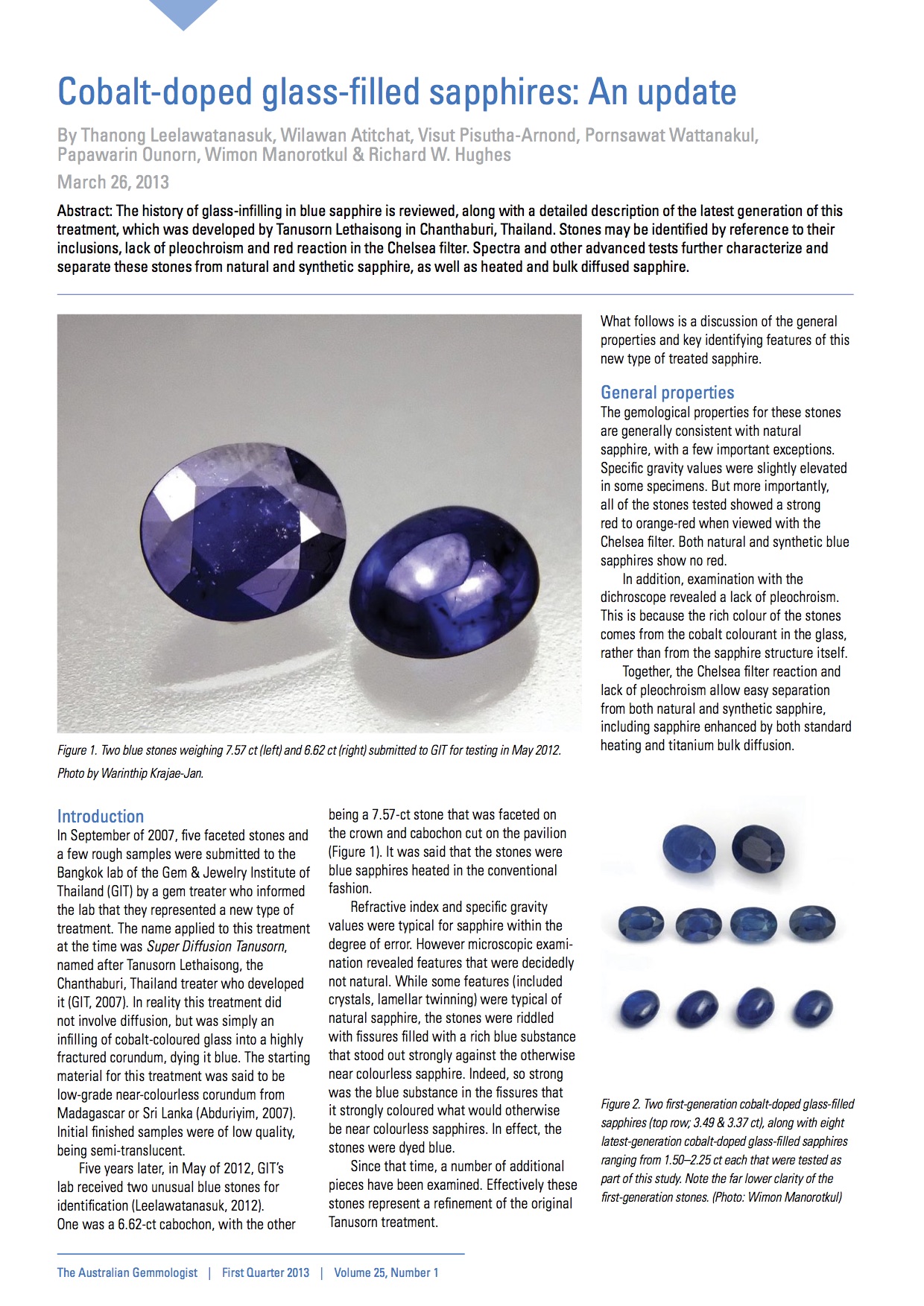
The history of glass-infilling in blue sapphire is reviewed, along with a detailed description of the latest generation of this treatment, which was developed by Tanusorn Lethaisong in Chanthaburi, Thailand. Stones may be identified by reference to their inclusions, lack of pleochroism and red reaction in the Chelsea filter. Spectra and other advanced tests further characterize and separate these stones from natural and synthetic sapphire, as well as heated and bulk diffused sapphire.
Keywords
corundum, treatments.6, gems
The Ownership of Words: An essay on the meaning of padparadscha

The Ownership of Words: An essay on the meaning of padparadscha

Hughes, R.W. (2013)

Journal Article · Source: Journal of the Gemmological Association of Hong Kong · Volume: Vol. 34 · Pages: pp. 50–58

Abstract
This article examines the definition of padparadscha sapphire, from early times to that developed by the Laboratory Manual Harmonisation Committee (LMHC) in 2005. It includes data from a survey undertaken by the author in Sri Lanka and Hong Kong in August and September 2012.
Keywords
corundum, color.4, quality.10, padparadscha, gems
A brief stay in heaven

A brief stay in heaven

Hughes, E.B. (2013)

Journal Article · Source: InColor · Issue: Fall/Winter, Issue 24 · Pages: pp. 40–45

Abstract
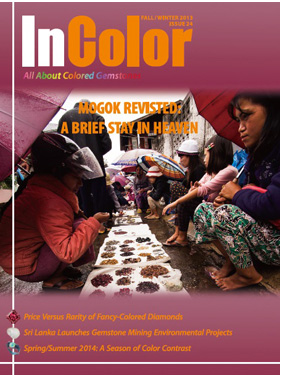
After the Rains early each morning, Saw Sanda Soe, a young girl from a small village in Myanmar (formerly Burma), would begin the long walk to school. If it had rained the night before, others would join her. Not all were students, but each shared the same quest. Eyes were cast not towards heaven, but below, scanning the ground ahead. Occasionally one would stoop down for a closer look, before continuing. Rarely something would be slipped into a mouth or bag. As they made their way along the muddy road, each secretly hoped that the previous night's rain had washed a bit of treasure across their path. For their village was special. It lay at the entrance Myanmar's Mogok Stone Tract, home to the world's finest rubies.
Keywords
corundum, Burma.12, Mogok, ruby, sapphire, gems
The Book of Ruby and Sapphire

The Book of Ruby and Sapphire

Halford-Watkins, J.F. and Hughes, R.W. (2012)

Book · Publisher: RWH Publishing · Pages: 434 pp.

Abstract
Prior to the 1930s, ruby and sapphire were mysteries, arcane gems oft-confused with spinel and other look-alikes. Enter Col. J.F. Halford-Watkins. Living in Mogok for more than two decades, he penned several articles and an entire monograph on the subject of these rare gems. Sadly he passed away before it could be published. In 1994, Richard Hughes came across a reference to the manuscript. Patrick Streeter, grandson of G. Skelton Streeter, and great grandson of the famed London jeweler, Edwin Streeter, had mentioned the Halford-Watkins manuscript while writing his book, Streeter of Bond Street. Following up on that obscure reference Richard Hughes stumbled upon something truly fantastic, an undiscovered treasure of the gemological literature. Over ten years in the making, The Book of Ruby and Sapphire is the realization of Halford-Watkins’ vision. Professionally edited and illustrated, it represents a gemological tour de force.
Keywords
corundum, inclusions.5, quality.10, Burma.12, Kashmir.12, India.12, gems
Andesine & labradorite from Tibet, Inner Mongolia, Mexico & Oregon: A panel discussion

Andesine & labradorite from Tibet, Inner Mongolia, Mexico & Oregon: A panel discussion

Schorr, D., Hughes, R.W., Abduriyim, A., Rossman, G., Peretti, A., McClure, D.S. and Emmett, J.L. (2012)

Report · Publisher: www.ruby-sapphire.com · Pages: 8 pp.

Abstract
The mining of natural red and green andesine in Tibet and near-colorless andesine in Inner Mongolia has been a subject of controversy. Large quantities of diffusion-treated andesine from Inner Mongolia entered the world markets without proper disclosure starting about 2000; however the idea that there might also be a source of natural red andesine in Tibet has been met with extreme skepticism from some quarters. This has not only polarized the gemological community, but has also created a lack of confidence in natural Oregon sunstone. This program will present the latest results from field visits to both Tibet and Inner Mongolia, along with advanced testing of stones from each of those deposits. Simple tests will be described to separate both Tibetan and Inner Mongolian andesines from Oregon sunstones. The purpose is to finally put to rest the controversy surrounding these stones.
Keywords
gems, andesine, feldspar, Tibet, China

Exploring the Literature of Corundum

Ruby and sapphire research spans mineralogy, gem deposits, identification, treatments, synthesis and the history of the gem trade. Older publications can also be useful for tracing terminology, early observations and accounts of mining localities. Publication dates and the original source should be considered when using historical descriptions.

For an introduction to collecting books on this subject, read Ruby & Sapphire Books: Collecting the Literature of Corundum.

About Four Treasures

Four Treasures is Lotus Gemology's freely accessible gemological reference database. Use the full database to search by author, title or keyword and explore literature on gemology, mineralogy, jewelry and related fields. Where available, hyperlinks on titles may lead directly to the full publication.

Search the Complete Four Treasures Database