Emerald Bibliography

Emerald Bibliography

Explore books, articles and historical sources on emerald in Four Treasures, the Lotus Gemology reference database. This bibliography brings together matching records from the collection, with publication details, abstracts and cover images where available.

Emerald References

The list below matches the terms emerald or emeralds in the database's searchable fields. Some references discuss emeralds as part of a broader subject.

21–40 of 844 matching references
The Imperial Crown of the Holy Roman Empire, Part II: Origin determination of the gemstones and pearls

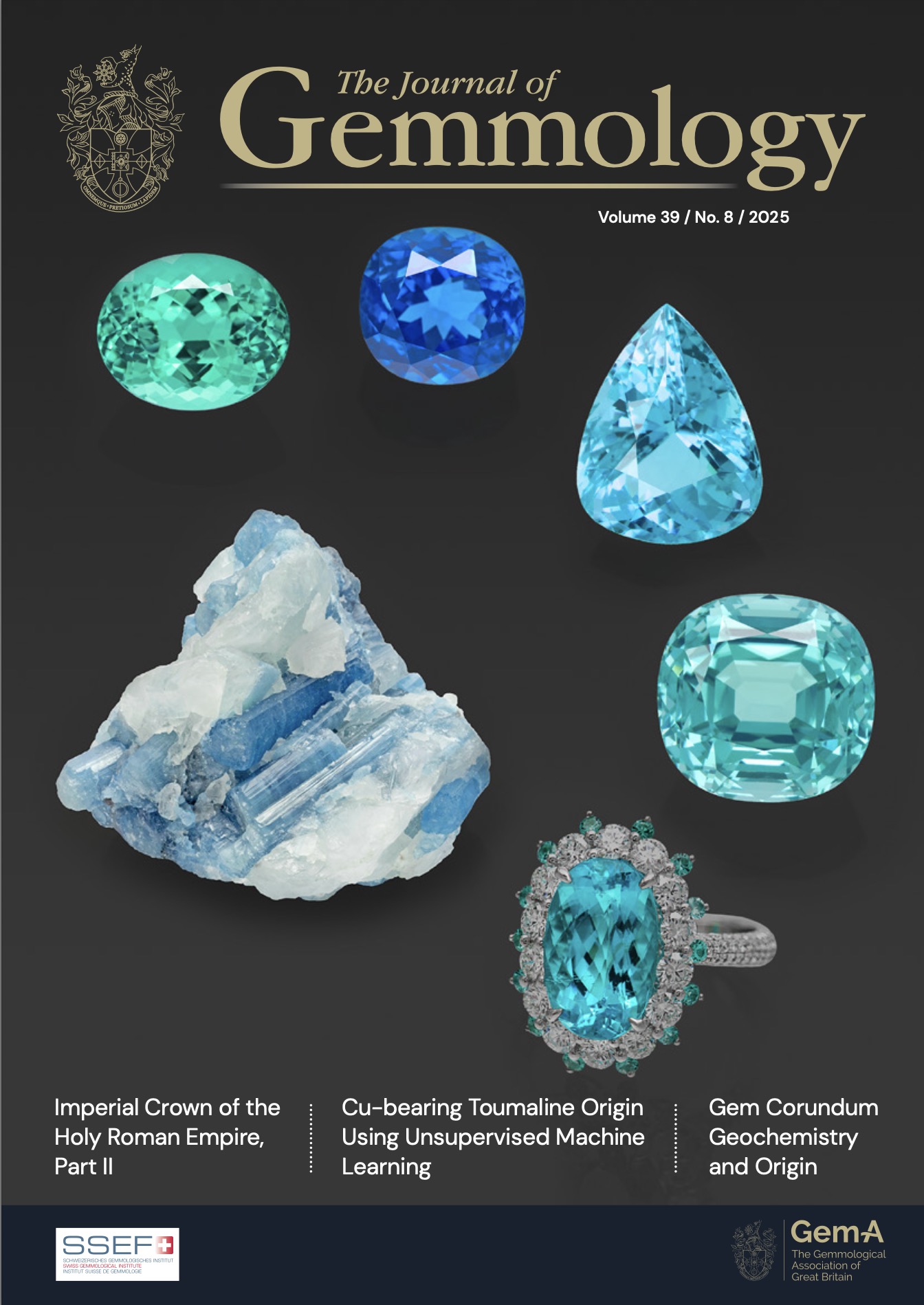
The Imperial Crown of the Holy Roman Empire, Part II: Origin determination of the gemstones and pearls

Gilg, H.A., Karampelas, S., Lamers, T., Uhlir, K., Griesser, M. and Kirchwegner, F. (2025)

Journal Article · Source: Journal of Gemmology · Volume: Vol. 39 · Issue: No. 8 · Pages: pp. 740–770

Abstract
The medieval Imperial Crown of the Holy Roman Empire preserved in the Imperial Treasury in Vienna, Austria, has been the focus of an ongoing study (e.g. Nasdala et al. 2023). Here, we report on geographic origin determinations of its gems, which can offer new insights into the gem trade of the Early and High Middle Ages. We examined the 172 gemstones and 233 selected pearls in the crown using a combination of high-magnification digital microscopy, μ-EDXRF analysis, and UV-Vis-NIR spectroscopy with mobile instruments. The gemmological characteristics of most of the sapphires (including four stones over 100 ct) were consistent with a Sri Lankan origin. Most of the almandine and pyrope garnets were from South Asian deposits, while the emeralds were attributed to Egyptian sources, except for two from Swat, Pakistan. All these deposits have likely been exploited since Antiquity. Several stones, including three antique amethyst intaglios, were reused antique gems. The two spinels on the front plate of the circlet came from Kuh-i-Lal in Tajikistan, and six small (< 1 ct) basalt-related sapphires may have originated from deposits in France. Six faceted sapphires with steep, four-sided, and trigonal pyramids mark the onset of faceting of hard gemstones. The pearls were predominantly of saltwater origin from the Indian Ocean, but a significant number were most likely European freshwater pearls. The assemblage of gem materials in the crown’s removable arch and cross suggests that they are of later manufacture than the circlet.
Keywords
gems, corundum, quality.10, crown jewels, auction, diamond, pearl, beryl, emerald, spinel, Tajikistan, Kuh-i-Lal, Swat, Pakistan, France.12
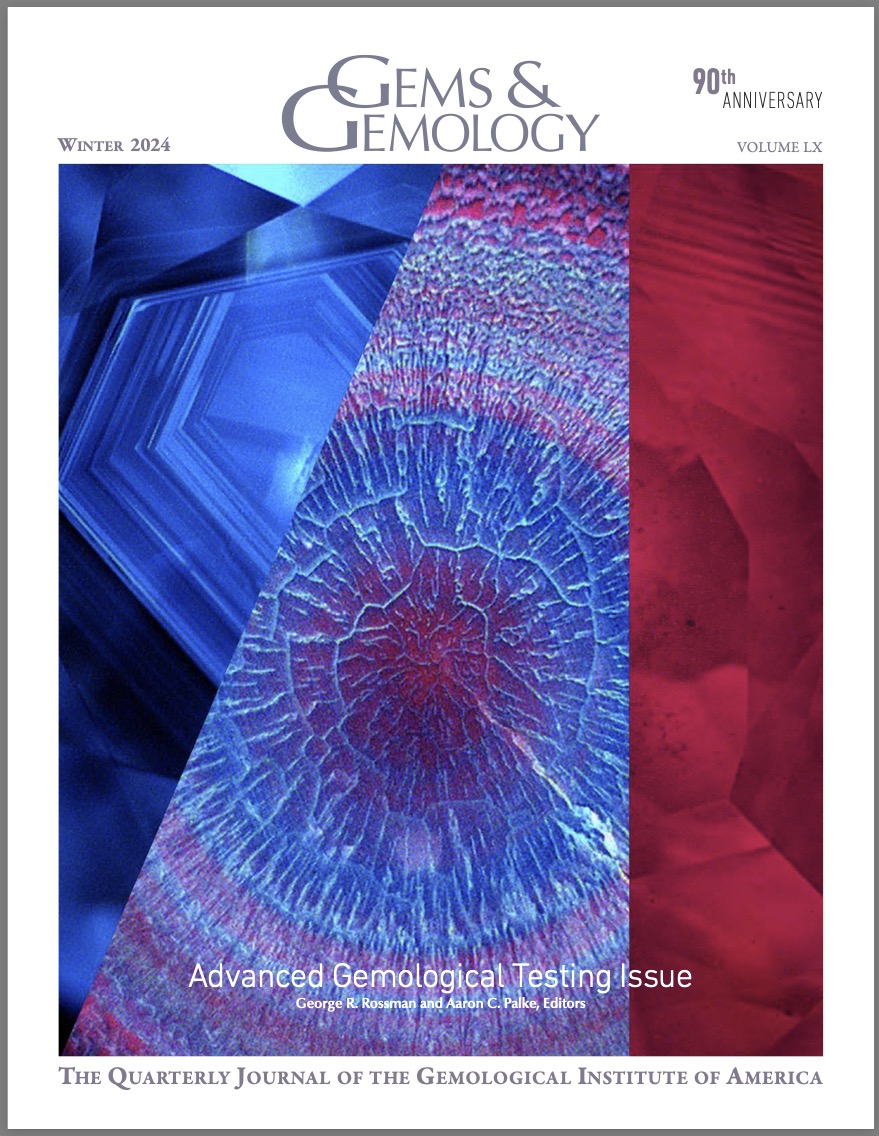
Gem News International: Reconstructed specimens and the rise of deceptive practices in Pakistan

Gem News International: Reconstructed specimens and the rise of deceptive practices in Pakistan

Bakht, T.H. and Shah, M.M. (2025)

Journal Article · Source: Gems & Gemology · Volume: Vol. 61 · Issue: No. 4, Winter · Pages: pp. 450–452

Abstract
Recent field observations in Pakistan have revealed that specimens circulating in local gem markets and near mine sites have increasingly been artificially assembled or altered. Local dealers and prospectors from the Hunza and Gilgit mining areas offered “Frankenstein” specimens, pieces assembled by gluing together fragments of crystals and host rock (figure 6). While adhesives can sometimes be seen under magnification, many joints are subtle enough to mislead buyers or tourists. Crystals such as aquamarine are often skillfully mounted onto matrices to imitate natural specimens, with some pieces further polished, dyed, or even oiled to enhance their appearance (figure 7). In certain cases, resins mixed with crushed marble or host rock are applied, making detection even more difficult. For example, in Peshawar’s Namak Mandi gem market, a ruby reportedly from Jegdalek was identified as a synthetic crystal mounted on natural host rock. In addition to this deceptive practice of adhering specimens to host rock, broken specimens are also repaired with adhesives, often without disclosure. With time, the quality of assembly is improving, making detection more challenging. The close proximity of these reconstructed specimens to the mines is a reminder that “from the mine” does not automatically guarantee authenticity. Collectors and gemologists should be aware that stones described as directly sourced may have undergone significant human intervention. Similar practices are common in neighboring regions, including Afghanistan.
Keywords
gems, corundum, ruby, Pakistan.12, assembled stones.8, beryl, emerald, assembled specimens
Gem News International: Fuchsite-bearing dolomite aggregate as a new jadeite imitation

Gem News International: Fuchsite-bearing dolomite aggregate as a new jadeite imitation

Yang, T., Huang, K., Chou, Y. and Lin, S. (2025)

Journal Article · Source: Gems & Gemology · Volume: Vol. 61 · Issue: No. 4, Winter · Pages: pp. 449–450

Abstract
Recently, a carved green snuff bottle was submitted as jadeite jade for identification at the Taiwan Union Lab of Gem Research (TULAB) (figure 1). The surface of the bottle displayed a white matrix with dense mottled green areas. A spot refractive index was approximately 1.68–1.69, which was noticeably higher than the typical range of values for jadeite jade. However, such results may occur if jadeite contains kosmochlor. Under microscopic observation, the surface of the carving revealed a white matrix with green patches (figure 2). Interestingly, these green patches appeared red when viewed through a Chelsea filter. To further identify the material, Raman spectroscopy (785 nm laser) was performed and compared with the RRUFF database (B. Lafuente et al., 2015, https://rruff.info/about/downloads/HMC1-30.pdf). The results indicated that the white matrix was dolomite, while the dark green patches were muscovite (figure 3). With the assistance of energy-dispersive X-ray fluorescence (EDXRF) analysis, the green portions were confirmed to be fuchsite (chromium muscovite). All testing indicated that the snuff bottle was composed of a dolomite aggregate with fuchsite. Although its appearance resembled jadeite jade, the bottle’s refractive index and Chelsea filter reaction clearly distinguished it from jadeite jade. Raman spectroscopy and EDXRF were used as more precise methods to confirm the material, which appears to be a new jadeite simulant that has recently appeared on the market.
Keywords
gems, corundum, geology.11, Burma.12, Mogok, beryl, emerald, Russia, Malysheva, Ural Mountains, alexandrite, chrysoberyl, pegmatite
Colored Stones Unearthed: The diversity of gemstone deposits

Colored Stones Unearthed: The diversity of gemstone deposits

Palke, A.C., Shigley, J.E. and Vertriest, W. (2025)

Journal Article · Source: Gems & Gemology · Volume: Vol. 61 · Issue: No. 4, Winter · Pages: pp. 408–414

Abstract
It is widely recognized that some gem minerals often occur together in various localities—either in the same host rock or in the same deposit. Gem minerals each require a certain set of physical and chemical conditions for their formation. This edition of the Colored Stones Unearthed column will explore where specific gem minerals are found together and the conditions that produce these distinct geological settings.
Keywords
gems, corundum, geology.11, Burma.12, Mogok, beryl, emerald, Russia, Malysheva, Ural Mountains, alexandrite, chrysoberyl, pegmatite
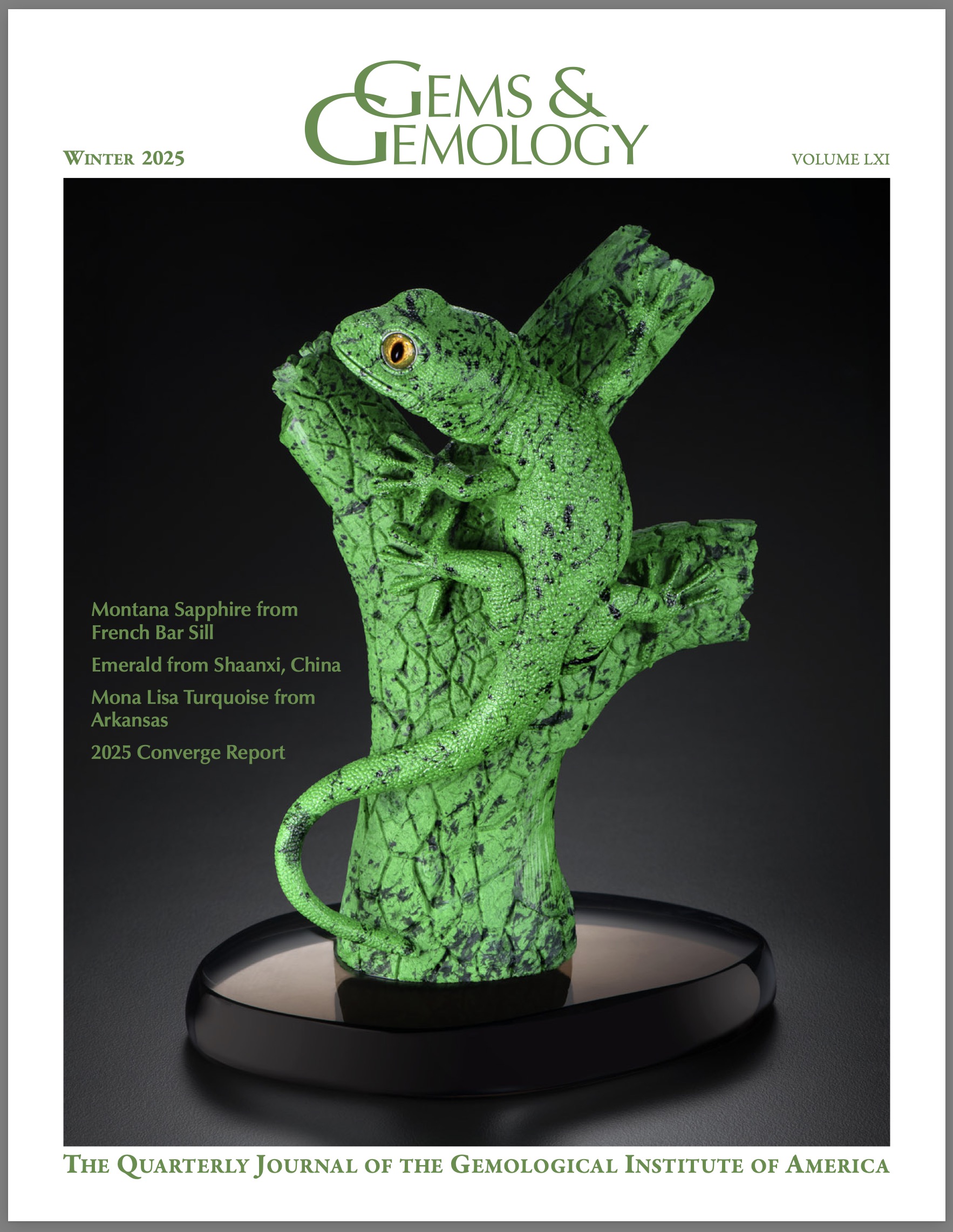
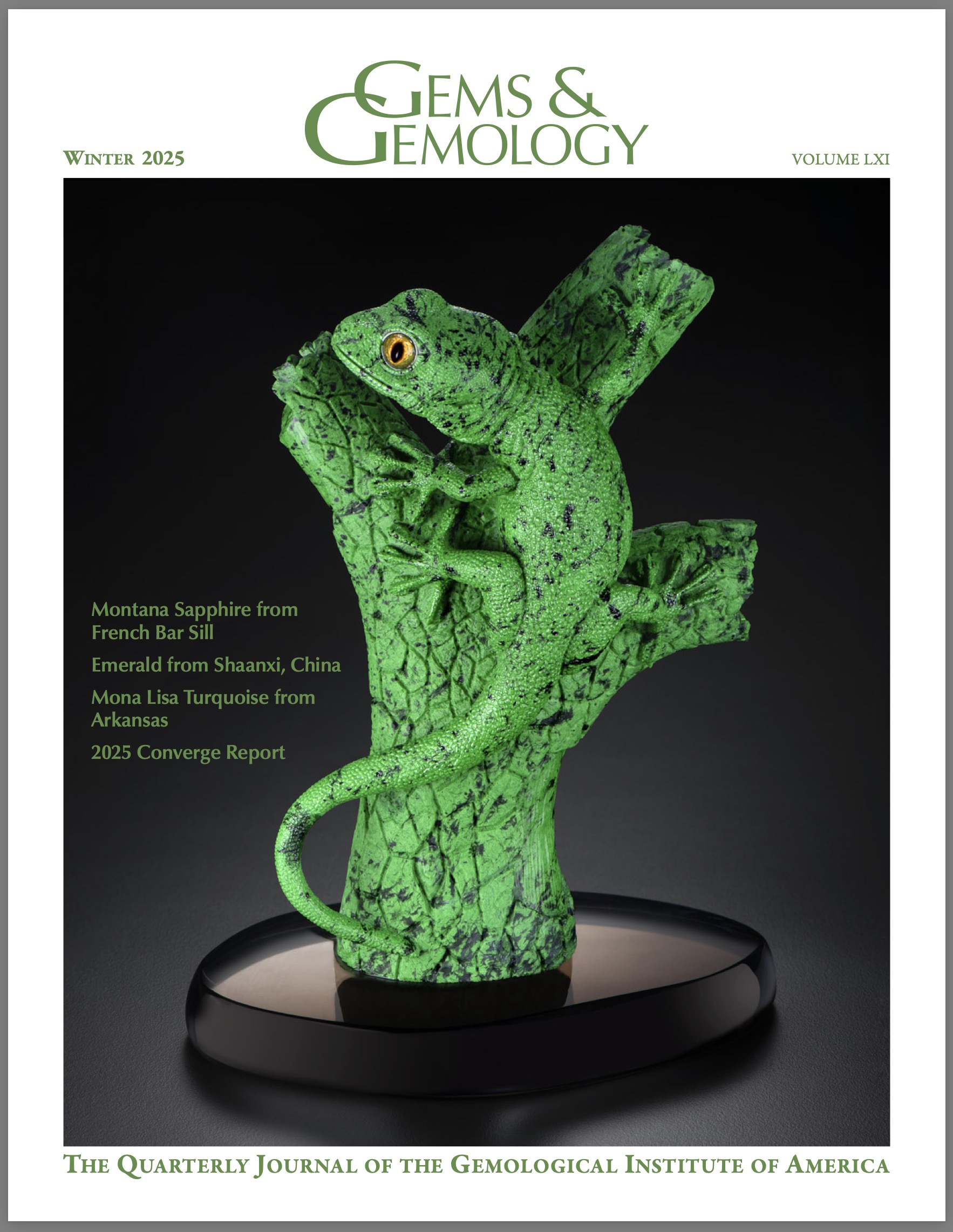
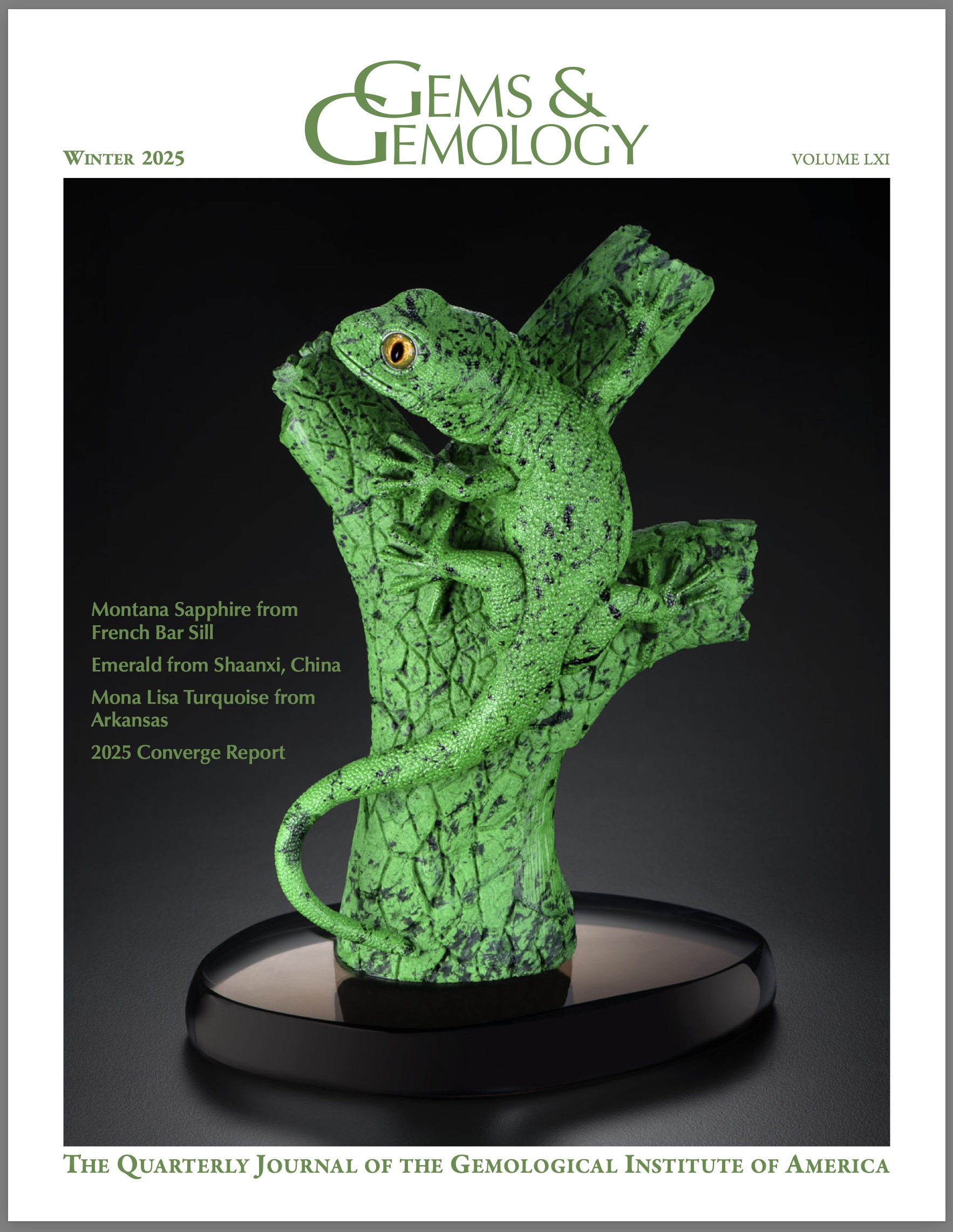
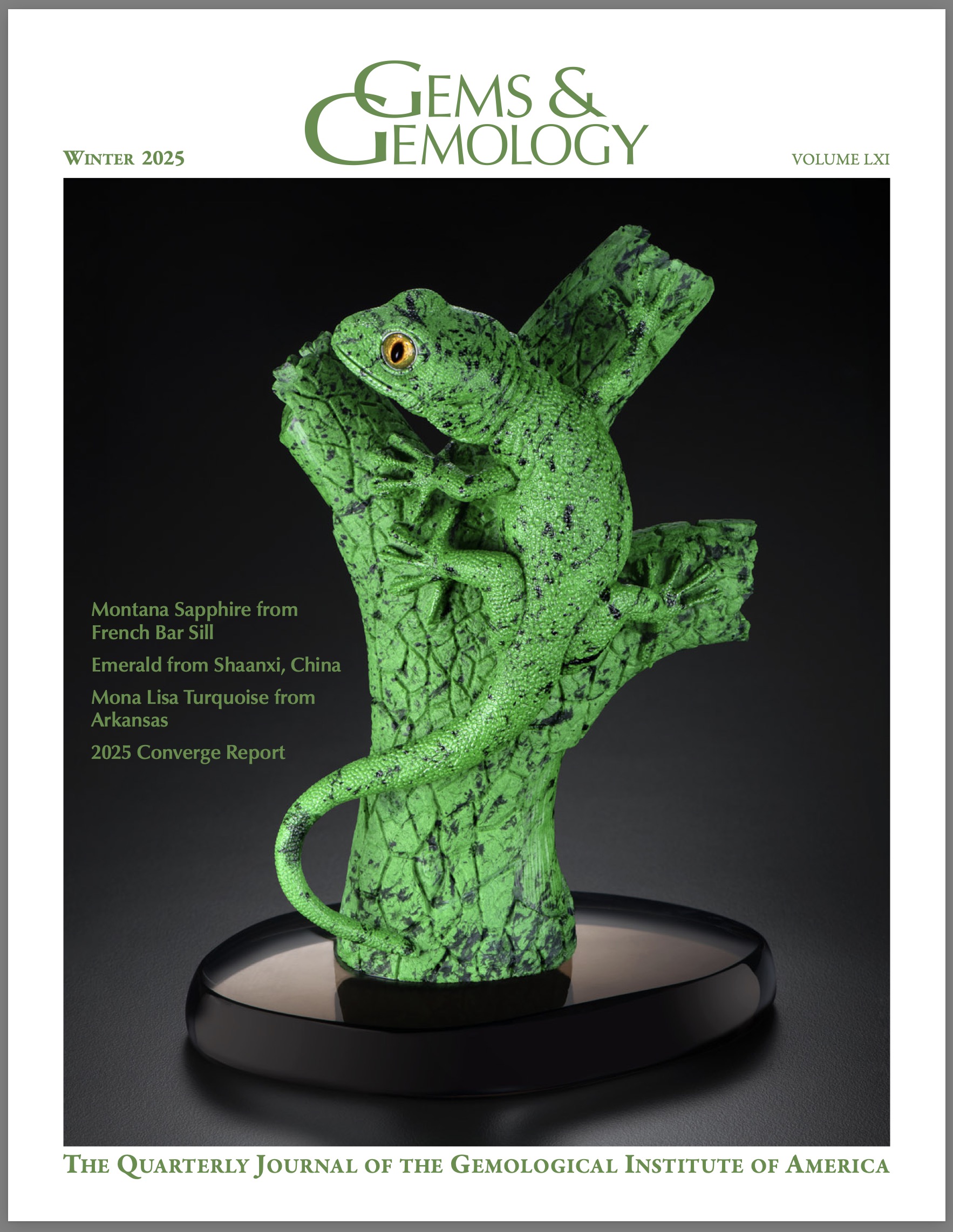
Characterization of emeralds from Zhen'an County in Shaanxi, China

Characterization of emeralds from Zhen'an County in Shaanxi, China

Guo, Y., Yu, X. and Zheng, Y. (2025)

Journal Article · Source: Gems & Gemology · Volume: Vol. 61 · Issue: No. 4, Winter · Pages: pp. 354–373

Abstract
In 2017, the first emerald deposit in the Qinling Orogenic Belt was found in Zhen’an County, Shaanxi Province, China. This study presents a comprehensive analysis of the gemological, spectroscopic, and trace element characteristics of a select set of Zhen’an emerald samples based on standard and advanced gemological methods, including gem microscopy, ultraviolet/visible/near-infrared spectroscopy, Fourier-transform infrared spectroscopy, Raman spectroscopy, and laser ablation–inductively coupled plasma–mass spectrometry. Microscopic studies revealed that Zhen’an emerald exhibits longitudinal striations and inclined growth steps on its hexagonal prism faces and contains an abundance of two-phase (gas/liquid) fluid inclusions. A variety of mineral inclusions were identified, including phlogopite, plagioclase, scheelite, calcite, talc, and hematite. Some crystals display color zoning, with a deeper green rim containing elevated vanadium and iron. Zhen’an emerald’s dominant chromophore is vanadium, and the material is characterized by a high vanadium concentration, notably low chromium, a moderate iron concentration, and an elevated ratio of gallium to cesium. These unique geochemical signatures of Zhen’an emerald, along with their internal features, could be a robust tool for discerning emerald from this deposit.
Keywords
gems, beryl, emerald, China, Zhen'an, Shaanxi
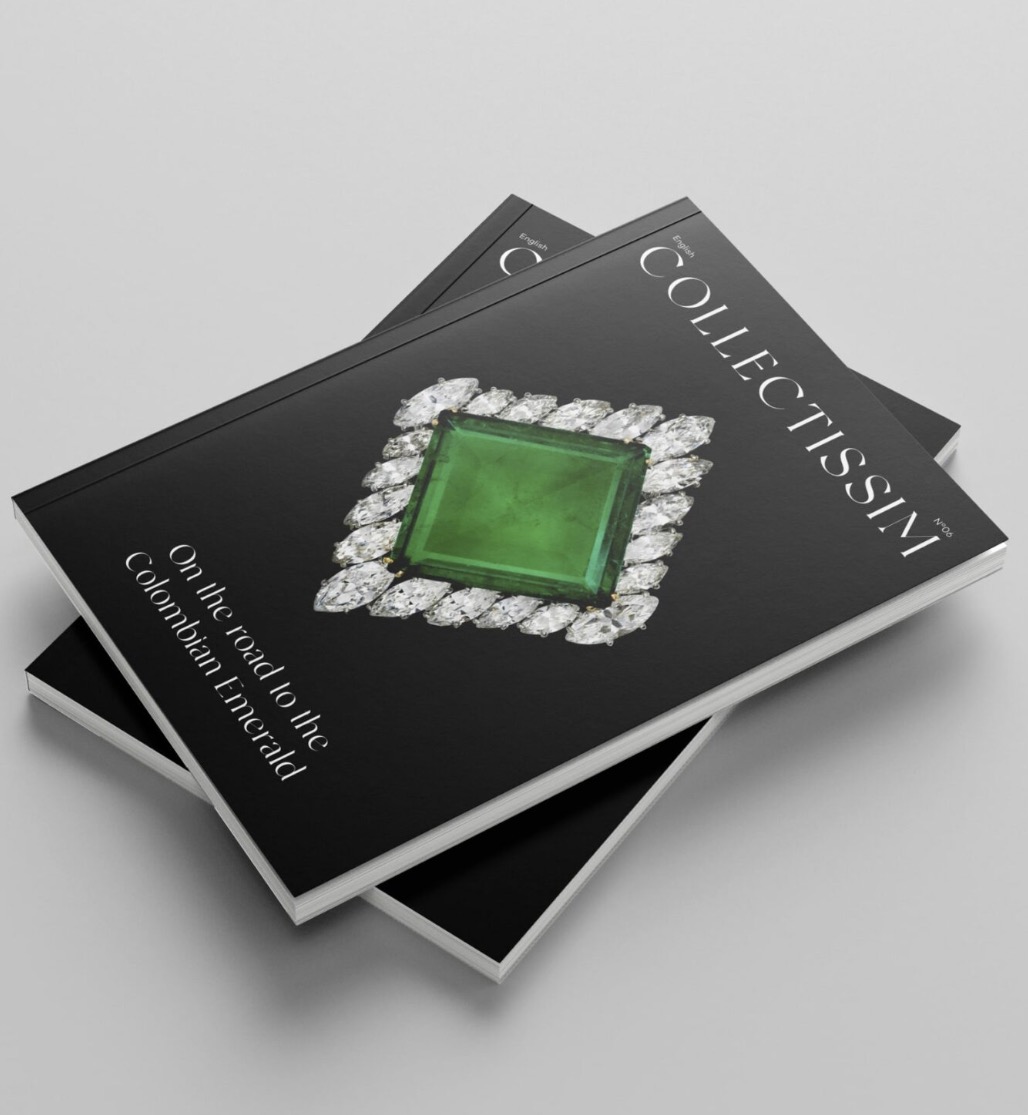
On the road to the Colombian emerald

On the road to the Colombian emerald

Merrolte, G. and Riondet, G. (2025)

Journal Article · Source: Collectissim · Issue: No. 06 · Pages: 160 pp.

Abstract
This exceptional new issue invites you on a timeless journey to discover the Colombian emerald, the jewel among jewels. From the legendary Somondoco mines, exploited by the Muisca people, to the jealously guarded treasures of the Spanish crown, we retrace the history of this bewitching stone, whose beauty has captivated sovereigns and collectors down the centuries. To fully appreciate the complexity and refinement of this elite market, we travelled to Colombia to the heart of the historic Chivor mines, where the earth still reveals its most precious secrets. Our journey also took us to meet the key figures in the Colombian emerald trade: George Smith, Jimmy Molina, Ronald Ringsrud and Uvaldo Montenegro, whose expertise sheds new light on the dynamics of an ever-changing market. Each page of this issue has been conceived as an immersion in the singular world of Colombian emerald: a subtle alliance between history, know-how and excellence. A meticulous investigation, never-before-seen photographs and exclusive stories make this edition a must-read and accessible work.
Keywords
gems, beryl, emerald, Colombia
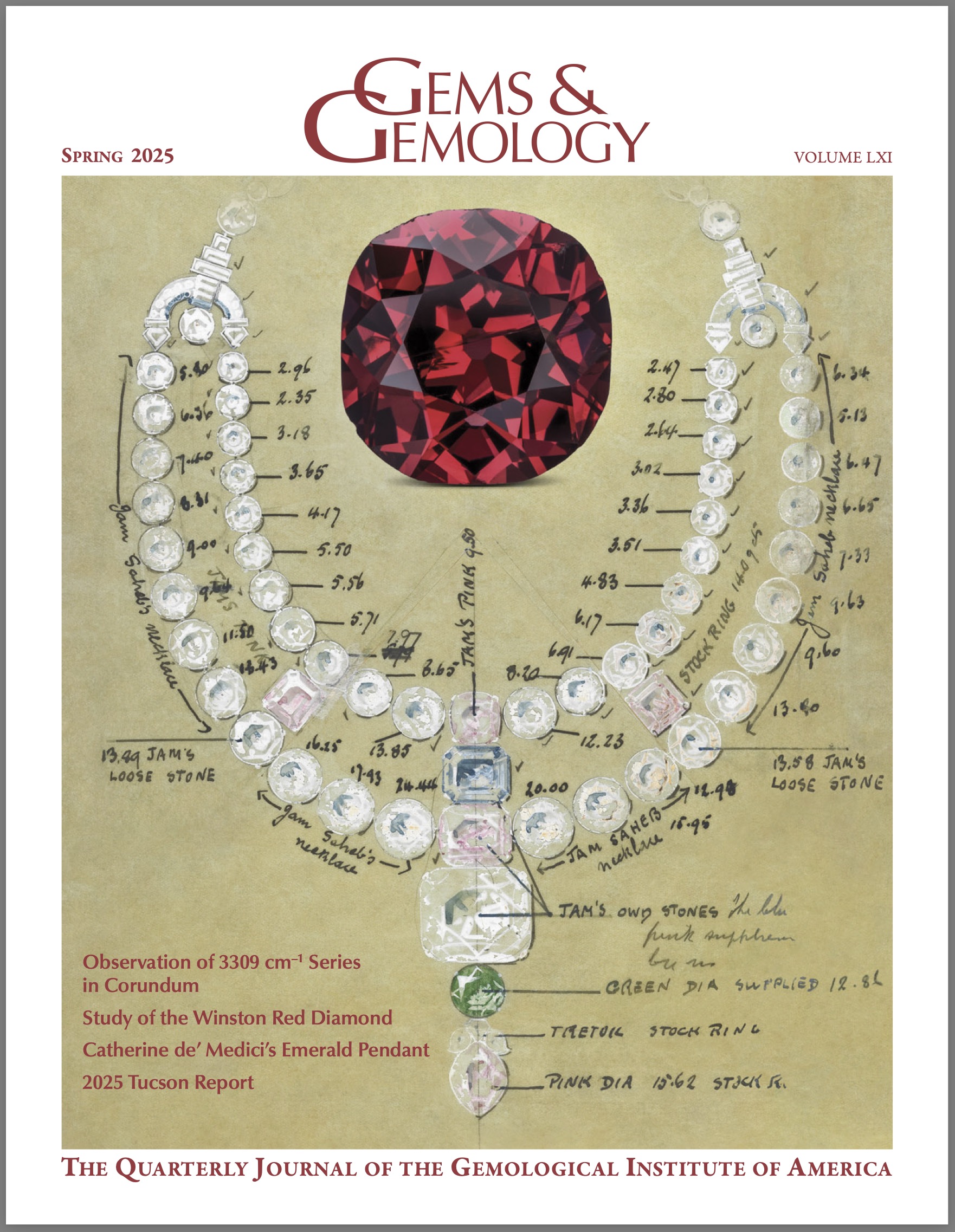
Emeralds in Catherine de’ Medici’s pendant: An unexpected geographic origin

Emeralds in Catherine de’ Medici’s pendant: An unexpected geographic origin

Panczer, G., Fesquet, R., Moshi, L., Riondet, G., Cassius-Duranton, M.-L., Gilles-Guéry, L., Delaunay, A. and Karampelas, S. (2025)

Journal Article · Source: Gems & Gemology · Volume: Vol. 61 · Issue: No. 1, Spring · Pages: pp. 44–56

Abstract
A sixteenth-century pendant on display at the Museum of the National Library of France in Paris has been linked to Catherine de’ Medici, Queen of France from 1547 to 1559, and François Dujardin, goldsmith to King Charles IX beginning in 1570. The pendant is adorned with two emeralds that one historian claimed were Colombian without documentation or scientific proof. This study aims to confirm the nature of these emeralds and determine their geographic origin. The microscopic, spectroscopic, and chemical data collected in this study indicate that these two emeralds are from Pakistan. The presence of emeralds from Pakistan in this sixteenth-century European pendant provides strong evidence of the existence of trade routes between Asia and Europe during this period of time, or even before, and suggests such emeralds might be present in other royal jewels.
Keywords
gems, advanced testing, cathodoluminescence, CL
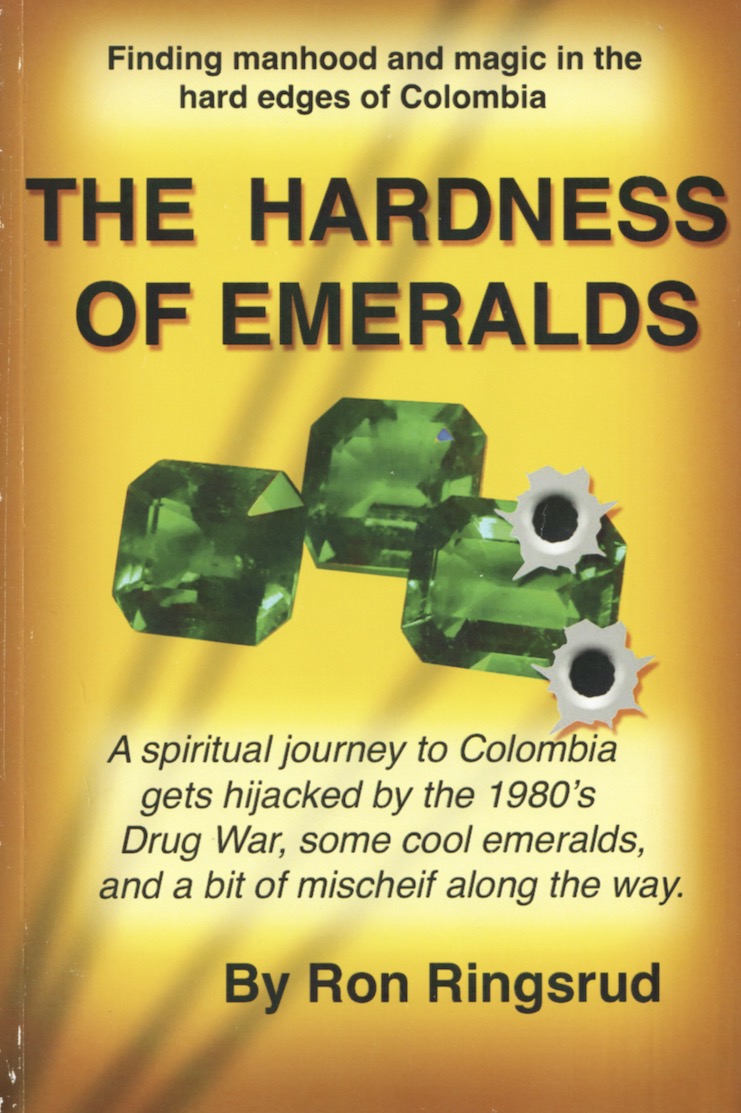
The Hardness of Emerald

The Hardness of Emerald

Ringsrud, R. (2025)

Book · Publisher: Green View Press · Pages: 283 pp.

Abstract
Autobiography of emerald dealer Ron Ringsrud, detailing his adventures in the emerald business, particularly in Colombia.
Keywords
gems, beryl, emerald, Colombia
Streeter of Bond Street: A Victorian Jeweller

Streeter of Bond Street: A Victorian Jeweller

Streeter, P. (2024)

Book · Publisher: Matching Press · Pages: 270 pp.

Abstract
Edwin Streeter was a leading Victorian jeweller of his day who, rising from humble beginnings, masterminded the exploitation of the Burma Ruby Mines and opened up the Pearl Fisheries of Western Australia. Other expeditions, seeking diamonds in South Africa, sapphires in Montana and emeralds in Egypt, were disastrous. After a long, controversial and colourful career, he was to die in genteel poverty in Hampstead in 1923. This edition is extensively revised from the 1993 original.
Keywords
corundum, Burma.12, Montana.12, USA.12, gems, pearls, diamond
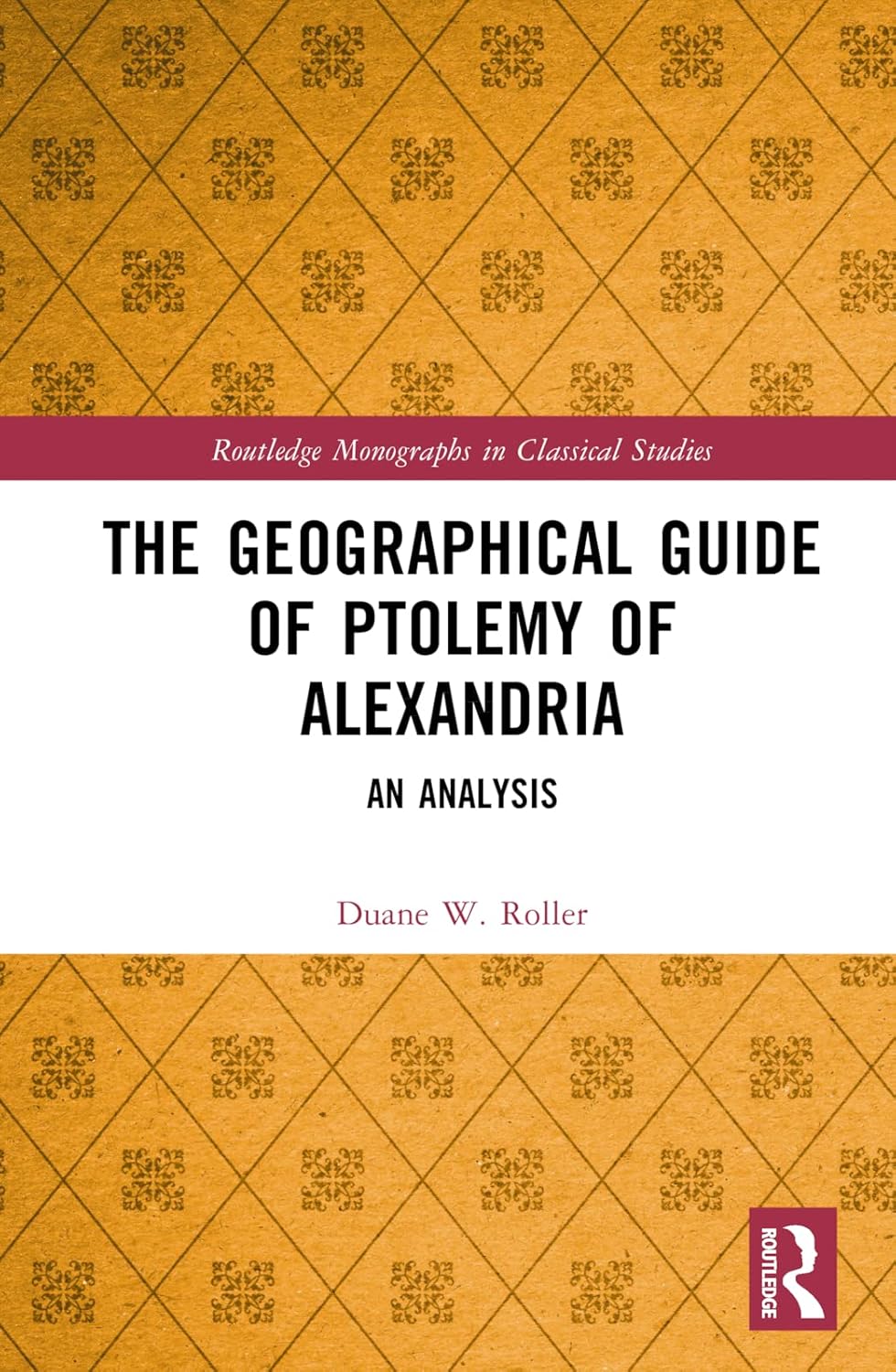
The Geographical Guide of Ptolemy of Alexandria | An Analysis

The Geographical Guide of Ptolemy of Alexandria | An Analysis

Roller, D.W. (2024)

Book · Source: Routledge Monographs in Classical Studies · Publisher: Routledge · Pages: 231 pp.

Abstract
This volume offers a detailed study of Ptolemy of Alexandria’s Geographical Guide, whose eight books contain a wealth of geographical information unavailable elsewhere and represent the culmination of the Greco-Roman discipline of geography. Written near the middle of the second century CE, the Geographical Guide is the most anomalous of the surviving works of ancient geographical scholarship but offers a vivid record of the expansion of geographical knowledge in antiquity. Roller examines this peculiar text, which offers unique data about explorations in the far reaches of the inhabited world, from Thoule and Hibernia in the northwest to Kattigara in the southeast, and from Serike in northeastern Asia southwest into central Africa. He positions the Guide within the tradition of ancient geography and gives close attention to the reason why Ptolemy wrote the guide and how it contributes to the genre of geographical scholarship. There is also an emphasis on the topographic and ethnic material within the Guide that is new or unique, especially explorations in sub-Saharan Africa and knowledge of the world beyond India. Because the Guide was written over half a century after the previous extant geographical work―the first books of Pliny’s Natural History―the book also assesses how knowledge of geography changed during this period. This work is an essential text for students and scholars of ancient geography, and is also of interest to anyone working on the cultural history of the Roman Empire during this period.
Keywords
gems, history of gemology, ancient mining, Egypt, emerald, Africa, beryl, Egyptian emerald
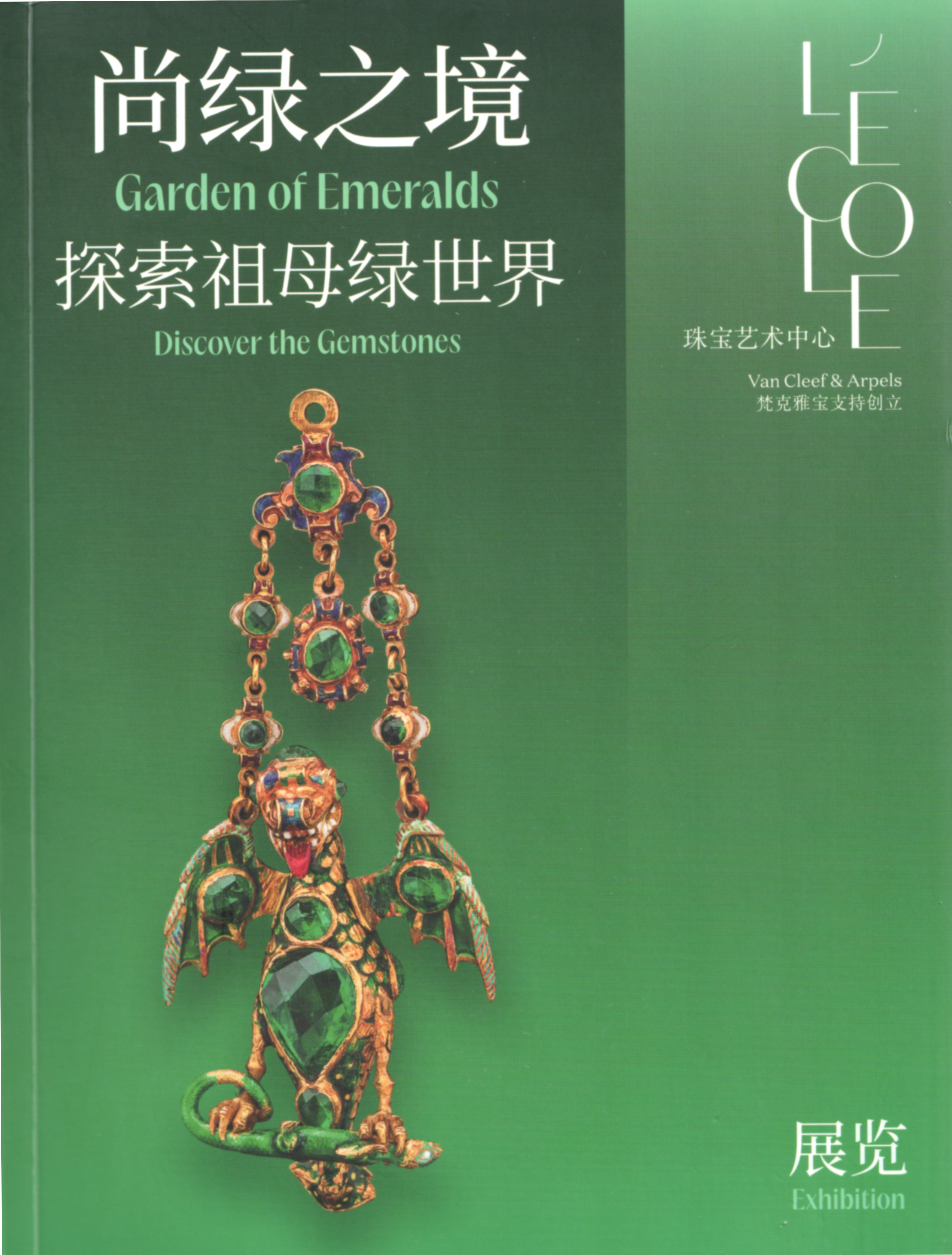
Emerald and Chinese society during the Yuan and Ming Dynasties

Emerald and Chinese society during the Yuan and Ming Dynasties

Qui, T. (2024)

Book Section · Source: Garden of Emeralds Exhibition · Publisher: L’École | Van Cleef & Arpels · Pages: pp. 128–141 · Language: parallel English and Chinese texts

Abstract
Brief history of emerald in China during the Yuan and Ming dynasties.
Keywords
gems, beryl, emerald, history of gemology, ancient gems, glyptic, Rome, Greece, Egypt, Arabic Mineralogy
Emeralds in Islamic arts and civilizations

Emeralds in Islamic arts and civilizations

Cassius-Duranton, M.-L. (2024)

Book Section · Source: Garden of Emeralds Exhibition · Publisher: L’École | Van Cleef & Arpels · Pages: pp. 94–111 · Language: parallel English and Chinese texts

Abstract
Brief history of emerald in the Islamic world.
Keywords
gems, beryl, emerald, history of gemology, ancient gems, glyptic, Rome, Greece, Egypt, Arabic Mineralogy
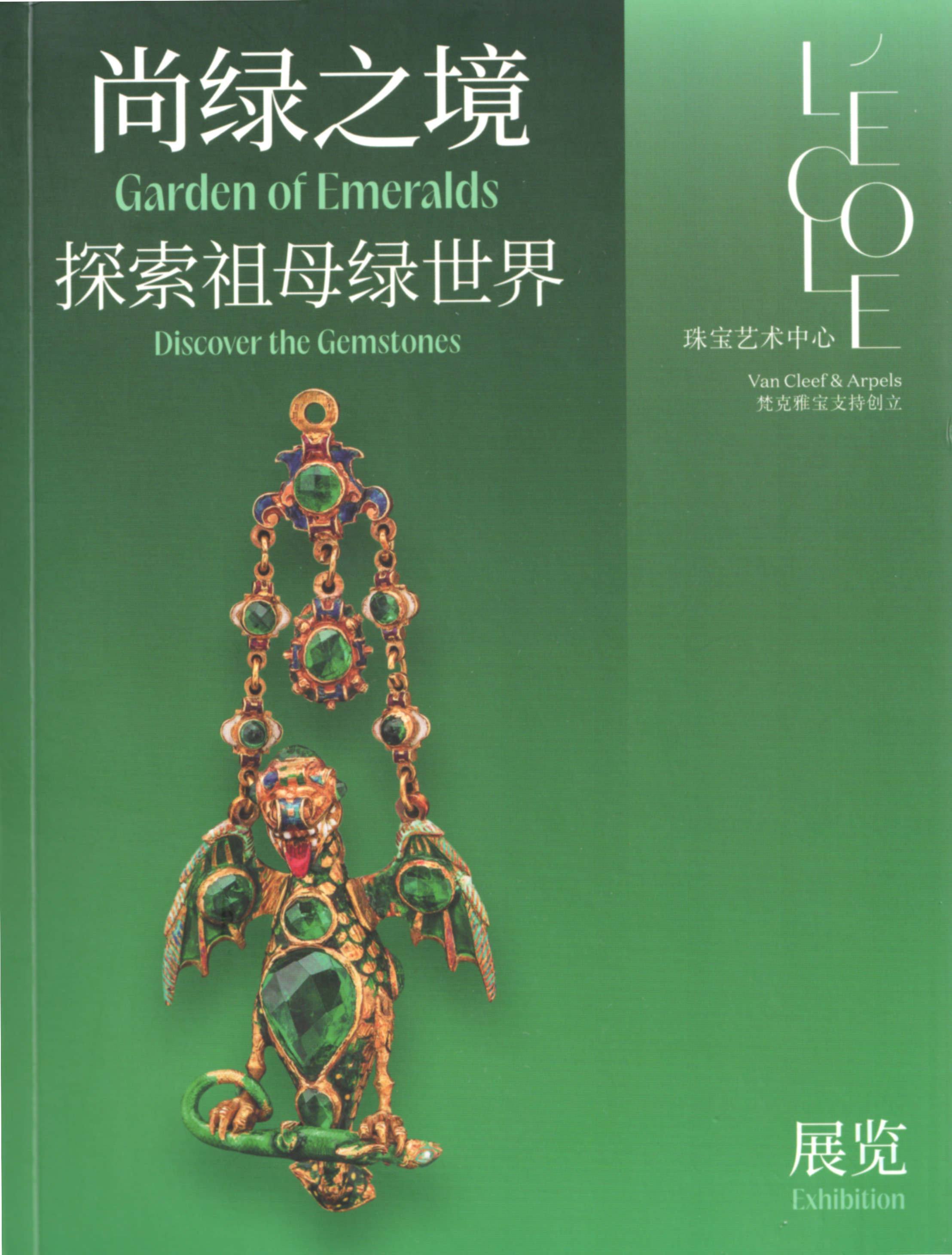
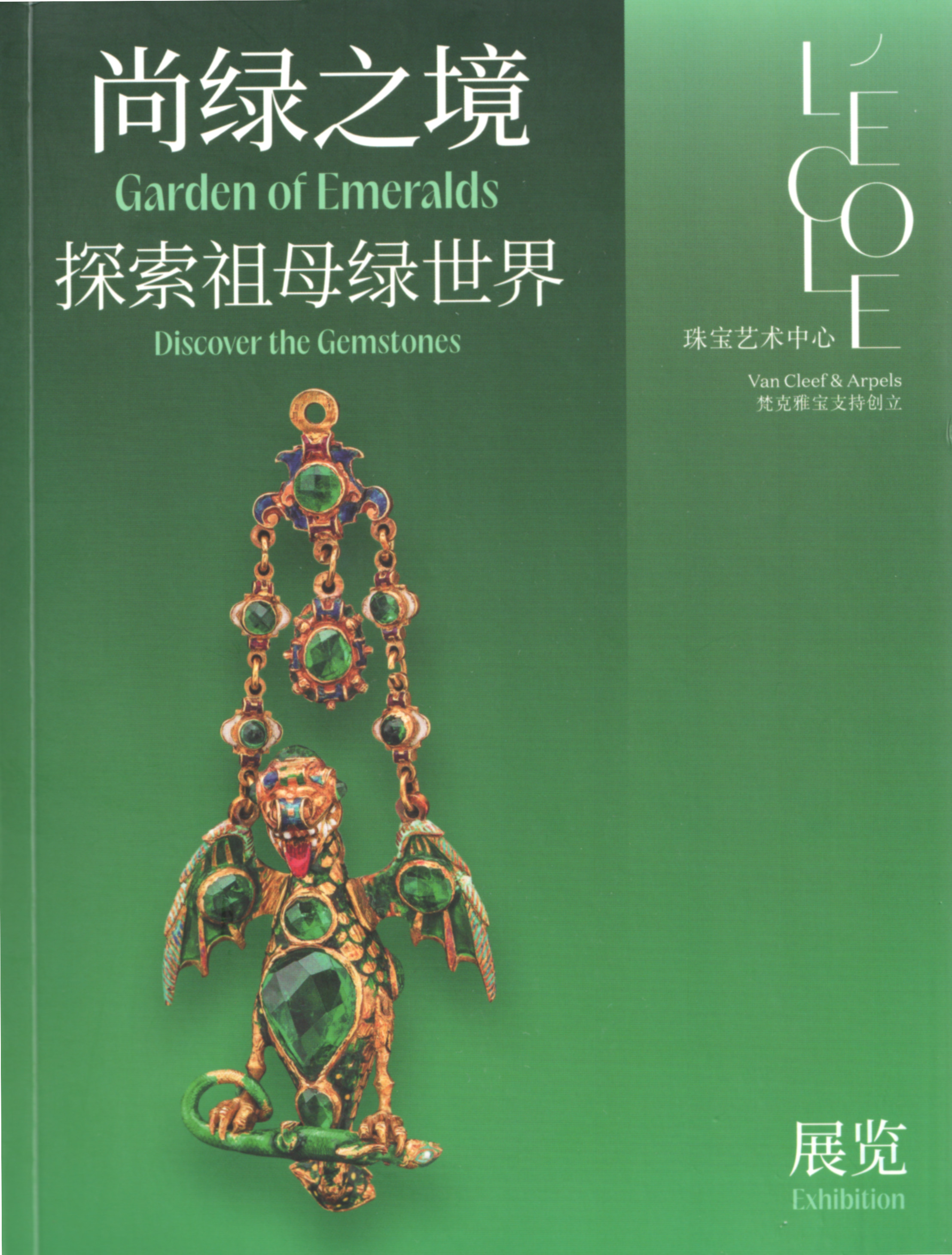
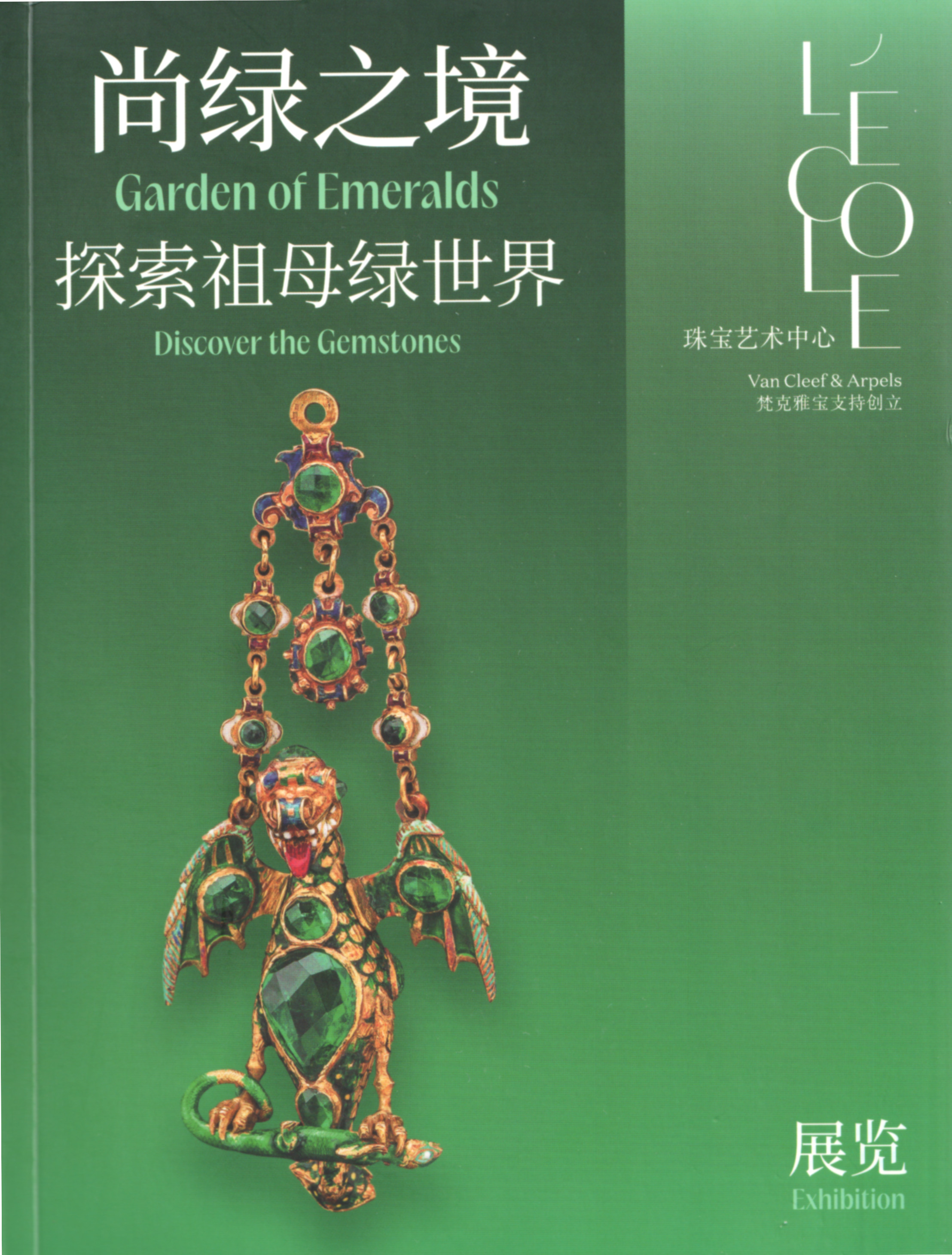
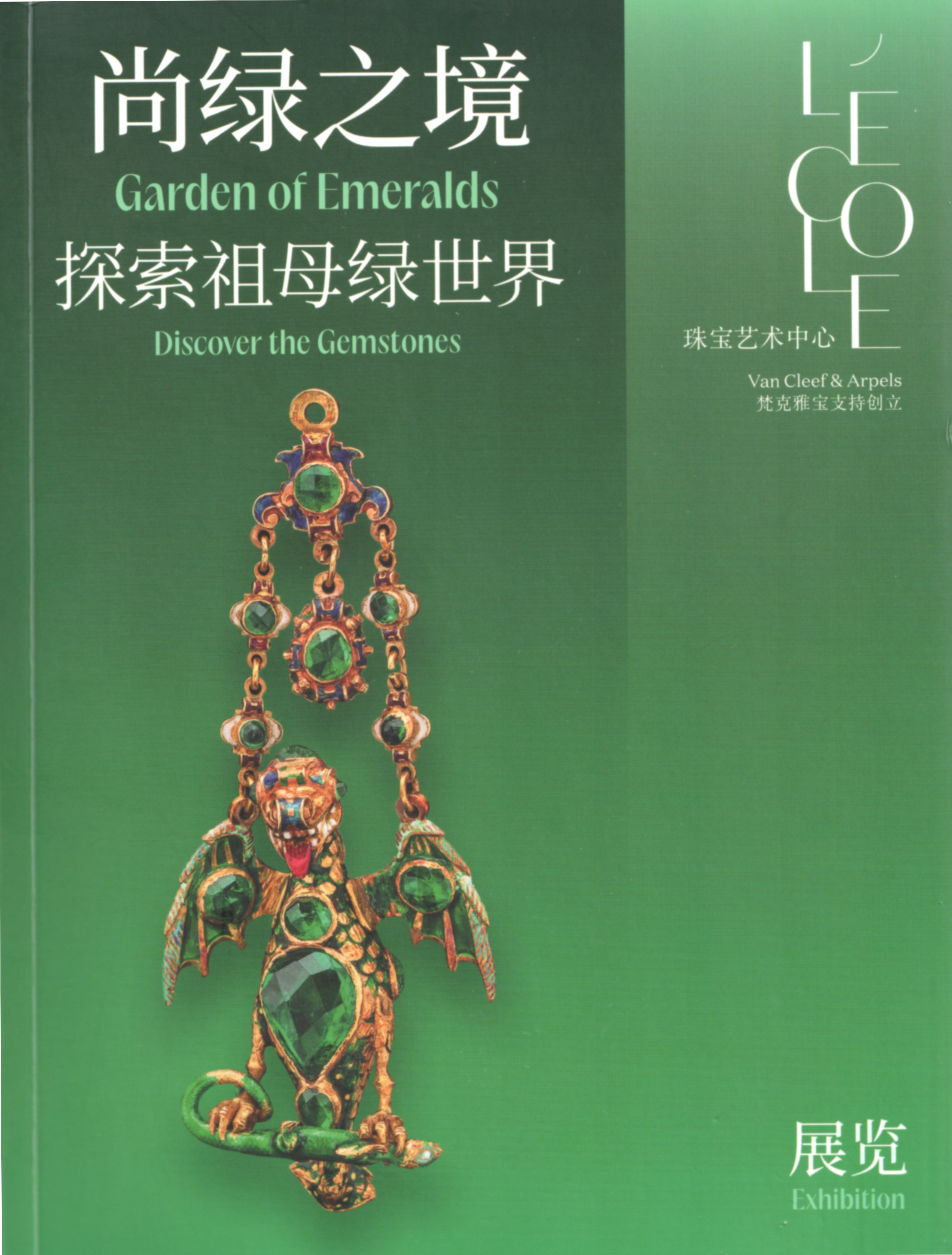
Garden of Emeralds Exhibition

Garden of Emeralds Exhibition

L’École Van Cleef & Arpels (2024)

Edited Book · Publisher: L’École | Van Cleef & Arpels · Pages: 174 pp. · Language: parallel English and Chinese texts

Abstract
Exhibit catalog for a gorgeous exhibition in Shangai put on by l’Ecole of Van Cleef and Arpels.
Keywords
gems, beryl, emerald, history of gemology, ancient gems, glyptic, Arabic Mineralogy
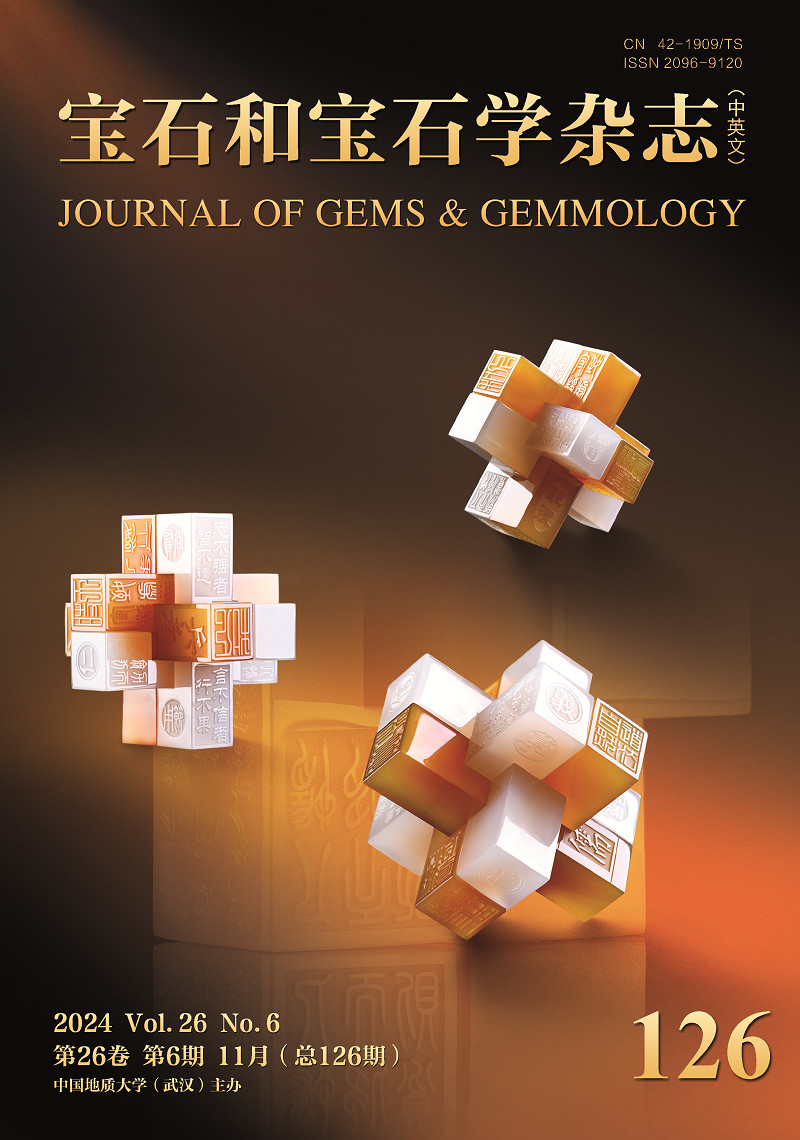
Late but precious: The dissemination and use of emerald in the Ming Dynasty in China

Late but precious: The dissemination and use of emerald in the Ming Dynasty in China

Cao, Y., Yang, M. and Luo, Z. (2024)

Journal Article · Source: Journal of Gems & Gemmology · Volume: Vol. 26 · Issue: No. 6 · Pages: pp. 140–147 · Language: in Chinese with English abstract

Abstract
Emerald is one of the five internationally recognized precious gemstones, highly favored by people for its unique color and charm, and holds an important historical position in China. This article is based on archaeological discoveries of Chinese emeralds and combined with clues from ancient literature to explore the time, evolution of name, usage pattern, and source of emerald in China during the Ming Dynasty. It is found that although there was exchange and interaction of coloured gemstones between China and Central and Western Asia during the Han and Wei dynasties, it was not until the Yuan and Ming dynasties that emerald were discovered in China.Emerald entered China through trade, tribute, and other means, and was accepted by China. Its name was transliterated from a foreign language and gradually evolved from Zhumula" and "Zumula" to "Emerald", which is still used today. Through gemmological and spectroscopic testing of the unenset emeralds unearthed from the tomb of Liangzhuang King, it was found that the inclusion characteristics and mass fraction characteristics of the emerald in the tomb of Liangzhuang King were similar to those in Egypt and Austria, such as FeO, MgO, Cr2O3, V2O3, etc. Based on the historical background and the premise that the emerald from the tomb of Liangzhuang King was brought back through the Maritime Silk Road, it is believed that the emerald may have originated from Egypt or Austria. Although emerald entered China relatively late, it held an important position in the social and cultural context of the Ming Dynasty. As a precious gemstone material, emerald was mainly used for leather belt decoration by nobles, reflecting to some extent the hierarchical system in the ritual system and becoming a symbol of social status."
Keywords
gems, beryl, emerald, use of emerald in China
Analysis of gemstones at GIA laboratories

Analysis of gemstones at GIA laboratories

Ahline, N.J. and Rizzo, J. (2024)

Journal Article · Source: Gems & Gemology · Volume: Vol. 60 · Issue: No.  4, Winter · Pages: pp. 604–623

Abstract
With decades of expertise and laboratory locations worldwide, GIA uses more advanced instrumentation that extends far beyond the boundaries of standard gemological testing. The comprehensive analysis of gemstones submitted to the laboratory ensures accurate identification and grading reports. These gemstones fall under five different categories: natural diamonds, natural colored diamonds, laboratory-grown diamonds, colored stones, and pearls.
Keywords
gems, gemology, basic gemology, advanced gemology, gem testing, reproducibility in gem testing, instrument testing and calibration, pearl testing, pearl, pearls, diamond, emerald
Infrared spectroscopy and its use in gemology

Infrared spectroscopy and its use in gemology

Breeding, C.M. and Ahline, N.J. (2024)

Journal Article · Source: Gems & Gemology · Volume: Vol. 60 · Issue: No. 4, Winter · Pages: pp. 474–492

Abstract
Since its discovery at the beginning of the nineteenth century, infrared light has proven to be a versatile tool for scientists, industrialists, and consumers. The gem industry has benefited from the power of infrared spectroscopy in gemstone identification for more than 30 years. By measuring the frequencies of vibrations of bonds between atoms in the structure of a gemstone, scientists can determine the composition and atomic arrangement of many important defects that indicate whether a gem is natural, laboratory-grown, or treated. Clever adaptations of instrument hardware and sampling techniques have allowed for efficient and accurate analysis of diamonds and many of the most important colored gems such as ruby, sapphire, emerald, and jadeite. No gemologist’s toolbox is complete without an understanding of the power of infrared spectroscopy for gem identification.
Keywords
gems, gemology, basic gemology, advanced gemology, gem testing, spectroscopy, infrared, FTIR
Archaeology and Geology of Ancient Egyptian Stones

Archaeology and Geology of Ancient Egyptian Stones

Harrell, J.A. (2024)

Book · Publisher: Archaeopress · Volume: Volume I: Archaeological and Geological Background, and Building and Utilitarian Stones. Volume II: Ornamental Stones, Gemstones, and Metals · Pages: 1049 pp.

Abstract
This book seeks to identify and describe all the rocks and minerals employed by the ancient Egyptians using proper geological nomenclature, and to give an account of their sources in so far as they are known. The various uses of the stones are described, as well as the technologies employed to extract, transport, carve, and thermally treat them. The ancient Egyptian Civilization dominated the northeast corner of Africa—including modern-day Egypt and, at times, northern Sudan—from about 3000 BC at the beginning of the Dynastic period to AD 642 at the end of the Roman period. Most of what it left behind consists of stones of many kinds. There were building stones for temples, pyramids, mastaba tombs, and other monumental constructions; and utilitarian stones for tools, weapons, and a wide array of mundane applications, including the raw materials for faience, glass, medicines, paint pigments, and pottery. There were also ornamental stones for decorative and structural elements in buildings, obelisks, statues, sarcophagi, stelae, vessels, shrines, offering tables, mace heads, cosmetic palettes, and other sculpted objects; and gemstones for jewellery, amulets, seals, and other small decorative items. Still more stones were processed to extract their metals, including gold, copper, iron, and lead. Two persistent problems in Egyptology have been the geological identification of these stones, and the recognition of their sources. Archaeology and Geology of Ancient Egyptian Stones seeks to identify and describe all the rocks and minerals employed by the ancient Egyptians using proper geological nomenclature, and to give an account of their sources in so far as they are known. A secondary objective is to describe the multitudinous uses of the stones as well as the technologies employed to extract, transport, carve, and thermally treat them.
Keywords
gems, jade, beryl, emerald, turquoise, eilat stone, chrysocolla, peridot
Geschichte der Smaragdmine im Habachtal, Pinzgau, Salzburg

Geschichte der Smaragdmine im Habachtal, Pinzgau, Salzburg

History of the emerald mine in the Habachtal, Pinzgau, Salzburg

Schmetzer, K. (2023)

Journal Article · Source: Zeitschrift der Deutschen Gemmologischen Gesellschaft · Volume: Vol. 72 · Issue: No. 3–4 · Pages: pp. 3–52 · Language: in German

Abstract
A detailed historical study of the emerald mine in the Habachtal, Pinzgau, Salzburg, tracing the exploitation of Austria’s best-known emerald deposit through documentary, archival, and photographic evidence. Schmetzer reconstructs the ownership and operation of the mine, including the activities of early owners and miners, the limited exploitation following the death of Goldschmidt in 1871, the acquisition of the property in 1896 by the London-based Emerald Mines Limited and its mining activities around the turn of the twentieth century, and subsequent changes in ownership and mining after the First and Second World Wars. The study follows the mine through the period of Hans Zieger, the later ownership of Munich lawyer Karl Gaab, and its management since 1985 by the Steiner family of Bramberg. Particular attention is given to the individuals, families, companies, and collectors associated with Habachtal emeralds, supported by numerous historical photographs, documents, maps, specimens, and previously unpublished archival material. Appendices discuss historical Habachtal emerald specimens preserved in collections, including that of the Archabbey of St. Peter in Salzburg, and provide additional documentation relating to the mine and its personnel.
Keywords
gems, beryl, emerald, Austria, Habachtal

Exploring the Literature of Emerald

Emerald literature spans gemology, mineralogy, deposits, identification, treatments, synthesis, history and the gem trade, with important sources covering deposits around the world.

For a curated guide to this subject, read Green Fire — Lotus Gemology's Guide to the Literature of Emerald.

About Four Treasures

Four Treasures is Lotus Gemology's freely accessible gemological reference database. Use the full database to search by author, title or keyword and explore literature on gemology, mineralogy, jewelry and related fields. Where available, hyperlinks on titles may lead directly to the full publication.

Search the Complete Four Treasures Database