Emerald Bibliography

Emerald Bibliography

Explore books, articles and historical sources on emerald in Four Treasures, the Lotus Gemology reference database. This bibliography brings together matching records from the collection, with publication details, abstracts and cover images where available.

Emerald References

The list below matches the terms emerald or emeralds in the database's searchable fields. Some references discuss emeralds as part of a broader subject.

761–780 of 848 matching references

Dictionnaire des Pierres Magiques, Médicinales et Merveilleuses

Dictionnaire des Pierres Magiques, Médicinales et Merveilleuses

Dictionary of Magical, Medicinal, and Marvelous Stones

Lecouteux, C. (2011)

Book · Publisher: Éditions Imago · Pages: 283 pp. · Language: in French

Abstract
Whether called emerald, jasper, agate, onyx, or anthracite… stones have a long history and, since Antiquity, have fired the imagination, nourishing beliefs, legends, and superstitions. Considered to be inhabited by sacred powers, they protect against accidents, envy, and witchcraft; they grant invisibility and the gift of tongues; they help fulfill wishes, predict the future, enhance memory, and cure illnesses… As for treatment, it may be done through application or rubbing, by grinding into powder to make a potion, or by wearing as a bracelet, ring, or pendant. Continuing his work on the supernatural, Claude Lecouteux, in this richly illustrated dictionary, has consulted many lapidaries—pagan, Christian, Gnostic…—and thus offers us a masterful synthesis at the crossroads of the history of mentalities, religions, and mysticism.
Keywords
gems, magical gems, history of gemology, ancient gems, gem lore, gems and healing, medicinal use
Sagesses Minérales: Médecine et Magie des Pierres Précieuses au Moyen Âge

Sagesses Minérales: Médecine et Magie des Pierres Précieuses au Moyen Âge

Mineral Wisdoms: Medicine and Magic of Precious Stones in the Middle Ages

Gontero-Lauze, V. (2010)

Book · Source: Medieval Literary Research, No. 25 · Publisher: Classiques Garnier · Pages: 316 pp. · Language: in French

Abstract
Treatises on precious stones, lapidaries catalogue and describe gems, then present their medicinal and magical virtues. The emerald heals vision; the sapphire enables escape from prison; the diamond, like the sapphire, is the stone of love; the carbuncle, which is born in the head of the dragon, shines with a dazzling brilliance, and so on. From the lapidary of Philippe de Thaon to that of Jean de Mandeville, these little-known texts open a window into the world of the marvelous, while shedding light on medieval encyclopedism. These treatises on precious stones present the inventory of the jewels and their medical and magical qualities. This volume gives the translation of five treatises dating from the 12th to the 14th century, thus giving access to these difficult texts so that their importance for the history of science and for social history of mentalities may be appreciated.
Keywords
gems, early lapidaries, early gemology, early mineralogy, Albertus Magnus, Philippe de Thaon, Jean de Mandeville, Middle Ages, medieval, medicine, Bible, magic, symbolism, beastiary
Cr-bearing tourmaline associated with emerald deposits from Swat, NW Pakistan: Genesis and it exploration significance

Cr-bearing tourmaline associated with emerald deposits from Swat, NW Pakistan: Genesis and it exploration significance

Arif, M., Henry, D.J. and Moon, C.J. (2010)

Journal Article · Source: American Mineralogist · Volume: Vol. 95 · Issue: No. 5–6, May–June · Pages: pp. 799–809

Abstract
Carbonate–talc altered ultramafic and mafic rocks of the obducted oceanic lithosphere along the Main Mantle Thrust in the Swat Valley host emerald deposits and are crosscut by quartz veins and stockworks. Both the quartz veins and the altered rocks contain discrete grains and clusters of tourmaline crystals, often associated with emerald and/or chromian muscovite. Tourmalines from the Mingora and Gujar Kili emerald mines and the Spin Obo-Kuh area are Ni-bearing, Cr-rich dravites and “oxy-dravites” showing considerable chemical variability, with 2.0–2.5 atoms per formula unit (apfu) Mg, relatively low Al (4.8–5.8 apfu), high Cr (0.5–1.8 apfu), high Cr/(Cr+Al) ratios (0.08–0.28), significant Ni content (up to 0.11 apfu), and variable calculated W site O²⁻ (0.2–0.8 apfu). The dominant chemical controls appear to be the substitutions Al = Cr, Mg+OH⁻ = (Al,Cr)+O²⁻, and Al³⁺ = Fe³⁺. In contrast, tourmalines from the Charbagh area are also “oxy-dravites” but have higher Fe (0.5 apfu) and Al (6.0–6.3 apfu) and lower Cr (0.00–0.01 apfu) and Ni (0.01–0.02 apfu), with comparable Mg (2.2–2.3 apfu) and variable W site O²⁻ (0.6–0.9 apfu); their composition is primarily controlled by the Mg+OH⁻ = Al+O²⁻ substitution. These chemical variations correlate with differences in host rock composition. All tourmalines, whether from the altered ultramafic-mafic rocks or quartz veins, share a hydrothermal origin linked to the emplacement and crystallization of younger granitoids. The occurrence of Swat emeralds in quartz–tourmaline (±chromian muscovite) veins indicates a cogenetic relationship between tourmaline and emerald. The quality and abundance of Swat emeralds are determined primarily by the composition of the host rock and the nature of the hydrothermal fluids. Large, gem-quality emerald deposits occur in carbonate-altered ultramafic rocks that also host Cr-rich dravites and “oxy-dravites,” suggesting that the presence of high-Cr magnesian tourmalines, particularly in magnesite–talc altered ultramafic settings, may serve as a valuable exploration indicator for emeralds in the lower Swat region of Pakistan and comparable ultramafic-hosted emerald districts.
Keywords
gems, beryl, emerald, Pakistan, Swat, tourmaline, chrome tourmaline, emerald geology
Magnificent Jewels

Magnificent Jewels

Sotheby's (2010)

Catalog · Publisher: Sotheby’s

Abstract
This sale contained Lot 435, a necklace gifted to one of the daughters of Java sugar magnate, Oei Tiong Ham. The single-strand composed of 30 jadeite beads of uniform size, measuring approximately 13.44 to 13.32 mm., the translucent stones of brilliant emerald green color, some suffused with areas of paler hue, the silver clasp of later date centering a round star sapphire flanked by 2 translucent pear-shaped emerald cabochons, length 19¾ inches.
Keywords
gems, jade, jadeite, fei cui jade, jade at auction
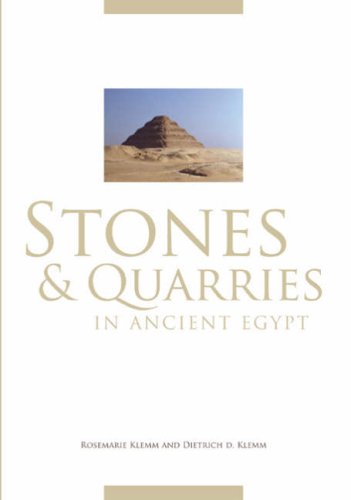
Stones & Quarries in Ancient Egypt

Stones & Quarries in Ancient Egypt

Klemm, R. and Klemm, D. (2009)

Book · Publisher: British Museum Press · Pages: 368 pp.

Abstract
An important study not only of the geological structure of Egypt and the mineral composition of its rocks, but also of ancient Egyptian stone quarries. Illustrated with almost 500 photographs and diagrams, microscopic sections and electronic scans, as well as colour photographs of all the types of stone discussed, the detailed descriptions of the quarries and numerous examples of quarrying and masonry techniques make this book an indispensable tool for the provenancing of museum exhibits. Originally published in German in 1993, this edition has been updated to take account of new research, and a new chapter on the building stones of the western oases has been added. Archaeologists, Egyptologists and travellers to Egypt will find a wealth of fascinating information on ancient quarry sites, working methods and transport in ancient Egypt, as well as an introduction to the geology of the Nile valley and the surrounding desert regions.
Keywords
gems, beryl, emerald, Egypt, Cleopatra, emerald geology, archaeology, ancient gemology, ancient mineralogy
The structure and chemical composition of trapiche blue sapphire from southern Vietnam and Cambodia

The structure and chemical composition of trapiche blue sapphire from southern Vietnam and Cambodia

Khotchanin, K., Thanasuthipitak, P. and Thanasuthipitak, T. (2009)

Journal Article · Source: Journal of the Gemmological Association of Hong Kong · Volume: Vol. 30 · Pages: pp. 25–35

Abstract
While trapiche emerald is well known, trapiche corundum (especially blue sapphire) is considerably rarer. The authors examined 33 blue sapphires from Vietnam and 27 from Cambodia. The majority showed trapiche structure, but non-trapiche specimens were included for comparison. The trapiche sapphires typically featured a brown core and brown to yellowish brown arms separating the sections of blue crystal; dotted and needle-like inclusions were also seen. Iron and titanium were both present in the samples, but the iron was concentrated in the trapiche core while the titanium was evenly distributed for the most part. The authors also compared the visual characteristics of trapiche rubies and sapphires, as well as trapiche vs. star phenomena. The trapiche structure could point to a multi-stage growth process that starts at the core, with the arms and blue crystal segments growing concurrently but at different rates.
Keywords
corundum, Cambodia.12, Vietnam.12, gems
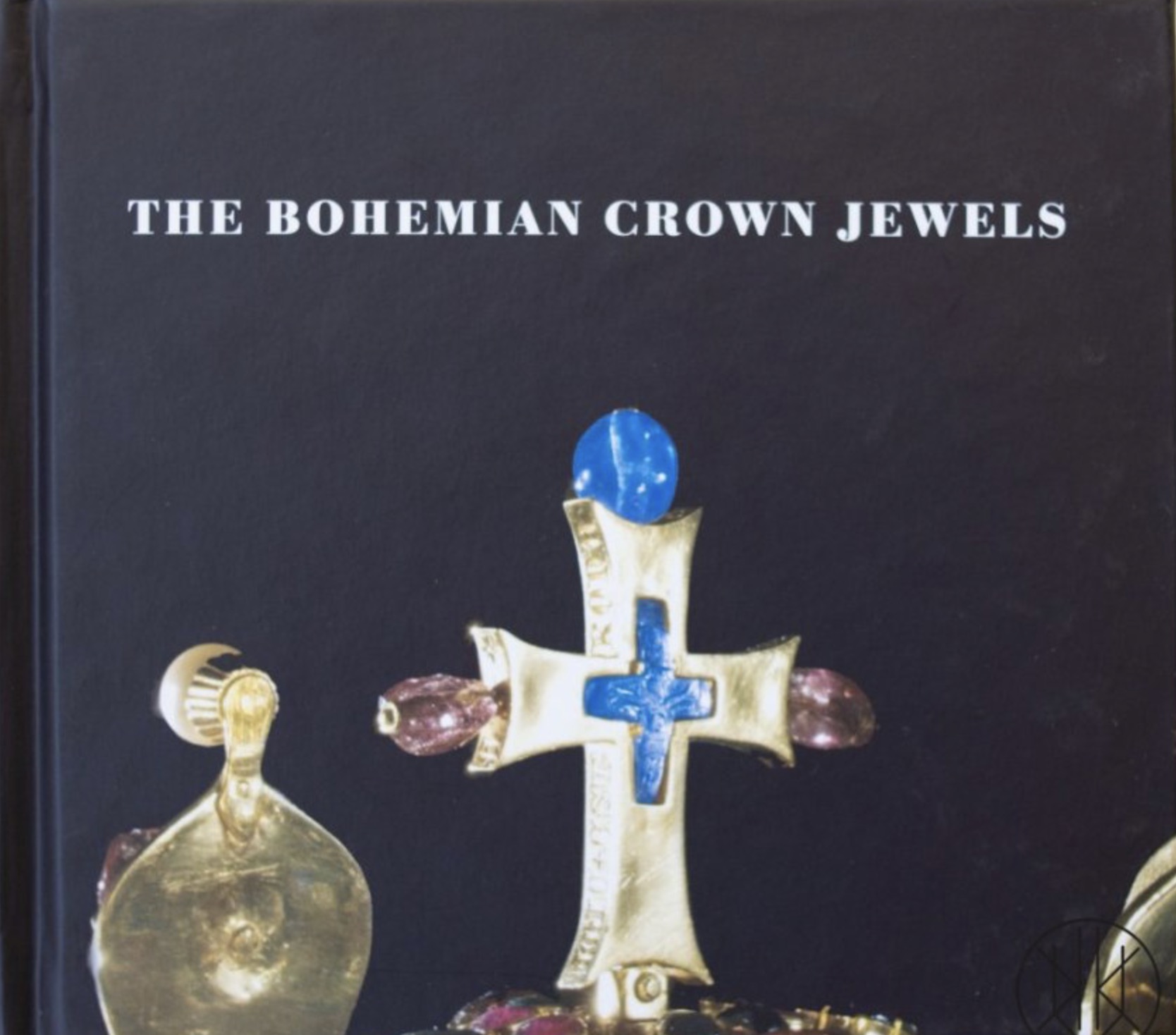
The Bohemian Crown Jewels

The Bohemian Crown Jewels

Šumbera, A. (2008)

Book · Publisher: self-published · Pages: 114 pp.

Abstract
This pocket-sized work is a photo- graphic catalogue of the Crown Jewels of the Kingdom of Bohemia, which date from the reign of King Charles IV (1316–1378). The book is the product of gemological examinations conduct- ed in 1998 and 2003; a review of these examinations is also provided. Included is a CD-ROM with 600 additional photos.
Keywords
gems, corundum, quality.10, crown jewels, auction, diamond, pearl, jade, beryl, emerald
Gemstone and mineral mining in Pakistan’s mountains

Gemstone and mineral mining in Pakistan’s mountains

Clanin, J. (2008)

Journal Article · Source: InColor · Issue: Spring · Pages: pp. 19–25

Abstract
The Himalayan Mountains in northern Pakistan, though geologically young, host a rich variety of gemstones including tourmaline, aquamarine, topaz, garnet, apatite, emerald, ruby, and sapphire. Mining activity is constrained by high altitudes and harsh weather, limiting operations to a short season. Most deposits are worked by small groups using basic, transportable equipment, often carried by hand or horseback. Notable marble-hosted ruby deposits occur at Ganesh, Gupa Nala, Dhorkan, and Hachinder in the Hunza Valley, where rubies are found in marbles of the Baltit Group, a sequence of metasedimentary rocks. These marbles typically contain phlogopite, margarite, muscovite, zircon, spinel, Mg-tourmaline, pyrite, rutile, and graphite. A newer deposit was also identified near Bisil in the Basha Valley. Pegmatites at Chumar Bakhoor (~4,800 m elevation) have yielded aquamarine and fluorite, while the Stak Nala pegmatites—with about 40 mines—are known for multicolored tourmaline. Hundreds of pegmatites line the steep cliffs along the Indus River, producing aquamarine, black tourmaline, topaz, apatite, and garnet from tunnels reaching depths of 150–180 m. Notably, glacial retreat due to global warming, especially at the Mani glacier, has exposed previously inaccessible gem sites. Pegmatite fields in the Shigar, Braldu, and Basha Valleys cover around 150 km² and lack even basic trails. The absence of modern mining technology, safety protocols, and training poses serious hazards. Rockfalls and landslides are leading causes of fatalities, and approximately 40,000 miners face additional risks such as silicosis and carbon monoxide poisoning. While long-term improvements require infrastructure and education, immediate steps such as using disposable dust masks, portable ventilation, basic first-aid training, and proper climbing gear could mitigate risks. Establishing local gem markets would also help improve selling prices and enhance economic benefits for miners and their communities.
Keywords
corundum, Pakistan.12, beryl, emerald, ruby, gems
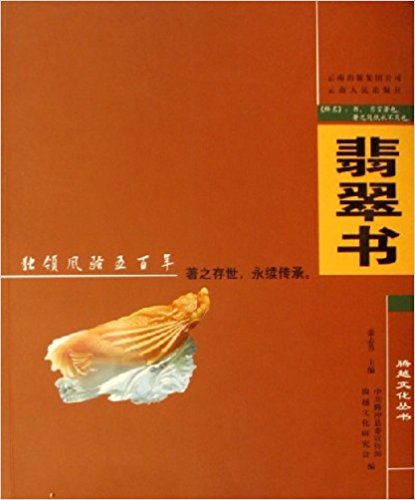
Jade Book

Jade Book

翡翠书

Zhang, Z. (2006)

Edited Book · Source: Tengyue Culture Series · Publisher: Yunnan People's Publishing House · Pages: 213 pp. · Language: in Chinese

Abstract
Jade out of rattan, Tengchong is the birthplace of jade culture. Jade is the king of jade. The red one is green and the green one is green. The Emerald Book" reviews the glorious history of Jadeite's management and processing in Tengchong's "Historic and prosperous Baibao Street, Xiongshangda Jiazha". It affirms that in recent years, the party committees, governments, and all walks of life in our city have revived the Tengchong jadeite industry and promoted it. The results of the Tengyue Jade Culture. The history of Tengchong jade was very good. It consolidated the cultural resources of Tengchong Jade, clarified the context of the development of Tengchong Jade, unified the publicity caliber of Tengchong Jade, and reproduced the magnificent and splendid jade of Tengchong. It is a relatively accurate, objective and authoritative jade monograph on the Jade Industry and Jade Culture of Tengchong. Excerpts.                  Teng Chiu's bite of jade. It is often said: "There are no three generations of rich people." This is a portrayal of jade merchants. The Tengchong jade merchant's so-and-so, their grandchildren have been poor enough to live in pawn and live, and finally sold their chairs and tables. They are lifting the “Big Spring Stool” and see the bottom of the stool with a line of small prints: “Only a split burn, no sales are allowed. "Eat" was indeed a jade cut, and Yubai was sold for several years. Eventually, because the grandchildren didn't think about doing business and didn't seek development, the family was drowned..   “The poor walks the razed side to leave the factory and encounters the roadside.” In the jade factory who had been digging into the jade factory, there were only one or two of the ten people who got rich, and many others died of poisoning or gambling. The Kachin Mountains were piled up, and hillocks were built. One of the author's old classmates in junior high school, "going the factory" for nearly 50 years, claimed to be "Wang Shichang old guest." A few years ago, I copied the author to a "go factory" song: "When I entered Pachangyu Field, the four sisters flew and took a nap; Samsung took advantage of the gambling and the six parents did not recognize the infectious disease; the five (捂) head was issued. In nine nine deaths and nine deaths, there were no seven (qi) heads planted into the red potion, eight (pulled out) dead eight lived and retired; two were concentrically holding the jewels, ten (real) hearts ten intended for feast and reciprocity.”.   1920s, There are two Tengchong overseas Chinese in Mandalay for fighting for a beautiful jade, hating each other and causing murder..   Tengchong jade giant merchants, in the early years of the Republic of China in the 60th high life in Mandalay, Myanmar friends sent a statue of Guanyin Guan Yin for his birthday, as if the seat engraved with the owner, the friend's name. After the king’s death, the children and grandchildren did not know the whereabouts of this jade statue. Until the 1960s, his great-grandson in Taiwan went to Hong Kong to participate in the trade fair and inadvertently saw this statue of Wang Shi Guan Yin. He took the opportunity to make an acquisition as a treasure of his family. Later, when asked by many parties, it was discovered that after the death of his great ancestor, his great-great-grandmother of the Yi nationality was sold and was sold to Hong Kong after being resold..   An old returned overseas Chinese from Tengchong, being careful and careful. Please ask jade workers to solve jade in the upstairs at home and close the door. Not only will the children and grandchildren see Jie Yu’s site, they will worry that the children and grandchildren will know that the family is rich and they will not be able to stand on their own feet. Such kind of Buddhist monks who are not extravagant and who have to work hard are praised by their fellow countrymen..   An old overseas Chinese in Mandalay purchased several pieces of small celestial celestial stones and put them into the bottom of the suitcases where they were loaded, ready to take them back to Tengchong. Prior to his departure, he was informed by the British and Burmese government police (Gala). When the old overseas Chinese saw two policemen entering the gate, they spurned his wife. His wife had a glimpse first, and then he clamoured with his husband. The two police officers were confused and had to come to "dissuade it." After more than half an hour they left. So the couple hurriedly took the box and returned to the country from the back door. And went to Tengchong to sell jade and got a good price and built a high-rise compound..   During the fall of Tengchong, an overseas Chinese belonging to the front of the Japanese military position evaded the homes of relatives and friends farther away. One day, the housekeeper’s servant Mi visited the owner. The housewife asked, “Has anyone turned over the stove and hired a rough apartment?” The questioner was interested in it, but the locals were unaware of what they meant. After a few days, this loyal, faithful maid chatted with the neighbor’s youth and said in a pleasant way: “Our host family is very playful and asks if I have anybody to pay for it.” This young man heard the “famous” in the night. Through the wall into the room, from the depths of the rough armpit floor disc out a clay pot, the tank is full of gold and silver, jade jewelry, stole and flew away..   During the same period of time, an old returned overseas Chinese who had always been meticulous and alert, often asked to take a cloth belt with gold and silver and jade jewelry, to avoid the dwellings in the remote villages. One day late at night, the Japanese monk suddenly came to surround the village and knocked at the door. The old returned overseas awakened, quickly ran through the back door of the pro-family home into the neighbor's house, climbed the tree for a while, and then rushed into the toilet to bury it under the slate, and finally escaped the Japanese harassment search. The villagers said that this old tactic is more sophisticated and can save lives and property..   During the fall of Tengchong, large Chinese tyrants Yang Jipin, a lone tiger, plucked a lot of money from the private sector; at the same time, they gambling on the rich children, who lost their cash and gambling with jade rings and lost all. During the same period, Zhang Wei, posing as an expeditionary chief of the government’s high-sector magistrate Zhang Wei, under the pretext of sending plainclothes teams and other fundraising funds, forcibly sent money to wealthy households in several suburban townships and extorted many jade gold and silver jewelry. After regaining Tengchong, Yang and Zhang were arrested and shot in accordance with the law, and many jade gold and silver jewelry were found on the two bodies..   Tengchong a family of jade, home kitchen stove base was excavated, stole a beautiful jade, cheaply sold. After influencing many people, they flow into Hong Kong. The owner later made a jade business in Hong Kong and found his own jade, and he immediately bought it. Although the original was returned to the original owner, it paid a huge sum of money..   After Tengchong returned to Qiao and returned to Myanmar in September 1944, he went back to Myanmar to do business. Until he was seriously ill, he told his only child: “There is jade in the stone floor of Tengchong's home kitchen. You try to get it back home.” After the country's reforms and opening up, this lady's wife returned home cooking. Unexpectedly, the household had been stolen and sold outside the county..   A certain woman from Tengchong, before leaving the country, will hand over the jewelry on her and her younger brother to their relatives and friends. When he went to visit someone in Mandalay, the necklace worn by the daughter-in-law of her friends and relatives was his own jade necklace. Those present were surprised. This so-called "people who don't care for their wealth" and "recognize people who don't recognize people" are also..   The expatriate living in Tengchong, Mandalay, and a certain castor mahjong gambling money, a certain armor with a "faba green" jade ring price bet, was a certain B win. A lady's wife, a few days not see her husband wearing this ring, repeatedly asked, and finally answered: "The bet lost." A lady with a lot of money to "redemption", a B said lightly: "Your husband is not a pawn I was lost to me. What is the reason for the redemption?”.   One of the ten residents of Tengchong, an expatriate residence, had been married to a young Burmese woman for more than seventy years. This man and his wife had been living for years, and he was well aware of the circumstances in which he placed his belongings. In the middle of a bright moonlight, the old man was snoring and slept. The limping woman took it lightly, took one, and wrapped it in soft goods, including gold and silver jewelry, and slipped away overnight. When the old man woke up, not a few nine-year-old Burmese mothers and mothers discovered that they were in need of something. The cow was empty. A few long sighs, but also had to "dumb black ink -dark secret endurance". The fellow villagers could not help but joke: "For the corruption lost the treasure.".   The protagonist of the above anecdote, has a true real name, time is also very specific. Carefully and thoughtfully, these people are mostly non-relatives in the elders and ancestors. They should not and do not need to clarify one thing. This is also in keeping with the old teaching of “loving ones” and “his leaders”. I just talk about things, knock a few small alarm bells. P50-51"
Keywords
gems, jade, jadeite, fei cui, Burma, China
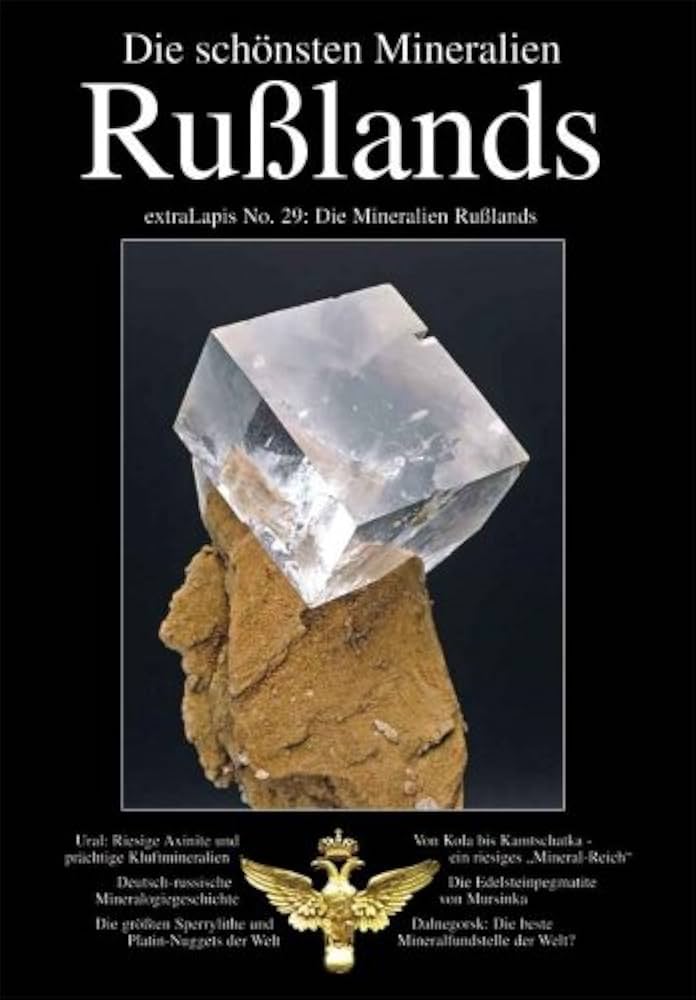
Der Ural vom Nordmeer zum Aralsee

Der Ural vom Nordmeer zum Aralsee

The Urals from the Arctic Ocean to the Aral Sea

Hochleitner, R. (2005)

Book Section · Source: Die schönsten Mineralien Rußlands [The most beautiful minerals of Russia] · Publisher: Christian Weise Verlag · Pages: pp. 30–51 · Language: in German

Abstract
Russia—a vast “mineral kingdom.” It stretches from Eastern Europe to the far reaches of northern Asia. Even during the time of the Russian tsars, magnificent mineral specimens were brought to the West. Whether from the Kola Peninsula, the Urals, the Baikal region, Transbaikalia, or the Russian Far East—each of these regions is known for minerals and gemstones that rank among the best in the world. Today, Dalnegorsk is one of Russia’s most famous and celebrated localities, yielding spectacular quartz crystals, calcite twins, water-clear fluorites, as well as high-quality ilvaite and galena in extraordinary form and variety. Contents: Mineralogical East–West friendships (Maximilian Glas) / The geological map of Russia (Christian Weise) / It began with beryl… (René Triebl) / The Kola Peninsula and Karelia (Rupert Hochleitner) / The Urals from the Arctic Ocean to the Aral Sea (Rupert Hochleitner) / Siberia – from the Urals to Chukotka (Rupert Hochleitner) / Far East from Dalnegorsk to Kamchatka (Rupert Hochleitner) / Important localities in Russia and their minerals (Michael Huber).
Keywords
gems, Russia, Ural Mountains, Saranovskoye, uvarovite garnet, Cr-grossular- Cr-sphene, beryl, emerald, chrysoberyl, alexandrite, jade, jadeite
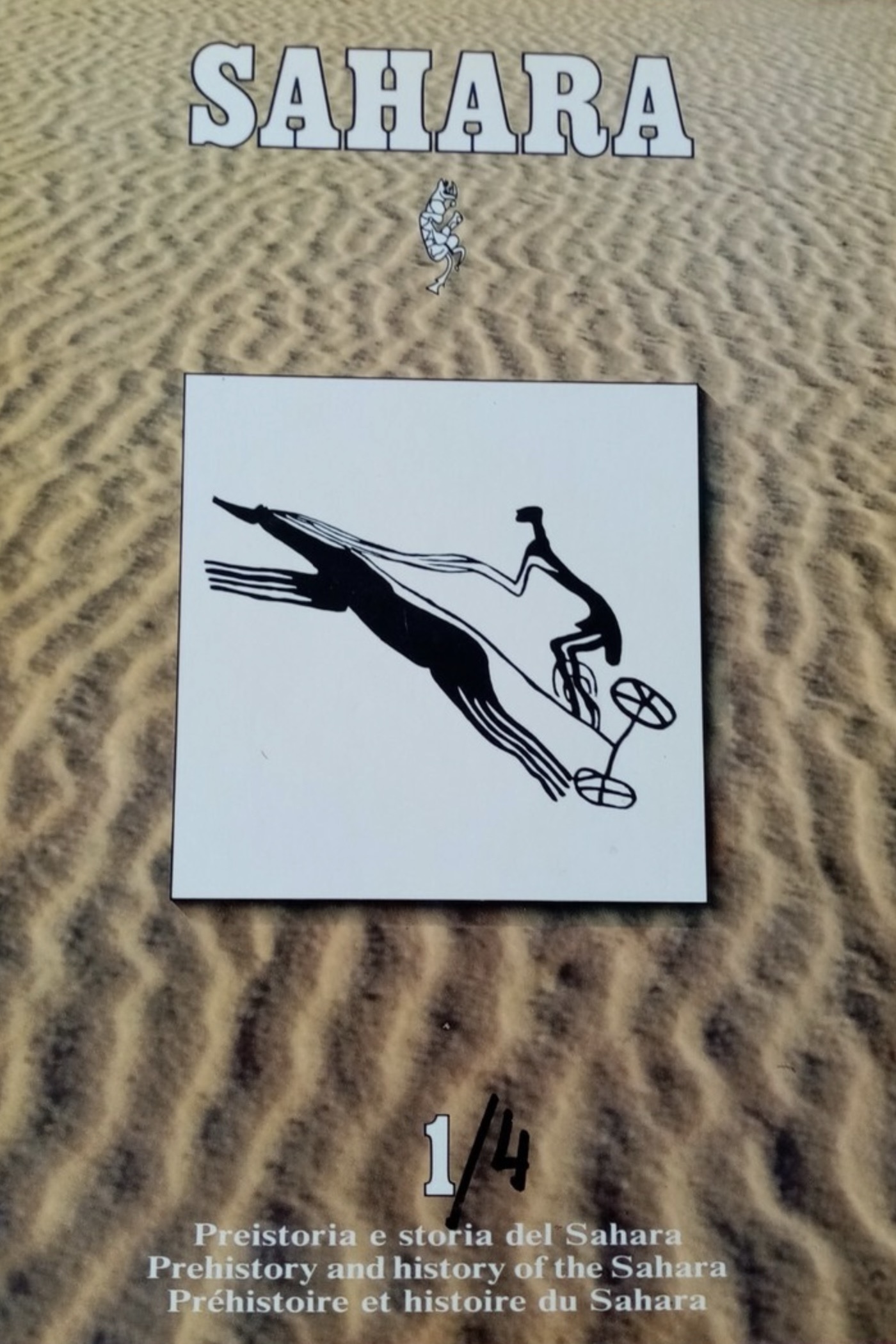
Preliminary report on archaeological fieldwork at Sikait (Eastern Desert of Egypt) and environs in 2002–2003

Preliminary report on archaeological fieldwork at Sikait (Eastern Desert of Egypt) and environs in 2002–2003

Sidebotham, S.E., Nouwens, H.M., Hense, A.M. and Harrell, J.A. (2004)

Journal Article · Source: Sahara: Prehistory and History of the Sahara · Volume: Vol. 15 · Pages: pp. 7–30

Abstract
Continuing fieldwork begun in winter 2000 and summer 2001, survey and excavation at the beryl/emerald-mining settlement of Sikait and associated surveys of the environs in 2002 and 2003 documented a number of vibrant communities and interconnecting route systems operating in antiquity. Located in Egypt’s Eastern Desert about 120 km northwest of Berenike, Sikait was one of at least nine beryl/emerald-mining settlements that comprised Mons Smaragdus, the only source of these gemstones within the boundaries of the Roman Empire. The floruit of Sikait and its surroundings was from the first to the sixth centuries A.D., though there is evidence of earlier Ptolemaic and later Islamic activity. Residents of Sikait produced some of their own food, but relied heavily on imports from the Nile valley and, to a lesser extent, from the Red Sea. Local industry included manufacture of toys, gaming counters, weights, spindle whorls and jewelry from local talc schist and steatite. Inhabitants also made beads from beryls/emeralds. An element of the population, at least in late antiquity, was fairly affluent and comprised women and children as well as men. There is evidence of Egyptian and Greco-Roman religious practices and possibly Christianity. Excavation of Nabataean sherds and a Nabataean aes coin suggests contacts with that caravan kingdom in the early Roman period. Many beads and pearls were also imports from other areas of the Red Sea and Indian Ocean. At least a portion of the inhabitants in late antiquity seems to have been a desert dwelling group, perhaps the Blemmyes documented in several later Roman literary sources.
Keywords
gems, beryl, emerald, Egypt, Sikait
Emeralds from the Panjshir Valley (Afghanistan)

Emeralds from the Panjshir Valley (Afghanistan)

Fijal, J., Heflik, W., Natkaniec-Nowak, L. and Szczepaniak, A. (2004)

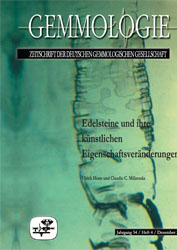
Journal Article · Source: Gemmologie: Zeitschrift der Deutschen Gemmologischen Gesellschaft · Volume: Vol. 53 · Issue: No. 4 · Pages: pp. 127–142

Keywords
gems, bery, beryl, emerald, inclusions, Afghanistan, Panjshir
Emeralds from the edge

Emeralds from the edge

Shaw, I. (2002)

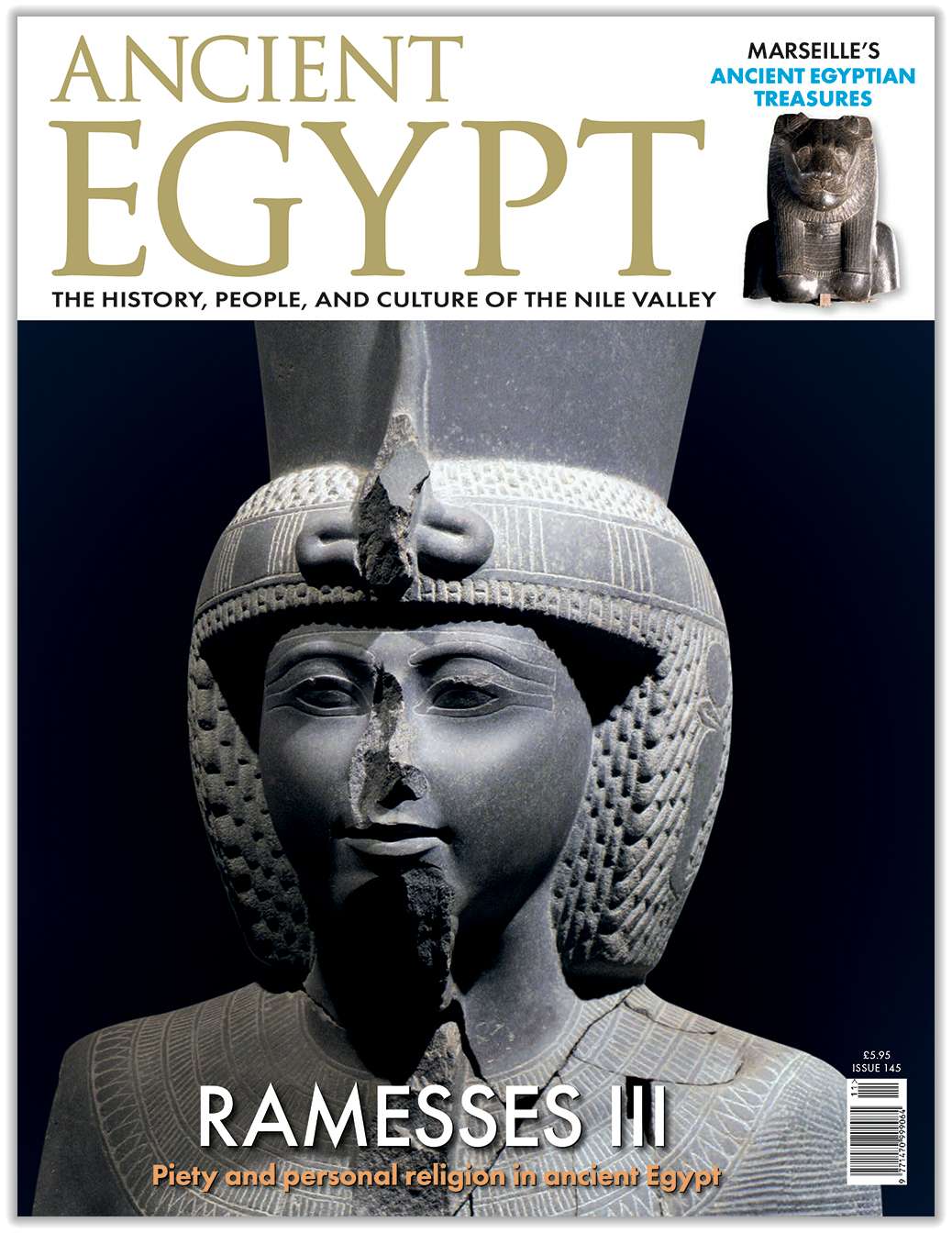
Journal Article · Source: Ancient Egypt · Volume: Vol. 3 · Issue: No. 1, July/August · Pages: pp. 34–41

Keywords
gems, beryl, emerald, Egypt, Sikait, archaeology, ancient emerald mining
On the genesis of the Malyshevsk beryllium-emerald deposit (Middle Urals, Russia)

On the genesis of the Malyshevsk beryllium-emerald deposit (Middle Urals, Russia)

Kupriyanova, I.I. (2002)

Journal Article · Source: Geology of Ore Deposits [Геология рудных месторождений Geologia Rudnih Mestorozhdenii] · Volume: Vol. 44 · Issue: No. 4 · Pages: pp. 276–290 · Language: in Russian

Abstract
The Malyshevsk (Mariinsk) beryllium-emerald deposit, the most significant site within the Izumrudnye Kopi ore field on the eastern slope of the Middle Urals, has been reclassified in terms of genetic type and formation conditions based on integrated geological and mineralogical data. The deposit’s genesis is closely tied to granite-related hydrothermal activity within ultramafic host rocks, influenced by its tectonic setting at the deep-seated Susan fault zone between the Murzinsk-Aduisk microcontinent and the Rezhevsk volcanogenic depression. The ore field is associated with the eastern exocontact of the Aduisk granite pluton (278–201 Ma), emplaced at depths of 4–6 km. At this deep level, a unique paragenesis of rare-metal pegmatites (Nb, Ta, Be) and greisens (Be, Mo, Bi, F) formed under conditions of strong tectonism. Due to the ultramafic and basic nature of host rocks, the greisens appear as desilicified, phlogopite-rich micaceous rocks. The veins are dominated by plagioclase and contain beryl, emerald, chrysoberyl, phenakite, and bromellite. The ore field spans 1100 meters along strike, 110–150 meters in width, and over 500 meters down dip. Two ore body types are identified: beryl-plagioclase veins (0.25 wt % BeO) and emerald-bearing veinlet-metasomatic micaceous zones (0.089 wt % BeO), both linked to the same greisenization stage. Plagioclase-beryl veins are found in rigid rock blocks, while emerald-bearing metasomatic zones occur in pliable milonitic talc schists. Intense post-ore tectonics significantly altered the original ore body structure, fragmented beryl crystals, and led to the development of later hydrothermal beryllium assemblages. Despite extensive historical mining, the deposit remains a major source of emerald, juvenile chrysoberyl (alexandrite), phenakite, and fine mineral specimens, with beryl recovered as a byproduct.
Keywords
gems, beryl, emerald, Russia, Malysheva, Russian beryl, emerald mines, Ural Mountains
Rubis trapiches de Mong Hsu, Myanmar

Rubis trapiches de Mong Hsu, Myanmar

Trapiche rubies from Mong Hsu, Myanmar

Garnier, V., Ohnenstetter, D., Giuliani, G. and Schwarz, D. (2002)

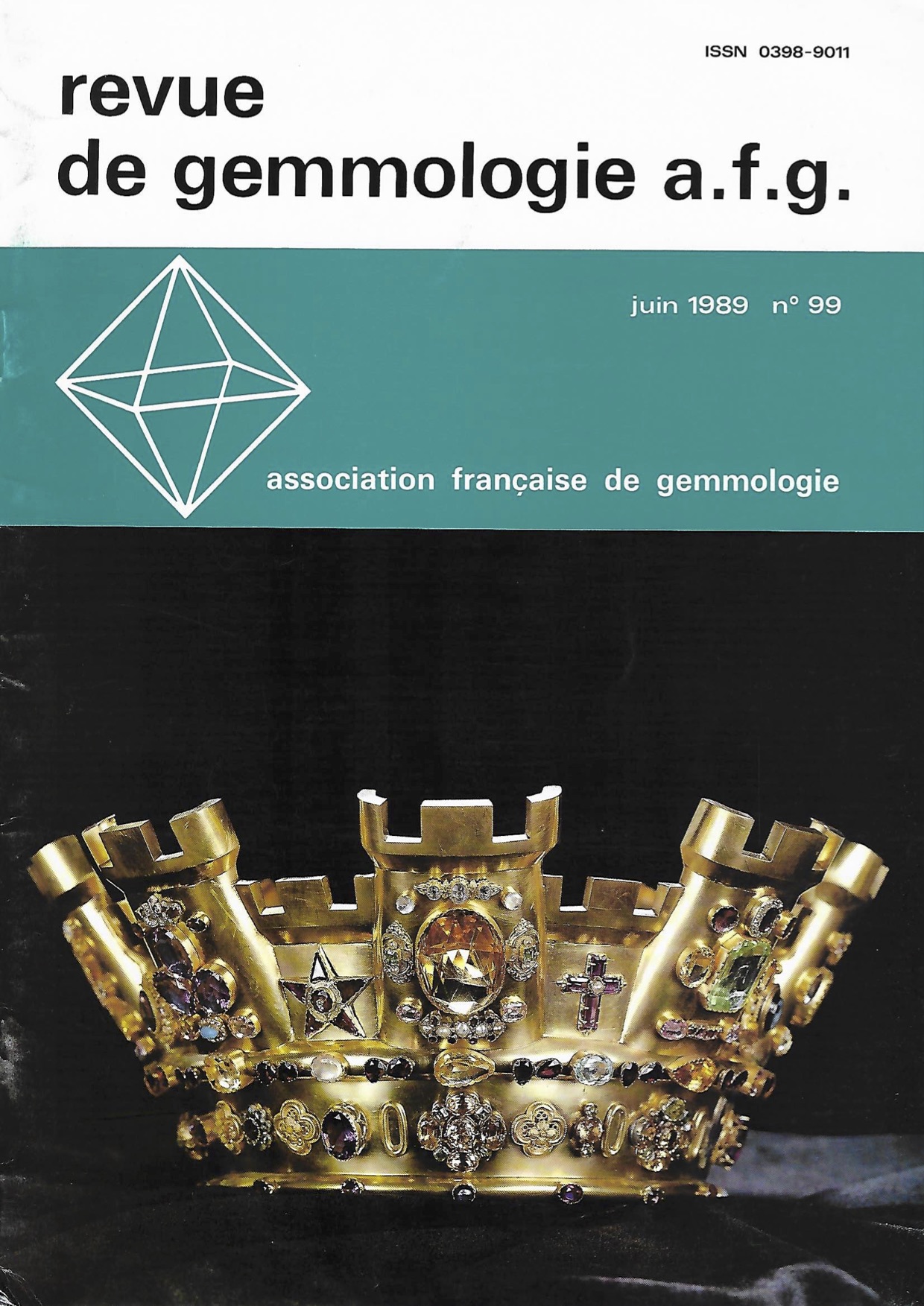
Journal Article · Source: Revue de Gemmologie. A.F.G. · Issue: No. 144 · Pages: pp. 5–12 · Language: in French

Abstract
After a comparison of the geologic occurrences of trapiche emerald and trapiche ruby, and a discussion of the various theories proposed for their formation, this article presents the results of an investigation of the chemical compositions, and the solid and fluid inclusions, of six trapiche rubies from Mong Hsu. The study used advanced analytical techniques such as energy- and wavelength-dispersive spectrometry and “cold” cathodoluminescence. The authors identify 12 minerals not previously reported as inclusions in trapiche rubies or as components of their skeletal “arms.” The rubies show a chemical zonation that can be linked to variations in the chemical composition of the growth fluid. The chromium content, in particular, appears to be related to variations in the circulation of metasomatic fluids rich in REE (rare-earth element) fluorides.
Keywords
corundum, geology.11, inclusions.5, Myanmar (Burma).12, trapiche ruby, gems
Rich gemstone potentials discovered in Somaliland

Rich gemstone potentials discovered in Somaliland

Kinnaird, J.A. (2001)

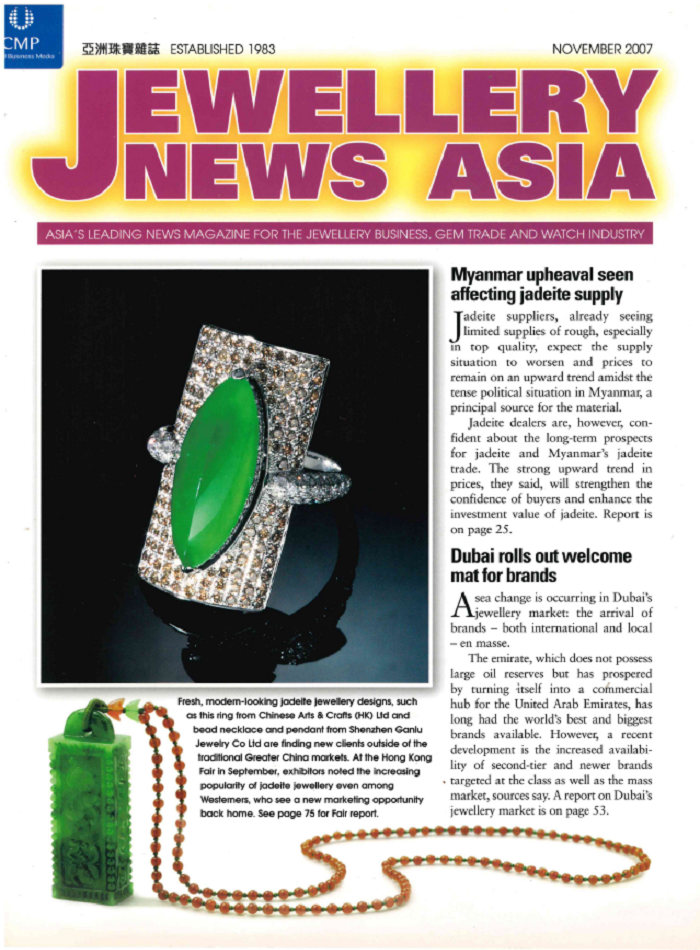
Journal Article · Source: Jewellery News Asia · Issue: No. 197, January · Pages: pp. 58, 60, 62–63

Abstract
Recent geological surveys indicate that Somaliland has abundant deposits of gemstones, from emerald to aquamarine, ruby and sapphire as well as vast amounts of garnet, quartz and opal, and lesser-known minerals such as titanite and vesuvianite. Somaliland in northern Africa appears to be the new potential gemstone-bearing area comparable to Madagascar or Tanzania. In addition to pegmatite, which are the host rocks of emerald and other kinds of beryl such as aquamarine, Somaliland has metamorphic rocks that hold nodules of ruby and sapphire. There is little understanding of its mineral deposits, but villagers in Somaliland use primitive tools to dig out a range of gemstones that they offer for sale to dealers locally. When aid officials at the European Community (EC) office in the capital, Hargeisa, first saw the gemstones, they believed they had been stolen from graves. To determine whether these stones came out of the ground or were stolen, EC invited Dr. Judith Kinnaird, a consultant geologist and gemmologist from the University of Witwatersrand in Johannesburg, to investigate. Dr. Kinnaird visited the country twice and, in addition to identifying gem minerals, she helps local miners distinguish among similar coloured minerals and is working with Progressive Interventions (supported by EC funding) to help set up a gemmological association and marketing channels. Somaliland is part of the Mozambique Belt and was formerly part of the same landmass as Madagascar, Tanzania, Sri Lanka and India prior to continental drift. Recovery of gemstones began only in 1988 and is still carried out in a primitive and haphazard manner. The gem-producing belt is a narrow strip between 30 and 80 km wide and 200 to 300 km long, running roughly parallel to the Gulf of Aden. The country, once a British protectorate, suffered a nine-year civil war from 1982, leaving infrastructure like roads and bridges in disrepair. Dr. Kinnaird described access to gem deposits as difficult and hazardous. The terrain includes high mountains and coastal regions with temperatures reaching up to 50°C. Two emerald-producing areas, Alihiley and Simodi, occur at the contact of pegmatite and chromium-bearing schist. Patchy colour development and dual-colour zoning were observed in crystals. At Simodi, pegmatite is visible across the hillsides, and emerald is being mined again after years of inactivity, despite dangerous pit conditions and lack of equipment. In Alihiley, rudimentary mechanical tools like a compressor are used. East of the emerald belt, aquamarine and other beryls occur in pegmatite intruding granite, giving rise to large but often cracked crystals coloured by iron or titanium. Reports also mention yellow beryl (heliodor). Ruby and sapphire are found in metamorphic rocks, not pegmatite. Ruby has been found in red corundum cores with green zoisite, while sapphire occurs in nodules, greenish-blue near the surface and better-quality blue material at depth. Unlike other African countries, ruby and sapphire are not found together. Garnet is extremely abundant, in red to orange colours and of multiple types, including pyrope and almandine, and some green garnets initially mistaken for Tsavorite were identified as vesuvianite. Orange to yellow opals lacking play-of-colour have been found, but high-quality reddish opal with good play-of-colour also occurs, possibly in both lava and gypsum/anhydrite strata. Quartz is widespread, including high-purity rock crystal, smoky quartz, banded forms, and deep purple amethyst. Additional minerals include red spinel, watermelon tourmaline, colourless topaz, blue and green vesuvianite, titanite, apatite, and zircon. Some locals mistake quartz for diamond, though Dr. Kinnaird clarified there are no diamonds in Somaliland.
Keywords
gems, Somalia, Somaliland, ruby, sapphire, garnet

Inclusões sólidas e fluidas da esmeralda de Campos Verdes, Estado de Goiás, Brasil Central: dados de microscopia eletrô- nica de varredura e de luz transmitida

Solid and fluid inclusions in emeralds from Campos Verdes, State of Goiás, Central Brazil: data from scanning electron microscopy and transmitted light.

Duarte, L., Pulz, G.M., Acauan, R.B., Brum, T.M.M. and Juchem, P.L. (2001)

Conference Paper · Source: XI Congreso Latinoamericano de Geología, III Congreso Uruguayo de Geología · Publisher: Sociedad Uruguaia de Gelogia · Pages: 1 CD–ROM · Language: in Portuguese

Keywords
gems, beryl, emerald, Brazil, inclusions

Exploring the Literature of Emerald

Emerald literature spans gemology, mineralogy, deposits, identification, treatments, synthesis, history and the gem trade, with important sources covering deposits around the world.

For a curated guide to this subject, read Green Fire — Lotus Gemology's Guide to the Literature of Emerald.

About Four Treasures

Four Treasures is Lotus Gemology's freely accessible gemological reference database. Use the full database to search by author, title or keyword and explore literature on gemology, mineralogy, jewelry and related fields. Where available, hyperlinks on titles may lead directly to the full publication.

Search the Complete Four Treasures Database