Emerald Bibliography

Emerald Bibliography

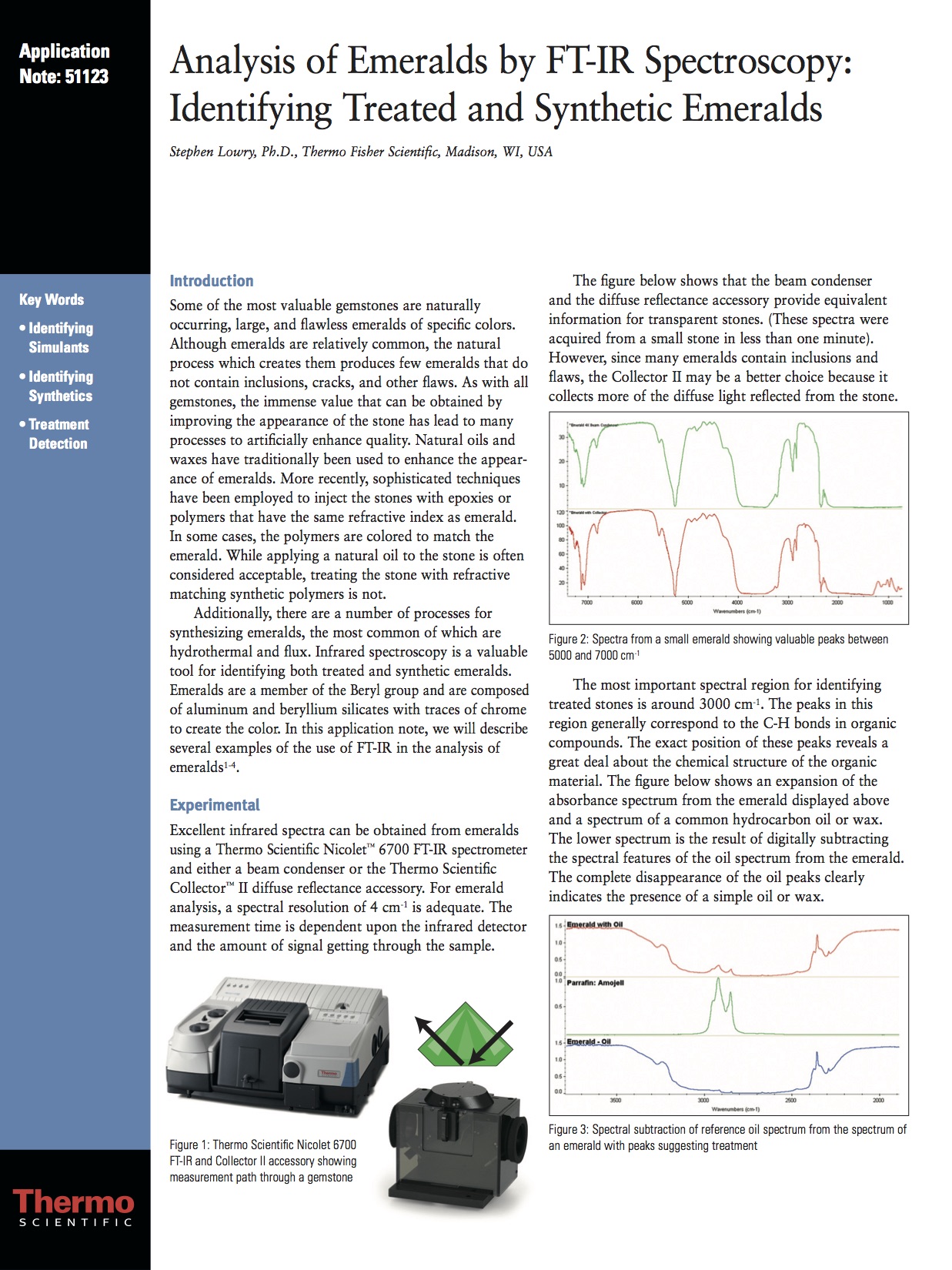
Explore books, articles and historical sources on emerald in Four Treasures, the Lotus Gemology reference database. This bibliography brings together matching records from the collection, with publication details, abstracts and cover images where available.

Emerald References

The list below matches the terms emerald or emeralds in the database's searchable fields. Some references discuss emeralds as part of a broader subject.

741–760 of 848 matching references
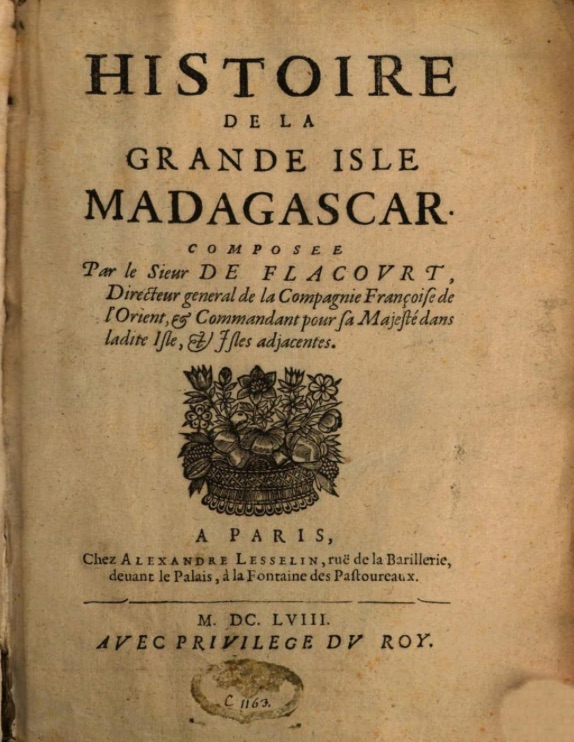
Histoire de la Grande Isle Madagascar

Histoire de la Grande Isle Madagascar

History of the great island Madagascar

Flacourt, E.d. (1658)

Book · Publisher: Chez G. de Lvyne · Pages: 2 v. in 1. · Language: in French

Abstract
Flacourt’s Histoire de la Grande Isle Madagascar is one of the earliest substantial European accounts of Madagascar, based largely on the author’s residence there as governor of the French settlement at Fort-Dauphin from 1648 to 1655. The work describes the island’s geography and regions, inhabitants and social customs, religion, material culture, fauna, flora and natural resources, followed by an account of the French colony and its relations and conflicts with the Malagasy population. Of particular gemological interest, Flacourt records the occurrence of precious stones in Madagascar, including topaz, aquamarine, emerald, ruby and sapphire, making the work an important early source for the history of Madagascar’s gem resources.
Keywords
corundum, Madagascar.12, Madagascar History To 1810. [from old catalog], gems
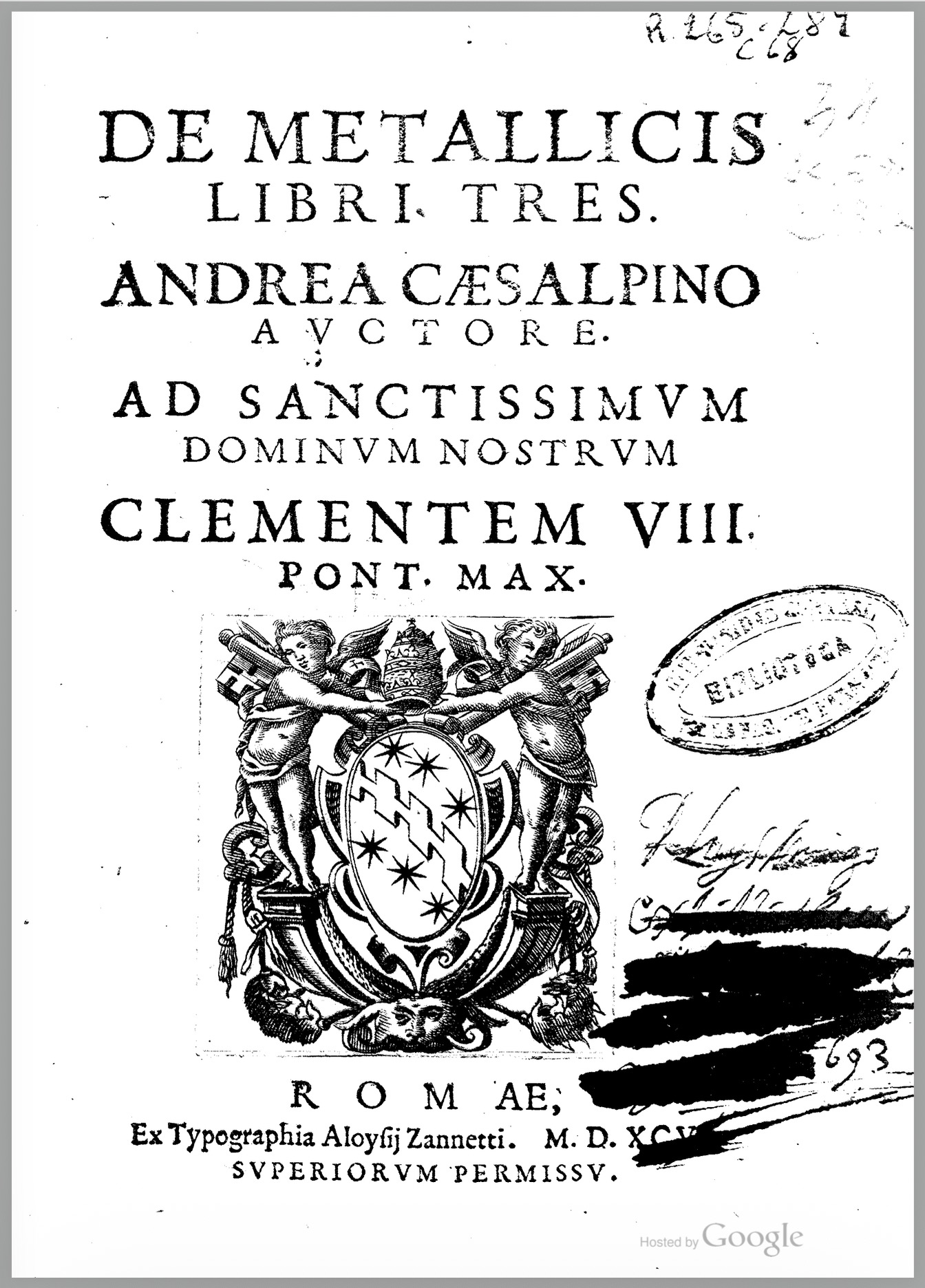
De metallicis libri tres

De metallicis libri tres

Three Books on Metals

Cesalpino, A. (1596)

Book · Publisher: ex typographia Aloysii Zanetti · Pages: 222 pp. · Language: in Latin

Abstract
Andrea Cesalpino’s De metallicis libri tres is a late sixteenth-century treatise on minerals, metals, stones, and related substances, organized into three books. Cesalpino attempts a systematic classification of mineral bodies according to their observable properties and modes of formation, discussing metals, metallic minerals, earths, salts, stones, and precious stones within an Aristotelian framework. He considers such characteristics as color, transparency, hardness, density, cleavage, and response to heat, together with the geological environments in which mineral substances occur. Precious and ornamental stones receive significant attention, including diamond, ruby, sapphire, emerald, topaz, garnet, amethyst, opal, and others. The work is an important early contribution to systematic mineralogy, notable for its effort to classify minerals through physical characteristics and natural relationships rather than solely through their medicinal or magical properties.
Keywords
gems, jade, Fischer-Book, early gemology, early mineralogy
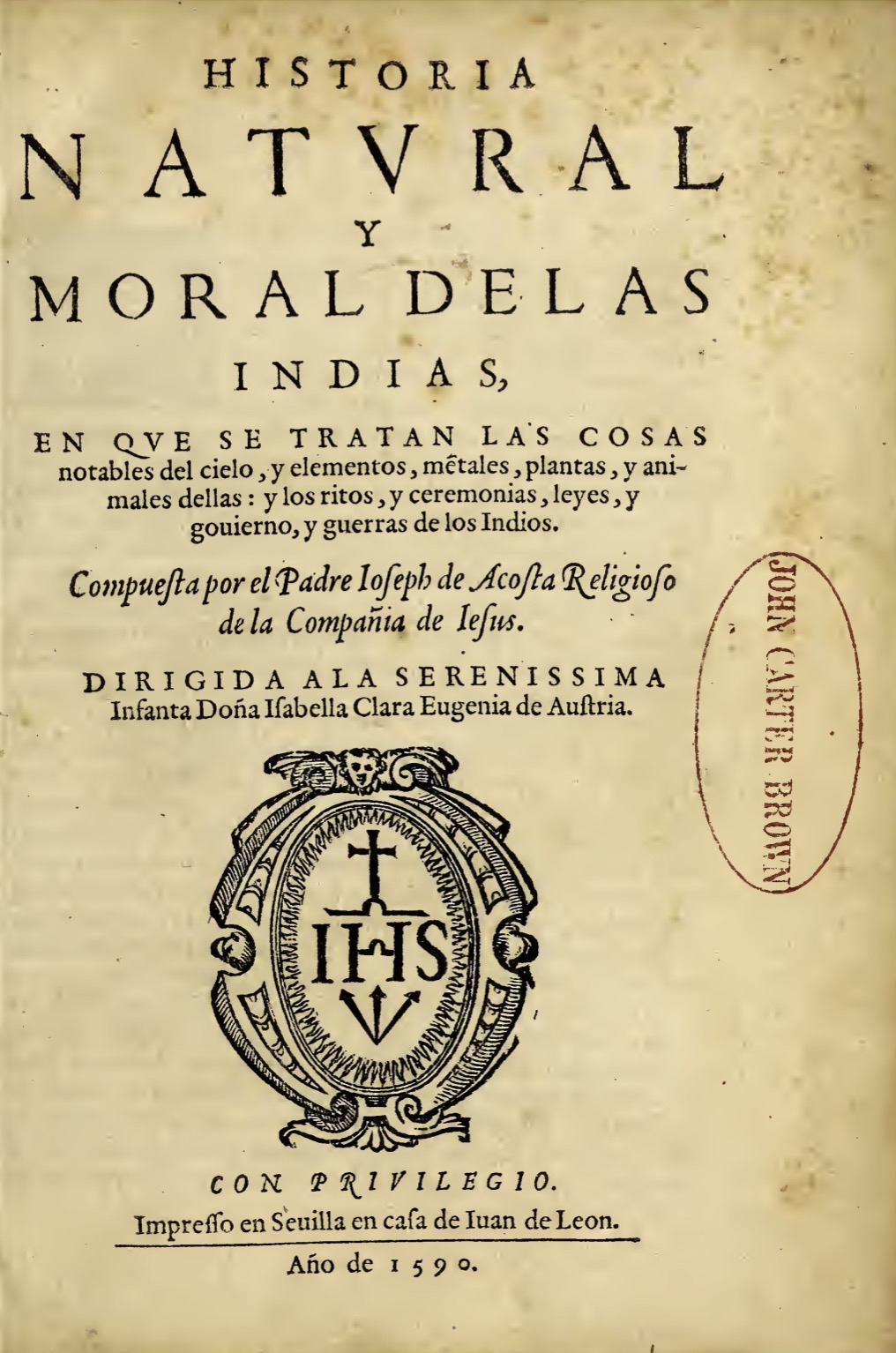
Historia natural y moral de las Indias: En que se tratan las cosas notables del cielo, y elementos, metales… y guerras de los Indios

Historia natural y moral de las Indias: En que se tratan las cosas notables del cielo, y elementos, metales… y guerras de los Indios

Natural and Moral History of the Indies: In which are discussed the notable things of the Heavens and Elements, Metals … and Wars of the Indians

Acosta, J., de (1590)

Book · Publisher: Juan de Leon · Volume: Seville · Pages: 573 pp. · Language: in Spanish

Abstract
This book, written in the late 16th century (1590), is one of the earliest comprehensive accounts of the New World by a European. Acosta describes the geography, natural history, climate, flora, fauna, and indigenous peoples of the Americas. He also delves into the social, cultural, and religious practices of the native populations, and addresses their languages, customs, and the impact of Spanish colonization. It is divided into two main parts: one focused on the natural history of the Americas, including descriptions of the environment, plants, animals, and minerals, and the other on the moral, social, and political aspects of indigenous societies and their interactions with Europeans. Acosta’s work is considered a foundational text in the field of early colonial anthropology and natural history, combining empirical observation with the moral and theological reflections of the time.
Keywords
gems, New World, beryl, emerald, Colombia, Peru
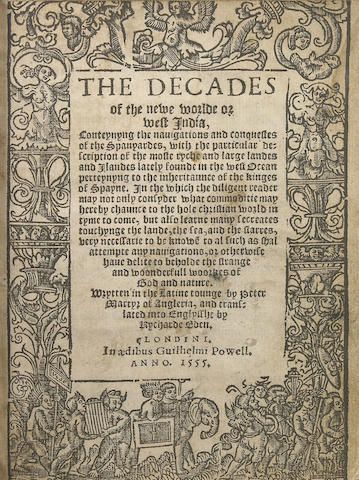
The Decades of the Newe Worlde or West India

The Decades of the Newe Worlde or West India

Eden, R. and Anghiera, P.M., d' (1555)

Book · Publisher: In aedibus Guilhelmi Powell · Pages: 722 pp.

Abstract
An English collection of early accounts of the Americas, translated and compiled by Richard Eden, centered on Pietro Martire d’Anghiera’s Decades of the New World. The work describes Spanish exploration and conquest, the geography and peoples of the Caribbean and American mainland, and the natural products and resources encountered there. Of particular gemological interest are numerous early accounts of gold, pearls, emeralds, and other precious materials, including their Indigenous use, sources, trade, and acquisition by the Spanish, making it an important English-language source for sixteenth-century European knowledge of American gems and precious metals.
Keywords
gems, jade
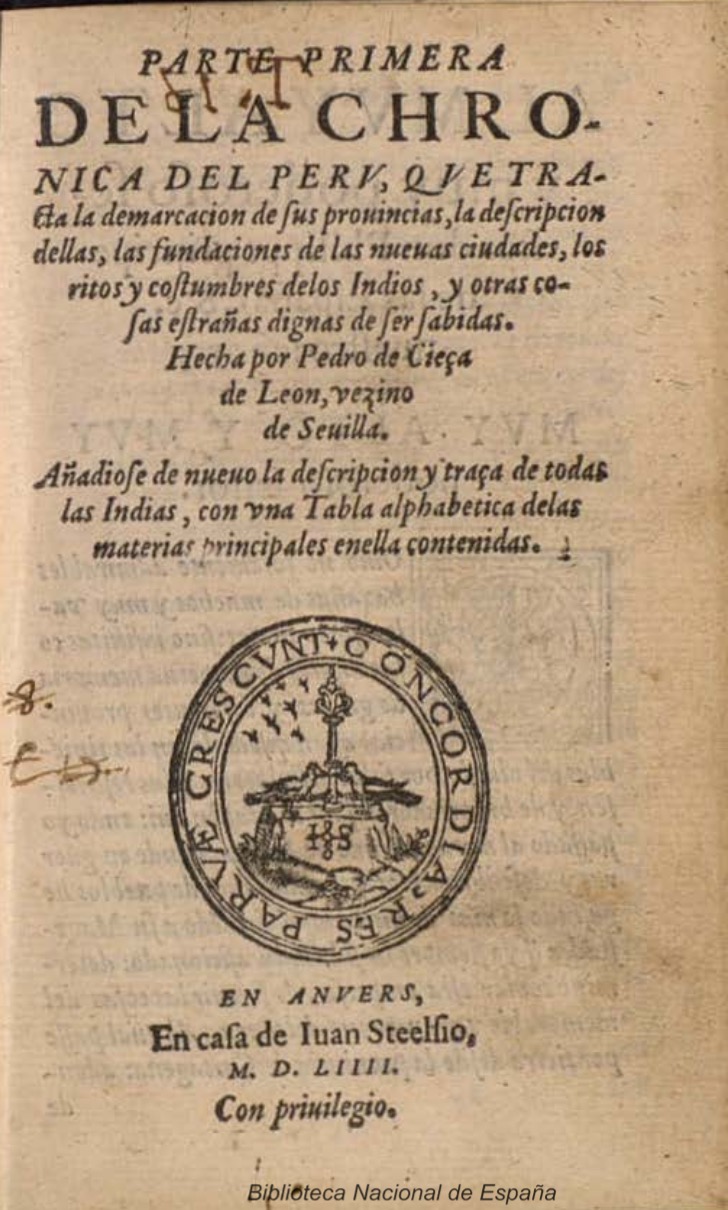
Parte primera de la Chronica del Peru

Parte primera de la Chronica del Peru

First part of the Chronica del Peru

León, P.d.C., de (1554)

Book · Publisher: Juan Steelso · Pages: 285 pp. · Language: in Spanish

Abstract
An early firsthand chronicle of Peru by Pedro de Cieza de León, based on his travels through the Andes during the Spanish conquest period. The work describes the geography, peoples, customs, political organization, roads, settlements, natural resources, and antiquities of the Andean world, including detailed observations on the Inca realm and earlier cultures. Of particular gemological interest are references to gold, silver, emeralds, pearls, and other valuable materials, together with accounts of Indigenous mining, ornament, tribute, and the movement of precious substances within pre-Hispanic and early colonial Peru.
Keywords
gems, jade, Fischer-Book
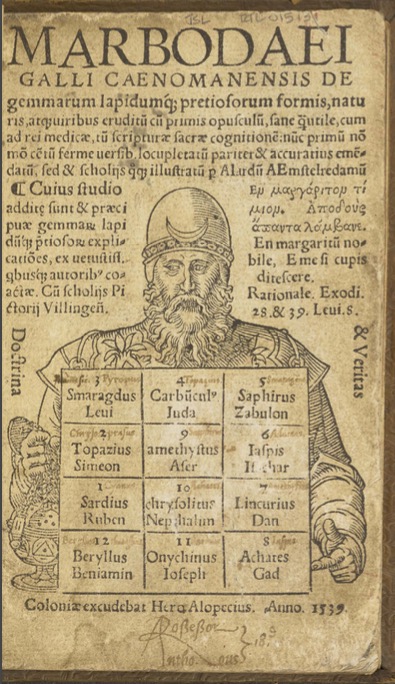
Marbo Dei Galli Poetae Ve tustissimi de lapidibus pretiosis Encheri dion, cum scholijs Pictorij Vil lingensis

Marbo Dei Galli Poetae Ve tustissimi de lapidibus pretiosis Encheri dion, cum scholijs Pictorij Vil lingensis

Marbo, the Poet of the Galli, Most Ancient, on Precious Stones, Encheridion, with the Commentaries of Pictorius Vill ingensis

Marbode, B.o.R. (1531)

Book · Pages: unpaginated (~56 leaves) · Language: in Latin

Abstract
Marbode’s De lapidibus pretiosis is a medieval lapidary describing precious and unusual stones, their physical characteristics, origins, virtues, and supposed medicinal and magical properties. Written in Latin verse, it reflects both classical traditions and medieval beliefs concerning gemstones and became one of the most influential European lapidaries of the Middle Ages. Individual entries treat numerous stones, including diamond, emerald, sapphire, ruby, amethyst, beryl, topaz, crystal, jasper, and others, often combining observations of appearance with accounts of therapeutic or supernatural powers. This 1531 Freiburg edition presents Marbode’s text with the commentaries of Georg Pictorius of Villingen, providing Renaissance-era interpretation of the mineralogical and medical traditions embodied in the work.
Keywords
gems, jade, Fischer-Book
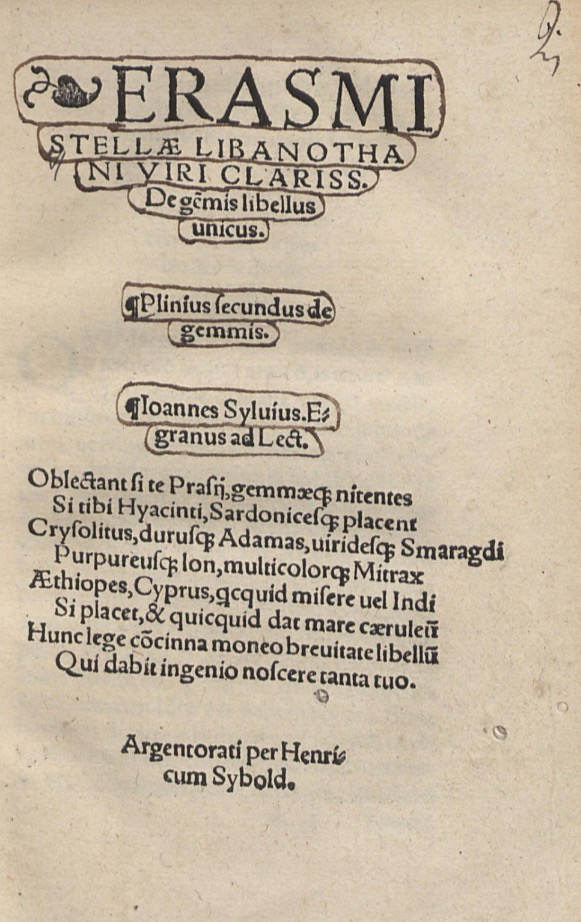
Erasmi Stellae Libanotha Ni Viri Clariss. De Gemis Libellus Unicus

Erasmi Stellae Libanotha Ni Viri Clariss. De Gemis Libellus Unicus

Erasmus’ Star of Libanotha: A Unique Treatise on Gems by the Most Illustrious Man

Stella, E. (1517–1530)

Book · Publisher: Friedrich Peypus · Pages: unpaginated (~130 pp.) · Language: in Latin

Abstract
Schuh: Very rare. One of the earliest 16th century treatises on mineralogy and precious stones. It is a different type of lapidary, with its arrangement of gems and minerals according to color rather than the typical alphabetical sequence. The four classes are white, green, red and blue or black. Thus are classified: I. De gemmis candidis, including diamond, rock crystal, iris, ceraunia & astroite, pederote, asteria, achate, draconite, allectorio, and margaritis. II. De gemmis viridibus, including smaragdo (emerald), beryllis, chrysoprasio, topatio, callaide, prasio, heliotropio, jaspide. III. De gemmis rubeis, including carbunculorum generibus, amthysto, hyacintho, sarda, sardonyce, anyce, hematite, corallio, hephesite, chrysolito, electro, and opalo. IV. Gemmis coeruleis & nigris, including cyaneo, saphiro, calaide & ceraunia, de moris gemmis, de gemmis ad ectypam, etc. Adams (1938) notes that the descriptions are better than earlier works, although Thorndike (1923-58) declares the work little more than a compilation from Greek and Latin writers, above all, Pliny ...""
Keywords
gems, jade, Fischer-Book, early gemology, early mineralogy
Literary and Scientific Intelligence: Antiquities – Emerald Mines

Literary and Scientific Intelligence: Antiquities – Emerald Mines

Anonymous

Journal Article · Source: Blackwood’s Edinburgh Magazine · Volume: Vol. 7 · Issue: No. 38 · Pages: pp. 214–215

Abstract
Reports on Frédéric Cailliaud’s explorations in Egypt and Nubia, including his rediscovery near Mount Zabarah (Jebel Zabara) of the ancient emerald mines known from classical authors and Arab tradition. The mines, long forgotten and unproductive, were found substantially as earlier engineers had left them, with numerous excavations and subterranean passages, some extending more than 400 men. Cailliaud began working the mines himself and presented six pounds of emeralds to Muhammad Ali Pasha. Nearby he discovered ruins of an ancient mining settlement, apparently inhabited by miners, including remains of several Greco-Egyptian temples with inscriptions. The account also describes Cailliaud’s journeys through the Eastern Desert and along the Red Sea, his observations of ancient Egyptian remains and natural history, and his copying of inscriptions, including a lengthy Greek inscription from Rosetta.
Keywords
gems, beryl, emerald, Egypt
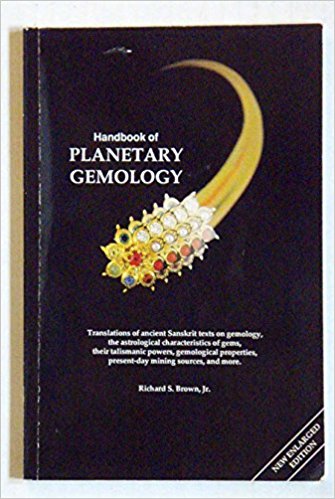
Handbook of Planetary Gemology

Handbook of Planetary Gemology

Brown, R.S. (n.d., ca. 1988)

Book · Publisher: McKinney International (Publication Concepts) · Pages: 88 pp.

Abstract
Sinkankas: This work presents translations of chapters 68–80 of the Sanskrit Garuḍa Purāṇa, which “elaborately describes the supernatural origin of gems and their mineralogical properties,” along with the Graha-cocāra Jyautiṣa, a text that “gives complete information on the astrological characteristics and effects of the principal gemstones” and “explains how auspicious gems help remove obstructions in various areas of life by appeasing planets that are having unfavorable effects.” The first thirteen chapters focus on planetary gemstones, offering summary translations of relevant Garuḍa Purāṇa passages concerning ruby, pearl, yellow sapphire, hessonite, emerald, diamond, cat’s-eye chrysoberyl, blue sapphire, coral, red garnet, jade (including jadeite), rock crystal, and bloodstone. Secondary planetary gemstones, or uparatnas, such as red spinel, moonstone, yellow topaz, citrine, hyacinth, peridot, tsavorite, green tourmaline, white zircon, turquoise, goshenite, amethyst, apatite cat’s-eye, blue spinel, tanzanite, lapis lazuli, and carnelian, are not directly traced to specific textual sources, and some—like tsavorite, goshenite, and tanzanite—were unknown to the ancients, suggesting these may have been included at the authors’ discretion. Each gemstone description includes its properties and modern sources, and although there is no bibliography, a valuable feature of the work is its inclusion of alternative Sanskrit names for the gemstones.
Keywords
corundum, history.1, India.12, gems, Indian lapidary
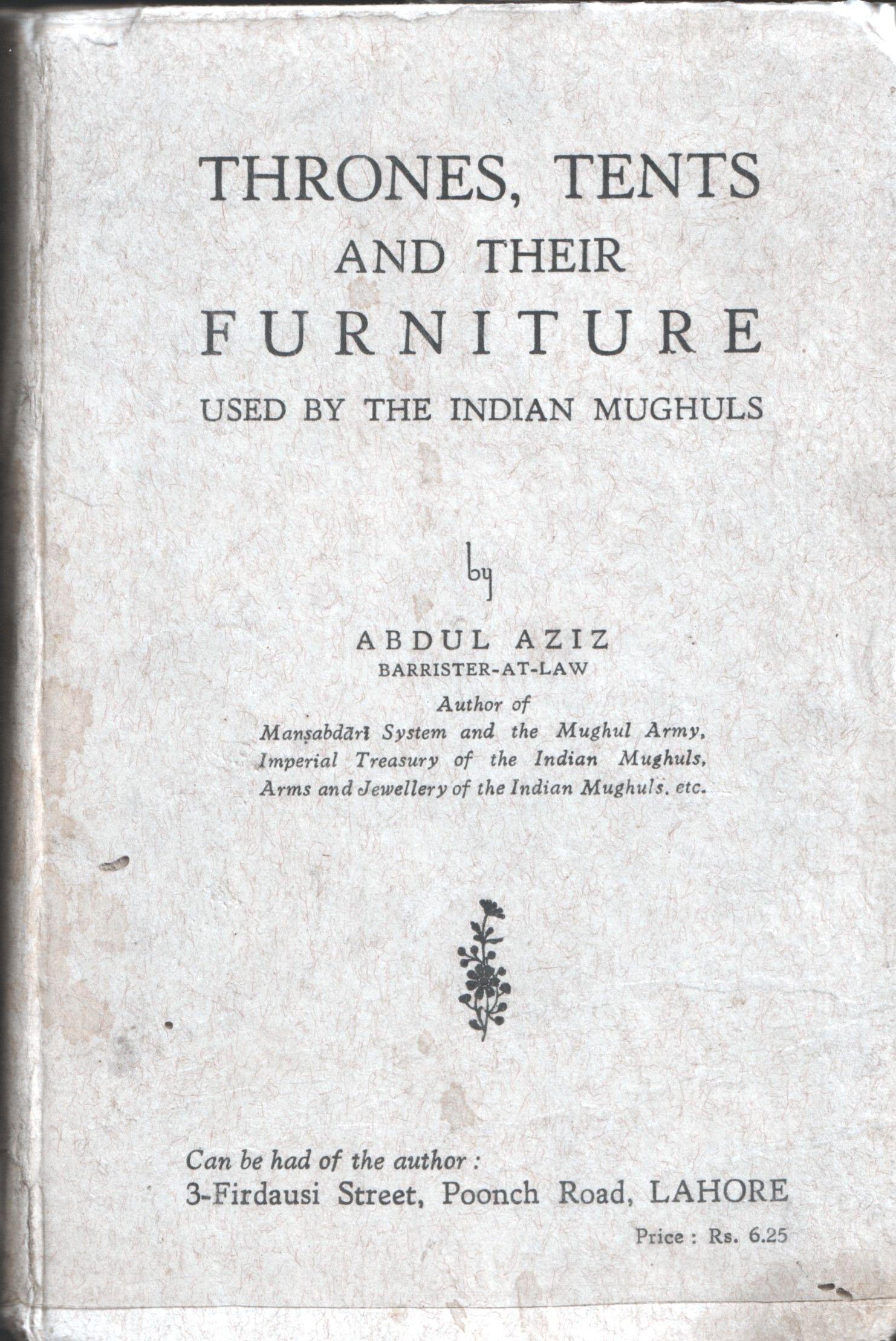
Thrones, Tents and their Furniture used by the Indian Mughuls

Thrones, Tents and their Furniture used by the Indian Mughuls

Aziz, A. (n.d.)

Book · Source: The Mughul Court and its Institutions · Publisher: privately published · Pages: 145 pp.

Abstract
Aziz’s Thrones, Tents and their Furniture Used by the Indian Mughuls examines the ceremonial furnishings and portable splendour of the Mughal court in India. Drawing on contemporary chronicles, travellers’ accounts and other historical sources, the work describes imperial thrones, richly appointed tents, canopies, carpets, cushions and related furnishings used in palaces, encampments and public ceremonies. Particular attention is given to the materials, decoration and costly workmanship of these objects, including the extensive use of gold, silver, textiles, enamel and precious stones. The celebrated jewelled thrones of the Mughal emperors form an important part of the study, illustrating the extraordinary quantities of diamonds, rubies, emeralds, pearls and other gems employed in imperial display. The book shows how thrones, tents and their furnishings transformed both permanent and temporary settings into expressions of Mughal sovereignty, wealth and magnificence.
Keywords
corundum, India.12, history.1, quality.10, Tajikistan.12, spinel, gems, Indian lapidary
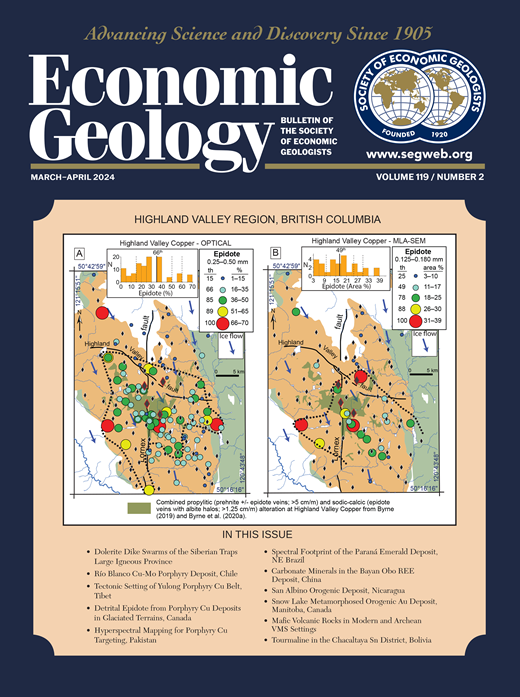
Advances for the Exploration of Tectonic-Magmatic-Related Emerald Deposits Using a High-Resolution Spectral Approach: Unraveling the Spectral Footprint of the Paraná Deposit (NE Brazil)

Advances for the Exploration of Tectonic-Magmatic-Related Emerald Deposits Using a High-Resolution Spectral Approach: Unraveling the Spectral Footprint of the Paraná Deposit (NE Brazil)

de Araújo Neto, J.F., Andressa Carrino, T., de Lira Santos, L.C.M. and Correa Pabón, R.E. (2024)

Journal Article · Source: Economic Geology · Volume: 119 · Issue: 2 · Pages: 355–371

Abstract
This study unravels the spectral footprint of the Paraná deposit, northeastern Brazil, and provides strategies for emerald exploration in mafic- and/or ultramafic-hosted deposits using point spectral data and hyperspectral imaging. Potential host rocks (phlogopite and actinolite-phlogopite schists) were discriminated from other associated lithotypes after petrography and whole-rock geochemistry, using binary MgO versus Al₂O₃ and PC₁ versus PC₃ diagrams. Spectrally, phlogopite schist is marked by Fe–OH absorption at ~2,250 nm and Mg–OH absorptions at ~2,330 and ~2,388 nm. When actinolite is present, a shoulder at ~2,296 nm is recorded, and the first Mg–OH absorption feature is shifted to ~2,315 nm. Emerald crystals have their spectral signature attenuated in the presence of phlogopite. In a 5% emerald and 95% schist mixture simulation, two emerald absorption features are recognizable at ~1,150 (H₂O absorption) and ~2,155 nm. The emerald indices EI₁, EI₂, and EI₃ were chosen for the automated identification of emeralds in the Paraná samples based on the features at ~1,150, ~1,460, and ~2,155 nm. For the host schists, three indices were provided (MI_depth, MI_ratio, and ACI) considering the Mg–OH features of phlogopite and actinolite, allowing automated distinction between potential mineralized and other associated rocks of the Paraná deposit. Our results show that, operating in high-resolution mode (pixels of ~1 mm), imaging spectroscopy can detect the presence and characterize emerald in handpicked samples and drill cores based on chromium- and iron-derived absorption features in the visible to near infrared range. It thus represents a swift, reliable, nondestructive, and relatively cost-effective method for exploring for emerald and, potentially, other gems.
Keywords
gems, emerald, beryl, Brazil, mafic-ultramafic, phlogopite, schist, actinolite
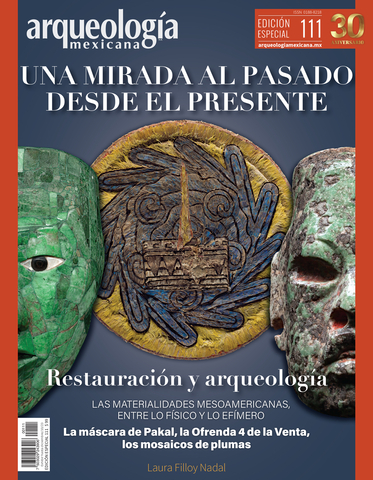
La máscara mortuoria de K’inich Jannab’ Pakal

La máscara mortuoria de K’inich Jannab’ Pakal

The funerary mask of K’inich Janaab’ Pakal

Filloy Nadal, L. (2023)

Journal Article · Source: Arqueología Mexicana · Volume: edición especial, Dedicado a: Una mirada al pasado desde el presente. Restauración y arqueología · Issue: No. 111, October · Pages: pp. 20–33 · Language: in Spanish

Abstract
To create Pakal’s mask, the artisans selected six shades of green stones. Each tone was used in a different area of the face to define an anatomical feature or an ornament, and even to draw the viewer’s attention toward the central part of the face. For example, three pieces of a light, intense green colour were used to represent the central jewel of a diadem, while several thinner emerald-coloured plaques were used for the ends of the diadem. The central area of the face was made with the greenest and most brilliant jade, also called “imperial jade,” while the hair was represented with a darker, mottled tone. It is evident that there is a kind of bilateral symmetry between the tesserae and that their forms are similar on both sides of the face, both in position and in shape or colour. The pieces fit together exactly because the tesserae have bevelled edges that were cut at 45 degrees; in addition, a wooden backing, which did not survive the passage of the centuries, and a lime paste as cement were used. During the restoration, we realised that there was a logical sequence for assembling the tesserae of the mosaic.
Keywords
gems, jade, jadeite, fei cui, Mesoamerica, Mexico, Guatemala, Costa Rica, Mayans, Olmecs, Aztecs, archaeology, history, archaeogemology
Des carrières au Nil: Halage des pierres et maillage territorial sur le plateau de Hatnoub (travaux préliminaires)

Des carrières au Nil: Halage des pierres et maillage territorial sur le plateau de Hatnoub (travaux préliminaires)

From quarries to the Nile: Hauling stones and territorial networks on the Hatnub plateau (preliminary work)

Gourdon, Y. (2022)

Conference Paper · Source: Networked Spaces: The spatiality of networks in the Red Sea and Western Indian Ocean. Proceedings of the Red Sea Conference IX · Publisher: Maison de l’Orient et de la Méditerranée · Pages: pp. 437–450 · Language: in French

Abstract
Located at the fringes of the Egyptian Eastern Desert, the quarries of Hatnub have remained famous, since the Pharaonic period, for the quality of their calcite alabaster and, since their discovery at the end of the 19th century, for their epigraphic richness. The work carried out in quarry P and its surroundings, since 2012, by the epigraphic and archaeological mission of Hatnub (Ifao, University of Liverpool), has allowed a better understanding of the functioning of this quarry and in particular the way in which the blocks were extracted from it. Preliminary studies were also carried out to understand how this quarry (and the others) was inserted on the Hatnub plateau, through a vast network of roads and installations essentially oriented towards the production and transport of alabaster and the administrative and logistical management of the quarries.
Keywords
gems, beryl, emerald, Egypt, Cleopatra, history of gemology, archaeology, archaeologemology
New data on the genetic linkage of beryll and chrisoberyl chromophors of the ural’s emerald mines with chromium-bearing spinels of the Bazhenov ophiolite complex

New data on the genetic linkage of beryll and chrisoberyl chromophors of the ural’s emerald mines with chromium-bearing spinels of the Bazhenov ophiolite complex

Popov, M.P., Sorokina, E.S., Kononkova, N.N., Nikolaev, A.G. and Karampelas, S. (2019)

Journal Article · Source: Доклады Академии наук [Reports of the Academy of Sciences] · Volume: Vol. 486 · Issue: No. 6 · Pages: pp. 699–703 · Language: in Russian

Abstract
The distribution of chromophores and the composition of the chromium-bearing spinels in Uralian emeralds and alexandrites were studied for the first time. It was proved the main source of chromium for the coloring of emeralds and alexandrites from the Mariinsky deposit was the chromium-bearing spinels of the Bazhenov ophiolite complex. The rare mineral zincochromite is described as an inclusion in the Uralian emeralds for the first time.
Keywords
gems, spinel, emerald, alexandrite, Malysheva, Mariinsky deposit, Ural’s emerald mines, geochemical features, optical spectroscopy, Bazhenov ophiolite complex, Russia, inclusions, beryl, chrysoberyl, chromophores, geology
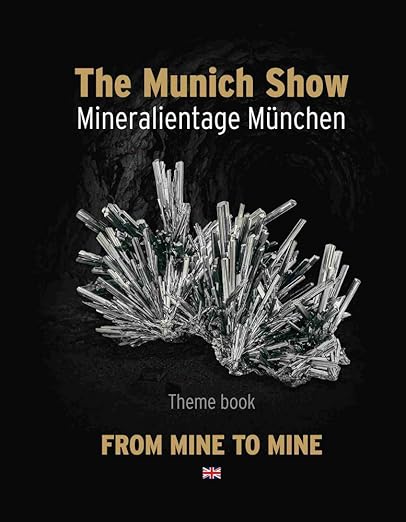
Theme Book: From Mine to Mine

Theme Book: From Mine to Mine

Munich Show (2018)

Edited Book · Publisher: Wachholtz Murmann · Pages: 216 pp.

Abstract
The theme book 2017 takes you on a journey to some of the most famous and extraordinary localities of these natural treasures, from antiquity until today. Did you know that as far back as the 14th century Central European merchants used a sophisticated communication system to find out early about yields and shipments of the Indian diamond mines? Or that the precious opals of the emperors and kings of the 17th century were mined not in Australia but in Opálbány, Hungary – and already on an industrial scale to boot? Would you have thought that an emerald from the Habach Valley in Austria adorns the English crown jewels? These and many other anecdotes are waiting for you in over 30 thrilling articles. They tell the stories of individuals on over 200 pages combining the history of the Earth, economy and world politics with the passion for minerals to weave a picture that will leave the viewer amazed.
Keywords
gems, opal, diamond, history of gemology, mineralogy, beryl, emerald, Habach, crown jewels, gem trade, Hungary
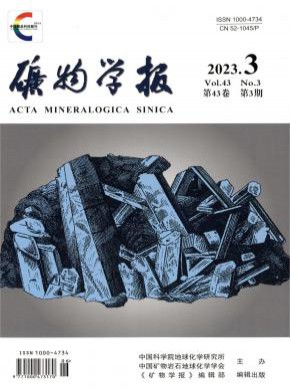
Mineralogical characteristics of emeralds in the Jieka rare metal deposit, Sichuan, China

Mineralogical characteristics of emeralds in the Jieka rare metal deposit, Sichuan, China

Dai, H., Wang, D., Liu, L., Yu, Y. and Dai, J. (2018)

Journal Article · Source: Acta Mineralogica Sinica · Volume: Vol. 38 · Issue: No. 2 · Pages: pp. 135–141 · Language: in Chinese with English abstract

Abstract
Emeralds were discovered for the first time in the Jiajika area of Sichuan Province, known as the largest hard rock-type rare metal mining region. Geological surveys, optical microscopy, and electron microprobe analyses revealed two forms of emerald occurrence: one as emerald-bearing coarse-grained beryl without independent grains, and the other as fine-grained beryl containing emerald. In vein No. A, the edges of coarse beryl showed significantly higher concentrations of Cr₂O₃ (0.40%–0.63%) and CaO (0.12%–0.41%) compared to the core, indicating typical emerald composition. The emeralds in Jiajika exhibited high but variable CrO and FeO contents, along with low V₂O₃ levels—features consistent with most emerald deposits. The chromophores Cr and Fe originated from Triassic Xikang Group sand shale, while major elements like Be, Si, and Al were sourced from intrusive acidic granite or pegmatite. Comparative analysis of emerald deposit types, along with the regional tectonic background, magmatism, and mineralogical traits, suggests the potential existence of a deep ore-forming fluid source in the Jiajika area, supporting the need for further deep exploration to guide mineral prospecting.
Keywords
gems, beryl, emerald, China, Sichuan, Jieka
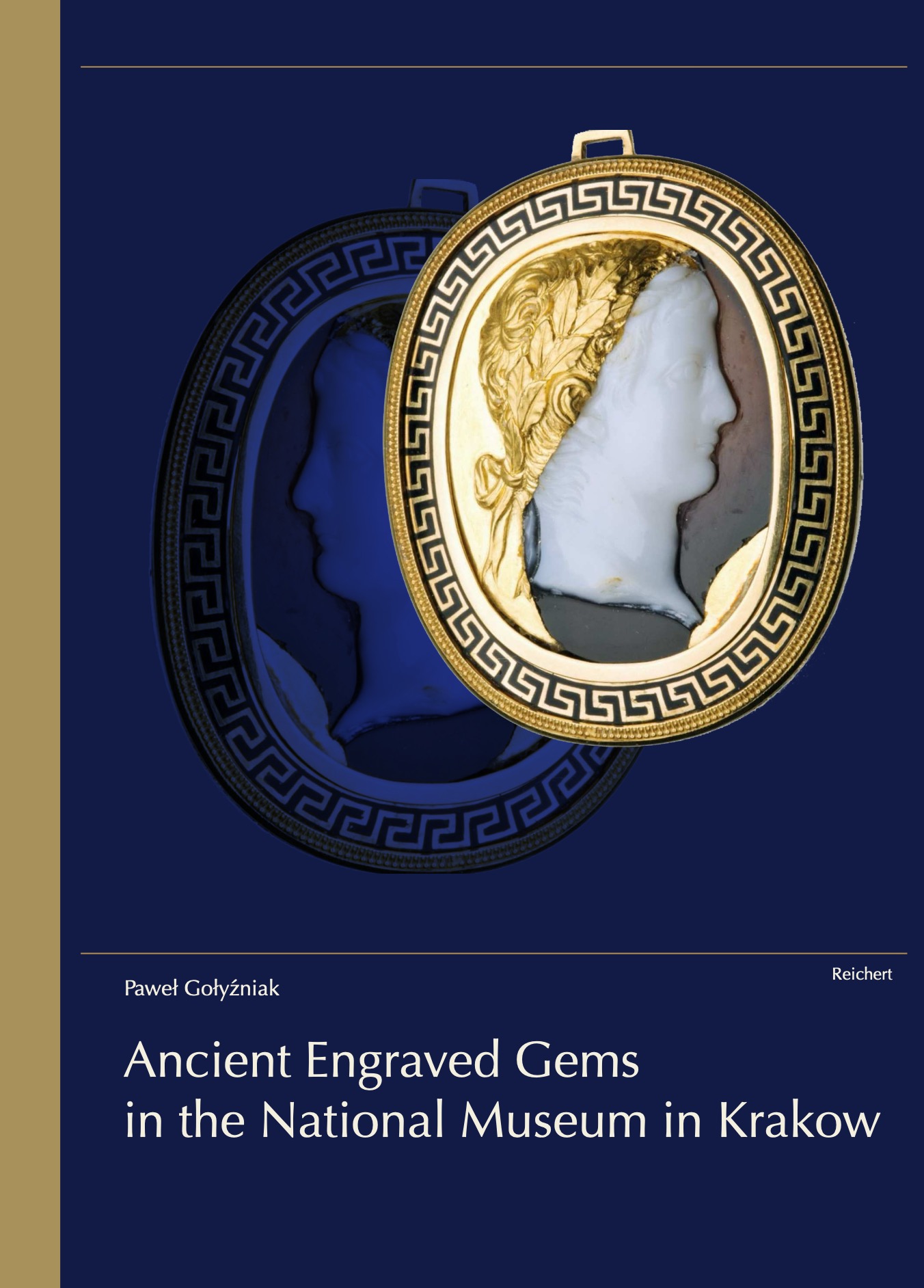
Ancient Engraved Gems in the National Museum in Krakow

Ancient Engraved Gems in the National Museum in Krakow

Gołyźniak, P. (2017)

Book · Publisher: Reichert · Pages: 318 pp.

Abstract
This book is a catalogue raisonee of a rich collection of ancient engraved gems housed in the National museum in Krakow. It offers a thorough insight into ancient glyptic art through the considerable range of almost 780 so far unpublished objects - cameos, intaglios, scarabs and finger rings of various styles, workmanship and cultural circles: Egyptian, Near Eastern, Minoan, Greek, Etruscan, Italic, Roman, Sassanian and early Christian, dated from the second millennium BC to the seventh century AD. Many pieces in this cabinet are notable not only for their top quality in terms of craftsmanship and design, but also for the materials used and engravings involving complex iconography illustrating religious beliefs, political allegiances, needs and desires that ancient people wished to be fulfill, fears, dangers and terrors from which they sought protection and even their daily occupations. The collection provides with a fascinating gallery of portrait studies presenting Hellenistic rulers and their queens, Roman emperors and members of their families as well as some private individuals. Some specimens are exceptional and unparalleled like the onyx cameo portraying Drusus Maior, likely executed by the hand of Eutyches, son of famous Dioscurides (cover) or a tiny but remarkably cut emerald cameo with a laureate portrait bust of Livia Drusilla as goddess Venus. Some objects have been preserved in their original settings (gold, silver, bronze, iron rings), which contributes to the study of ancient gems' chronology and indicate their users, while others have been later re-set into eighteenth- and nineteenth-century collectors' rings and sometimes more elaborated mounts. There are also pieces discoloured due to contact with considerable heat, which may suggest them to have been burnt with other personal objects on the funeral pyres and later deposited in burials. Noteworthy is the number of Greek and Latin inscriptions appearing on intaglios and cameos forming this cabinet. They span from owners' names to the subtle messages communicated between lovers and invocations to the God. Each gem is thoroughly analysed, described and exhaustively commented as to the device it bears, chronology and possible workshop attribution. A vast number of parallel objects is referenced too. This combined with provenance study presented in the first part of the book enabled to establish where a number of intaglios and cameos were manufactured, including almost 140 objects most likely to origin from the most important Roman workshop located in Aquileia. It ought to be singled out that many gems in this volume once constituted a part of distinguished collections formed by such personalities as Tobias von Biehler, Alessandro Gregorio Capponi, Auguste le Carpentier, Alessandro Castellani, Comte de Caylus, Count Nikolai Nikitich Demidoff, Baron Albert de Hirsch, Jean Francois Leturcq, Sibylle Mertens-Schaaffhausen, Dr. George Frederick Nott, Benedetto Pistrucci, James-Alexandre de Pourtales (Comte de Pourtales-Gorgier), Paul von Praun, Andrey Kirillovich Razumovsky, Jacques Meffre Rouzan, Philipp von Stosch, Antonio Maria Zanetti and many more. They seemed lost for more than 130 years, but now have been brought back and are accessible to everyone. Consequently, the volume presents three intriguing stories of collectors whose donations contributed to the Krakow assemblage. They not only provide the reader with a sort of background for the objects discussed further, but also illustrate nineteenth- and early twentieth-century collecting practices and the art market for engraved gemstones, contributing to our knowledge of the history of scholarship and collecting. In summary, this book is intended to be useful not only for scholars interested in gems, but also those who study the history of the art market and collecting as well as all the enthusiasts of Classical art and archaeology.
Keywords
gems, glyptic, engraved gems, agate, cameo, intaglio, Egyptian, Near Eastern, Minoan, Greek, Etruscan, Italic, Roman, Sassanian
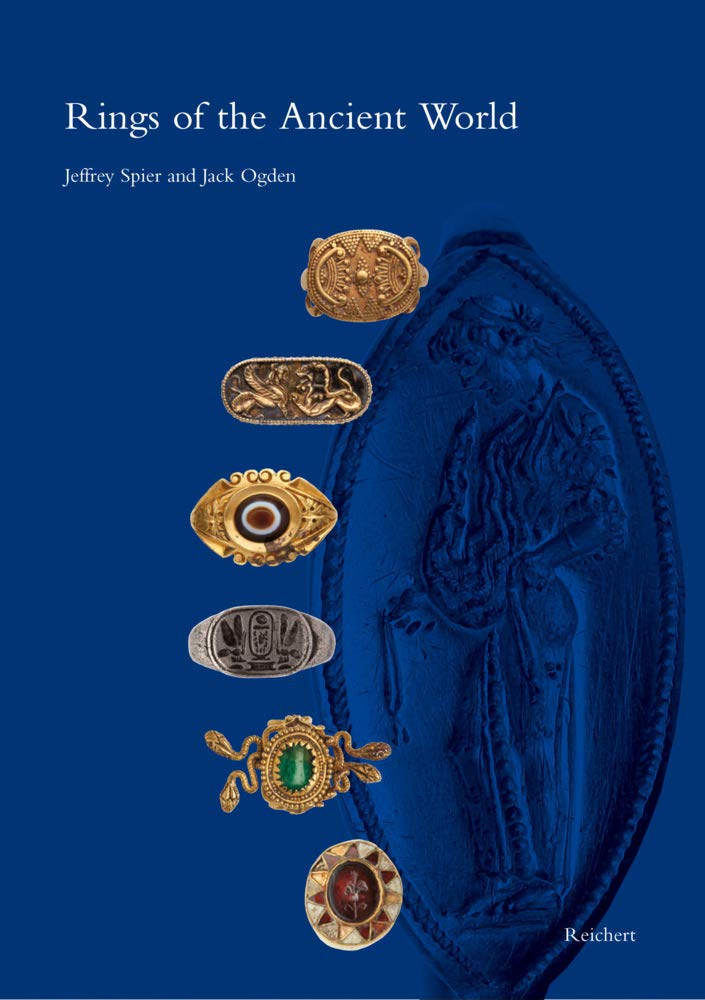
Rings of the Ancient World: Egyptian, Near Eastern, Greek, and Roman Rings from the Slava Yevdayev Collection

Rings of the Ancient World: Egyptian, Near Eastern, Greek, and Roman Rings from the Slava Yevdayev Collection

Spier, J. and Ogden, J.M. (2015)

Book · Publisher: Dr Ludwig Reichert Verlag · Pages: 152 pp.

Abstract
The Yevdayev Collection of ancient rings comprises 59 superb examples from Egypt, Phoenicia, Persia, Greece, Etruria, and Rome, dating from the second millennium BC to the fourth century AD. The rings are of many different shapes, most made of gold or silver and often set with gems, but some are carved from semiprecious stone, amber and shell. The collection begins with four Egyptian rings of the New Kingdom period of various types and materials, including an amethyst scarab set in a gold swivel-ring, a ring carved from cornelian with the cartouche of Pharaoh Thutmose III, and a silver ring with the name of Amenhotep II. These are followed by rare examples of a Hittite gold ring and a Persian ring carved from shell. There is a good selection of Phoenician rings dating from the seventh to fifth century BC, including rings in gold and stone scarabs set in rings. Other unusual rings include Persian examples of the Achaemenid and Sasanian period, a unique diamond ring that is likely Kushan, a Central Asian ring in Scythian style, and a gold ring with South Arabian inscription. Greek and Roman rings are particularly well represented. Classical Greek rings dating from the fifth and fourth centuries BC include examples in gold with engraved bezels, bezels decorated with filigree and granulation, and a rare ring with a swivel bezel decorated with figures in gold foil under glass. Hellenistic rings, dating from the third to first centuries BC are often set with large and fine gems, often engraved, and hoops carved in architectural style. There is also a Hellenistic ring carved from black glass and a fine example of a gold snake ring decorated with an emerald. The Roman rings date from the time of Augustus in the late 1st century BC to the fourth century AD. Many of the rings are gold set with finely engraved gems in amethyst, cornelian, green chalcedony, red jasper, and nicolo and include important portraits of Agrippina Senior in cameo and Septimius Severus in chalcedony. Other rings are set with rare gems, including an aquamarine and a diamond. There are also rings carved from other materials, including rock crystal and amber. The catalogue concludes with gold rings of the later empire (third-fourth century AD), typically with large, carved gold hoops and unengraved gems. The rings in the Yevdayev collection are notable not only for their exceptional design and craftsmanship, but for their rich imagery engraved on the rings and gems. The publication will appeal to both students of ancient art and history and to collectors and lovers of jewelry and fine art. The accompanying text places the rings in their historical and artistic context and provides valuable technical observations.
Keywords
gems, ancient jewelry, Greece, Greek, Roman, Egypt, Egyptian, glyptic, engraved gems, Persia, Phoenicia

Exploring the Literature of Emerald

Emerald literature spans gemology, mineralogy, deposits, identification, treatments, synthesis, history and the gem trade, with important sources covering deposits around the world.

For a curated guide to this subject, read Green Fire — Lotus Gemology's Guide to the Literature of Emerald.

About Four Treasures

Four Treasures is Lotus Gemology's freely accessible gemological reference database. Use the full database to search by author, title or keyword and explore literature on gemology, mineralogy, jewelry and related fields. Where available, hyperlinks on titles may lead directly to the full publication.

Search the Complete Four Treasures Database