Emerald Bibliography

Emerald Bibliography

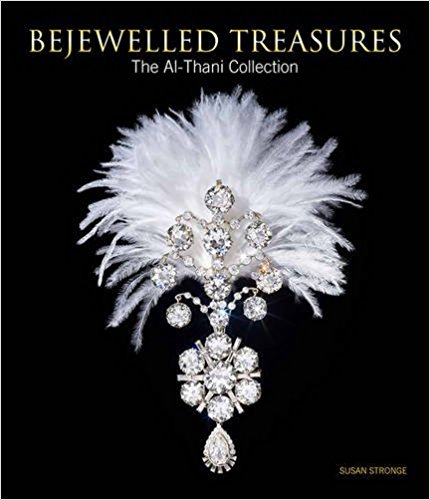
Explore books, articles and historical sources on emerald in Four Treasures, the Lotus Gemology reference database. This bibliography brings together matching records from the collection, with publication details, abstracts and cover images where available.

Emerald References

The list below matches the terms emerald or emeralds in the database's searchable fields. Some references discuss emeralds as part of a broader subject.

101–120 of 848 matching references
Investigating fake rough

Investigating fake rough

Choudhary, G. (2018)

Journal Article · Source: Gems & Jewellery · Volume: Vol. 27 · Issue: No. 2, Summer · Pages: pp. 26–29

Abstract
Gagan Choudhary FGA, deputy director of Gem Testing Laboratory Jaipur, describes various types of fake gem rough that has passed his desk in recent months, including mica rock presented as emerald rough, cubic zirconia and topaz fashioned as diamond octahedrons, and synthetic quartz mimicking aquamarine.
Keywords
gems, corundum, sapphire, synthetic corundum.7, beryl, emerald
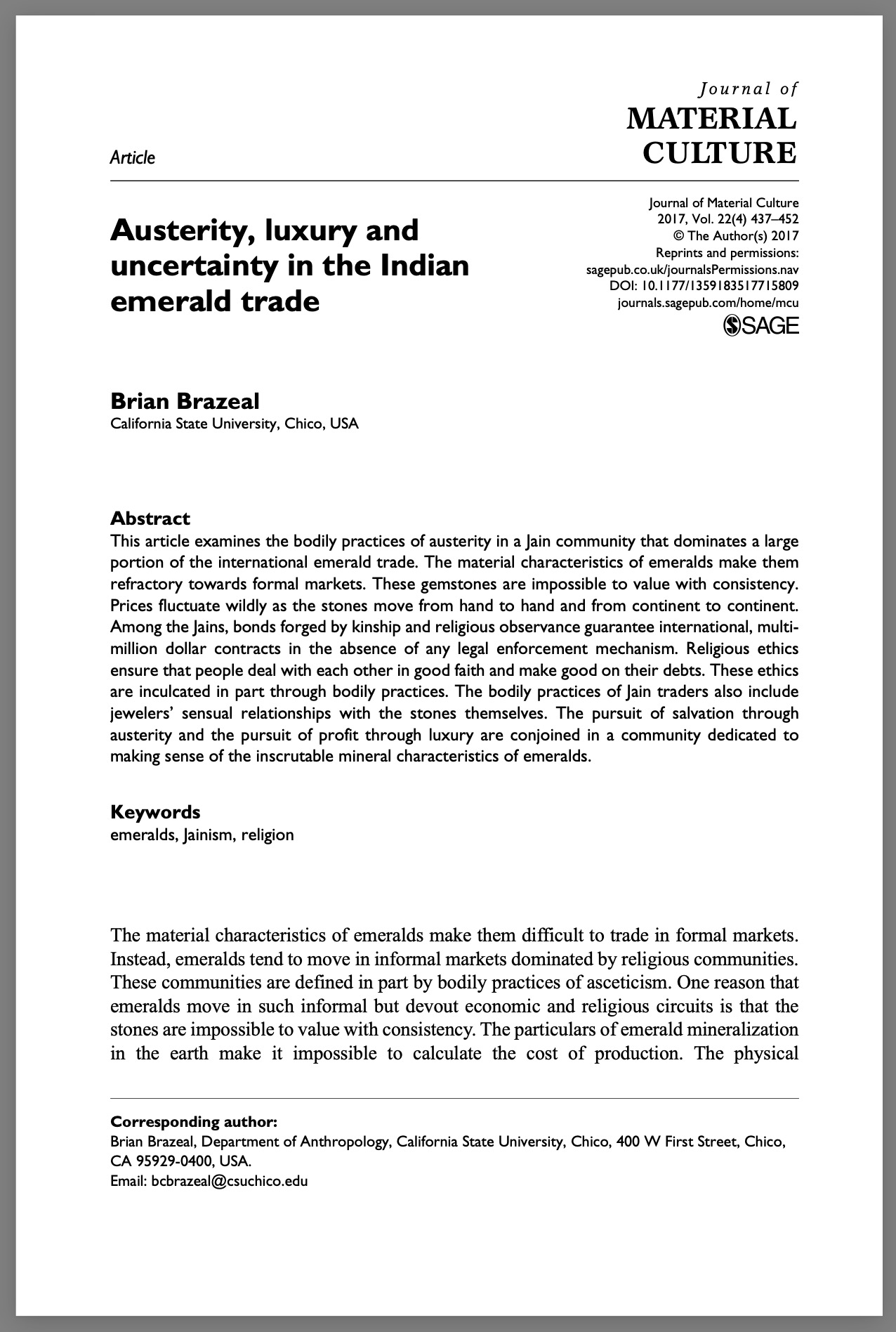
Austerity, luxury and uncertainty in the Indian emerald trade

Austerity, luxury and uncertainty in the Indian emerald trade

Brazeal, B. (2017)

Journal Article · Source: Journal of Material Culture · Volume: Vol. 22 · Issue: No. 4 · Pages: pp. 437–452

Abstract
This article examines the bodily practices of austerity in a Jain community that dominates a large portion of the international emerald trade. The material characteristics of emeralds make them refractory towards formal markets. These gemstones are impossible to value with consistency. Prices fluctuate wildly as the stones move from hand to hand and from continent to continent. Among the Jains, bonds forged by kinship and religious observance guarantee international, multi-million dollar contracts in the absence of any legal enforcement mechanism. Religious ethics ensure that people deal with each other in good faith and make good on their debts. These ethics are inculcated in part through bodily practices. The bodily practices of Jain traders also include jewelers’ sensual relationships with the stones themselves. The pursuit of salvation through austerity and the pursuit of profit through luxury are conjoined in a community dedicated to making sense of the inscrutable mineral characteristics of emeralds.
Keywords
gems, beryl, emerald, emerald trade, India, Jaipur, Jain, religion, politics
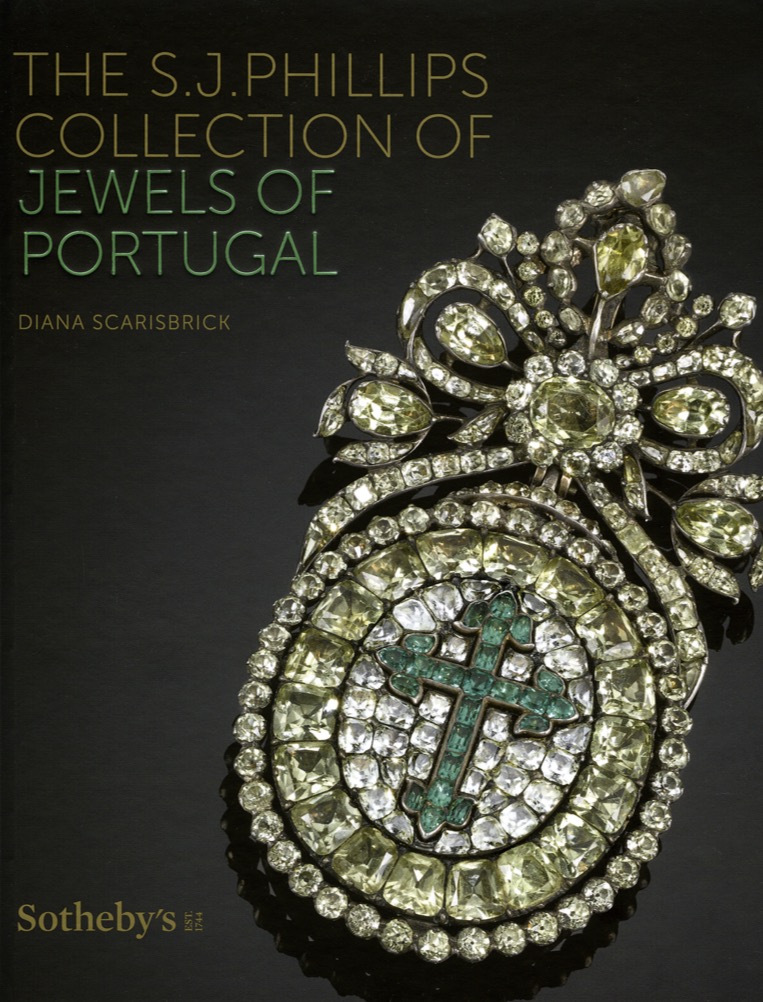
The S.J. Phillips Collection of Jewels of Portugal

The S.J. Phillips Collection of Jewels of Portugal

Scarisbrick, D. (2017)

Book · Publisher: Sotheby’s

Abstract
Joao Távora Magalhães, Sotheby’s: The story of this book—and of the exhibition that first accompanied it in Lisbon—began with a chance visit to S.J. Phillips on New Bond Street in October 2016. Drawn in by an intriguing Instagram post, I stepped into this legendary gallery hoping to see some fine jewels. What I found, quietly displayed in the back room, was a remarkable group of pieces whose color and energy were both astonishing and deeply familiar to my Portuguese eyes. In that moment, I knew this extraordinary collection had to be brought to Lisbon for public display. A quick conversation with Francis, Jonathan, and Nicolas Norton, the partners at S.J. Phillips, and a visit from our ever-supportive Chairman of Sotheby’s Asia, Patti Wong, set everything in motion. Portugal, in the context of European arts, has made an indelible mark by absorbing global influences from the many territories with which it has long been associated, creating a distinctively national style that found its finest expression in the Decorative Arts. The S.J. Phillips Collection of Portuguese jewels—centered on 18th-century masterpieces—perfectly embodies a moment of immense richness in Portuguese art, when Lisbon was receiving vast quantities of gold, diamonds, and minerals from Brazil. There, these treasures merged with the latest European artistic trends under the patronage of the great King Dom João V. Diana Scarisbrick, the foremost authority on historic jewelry, not only documents this pivotal period but also traces the development of this sophisticated art form in its entirety. Through her words and insights, we hope to bring greater international recognition to Portuguese jewels. Sotheby’s and S.J. Phillips have been neighbors on Bond Street—the heart of the art and antiques world—for a century, enjoying a warm, fruitful, and always mutually enriching relationship. It is a deep pleasure to mark this centennial friendship with this book. On a personal note, I offer my heartfelt thanks and admiration to Francis, Jonathan, and Nicolas Norton for assembling this exquisite collection and for allowing Sotheby’s and me to share in its story.
Keywords
gems, jewelry, diamond, history of jewelry, emerald, pearl, ruby, topaz, imperial topaz, Brazil, amethyst, glyptic
Gem News International: A new discovery of emeralds from Ethiopia

Gem News International: A new discovery of emeralds from Ethiopia

Renfro, N., Sun, Z., Nemeth, M., Vertriest, W., Raynaud, V. and Weeramonkhonlert, V. (2017)

Journal Article · Source: Gems & Gemology · Volume: Vol. 53 · Issue: No. 1, Spring · Pages: pp. 114–116

Abstract
In recent years Ethiopia has gained considerable attention in the gem trade for large amounts of high-quality opal from an area near Wegel Tena (B. Rondeau et al., 2010, “Play-of-color opal from Wegel Tena, Wollo Province, Ethiopia,” Summer 2010 G&G, pp. 90–105). Apart from opal, emeralds have been sporadically mined, near Dubuluk, for more than a decade. This deposit is located about 80 km from the Kenyan border. Gemfields has been exploring this deposit since July 2015 (Fall 2012 GNI, pp. 219–220).
Keywords
gems, beryl, emerald, Ethiopia
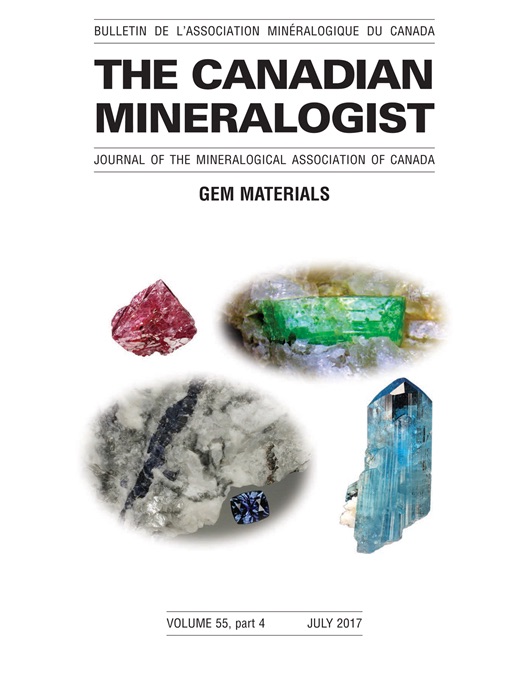
Why are some crystals gem quality? Crystal growth considerations on the “gem factor”

Why are some crystals gem quality? Crystal growth considerations on the “gem factor”

Fritsch, E., Rondeau, B., Devouard, B., Pinsault, L. and Latouche, C. (2017)

Journal Article · Source: Canadian Mineralogist · Volume: Vol. 55 · Pages: pp. 521–533

Abstract
The purpose of this work is to investigate the crystal growth parameters necessary or sufficient to obtain a crystal specifically of gem quality. We assume adequate chemistry is available. First, nucleation must occur with only a limited number of nuclei, otherwise too many crystals will be produced, and they will be too small to be faceted into a gem. Two growth mechanisms are readily documented for gems: Most commonly there is slow growth, driven by a spiral growth mechanism, leading to large single individuals. There are only a few examples of fast growth leading to gem-quality edifices: examples include ‘‘gota de aceite’’ Colombian emerald or the dendritic ‘‘pseudo cube’’ for gem diamonds. We have not documented the intermediate conditions between these two extremes in the Sunagawa diagram, which would correspond to 2D nucleation growth. The presence of inclusions is to be limited to desirable ones. Thus, in general, a good stability of the growth interface is the best guarantee of good clarity in the final gem. As for the interface, in general, growth conditions must be relatively stable over the period necessary to achieve growth. Perhaps surprisingly, it has become well documented that gem-quality near-colorless diamonds may have experienced quite a complex growth history. Therefore, the term stability has to be re-defined for each system producing a given gem. The length of time it takes to achieve crystallization of the gem has rarely been studied or estimated. Scientific evidence from experimental petrology and the growth of synthetic gems indicates that it does not take millions of years to grow a gem, but that this exercise may be achieved in a week to, arguably, a few years at the most. Available free space to grow does not appear always necessary, but it helps. Otherwise deformation, inclusions, and other negative effects may occur. Finally, no dramatic post-growth events, such as fracturing or etching, should affect the gem crystal.
Keywords
corundum, chemistry.2, gems
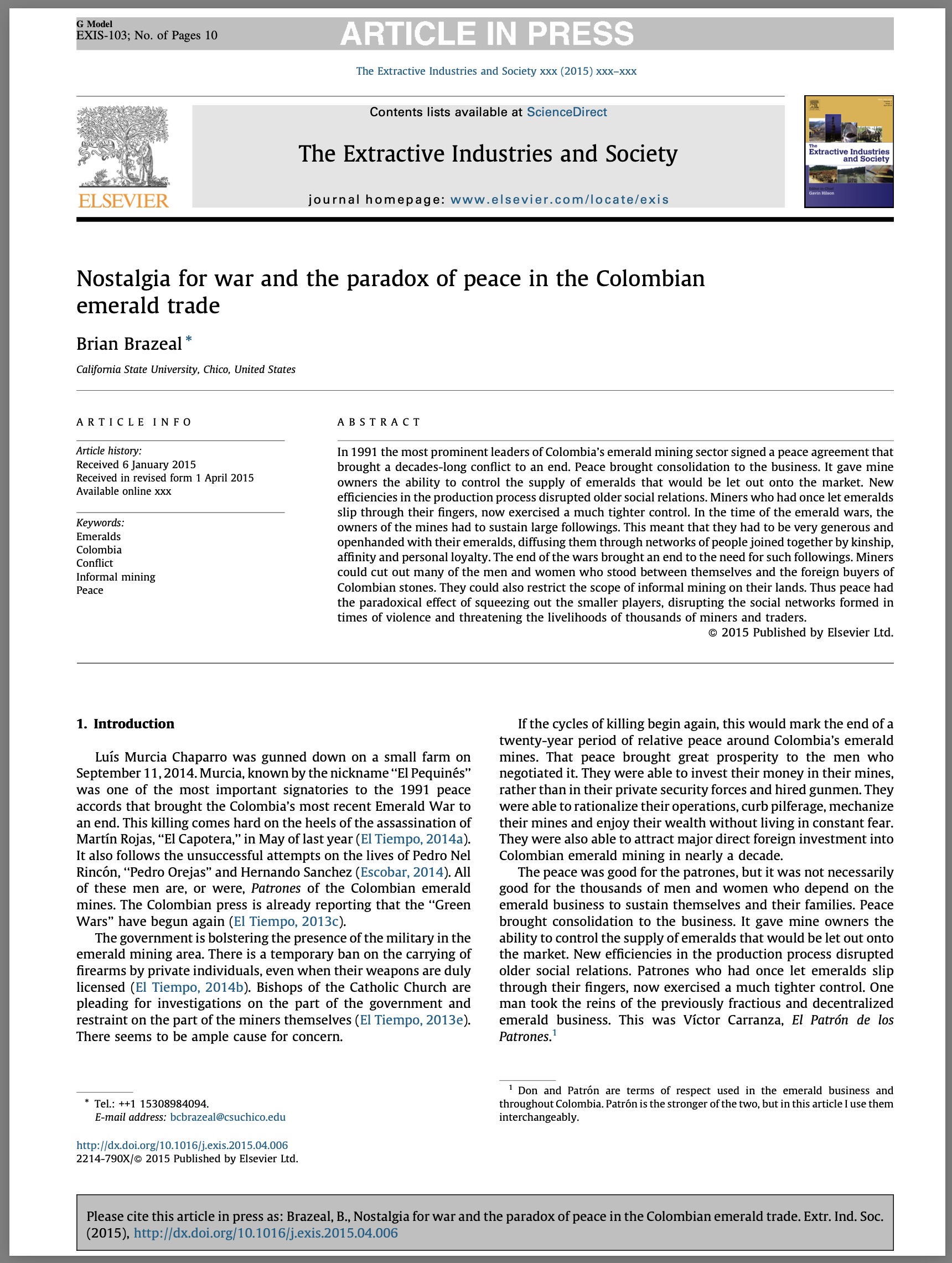
Nostalgia for war and the paradox of peace in the Colombian emerald trade

Nostalgia for war and the paradox of peace in the Colombian emerald trade

Brazeal, B. (2016)

Journal Article · Source: The Extractive Industries and Society · Volume: Vol. 3 · Issue: No. 2 · Pages: pp. 340–349

Abstract
In 1991 the most prominent leaders of Colombia's emerald mining sector signed a peace agreement that brought a decades-long conflict to an end. Peace brought consolidation to the business. It gave mine owners the ability to control the supply of emeralds that would be let out onto the market. New efficiencies in the production process disrupted older social relations. Miners who had once let emeralds slip through their fingers, now exercised a much tighter control. In the time of the emerald wars, the owners of the mines had to sustain large followings. This meant that they had to be very generous and openhanded with their emeralds, diffusing them through networks of people joined together by kinship, affinity and personal loyalty. The end of the wars brought an end to the need for such followings. Miners could cut out many of the men and women who stood between themselves and the foreign buyers of Colombian stones. They could also restrict the scope of informal mining on their lands. Thus peace had the paradoxical effect of squeezing out the smaller players, disrupting the social networks formed in times of violence and threatening the livelihoods of thousands of miners and traders.
Keywords
gems, beryl, emerald, Colombia, emerald trade, politics, emerald mining
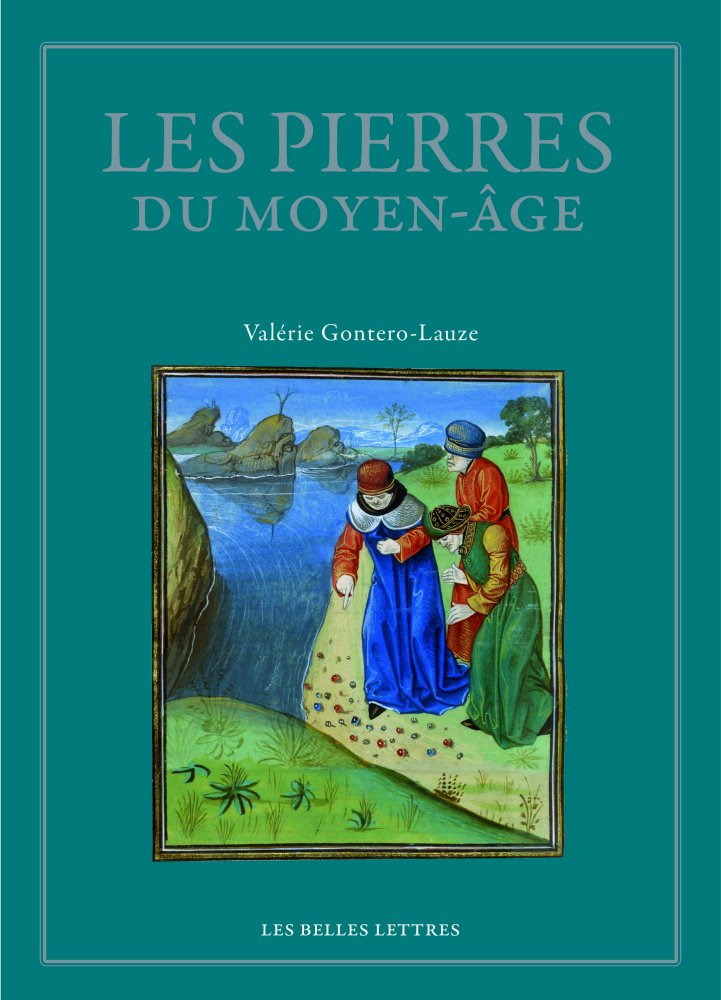
Les Pierres du Moyen Âge | Anthologie des lapidaires médiévaux

Les Pierres du Moyen Âge | Anthologie des lapidaires médiévaux

Gontero-Lauze, V. (2016)

Book · Publisher: Belles Lettres · Pages: 226 pp.

Abstract
The Middle Ages believed in the powers of precious stones: their medicinal and magical virtues were recorded in encyclopedic treatises known as lapidaries. This knowledge, inherited from Antiquity, endured for centuries: diamond grants invincibility; sapphire frees prisoners; emerald heals vision problems; amethyst protects against drunkenness; hematite stops bleeding, and so on. The powers attributed to stones operate by analogy—a mode of thinking that prevailed throughout the medieval period. This anthology of medieval lapidaries offers, for the first time, a bilingual edition of these long-dismissed and still largely unknown texts, with a selection of excerpts in Old and Middle French accompanied by their translation.
Keywords
gems, early lapidaries, Albertus Magnus, French lapidaries, magical properties, medicine
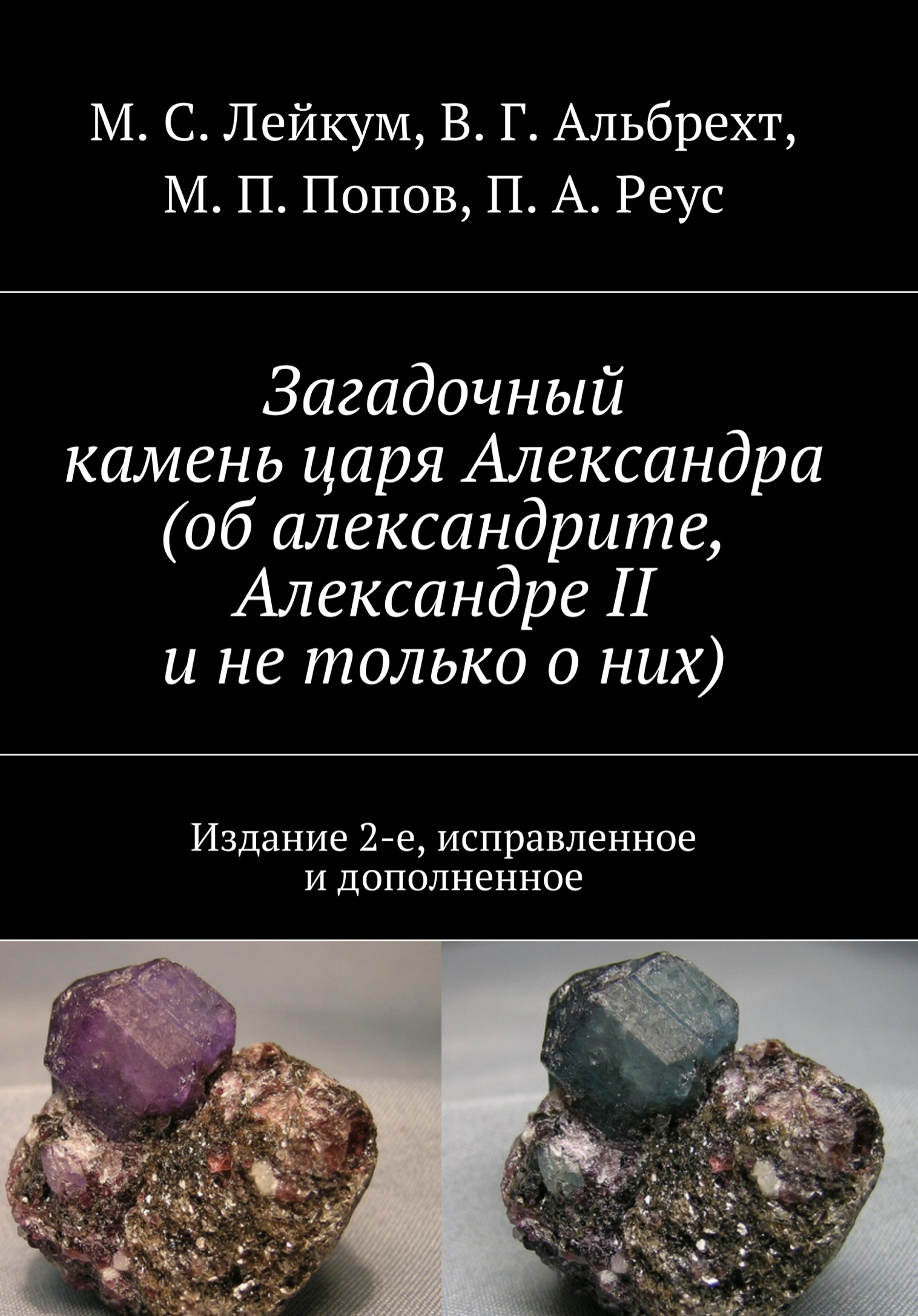
Мysterious Stone of Tsar Alexander (On Alexandrite, Alexander II, and More)

Мysterious Stone of Tsar Alexander (On Alexandrite, Alexander II, and More)

Загадочный камень царя Александра (об александрите, Александре II и не только о них

Leikum, M.S., Albrecht, V.G., Popov, M.P. and Reus, P.A. (2016)

Book · Publisher: Publishing Solutions · Pages: 376 pp. · Language: in Russian

Abstract
This book, a popular science publication about the most Russian and rarest precious stone—alexandrite—explores its properties, the history of its discovery, and the myths and legends surrounding it. It provides information on the history of a unique natural site—the Emerald Mines of the Urals. In connection with the legends about this gemstone, facts from the biography of Emperor Alexander II, after whom it was named, are also presented. For a wide audience of gem enthusiasts, mineralogists, gemologists, and jewelers.
Keywords
gems, chrysoberyl, alexandrite, beryl, emerald, Russia, Ural Mountains, Malysheva
El chalchíhuitl en la literatura náhuatl

El chalchíhuitl en la literatura náhuatl

Chalchíhuitl in Nahuatl literature

León-Portilla, M. (2015)

Journal Article · Source: Arqueología Mexicana · Volume: Vol. 23 · Issue: No. 133, May–June · Pages: pp. 74–78 · Language: in Spanish

Abstract
Stones or gems considered highly valuable, chalchihuitl and xihuitl (jades and emeralds), appear many times in the codices as metaphors for that which is beautiful and precious. In Nahua songs and poems, the chalchihuitl, a precious reality, is identified with the heart and even with the human person. Reference to the transience and passing of rulers and of all that exists is reiterated again and again through the metaphor of jade.
Keywords
gems, jade, jadeite, fei cui, Mesoamerica, Mexico, Guatemala, Costa Rica, Mayans, Olmecs, Aztecs, archaeology, history,
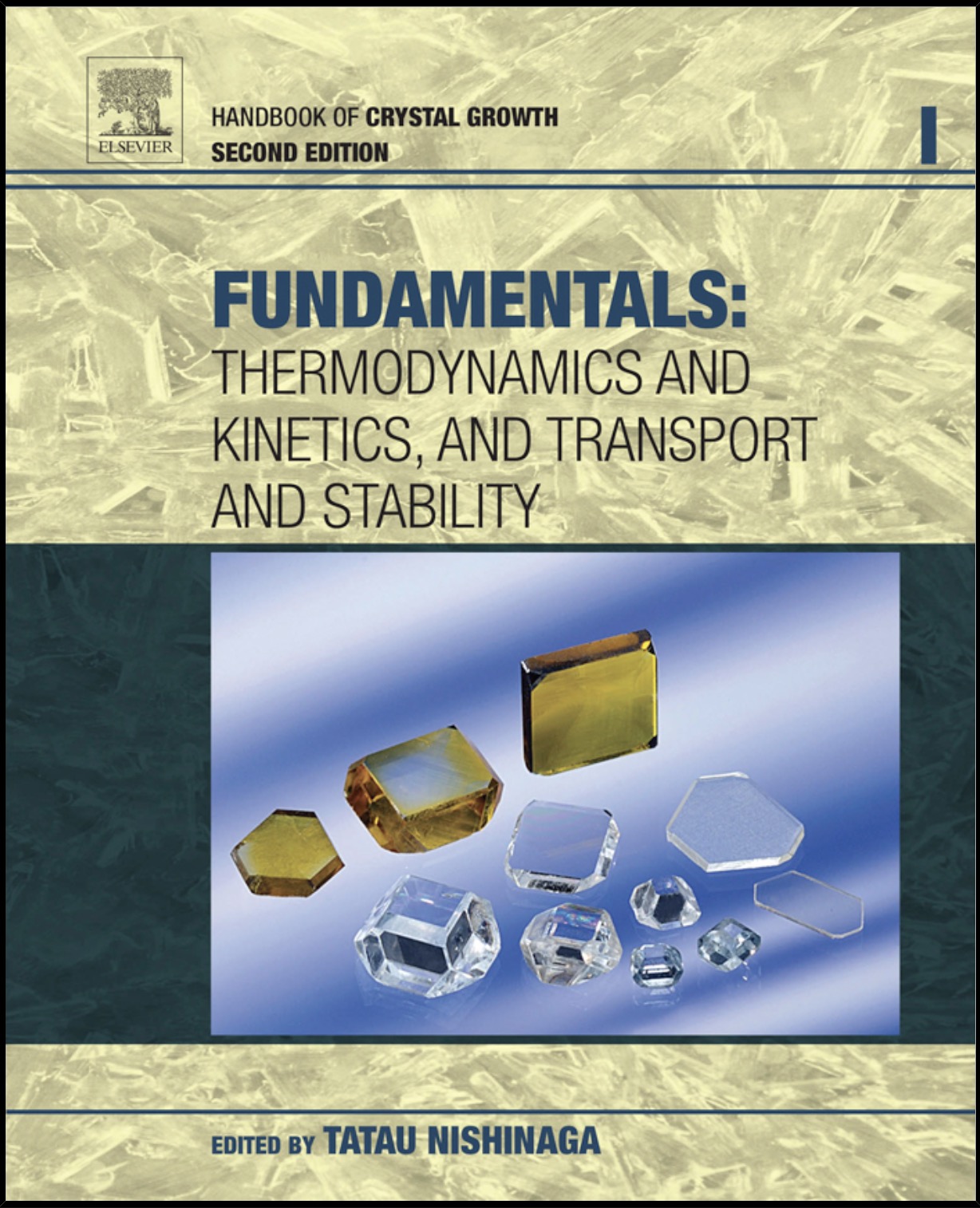
Crystal growth through the ages: A historical perspective

Crystal growth through the ages: A historical perspective

Feigelson, R.S. (2015)

Book Section · Source: Handbook of Crystal Growth · Volume: Vol. 1 | Fundamentals: Thermodynamics and Kinetics, and Transport and Stability · Pages: pp. 1–83

Abstract
The field of crystal growth has a long and distinguished history. Much of today's advanced technologies and scientific knowledge is due to the availability of high-quality single crystals. These crystals (both in bulk and thin film form) can be made from a variety of different chemical compositions (elements to complex compounds) and are application driven. To produce a crystal for a particular application (composition, size, uniformity, etc.), the crystal grower relies on knowledge from various fields such as chemistry, physics, crystallography and mathematics. This historical introduction records the evolution of the field, both with respect to the basic knowledge that has been developed to elucidate the mechanisms involved in the crystallization process, as well as the development of a variety of novel techniques for the preparation of these crystals.
Keywords
gems, corundum, synthetic corundum.7, synthetic quartz, synthetic opal, synthetic emerald, synthetic diamond, synthetic gems
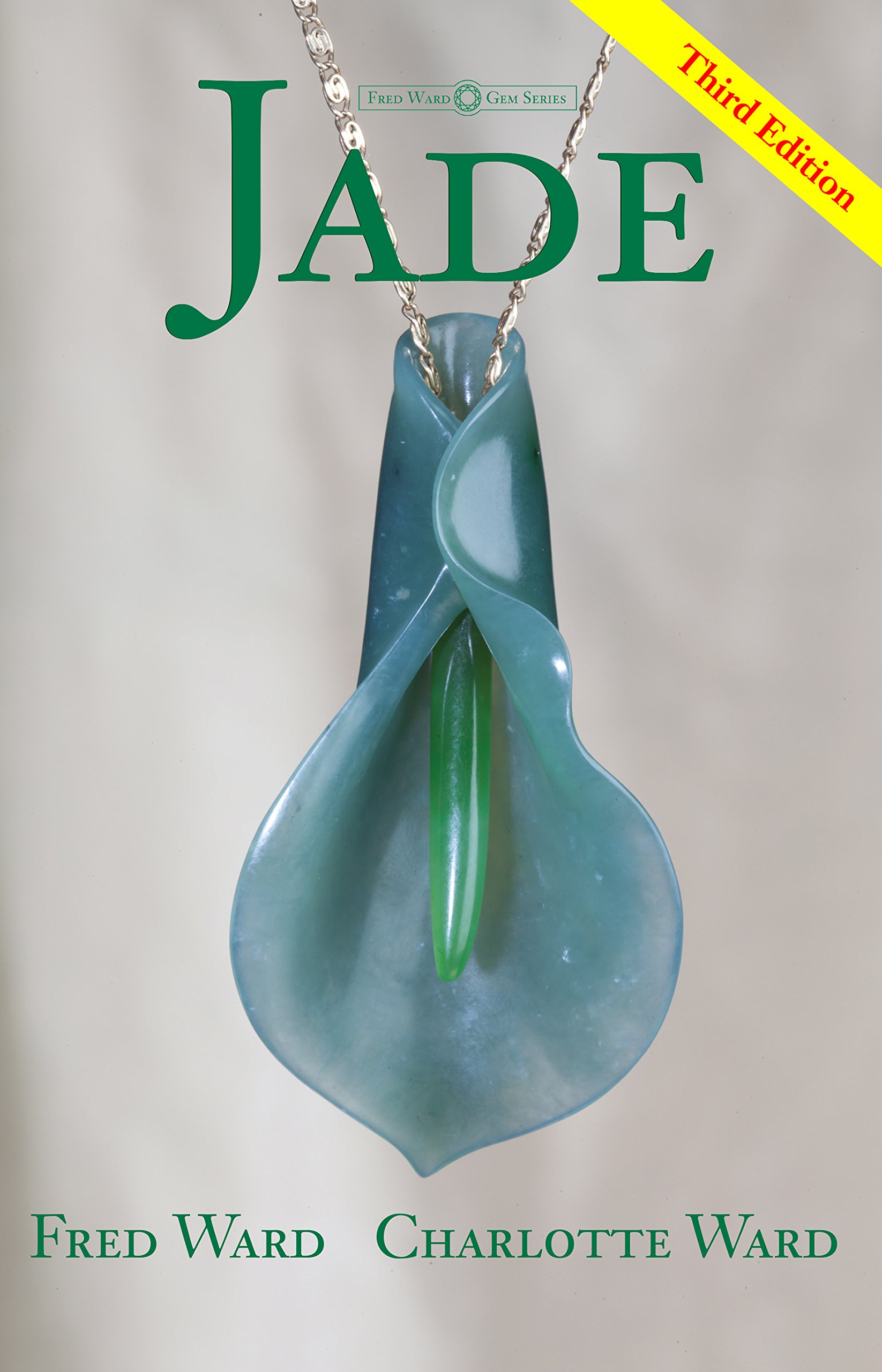
Jade

Jade

Ward, F. and Ward, C. (2015)

Book · Source: Fred Ward Gem Series · Publisher: Gem Book Publishers · Pages: 64 pp.

Abstract
Jade is the eighth in a series of gem books written and photographed by Fred Ward and Charlotte Ward, who updated this edition. Each book Rubies and Sapphires, Emeralds, Diamonds, Opals, Pearls, Gem Care, and Phenomenal Gems is part of a continuing global search into the history, geology, lore, and sources of these priceless treasures. Mr. Ward personally visited the sites and artifacts displayed here to provide authentic and timely information. His original articles on all those topics, except opals and gem phenomena, first appeared in National Geographic Magazine. Glamour, intrigue, romance, the quest for treasure those are all vital aspects of humankind s eternal search and love for gemstones. As long as people have roamed the world, they have placed extraordinary value on our gifts from the land and sea. The Wards capture the gem world in captivating, expert detail with an emphasis on the international contemporary scene.
Keywords
gems, agate
Colombian trapiche emeralds: Recent advances in understanding their formation

Colombian trapiche emeralds: Recent advances in understanding their formation

Pignatelli, I., Giuliani, G., Ohnenstetter, D., Agrosì, G., Mathieu, S., Morlot, C. and Branquet, Y. (2015)

Journal Article · Source: Gems & Gemology · Volume: Vol. 51 · Issue: No. 3, Fall · Pages: pp. 222–259

Abstract
Colombia is the traditional source of the world’s finest emeralds, including the famed trapiche crystals, with their distinctive texture resembling a wheel with six spokes. This gemological curiosity, found exclusively in the black shales of the country’s western emerald zone, is linked to the peculiar structural geology of the deposits. The study presents a review and update on Colombian trapiche emeralds, followed by a three-dimensional examination of the crystals combined with spectroscopic and chemical analyses. The proposed formation model incorporates the structural geology of the deposits with the formation of trapiche and non-trapiche emeralds. The fluid accumulation at the faults’ tip in the black shales leads to maximum fluid overpressure and sudden decompression and formation of the emeraldbearing vein system. The authors show that trapiche emerald growth starts at the beginning of the decompression that is responsible for local supersaturation of the fluid. The hydrothermal fluid comes in contact with the black shale matrix, favoring the formation of emerald seed crystals. During the growth of these seeds, textural sector zoning occurs, sometimes associated with chemical sector zoning, along with displacement of the matrix. Displacement growth occurs because the emeralds continue their growth, pushing the matrix material away from the growing faces. An overgrowth, generally of gem quality, can form after decompression, surrounding the core, the arms, and the dendrites, restoring the emeralds’ euhedral habit.
Keywords
gems, beryl, emerald, Colombia, trapiche beryl, emerald, Muzo, Coscuez, Peñas Blancas
Emerald deposits around the world, their similarities and differences

Emerald deposits around the world, their similarities and differences

Giuliani, G., Branquet, Y., Fallick, A.E., Groat, L. and Marshall, D. (2015)

Journal Article · Source: InColor · Issue: December · Pages: pp. 56–69

Abstract
The French chemist N.L. Vauquelin (1763–1829) discovered chromium (Cr) in crocoite (PbCrO₄) from Beresov, Russia, and beryllium (Be) in emerald from Colombia more than 200 years ago. He determined the correct chemical composition of emerald and demonstrated that the difference between beryl and emerald was due to the presence of the coloring agent chromium. Today, emerald is defined by Schwarz and Schmetzer (2002) as “yellowish green, green or bluish green beryl—natural or synthetic—which reveals distinct Cr and/or vanadium (V) absorption bands in the red and blue-violet ranges of its absorption spectra.” Emerald is one of the most valuable gemstones. It is much rarer than diamond and can command a value thousands of times greater than gold. In the colored gemstone market, color is more important than clarity or brilliance in determining the value of an emerald. The green color of emerald arises from the unique geological conditions of its formation in contrasting environments. This article reviews, using state-of-the-art data, the crystal chemistry and formation of emerald, highlighting its paradoxes, as well as the geology of economically significant emerald deposits worldwide, comparing their origins, similarities, and differences.
Keywords
gems, beryl, emerald, Afghanistan, Brazil, Colombia, Zambia, Madagascar, China, Pakistan, Zimbabwe, inclusions
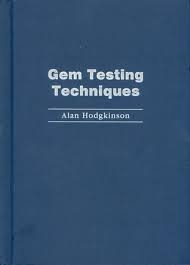
Gem Testing Techniques

Gem Testing Techniques

Hodgkinson, A. (2015)

Book · Publisher: Valerie Hodgkinson · Pages: 541 pp.

Abstract
From Nathan Renfro (GIA): Although several books on gem testing have been previously published, this particularly comprehensive volume by renowned gemmologist Alan Hodgkinson will certainly be a welcome addition to members of the field. This book is geared towards a general audience from beginners to career gemmologists. It is saturated with information, yet isn’t so technical to be impractical. The numerous chapters are organised in broad categories relating to particular physical properties. From acid testing of gem materials to the correct application of ultraviolet light, there is little that Hodgkinson does not cover. This book is well written with great detail. In its 552 pages, the reader will be pleased to find numerous images and diagrams that, while not generally glamorous, are very adequate for aiding the reader in understanding the concepts discussed. Scattered throughout the volume are a number of tips and tricks that the practicing gemmologist may find useful as a way to gain information while testing an unknown gem, such as using top lighting to observe pleochroism with a refractometer. Many of the methods require readily available and inexpensive materials, which many gemmologists will appreciate; the use of “visual optics” to measure refractive indices with an elongate paper as an indexed scale is one example. The book is clad in a plain blue hard cover, with silver lettering on the front cover and spine. A ribbon is included for marking one’s place as the reader navigates the pages. The overall quality of the paper, printing and binding appear to be very good. Overall, this book serves as a great reference for gemmologists. The decades of experience by the author are apparent when reading through this book. Surely this will be a highly sought-after publication from which hobbyists and professional gemmologists alike can benefit.
Keywords
gems, gem testing, gemology, jade, jadeite, fei cui, nephrite, ruby, sapphire, beryl, emerald, visual optics
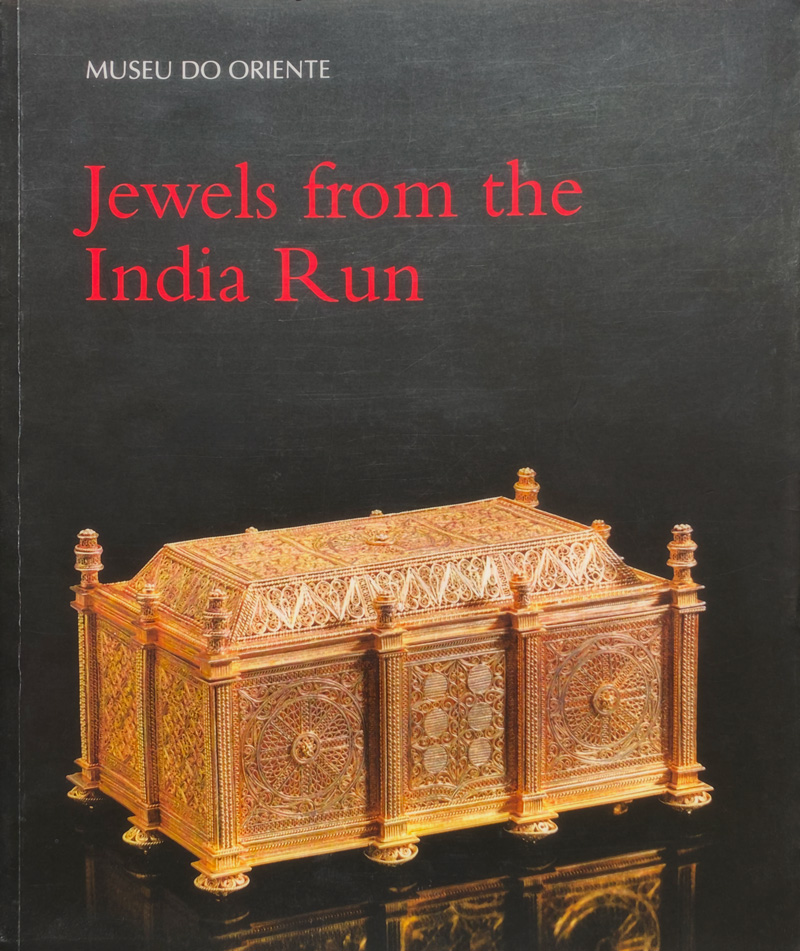
Jewels from the India Run

Jewels from the India Run

Crespo, H.M. (2015)

Book · Publisher: Fundação Oriente · Pages: 199 pp.

Abstract
Crespo examines the jewelry and precious objects that circulated between India and Portugal during the sixteenth and seventeenth centuries through the maritime network of the Portuguese Estado da Índia. Drawing upon surviving jewels, documentary records, inventories, paintings, and other contemporary sources, he explores how Indian gemstones, materials, techniques, and designs entered European collections and influenced Portuguese jewelry. Particular attention is given to diamonds, rubies, sapphires, emeralds, pearls, and other precious materials carried along the India Run (Carreira da Índia), as well as to objects produced by Indian and Indo-Portuguese craftsmen. The study demonstrates that this exchange was not simply the importation of Asian gems into Europe but a complex interaction of Portuguese and Indian tastes, technologies, and traditions. Jewels served as personal ornaments, diplomatic gifts, devotional objects, indicators of social status, and portable stores of wealth. Richly illustrated with surviving objects and comparative material, the volume provides an important study of the gemstone trade and the cross-cultural development of jewelry during the period of early Portuguese expansion in Asia.
Keywords
corundum, history.1, quality.10, gems, gold, spinel, pearls, turquoise, rhino horn, amber, Indian lapidary
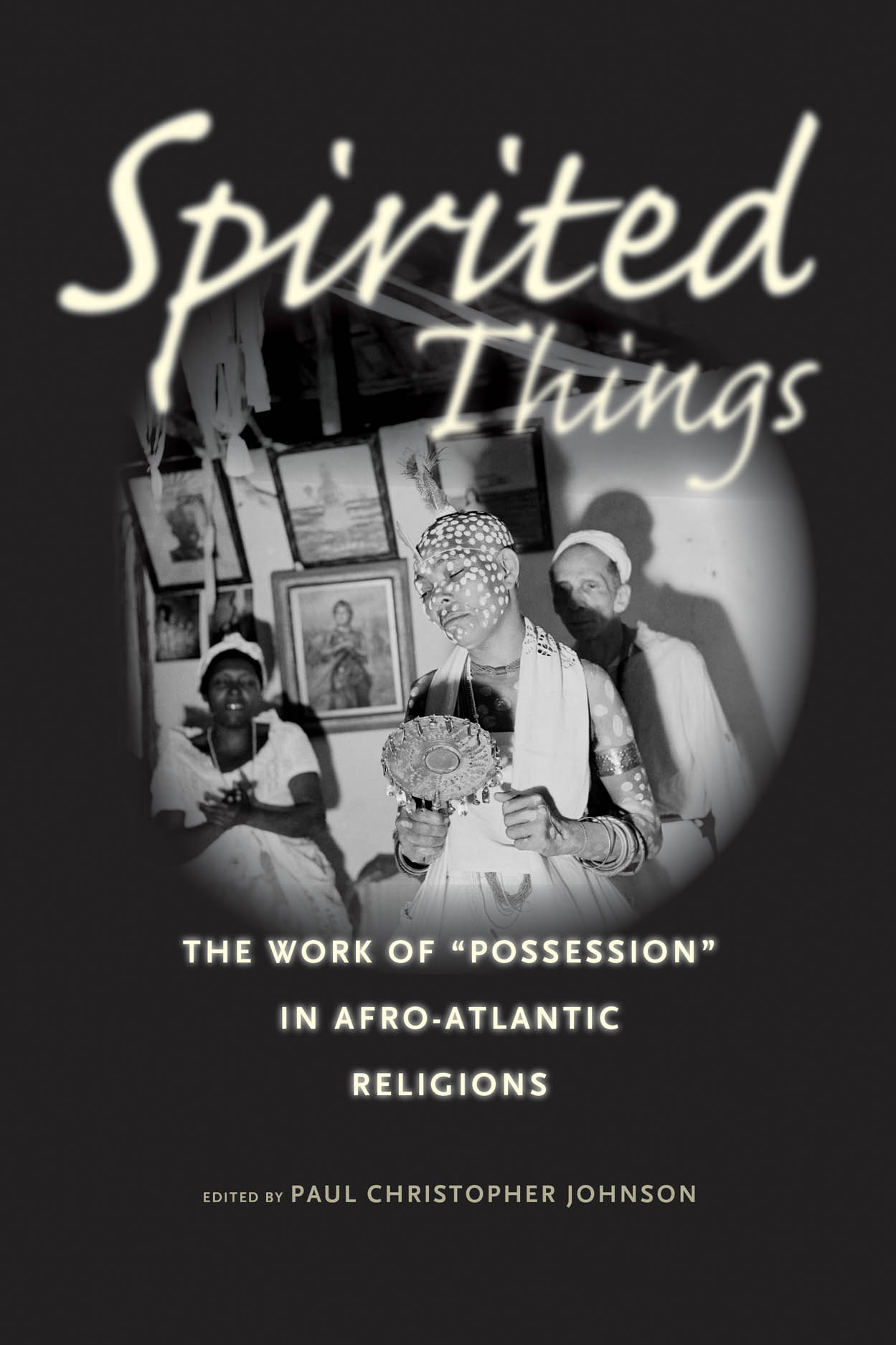
The fetish and the stone: A moral economy of charlatans and thieves

The fetish and the stone: A moral economy of charlatans and thieves

Brazeal, B. (2014)

Book Section · Source: Spirited Things: The Work of Possession in Black Atlantic Religions · Publisher: University of Chicago Press · Pages: pp. 131–154

Abstract
Emeralds are like possessing spirits—beautiful but dangerous. Like the espíritos obsessores of Kardecian mysticism, they can overtake the lives of well-meaning devotees and lead them toward perdition. Like Macumba, emeralds may bring comfort and solace, but they can also become a vice and an addiction. Like the exús of Candomblé, they promise wealth to those who know how to handle them, though the profits are fraught with peril. Dealers in emeralds, much like purveyors of spiritual power, are not always to be trusted, and the presence of charlatans and sharp operators only heightens the mystique surrounding the reputedly authentic priestess and the pedra extra, the fine stone hidden in mica schist that promises a life of leisure to its discoverer. This volume seeks to excavate the relations between spirit possession and material possessions. Paul Johnson employs an ethnographic lens on the history of European philosophy to show how “savage” ideas of things possessing men provided a foil for modern notions of men as possessors of things. This chapter examines how perspectives drawn from Afro-Brazilian spirit possession religions can illuminate the largely irreligious emerald trade in the Bahian backlands.
Keywords
gems, beryl, emerald, lore, history, healing gems, anthropology, Colombia, Brazil
The history of emerald mining in Colombia: An examination of Spanish-language sources

The history of emerald mining in Colombia: An examination of Spanish-language sources

Brazeal, B. (2014)

Journal Article · Source: The Extractive Industries and Society · Volume: Vol. 1 · Pages: pp. 273–283

Abstract
This article presents a review of Spanish-Language sources on the history of emerald mining and trading in Colombia from colonial times to the present with a special focus on the late 20th century. Sources are drawn from academic history, anthropology and political science, but also from books produced by mining organizations, journalistic expose ´ s and popular history and fiction. They chronicle the history of violence that characterized the mining area from the 1550s to the 1990s as well as the peace established among miners in 1991. The history of emeralds is intimately tied up with the history of the Colombian nation, its violent struggles and its hopes for a peaceful and prosperous future.This article presents a review of Spanish-Language sources on the history of emerald mining and trading in Colombia from colonial times to the present with a special focus on the late 20th century. Sources are drawn from academic history, anthropology and political science, but also from books produced by mining organizations, journalistic expose ´ s and popular history and fiction. They chronicle the history of violence that characterized the mining area from the 1550s to the 1990s as well as the peace established among miners in 1991. The history of emeralds is intimately tied up with the history of the Colombian nation, its violent struggles and its hopes for a peaceful and prosperous future.
Keywords
gems, beryl, emerald, history of emeralds in Colombia, Muzo, Coscuez, Chivor
Discovery of the Red Sea source of topazos (ancient gem peridot) on Zabargad Island, Egypt

Discovery of the Red Sea source of topazos (ancient gem peridot) on Zabargad Island, Egypt

Thoresen, L. and Harrell, J.A. (2014)

Conference Paper · Source: Twelfth Annual Sinkankas Symposium • Peridot and Uncommon Green Gem Materials · Publisher: Pala International · Pages: pp. 16–30

Abstract
Peridot is the name for gem olivine, an iron–magnesium silicate ([Mg,Fe]₂SiO₄) in solid solution series with end members forsterite (Mg₂SiO₄) and fayalite (Fe₂SiO₄) (see: W. Simmons, p. 12 in this volume). Its color, density, and refractive index are related to the relative proportions of magnesium-rich forsterite and iron-rich fayalite. High-quality gem peridot is transparent with a green to yellowish-green color, but it can be translucent, and with increasing Fe content it tends toward a more brownish color. Measuring 6.5–7 on the Mohs hardness scale, peridot is easily abraded and is susceptible to etching by body oils. A selected bibliography of literature on peridot and its sources is given by J. Shigley in this volume (p. 120), and a world map of gem peridot localities is shown on p. 66.
Keywords
gems, peridot, beryl, emerald, Red Sea, Egypt, Zabargad Island
Archaeogemology of peridot

Archaeogemology of peridot

Thoresen, L. and Harrell, J.A. (2014)

Conference Paper · Source: Twelfth Annual Sinkankas Symposium • Peridot and Uncommon Green Gem Materials · Publisher: Pala International · Pages: pp. 31–51

Abstract
Peridot is the name for gem olivine, an iron-magnesium silicate ([Mg,Fe]₂SiO₄) in solid solution series with end members forsterite (Mg₂SiO₄) and fayalite (Fe₂SiO₄) (see: W. Simmons, p. 12 in this volume). Its color, density, and refractive index are related to the relative proportions of magnesium-rich forsterite and iron-rich fayalite. High-quality gem peridot is transparent with a green to yellowish-green color, but it can be translucent and with increasing Fe-content it tends toward a more brownish color. Measuring 6.5–7 on the Mohs hardness scale, peridot is easily abraded and is susceptible to etching by body oils. A selected bibliography of literature on peridot and its sources is given by J. Shigley in this volume (p. 120) and a world map of gem peridot localities is shown on p. 66.
Keywords
gems, peridot, beryl, emerald, Red Sea, Egypt, Zabargad Island

Exploring the Literature of Emerald

Emerald literature spans gemology, mineralogy, deposits, identification, treatments, synthesis, history and the gem trade, with important sources covering deposits around the world.

For a curated guide to this subject, read Green Fire — Lotus Gemology's Guide to the Literature of Emerald.

About Four Treasures

Four Treasures is Lotus Gemology's freely accessible gemological reference database. Use the full database to search by author, title or keyword and explore literature on gemology, mineralogy, jewelry and related fields. Where available, hyperlinks on titles may lead directly to the full publication.

Search the Complete Four Treasures Database