Emerald Bibliography

Emerald Bibliography

Explore books, articles and historical sources on emerald in Four Treasures, the Lotus Gemology reference database. This bibliography brings together matching records from the collection, with publication details, abstracts and cover images where available.

Emerald References

The list below matches the terms emerald or emeralds in the database's searchable fields. Some references discuss emeralds as part of a broader subject.

81–100 of 848 matching references
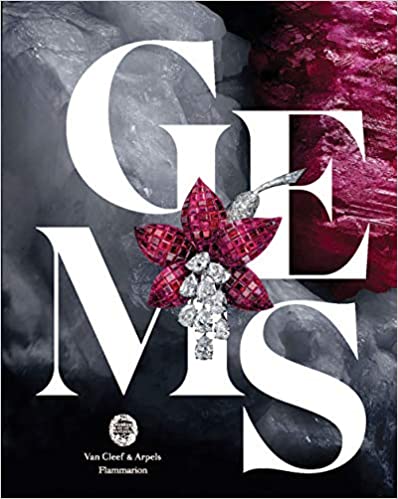
Gems

Gems

Farges, F. (2020)

Edited Book · Publisher: Van Cleef & Arpels/Flammarion · Pages: 304 pp.

Abstract
Both a reference book and an exhibition catalog, Gems unveils the fascinating world of minerals and gems through a dialogue between the prestigious collections of the Muséum national d'histoire naturelle in Paris and the great French jeweler Van Cleef & Arpels. The Muséum national d'histoire naturelle in Paris welcomes the exhibition Gems from September 16, 2020 to May 4, 2021.
Keywords
gems, ruby, sapphire, opal, pearl, beryl, emerald, jewelry, general volume on gems
Gems and the gem trade in India

Gems and the gem trade in India

Ogden, J. (2019)

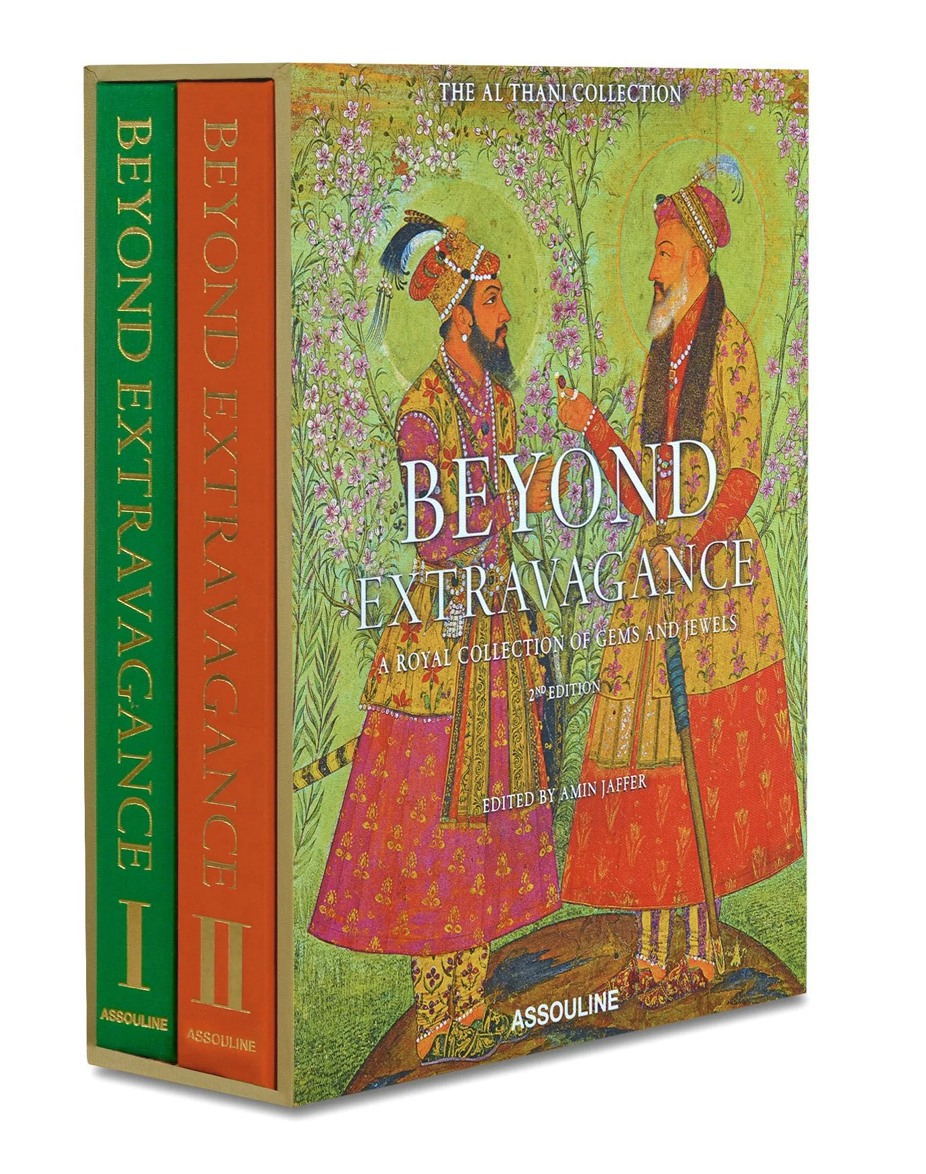
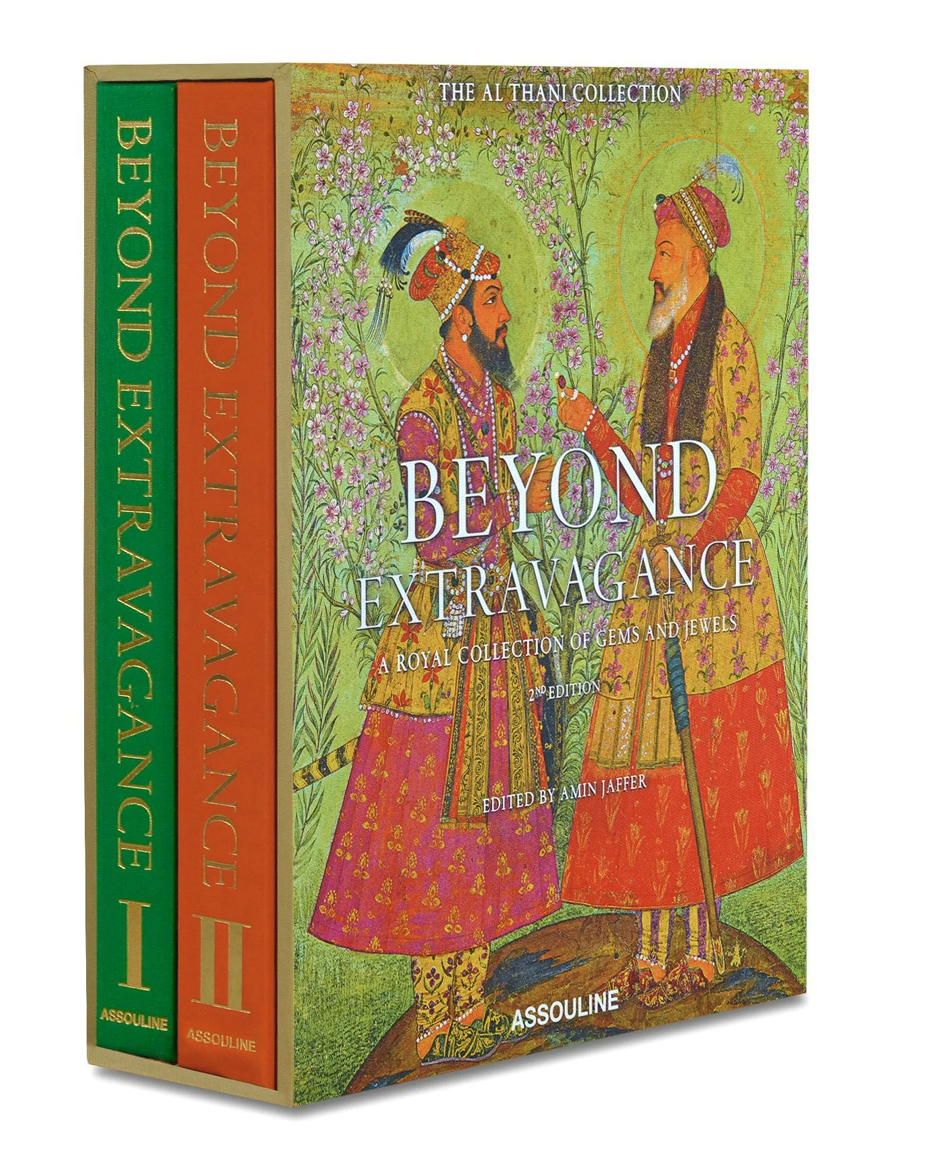
Book Section · Source: Beyond Extravagance: A Royal Collection of Gems and Jewels · Publisher: Assouline · Volume: Vol. 2 · Pages: pp. 542–593

Abstract
Awakening a new understanding of the diverse tradition of Indian jewelry spanning four hundred years, the first edition of Beyond Extravagance in 2013 revealed for the first time the exceptional Al Thani Collection of the most important royal Indian jewels from the Mughal Empire to the British Raj to the twenty-first century. Exploring the centuries-long tradition of fine jewelry and art objects in India, to contemporary interpretations that continue to evolve today, this spectacular volume has been expanded and updated to highlight over 400 items in this magnificent collection. Key pieces include the carved jade wine cup of Emperor Jahangir, the Shah Jahan Dagger; inscribed imperial spinels belonging to emperors Akbar, Jahangir, and Shah Jahan; the Arcot II diamond and the Taj Mahal Emerald; and a ruby and pearl choker made by Cartier for the Maharaja of Patiala. Presenting a journey through the history of Indian jeweled objects, this splendid new edition features updated chapters by renowned jewelry experts including Vivienne Becker (The Impossible Collection of Jewelry); Katherine Prior (Maharajahs’ Jewels); Michael Spink, a specialist in Islamic and Indian art who lectures at the University of London; and Robert Skelton, one of the foremost authorities on Indian painting and fine objects. Edited by Amin Jaffer, senior curator of The Al Thani Collection, each section includes a detailed catalogue raisonné of featured pieces.
Keywords
corundum, quality.10, spinel, beryl, emerald, Mughal jewels, gems, Indian lapidary
The emerald and the eye

The emerald and the eye

Bol, M. (2019)

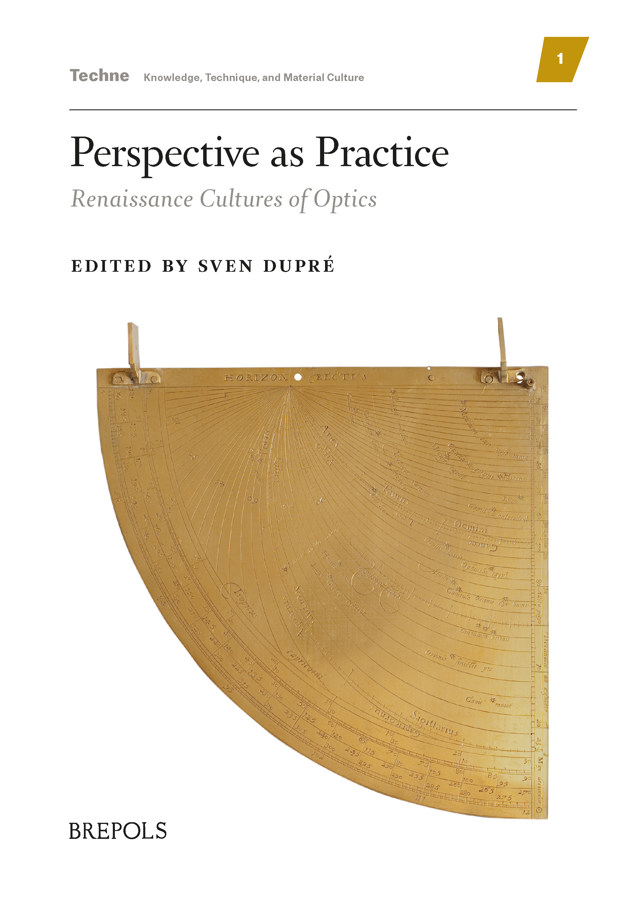
Book Section · Source: Perspective as Practice: Renaissance Cultures of Optics · Publisher: Brepols · Pages: pp. 77–101

Abstract
Through the case of the emerald, this chapter examines artisanal explorations of light and their influence on ideas concerning optics and vision within the broader history of perspective. The modern distinction between optics and perspective as projective geometry was not yet apparent during the medieval and early modern periods.¹ Influential treatises on perspectivist optics, such as the Latin translation of Ibn al-Haytham’s Book of Optics (De aspectibus, c. 1200), as well as works heavily indebted to it — including Roger Bacon’s Perspectiva (c. 1265), Witelo’s Perspectiva (c. 1275), and John Pecham’s Perspectiva communis (c. 1280) — typically focused on theories of light, colour, and vision. Over the course of the fifteenth century, however, mathematical perspective became an important tool through which artisans could create the illusion of spatial depth upon a two-dimensional surface. The history of this discovery and its subsequent development later became a central subject in the history of art and science. Because of this emphasis on perspective as projective space, considerably less attention has been given to the artisan’s creative manipulation of, and practical understanding of, the optical properties of materials.² Yet this applied knowledge of the interaction between light and artistic materials found important resonance among early writers concerned with the generation and medicinal virtues of natural substances. To investigate this history of practical optics, the present chapter therefore moves away from the traditional corpus of perspectivist optics — as constructed, for example, by David C. Lindberg in Theories of Vision (1976) and more recently by A. Mark Smith in From Sight to Light (2014) — and instead turns toward medieval and early modern recipe collections and works of natural history, including encyclopaedias and lapidaries. More specifically, I will show how the distinctive optical properties of the emerald stimulated not only admiration for the stone itself, but also encouraged the development of inventive techniques for working and imitating this precious mineral. These emerald imitations, in turn, gave rise to theories concerning the green gem’s natural formation, value, and uses. Indeed, the emerald was regarded as intriguing and beautiful not merely because of its unusual optical qualities; its deep translucent green colour had long been considered beneficial to human eyesight. In this way, the emerald — together with the various practices devised for its imitation — exerted a surprising and enduring influence on the furnishing both of the scholar’s study and the artisan’s workshop.
Keywords
gems, beryl, emerald, oiling, treatments
Central Asian crypto-Jews in the global emerald economy

Central Asian crypto-Jews in the global emerald economy

Brazeal, B. (2019)

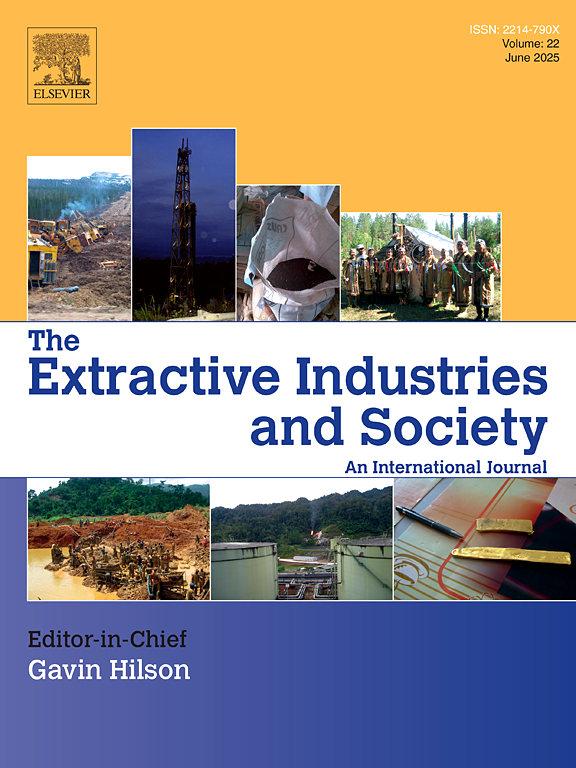
Journal Article · Source: The Extractive Industries and Society · Volume: Vol. 6 · Issue: No. 4 · Pages: pp. 273–283

Abstract
A large proportion of the international trade in the world's finest emeralds is controlled by a community descended from Central Asian crypto-Jews. They were brought to the Islamic holy city of Mashad, in northeastern Iran, to serve as treasurers for the Khorosan Empire. In 1839 they were forced to convert en masse to Islam. They retained a Jewish identity in secret. They came to specialize in the international trade in high-value merchandise. A centuries-long history of discrimination impelled the members of this community to emigrate to Israel. From there, they went to Queens, New York. Members of this community began traveling to Colombia to purchase precious emeralds. Their experience in international, semi-licit trade, their access to credit through family connections, allowed them to prosper in the Colombian emerald trade. Members of this community still travel back and forth between Bogotá and New York's diamond district moving the world's finest emeralds. The geology and gemology of emeralds makes them unlike any other mineral commodity. The descendents of the central Asian crypto-Jews took advantage of a difficult historical conjuncture and came to dominate the international trade in this precious stone.
Keywords
gems, beryl, emerald, history of emeralds in Colombia, Muzo, Coscuez, Chivor
Provenance of emerald from Prince Liangzhuang’s tomb in Ming dynasty, Hubei, China

Provenance of emerald from Prince Liangzhuang’s tomb in Ming dynasty, Hubei, China

Luo, Z., Yang, M., Fang, Q., Lu, R., Cai, L. and Hu, Y. (2019)

Conference Paper · Source: 36th International Gemmological Conference · Pages: pp. 209–211

Abstract
In 2001, over 18 species and 700 pieces of colored gemstones were unearthed from the tomb of Prince Liangzhuang (1411–1441 A.D.) in Hubei province, China, including 50 identified emeralds (Yang et al., 2004). This discovery raises intriguing questions about the provenance of these emeralds, since major sources such as Colombia, Afghanistan, and Brazil were only discovered during or after the 16th century (Giuliani et al., 2000; Groat et al., 2008). Before that time, well-known emerald sources included Egypt, Austria, and Pakistan (Giuliani et al., 2000; Groat et al., 2008). To investigate, chemical analysis using laser ablation inductively coupled plasma mass spectrometry (LA-ICP-MS) was conducted on the emeralds from Liangzhuang’s tomb. Comparison of trace element concentrations (e.g., Cr, Zn, Ga, Rb, Cs, and Li) with published data from ancient sources (Abdalla and Mohamed, 1999; Calligaro et al., 2000; Groat et al., 2008) revealed a strong similarity with emeralds from Egypt or Austria, while those from Pakistan showed significantly higher Cr and V levels. The results suggest that the prince’s emeralds likely originated from Egypt or Austria, or perhaps from another now-forgotten source. This finding supports the idea that long-distance trade in emeralds between East and West may have existed before the Age of Exploration and the 15th-century maritime expeditions of Zheng He.
Keywords
gems, beryl, emerald, China, Egypt
Emerald deposits: A review and enhanced classification

Emerald deposits: A review and enhanced classification

Giuliani, G., Groat, L., Marshall, D., Fallick, A.E. and Branquet, Y. (2019)

Journal Article · Source: Minerals · Volume: Vol. 9 · Issue: No. 2: 105, February · Pages: 63 pp.

Abstract
Although emerald deposits are relatively rare, they form in specific yet varied geological settings, and current classification models are often too restrictive, leading to confusion about the precise formation mechanisms of certain occurrences; emerald is essentially beryl containing sufficient concentrations of chromium and vanadium to produce its characteristic green hues, and its formation depends on conditions supplying both beryllium and chromium or vanadium—traditionally grouped into three types: desilicated pegmatite-related deposits formed by metasomatic fluid interaction with beryllium-rich pegmatites intruding Cr- or V-rich rocks; sedimentary deposits, responsible for much gem-quality emerald, formed by brine interaction with Cr/V-bearing sedimentary rocks along faults; and the rarer metamorphic-metasomatic deposits involving deep crustal fluids and metamorphosed shales, carbonates, and ultramafic rocks—with all three models requiring tectonic activity, which can transform one type into another through metamorphism and partial melting, thus blurring distinctions; to address the limitations, this paper proposes an enhanced classification system based on geological environment (magmatic or metamorphic), host-rock type, metamorphic grade, mineralization style, and fluid characteristics, accounting for multi-stage processes, beryllium remobilization, and using chemical, isotopic, and fluid inclusion studies to support genetic models, thereby categorizing emeralds into two main types: Type I (tectonic magmatic-related) with sub-types in (IA) mafic-ultramafic rocks (e.g. Brazil, Zambia, Russia), (IB) sedimentary rocks (e.g. China, Canada, Norway), and (IC) granitic rocks (e.g. Nigeria); and Type II (tectonic metamorphic-related) with sub-types in (IIA) mafic-ultramafic rocks (e.g. Brazil, Austria), (IIB) sedimentary rocks (e.g. Colombia, Canada, USA), (IIC) metamorphic rocks (e.g. China, Afghanistan, USA), and (IID) metamorphosed and remobilized or hidden intrusion-related deposits (e.g. Austria, Egypt, Australia, Pakistan), plus some unclassified occurrences.
Keywords
gems, beryl, emerald, Colombia, Afghanistan, Brazil, Russia, Mozambique, Madagascar, Zambia, Zimbabwe, India, geology, analytical, provenance, emerald worldwide
A review of analytical methods used in geographic origin determination of gemstones

A review of analytical methods used in geographic origin determination of gemstones

Groat, L.A., Giuliani, G., Stone-Sundberg, J., Sun, Z., Renfro, N. and Palke, A.C. (2019)

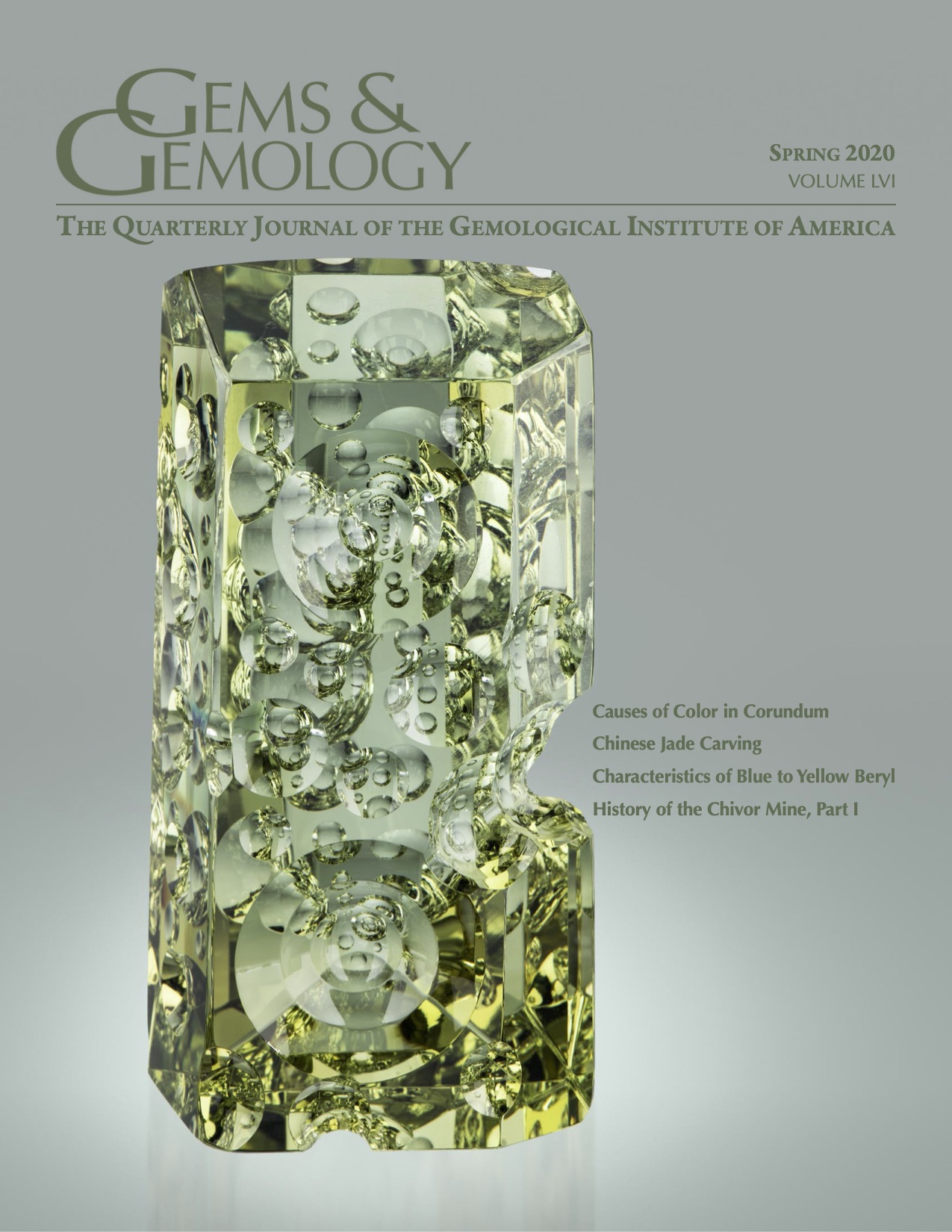
Journal Article · Source: Gems & Gemology · Volume: Vol. 55 · Issue: No. 4 · Pages: pp. 512–535

Abstract
Origin determination is of increasing importance in the gem trade. It is possible because there is a close relationship between the geological environment of formation and the physical and chemical properties of gemstones, such as trace element and isotopic compositions, that can be measured in the laboratory using combinations of increasingly sophisticated instrumentation. Origin conclusions for ruby, sapphire, and emerald make up the bulk of demand for these services, with growing demand for alexandrite, tourmaline, and spinel. However, establishing origin with a high degree of confidence using the capabilities available today is met with varying degrees of success. Geographic origin can be determined with a high level of confidence for materials such as emerald, Paraíba-type tourmaline, alexandrite, and many rubies. For some materials, especially blue sapphire and some rubies, the situation is more difficult. The main problem is that if the geology of two deposits is similar, then the properties of the gemstones they produce will also be similar, to the point where concluding an origin becomes seemingly impossible in some cases. Origin determination currently relies on a combination of traditional gemological observations and advanced analytical instrumentation.
Keywords
gems, corundum, beryl, emerald, origin
Geographic origin determination of emerald

Geographic origin determination of emerald

Saeseaw, S., Renfro, N., Palke, A.C., Sun, Z. and McClure, S.F. (2019)

Journal Article · Source: Gems & Gemology · Volume: Vol. 55 · Issue: No. 4 · Pages: pp. 614–646

Abstract
The gem trade has grown to rely on gemological laboratories to provide origin determination services for emeralds and other fine colored stones. In the laboratory, this is mostly accomplished by careful observations of inclusion characteristics, spectroscopic analysis, and trace element profile measurements by laser ablation–inductively coupled plasma–mass spectrometry (LA-ICP-MS). Inclusions and spectroscopy can often separate Colombian emeralds from other sources (although there is some overlap between Colombian, Afghan, and Chinese [Davdar] emeralds). For non-Colombian emeralds, trace element analysis by LA-ICP-MS is needed in addition to information from the stone’s inclusions. The relative chemical diversity of emeralds from worldwide deposits allows confidence in origin determination in most cases. This contribution outlines the methods and criteria used at GIA for geographic origin determination for emerald.
Keywords
gems, beryl, emerald, Colombia, Muzo, Chivor, Cosquez, Zambia, Afghanistan, Panjshir, Zimbabwe, Brazil, China, Ethiopia
Geographic origin determination of alexandrite

Geographic origin determination of alexandrite

Sun, Z., Palke, A.C., Muyal, J., DeGhionno, D. and McClure, S.F. (2019)

Journal Article · Source: Gems & Gemology · Volume: Vol. 55 · Issue: No. 4 · Pages: pp. 660–681

Abstract
The gem and jewelry trade has come to place increasing importance on the geographic origin of alexandrite, as it can have a significant impact on value. Alexandrites from Russia and Brazil are usually more highly valued than those from other countries. In 2016, GIA began researching geographic origin of alexandrite with the intent of offering origin determination as a laboratory service. Unfortunately, collecting reliable samples with known provenance can be very difficult. Alexandrite is often recovered as a byproduct of mining for other gemstones (e.g., emerald and corundum), so it can be difficult to secure reliable parcels of samples because production is typically erratic and unpredictable. The reference materials studied here were examined thoroughly for their trace element chemistry profiles, characteristic color-change ranges under daylight-equivalent and incandescent illumination, and inclusion scenes. The data obtained so far allow us to accurately determine geographic origin for alexandrites from Russia, Brazil, Sri Lanka, Tanzania, and India. Future work may help to differentiate alexandrites from other localities.
Keywords
gems, chrysoberyl, alexandrite, Russia, Brazil, Sri Lanka, India, Tanzania
Field gemology: Building a research collection and understanding the development of gem deposits

Field gemology: Building a research collection and understanding the development of gem deposits

Vertriest, W., Palke, A.C. and Renfro, N. (2019)

Journal Article · Source: Gems & Gemology · Volume: Vol. 55 · Issue: No. 4 · Pages: pp. 490–511

Abstract
GIA’s field gemology program was established in late 2008 to support research on geographic origin determination of colored gemstones. By building and maintaining an extensive collection of gem materials with known origins, GIA’s research scientists have been able to study and analyze rubies, sapphires, emeralds, and other gemstones using the best available reference samples. This has led to improved origin determination services while supporting numerous research and education projects. To date the collection has accumulated during more than 95 field expeditions on six continents and currently includes more than 22,000 samples. GIA’s field gemology efforts require a thorough understanding of the gem trade, including the evolution of gemstone deposits and the development of treatments. It is important to recognize potential new deposits and gemstone enhancement procedures immediately because they can change rapidly and leave a lasting impact on the trade. Field expeditions also involve documenting the mines and local conditions. These factors provide context for the gemstones and are becoming increasingly important in the eyes of the public.
Keywords
gems, corundum, gemology, field gemology, ruby, sapphire
Beyond Extravagance: A Royal Collection of Gems and Jewels

Beyond Extravagance: A Royal Collection of Gems and Jewels

Jaffer, A. (2019)

Edited Book · Publisher: Assouline · Pages: 652 pp.

Abstract
Awakening a new understanding of the diverse tradition of Indian jewelry spanning four hundred years, the first edition of Beyond Extravagance in 2013 revealed for the first time the exceptional Al Thani Collection of the most important royal Indian jewels from the Mughal Empire to the British Raj to the twenty-first century. Exploring the centuries-long tradition of fine jewelry and art objects in India, to contemporary interpretations that continue to evolve today, this spectacular volume has been expanded and updated to highlight over 400 items in this magnificent collection. Key pieces include the carved jade wine cup of Emperor Jahangir, the Shah Jahan Dagger; inscribed imperial spinels belonging to emperors Akbar, Jahangir, and Shah Jahan; the Arcot II diamond and the Taj Mahal Emerald; and a ruby and pearl choker made by Cartier for the Maharaja of Patiala. Presenting a journey through the history of Indian jeweled objects, this splendid new edition features updated chapters by renowned jewelry experts including Vivienne Becker (The Impossible Collection of Jewelry); Katherine Prior (Maharajahs’ Jewels); Michael Spink, a specialist in Islamic and Indian art who lectures at the University of London; and Robert Skelton, one of the foremost authorities on Indian painting and fine objects. Edited by Amin Jaffer, senior curator of The Al Thani Collection, each section includes a detailed catalogue raisonné of featured pieces.
Keywords
corundum, quality.10, spinel, beryl, emerald, Mughal jewels, gems, Indian lapidary
Geology of corundum and emerald gem deposits: A review

Geology of corundum and emerald gem deposits: A review

Giuliani, G. and Groat, L.A. (2019)

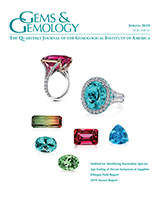
Journal Article · Source: Gems & Gemology · Volume: Vol. 55 · Issue: No. 4, Winter · Pages: pp. 464–489

Abstract
The great challenge of geographic origin determination is to connect the properties and features of individual gems to the geology of their deposits. Similar geologic environments can produce gems with similar gemological properties, making it difficult to find unique identifiers. Over the last two decades, our knowledge of corundum and emerald deposit formation has improved significantly. The mineral deposits are classically separated into primary and secondary deposits. Primary corundum deposits are subdivided into two types based on their geological environment of formation: (1) magmatic and (2) metamorphic. Magmatic deposits include gem corundum in alkali basalts as in eastern Australia, and sapphire in lamprophyre and syenite as in Montana (United States) and Garba Tula (Kenya), respectively. Metamorphic deposits are divided into two subtypes (1) metamorphic deposits sensu stricto (in marble; mafic and ultramafic rocks, or M-UMR), and (2) metamorphicmetasomatic deposits characterized by high fluid-rock interaction and metasomatism (i.e., plumasite or desilicated pegmatites in M-UMR and marble, skarn deposits, and shear zone–related deposits in different substrata, mainly corundum-bearing Mg-Cr-biotite schist). Examples of the first subtype include the ruby deposits in marble from the Mogok Stone Tract or those in M-UMR from Montepuez (Mozambique) and Aappaluttoq (Greenland). The second subtype concerns the sapphire from Kashmir hosted by plumasites in M-UMR. Secondary corundum deposits (i.e., present-day placers) result from the erosion of primary corundum deposits. Here, corundum is found in the following types of deposits: eluvial (derived by in situ weathering or weathering plus gravitational movement), diluvial (scree or talus), colluvial (deposited at the base of slopes by rainwash, sheetwash, slow continuous downslope creep, or a combination of these processes), and alluvial (deposited by rivers). Today, most sapphires are produced from gem placers related to alkali basalts, as in eastern Australia or southern Vietnam, while placers in metamorphic environments, such as in Sri Lanka (Ratnapura, Elahera) and Madagascar (Ilakaka), produce the highest-quality sapphires. The colluvial Montepuez deposit in Mozambique provides a huge and stable supply of clean and very highquality rubies. Primary emerald deposits are subdivided into two types based on their geological environment of formation: (1) tectonic-magmatic-related (Type I) and (2) tectonic-metamorphic-related (Type II). Several subtypes are defined and especially Type IA, hosted in MUMR, which accounts for about 70% of worldwide production (Brazil, Zambia, Russia, and others). It is characterized by the intrusion of pegmatites or quartz veins in M-UMR accompanied by huge hydrothermal fluid circulation and metasomatism with the formation of emerald-bearing desilicated pegmatite (plumasite) and biotite schist. Type IB in sedimentary rocks (China, Canada, Norway, Kazakhstan, and Australia) and Type IC in granitic rocks (Nigeria) are of minor importance. The subtype Type IIA of metamorphic deposits is related to hydrothermal fluid circulation at high temperature, in thrust fault and/or shear zones within M-UMR of volcano-sedimentary series, such as at the Santa Terezinha de Goiás deposit in Brazil. The subtype Type IIB is showcased by the Colombian emerald deposits located in the Lower Cretaceous black shales of the Eastern Cordillera Basin. These are related to the circulation of hydrothermal basinal fluids in black shales, at 300–330°C, that dissolved evaporites in (1) thrust and tear faults for the deposits of the western emerald zone (Yacopi, Coscuez, Muzo, Peñas Blancas, Cunas, and La Pita mines) and (2) a regional evaporite level intercalated in the black shales or the deposits of the eastern emerald zone (Gachalá, Chivor, and Macanal mining districts). Secondary emerald deposits are unknown because emerald is too fragile to survive erosion and transport in rivers.
Keywords
gems, corundum, geology.11, beryl, emerald
Land of origins: A gemological expedition to Ethiopia

Land of origins: A gemological expedition to Ethiopia

Vertriest, W., Girma, D., Wongrawang, P., Atikarnsakul, U. and Schumacher, K. (2019)

Journal Article · Source: Gems & Gemology · Volume: Vol. 55 · Issue: No. 1, Spring · Pages: pp. 72–88

Abstract
Although Ethiopia is considered the cradle of mankind and the land of origins, gemstones never played a significant role in its long history and rich culture. Only in the last decade did Ethiopia emerge in the gem trade, with the discovery of large opal deposits near the town of Wegel Tena (Rondeau et al., 2010). When the first high-quality emeralds from Shakiso in southern Ethiopia reached the market in the fall of 2016, GIA’s Carlsbad and Bangkok labs conducted a joint preliminary study (Renfro et al., 2017). And in February 2017, GIA received news of a sapphire discovery near Aksum in northern Tigray Province (Vertriest et al., 2017). With all of this new material reaching the market, GIA collaborated with the Ethiopian Ministry of Mines, Petroleum and Natural Gas in Addis Ababa to set up an expedition to the sapphire, opal, and emerald sources. In March 2018, a team of four GIA gemologists and videographers traveled to Ethiopia to visit its gem sources. The first target was the sapphire deposit in the north, followed by the opal mines in the central highlands. The last area visited was near Shakiso to witness the developing emerald mines. During the expedition (figure 1), we documented mining techniques, social impact, material processing, natural challenges, and limitations. We also collected samples at the mines and nearby markets in accordance with GIA’s sampling protocols. These samples are now part of GIA’s reference collection and used for origin determination, research projects, and treatment experiments.
Keywords
gems, corundum, Ethiopia.12, sapphire, beryl, emerald, opal
Asia Imagined: In the Baur and Cartier Collections

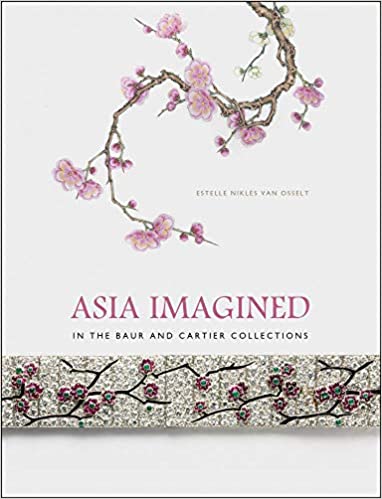
Asia Imagined: In the Baur and Cartier Collections

Osselt, E.N., van (2019)

Edited Book · Publisher: 5 Continents Editions · Pages: 336 pp.

Abstract
In the nineteenth and twentieth centuries it was fashionable to collect 'curios', objects so named because they aroused 'curiosity'. Imaginatively decorated and made from different materials, some of which are still underappreciated, these exotic objects from China and Japan fascinated Westerners. They stimulated a fad for Asia, captivated art lovers, and had a profound influence on the graphic arts in Europe. This beguiling period kindled a passion for collecting in Alfred Baur (1865-1951) and for creation in Alfred Cartier (1841-1925) and his three sons, Louis (1875-1942), Pierre (1878-1964), and Jacques (1884-1941). While the pieces fashioned in Asian style by the Maison Cartier are generally known, their historical and cultural context is not, thus the idea arose of bringing these fine creations together with the collections of the Baur Foundation, Museum of Far Eastern Art, based in Geneva. As one leafs through the pages, Asia Imagined slowly becomes apparent, like a treasure hunt. Diamond-studded pagodas and pavilions, busy scholars beneath the starry sky, nacreous moonlight scenes, shimmering phoenixes, jade dragons, and multi-colured cherry blossom-like gems depict an imaginary land. The Cartier magic has its effect. Side-by-side with the creations of the Parisian jeweler, the imperial porcelains, lacquerware embellished with precious metals, embroidered silks, jades, colored enamels, netsuke, sword hilts, and prints belonging to the Baur Foundation give their version of the marvels of China and Japan and install a unique dialogue, offering an exceptional opportunity to view two of the world's most outstanding collections.
Keywords
gems, jade, jadeite, fei cui, nephrite, Burma, China, Japan, ivory, ruby, sapphire, beryl, emerald, coral
Maharajas & Mughal Magnificence

Maharajas & Mughal Magnificence

Christie’s (2019)

Catalog · Publisher: Christie’s

Abstract
Feast your eyes on an unparalleled collection of Mughal jewels, European-Indian hybrid designs and 20th-Century creations by leading Jewellery houses. Spanning over 500 years of history and sovereign power on the subcontinent, Maharajas & Mughal Magnificence tells the story of a continuous tradition of patronage from the Mughal Empire to present day, with provenance including the royal and noble families of India. This comprehensive trove of nearly 400 diamonds, coloured stones and the finest jewelled objects, swords and daggers will be offered in a landmark auction this June in New York. These objects are offered from The Al Thani Collection. From next year, works of art from this encyclopedic collection will be shown at a new museum space in Paris. In addition to new acquisitions, sale proceeds will support ongoing initiatives of The Al Thani Collection Foundation which extend from exhibitions, publications and lectures to sponsorships of projects at museums around the world.
Keywords
gems, spinel, beryl, emerald, ruby, corundum, history.1, quality.10, pearls, jade, nephrite, Mughal jade, Indian lapidary
Treasures from the Al Thani Collection

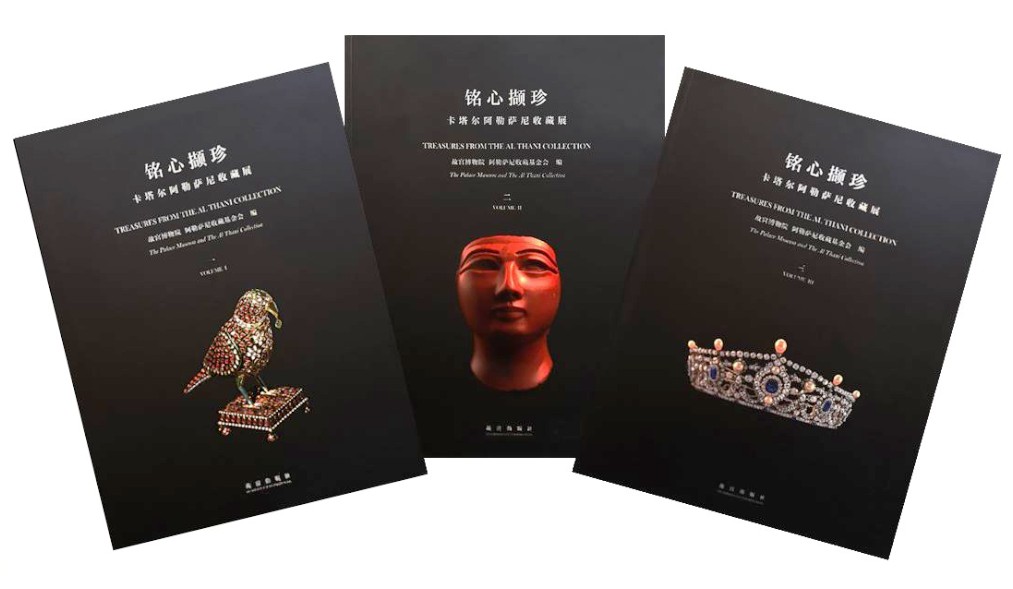
Treasures from the Al Thani Collection

Al Thani Collection (2018)

Book · Publisher: Forbidden City Publishing House · Pages: 319, 756 pp. · Language: in Chinese and English

Abstract
Treasures from the Al Thani Collection was an exhibition of artworks from the Al Thani Collection that was held at the Palace Museum in Beijing in 2018. The exhibition featured a diverse selection of artworks from different cultures and time periods. The exhibition featured artworks from antiquity to the early modern period. The exhibition included manuscripts, miniatures, metalwork, textiles, and jewelry. The exhibition included works from different civilizations, such as Egypt, China, Maya, and Cycladic. Sheikh Hamad bin Abdullah Al Thani is a member of the Qatari royal family and a distinguished collector. The first volume of the set documents the exhibition “The Gems and Jewels of India”. It is split into different sections including: The Mughal Treasury; Dynastic Gem and Jewels; Objects of Jade and Rock Crystal; Objects in Gold and Enamel; Regalia and Jewelled Ornaments; Cartier and the Great European Jewellers, and, finally, Contemporary Creations. The second and third volumes both document a second exhibition, held in 2018, entitled “Masterpieces from a Royal Collection”. Volume II focuses on ‘The Ancient World’ and ‘The Wider World’. The former includes Egyptian, Greek and Roman, Mesopotamian and Iranian works as well as Central Asian treasures, whilst the latter has objects from China, Pre- Columbian Central and South America, Africa and the Pacific. Volume III is split more specifically into ‘The Islamic World’ and ‘The European World’. Each theme is further devided into sub sections which cover all aspects of art including Manuscripts, Miniatures, Metalwork and Textiles, or Medieval Reliquaries, Limoges Enamels, Renaissance Jewellery, Rock Crystal and Wunderkammer objects, Silver, Jewellery (Cartier, Melerio, Chaumet, Bolin) and 54 pieces by Fabergé.
Keywords
gems, ruby, sapphire, beryl, emerald, jade, nephrite, spinel, Mughal jewelry
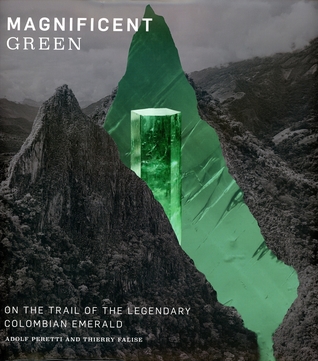
Magnificent Green: On the Trail of the Legendary Colombian Emerald

Magnificent Green: On the Trail of the Legendary Colombian Emerald

Peretti, A. and Falise, T. (2018)

Book · Publisher: GRS · Pages: 363 pp.

Abstract
A fascinating journey into the Colombian emerald world told by its own people — miners, patrons, cutters, brokers and jewellers. Illuminated through the double prism of photo–journalism and gemmological expertise, an exclusive exploration of an enthralling history illustrated with stories from royal collections, international auctions and top jewellery houses.
Keywords
gems, beryl, emerald, Colombia, Muzo, Chivor, Cosquez
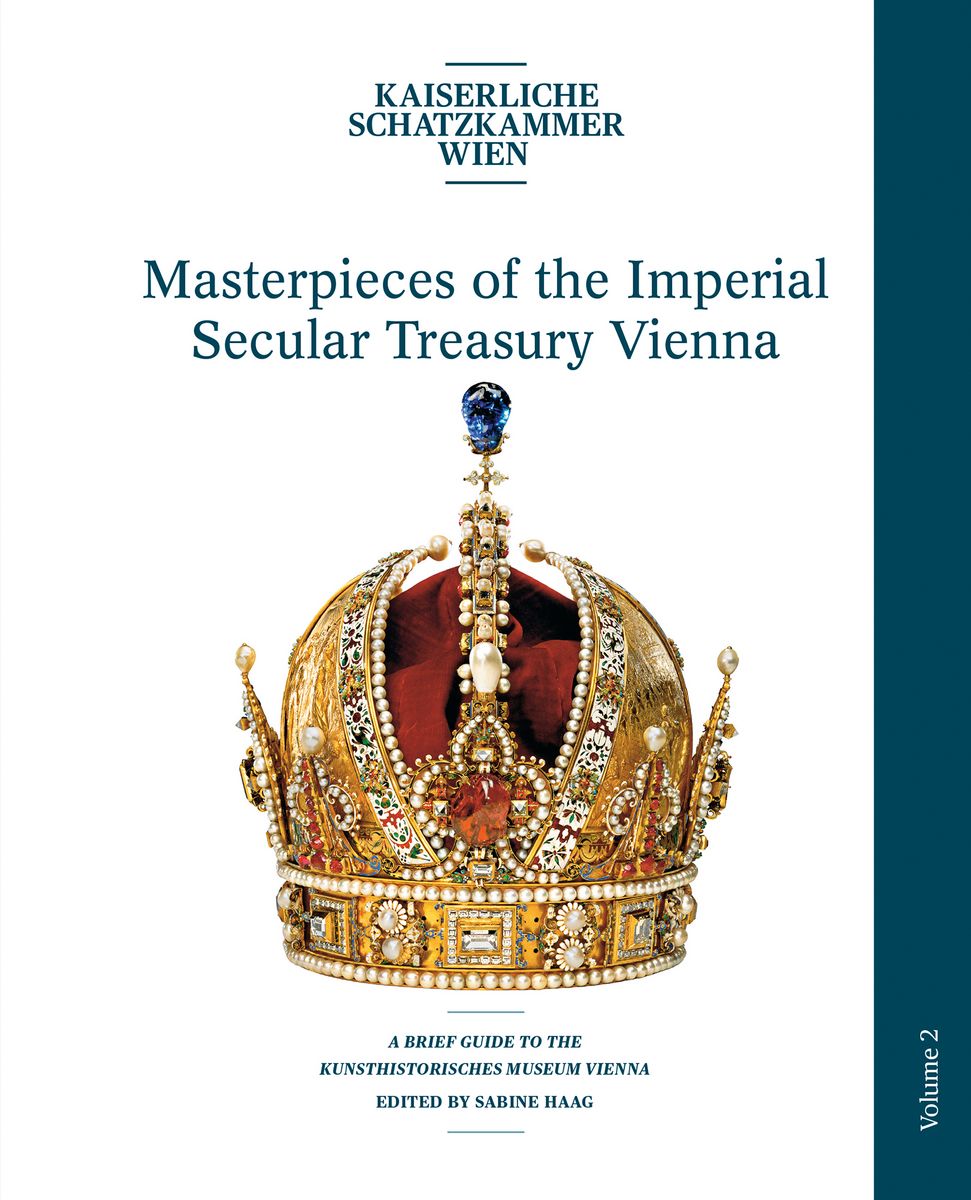
Masterpieces of the Imperial Secular Treasury Vienna

Masterpieces of the Imperial Secular Treasury Vienna

Haag, S. (2018)

Edited Book · Publisher: KHM-Museumsverband · Issue: Vol. 2 · Pages: 206 pp.

Abstract
This book details the Vienna Imperial Treasury, the only preserved collection of medieval crown jewels in the world. The crowns, gowns and jewelry on display cover the Middle Ages in Europe – roughly the years 500 to 1500 AD. Beautifully illustrated, but sadly only available in softcover.
Keywords
gems, corundum, quality.10, crown jewels, Austrian crown jewels, spinel, diamond, pearl, beryl, emerald, ivory
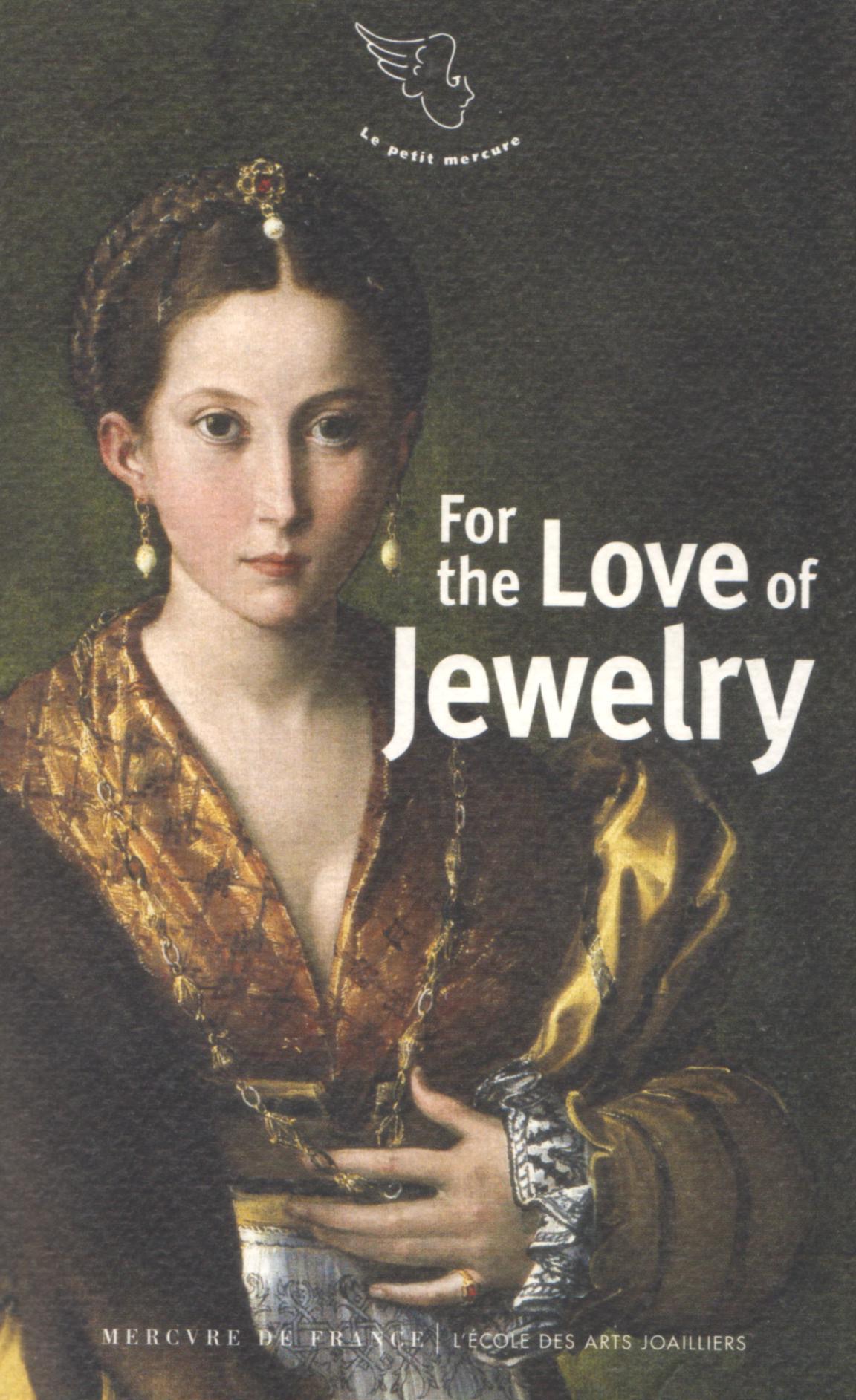
For the Love of Jewelry

For the Love of Jewelry

Mouret, J.-N. (2018)

Edited Book · Publisher: Mercure de France | L’Ecole des Arts Joalliers · Pages: 128 pp.

Abstract
A great collection of short extracts from famous authors dealing with gems and jewelry. Wonderfully curated and highly recommended.
Keywords
gems, jewelry, diamond, history of jewelry, beryl, emerald, pearl

Exploring the Literature of Emerald

Emerald literature spans gemology, mineralogy, deposits, identification, treatments, synthesis, history and the gem trade, with important sources covering deposits around the world.

For a curated guide to this subject, read Green Fire — Lotus Gemology's Guide to the Literature of Emerald.

About Four Treasures

Four Treasures is Lotus Gemology's freely accessible gemological reference database. Use the full database to search by author, title or keyword and explore literature on gemology, mineralogy, jewelry and related fields. Where available, hyperlinks on titles may lead directly to the full publication.

Search the Complete Four Treasures Database