Gemology Books Bibliography

Gemology Books Bibliography

Explore books on gems, gemology, jewelry and mineralogy in Four Treasures, the Lotus Gemology reference database. This bibliography brings together matching book records from the collection, with publication details, abstracts and cover images where available.

Gemology Book References

The list below matches books concerning gemology and related subjects in the database's searchable fields. Some works cover several branches of gems, jewelry or mineralogy.

361–380 of 3,447 matching references
The “Charlie Chaplin” silhouette figural theme: A Pan-Middle American ritual performer theme

The “Charlie Chaplin” silhouette figural theme: A Pan-Middle American ritual performer theme

Mora-Marin, D. (2015)

Journal Article · Source: Cuadernos de Antropología · Volume: Vol. 26 · Issue: No. 1 · Pages: pp. 9–45 · Language: in Spanish with English translation

Abstract
The paper presents evidence for the definition and origin of a figural jade theme that is common in Costa Rica. It consists of a standing figure in a ritual pose, and it is argued that it originated in the context of the jade exchange network linking the ancient jade artisans of Pre-Columbian Costa Rica to their counterparts in the Maya region of Mesoamerica. In the Maya region, archaeologists have referred to this theme as “Charlie Chaplin” figurines because of the characteristic pose with knees bent and feet pointing to the sides. It is proposed that this theme was pan-Mesoamerican, that it may very well have originated in the Middle Preclassic Olmec tradition, and that it appears to be the template for the so-called Ruler-as-World Axis theme defined for the Olmec and Maya traditions by various scholars. The paper suggests that this theme was adopted by the jade artisans from Pre-Columbian Costa Rica, who then adapted to the local artistic canons through the addition of stylistic traits typical of their tradition, and who may have used it to derive a new theme, made up of a blend of the older avian celtiform (avian axe-god) pendant theme and the diffused “Charlie Chaplin” theme, resulting in the anthropomorphic celtiform (anthropomorphic axe-god) pendant theme. The exchange network that led to the spread of this theme strongly points to the need for a more inclusive framework, a Middle American framework (distinct from Central America and Mesoamerica), to the study of ancient Pre-Columbian societies of Mexico and Central America, and possibly beyond, given the possible presence of this theme in Colombia.
Keywords
gems, jade, jadeite, fei cui, Mesoamerica, Mexico, Guatemala, Costa Rica, Mayans, Olmecs, Aztecs, archaeology, history, archaeogemology, Pre-Columbian jade; Costa Rica; Maya; exchange; iconography
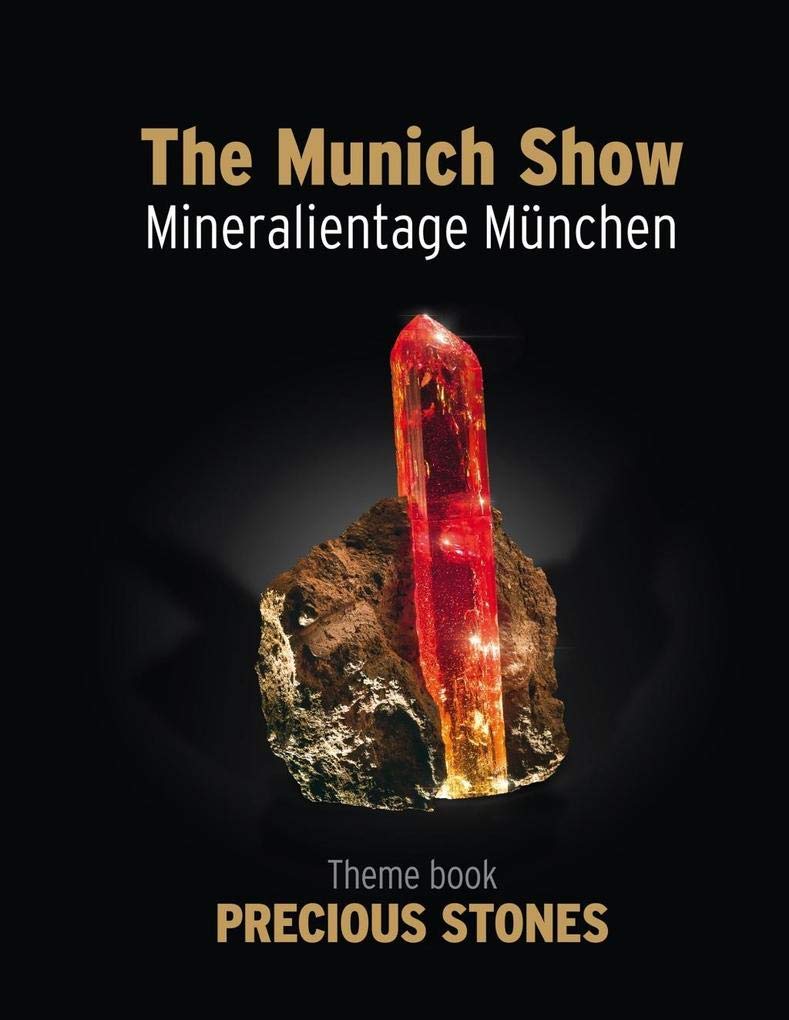
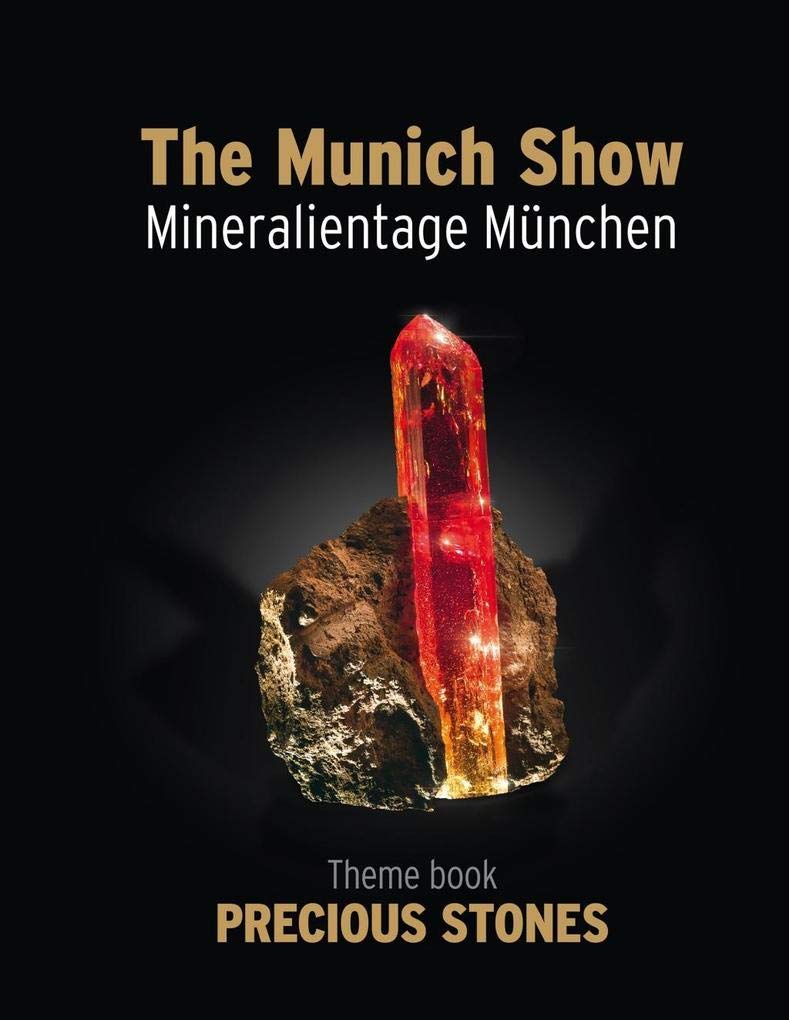
Precious stones from lost civilisations

Precious stones from lost civilisations

Graf, B. (2015)

Book Section · Publisher: Wachholtz Murmann · Pages: 216 pp.

Abstract
Rare and precious stones have always aroused the desire of man. They have been a source of fascination and their perceived value has fluctuated strongly over the millennia. Even today, religion and tradition still influence preferences as well as the changing taste and zeitgeist does. In this year’s ‘Precious Stones’ theme book, renowned scientists and authors provide hard facts and their opinion; giving an exciting insight into this fascinating substance, from detailed descriptions of major gem groups and legendary discoveries to their position in society and religion throughout different cultures. Another focus in this year’s show are the traces of mammoths and cave lions back to time of the planet’s last ice age. What did the landscape look like? What types of creatures inhabited the land? How did the ice change today’s landscape? The articles in the book have all the answers as well as an extended documentation on the discovery of ice age mammoths in the Siberian permafrost. This extensive and well researched article covers the history of the most important gems around the world.
Keywords
gems, history of gemology, agate, amber, coral, corundum, ruby, sapphire, tourmaline, beryl, jade, nephrite, fei cui, pyroxene jade, amphibole jade, pounamu, lapis lazuli, early gem trade, gold, spinel, Badakhshan, tanzanite
Theme Book: Precious Stones

Theme Book: Precious Stones

Munich Show (2015)

Edited Book · Publisher: Wachholtz Murmann · Pages: 216 pp.

Abstract
Rare and precious stones have always aroused the desire of man. They have been a source of fascination and their perceived value has fluctuated strongly over the millennia. Even today, religion and tradition still influence preferences as well as the changing taste and zeitgeist does. In this year’s ‘Precious Stones’ theme book, renowned scientists and authors provide hard facts and their opinion; giving an exciting insight into this fascinating substance, from detailed descriptions of major gem groups and legendary discoveries to their position in society and religion throughout different cultures. Another focus in this year’s show are the traces of mammoths and cave lions back to time of the planet’s last ice age. What did the landscape look like? What types of creatures inhabited the land? How did the ice change today’s landscape? The articles in the book have all the answers as well as an extended documentation on the discovery of ice age mammoths in the Siberian permafrost.
Keywords
gems, history of gemology, agate, amber, coral, corundum, ruby, sapphire, tourmaline, beryl, jade, nephrite, fei cui, pyroxene jade, amphibole jade, pounamu, lapis lazuli, early gem trade, gold, spinel, Badakhshan, tanzanite, peridot, olivine, Red Sea, Zabargad
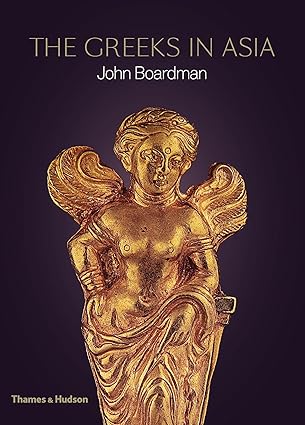
The Greeks in Asia

The Greeks in Asia

Boardman, J. (2015)

Book · Publisher: Thames & Hudson · Pages: 240 pp.

Abstract
From Britain’s most distinguished historian of ancient Greek art comes this account of the influence of Greek communities and their culture through Central Asia, India, and Western China, from the Bronze Age to the rise of Islam. John Boardman examines a wealth of art and artifacts as well as literary sources to reveal the remarkable influence of Greek culture on peoples―Anatolians, Levantines, Persians, Asiatics, Indians, and Chinese―whose civilizations were far older, with their own strong traditions in government, the arts, and daily life. The Greeks were not empire builders. They did not seek to conquer or rule. However, they were highly literate and adept at trade; they spread a monetary economy through Eurasia; their religion was easily adapted to that of others; their art developed a narrative form that was to be dominant for centuries to come; and their poets and philosophers were widely respected outside their homeland. As Boardman notes, “They are an odd phenomenon in world history. Through their travels they came to leave a very distinctive imprint on the lives and arts of many distant peoples.”
Keywords
gems, history of gemology, history of mineralogy, Arabic mineralogy, history of science, Egypt, Rome, Greek science, astronomy, glyptic, Indian lapidary
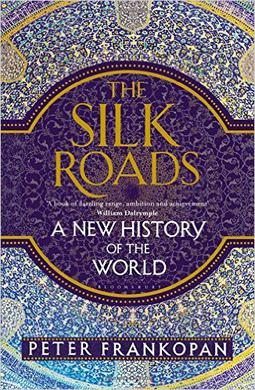
The Silk Roads: A New History of the World

The Silk Roads: A New History of the World

Frankopan, P. (2015)

Book · Publisher: Knopf · Pages: 636 pp.

Abstract
From the Middle East and its political instability to China and its economic rise, the vast region stretching eastward from the Balkans across the steppe and South Asia has been thrust into the global spotlight in recent years. Frankopan teaches us that to understand what is at stake for the cities and nations built on these intricate trade routes, we must first understand their astounding pasts. Frankopan realigns our understanding of the world, pointing us eastward. It was on the Silk Roads that East and West first encountered each other through trade and conquest, leading to the spread of ideas, cultures and religions. From the rise and fall of empires to the spread of Buddhism and the advent of Christianity and Islam, right up to the great wars of the twentieth century—this book shows how the fate of the West has always been inextricably linked to the East.
Keywords
gems, history of gemology, Arabic mineralogy, gem prices, Central Asia, silk road, China
Lab Notes: Dyed and natural green jadeite

Lab Notes: Dyed and natural green jadeite

Hand, D. (2015)

Journal Article · Source: Gems & Gemology · Volume: Vol. 51 · Issue: No. 3 · Pages: pp. 316–317

Abstract
Brief lab note about dyed jadeite jade, including the fluorescence of the dye.
Keywords
gems, jade, jadeite, fei cui jade, Burma, Burmese jade, dyed jadeite, fei cui jade
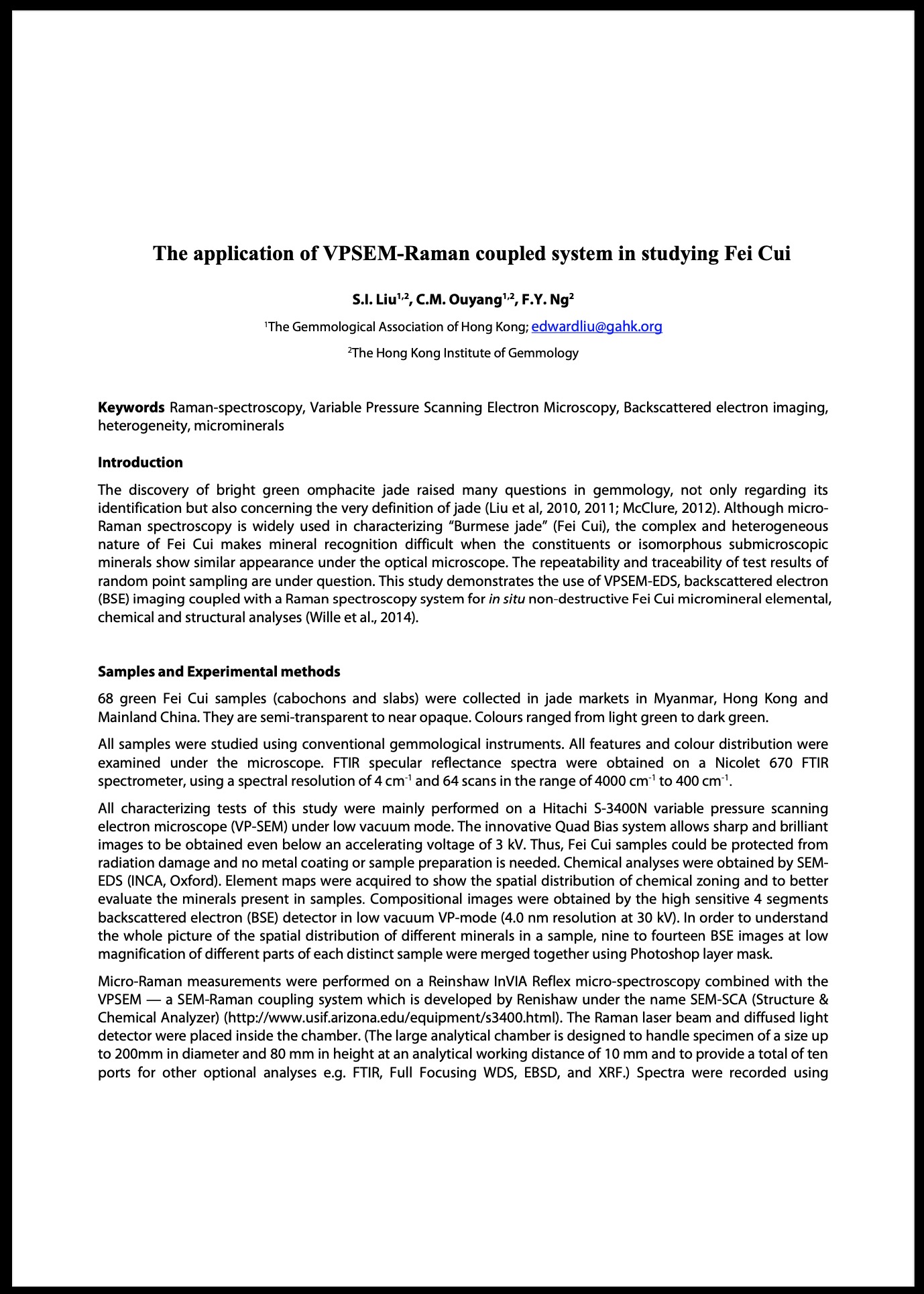
The application of VPSEM-Raman coupled system in studying fei cui

The application of VPSEM-Raman coupled system in studying fei cui

Liu, S., Ouyang, C.M. and Ng, F.Y. (2015)

Conference Paper · Source: 34th International Gemmological Conference IGC · Publisher: International Gemmological Conference · Pages: pp. 76–79

Abstract
The discovery of bright green omphacite jade raised many questions in gemmology, not only regarding its identification but also concerning the very definition of jade (Liu et al, 2010, 2011; McClure, 2012). Although micro- Raman spectroscopy is widely used in characterizing “Burmese jade” (Fei Cui), the complex and heterogeneous nature of Fei Cui makes mineral recognition difficult when the constituents or isomorphous submicroscopic minerals show similar appearance under the optical microscope. The repeatability and traceability of test results of random point sampling are under question. This study demonstrates the use of VPSEM-EDS Variable Pressure Scanning Electron Microscopy- Energy Dispersive Spectroscopy, backscattered electron (BSE) imaging coupled with a Raman spectroscopy system for in situ non-destructive Fei Cui micromineral elemental, chemical and structural analyses (Wille et al., 2014).
Keywords
gems, jade, jadeite, fei cui, Burma, Myanmar, China, omphacite, kosmochlor, Broken Bangle
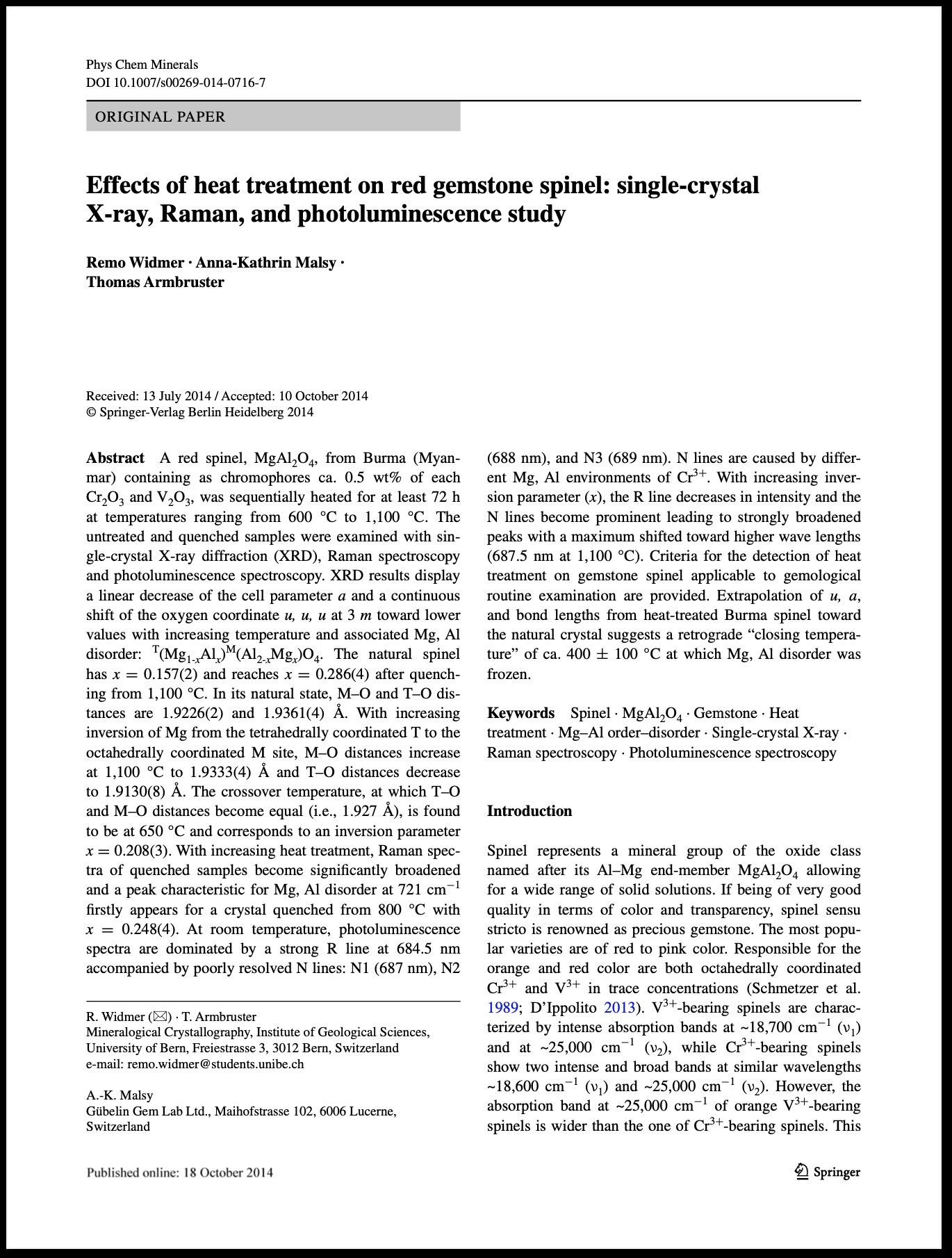
Effects of heat treatment on red gemstone spinel: Single-crystal X-ray, Raman, and photoluminescence study

Effects of heat treatment on red gemstone spinel: Single-crystal X-ray, Raman, and photoluminescence study

Widmer, R., Malsy, A.-K. and Armbruster, T. (2015)

Journal Article · Source: Physics and Chemistry of Minerals · Volume: Vol. 42 · Issue: No. 4 · Pages: pp. 251–260

Abstract
A red spinel, MgAl₂O₄, from Burma (Myanmar) containing approximately 0.5 wt% each of Cr₂O₃ and V₂O₃ as chromophores, was sequentially heated for at least 72 h at temperatures ranging from 600 °C to 1100 °C. The untreated and quenched samples were analyzed using single-crystal X-ray diffraction (XRD), Raman spectroscopy, and photoluminescence spectroscopy. XRD results show a linear decrease in the cell parameter a and a continuous shift of the oxygen coordinate (u, u, u) at 3̅m toward lower values with increasing temperature and associated Mg–Al disorder, expressed as T(Mg₁₋ₓAlₓ)M(Al₂₋ₓMgₓ)O₄. The natural spinel has an inversion parameter x = 0.157(2), which increases to x = 0.286(4) after quenching from 1100 °C. In its natural state, the M–O and T–O bond distances are 1.9226(2) Å and 1.9361(4) Å, respectively. As Mg inverts from the tetrahedral (T) to the octahedral (M) site, M–O distances increase to 1.9333(4) Å and T–O distances decrease to 1.9130(8) Å at 1100 °C. The crossover point, where T–O and M–O distances equalize at ~1.927 Å, occurs at ~650 °C, corresponding to x = 0.208(3). With increasing temperature, Raman spectra of quenched samples broaden notably, and a peak at 721 cm⁻¹—indicative of Mg–Al disorder—first appears in the sample quenched from 800 °C (x = 0.248(4)). At room temperature, photoluminescence spectra are dominated by a strong R line at 684.5 nm, along with poorly resolved N lines (N₁ at 687 nm, N₂ at 688 nm, N₃ at 689 nm), attributed to variations in the Mg–Al coordination environment around Cr³⁺. As the inversion parameter increases, the R line weakens and the N lines intensify, causing peak broadening and a wavelength shift to 687.5 nm at 1100 °C. Criteria are proposed for identifying heat treatment in spinel during routine gemological analysis. Extrapolation of oxygen positional parameter u, lattice parameter a, and bond lengths from the heat-treated samples back to the natural state suggests a retrograde “closing temperature” of approximately 400 ± 100 °C, below which Mg–Al disorder becomes fixed.
Keywords
gems, spinel, spinel treatments, heat treatment, Raman spectroscopy
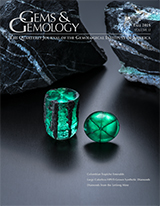
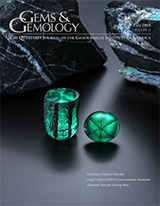
Colombian trapiche emeralds: Recent advances in understanding their formation

Colombian trapiche emeralds: Recent advances in understanding their formation

Pignatelli, I., Giuliani, G., Ohnenstetter, D., Agrosì, G., Mathieu, S., Morlot, C. and Branquet, Y. (2015)

Journal Article · Source: Gems & Gemology · Volume: Vol. 51 · Issue: No. 3, Fall · Pages: pp. 222–259

Abstract
Colombia is the traditional source of the world’s finest emeralds, including the famed trapiche crystals, with their distinctive texture resembling a wheel with six spokes. This gemological curiosity, found exclusively in the black shales of the country’s western emerald zone, is linked to the peculiar structural geology of the deposits. The study presents a review and update on Colombian trapiche emeralds, followed by a three-dimensional examination of the crystals combined with spectroscopic and chemical analyses. The proposed formation model incorporates the structural geology of the deposits with the formation of trapiche and non-trapiche emeralds. The fluid accumulation at the faults’ tip in the black shales leads to maximum fluid overpressure and sudden decompression and formation of the emeraldbearing vein system. The authors show that trapiche emerald growth starts at the beginning of the decompression that is responsible for local supersaturation of the fluid. The hydrothermal fluid comes in contact with the black shale matrix, favoring the formation of emerald seed crystals. During the growth of these seeds, textural sector zoning occurs, sometimes associated with chemical sector zoning, along with displacement of the matrix. Displacement growth occurs because the emeralds continue their growth, pushing the matrix material away from the growing faces. An overgrowth, generally of gem quality, can form after decompression, surrounding the core, the arms, and the dendrites, restoring the emeralds’ euhedral habit.
Keywords
gems, beryl, emerald, Colombia, trapiche beryl, emerald, Muzo, Coscuez, Peñas Blancas
The nephrite jade road: Evolution of the green nephrite market

The nephrite jade road: Evolution of the green nephrite market

Hsu, T., Makepeace, K., Lucas, A. and Makepeace, N. (2015)

Web Page · Publisher: Gemological Institute of America · Volume: 2018 · Issue: 26 March

Abstract
The Chinese character “Yu” is equivalent to the English term “jade,” but the term’s meaning has broadened to include both nephrite and jadeite jade. Some even use the word to refer to all beautiful rocks, demonstrating the significance of jade in the Chinese culture. Record-setting prices for jadeite jade jewelry have been in the industry news spotlight for the past 30 years. However, nephrite jade has been an important part of China’s jade culture for more than 5,000 years. And nephrite’s history on other continents goes back 4,000 to 5,000 years.The name jade had always applied to nephrite until jadeite jade was imported into China about 200 to 250 years ago. In China, jade symbolizes a connection between the living and the dead as well as power, wealth, and social class. Also used to fashion tools, jade is a part of every aspect of people’s lives.To display their pride in jade culture, the Chinese mounted nephrite jade into the award medals used in the 2008 Beijing Olympic Games. It was the first time that gem materials were used on Olympic medals and it reignited an awareness of, and love for, nephrite jade.
Keywords
jade, nephrite, Xinjiang, Khotan, Hetian, China, Canada, British Columbia, Russia, gems
Origin determination of dolomite-related white nephrite through iterative-binary linear discriminant analysis

Origin determination of dolomite-related white nephrite through iterative-binary linear discriminant analysis

Luo, Z., Yang, M. and Shen, A.H. (2015)

Journal Article · Source: Gems & Gemology · Volume: Vol. 51 · Issue: No. 3, Fall · Pages: pp. 300–311

Abstract
Provenance studies on nephrite jade are of gemological as well as archeological importance. Origin determination is difficult to achieve relying solely on typical gemological properties and observations. In this study, the authors present a new statistical analysis method, based on linear discriminant analysis (LDA) and trace-element data from laser ablation–inductively coupled plasma–mass spectrometry (LA-ICP-MS), to achieve significantly improved origin determination (an average of 94.4% accuracy) for eight major dolomite-related nephrite deposits in eastern Asia. As the principle is to compare one location to the rest in one round and continue such binary comparison until all possible localities are tested, the method is referred to as iterative-binary LDA (IB-LDA). Combined with trace-element composition data from LA-ICP-MS, it could prove to be a useful technique for the geographic origin determination of other gemstones.
Keywords
jade, nephrite, China, Korea, Russia, gems
Alluvial sapphires from Montana: Inclusions, geochemistry, and indications of a metamorphic origin

Alluvial sapphires from Montana: Inclusions, geochemistry, and indications of a metamorphic origin

Zwaan, J.C., Buter, E., Mertz-Kraus, R. and Kane, R.E. (2015)

Journal Article · Source: Gems & Gemology · Volume: Vol. 51 · Issue: No. 4, Winter · Pages: pp. 370–391

Abstract
Although the source rocks of alluvial sapphires in Montana have never been discovered, inclusions and geochemistry of material from this location may give clues to their original source. Mineral inclusions in alluvial Montana sapphires, mainly from Rock Creek, were identified and compared with existing data. Topaz was a remarkable find in one of these samples; other newly identified mineral inclusions in Montana sapphire were allanite, anatase, chalcopyrite, and monazite. Together with the presence of calcium-rich plagioclase, alkali-feldspar, apatite, barite, phlogopite, a pyrochlore-group mineral previously called uranpyrochlore, and chromite/spinel, these inclusions may reflect a metasomatic origin for the sapphires. This is supported by their chemical composition, which largely coincides with sapphires of plumasitic/metasomatic origin. The secondary Montana sapphires analyzed in this study are characterized by mean values of Fe (4686 ppmw), Ti (58 ppmw), Ga (51 ppmw), Mg (35 ppmw), and Cr (21 ppmw). Fe-Mg-Ga ratios help to distinguish them from sapphires with overlapping properties, such as those from Umba, Tanzania, and Rio Mayo, Colombia.
Keywords
corundum, Montana.12, Missouri River, USA.12, sapphire, Rock Creek, gems, inclusions.5
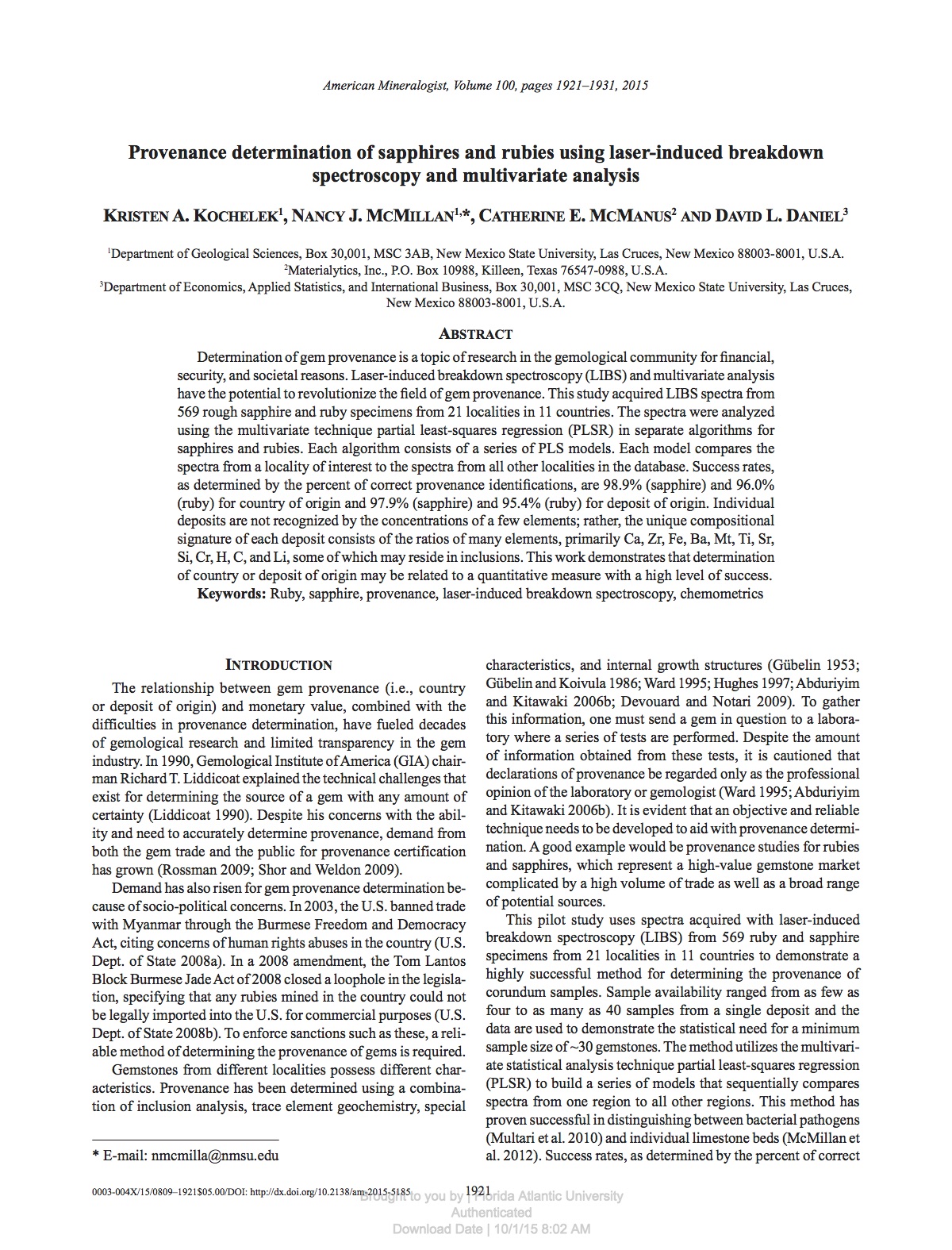
Provenance determination of sapphires and rubies using laser-induced breakdown spectroscopy and multivariate analysis

Provenance determination of sapphires and rubies using laser-induced breakdown spectroscopy and multivariate analysis

Kochelek, K.A., McMillan, N.J., McManus, C. and Daniel, D.L. (2015)

Journal Article · Source: American Mineralogist · Volume: Vol. 100 · Pages: pp. 1921–1931

Abstract
Determination of gem provenance is a topic of research in the gemological community for nancial, security, and societal reasons. Laser-induced breakdown spectroscopy (LIBS) and multivariate analysis have the potential to revolutionize the eld of gem provenance. This study acquired LIBS spectra from 569 rough sapphire and ruby specimens from 21 localities in 11 countries. The spectra were analyzed using the multivariate technique partial least-squares regression (PLSR) in separate algorithms for sapphires and rubies. Each algorithm consists of a series of PLS models. Each model compares the spectra from a locality of interest to the spectra from all other localities in the database. Success rates, as determined by the percent of correct provenance identi cations, are 98.9% (sapphire) and 96.0% (ruby) for country of origin and 97.9% (sapphire) and 95.4% (ruby) for deposit of origin. Individual deposits are not recognized by the concentrations of a few elements; rather, the unique compositional signature of each deposit consists of the ratios of many elements, primarily Ca, Zr, Fe, Ba, Mt, Ti, Sr, Si, Cr, H, C, and Li, some of which may reside in inclusions. This work demonstrates that determination of country or deposit of origin may be related to a quantitative measure with a high level of success.
Keywords
corundum, chemistry.2, geology.11, origin determination, gems
Rubies and Sapphires from Snezhnoe, Tajikistan

Rubies and Sapphires from Snezhnoe, Tajikistan

Sorokina, E.S., Litvinenko, A.K., Hofmeister, W., Häger, T., Jacob, D.E. and Z.Z., N. (2015)

Journal Article · Source: Gems & Gemology · Volume: Vol. 51 · Issue: No. 2, Summer · Pages: pp. 160–175

Abstract
Discovered during the late 1970s, the Snezhnoe ruby and sapphire deposit in Tajikistan was active until the collapse of the former Soviet Union in the early 1990s and the outbreak of regional conflicts. This marble-hosted occurrence has seen renewed interest, as it is a large and potentially productive deposit that has not been sufficiently studied. Testing of samples identified solid inclusions of margarite enriched with Na and Li (calcic ephesite or soda margarite). These are believed to be previously unreported for gem corundum. Allanite, muscovite, and fuchsite (chromium-bearing muscovite) were identified for the first time in ruby and sapphire from Snezhnoe. These and other inclusions such as zircon, rutile, K-feldspar, and Ca-Na-plagioclase could serve to distinguish them from stones mined elsewhere. Concentrations of trace elements were typical for ruby and sapphire of the same formation type. The highest Cr concentrations were observed within the bright red marble-hosted rubies, and these values were very similar to those of the famous Burmese rubies from Mogok.
Keywords
corundum, geology.11, Tajikistan.12, gems
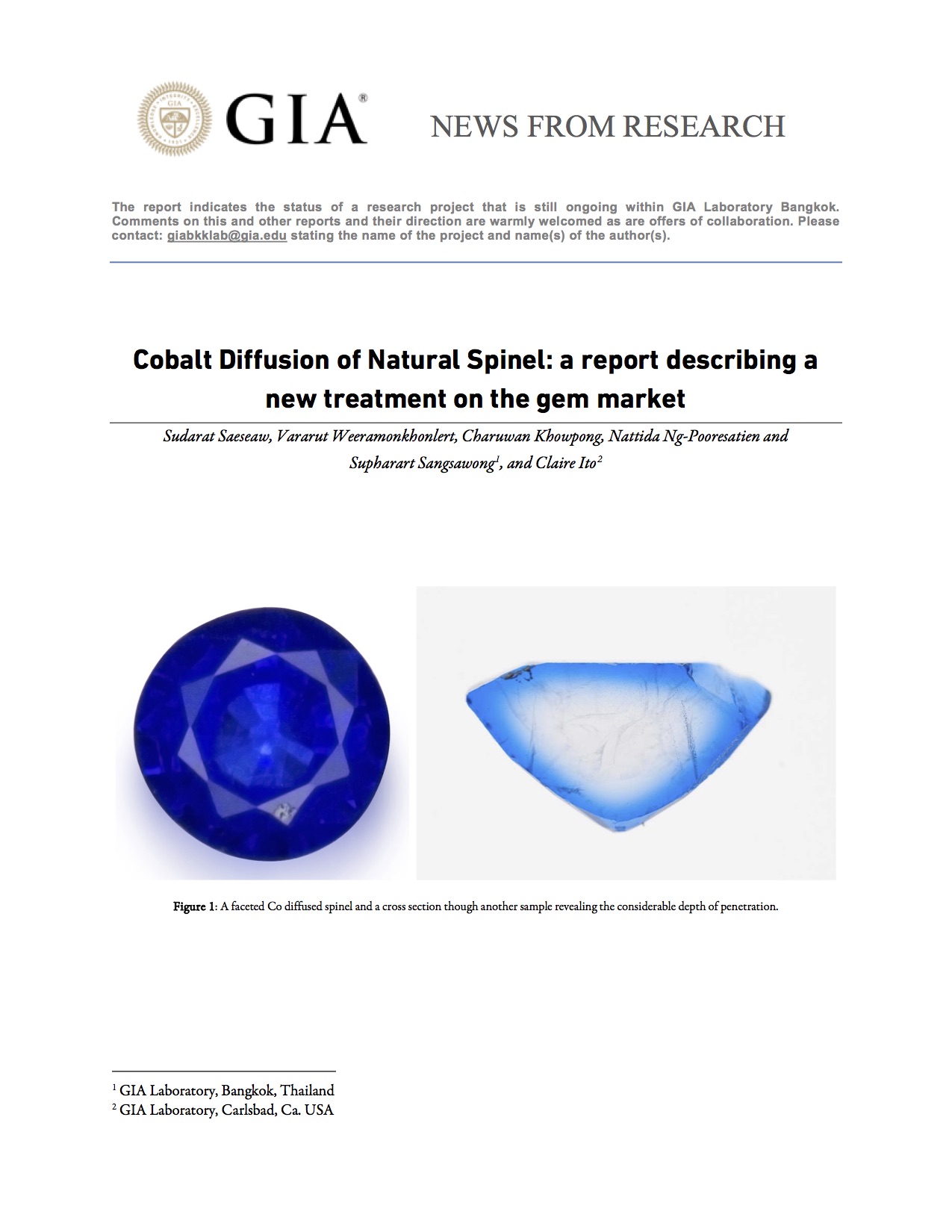
Cobalt Diffusion of natural spinel: A report describing a new treatment on the gem market

Cobalt Diffusion of natural spinel: A report describing a new treatment on the gem market

Saeseaw, S., Weeramonkhonlert, V., Khowpong, C., Ng-Pooresatien, N., Sangsawong, S. and Ito, C. (2015)

Report · Source: GIA News from Research · Publisher: Gemological Institute of America · Pages: 22 pp.

Abstract
Recently (May 2015) several unusual looking faceted spinels were submitted to GIA’s New York, Carlsbad, and Bangkok identification laboratories. At the same time and within the social media it was announced by GRS Laboratory that Mr. M.T.M Harris of Emteem Gem Laboratory had reported seeing similar stones coming through his laboratory in Beruwela, Sri Lanka, and that GRS in cooperation with Günther and Harris (Peretti 2012 (updated 2015)) had determined that the stones were diffused with cobalt. From their inclusion scenes these stones appeared to have been heated at high temperatures, in particular this seemed to be so from the dissolved state of numerous solid inclusions and a profusion of fractures that seemed to have been artificially healed in a flux environment. Cobalt along with iron is known to contribute to the observed color of natural blue spinels from a number of locations (Harder 1986, Chauviré 2015, D'Ippolito 2015) however those colored mostly by cobalt have become sort after both in the general trade as well as with collectors. As such it is important that a clear distinction between natural cobalt spinels and those that owe their color to the artificial addition of cobalt be made and the techniques needed for this distinction be available for all to use. The following text, images and data set out the detail and results of the authors’ examination of eighteen samples supplied to them by the individual responsible for devising the process and placing the material in the market -Mr. Thamrong Charasaiya, who is the President of T.N., High Tech Gems limited, located in Ladprao, Bangkok Thailand. Mr. Charasaiya informed the authors’ that his treatment involved the “deep diffusion cobalt” into “low colored natural spinel from Burma” resulting in a strong blue color. He further stated that “cobalt will not diffuse into spinel on its own and that iron had also to be present along with the cobalt for the process to work”. The authors greatly appreciate the assistance of Mr. Charasaiya in donating the specimens for this examination as well as the open discussions that have taken place that have provided further useful information on the process being used. However it should be emphasized at the outset that the details of his process remain proprietary to Mr. Charasaiya and any description of it here results from the conversations we have had with him -the authors have not witnessed the actual treatment taking place and nor do they have details on such important areas as the manner in which the diffusion materials are applied, the temperatures or timescales used.
Keywords
spinel, treated spinel, cobalt diffusion, gems
Low temperature" heat treatment of Mozambique ruby: Results report"

Low temperature" heat treatment of Mozambique ruby: Results report"

Pardieu, V., Saeseaw, S., Detroyat, S., Raynaud, V., Sangsawong, S., Bhusrisom, T., Engniwat, S. and Muyal, J. (2015)

Report · Source: GIA News from Research · Publisher: Gemological Institute of America · Pages: 34 pp.

Abstract
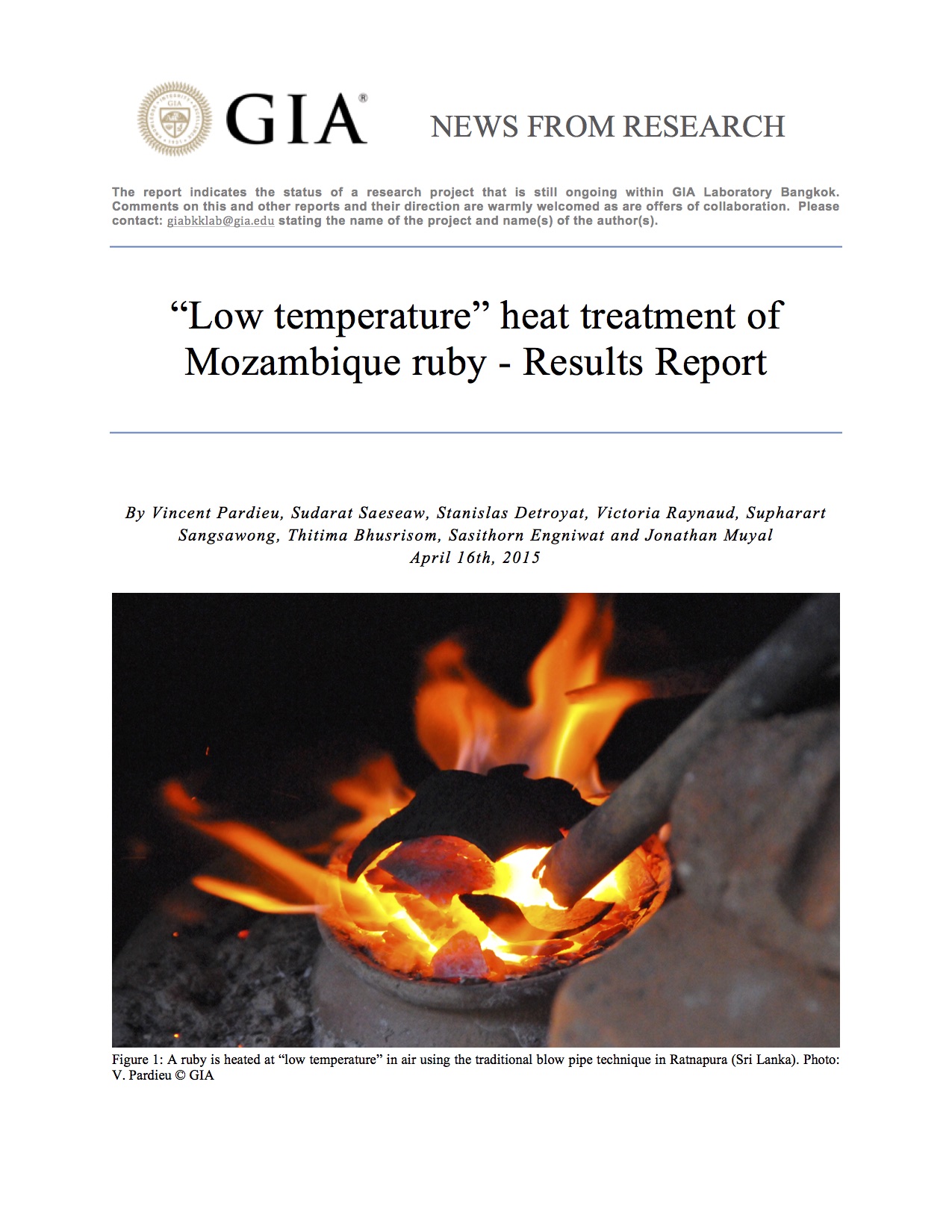
Heat treatment of corundum in Sri Lanka has likely been performed on gems for near 1000 years or more as Teifaschi, an Arab writer wrote the following in 1240 (Sersen, 1991): “In Serandib (Sri Lanka) and its environs, ruby is treated by fire. People take pebbles from the earth and crush and compress them into a mass with the aid of water. (This mixture) is daubed completely around a dry stone. Then, the whole thing is placed on a rock with other rocks set down around it. Dry firewood is thrown on the top, lit and blown upon (with bellows). The blowing is applied, along with more wood, till any black overtones on the ruby have disappeared. The amount of fire and the application of wood depends on the extent of the blackness present. People know this by experience. They heat-treat stones for at least one hour and, at most, twenty days and nights. Then, they carefully extract the ruby, its blackness having disappeared.” This description can be applied to the “blow pipe technique” we still can witness today in Sri Lanka (see Figure 1.) This technique is used is to remove or partially remove some blue components in rubies and sapphires to give in the case of rubies the appearance of a purer hue. In the past it was also used to turn light blue sapphires colorless. Another particularly interesting description of that treatment is also given by James Emerson Tennent, an English traveler who wrote “Ceylon an account of the Island” in 1859: “The blue tinge which detracts from the value of the pure ruby, whose colour should resemble “pigeon’s blood,” is removed by the Singhalese, by exposing the stone in the lime of a calcined shell and exposing it to high heat.” This reference is to the best knowledge of the authors also one of the earliest mention of “Pigeon’s Blood” in the English literature. A similar type of heat treatment of ruby to the ‘blow-pipe’ technique is also practiced in Vietnam and Thailand where a simple jeweler’s torch is used for few seconds or minutes and this is sometimes referred to as “snake bite” (see Figure 3 left). Usually only inclusion free stones are heated this way as included stones are likely to be damaged by the process. Generally the stone does not need to be repolished after this “snake bite” treatment.
Keywords
corundum, treatments.6, Mozambique.12, gems
Gem Testing Techniques

Gem Testing Techniques

Hodgkinson, A. (2015)

Book · Publisher: Valerie Hodgkinson · Pages: 541 pp.

Abstract
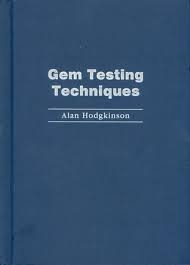
From Nathan Renfro (GIA): Although several books on gem testing have been previously published, this particularly comprehensive volume by renowned gemmologist Alan Hodgkinson will certainly be a welcome addition to members of the field. This book is geared towards a general audience from beginners to career gemmologists. It is saturated with information, yet isn’t so technical to be impractical. The numerous chapters are organised in broad categories relating to particular physical properties. From acid testing of gem materials to the correct application of ultraviolet light, there is little that Hodgkinson does not cover. This book is well written with great detail. In its 552 pages, the reader will be pleased to find numerous images and diagrams that, while not generally glamorous, are very adequate for aiding the reader in understanding the concepts discussed. Scattered throughout the volume are a number of tips and tricks that the practicing gemmologist may find useful as a way to gain information while testing an unknown gem, such as using top lighting to observe pleochroism with a refractometer. Many of the methods require readily available and inexpensive materials, which many gemmologists will appreciate; the use of “visual optics” to measure refractive indices with an elongate paper as an indexed scale is one example. The book is clad in a plain blue hard cover, with silver lettering on the front cover and spine. A ribbon is included for marking one’s place as the reader navigates the pages. The overall quality of the paper, printing and binding appear to be very good. Overall, this book serves as a great reference for gemmologists. The decades of experience by the author are apparent when reading through this book. Surely this will be a highly sought-after publication from which hobbyists and professional gemmologists alike can benefit.
Keywords
gems, gem testing, gemology, jade, jadeite, fei cui, nephrite, ruby, sapphire, beryl, emerald, visual optics
Gem and Ornamental Materials of Organic Origin

Gem and Ornamental Materials of Organic Origin

Pedersen, M.C. (2015)

Book · Publisher: NAG Press · Pages: 282 pp.

Abstract
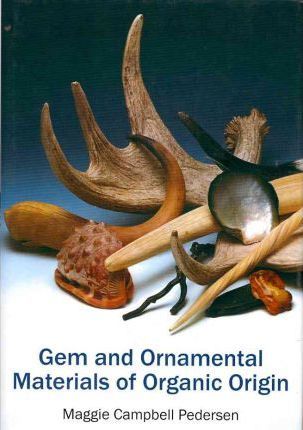
The materials covered in the book include Amber and Copal; Jet; Ivory; Bone; Antler; Rhino horn; Horn; Tortoiseshell; Pearl; Shell; Coral, and other materials of plant and animal origin that have been used as gem or ornamental material. The book describes how to recognize them and how to distinguish them from the materials most commonly used to imitate them, for example plastic. A comprehensive list of materials is included and each is presented with details of its origin, availability and conservation status, examples of, and a brief history of, their use. Organics fit together because of their origins, because they are constantly used together, have similar histories and were the earliest gem materials used. 200 color images are included for ease of reference and identification, allowing you to identify this material by sight, avoiding the usual gemological tests which ruin them. Organics occur in modern and antique jewelry, in decorative items and in some furniture, and this book draws all the information together to provide the first complete overview of the subject.
Keywords
gems, ivory, ivory identification, walrus ivory, vegetable ivory, whale bone, pearl, shell, coral, amber, organic gem identification, jet, horn, operculum

Building a Gemological Library

Gemological books range from general identification manuals and textbooks to specialized works on individual gems, mineralogy, jewelry, treatments, synthesis, history and gem-producing regions.

For a curated selection of particularly useful books, read The Gemologist's Core Library — Classic Books on Gemology, Jewelry and Mineralogy.

About Four Treasures

Four Treasures is Lotus Gemology's freely accessible gemological reference database. Use the full database to search by author, title or keyword and explore literature on gemology, mineralogy, jewelry and related fields. Where available, hyperlinks on titles may lead directly to the full publication.

Search the Complete Four Treasures Database