Gemology Books Bibliography

Gemology Books Bibliography

Explore books on gems, gemology, jewelry and mineralogy in Four Treasures, the Lotus Gemology reference database. This bibliography brings together matching book records from the collection, with publication details, abstracts and cover images where available.

Gemology Book References

The list below matches books concerning gemology and related subjects in the database's searchable fields. Some works cover several branches of gems, jewelry or mineralogy.

341–360 of 3,447 matching references
Big Sky Country sapphire: Visiting Montana’s alluvial deposits

Big Sky Country sapphire: Visiting Montana’s alluvial deposits

Hsu, T., Lucas, A., Kane, R.E., McClure, S.F. and Renfro, N.D. (2017)

Journal Article · Source: Gems & Gemology · Volume: Vol. 53 · Issue: No. 2, Summer · Pages: pp. 215–227

Abstract
Sapphire has been mined in the western U.S. state of Montana for more than a century and a half. Historically, gem-quality sapphires have been mined commercially in four main areas in southwestern Montana, shown in figure 1: the upper Missouri River gravel bars (1865), Dry Cottonwood Creek (1889), Rock Creek (1892), and Yogo Gulch (1895). Today, the first two areas remain quite active, while operations in Yogo Gulch and Dry Cottonwood Creek have been suspended for many years. To better understand the characteristics of Montana sapphire and record current mining and commercial activities, GIA sent a team to visit the placer deposits at the upper Missouri River and Rock Creek areas in Au-gust 2015. Since the latter half of the 19th century, Montana’s history has been intertwined with gold, silver, and copper mining. Corundum was discovered dur-ing the course of gold mining activities in southwestern Montana. Before the 1940s, the state’s alluvial sapphire deposits were exploited mainly to supply the watch industry, but production fell dramatically with the use of synthetic sapphire in watch bearings (Emmett and Douthit, 1993). Among Montana’s secondary deposits, Rock Creek (figure 2) is the only area mined specifically for sapphire from its discovery in 1892 until World War II (Clabaugh, 1952). While Yogo Gulch is a primary deposit, the placer deposits at Rock Creek, Dry Cottonwood Creek, and the upper Missouri River near Helena have been a matter of speculation among researchers trying to work out the origin of these sapphire crystals. Research indicates that they were carried to the surface by volcanic activity, but their ultimate origin is still an open question, even after about 125 years of searching (e.g., Pratt, 1906; Clabaugh, 1952; Garland, 2002; Berg and Dahy, 2002; Berg, 2014; Zwaan et al., 2015). Due to the lack of significant sapphire bearing host rock outcrops in these areas, the search and discussion continue. The glamour of the sapphires, the mysteries of their origin, the area’s mining history, and the natural beauty of Big Sky country are an intriguing combination (figure 3).
Keywords
gems, corundum, Montana.12, USA.12
Japanese jadeite: History, characteristics, and comparison with other sources

Japanese jadeite: History, characteristics, and comparison with other sources

Abduriyim, A., Saruwatari, K. and Katsurada, Y. (2017)

Journal Article · Source: Gems & Gemology · Volume: Vol. 53 · Issue: No. 1, Spring · Pages: pp. 48–67

Abstract
Even though Japanese jadeite lacks the transparency of the highest-quality Burmese imperial jadeite, its rarity and natural features make it a highly valued gemstone. In this study, jadeite from the Itoigawa and Ōmi regions in Niigata Prefecture and the Wakasa region in Tottori Prefecture, both on Japan’s western coast, were divided into several color varieties corresponding to chromophores and mineral phases: white (nearly pure jadeite), green (Fe-rich, Cr-bearing), lavender (Ti-bearing), blue (Ti- and Fe-bearing), and black (graphite-bearing). White jadeite from Itoigawa–Ōmi was close to pure jadeite (Xⱼd = 98, or 98% jadeite composition). Green jadeite from the same location had an Xⱼd range from 98 to 82. The maximum CaO content in green jadeite was 5 wt.%, and its chromophores were Fe and Cr. Whereas lavender samples had a jadeite composition of Xⱼd = 98 to 93 and tended to be high in TiO₂ and FeOₜₒₜ and low in MnO content, blue jadeite showed the highest TiO₂ concentration at 0.65 wt.% and had an Xⱼd range of 97 to 93. A blue jadeite from Wakasa had a range of 97 to 91 and a similarly high TiO₂ concentration. In trace-element analysis, chondrite-normalized and primitive mantle–normalized patterns in lavender, violetish blue, and blue jadeite from Japan showed higher large-ion lithophile element contents (Sr, Ba) and higher field strength element contents (Zr, Nb) than those in green jadeite, while white and black jadeite had relatively low REE contents. The Japanese jadeites were compared to samples from Myanmar, Guatemala, and Russia.
Keywords
jade, jadeite, fei cui, Japan, gems
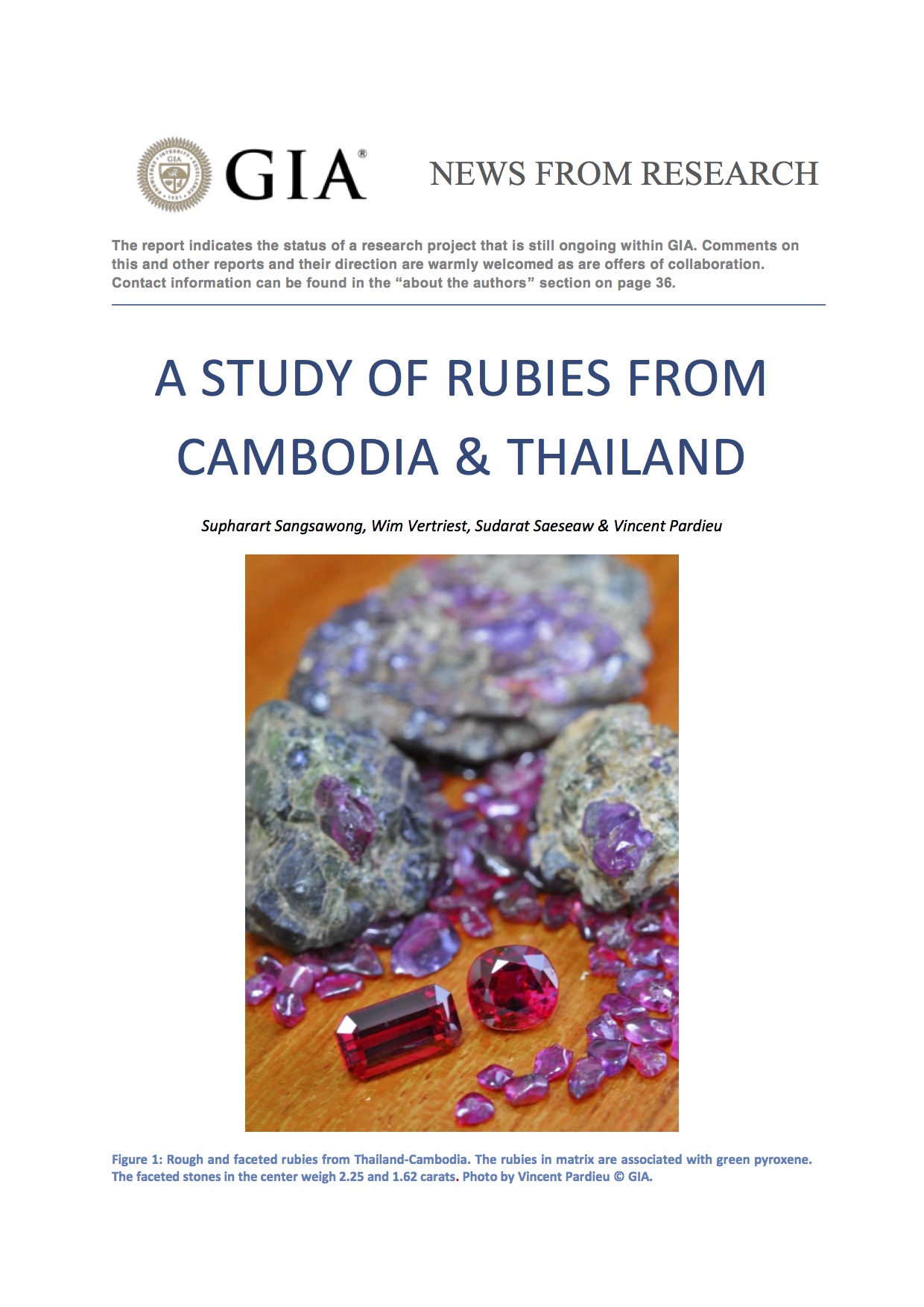
A Study of Rubies from Cambodia & Thailand

A Study of Rubies from Cambodia & Thailand

Sangsawong, S., Vertriest, W., Saeseaw, S. and Pardieu, V. (2017)

Report · Source: GIA News From Research · Publisher: Gemological Institute of America · Pages: 37 pp. · Language: in english

Abstract
Rubies in Thailand and Cambodia are found in the border area of both countries, in the areas of Pailin (Cambodia) and Chanthaburi-Bo Rai-Trat (Thailand). Although being recovered for over 100 years, Thai and Cambodian rubies have been mined intensively in the 1960’s-1990’s. Those were large-scale mechanized operations. Production today has dropped drastically, but small scale and artisanal miners are still finding rubies. These are mainly on the Cambodian side of the border. For this study, 41 samples were analyzed at the GIA laboratory in Bangkok. Internal features were documented with a focus on mineral inclusions, fingerprints and twinning planes. Advanced techniques such as UV-VIS-NIR spectroscopy were used to analyze the color of these rubies. Trace element chemistry was measured using LA-ICP-MS to support the spectroscopy and to compare this data with rubies from other deposits.
Keywords
corundum, Thailand.12, Cambodia.12, gems
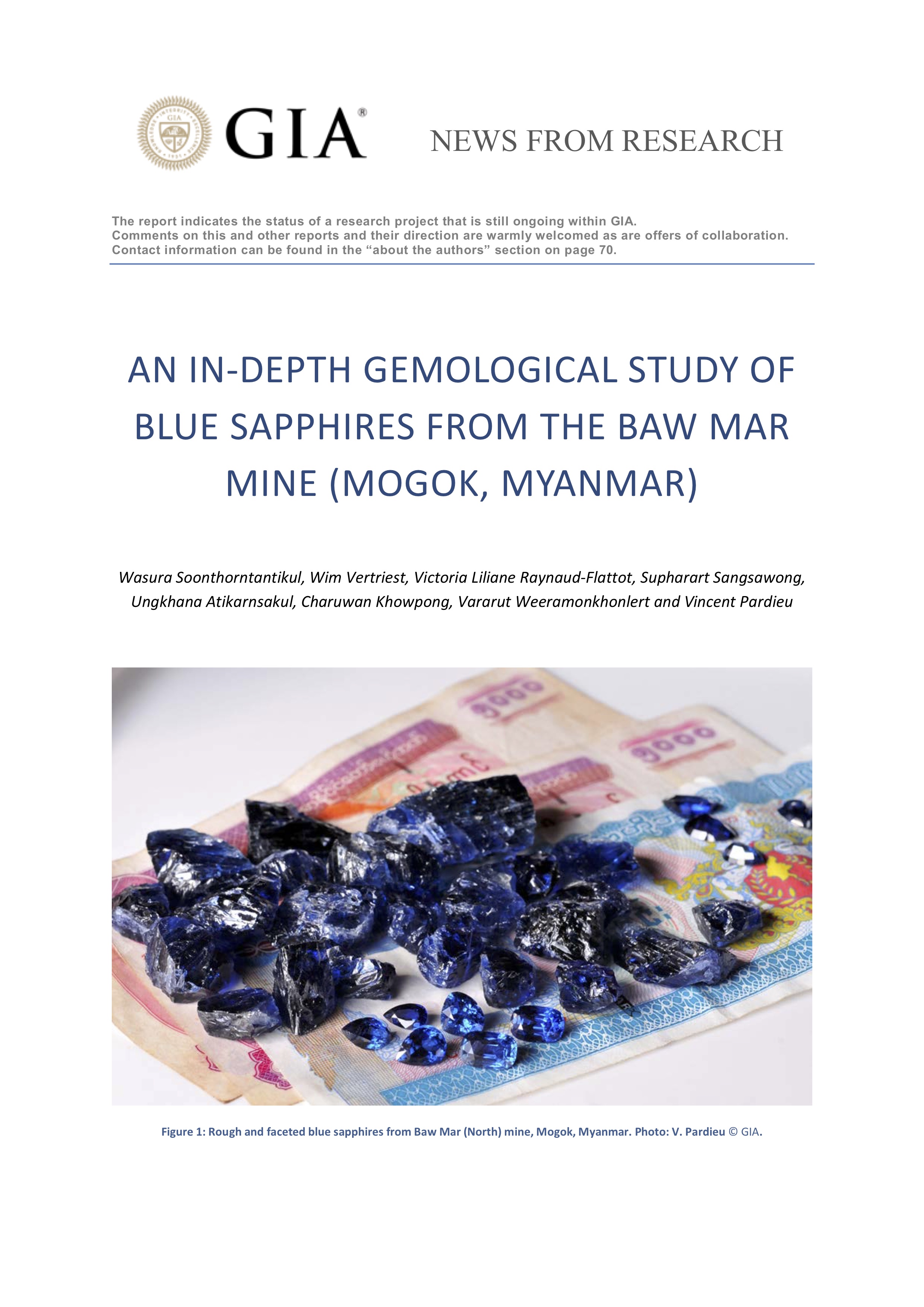
An in-depth gemological study of blue sapphires from the Baw Mar mine (Mogok, Myanmar)

An in-depth gemological study of blue sapphires from the Baw Mar mine (Mogok, Myanmar)

Soonthorntanikul, W., Vertriest, W., Raynaud-Flattot, V.L., Sangsawong, S., Atikarnsakul, U., Khowpong, C., Weeramonkhonlert, V. and Pardieu, V. (2017)

Report · Source: GIA News from Research · Publisher: Gemological Institute of America · Issue: February · Pages: 87 pp.

Abstract
High quality blue sapphires have been mined in Myanmar for centuries (Kane & Kammerling 1992, Themelis 2001, Hughes 1997). Until the end of the 20th Century, sapphires were mined from the Mogok Stone Tract, mainly in the western area near Kyatpin and around Mogok town. Towards the end of the 20th Century blue sapphire mining extended to the west around Kyauk Pya That, Kabaing and Kin, to the north around Barnard Myo and in the Chaung Gyi valley, and in the east around Peint Pyit village (Themelis 2008, Hughes 2016). Between 2011 and 2016 new production from Baw Mar area started to reach the market and attracted the attention of gemologists visiting the region (Phyo Kan Nyunt et al., 2013). GIA field gemologists visited Baw Mar operations in 2013, 2014, and 2015. It was evident the mine was not only the highest altitude mine in the whole of the Mogok area but also one of Mogok’s largest mining operations. Its sapphire production is interesting and challenging for gemologists as, its sapphire characteristics (chemistry and internal features) are slightly different from the classic Burmese sapphires. The aim of this research project is to expand our knowledge of these gemstones which can be a challenge in terms of origin determination. During the field expeditions and subsequent laboratory work it became clear that even within the same mine, sapphires can look different to one another depending on the area where they are mined; samples from the southern area are generally lighter in color than the sapphires recovered from the northern part of the mine. In this study, we analyzed samples collected at the office (located near the mining site where the production was sorted) during two separate expeditions. The samples were mined from opposite parts of the mine, southern and northern, respectively. The general gemological characteristics; inclusions, UV-VIS and IR spectra and trace element chemistry are covered. A description of the mine, mining techniques employed and preliminary geological observations are also provided. Most of the data collected reveals sufficient information to differentiate between the two sampled areas within the same mine. It is clear that the Baw Mar sapphires formed in a complex geological environment with the potential to produce a range of qualities (high to low), various inclusion scenes and variable trace element concentrations.
Keywords
corundum, Madagascar.12, gems
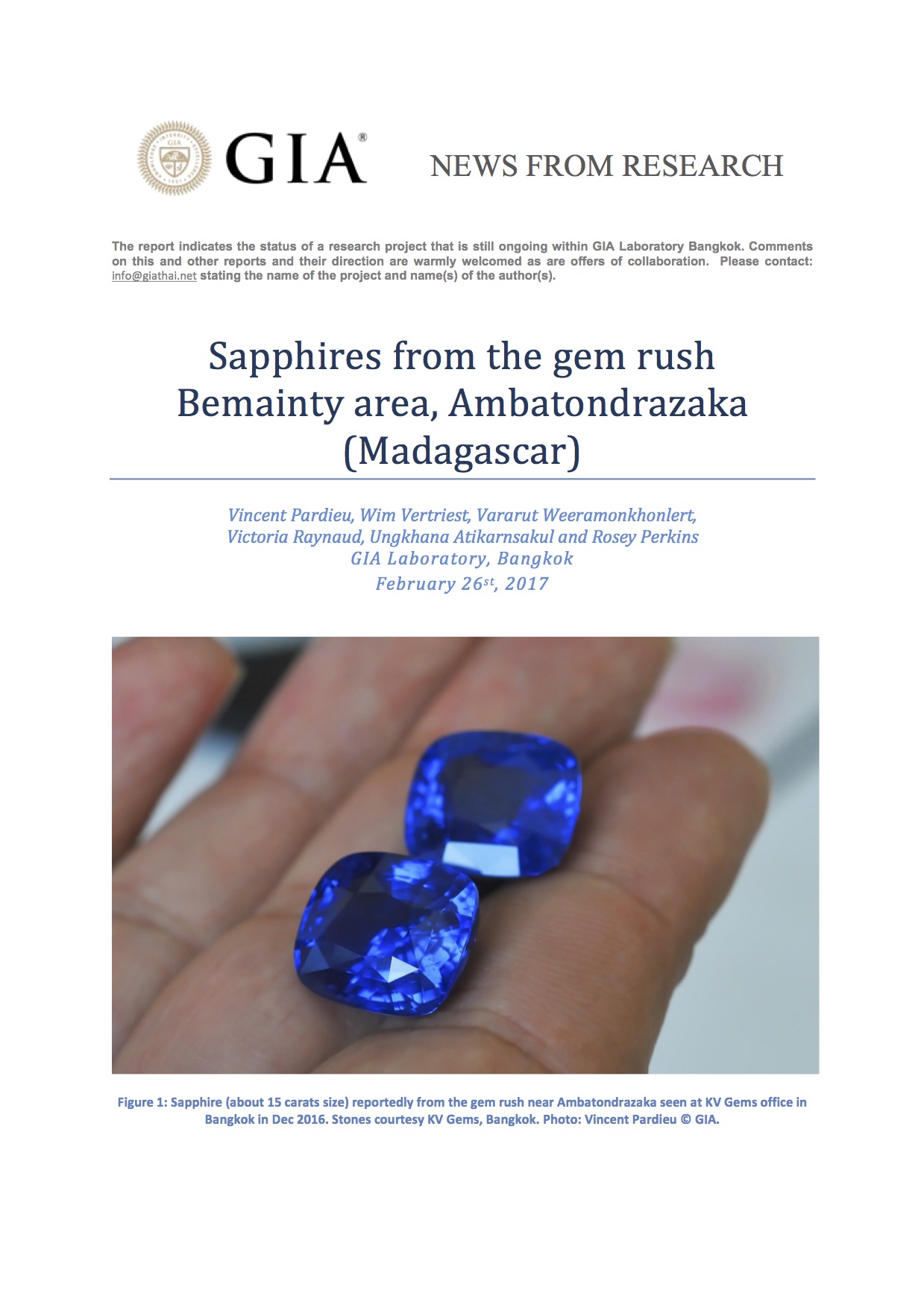
Sapphires from the gem rush Bemainty area, Ambatondrazaka (Madagascar)

Sapphires from the gem rush Bemainty area, Ambatondrazaka (Madagascar)

Pardieu, V., Vertriest, W., Weeramonkhonlert, V., Raynaud, V., Atikarnsakul, U. and Perkins, R. (2017)

Report · Source: GIA News from Research · Publisher: Gemological Institute of America · Issue: 26-Feb · Pages: 45 pp.

Abstract
A sapphire rush escalating to approximately 50,000 unlicensed small-scale miners started in October 2016 about 35 km east of Ambatondrazaka, Madagascar. It is taking place in the Corridor Ankeniheny-Zahamena (CAZ), which is a new protected area legally designated in 2015 and managed by “Conservation International,” one of the world’s largest conservation groups, on behalf of the Malagasy Government. The discovery of many fine quality sapphires in this area is opening a new chapter in the conflict between conservation and gem mining in northeastern Madagascar. The present report will introduce the new discovery, which was visited by author Rosey Perkins in October 2016, and provides a complete gemological description of these sapphires done at the GIA Laboratory based on samples acquired by author Vincent Pardieu. This preliminary study might enable GIA (and other gemological laboratories) to better identify stones produced from this new deposit.
Keywords
corundum, Madagascar.12, gems
Pounamu: Treasure of New Zealand

Pounamu: Treasure of New Zealand

Francey, D. (2017)

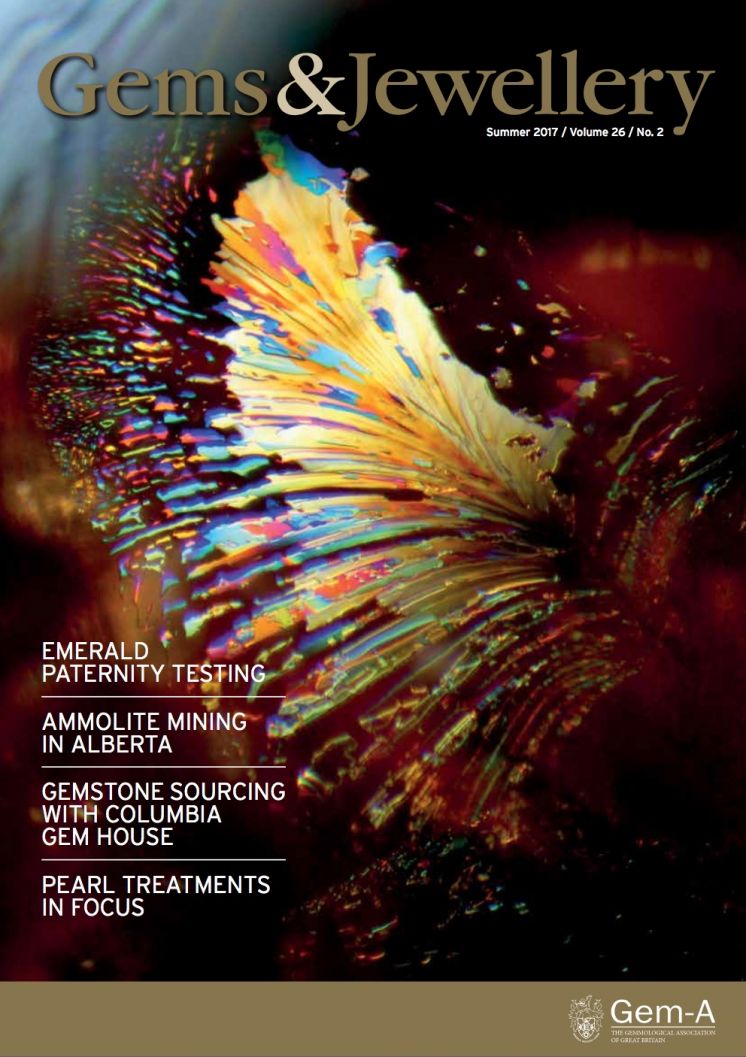
Journal Article · Source: Gems&Jewellery · Volume: Vol. 26 · Issue: No. 4, Winter

Abstract
What makes New Zealand jade such a unique and desirable stone and what historical relevance does it have today? Those are the questions being asked by Gem-A student Daniel Francey FGA in his Gemmology Diploma project, exploring the properties as well as the traditional and modern uses of New Zealand jade...
Keywords
gems, jade, nephrite, New Zealand nephrite, Maori nephrite
Мysterious Stone of Tsar Alexander (On Alexandrite, Alexander II, and More)

Мysterious Stone of Tsar Alexander (On Alexandrite, Alexander II, and More)

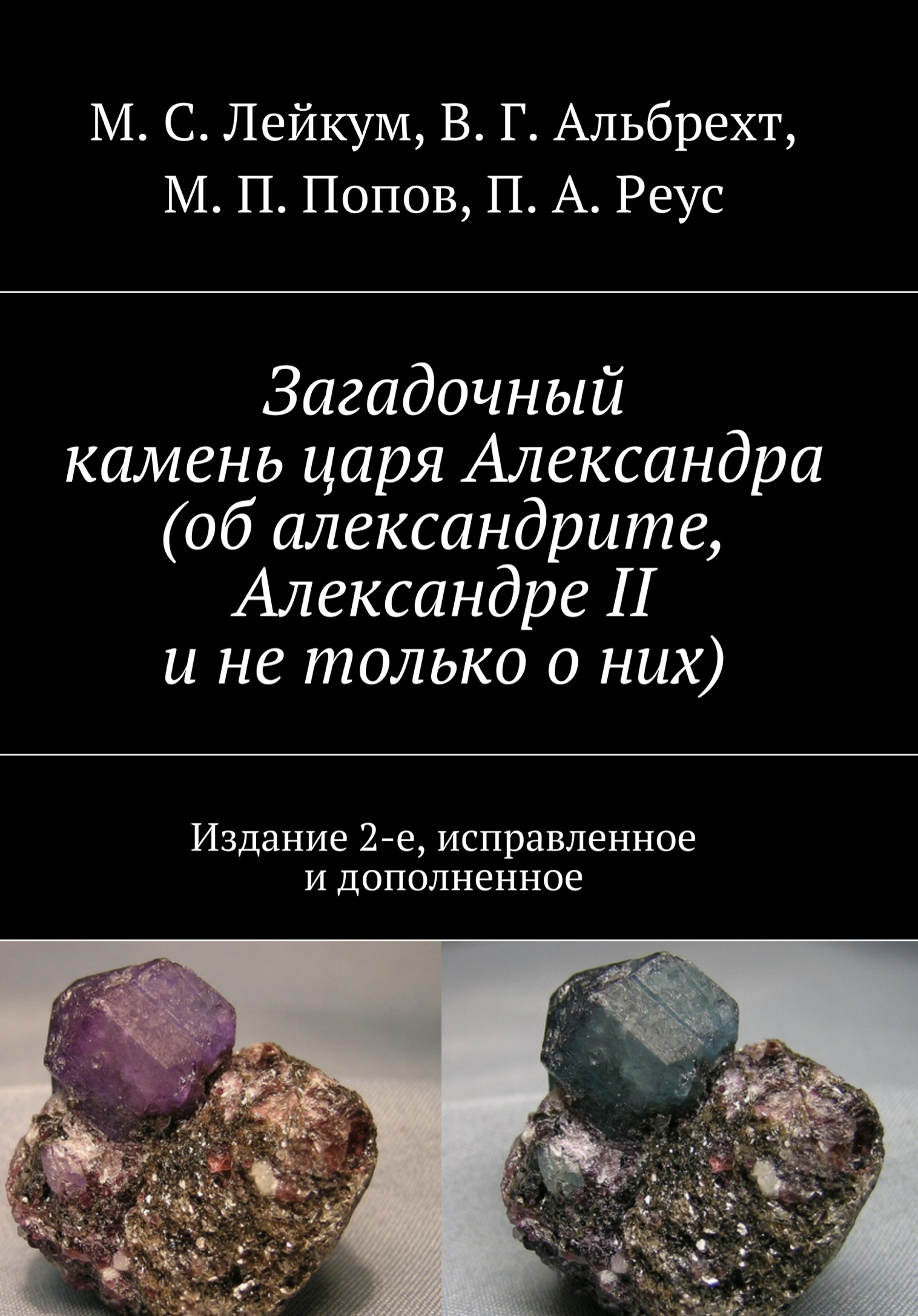
Загадочный камень царя Александра (об александрите, Александре II и не только о них

Leikum, M.S., Albrecht, V.G., Popov, M.P. and Reus, P.A. (2016)

Book · Publisher: Publishing Solutions · Pages: 376 pp. · Language: in Russian

Abstract
Leikum, Albrecht, Popov, and Reus examine alexandrite through the intertwined histories of mineralogy, gemology, and Imperial Russia, with particular attention to the gemstone’s association with Tsar Alexander II. The authors discuss the discovery and naming of alexandrite, its characteristic color change, the history of its Russian deposits, and the people and circumstances connected with its early recognition and description. The book investigates the traditions and historical claims surrounding the stone’s imperial associations, placing them within the political and cultural world of nineteenth-century Russia. Drawing together documentary history, mineralogical information, and accounts of important specimens and occurrences, the volume seeks to distinguish historical evidence from the legends that have accumulated around one of Russia’s most celebrated gemstones.
Keywords
gems, chrysoberyl, alexandrite, beryl, emerald, Russia, Ural Mountains, Malysheva
Standard Methods for Testing Fei Cui for Hong Kong

Standard Methods for Testing Fei Cui for Hong Kong

Gemmological Association of Hong Kong (2016)

Edited Book · Publisher: Gemmological Association of Hong Kong · Pages: unpaginated (~46 pp.)

Abstract
Manual describing how fei cui should be tested in Hong Kong.
Keywords
Gems, jade, jadeite, fei cui, jadeite, fei cui testing in Hong Kong, Broken Bangle
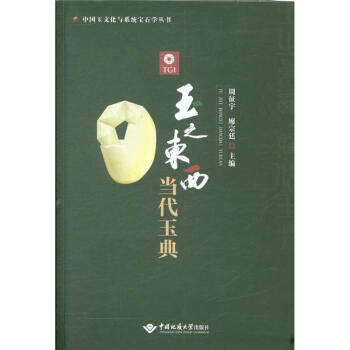
The Essence of Jade: A Contemporary Jade Canon

The Essence of Jade: A Contemporary Jade Canon

玉之东西 当代玉典

Zhou, Z. and Liao, Z. (2016)

Book · Source: Gemology Book Series · Publisher: China University of Geosciences Press · Pages: 250 pp. · Language: in Chinese

Abstract
Zhou and Liao examine contemporary Chinese jade from the perspectives of material, craftsmanship, design, and cultural meaning. The volume presents a broad selection of modern jade works and considers how traditional Chinese jade culture has been reinterpreted by contemporary carvers and designers. Particular attention is given to the relationship between the intrinsic qualities of the stone—color, texture, form, and surface features—and the artistic decisions made during carving. The illustrated examples encompass both traditional subjects and more innovative compositions, demonstrating the coexistence of established techniques and symbolism with changing aesthetic tastes. As part of a gemological book series, the volume combines appreciation of jade as a natural material with an examination of its continuing development as an important medium of contemporary Chinese decorative art.
Keywords
jade, nephrite, China, Chinese art, modern Chinese jade carving, gems
Blue minerals: Exploring cause & effect

Blue minerals: Exploring cause & effect

Skalwold, E.A. and Bassett, W.A. (2016)

Journal Article · Source: Rocks & Minerals · Volume: Vol. 91 · Issue: No. 1 · Pages: pp. 61–77

Abstract
From its vast expanses of cerulean waters to its azure heavens above, our world is dominated by blue, so it is no wonder that the color blue is favored by many across cultures and throughout the ages. The allure of minerals owes much to the perception of color inherent to a particular species or variety. Arguably, whether a person is a seasoned collector or small child, color is what first attracts attention, and quite often its cause is the earliest question posed. Scientific investigations into its nature and articulation of its nuances of hue and quality are the subjects of volumes of literature in both the mineralogical and gemological sciences. Although the present overview narrowly focuses on a selection of blue minerals and aims to do so with some exploratory tools and twists, its concepts also provide insights into the cause of other colors seen elsewhere in the mineral kingdom, as well as in gemstones fashioned from denizens of that realm.
Keywords
corundum, color.4, gems
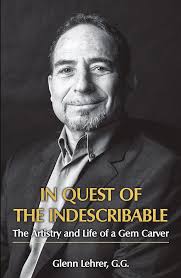
In Quest of the Indescribable: The Artistry and Life of a Gem Carver

In Quest of the Indescribable: The Artistry and Life of a Gem Carver

Lehrer, G. (2016)

Book · Publisher: Gemporia · Pages: 288 pp.

Abstract
Autobiography of Award Winning Gem Artist Glenn Lehrer, G.G. Mr. Lehrer's personal account of his life's journey as an artist and gem carver extraordinaire is a fascinating read! Recognized as both a Living Legend and Master by the Jewelry Industry worldwide, Mr. Lehrer started out as a young artist. Upon his return to California in the 1970's after a soul searching journey to India (including living on an Ashram); he experienced a life changing connection with crystals and their innate metaphysical qualities. He realized that he had found his muse for his art, and began to teach himself the art of Gem Carving. He subsequently studied the sciences of crystallography, gemology and mineralogy as well, loving the combination of the tangible, the beauty and rarity of fine gems and the science of it all. Being very spiritual and adventurous, this self taught GemArtist was free to explore and create in ways that traditional masters have not been allowed. Now, after 40+ years of exploration and creation of new gemstone designs, and co-creating works of art with other Gem Artists and distinguished fine jewelers and designers around the world; the proclaimed Master of Light Gem Artist Glenn Lehrer shares his true life of discovery creatively, spiritually, and artistically. He is an adept storyteller, and is a featured speaker and writer for scientific organizations and gemological associations. Mr. Lehrer's work appears in collections and museums around the world, and he is a true pioneer in the Jewelry Industry. Each book is personally signed by the author.
Keywords
gems, lapidary, gem cutting, gem carving, lapidary arts
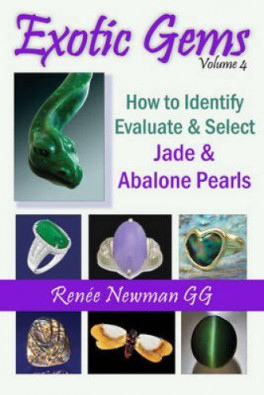
Exotic Gems, Volume 4: How to Identify, Evaluate & Select Jade & Abalone Pearls

Exotic Gems, Volume 4: How to Identify, Evaluate & Select Jade & Abalone Pearls

Newman, R. (2016)

Book · Publisher: International Jewelry Publications · Pages: 136 pp.

Abstract
The latest in Renée Newman’s series of fascinating books on unusual gemstones, this volume tackles the difficult subject of jade. You might not think of jade as “exotic” but it is in fact two different stones, found all over the world, in almost every color, and is very commonly imitated, treated, enhanced, and faked. This book will help you pick your way through the jade minefield. Newman begins with a look at why jade was so highly valued by diverse cultures around the world, of which the Chinese were preeminent. She carefully explains the two true jades (nephrite and jadeite) as well as their less common confusing cousins: omphacite, kosmochlor, and maw-sit-sit. The long list of jade imitators is well covered and illustrated. Relevant gemological instruments are introduced and discussed. The average reader will have easy access to the basic ones, but don’t expect your local jeweler or appraiser to own the more advanced--and therefore most useful--instruments. While nephrite is thoroughly discussed and illustrated, clearly the book’s emphasis is on Burmese jadeite, the jade most commonly encountered in high-end jewelry. The quality factors for jadeite are well explained and illustrated. A major issue with jadeite is how to tell natural (Type A) color from polymer injected and dyed (B and C) imitators. It makes a huge difference in price, as well as durability, so Newman treats the subject extensively. While basic instruments can offer some help, the most reliable diagnostics require expensive lab instruments operated by trained technicians, a service you would have to hire out. Price factors are touched on here and there, but as jade is almost always sold by the piece rather than by weight, few generalities can be made. Jade sources and cultures are next described, with individual chapters for China, Burma, Guatemala, Canada (today’s top source of nephrite), and the several USA jade sources, including the fine black nephrite once found in Wyoming. One last chapter covers secondary locales: Russia (famous for nephrite cats-eyes), New Zealand (Maori jade), Taiwan, and more, even a discussion of Turkish “purple jadeite” (a very impure stone). The USA ban on importing Burmese jade (and rubies, too) is briefly discussed. An extra treat is a chapter on abalone pearls, a subject rarely written about. Newman covers what they are, where they are found, and how they are cultivated, as well as price factors and how to care for them. New Zealand Paua pearls are covered as well. As in Newman’s previous gemstone books the coverage is thorough and the writing clear. An odd distraction is the defective kerning (letter spacing) on many pages. The numerous photographs are exceedingly helpful but in a book this size must necessarily be small and so can not have the resolution one would find in an “appreciation” type book. If you have any interest at all in jade as a gemstone Renée Newman’s latest book is a must-have.
Keywords
jade, jadeite, fei cui, nephrite, identifying jade, treated jade, Burma, China, New Zealand, Canada, Russia, Guatemala, gems
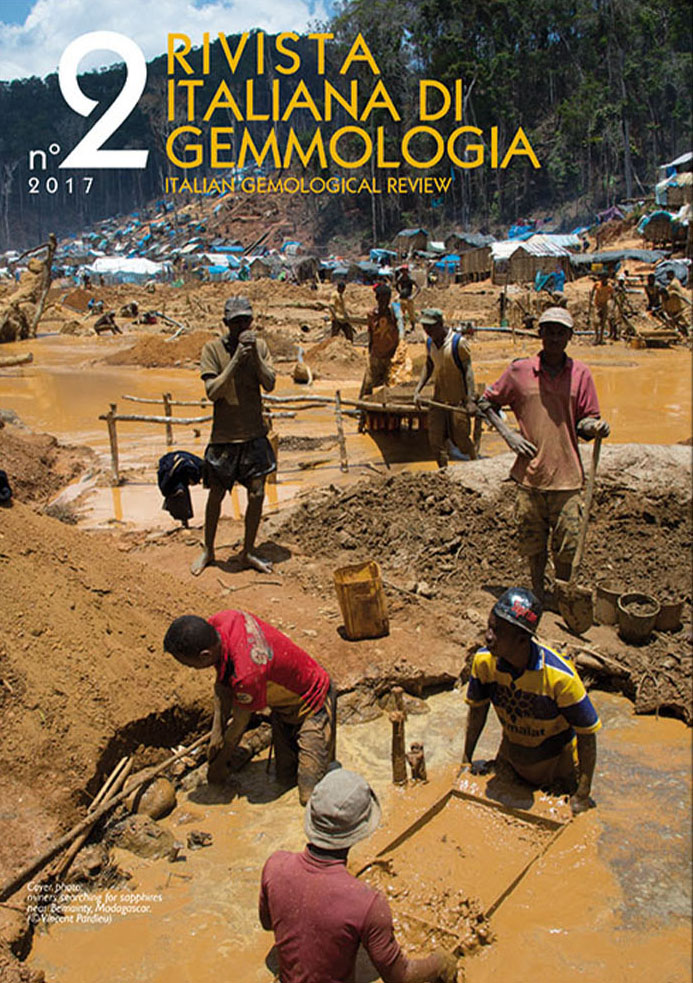
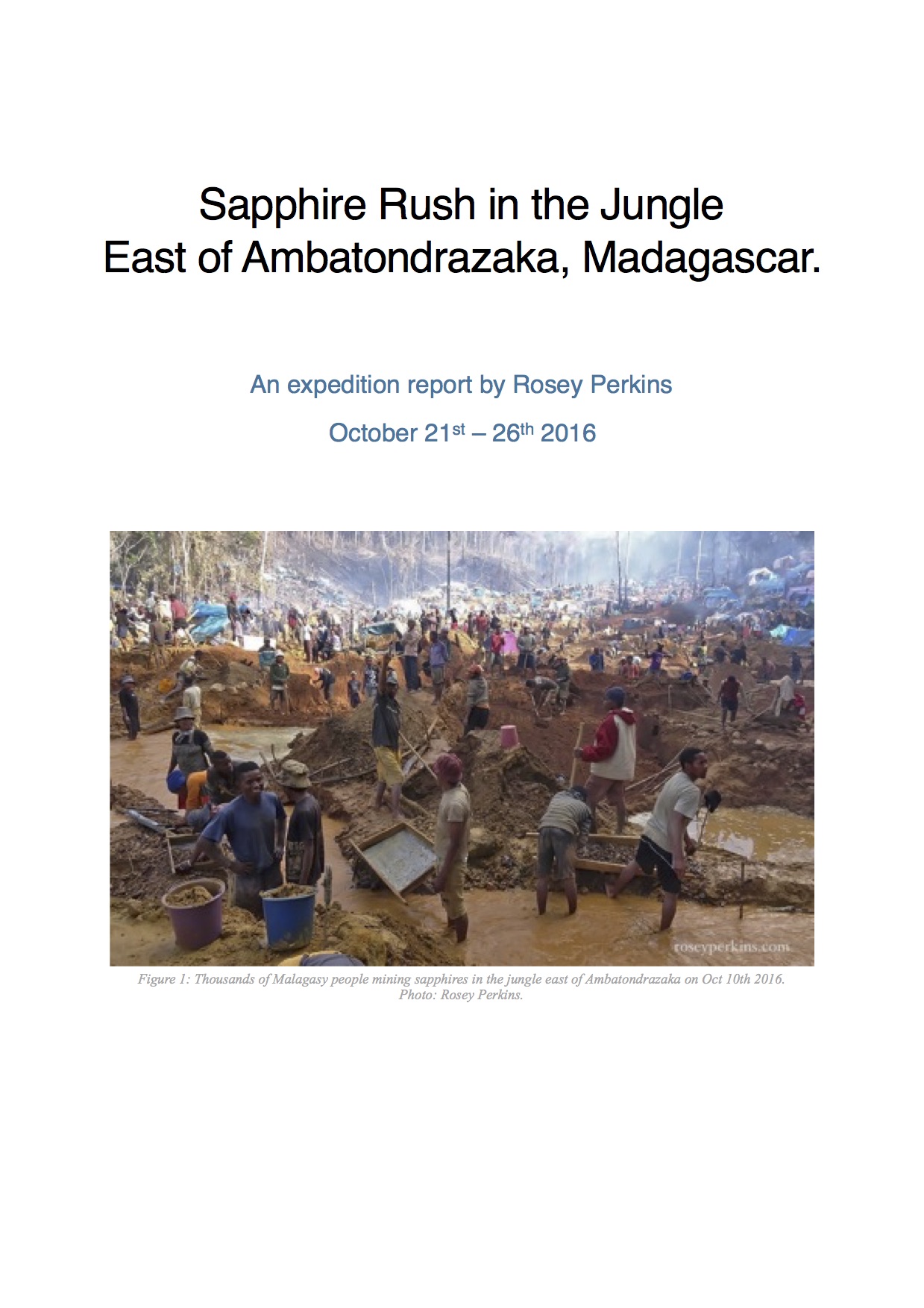
Sapphire rush in the jungle East of Ambatondrazaka, Madagascar

Sapphire rush in the jungle East of Ambatondrazaka, Madagascar

Perkins, R. (2016)

Report · Pages: 17 pp.

Abstract
I heard about a sapphire rush taking place in the jungle near Abatondrazaka, Madagascar at the end of a 5 week long solo trip learning about its sapphires. I had had a great month visiting sapphire mining areas near Diego (North) and Ilakaka (south). At the end of my vis-it I was in Antananarivo (Tana), the capital, discussing my journey with Marc Noverraz, a Swiss Gem merchant based in Madagascar. He told me there was “a rush” and many people were travelling to Ambatondrazaka to find natural blue sapphires in large sizes from a new deposit. Like the Californian “gold rush” (1848) to which many miners and op-portunists travelled when they heard of the riches they could find, this “sapphire rush” was attracting the attention of people from all over Madagascar. Nearly a year after hearing Vincent Pardieu presenting “Rubies from Zahamena National Park” at the end of my gemological studies at GIA in Carlsbad, I was excited to be in Madagascar with the opportunity of visiting “a rush”. I wanted to find out more: to know the size, colour and quantity of stones found at “the rush site”. I called everyone I knew and gathered that there were around 5000 people working in an area accessible by a 12 hour walk from a village near Ambatondrazaka. I also heard that traders believe sapphires from this deposit have a similar chemical composition to Burmese. The idea of these Malagasy sapphires being mistaken for Burmese by labs issuing reports would surely be good news to traders who would expect it to elevate their value. I couldn’t obtain many more details or samples from the traders or gemologists I made contact with but they were all excited. I decided to go to Ambatondrazaka and answer my questions for myself.
Keywords
corundum, Madagascar.12, gems
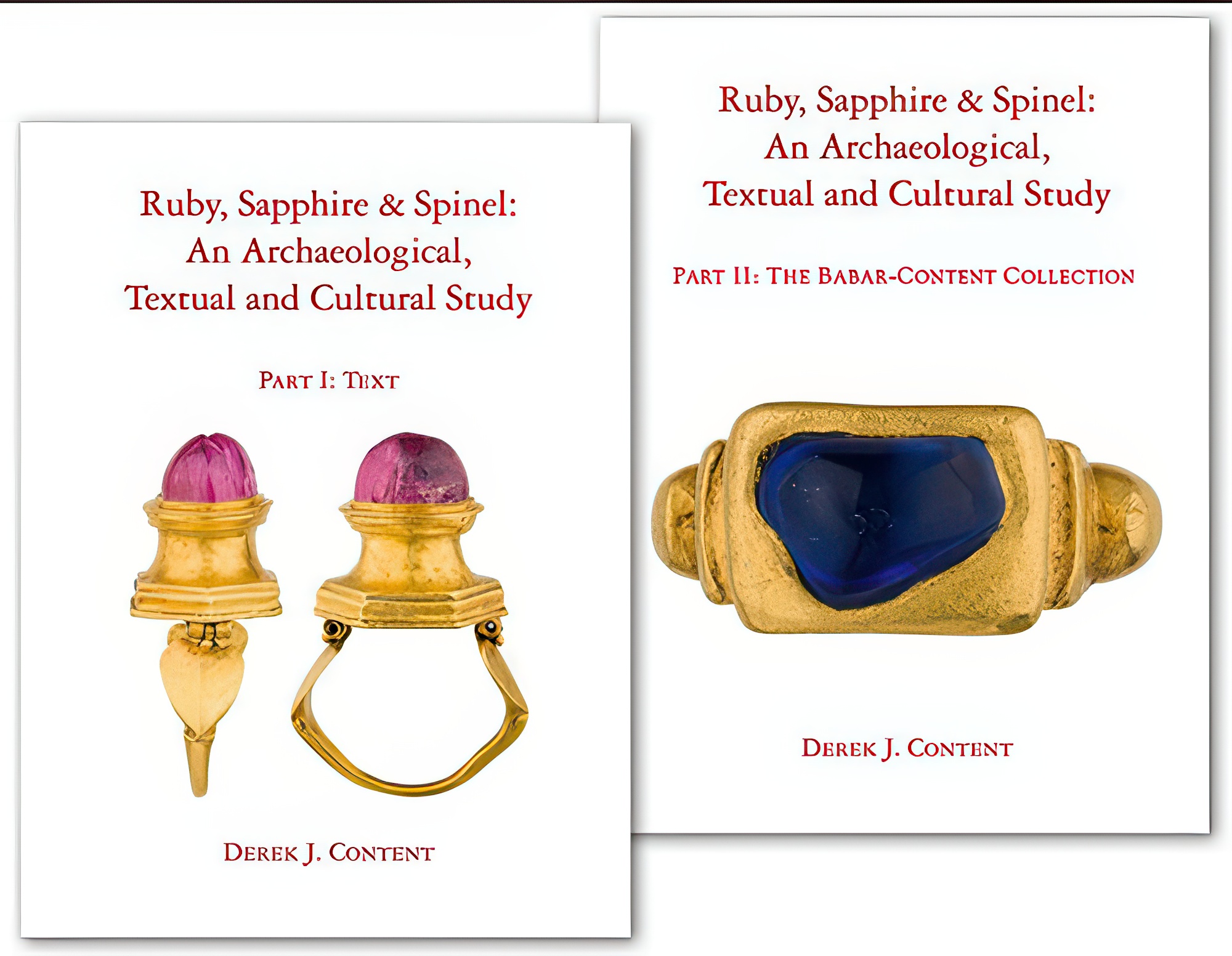
Ruby, Sapphire & Spinel: An Archaeological, Textual and Cultural Study

Ruby, Sapphire & Spinel: An Archaeological, Textual and Cultural Study

Content, D.J. (2016)

Book · Publisher: Brepols Publishers · Pages: viii + 452 pp.

Abstract
Until about two hundred years ago, no gemological distinction was made between ruby and spinel. Red spinel and red ruby are not infrequently found together and though gem cutters and engravers noticed and commented on the difference in hardness, the assumption was that spinel was simply an “unripe” version of ruby. Additionally, ruby and sapphire are both versions of the mineral corundum, distinguished only by color and minute traces of the metal oxides that caused these different colors. Sapphires may be pink, yellow, and green as well as blue, while rubies come in many shades of red which, inevitably causes confusion as one person’s pale red ruby is another’s pink sapphire – there are no absolutes. Consequently, the nomenclature is confused, both within early texts, and also in later translations of those texts. The ancient authors could only report on the basis of the information available to them at the time, while those writing the later translations were fine textual scholars or epigraphers, but not infrequently poor gemologists, not familiar with the mineralogical distinctions between the gems. It has often been difficult to get an overarching view of the many different factors that all played a part in the spread of precious gems and of the dissemination of knowledge about them. Given the paucity of available information concentrating exclusively on the use of ancient precious gemstones, the author combed the literature for relevant references. A surprising amount of descriptive and factual information was found, mostly scattered throughout early texts. The most interesting passages were selected and wherever possible the original authors’ words were quoted rather than paraphrased. The early translations in the languages used by 17th–19th century scholars are given, names of people, places or objects that otherwise might have remained obscure are explained. Gems travel. They follow wealth and because of their natural immutability, the only way they can be identified by culture is by the way man has affected their appearance, deliberately or accidentally. The dating of gems that are still in original period settings is easier because the dated typology of rings and jewelry settings generally, is more secure than the study of gem shapes, while the study and dating of specific faceting styles of unmounted stones is still in its infancy.
Keywords
corundum, history.1, fashioning.9, quality.10, gems
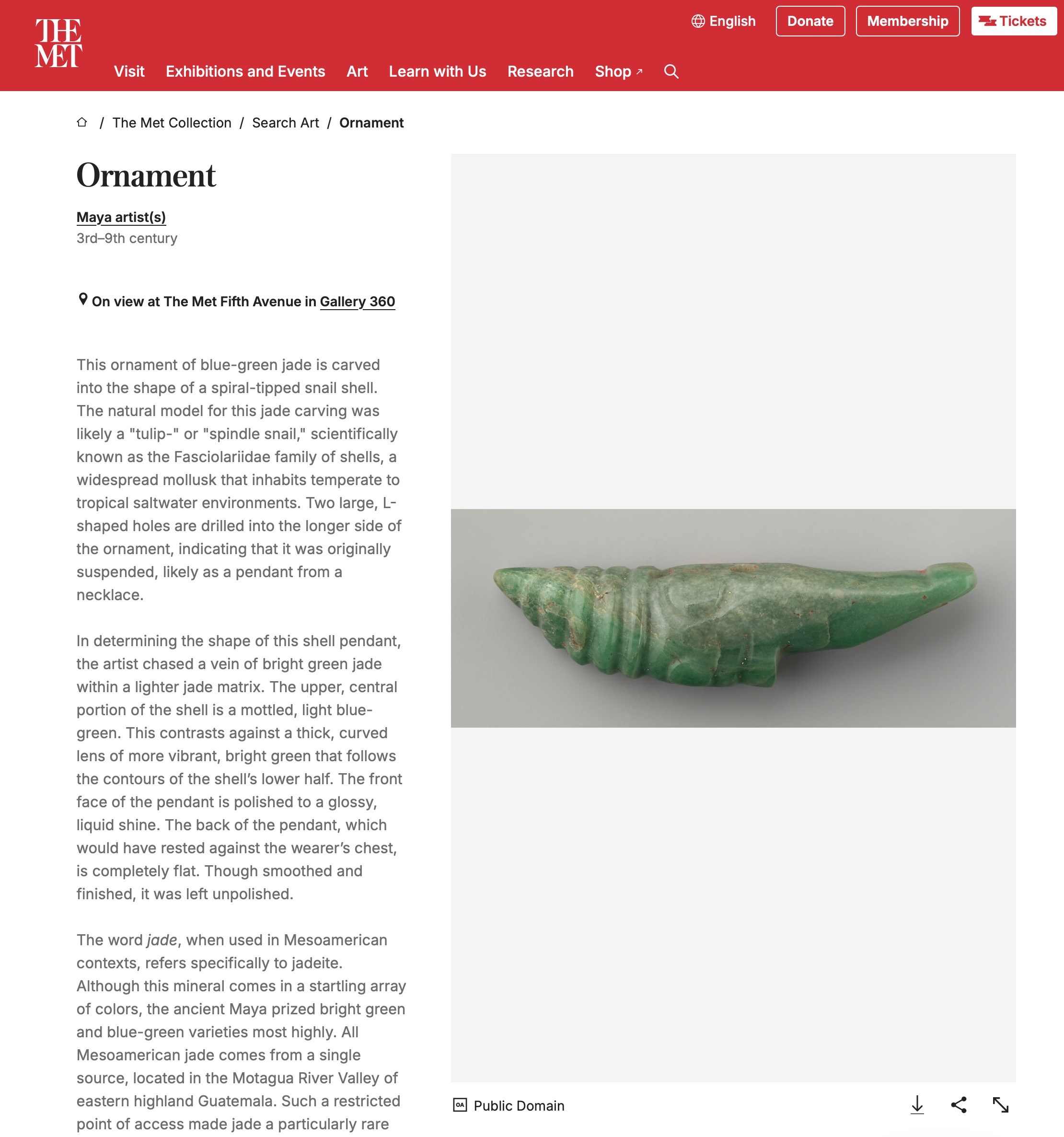
Ornament, Maya artist(s), 3rd–9th century

Ornament, Maya artist(s), 3rd–9th century

Henderson, L.R. and Coleman, S.C. (2015)

Web Page · Publisher: Metropolitan Museum of New York · Volume: 2026

Abstract
This ornament of blue-green jade is carved into the shape of a spiral-tipped snail shell. The natural model for this jade carving was likely a tulip or spindle snail, scientifically belonging to the Fasciolariidae family of shells, a widespread mollusc that inhabits temperate to tropical saltwater environments. Two large, L-shaped holes are drilled into the longer side of the ornament, indicating that it was originally suspended, likely as a pendant from a necklace. In determining the shape of this shell pendant, the artist followed a vein of bright green jade within a lighter jade matrix. The upper central portion of the shell is a mottled, light blue-green. This contrasts with a thick, curved lens of more vibrant bright green that follows the contours of the shell’s lower half. The front face of the pendant is polished to a glossy, liquid shine. The back of the pendant, which would have rested against the wearer’s chest, is completely flat. Though smoothed and finished, it was left unpolished. The word jade, when used in Mesoamerican contexts, refers specifically to jadeite. Although this mineral occurs in a startling array of colours, the ancient Maya prized bright green and blue-green varieties most highly. All Mesoamerican jade comes from a single source, located in the Motagua River Valley of eastern highland Guatemala. Such a restricted point of access made jade a particularly rare and valuable material, an important element in elite trade networks and economic exchange systems in the ancient Maya world.
Keywords
gems, jade, jadeite, fei cui, Mesoamerica, Mexico, Guatemala, Costa Rica, Mayans, Olmecs, Aztecs, archaeology, history, archaeogemology, Pre-Columbian jade; Costa Rica; Maya; exchange; iconography, lapidary

Building a Gemological Library

Gemological books range from general identification manuals and textbooks to specialized works on individual gems, mineralogy, jewelry, treatments, synthesis, history and gem-producing regions.

For a curated selection of particularly useful books, read The Gemologist's Core Library — Classic Books on Gemology, Jewelry and Mineralogy.

About Four Treasures

Four Treasures is Lotus Gemology's freely accessible gemological reference database. Use the full database to search by author, title or keyword and explore literature on gemology, mineralogy, jewelry and related fields. Where available, hyperlinks on titles may lead directly to the full publication.

Search the Complete Four Treasures Database