Gemology Books Bibliography

Gemology Books Bibliography

Explore books on gems, gemology, jewelry and mineralogy in Four Treasures, the Lotus Gemology reference database. This bibliography brings together matching book records from the collection, with publication details, abstracts and cover images where available.

Gemology Book References

The list below matches books concerning gemology and related subjects in the database's searchable fields. Some works cover several branches of gems, jewelry or mineralogy.

81–100 of 3,436 matching references

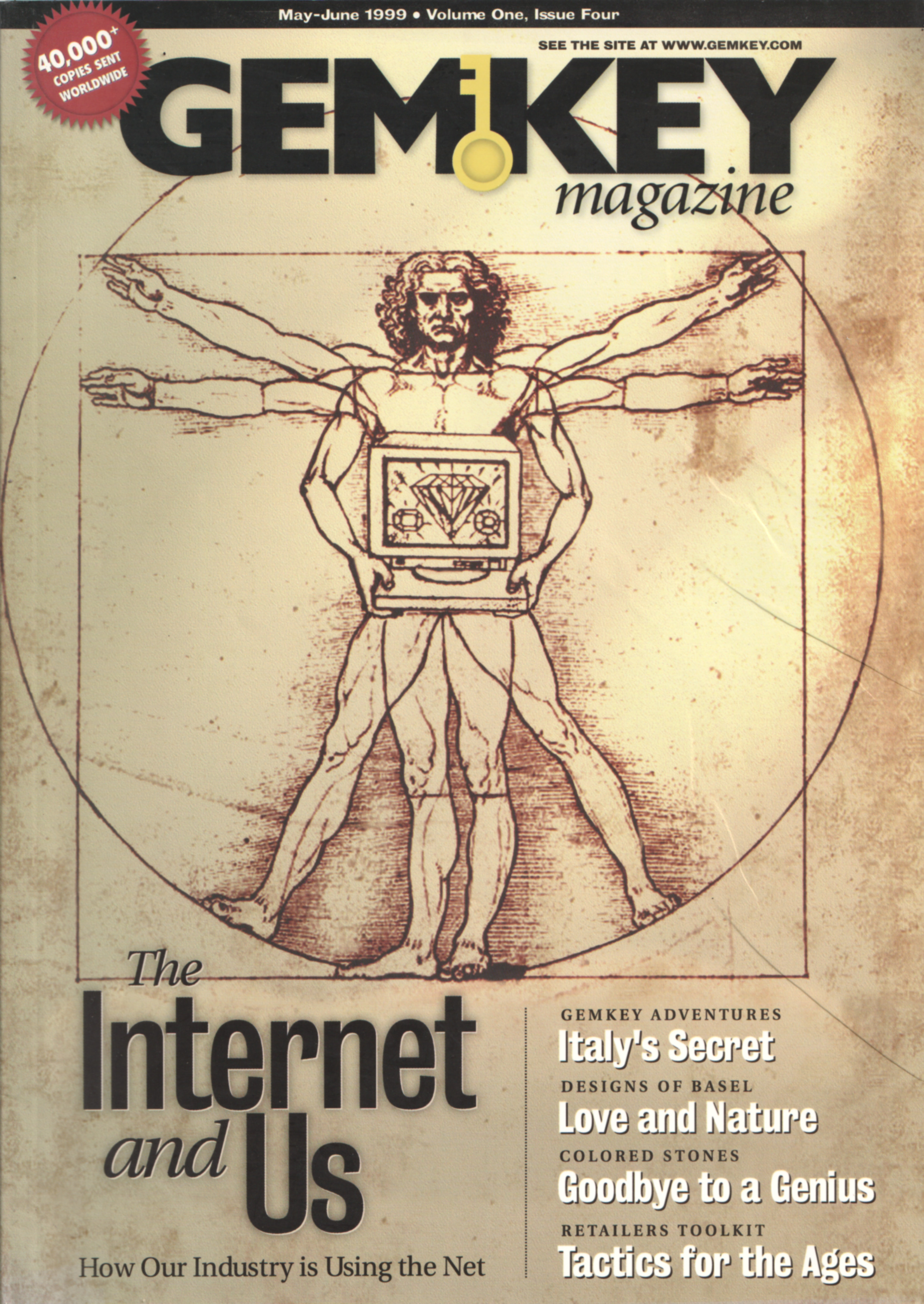
Digital Devil: If it’s doubly refractive like a duck… [C3: I see through you]

Digital Devil: If it’s doubly refractive like a duck… [C3: I see through you]

Hughes, R.W. (2000)

Journal Article · Source: Gemkey Magazine · Volume: Vol. 2 · Issue: No. 4, May–June · Pages: pp. 64, 107

Abstract
It was Tucson. Show over. The last supper. One of those marvelous evenings which Tucson regularly delivers. Sitting down with a bunch of friends, this was one top-fuel conversation. Pure ethanol. We had a red-faced Bangkok ruby dealer, a Colombian talking big green, an ex-Dead Head and the 1% of the gemological world that mattered. I was along merely to document the occasion, to maintain the steady hand of sobriety on the wheel of discourse. Adult supervision, if you will.
Keywords
diamond simulants, moissanite, synthetic moissanite, gems
Digital Devil: Check Your Gut Instincts at the Door

Digital Devil: Check Your Gut Instincts at the Door

Hughes, R.W. (2000)

Journal Article · Source: Gemkey Magazine · Volume: Vol. 2 · Issue: No. 3, March-April · Pages: pp. 62–63, 104

Abstract
An examination of gemological dogma relating to emerald enhancements… It started small. Probably a joke at the office water cooler. Rumor was that the US Postal Service was lobbying to put a tax on e-mail. Next thing you know, angry messages are flying around the world and I'm dusting off my bazooka for an assault on the Capital building. That is until I found out it wasn't true. It mighta been true, it coulda been true, oh it shoulda been true, but alas, it simply wasn't. Damn! Beliefs. We guard 'em closely. We bow down to them, defend them to the death. We are Pope Paul V railing against Galileo's Copernican astronomy. Don't know if you're like me, but once I get an idea in my head, it takes over like some kinda virus. All of a sudden, it's down with the godless commies, pox on the infidels and the next thing you know, I'm whistling the David Koresh death march…
Keywords
emeralds, beryl, emerald enhancements, treatments, gems
Devil’s Advocate: Dogfights: Dealers versus gemologists

Devil’s Advocate: Dogfights: Dealers versus gemologists

Hughes, R.W. (1998)

Journal Article · Source: Gemkey Magazine · Volume: Vol. 1 · Issue: No. 1, Nov.–Dec. · Pages: pp. 52, 69

Abstract
There are many dealers who look upon gemological labs with a good deal of disdain and the feeling is often mutual. So often today it seems that gemologists and traders are on opposite sides. Tug, tug, pull, pull, each seems to have a different agenda. Dealers often view gemologists as inferior beings (those who can, sell; those who can't, teach or identify). And, for their part, gemologists look upon merchants as some type of single-celled amoebae (those who understand, teach or study, while those who can't, become merchants). We hope the following article will go some ways towards bridging this gulf, by gently (and sometimes not so gently) pointing out the problems and solutions for each camp.
Keywords
Burma, jade, jadeite, fei cui, Hpakan, gems
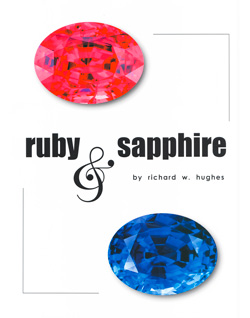
Ruby & Sapphire

Ruby & Sapphire

Hughes, R.W. (1997)

Book · Publisher: RWH Publishing · Pages: 512 pp.

Abstract
Ruby & Sapphire is widely acknowledged as one of the finest gemology books ever published. Not just an update of his previous volumes on ruby and sapphire, it represents something rarely seen in a technical book, a fusion of accurate science and spirited, accessible prose. Within its pages, one finds information on prices, quality analysis, sources, history, treatments and identification. Featuring over 300 color photos and 2500 references, this now out-of-print volume is today highly sought after by collectors and gemologists, who pay as much as $1000 or more for the privilege of owning a copy.
Keywords
corundum, quality.10, Kashmir.12, India.12, Burma.12, Thailand.12, gems
Burmese sapphire giants

Burmese sapphire giants

Hughes, R.W. and Win, U.H. (1995)

Journal Article · Source: Journal of Gemmology · Volume: Vol. 24 · Issue: No. 8, October · Pages: pp. 551–561

Abstract
The Mogok area of Myanmar (Burma) has long been noted for producing some of the world's finest blue sapphires. Burmese sapphire mining is reviewed, along with some of the most important blue sapphires from Burma, particularly those of large size. Mention is also made of some giant corundum crystals from other localities. The article contains sections based upon eyewitness accounts and discussions with some of Mogok's long-time gem dealers.
Keywords
corundum, quality.10, Burma.12, gems
Chinese ruby and sapphire: A brief history

Chinese ruby and sapphire: A brief history

Galibert, O. and Hughes, R.W. (1995)

Journal Article · Source: Journal of Gemmology · Volume: Vol. 24 · Issue: No. 7, July · Pages: pp. 467–473

Abstract
China is one of the largest countries in the world, with a rich cultural and scientific tradition. Yet for non-Chinese, until recently little was known of her mineral resources. A brief survey of China's ruby and sapphire deposits is given and an eyewitness account of one of the most important of China's sapphire deposits – Penglai, Hainan Island, – is described.
Keywords
corundum, China.12, gems
The rubies and spinels of Afghanistan: A brief history

The rubies and spinels of Afghanistan: A brief history

Hughes, R.W. (1994)

Journal Article · Source: Journal of Gemmology · Volume: Vol. 24 · Issue: No. 4, October · Pages: pp. 256–267

Abstract
While ruby is one of the most important gems, in the twentieth century little has been written about one of the premier sources of antiquity— Afghanistan. The following article is divided into two parts. The first describes the history of Afghanistan's ruby/spinel deposits. Important mines are located near Jagdalek and Gharan (Badakhshan). The latter is believed to be the original source of the balas ruby (spinel); many of the most famous spinels, such as the Timur Ruby and Black Prince's Ruby, possibly originated there. The second part deals with the gemmological characteristics of Jagdalek rubies.
Keywords
corundum, Afghanistan.12, Tajikistan.12, geology.11, gems
The name game

The name game

Hughes, R.W. (1994)

Journal Article · Source: Australian Gemologist · Volume: Vol. 18 · Issue: No. 10, May · Pages: pp. 311–315

Abstract
Sometimes it seems that wisdom in the gem business is in short supply. Take a two-carat Thai ruby of good quality. Say it sells for $5000. In contrast, the garnet of identical appearance sells for about $10. The difference? As far as the consumer is concerned, it's the name. With gems, the name is so important. Thus you could be forgiven if you think that this industry has an airtight method for determining just what those names are. Such is not the case. Gemology has made tremendous strides over the past century; Kunz, Bauer, Anderson, Webster, Sinkankas, Eppler, Shipley, Gübelin, Koivula and others have given us much, but the area of nomenclature remains untouched.
Keywords
nomenclature, RW Hughes, gems
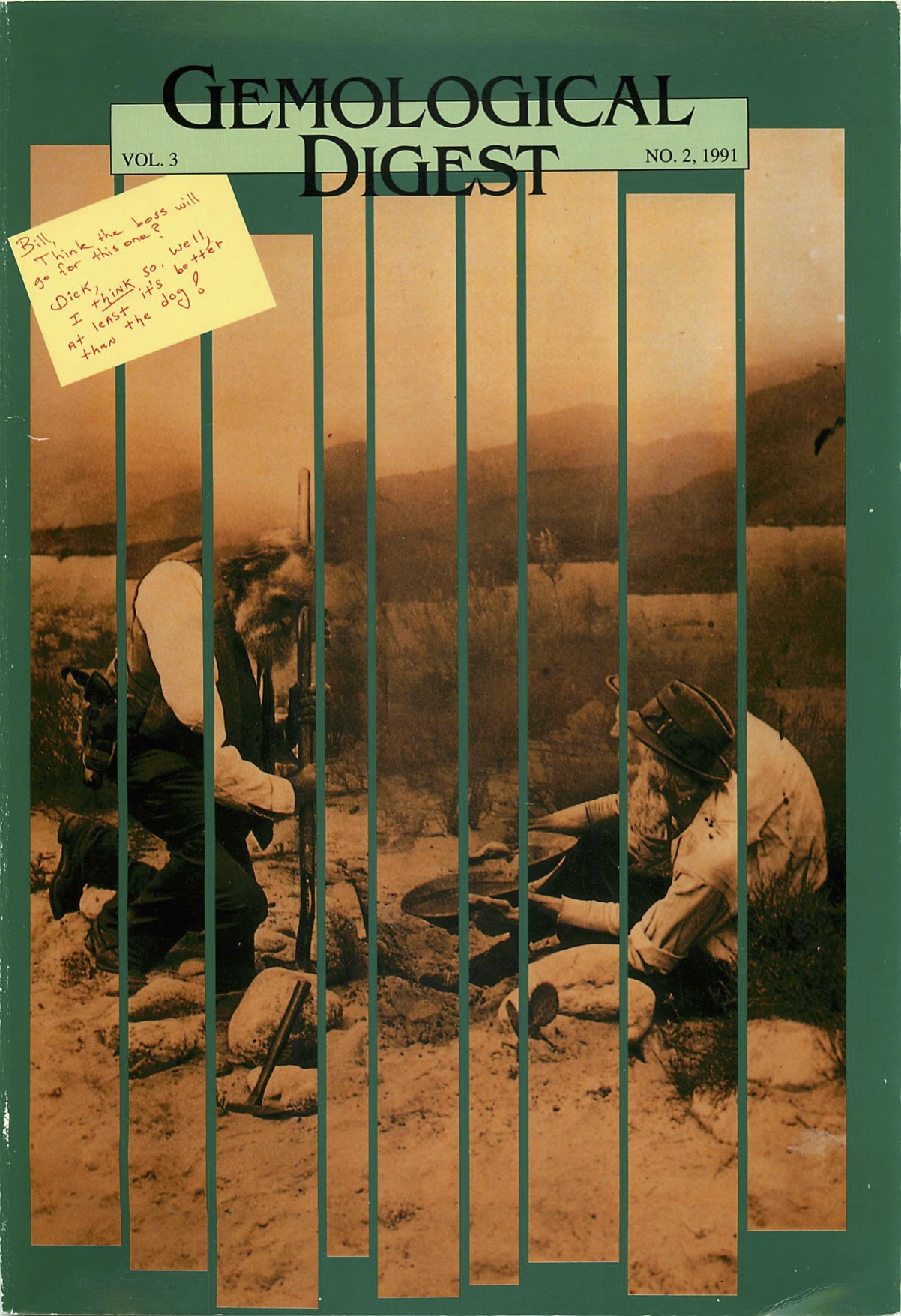
Bangkok gem market review: Vietnamese ruby

Bangkok gem market review: Vietnamese ruby

Hughes, R.W. and Sersen, W.J. (1991)

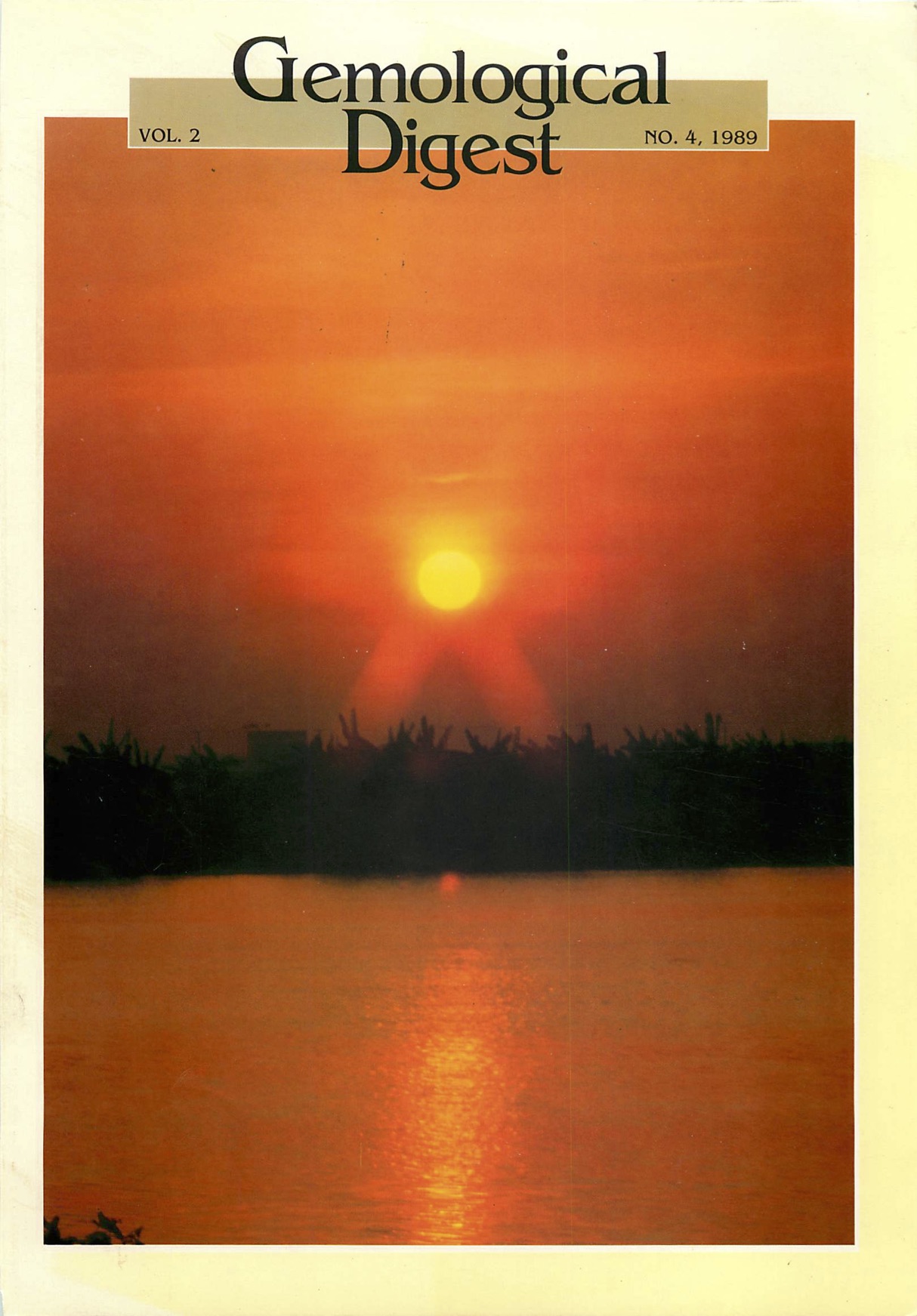
Journal Article · Source: Gemological Digest · Volume: Vol. 3 · Issue: No. 2 · Pages: pp. 68–70

Abstract
Review of events in the Bangkok gem market, including the appearance of large quantities of ruby from northern Vietnam.
Keywords
corundum, ruby, Vietnam.12, inclusions.5, gems
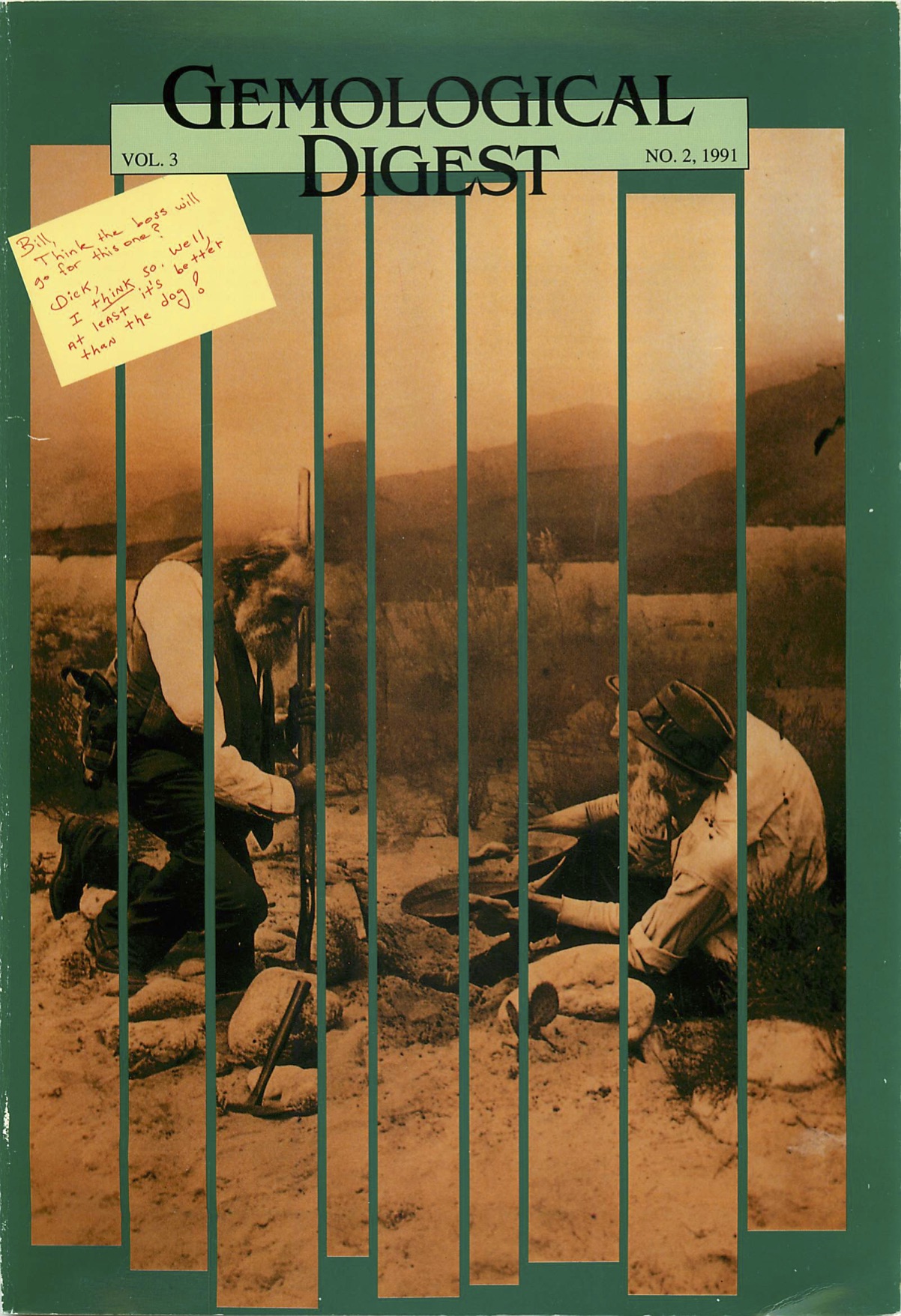
There's a rumble in the jungle—The sapphire face-lift face-off

There's a rumble in the jungle—The sapphire face-lift face-off

Hughes, R.W. (1991)

Journal Article · Source: Gemological Digest · Volume: Vol. 3 · Issue: No. 2 · Pages: pp. 17–31

Abstract
Although not exactly new to gemology, surface diffusion-treated corundums (SDTCs) have recently been creating quite a stir in world gem markets, particularly the important Bangkok corundum market. The following article examines the subject in detail, starting with the original Linde patents and continuing up to the present-day Deep Diffusion" treatment. Methods of identification are discussed, as well as much of the back-room politics and maneuvering which has surrounded this controversial treated gem material. Also included is a quick reference table giving a detailed summary of the key identifying features of all types of natural, treated and synthetic corundums."
Keywords
surface diffusion treatments.6, blue sapphire, corundum, gems, lattice diffusion
Corundum identification in a nutshell

Corundum identification in a nutshell

Hughes, R.W. (1991)

Journal Article · Source: Gemological Digest · Volume: Vol. 3 · Issue: No. 2 · Pages: pp. 29–31

Abstract
A summary of corundum identification.
Keywords
gems, gem identification, corundum gem identification
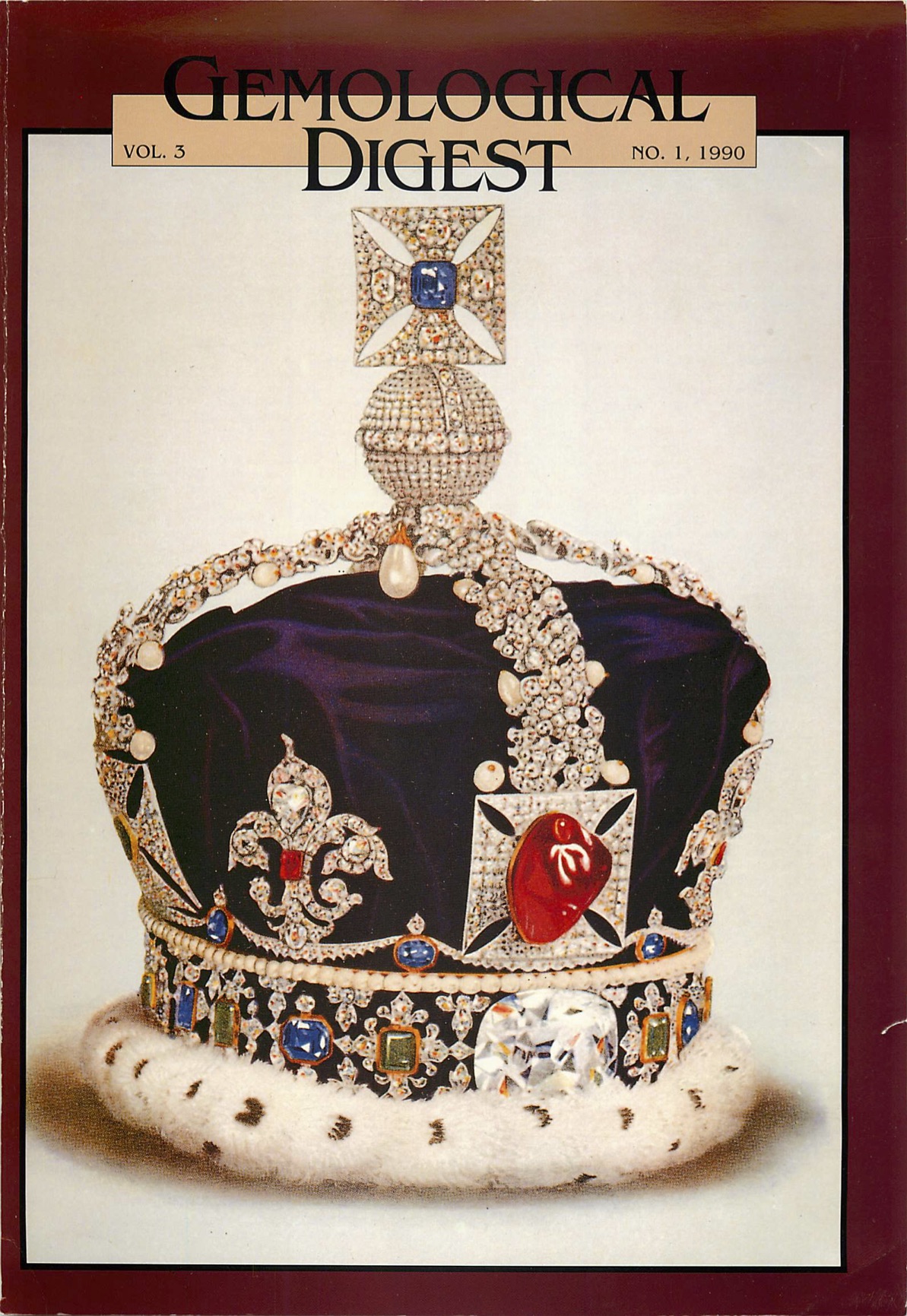
Bangkok gem market review—ICA in Colombo: The good, the bad and the ugly

Bangkok gem market review—ICA in Colombo: The good, the bad and the ugly

Hughes, R.W. and Sersen, W.J. (1990)

Journal Article · Source: Gemological Digest · Volume: Vol. 3 · Issue: No. 1 · Pages: pp. 69–72

Abstract
By this time, most readers will have read all about what went down at the ICA Congress in Colombo, Sri Lanka last May. So we will just make a few brief comments on what we liked and didn't like.
Keywords
corundum, pink sapphire, nomenclature, gems
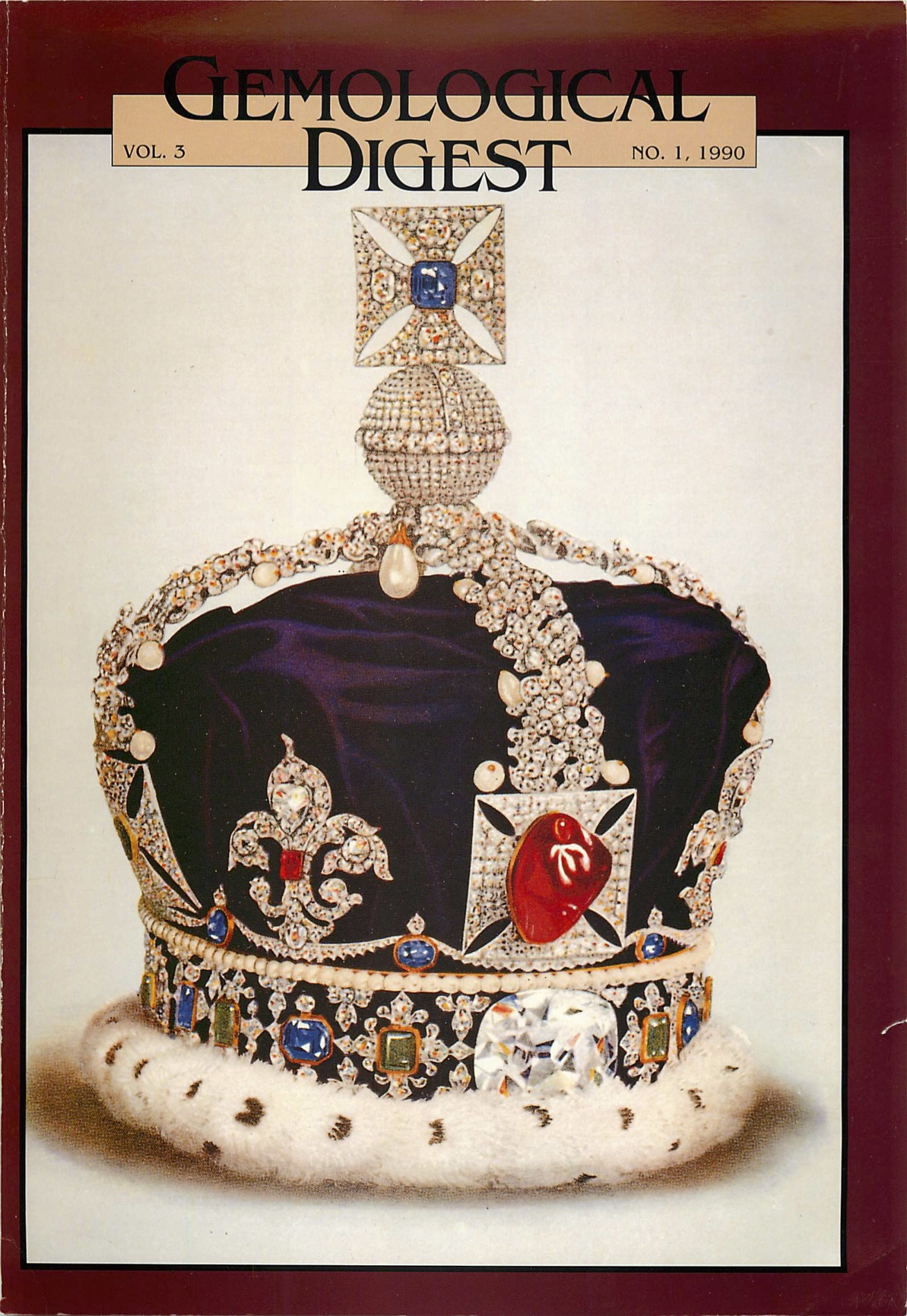
A question of origin

A question of origin

Hughes, R.W. (1990)

Journal Article · Source: Gemological Digest · Volume: Vol. 3 · Issue: No. 1 · Pages: pp. 16–32

Abstract
No gemologist today would deny the importance of inclusions to the study of gemology. They are vital tools in separating synthetic gems from natural, and their importance will certainly increase along with the growing sophistication of treated gems. However, the question of inclusion-based country-of-origin reports does not find all gemologists and traders in agreement. Some support the practice; others do not. The following article takes a close look at the entire question of lab-issued origin reports, asking… a. are origin reports accurate within a reasonable degree of error using the current methods? b. even if origin reports are reasonably accurate, how are they being used in today's market? Do they provide useful collector information and protection to prospective customers, or are they merely a diversion for drawing the buyer's attention away from the stone's overall appearance and quality, to some ill-definable factor, such as origin? c. are origin reports akin to the authentication of a painting by a master artist, or do natural gems have only one artist Mother Nature? The purpose of this article is, thus, to explore objectively the arguments for and against lab origin reports. First the author explains why he believes origin reports are not totally reliable and definitely not in the best interests of the consumer. Supporters are then given the opportunity for rebuttal, explaining why they think Mr. Hughes has lost his mind. It is our hope that, out of the fray, readers, defenders of the faith, and opponents will better understand this question of origin.
Keywords
corundum, India.12, Kashmir.11, Burma.12, gems
Bangkok Gem Market Review

Bangkok Gem Market Review

Hughes, R.W. and Sersen, W.J. (1989)

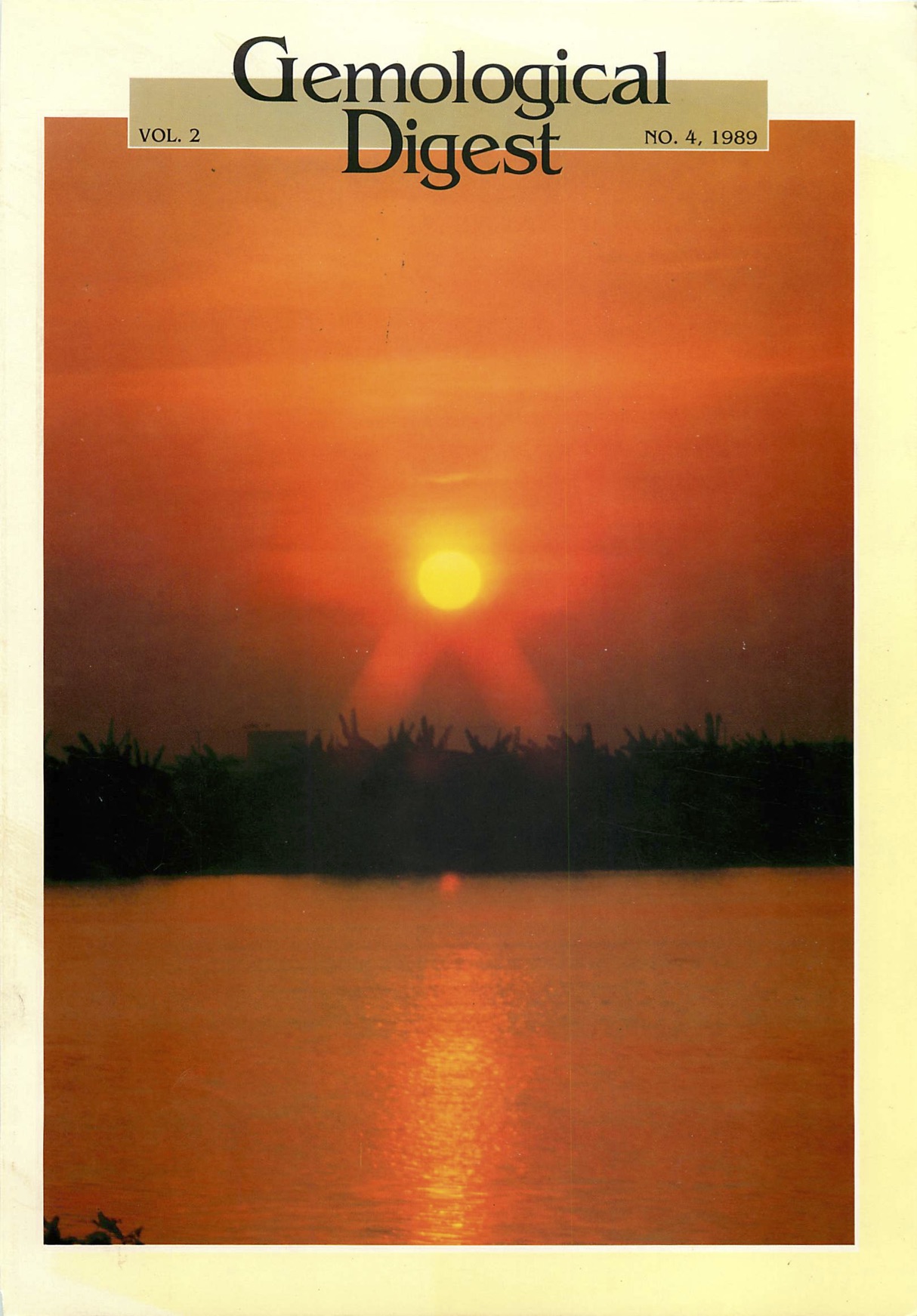
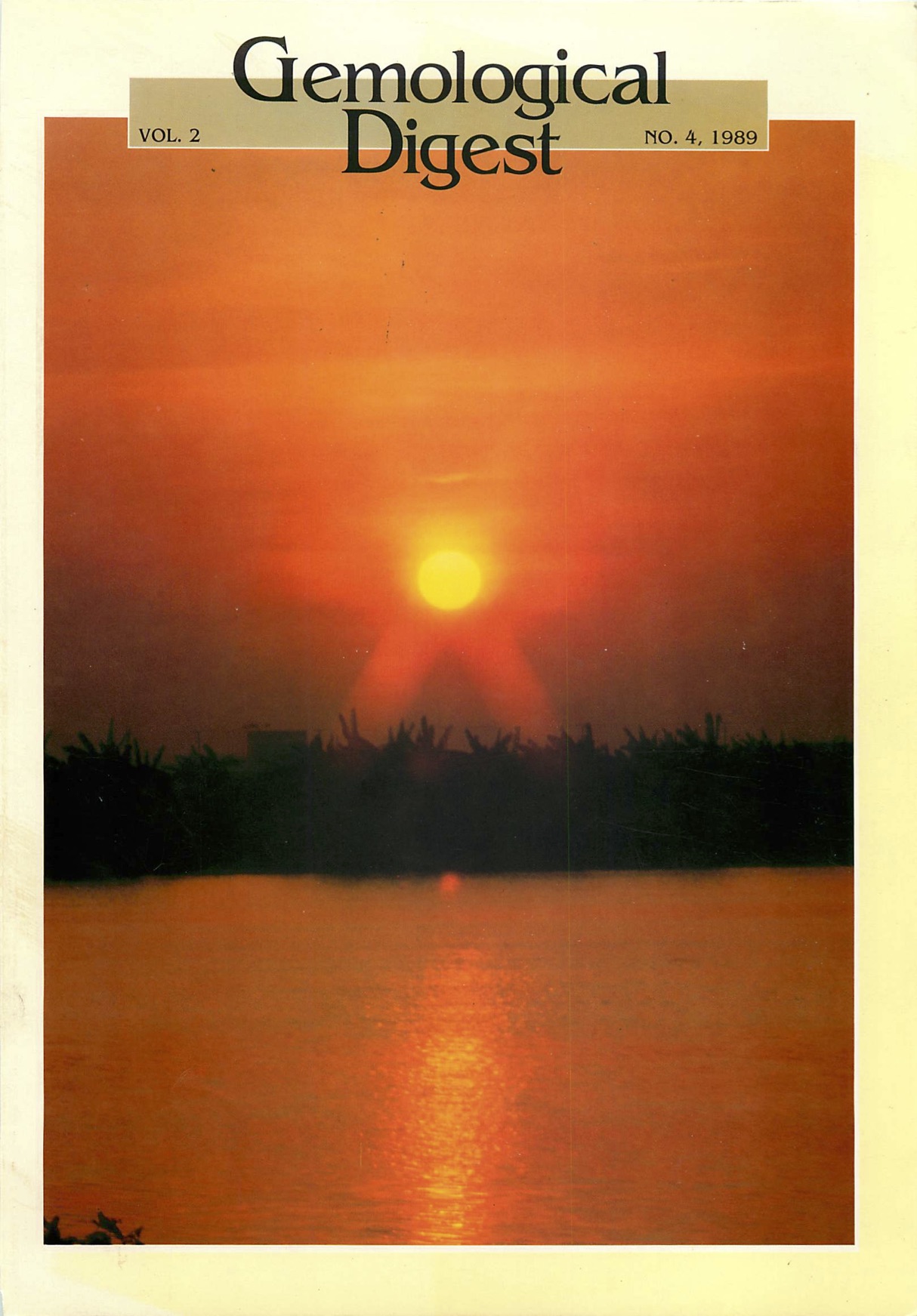
Journal Article · Source: Gemological Digest · Volume: Vol. 2 · Issue: No. 4 · Pages: pp. 43–44

Abstract
Review of happenings in the Bangkok gem market.
Keywords
corundum, quality.10, Laos.12, gems
Talkin’ ‘bout gem-testing instruments

Talkin’ ‘bout gem-testing instruments

Hughes, R.W. (1989, 1990)

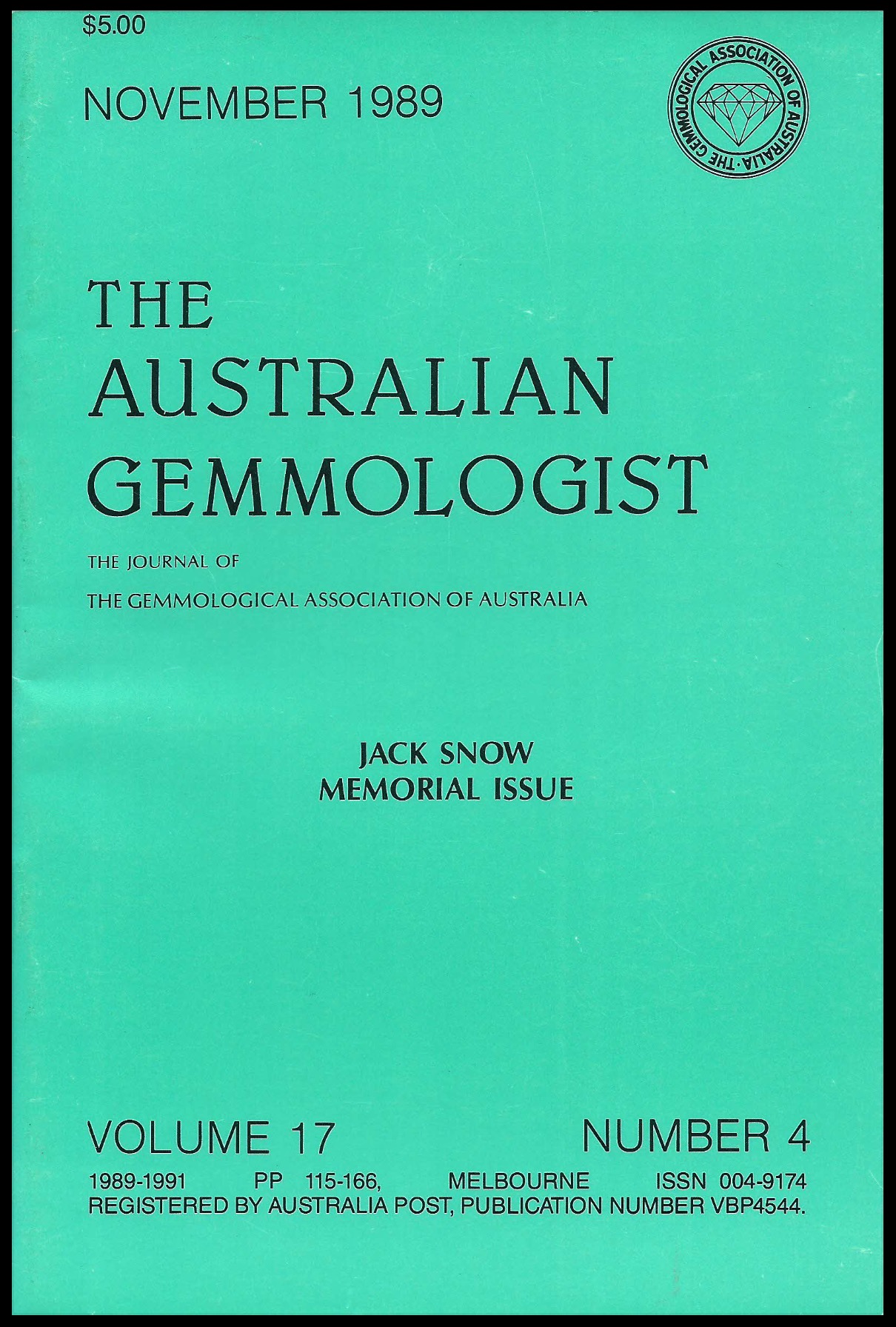
Journal Article · Source: Australian Gemmologist · Volume: Vol. 17 · Pages: No. 4, pp. 159–164; No. 5, pp. 242–246

Abstract
The author ruminates on the rather poor state of gemological instrument design and offers several suggestions for improvement.
Keywords
instruments, inclusions.5, color.4, properties.3, gems
Diamond grading: Does it work?

Diamond grading: Does it work?

Hughes, R.W. (1989)

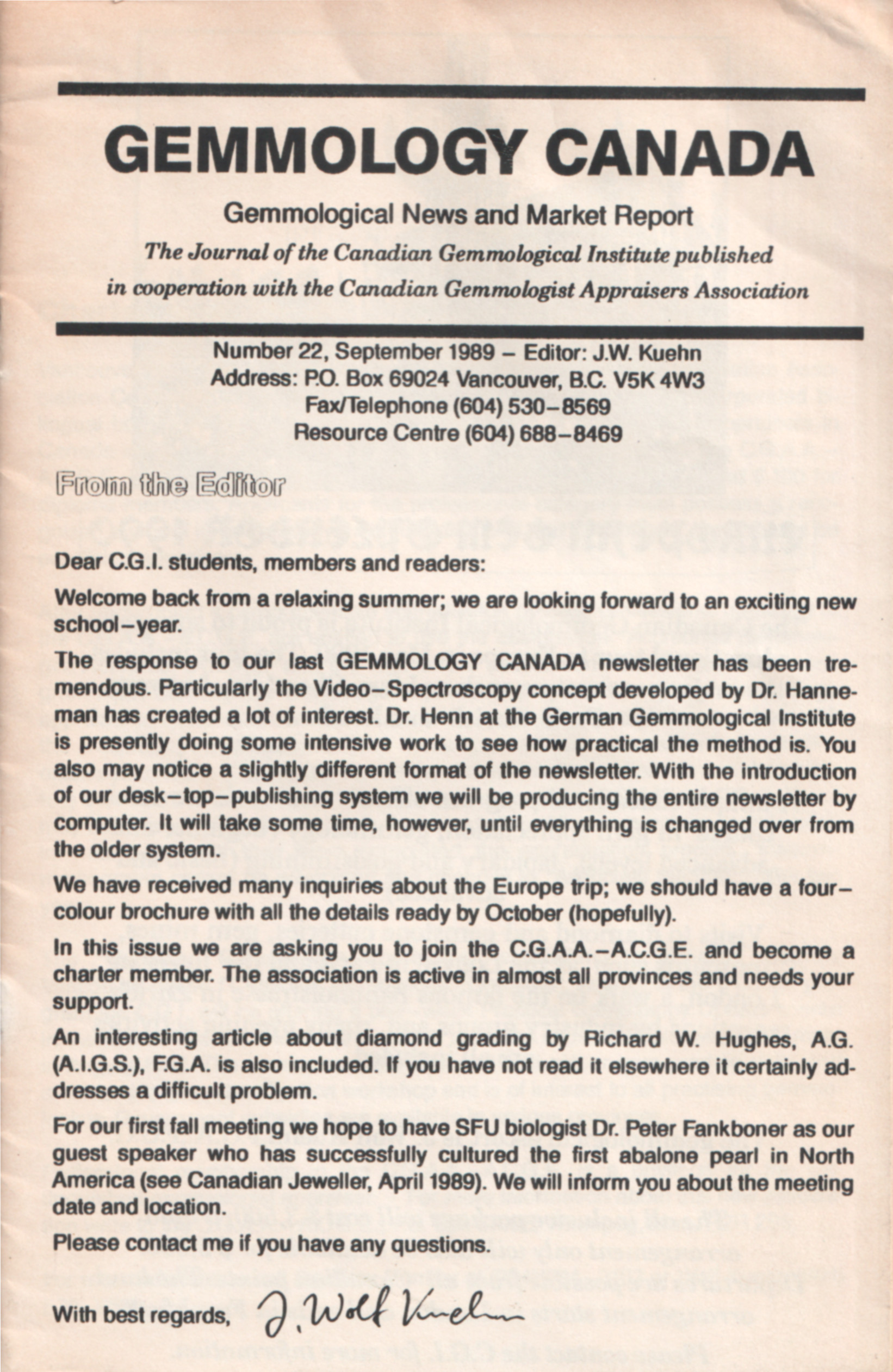
Journal Article · Source: Gemmology Canada · Issue: No. 22, September

Abstract
Sales of diamonds account for a large percentage of a typical jeweler's gemstone business. One of the important reasons for the dominance of diamond in the gem market is the existence of a comprehensive and internationally accepted system of quality analysis. Thls allows laypeople to buy with confidence as, with a diamond grading report, they have an independent, expert" opinion of the stone’s quality. But is this "expert" opinion, itself, always infallible, and do the different quality "steps" really indicate genuine differences in quality? Despite what some may think.the answers to these questions will have a definite impact on the colored stone business, as the trade is now moving towards the adoption of a similar system for the grading of colored stones. It is with this in mind that we examine some of the problems that the trade now encounters with the present diamond grading system."
Keywords
diamond grading, gems
The inclusions of Turkana sapphires

The inclusions of Turkana sapphires

Hughes, R.W. (1989)

Journal Article · Source: Gemological Digest · Volume: Vol. 2 · Issue: No. 4 · Pages: pp. 35–36

Abstract
A brief inclusion study was done on a small sampling of Turkana sapphires provided by Ted Themelis. Perhaps the most distinctive feature throughout the lot of approximately 30 pieces was a slight cloudiness, or girasol," if you will. While in reflected light the stone might appear blue or green, in transmitted light an oily yellowish "diesel" appearance was seen (see Figure 1). This was found in virtually all specimens, except the one piece which had been heat treated. Heat treatment removed this cloudiness, as well as improving the color, suggesting that the cloudiness may be exsolved Ti and/or Fe compounds."
Keywords
corundum, sapphire, East Africa, Kenya.12, inclusions.5, gems
Confessions of a stonist

Confessions of a stonist

Hughes, R.W. (1989)

Journal Article · Source: Gemological Digest · Volume: Vol. 2 · Issue: No. 4 · Pages: p. 37

Abstract
Irreverent look and the diamond industry and De Beers.
Keywords
, gems
Bangkok gem market review

Bangkok gem market review

Hughes, R.W. and Sersen, W.J. (1988)

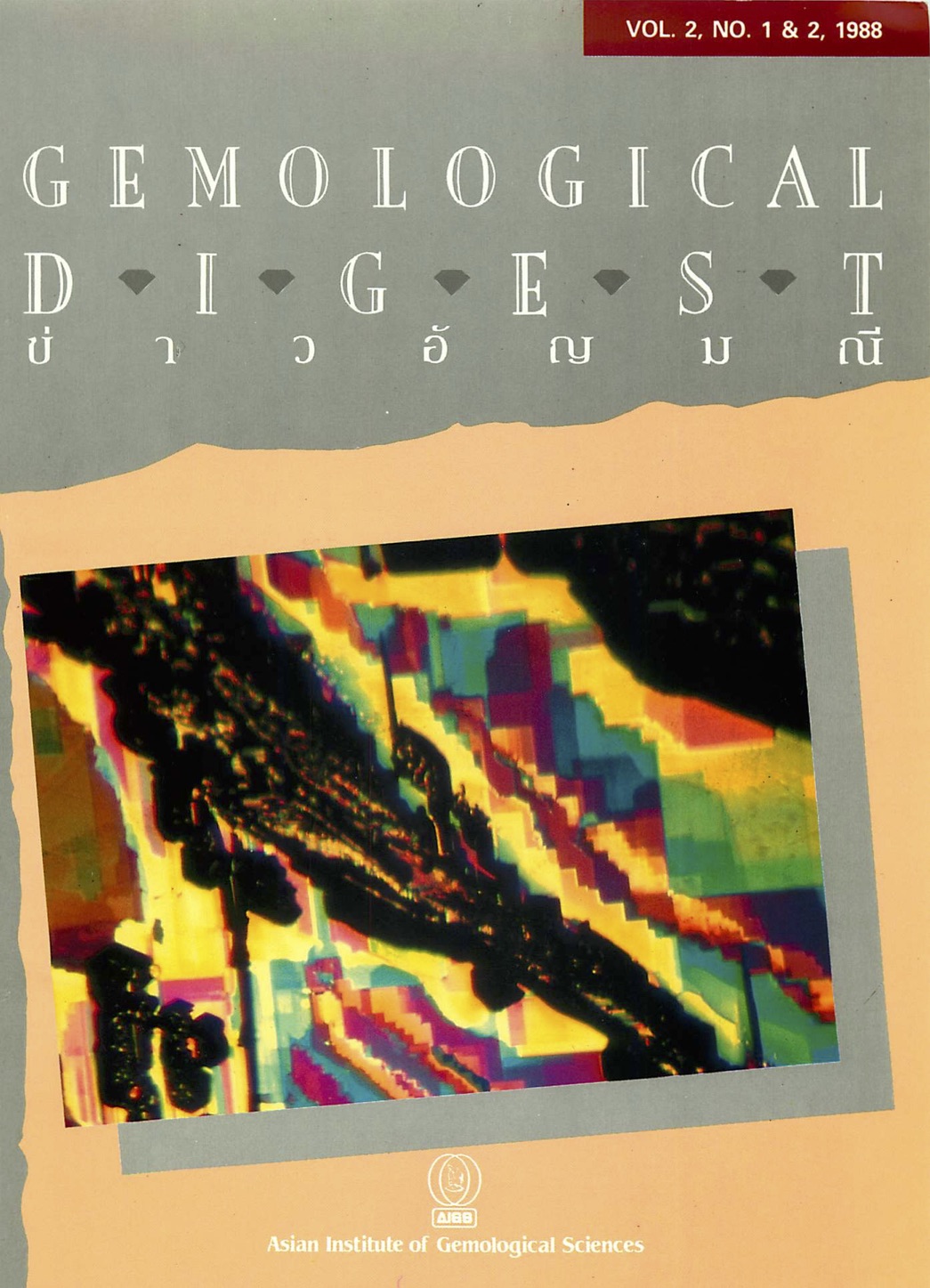
Journal Article · Source: Gemological Digest · Volume: Vol. 2 · Issue: Nos. 1 & 2 · Pages: pp. 20–22

Abstract
News from the Bangkok gem market.
Keywords
corundum, quality.9, gems

Building a Gemological Library

Gemological books range from general identification manuals and textbooks to specialized works on individual gems, mineralogy, jewelry, treatments, synthesis, history and gem-producing regions.

For a curated selection of particularly useful books, read The Gemologist's Core Library — Classic Books on Gemology, Jewelry and Mineralogy.

About Four Treasures

Four Treasures is Lotus Gemology's freely accessible gemological reference database. Use the full database to search by author, title or keyword and explore literature on gemology, mineralogy, jewelry and related fields. Where available, hyperlinks on titles may lead directly to the full publication.

Search the Complete Four Treasures Database