Gemology Books Bibliography

Gemology Books Bibliography

Explore books on gems, gemology, jewelry and mineralogy in Four Treasures, the Lotus Gemology reference database. This bibliography brings together matching book records from the collection, with publication details, abstracts and cover images where available.

Gemology Book References

The list below matches books concerning gemology and related subjects in the database's searchable fields. Some works cover several branches of gems, jewelry or mineralogy.
2,181–2,200 of 3,681 matching references

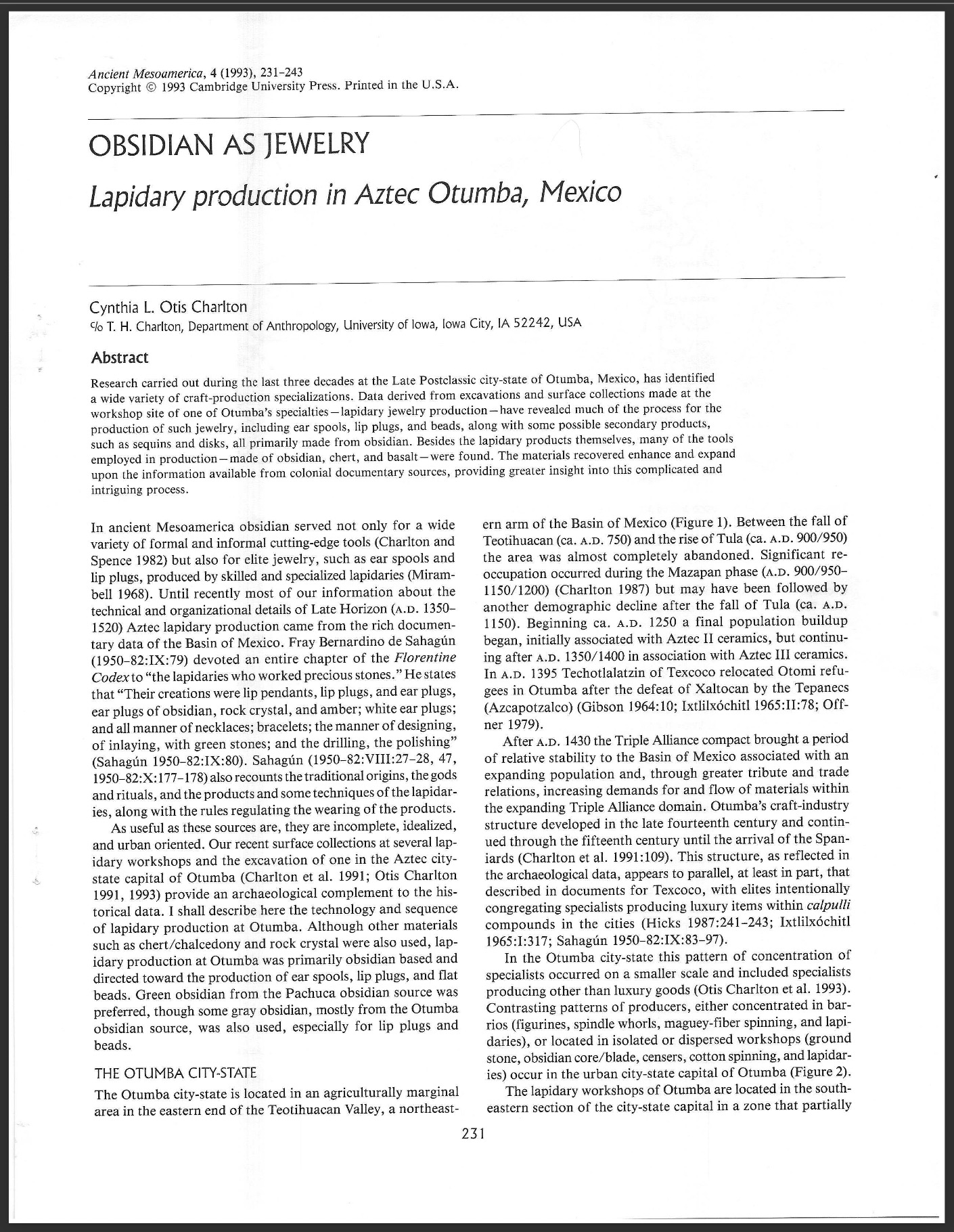
Obsidian as jewelry: Lapidary production in Aztec Otumba, Mexico
Journal Article
Charlton, C.L.O. (1993) Obsidian as jewelry: Lapidary production in Aztec Otumba, Mexico. Ancient Mesoamerica, Vol. 4, No. 2, pp. 231–243.
Record No. 28627  |  ISBN/ISSN: 09565361, 14691787  |  Sinkankas/Born No.: NIS / NIB  |  RWHL
View Individual Record ↗
Research carried out during the last three decades at the Late Postclassic city-state of Otumba, Mexico, has identified a wide variety of craft-production specializations. Data derived from excavations and surface collections made at the workshop site of one of Otumba's specialties — lapidary jewelry production — have revealed much of the process for the production of such jewelry, including ear spools, lip plugs, and beads, along with some possible secondary products, such as sequins and disks, all primarily made from obsidian. Besides the lapidary products themselves, many of the tools employed in production — made of obsidian, chert, and basalt — were found. The materials recovered enhance and expand upon the information available from colonial documentary sources, providing greater insight into this complicated and intriguing process.

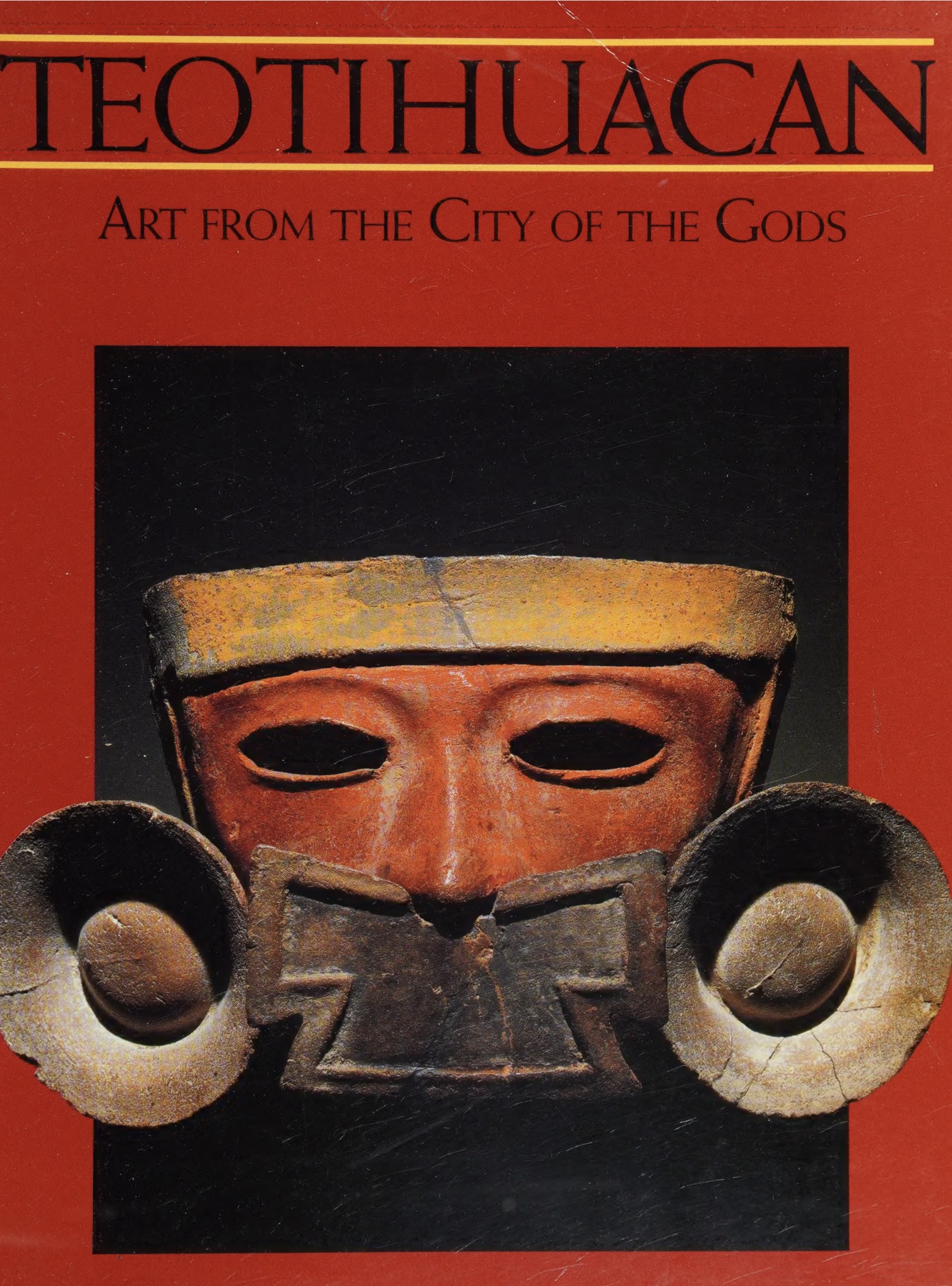
Teotihuacan: Art from the City of the Gods
Edited Book
Berrin, K. and Pasztory, E., editor (1993) Teotihuacan: Art from the City of the Gods.. San Francisco, Fine Arts Museums of San Francisco, 288 pp..
Record No. 28549  |  ISBN/ISSN: 500277672  |  Sinkankas/Born No.: NIS / NIB  |  RWHL
View Individual Record ↗
Fifteen hundred years ago, Teotihuacan was one of the world’s great cities. Some 200,000 people lived in this ancient metropolis, with its massive pyramids, public buildings, wide avenues, and magnificent murals and sculptures. Then, in the eighth century, there was a mysterious collapse. Even knowledge of the original name was lost: Teotihuacan, “Place” or “City of the Gods,” was a title bestowed by the Aztecs six hundred years later. Originally published in conjunction with a major exhibition organized by The Fine Arts Museums of San Francisco, this seminal volume brings together for the first time the results of unprecedented research over the last two decades. A splendid array of rarely seen masterpieces, selected from Mexico’s national collections and from museums in America and Europe, includes austere greenstone masks and elegant polished blackware as well as elaborate murals depicting gods and serpents and the intricate glyphs found on luxury ceramics and censers.

The Robert Woods Bliss collection of Pre-Columbian art: A memoir
Conference Paper
Benson, E.P. (1993) The Robert Woods Bliss collection of Pre-Columbian art: A memoir. Collecting the Pre-Columbian Past: A Symposium at Dumbarton Oaks, 6–7 October, Washington, DC: Dumbarton Oaks Research Library and Collection, pp. 15–34.
Record No. 28542  |  Sinkankas/Born No.: NIS / NIB  |  RWHL
View Individual Record ↗
As far as I can determine, Robert Woods Bliss (Fig. 1) was the earliest of the serious collectors of Pre-Columbian art. In 1945, he wrote to the secretary of his Harvard class: “About forty years ago [closer to thirty years, in fact] I became interested in the sculpture and artefacts in general of the various pre-Columbian cultures of Mexico, Central America, and the west coast of South America. At that time few, if any, of our art museums had on display these objects, which were only made available to the public in museums of natural history as part of their archaeological finds. To me, many of the pieces I saw had artistic significance and also revealed remarkable craftsmanship. So I began to collect, buying only pieces which appealed to me as objects of art … I began to try to impress upon others the importance of the history of art, of the stylized and powerful sculpture of the early inhabitants of the western hemisphere. … Today many art museums throughout the country have fine displays of pre-Columbian art” (In Whitehill 1967: 90). In an obituary of Mr. Bliss, Samuel Lothrop wrote that: “The primary effect of the Bliss collection has been a wider acceptance of aboriginal American artefacts as art” (Lothrop 1963: 92).

Collecting the Pre-Columbian Past

Conference Proceedings
Boone, E.H. (1993) Collecting the Pre-Columbian Past. A Symposium at Dumbarton Oaks, 6–7 October, Washington, DC: Dumbarton Oaks Research Library and Collection, 359 pp..
Record No. 28541  |  Sinkankas/Born No.: NIS / NIB  |  RWHL
View Individual Record ↗
In 1940, diplomat Robert Woods Bliss and his wife Mildred Barnes Bliss donated their Washington, D.C. estate, Dumbarton Oaks, to Harvard University. The gift included the house and grounds, its furnishings, and the Blisses’ collection and research library devoted to Byzantine art. During the 1930s, these resources had already attracted scholars, and the Blisses intended to create a permanent centre for advanced humanistic research. As Mildred Bliss later explained, Dumbarton Oaks was envisioned not simply as a repository of books and artworks, but as “a home of the Humanities.” The institution’s founding inscription further emphasized its purpose: to preserve and advance scholarship in the Byzantine and medieval humanities, helping to illuminate the present and guide the future through learned inquiry. At first, research at Dumbarton Oaks focused exclusively on Byzantine and medieval studies, reflecting the Blisses’ shared intellectual interests. However, the institution was always intended to expand. While concerts continued in the Music Room, Mildred Bliss oversaw the development of the formal gardens, and Robert Bliss continued collecting Pre-Columbian art. Around twenty years later, programs in the history of landscape architecture and Pre-Columbian studies were added to the original Byzantine program, thereby encompassing the principal scholarly and artistic interests of the founders. Since the early 1960s, these three research programs, together with the gardens, the historic house, and a continuing series of chamber music concerts, have formed the core activities of Dumbarton Oaks.

Gem Trade Lab Notes: Color-zoned pink quartz
Journal Article
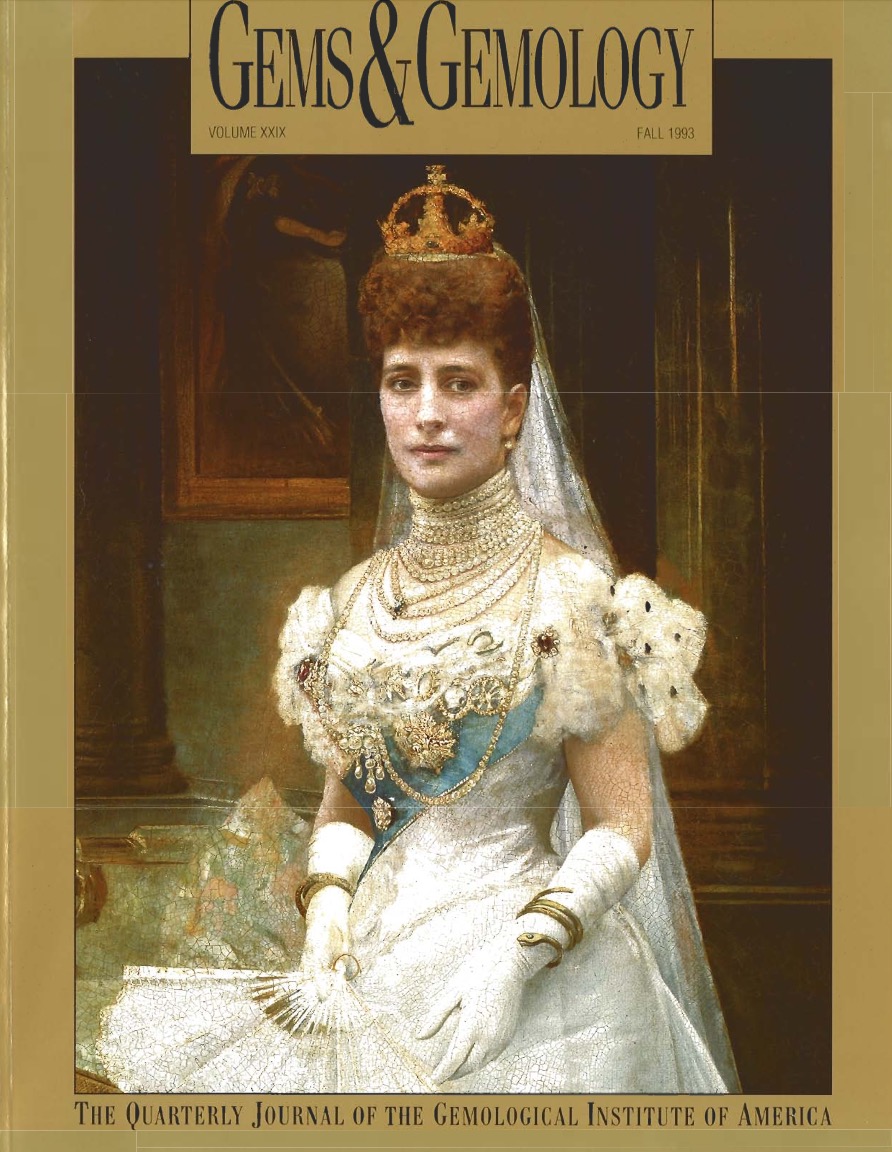
Kammerling, R.C. and Fritsch, E. (1993) Gem Trade Lab Notes: Color-zoned pink quartz. Gems & Gemology, Vol. 29, No. 3, Fall, pp. 203–204.
Record No. 26758  |  Sinkankas/Born No.: NIS / NIB  |  RWHL
View Individual Record ↗
A gem dealer from Teófilo Otoni, Brazil, recently presented faceted colorless quartz with vivid pink banding, reportedly from the Araçuaí region of Minas Gerais. This unusual material, also seen in limited quantities at the 1993 Tucson gem shows, appeared as small faceted stones of a few carats. One 4.55-ct modified brilliant-cut oval examined by the West Coast lab showed a vivid pink face-up appearance, but closer inspection revealed densely packed thin pink bands within otherwise colorless quartz. While its gemological properties clearly identified it as quartz, the appropriate varietal name posed a challenge. EDXRF analysis showed only trace iron, yet UV-visible spectroscopy indicated absorption features more akin to amethyst than rose quartz, suggesting iron as the coloring agent. However, the stone lacked the purple color and rhombohedral zoning of amethyst, and its high transparency and distinct zoning did not match typical rose quartz. Given these distinctions, the stone was conservatively identified as “quartz,” with the unusual coloration noted descriptively rather than classified under an established variety name.

Gem News: Gems from Orissa, India

Journal Article
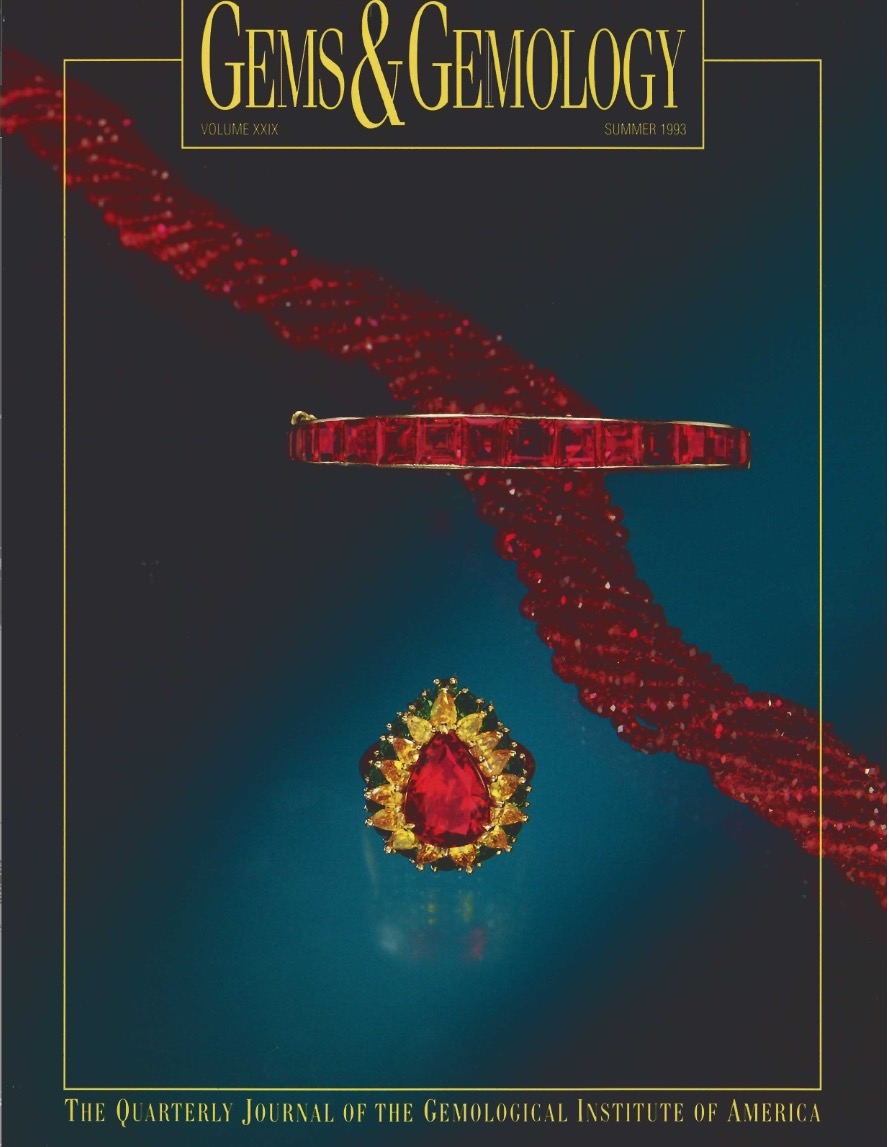
Koivula, J.I., Kammerling, R.C. and Fritsch, E. (1993) Gem News: Gems from Orissa, India. Gems & Gemology, Vol. 29, No. 2, Summer, pp. 133–134.
Record No. 26756  |  Sinkankas/Born No.: NIS / NIB  |  RWHL
View Individual Record ↗
The state of Orissa in eastern India has emerged as an increasingly important source of gemstones. Since 1989, rising quantities of rhodolite garnets from the region have been seen, followed by notable finds of aquamarine and ruby. At the 1993 Tucson Show, Amar J. Jain presented a 2.99 ct faceted alexandrite and dark grayish blue tourmalines from Orissa, one of which—a 1.74 ct emerald-cut specimen—showed gemological properties consistent with tourmaline from other locations, including refractive indices of 1.620 and 1.640, birefringence of 0.020, and specific gravity of 3.11. Hessonite (grossular) garnet is also being mined near Kanta Bhaji in the Kalahandi area, with faceted stones ranging from reddish orange to orangish brown; many exhibit a pronounced “roiled” appearance typical of Sri Lankan hessonites, sometimes resembling translucent sard. A 2.19 ct orange stone tested with an R.I. of 1.748 and S.G. of 3.65, confirming it as hessonite. Following the show, the editors received a report from Shyamala Fernandes of the Gem Testing Laboratory in Jaipur describing a December 1992 find of chatoyant sillimanite, initially misidentified and marketed as “moonstone cat’s-eye.” Identified as sillimanite, the material exhibited an R.I. of 1.659–1.678 (1.66 spot), S.G. of 3.25, biaxial optic character, and Mohs hardness of 7–8. Microscopy revealed parallel acicular inclusions responsible for the chatoyancy, along with “fingerprint” two- and three-phase inclusions and black platelets. The sillimanite occurs in colors ranging from colorless to gray, pinkish brown, yellow, green, and blue-green, typically in lighter tones, and most cabochons—some up to 20 ct—display sharp cat’s-eyes and a vitreous luster. Though precise production data is lacking, the material has been readily available in Indian markets since its discovery.

Gem Trade Lab Notes: Emerald, an ancient miniature carving
Journal Article
Moses, T. (1993) Gem Trade Lab Notes: Emerald, an ancient miniature carving. Gems & Gemology, Vol. 29, No. 2, Summer, p. 125.
Record No. 26751  |  Sinkankas/Born No.: NIS / NIB  |  RWHL
View Individual Record ↗
Common gem materials can present challenges in identification when fashioned into intricate carvings or altered by surface conditions. A miniature bust submitted to the East Coast lab—purported to depict the Roman Emperor at age 11–13 (circa 49–51 A.D.)—was examined for authenticity and composition. Due to the detailed carving, refractive index measurements were not possible, but hydrostatic testing gave a specific gravity of 2.70. Spectroscopy revealed weak chromium absorption typical of emerald, and a faint pink reaction under the Chelsea filter further supported this identification. The piece, semitransparent to translucent, displayed numerous fluid inclusions and small, unidentified crystals, one likely being biotite mica. Surface-reaching fissures exhibited yellowish brown iron staining, but no signs of oiling. Based on its properties, the bust was identified as natural emerald. If its reported provenance is genuine, it is probably Egyptian in origin. According to John Sinkankas, emeralds were mined in Egypt during the Graeco-Roman period through the 13th century A.D. Supporting this, Robert C. Kammerling of GIA collected samples from Egyptian mines in 1991 that matched the carving in color, transparency, inclusion patterns, and biotite presence.

From Samarkhand to Sardis: A new approach to the Seleucid Empire
Book
Sherwin-White, S. and Kuhrt, A. (1993) From Samarkhand to Sardis: A new approach to the Seleucid Empire. Berkeley, University of California Press, 261 pp.
Record No. 17250  |  ISBN/ISSN: 9780520000000  |  Sinkankas/Born No.: NIS / NIB  |  RWHL
View Individual Record ↗
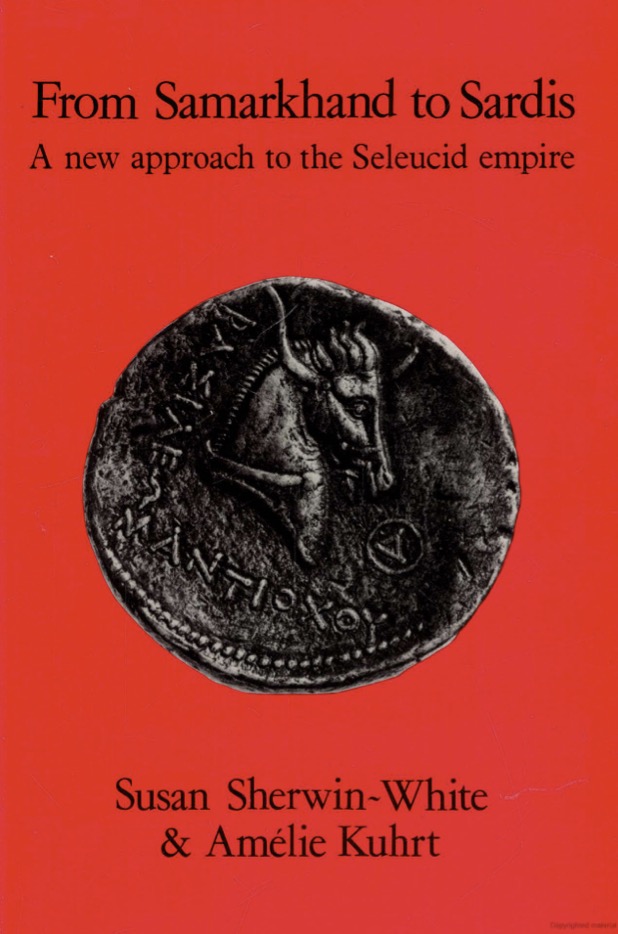
The empire created by Alexander the Great's general, Seleucus, constituted the largest Hellenistic kingdom of the successor states: yet this is the first substantial treatment of Seleucid history to appear for fifty years. The authors approach this important and successful state from new perspectives, seeing it as part of the Middle Eastern world rather than solely in Greco-Roman terms, and arguing that the Seleucid state is best understood as heir to the great Achaemenid Persian empire and earlier Middle Eastern states. They investigate the economies, social structures, political systems, and cultures of the many peoples making up the empire, and analyze, in the context of colonialism and imperialism, such evidence as exists for cultural changes, including Hellenization.

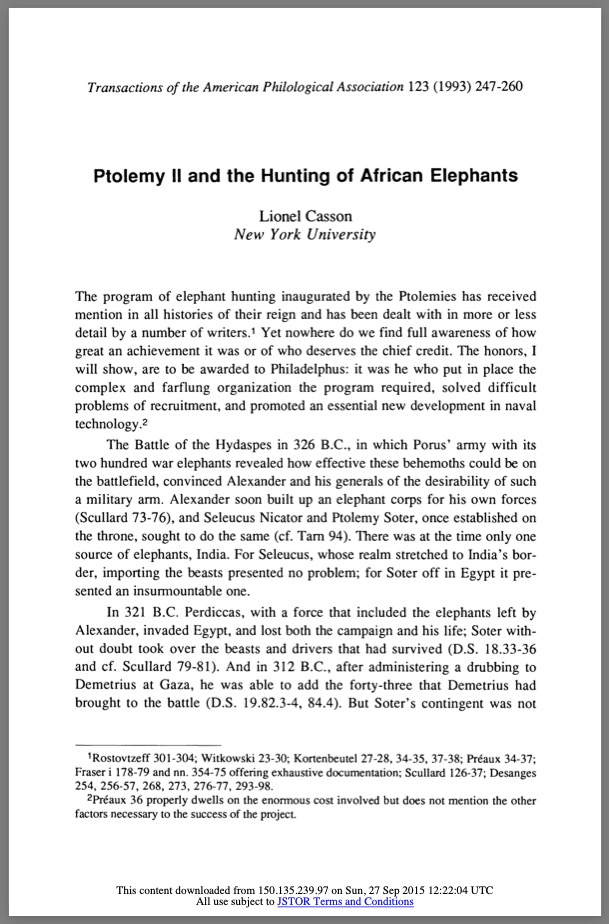
The Diffusion of Classical Art in Antiquity
Book
Boardman, J. (1993) The Diffusion of Classical Art in Antiquity. Princeton, Princeton University Press, 352 pp.
Record No. 17185  |  ISBN/ISSN: 9780690000000  |  Sinkankas/Born No.: NIS / NIB  |  RWHL
View Individual Record ↗
In antiquity the art of Classical Greece was carried far from the Greek lands by colonists, merchants and armies. Wherever it went, it was observed by local artists who borrowed from it what suited them. Based on the Mellon Lectures on the Fine Arts held at the National Gallery of Art, Washington DC, in 1993, Boardman looks at the impact and influnce of Greek art in the Near East and the Persian Empire; the Semitic world and Spain; the east after Alexander the Great; Egypt and North Africa; the countries of the Black Sea; and Italy and Europe. His comprehensive and richly illustrated survey shows how, by looking at Greek art through non-Greek eyes, we may be compelled to adjust our views on what Greek art achieved.

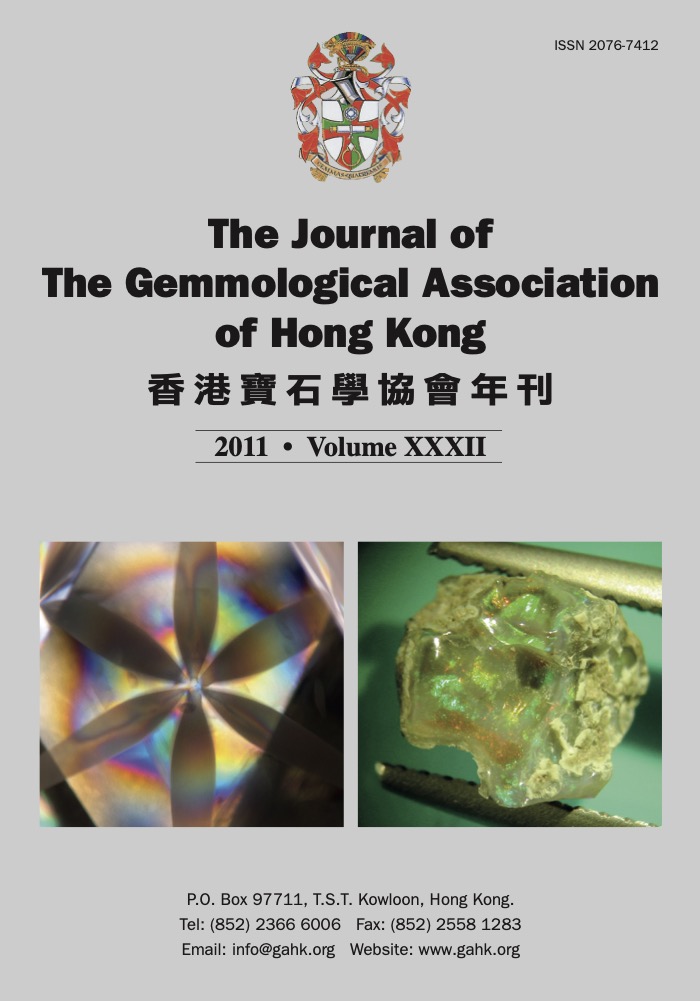
Ptolemy II and the hunting of African elephants
Journal Article
Casson, L. (1993) Ptolemy II and the hunting of African elephants. Transactions of the American Philological Association (1974-), Vol. 123, pp. 247–260.
Record No. 17136  |  ISBN/ISSN: 03605949, 15330699  |  DOI: https://doi.org/10.2307/284331  |  Sinkankas/Born No.: NIS / NIB  |  RWHL
View Individual Record ↗
The program of elephant hunting inaugurated by the Ptolemies has received mention in all histories of their reign and has been dealt with in more or less detail by a number of writers. Yet nowhere do we find full awareness of how great an achievement it was or of who deserves the chief credit. The honors, I will show, are to be awarded to Philadelphus: it was he who put in place the complex and farflung organization the program required, solved difficult problems of recruitment, and promoted an essential new development in naval technology.

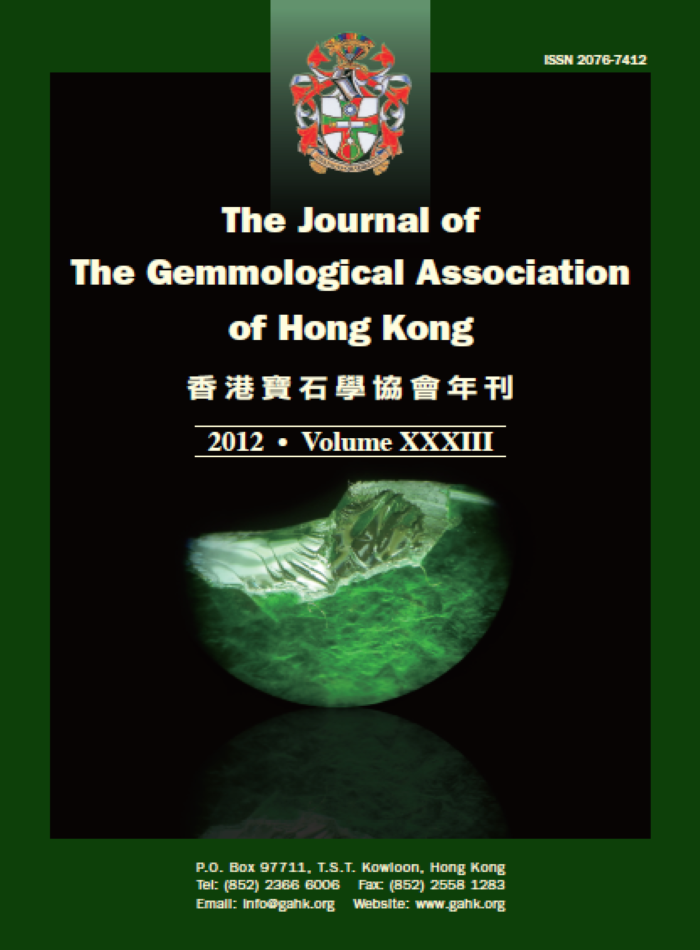
Separation of natural and synthetic rubies using x-ray fluorescence analyses
Journal Article
Yu, P. and Mok, D. (1993) Separation of natural and synthetic rubies using x-ray fluorescence analyses. Journal of the Gemmological Association of Hong Kong, Vol. 16, 1993, pp. 57–59.
Record No. 7704  |  Sinkankas/Born No.: NIS / NIB  |  RWHL
View Individual Record ↗

Indications of crystal morphology in microgemmology as an aid to identification
Journal Article
Kammerling, R.C., Koivula, J.I. and Scarratt, K.V. (1993) Indications of crystal morphology in microgemmology as an aid to identification. Journal of the Gemmological Association of Hong Kong, Vol. XVI, pp. 7–15.
Record No. 7651  |  Sinkankas/Born No.: NIS / NIB  |  RWHL
View Individual Record ↗

Gem News: Spinel from Vietnam

Journal Article
Koivula, J.I., Kammerling, R.C. and Fritsch, E. (1993) Gem News: Spinel from Vietnam. Gems & Gemology, Vol. 29, No. 3, Fall, pp. 213–214.
Record No. 5993  |  ISBN/ISSN: 0016626X  |  Sinkankas/Born No.: NIS / NIB  |  RWHL
View Individual Record ↗
Gem spinel from northern Vietnam is described through market observations and gemmological examination of eleven faceted specimens weighing 0.36–4.30 ct. Spinel occurs with corundum in the Vietnamese deposits, paralleling associations familiar from Sri Lanka and Myanmar. According to information obtained by Kenneth Scarratt from a knowledgeable Vietnamese colleague, gem spinel was discovered in Vietnam in 1984, before the discovery of ruby. By the time of this report, substantial quantities in varied colours and sizes were available in local markets, including Luc Yen. Saverio Repetto of the Gemmological Institute of Vietnam supplied the stones examined, which ranged from orangy red to purple, orangy pink to purplish pink, and violet to blue. Their measured properties agreed with published data for spinel: refractive indices were 1.714–1.719, hydrostatically determined specific gravities were 3.59–3.63, and weak to moderate anomalous birefringence was observed between crossed polarisers. Ultraviolet fluorescence varied with body colour. Predominantly red and pink stones showed weak to moderate red fluorescence under long-wave radiation, whereas specimens with a stronger purple component reacted more weakly or remained inert. Short-wave reactions were similar in colour but less intense, and the blue stones were inert under both wavelengths. Examination with a desk-model spectroscope revealed the characteristic organ-pipe fluorescence spectrum in most stones containing a pink or red component; blue specimens displayed spectral features attributed to iron. Microscopy disclosed inclusions and growth features already recorded in spinels from other localities. On the basis of appearance, mineral inclusions were tentatively identified as hexagonal muscovite platelets, apatite crystals, zircon crystals surrounded by radiation-induced strain halos, small opaque black graphite crystals, and bundles of fine parallel or intersecting rutile silk. Other internal characteristics included secondary healing planes forming fingerprint inclusions, decorated intergrowths and ribbon-like stepped growth planes. The note documents a broad colour range in Vietnamese spinel and records conventional physical properties, colour-related fluorescence and spectroscopic responses, together with a varied inclusion assemblage whose mineral identifications remain provisional.

SEM studies of bleached and polymer-impregnated jadeite
Journal Article
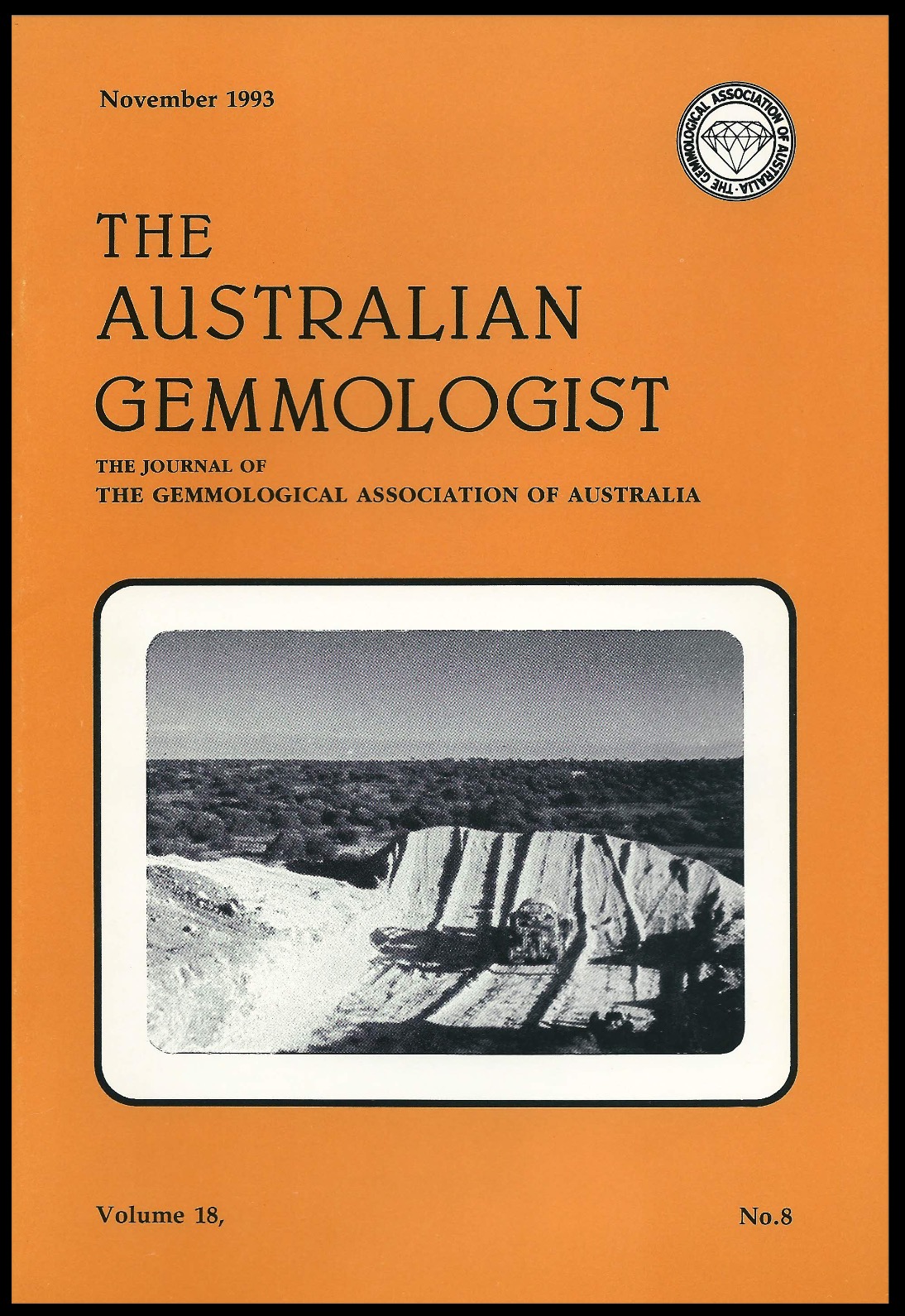
Tay, T.S., Paul, S. and Puah, C.M. (1993) SEM studies of bleached and polymer-impregnated jadeite. Australian Gemmologist, Vol. 18, No. 8, November, pp. 257–261.
Record No. 5804  |  Sinkankas/Born No.: NIS / NIB  |  RWHL
View Individual Record ↗
Scanning electron microscopy (SEM) is investigated as a means of distinguishing untreated fei cui from acid-bleached and polymer-impregnated material by examining surface texture and electrical charging. Twelve polished green specimens, comprising four naturally coloured cabochons and eight treated pieces, were tested with conventional gemmological instruments; two weathered rough pebbles were additionally examined for fluorescence characteristics. Selected polished surfaces were then studied by SEM. All twelve polished specimens gave spot refractive indices around 1.66 and displayed similar visible absorption spectra, including the characteristic band at 437 nm, so these observations did not distinguish treatment. Most treated specimens floated in a heavy liquid of specific gravity 3.32, but two sank, as did all four untreated cabochons. Long-wave ultraviolet fluorescence also proved inconclusive: treated pieces showed variable chalky blue or yellow reactions, with one remaining inert, while naturally weathered material fluoresced strongly along altered edges and fractures. Ordinary microscopy generally revealed a cracked or spiderweb-like surface in treated specimens, but a very fine-grained example lacked this appearance. SEM examination showed that untreated fei cui possessed a compact interlocking microgranular structure, with grain boundaries remaining closely joined even at 2000× magnification. Treated specimens exhibited widened, etched grain boundaries, fractures and surface defects, more clearly resolved than under a gemmological microscope. Granular material could resemble a dried mudflat, while fibrous material displayed a looser texture with conspicuous gaps. Polymer accumulated in these spaces produced intense electrical charging during scanning, recorded as bright white lines outlining grains and filling fractures. This response was distinguished from the weaker, cloud-like white patches caused by surface wax. The fine-grained treated specimen required 500× magnification to reveal widened intergranular boundaries that were unresolved at 150× and undetectable with conventional optical examination. Tilting specimens improved the visibility of diagnostic surface features at magnifications between 150× and 500×. The authors conclude that SEM can provide useful confirmation of bleaching and impregnation, complementing other identification methods, including infrared spectroscopy. Although instrument cost and limited access restrict routine application, they report that a suspect specimen can be identified in under ten minutes and suggest that additional elemental analysis could further improve discrimination.

Gem News: 1993 Burma Emporium

Journal Article
Koivula, J.I., Kammerling, R.C. and Fritsch, E. (1993) Gem News: 1993 Burma Emporium. Gems & Gemology, Vol. 29, No. 1, Spring, p. 64.
Record No. 5080  |  ISBN/ISSN: 0016626X  |  Sinkankas/Born No.: NIS / NIB  |  RWHL
View Individual Record ↗

Gem News: Myanmar mid-year Emporium; Update on Mong-Hsu ruby; Ruby in kyanite from India
Journal Article
Koivula, J.I., Kammerling, R.C. and Fritsch, E. (1993) Gem News: Myanmar mid-year Emporium; Update on Mong-Hsu ruby; Ruby in kyanite from India. Gems & Gemology, Vol. 29, No. 4, Winter, p. 285–287.
Record No. 4889  |  ISBN/ISSN: 0016626X  |  Sinkankas/Born No.: NIS / NIB  |  RWHL
View Individual Record ↗

Gem News: Unusual double star sapphire
Journal Article
Koivula, J.I., Kammerling, R.C. and Fritsch, E. (1993) Gem News: Unusual double star sapphire. Gems & Gemology, Vol. 29, No. 3, Fall, p. 212–213.
Record No. 4888  |  ISBN/ISSN: 0016626X  |  Sinkankas/Born No.: NIS / NIB  |  RWHL
View Individual Record ↗

Gem News: Nepal update

Journal Article
Koivula, J.I., Kammerling, R.C. and Fritsch, E. (1993) Gem News: Nepal update. Gems & Gemology, Vol. 29, No. 3, Fall, p. 211.
Record No. 4887  |  ISBN/ISSN: 0016626X  |  Sinkankas/Born No.: NIS / NIB  |  RWHL
View Individual Record ↗

Gem News: Update on ruby enhancement

Journal Article
Koivula, J.I., Kammerling, R.C. and Fritsch, E. (1993) Gem News: Update on ruby enhancement. Gems & Gemology, Vol. 29, No. 3, Fall, pp. 214–215.
Record No. 4886  |  ISBN/ISSN: 0016626X  |  Sinkankas/Born No.: NIS / NIB  |  RWHL
View Individual Record ↗

Gem News: More “pulled” synthetic materials available

Journal Article
Koivula, J.I., Kammerling, R.C. and Fritsch, E. (1993) Gem News: More “pulled” synthetic materials available. Gems & Gemology, Vol. 29, No. 1, Spring, p. 63.
Record No. 4885  |  ISBN/ISSN: 0016626X  |  Sinkankas/Born No.: NIS / NIB  |  RWHL
View Individual Record ↗

Building a Gemological Library

Gemological books range from general identification manuals and textbooks to specialized works on individual gems, mineralogy, jewelry, treatments, synthesis, history and gem-producing regions.

For a curated selection of particularly useful books, read The Gemologist's Core Library — Classic Books on Gemology, Jewelry and Mineralogy.

About Four Treasures

Four Treasures is Lotus Gemology's freely accessible gemological reference database. Use the full database to search by author, title or keyword and explore literature on gemology, mineralogy, jewelry and related fields. Where available, hyperlinks on titles may lead directly to the full publication.

Search the Complete Four Treasures Database