Jade Bibliography

Jade Bibliography

Explore books, articles and historical sources on jade in Four Treasures, the Lotus Gemology reference database. This bibliography brings together matching records from the collection, with publication details, abstracts and cover images where available.

Jade References

The list below matches the terms jade, jadeite, nephrite or Fei Cui in the database's searchable fields. Some references discuss these materials as part of a broader subject.
301–320 of 3,783 matching references

Discovery of the earliest synthetic carborundum (SiC) in Neolithic jade artifacts in eastern China
Journal Article
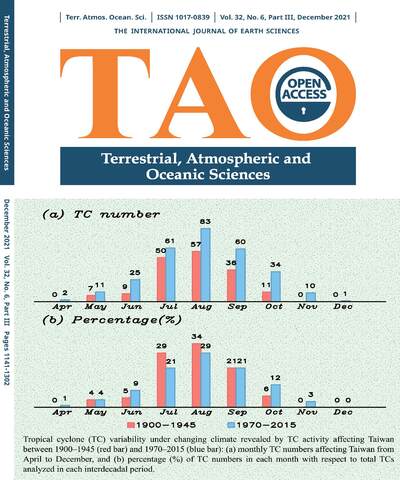
Chou, S., Zhang, J., He, Y., Liou, Y., Chen, Y., Shih, H., Lee, J.K.W., Burr, G.S., Lien, W., Teng, M. and Lo, C. (2014) Discovery of the earliest synthetic carborundum (SiC) in Neolithic jade artifacts in eastern China. TAO–Terrestrial, Atmospheric and Oceanic Sciences Journal, Vol. 25, No. 4, pp. 537–544.
Record No. 27485  |  Sinkankas/Born No.: NIS/NIB  |  RWHL*
Using Raman microscopy and scanning electron microscopy we have successfully identified, for the first time, synthetic silicon carbide (carborundum) particles in 15 unearthed relics and assorted remains from five out of six Neolithic sites (~4000–7000 years b.p.) in Eastern China. Because of its extreme hardness, silicon carbide was apparently employed in the manufacture of ancient jade artifacts presumably as an abrasive for polishing. We show that Neolithic people may have already used this synthetic material to carve and polish both jade and quartz artifacts, contributing to the blooming development of the jade culture throughout ancient China.

Suspended jade: Jade pendant sets from Western Han dynasty tombs
Book Section
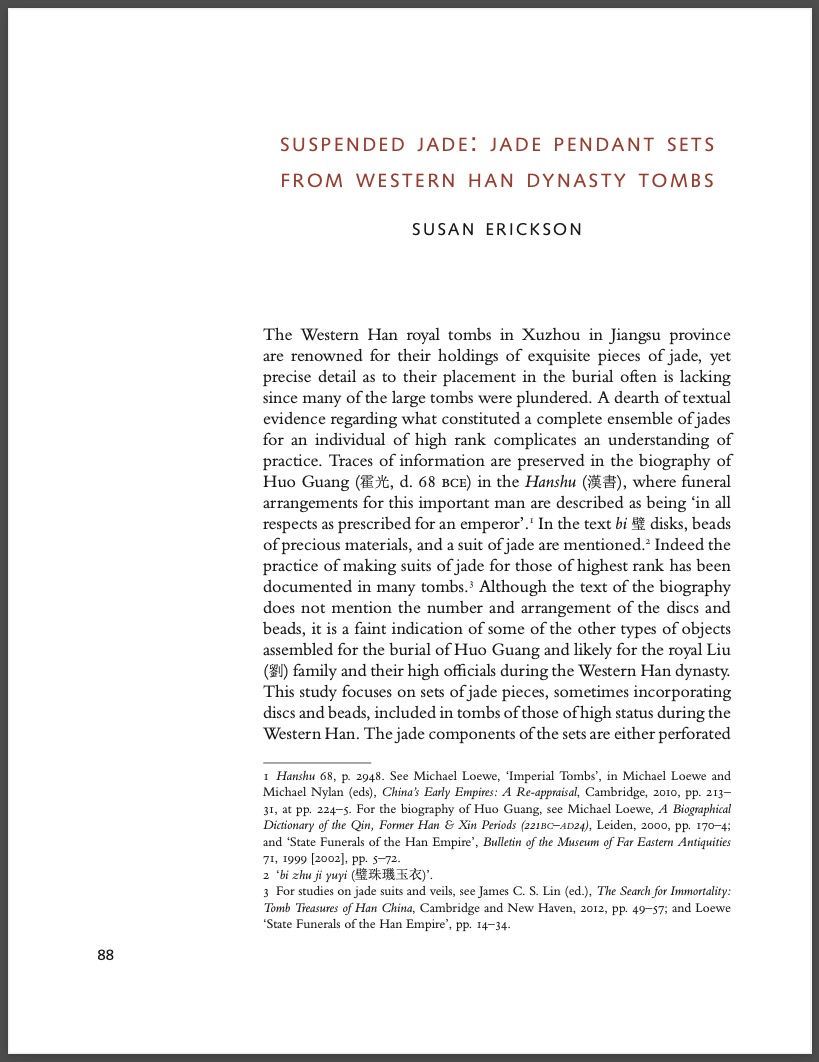
Erickson, S.N. (2014) Suspended jade: Jade pendant sets from Western Han dynasty tombs. In: Life and Afterlife in Han China, Cambridge: Fitzwilliam Museum, pp. 88–109.
Record No. 16762  |  ISBN/ISSN: 9780960000000  |  Sinkankas/Born No.: NIS/NIB  |  RWHL*
This research examines the jade pendant sets found in Western Han Dynasty tombs, specifically focusing on those discovered in Xuzhou. Despite the challenge of incomplete archaeological records due to past plundering, the study identifies patterns and typologies of jade artifacts associated with the burials of high-status individuals. By analyzing historical texts such as the biography of Huo Guang from the Hanshu, the paper reconstructs the potential arrangements and significance of these jade pieces, linking them to ancient burial practices that reflect social status and cultural values of the time. The book contains eleven papers given at a conference held by the Fitzwilliam Museum in 2012 to discuss the dramatic discoveries from the tombs of the Han kings of Chu and Nanyue.

The geology of jadeite deposits

Book Section
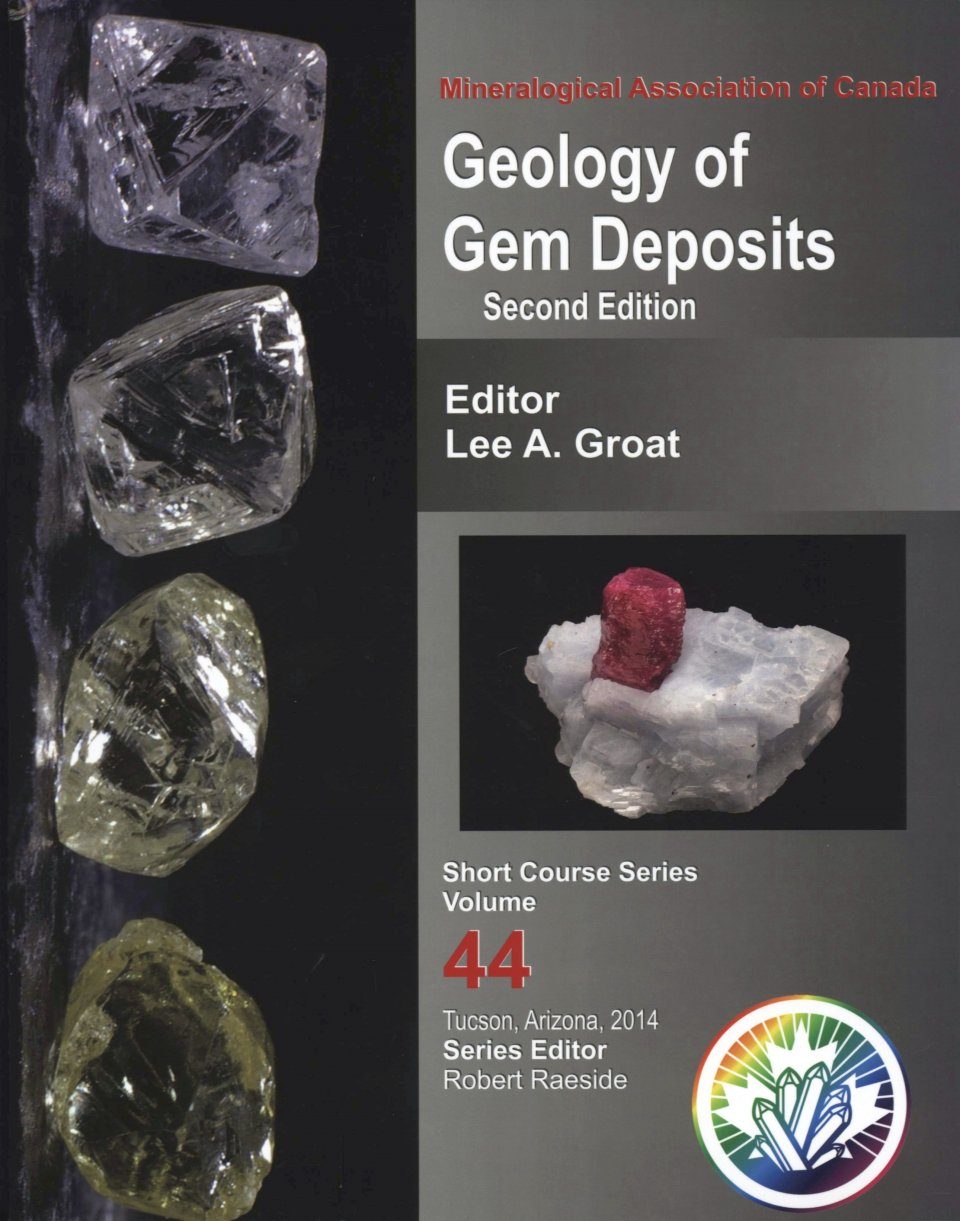
Harlow, G.E. (2014) The geology of jadeite deposits. In: Geology of Gem Deposits, Short Course Series, Québec: Mineralogical Association of Canada, Vol. 44 , pp. 305–340.
Record No. 16728  |  Sinkankas/Born No.: NIS/NIB  |  RWHL*

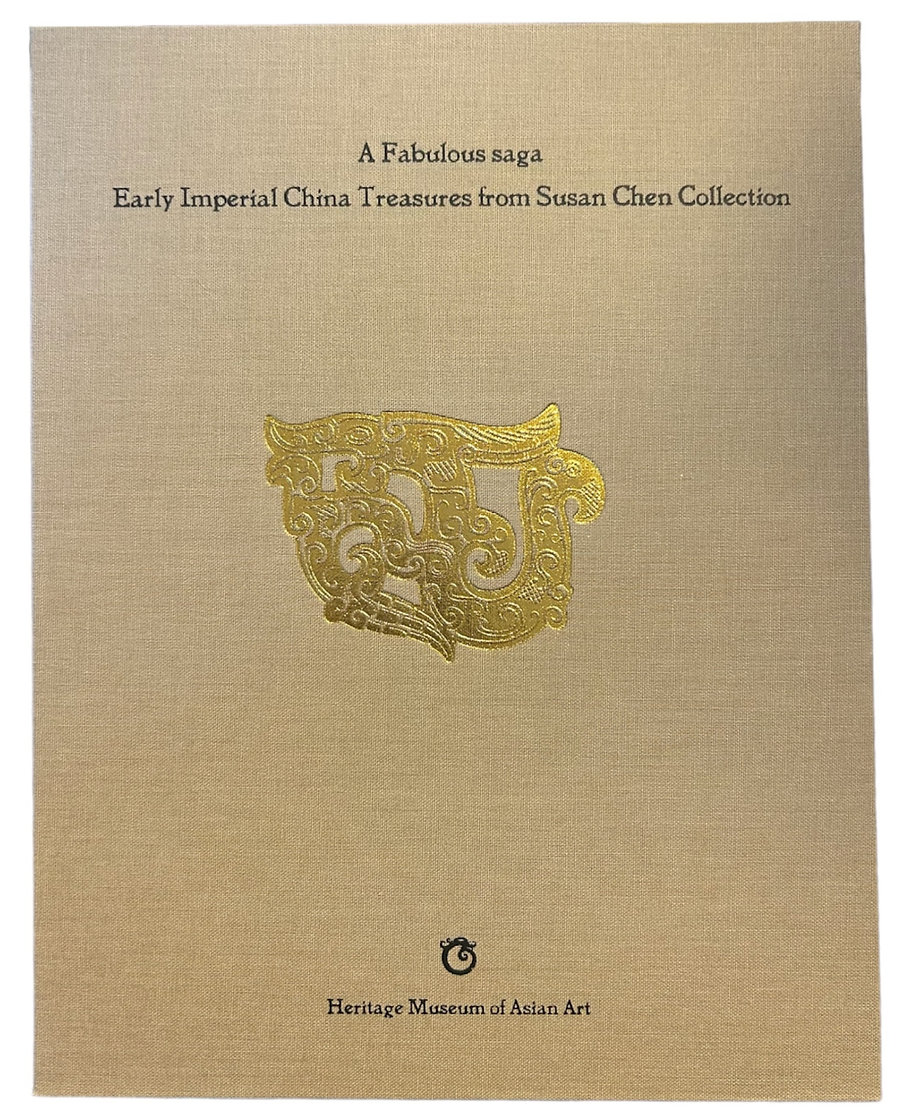
A Fabulous Saga | Early Imperial China Treasures from Susan Chen Collection
Book
Heritage Museum of Asian Art (2014) A Fabulous Saga | Early Imperial China Treasures from Susan Chen Collection. Chicago, Heritage Museum of Asian Art, 2 Vols., The Immortality and Spirit of Archaic Jade | Embracing Both Colorful Panorama Quartz Family , 210, 112 pp.
Record No. 7930  |  Sinkankas/Born No.: NIS/NIB  |  RWHL*
On June 8, 2014, in its inaugural exhibition, the Heritage Museum of Asian Art in Chicago had a rare opportunity to exhibit the Feng Wen Tang Susan Chen" Collection of Archaic Jades and Agates. This exquisite collection consisted of more than 100 pieces spanning the Neolithic period to the Song Dynasty. The range of ritual jade objects include axes, dagger axes, plaques, blades, pendants, ornaments, rings, and collared discs, as well as a rare jade face mask. The early agates date from the Warring States to the Six Dynasties periods, and include sword fittings, buckles, plaques, pendants, beads, ornaments and utensils. This collection was assembled by Susan Chen, who had a lifelong love affair with Chinese art."

Petrographic and geochemical investigation of a stone adze made of nephrite from the site Balatonőszöd – Temetői dűlő (Hungary)
Journal Article
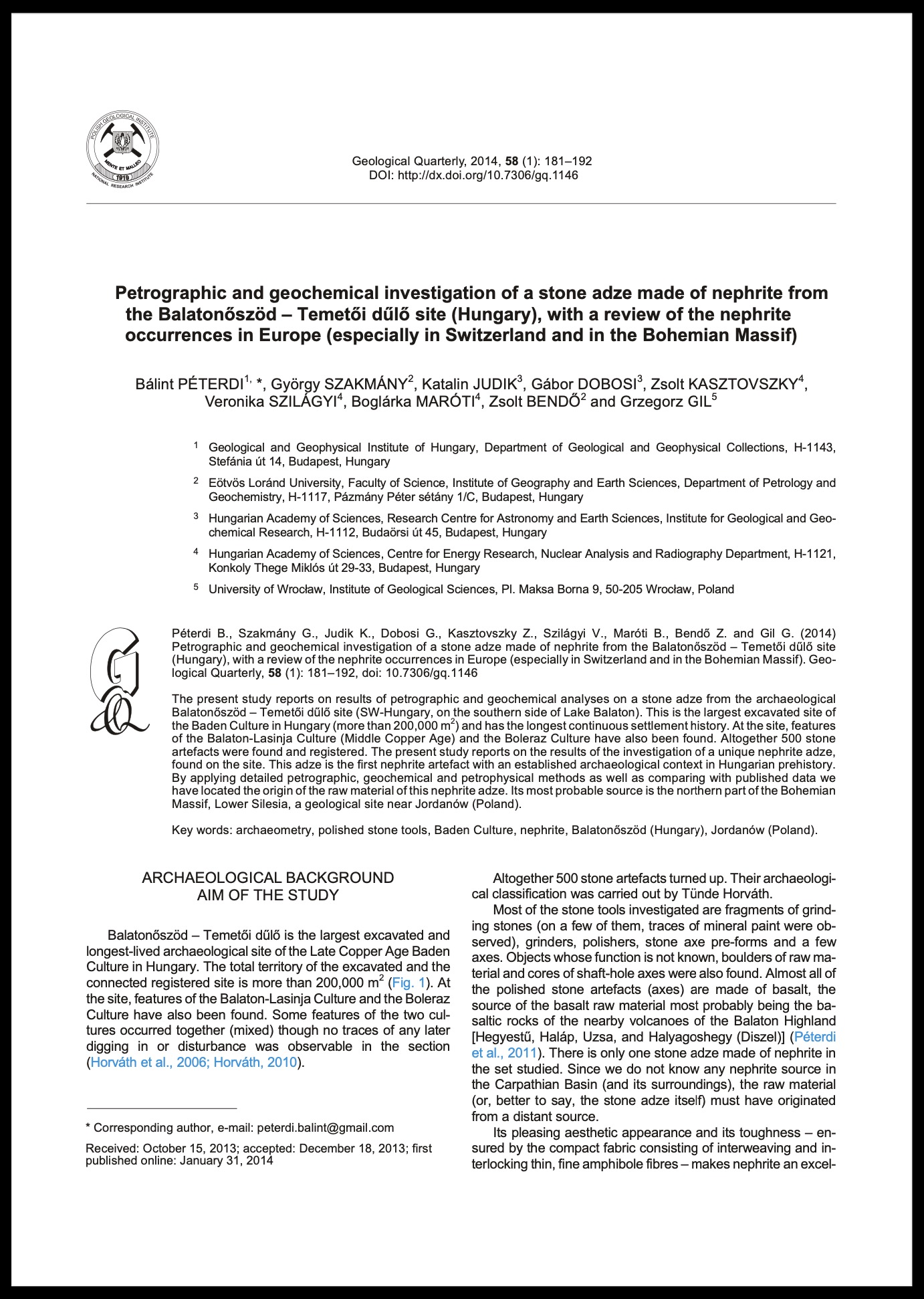
Péterdi, B., Szakmány, G., Judik, K., Dobosi, G., Kasztovszky, Z., Szilágyi, V., Maróti, B., Bendő, Z. and Gil, G. (2014) Petrographic and geochemical investigation of a stone adze made of nephrite from the site Balatonőszöd – Temetői dűlő (Hungary). Geological Quarterly, Vol. 58, No. 1, pp. 181–192.
Record No. 7600  |  Sinkankas/Born No.: NIS/NIB  |  Language: Eng  |  RWHL*
The present study reports on results of petrographic and geochemical analyses on a stone adze from the archaeological Balatonőszöd – Temetői dűlő site (SW Hungary, on the southern side of Lake Balaton). This is the largest excavated site of the Baden Culture in Hungary (more than 200,000 m²) and has the longest continuous settlement history. At the site, features of the Balaton-Lasinja Culture (Middle Copper Age) and the Boleráz Culture have also been found. Altogether 500 stone artefacts were found and registered. The present study reports on the results of the investigation of a unique nephrite adze, found on the site. This adze is the first nephrite artefact with an established archaeological context in Hungarian prehistory. By applying detailed petrographic, geochemical and petrophysical methods as well as comparing with published data, we have located the origin of the raw material of this nephrite adze. Its most probable source is the northern part of the Bohemian Massif, Lower Silesia, a geological site near Jordanów (Poland).

Spirit Stones | The Ancient Art of the Scholar’s Rock
Book
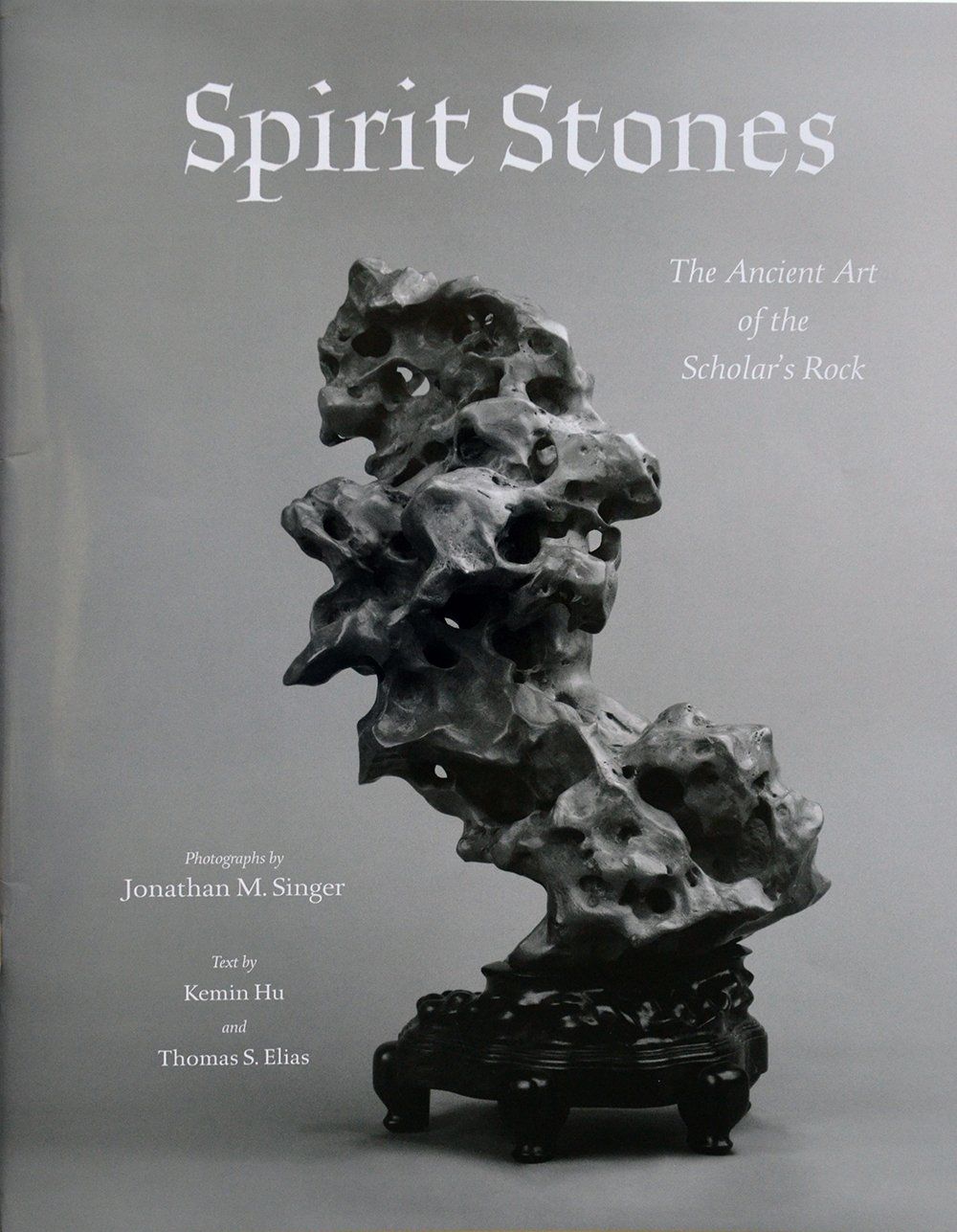
Hu, K. and Elias, T.S. (2014) Spirit Stones | The Ancient Art of the Scholar’s Rock. New York, Abbeville Press, 236 pp.
Record No. 7569  |  ISBN/ISSN: 9780790000000  |  Sinkankas/Born No.: NIS/NIB  |  RWHL*
VSANA: This grand, large format, 12 x 15 inch (30.5 x 38 cm) volume is more than an art book featuring stones. The stunning images by award winning photographer Jonathan Singer allow viewers to study and appreciate every detail of the hundreds of excellent Chinese viewing stones. This is one of the few books available today in which every detail of the stones and their bases can be seen. Or you can let your imagination run and appreciate them as magnificent mountains or natural works of art. Regardless of how you use this book, it is a significant contribution to the growing art of Chinese stone appreciation in western countries. Abbeville Press Publishers, the leading publisher of fine art books, spared no expense in the production of this work. The design, layout, quality of the paper, printing, and binding are of the highest quality. The stones are displayed one per page except for groups of smaller stones in the latter part of the book. The 300 illustrations are duotones rather than color, which is appropriate considering the exotic nature of the stones. Abbeville Press brought together the skilled nature photographer Jonathan Singer, the fine collection of Chinese stones owned by Kemin Hu, and VSANA chairman and writer Thomas S. Elias to produce this work. The result is an extraordinary volume packed with information. Kemin Hu provides an introduction, while Elias provides essays on the history of Chinese stone appreciation, the value and importance of the Hu collection: and stone display.

Custodians of the Scholar’s Way

Book
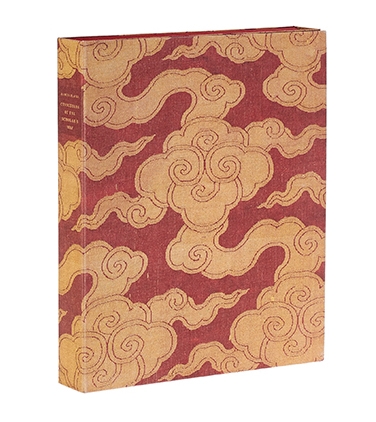
Flacks, M. (2014) Custodians of the Scholar’s Way. London, Rasika, 490 pp.
Record No. 7566  |  ISBN/ISSN: 9781910000000  |  Sinkankas/Born No.: NIS/NIB  |  RWHL*
In this major study of classical Chinese scholars’ objects, Marcus Flacks continues his explorations into the great traditions of Chinese artisanal art. Custodians of the Scholar’s Way is the third part of a triptych, preceded by Classical Chinese Furniture and Contemplating Rocks. Learned and accessible, this lush publication examines and contextualizes more than 200 masterpieces in wood, all forming part of the classical Chinese scholar’s studio. This wondrous collection of objects is embedded within the vivid and enchanting context of the classical Chinese scholar’s studio, creating thereby a book that is both a history and a spatial geography of a great tradition.

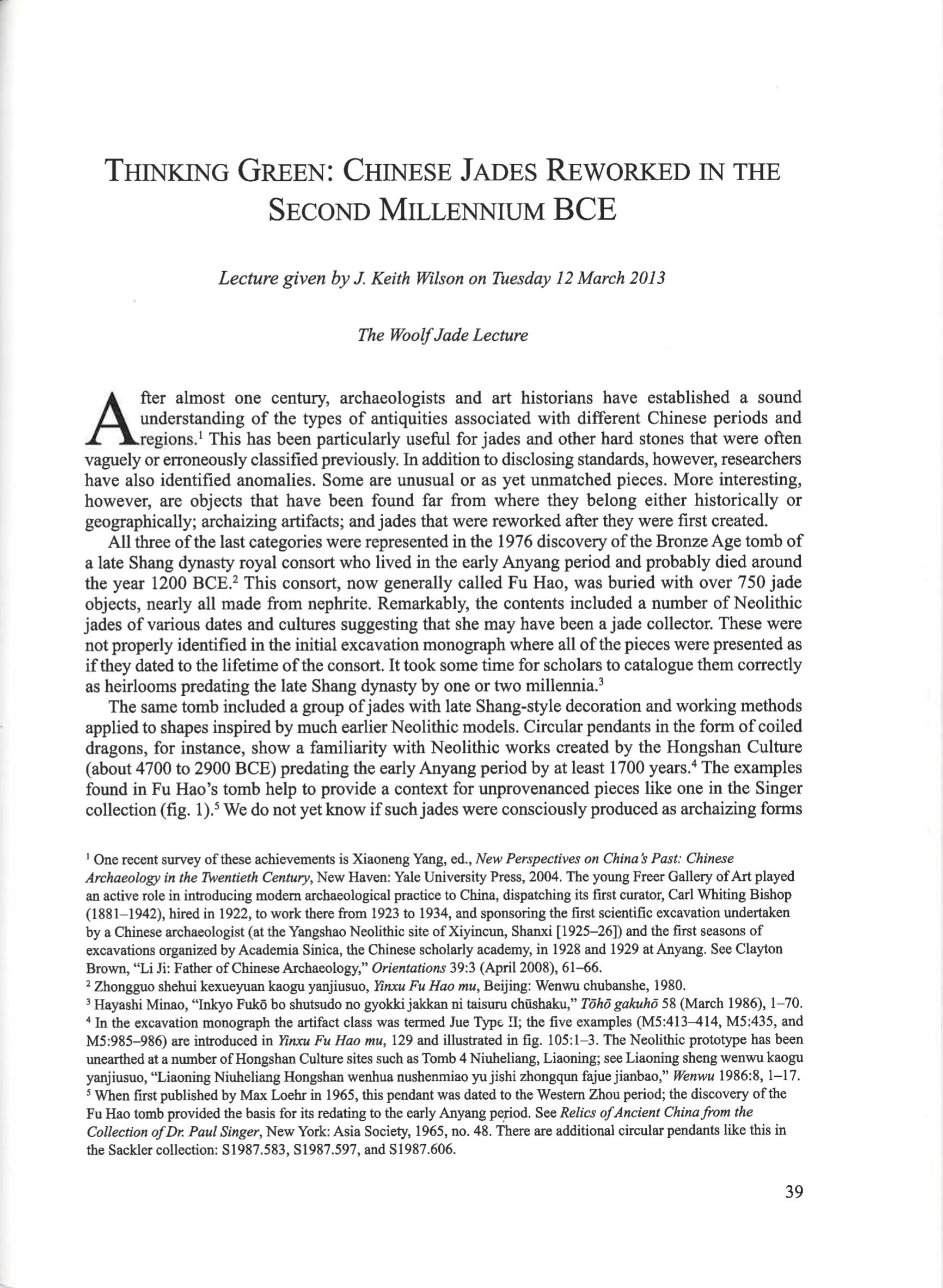
Thinking green: Chinese jades reworked in the second millennium BCE
Journal Article
Wilson, J.K. (2014) Thinking green: Chinese jades reworked in the second millennium BCE. Transactions of the Oriental Ceramic Society, Vol. 77 • 2012–2013, pp. 39–56.
Record No. 6611  |  Sinkankas/Born No.: NIS/NIB  |  RWHL*
Wilson examines the reuse and alteration of Chinese jade objects during the second millennium BCE, arguing that jade’s durability allowed objects to remain in circulation for generations or centuries and to be repaired, recycled, or repurposed as cultural values and uses changed. Drawing on objects in the Freer and Sackler collections and comparisons with excavated material, he distinguishes three principal forms of reworking. A monumental late Neolithic Longshan harvesting blade (hu) was broken and carefully repaired while still an important prestige object; Neolithic ritual tubes (cong) and Shang collared disks were deliberately cut up and transformed into new objects, including taotie fittings, axes, and fish pendants; and an enormous early Shang jade dagger-axe (ge), already about five centuries old, was given an inscription in the early Western Zhou period recording an event involving the Grand Protector, thereby transforming an antique object into a commemorative object. The study emphasizes that ancient Chinese jades did not necessarily pass directly from manufacture to burial: some were preserved as heirlooms or collectibles, while others were substantially altered to accommodate new functions and tastes. These practices reveal changing attitudes toward jade during the transition from the Stone Age to the Bronze Age, when some earlier ritual traditions declined while more decorative uses, particularly jewelry, became increasingly important.

The values of Classic Maya jade: A reanalysis of Cancuen’s jade workshop
Journal Article
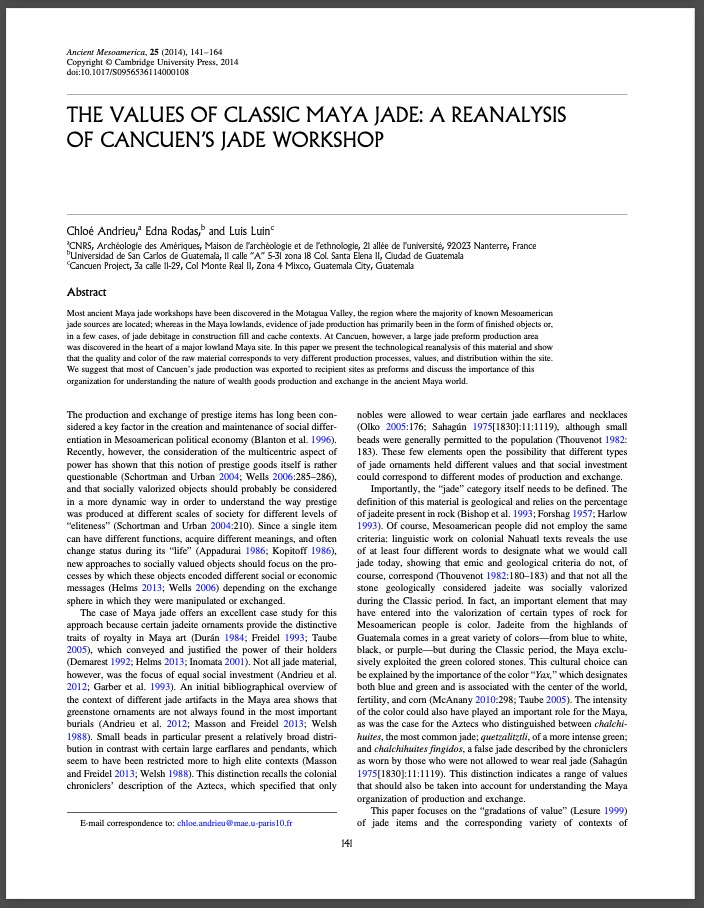
Andrieu, C., Rodas, E. and Luin, L. (2014) The values of Classic Maya jade: A reanalysis of Cancuen’s jade workshop. Ancient Mesoamerica, Vol. 25, No. 1, March, pp. 141–164.
Record No. 6176  |  DOI: https://dx.doi.org/10.1017/S0956536114000108  |  Sinkankas/Born No.: NIS/NIB  |  RWHL*
Most ancient Maya jade workshops have been discovered in the Motagua Valley, the region where the majority of known Mesoamerican jade sources are located; whereas in the Maya lowlands, evidence of jade production has primarily been in the form of finished objects or, in a few cases, of jade debitage in construction fill and cache contexts. At Cancuen, however, a large jade preform production area was discovered in the heart of a major lowland Maya site. In this paper we present the technological reanalysis of this material and showthat the quality and color of the raw material corresponds to very different production processes, values, and distribution within the site. We suggest that most of Cancuen’s jade production was exported to recipient sites as preforms and discuss the importance of this organization for understanding the nature of wealth goods production and exchange in the ancient Maya world.

Contemplation of the Universe: Exhibition of Imperial Jade of the Qing Dynasty
静中观造化 : 清代宮廷玉雕艺术展 / 陈军主编
Book
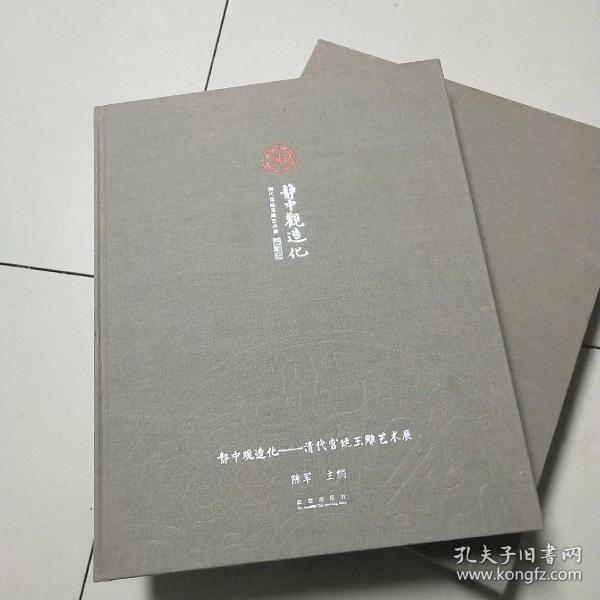
Chen, J. (2014) Contemplation of the Universe: Exhibition of Imperial Jade of the Qing Dynasty. [静中观造化 : 清代宮廷玉雕艺术展 / 陈军主编] Beijing, Forbidden City Publishing House [故宮出版社], 309 pp.
Record No. 6039  |  ISBN/ISSN: 9787510000000  |  Sinkankas/Born No.: NIS/NIB  |  Language: in Chinese  |  RWHL*
Sumptuous catalog of an exhibition held at Poly Art Museum in July 2014. Viewing the Good fortune in Silence: The Qing Dynasty Palace Jade Carving Art Exhibition" exhibited a number of Qing Dynasty palace jade articles, most of them during the Qianlong period, with high quality, abundant quantity, and complete categories, which can be described as an unprecedented event. "Viewing the Creation in Stillness" is taken from the seal of the Emperor Qianlong's idle chapter, implying that the emperor eliminated the disturbances of the world and observed the magic of the universe in a state of silence. The beautiful jade is the bell of heaven and earth. It has good craftsmanship and delicacy. The jade articles in the exhibition are divided into eight categories: jade used in ordinances, jade used in religious sacrifices, jade used in furnishings, jade used in houses, jade used in daily life, jade pendants, and antique scars. With deep cultural connotation, I also hope to take this opportunity to share with you the love of jade gentlemen to the legacy of previous generations, and work together to promote the Chinese jade culture. "Viewing the Refined Nature in the Jing Dynasty: The Qing Dynasty Palace Jade Carving Art Exhibition" is a catalogue of the same name published in conjunction with the "Viewing the Wise Peace in the Qing Dynasty-The Palace Jade Carving Art Exhibition in the Qing Dynasty". "Viewing the Good fortune in Silence: Qing Dynasty Palace Jade Carving Art Exhibition" has exquisite pictures, excellent production, and high quality. It is an important reference for researching and enjoying the Qing Dynasty palace jade."

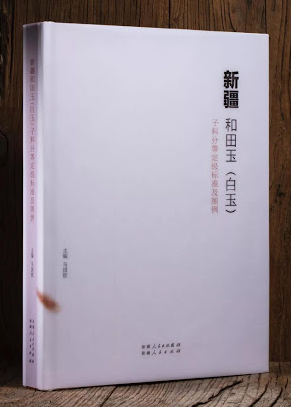
Xinjiang Hetian Placer Nephrite (White Jade) Grading Standards and Illustrations
新疆和田玉(白玉)子料分等定级标准及图例
Book
Ma, G.Q. (2014) Xinjiang Hetian Placer Nephrite (White Jade) Grading Standards and Illustrations. [新疆和田玉(白玉)子料分等定级标准及图例] Urumqi, Xinjiang People’s Press, 299 pp.
Record No. 4500  |  ISBN/ISSN: 9787230000000  |  Sinkankas/Born No.: NIS/NIB  |  Language: in Chinese  |  RWHL*
An illustrated reference for standardising the identification, classification and quality grading of Xinjiang Hetian white nephrite pebble material (ziliao). Compiled by Ma Guoqin and collaborating specialists, the book draws on mineralogical research, specimen examination, consultations with jade carvers and dealers, and market transaction data. It converts customary trade terminology and practical judgements into written definitions and illustrated grading guidance, providing a common framework for describing and comparing material. Its purpose is to make assessments more consistent and improve communication among traders, collectors, carvers and gemmological practitioners.

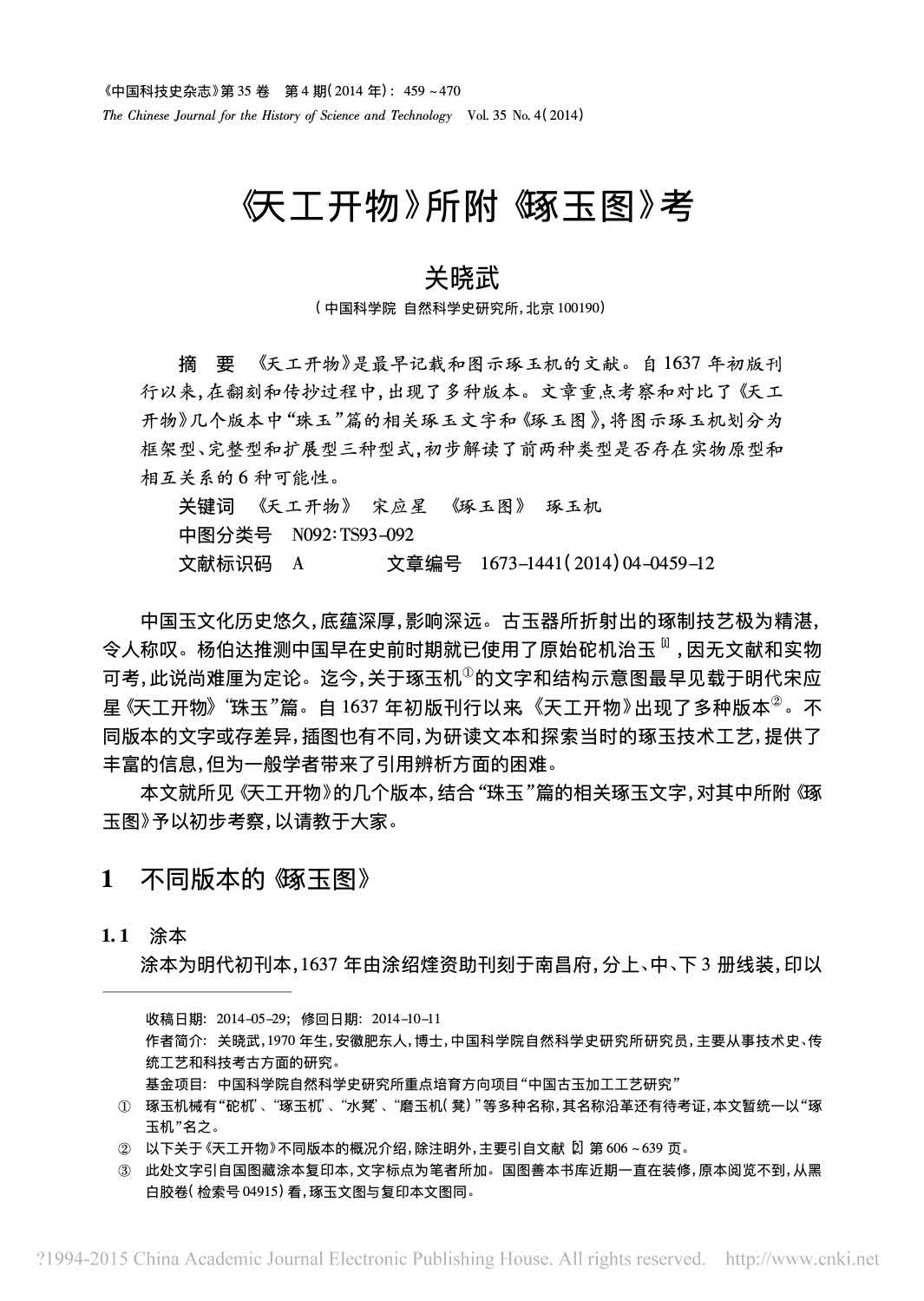
A study of Zhuoyu Tu in Tian Gong Kai Wu
《天 工 开 物 》所 附 《琢 玉 图 》考
Journal Article
Guan, X. (2014) A study of Zhuoyu Tu in Tian Gong Kai Wu. [《天 工 开 物 》所 附 《琢 玉 图 》考] Chinese Journal for the History of Science and Technology, Vol. 35, No. 4, pp. 459–470.
Record No. 4220  |  Sinkankas/Born No.: NIS/NIB  |  Language: in Chinese with English abstract  |  RWHL*
Song Yingxing's Tian Gong Kai Wu (Illustrated Description of Handicrafts and Industries) of 1637 was the first work to include a description and illustration of the so-called zhuoyu ji (jade carving machine). To date, more than ten editions in printed and manuscript form of the Tian Gong Kai Wu are extant. Differences exist in both the text and illustrations among these editions, which provide a large amount of technical information,but also give rise to difficulties concerning the study of jade carving crafts and texts during Song Yingxing's time. This article focuses on the text about jade carving and the Zhuoyu Tu (Illustration of jade carving) in several of the editions available, and divides the zhuoyu ji depicted in these illustrations into three types—frame type, integrated type and extended type. It provides a preliminary interpretation on six possibilities whether physical prototypes of the frame type and integrated type ever actually existed, and how they may relate to each other.

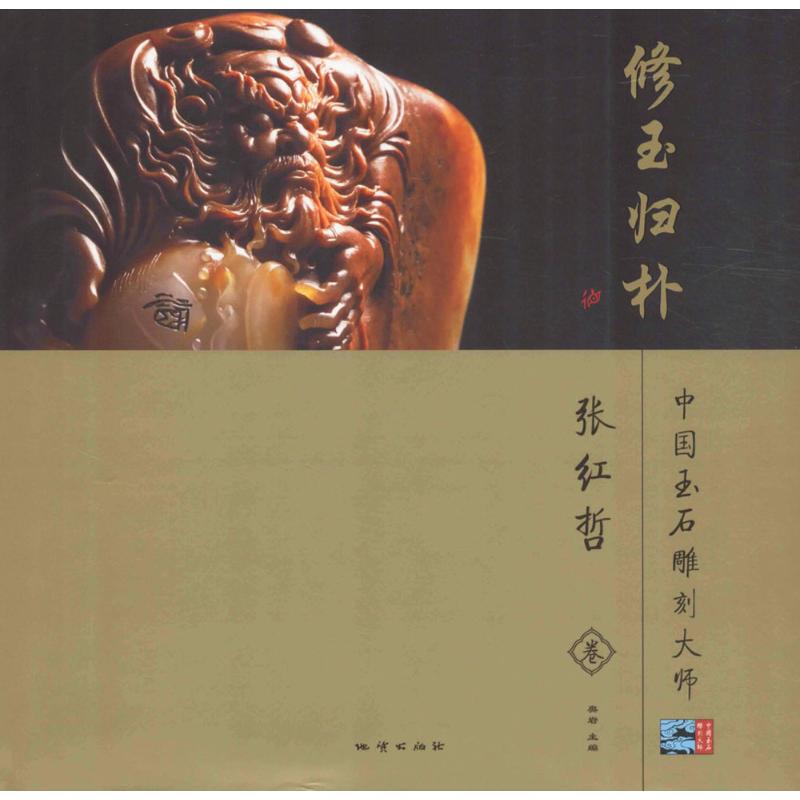
Chinese Jade Carving Master Xiu Yu Returns to Simplicity: Zhang Hongzhe Volume
中國玉石雕刻大師修玉歸樸:張紅哲卷 奧岩 主編 冶金工業專業科技
Edited Book
Ao, Y., editor (2014) Chinese Jade Carving Master Xiu Yu Returns to Simplicity: Zhang Hongzhe Volume. [中國玉石雕刻大師修玉歸樸:張紅哲卷 奧岩 主編 冶金工業專業科技]. Beijing, Geological Publishing House, 240 pp..
Record No. 4170  |  ISBN/ISSN: 9787120000000  |  Sinkankas/Born No.: NIS/NIB  |  Language: in Chinese  |  RWHL*
A volume devoted to Zhang Hongzhe in the Chinese Masters of Jade Carving series, edited by Ao Yan. It presents the artist within a publishing programme documenting contemporary Chinese jade-carving masters. The title Xiuyu Guipu (修玉归朴), approximately “Refining jade, returning to simplicity,” suggests an emphasis on simplicity and natural character.

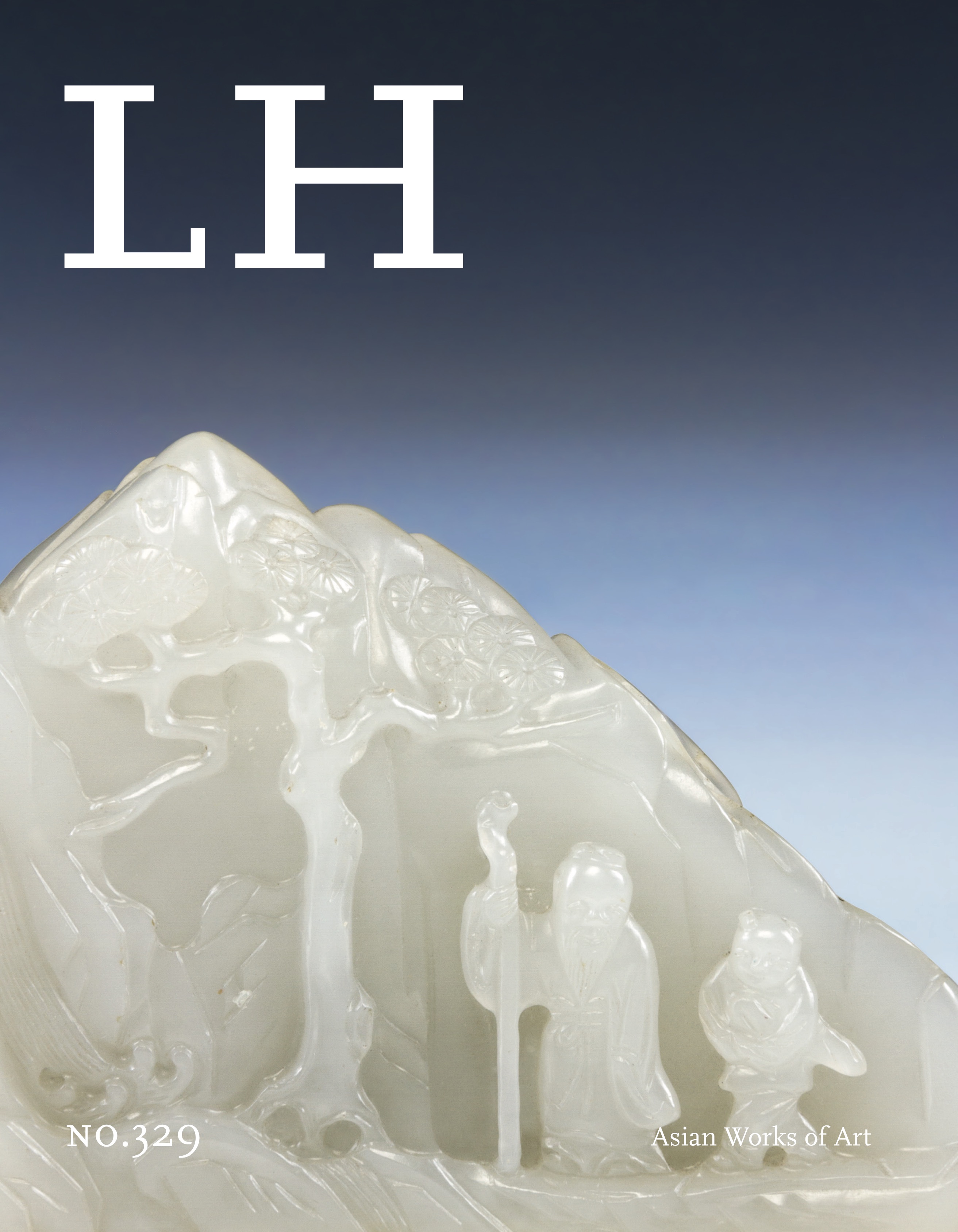
Asian Works of Art

Catalog
Leslie Hindman (2014) Asian Works of Art. Chicago: Leslie Hindman, 22–23 September, No. 329, 171 pp..
Record No. 3976  |  Sinkankas/Born No.: NIS/NIB  |  RWHL*
Contains lots 385–405 on jade reference books

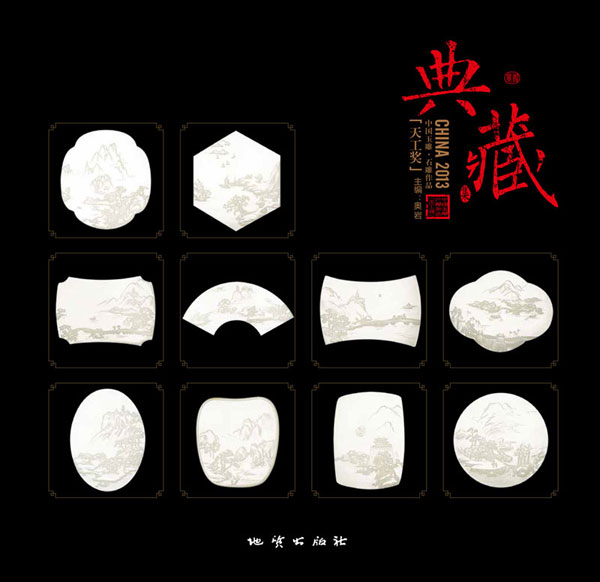
Classic Collections of 2013 China Jade Carving & Stone Carving Works Awarded with Tian Gong Prize
2013中国玉雕·石雕作品天工奖"典藏集"
Edited Book
Ao, Y., editor (2014) Classic Collections of 2013 China Jade Carving & Stone Carving Works Awarded with Tian Gong Prize. [2013中国玉雕·石雕作品天工奖"典藏集"]. Beijing, 中国地质大学出版社 [China University of Geosciences Press], 366 pp..
Record No. 3926  |  ISBN/ISSN: 9787120000000  |  Sinkankas/Born No.: NIS/NIB  |  Language: in Chinese  |  RWHL*
An illustrated catalogue of Chinese jade- and stone-carving works recognised in the 2013 Tian Gong Prize competition, organised into gold, silver, bronze, outstanding work, craftsmanship and creative design awards. Alongside the prize-winning works, the volume documents regional selection activities, submission and exhibition preparation, photography, judging and the awards ceremony. A winners’ register and material on the catalogue’s compilation complete this record of contemporary carving and the organisation of a major national competition.

Light is Dust III: Jade Carvings by Qiu Qijing
Catalog
Xi Ling Yin She (2014) Light is Dust III: Jade Carvings by Qiu Qijing. Hangzhou, 14 December, unpaginated.
Record No. 3800  |  Sinkankas/Born No.: NIS/NIB  |  RWHL*

Tales of Stones: Collecting Archaic Chinese Jades in the U.S., 1901–1950
Thesis
Wang, Y. (2014) Tales of Stones: Collecting Archaic Chinese Jades in the U.S., 1901–1950. Arizona State University, 78 pp.
Record No. 3462  |  Sinkankas/Born No.: NIS/NIB  |  RWHL*
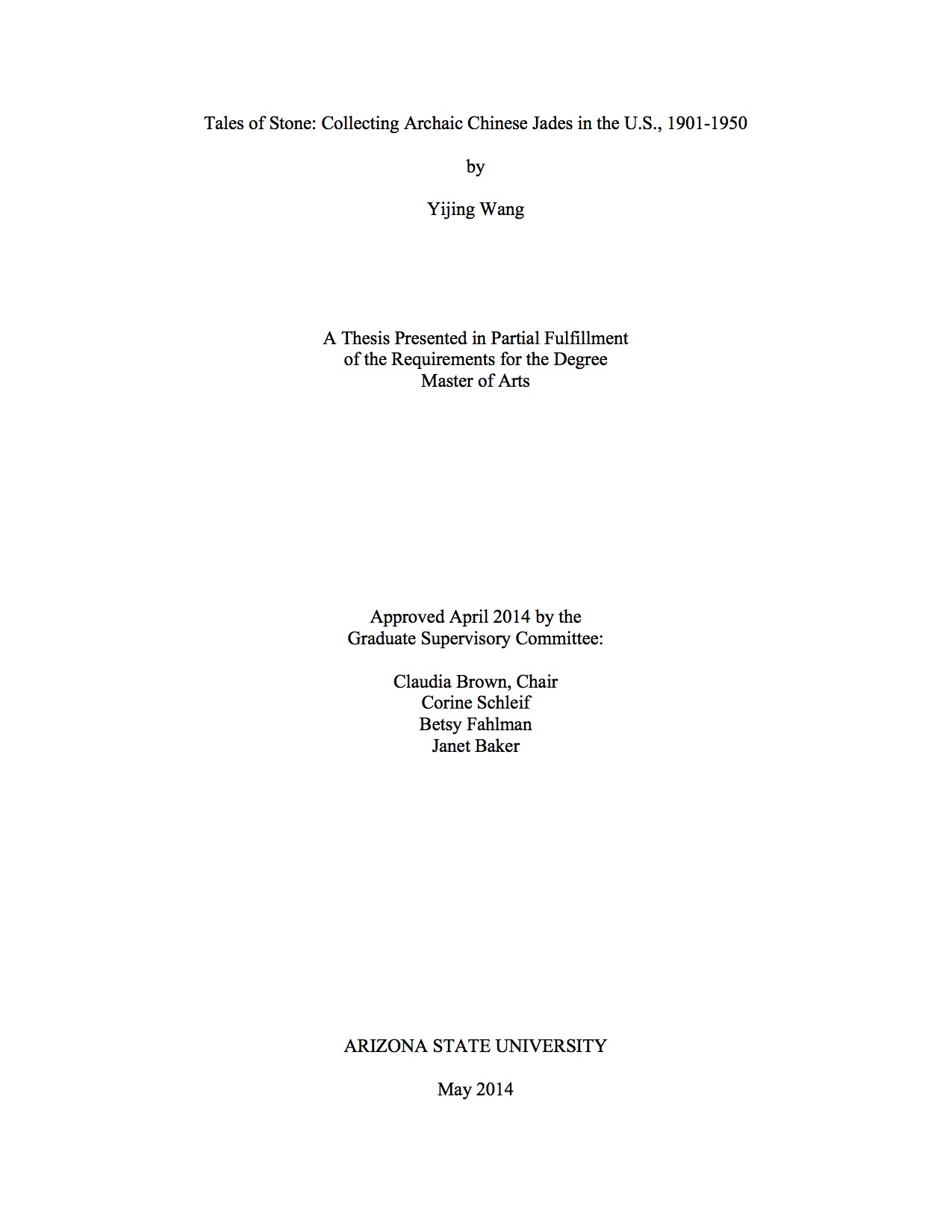
The history of jade in many ways reflects the evolution of Chinese civilization, encompassing its entire history and geographical extent and the many cultural traditions associated with the various regions that have finally been brought together in the unity of present-day China. The archaic jade collections investigated in this thesis, from an archaeological point of view, primarily consist of pieces from the late Neolithic through early historic era, named the “Jade Age” by academics. Although well-researched museum catalogues of archaic Chinese jades have been widely published by major museums in the United States, they are mostly single collection oriented. It is, then, necessary to conduct research examining the overall picture of collecting practices in the U.S. Given the proliferation of fake early jades, this study will provide an essential academic reference for researchers, students, and the present art market. This thesis seeks to explore how shifting tastes, political climates, and personal ambitions, as well as various opportunities and personalities, were instrumental factors in shaping these important collections of archaic Chinese jades in the U.S. today.

Geology of Gem Deposits

Edited Book
Groat, L.A., editor (2014) Geology of Gem Deposits.. Québec, Mineralogical Association of Canada, Short Course Series, Vol. 44 , 270 pp.. 2nd ed..
Record No. 3347  |  Sinkankas/Born No.: NIS/NIB  |  RWHL*

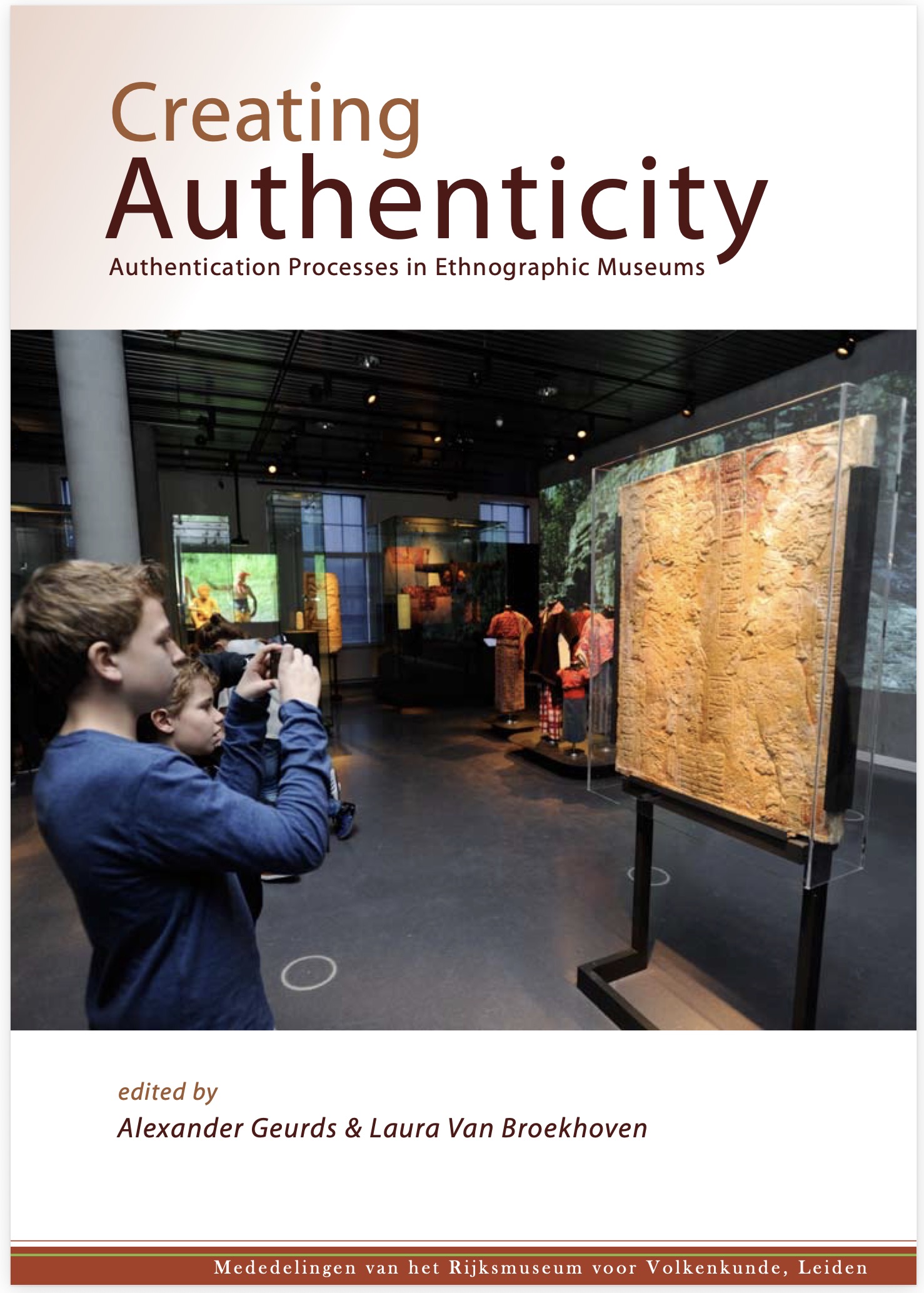
Real, fake or a combination? Examining the authenticity of a Mesoamerican mosaic skull
Book Section
Berger, M.E. (2013) Real, fake or a combination? Examining the authenticity of a Mesoamerican mosaic skull. In: Creating Authenticity: Authentication Processes In Ethnographic Museums, Mededelingen van het Rijksmuseum voor Volkenkunde 42, Leiden: Sidestone Press, pp. 11–38.
Record No. 28656  |  ISBN/ISSN: 9789090000000  |  Sinkankas/Born No.: NIS/NIB  |  RWHL*
One of the centrepieces of the Central and South American gallery of the National Museum of Ethnology (NME) in Leiden, the Netherlands, is a Mesoamerican human skull decorated with turquoise mosaic. This mosaic skull is thought to have been created by Mixtec artisans in the Late Postclassic period (AD 1300–1521). Since the skull was acquired on the art market, nothing is known about its provenance prior to 1962. As a result, some have questioned its pre-Columbian origin. Similar questions have been raised about unprovenanced mosaic skulls in other museum collections. This article presents the findings of research carried out at the NME and at the Centre de Recherche et de Restauration des Musées de France (C2RMF), Paris, in 2011 and 2012, with a view to determining whether the Leiden mosaic skull is an authentic pre-Columbian artefact, an entirely modern creation, or a modern combination of authentic elements. The article also explores the reasons for the skull’s acquisition in the 1960s, in the absence of any background information, and discusses the significance of these research findings for the presentation and perception of this particular artefact.

Science, Tools & Magic: Part One, Body and Spirit Mapping the Universe; Part Two, Mundane Worlds

Book
Maddison, F., Savage-Smith, E., Pinder-Wilson, R. and Stanley, T. (2013) Science, Tools & Magic: Part One, Body and Spirit Mapping the Universe; Part Two, Mundane Worlds. London, The Nour Foundation, Vol. 12 , 439 pp.
Record No. 26623  |  ISBN/ISSN: 1874780595  |  Sinkankas/Born No.: NIS/NIB  |  RWHL*
This two-part volume contains a large and important group of objects and manuscripts that may be broadly categorised as scientific instruments, tools or magical implements. Many objects of this kind have never before been systematically catalogued, and this volume brings together much information previously scattered to present a corpus of material for future comparative study. The astronomical instruments are those primarily connected with the fundamental concerns of Islamic astronomy – determining the times of prayer and the direction of Mecca – and the teaching and practice of cosmology and astrology. The Collection includes important individual pieces, among them a fine celestial globe made in 1285–6 and a unique Judeo-Arabic astrolabe of circa 1300. Another 218 entries include medical manuscripts, magic bowls, amulets and other magical or geomantic devices that reflect different aspects of medieval Islamic medical care, while a group of mortars, a selection from the large collection of locks, and miscellaneous tools such as scissors, scales and weights, complete this survey of objects which embody the varied preoccupations of Islamic culture. The information presented includes a ground-breaking study of leather workers in medieval Iran.

Exploring the Literature of Jade

Jade literature spans gemology, mineralogy, archaeology, art history, mining, carving and connoisseurship, and includes works on both jadeite and nephrite from around the world.

For an introduction to collecting books on this subject, read Hidden Treasure — Collecting the Literature of Jade.

About Four Treasures

Four Treasures is Lotus Gemology's freely accessible gemological reference database. Use the full database to search by author, title or keyword and explore literature on gemology, mineralogy, jewelry and related fields. Where available, hyperlinks on titles may lead directly to the full publication.

Search the Complete Four Treasures Database